



















Veo and Wearth are now Ziracle. Same mission, better platform. See what's new

Ziracle Journal

Honest reads on living well and living sustainably.

The Ultimate Guide To Vegan Leather

The Ultimate Guide To Vegan Leather

From animal hides to grape skins, we're exploring leather and its cruelty-free alternatives with the ultimate guide to vegan leather.

By Lydia Oyeniran

March 26, 2026

Organic September: Benefits of Buying Organic

Organic September: Benefits of Buying Organic

Say hello to Organic September – what’s the hype? The

By Annabel Lindsay

March 26, 2026

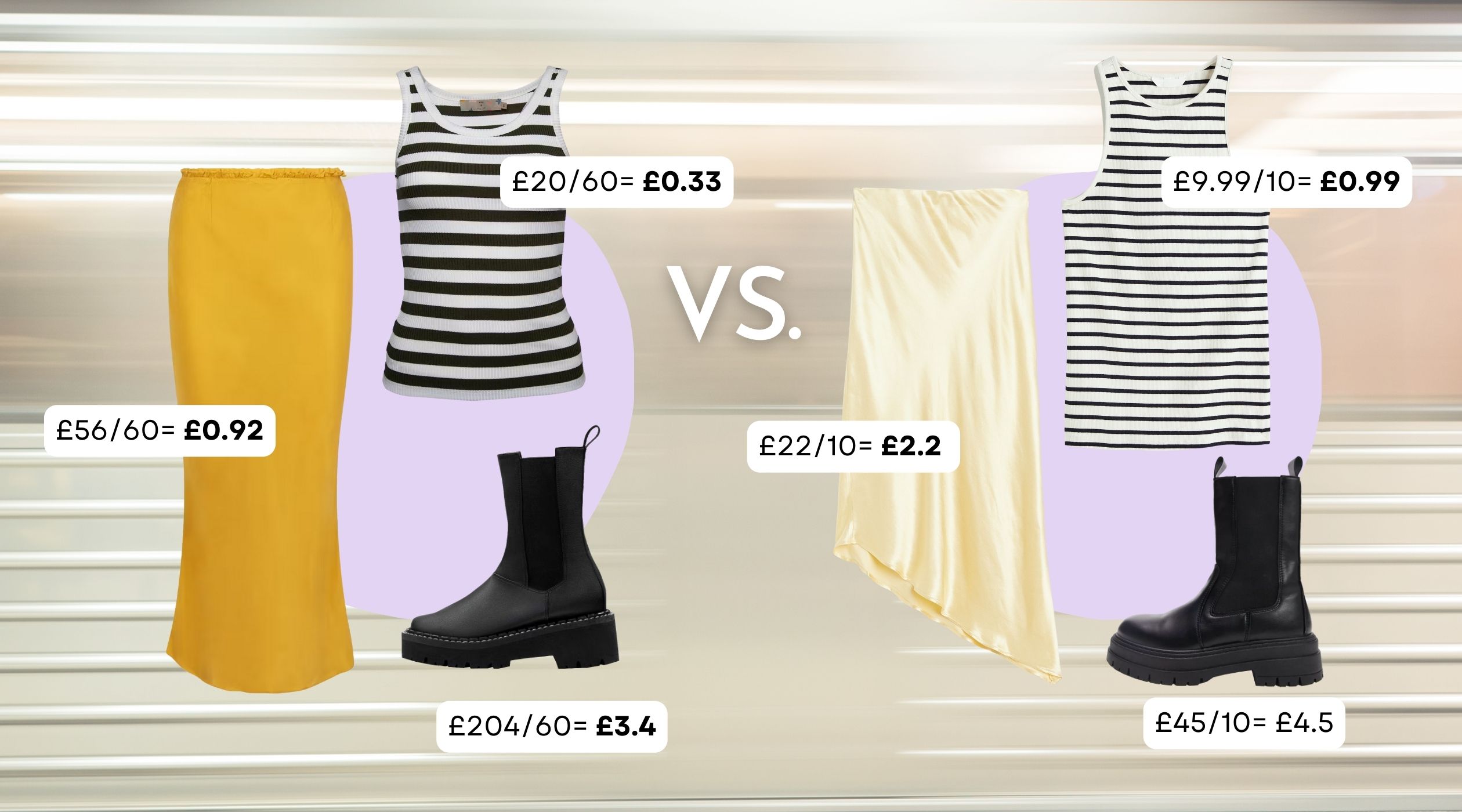
Why is sustainable fashion usually more expensive?

Why is sustainable fashion usually more expensive?

It’s no secret that sustainable fashion usually comes with a

By Annabel Lindsay

March 26, 2026

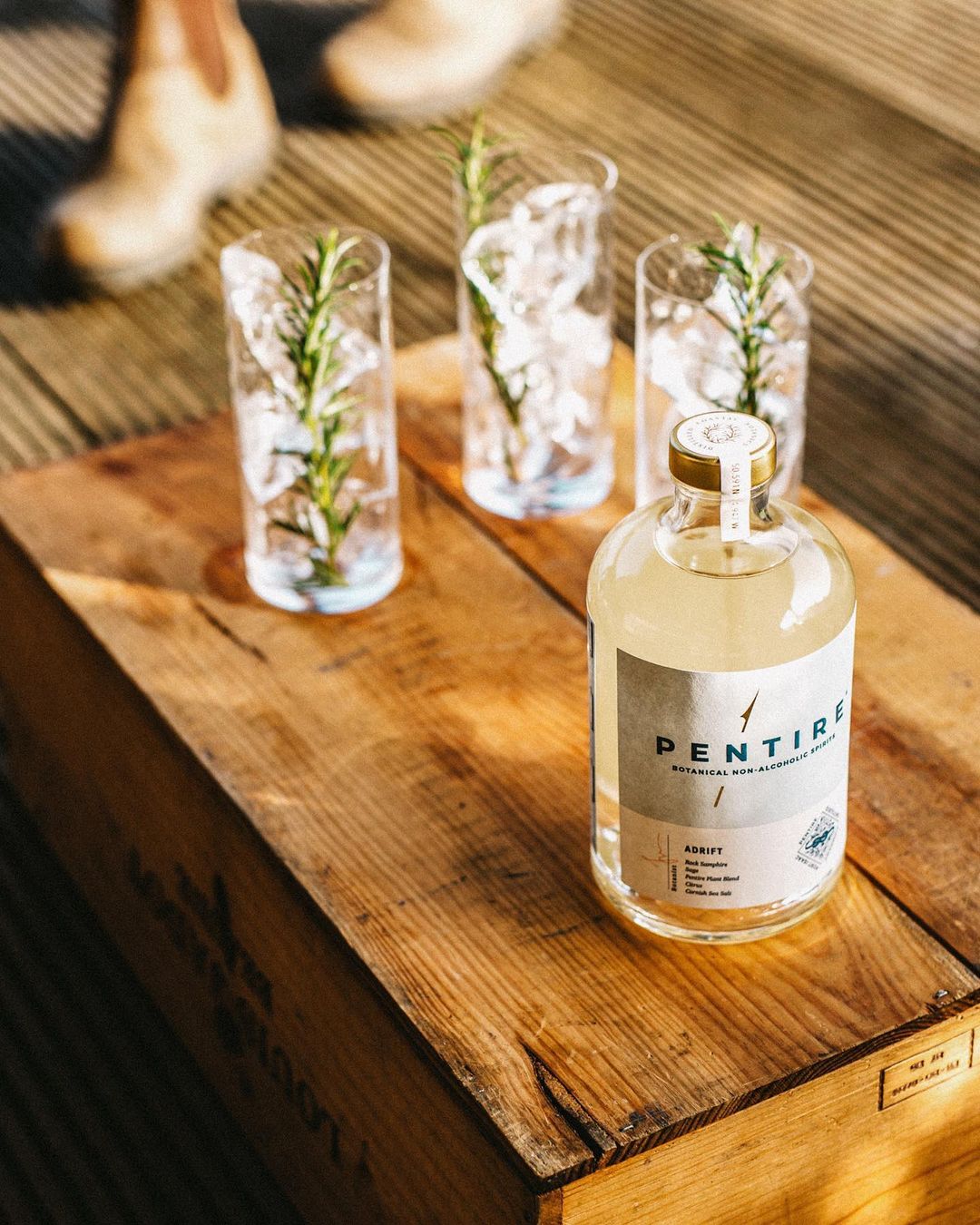
The Best Low-ABV & Alcohol-Free Drinks For Sober October 2023

The Best Low-ABV & Alcohol-Free Drinks For Sober October 2023

Taking on the Sober October Challenge this year? We're sharing some healthy, alcohol-free alternatives that are guaranteed to make this month a breeze.

By Lydia Oyeniran

March 26, 2026

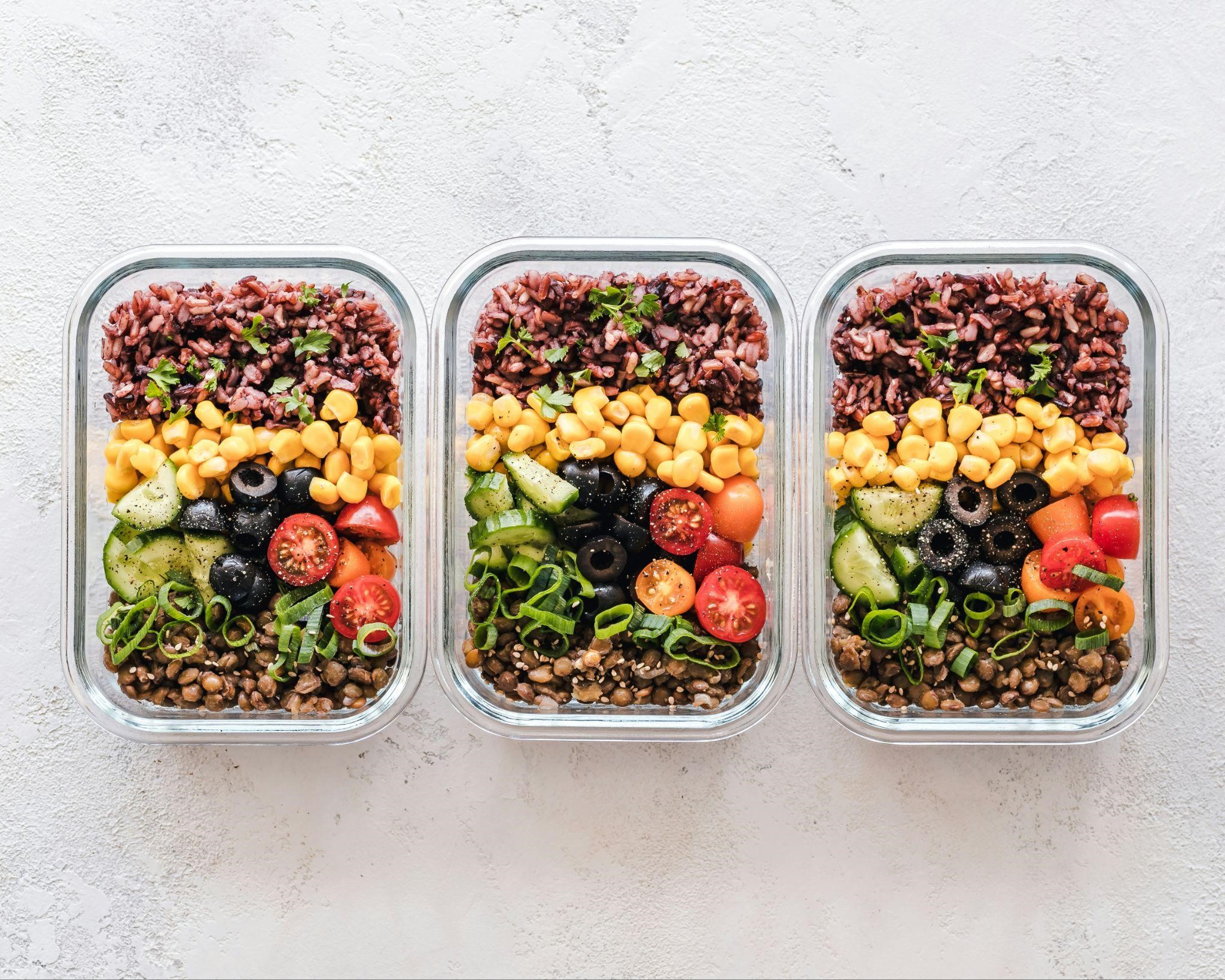
A practical guide to plant-based eating: how to do it well

A practical guide to plant-based eating: how to do it well

The word “vegan” still puts a lot of people off.

By Ziracle

March 26, 2026

How to get involved in Plastic Free July this month

How to get involved in Plastic Free July this month

It is clear that plastic pollution needs immediate action but it can be overwhelming knowing where to start. So we're sharing some easy ways you can get involved in Plastic-Free July this month!

By Lydia Oyeniran

March 26, 2026

10 Mindfulness Products To Boost Your Mental Health

10 Mindfulness Products To Boost Your Mental Health

Being human can be complex, miraculous and sometimes difficult. Our

By Annabel Lindsay

March 26, 2026

Eco Swaps For Fashion

Eco Swaps For Fashion

Eco swaps for fashion: how to buy less, spend less,

By Ziracle

March 26, 2026

A Curated Guide to the Self-Care You Deserve

A Curated Guide to the Self-Care You Deserve

We’re currently over halfway through Mental Health Awareness Week, an

By Annabel Lindsay

March 26, 2026

The Breakdown: What is the difference between biodegradable, compostable & recyclable materials?

The Breakdown: What is the difference between biodegradable, compostable & recyclable materials?

Biodegradable, compostable versus recyclable. What actually is the difference?

By Amelia Marshall

March 26, 2026

How to declutter your home sustainably

How to declutter your home sustainably

Decluttering can often become a wasteful practice so we're sharing some useful tips to help you utilise your things better and declutter sustainably.

By Lydia Oyeniran

March 26, 2026

Skinimalism: what is it and how can you achieve it?

Skinimalism: what is it and how can you achieve it?

Skinimalism: it's 2021's hottest trend...but what exactly is it?

By Amelia Marshall

March 26, 2026

Zero Waste Swaps Everyday

Zero Waste Swaps Everyday

Zero waste swaps for everyday life: the prioritised list Most

By Ziracle

March 26, 2026

The Best Foods To Help You Beat The Bloat

The Best Foods To Help You Beat The Bloat

We're sharing some of the best foods to help you beat the bloat while boosting your overall wellbeing in the process.

By Lydia Oyeniran

March 26, 2026

Eco-home essentials you can’t live without

Eco-home essentials you can’t live without

Making a house into a home is a fine art. Whether you're going for bohemian chic or clean and minimal, we've put together the finest selection of eco-home essentials you won't want to live without.

By Lydia Oyeniran

March 26, 2026

How To Sleep Better

How To Sleep Better

How to sleep better: what actually works, according to the

By Ziracle

March 26, 2026

Anti-pollution skincare saviours

Anti-pollution skincare saviours

Meet the skin saviours designed to cleanse, detox and protect your skin from the impacts of air pollution, using active natural ingredients.

By Lydia Oyeniran

March 26, 2026

Is There A Link Between Plant-Based And Mental Health?

Is There A Link Between Plant-Based And Mental Health?

Is there a link between healthy eating and mental health? Find out more here.

By admin

March 26, 2026

Self-Care in the Stress Age: Nature’s Journey on the antidote for modern living

Self-Care in the Stress Age: Nature’s Journey on the antidote for modern living

As April unfolds, it not only brings the vibrant colours

By Annabel Lindsay

March 26, 2026

Sustainable Coffee Guide

Sustainable Coffee Guide

How to buy better coffee: what the certifications actually mean

By Ziracle

March 26, 2026

From Bottle To Bar: Why You Should Switch To Zero-Waste Hair Care

From Bottle To Bar: Why You Should Switch To Zero-Waste Hair Care

Less waste, natural and better for your hair: why you should switch to zero-waste hair care.

By admin

March 26, 2026

The Truth About Microplastics In Our Cosmetics

The Truth About Microplastics In Our Cosmetics

Microplatics: what are they and how are wrecking the planet?

By admin

March 26, 2026

A guide to sustainable jewellery and the brands doing it better

A guide to sustainable jewellery and the brands doing it better

Many of us enjoy wearing beautiful jewellery, whether we’ve been

By Annabel Lindsay

March 26, 2026

Is sheep wool good for people and planet?

Is sheep wool good for people and planet?

November kicked off with World Vegan Day on the 1st,

By Annabel Lindsay

March 26, 2026

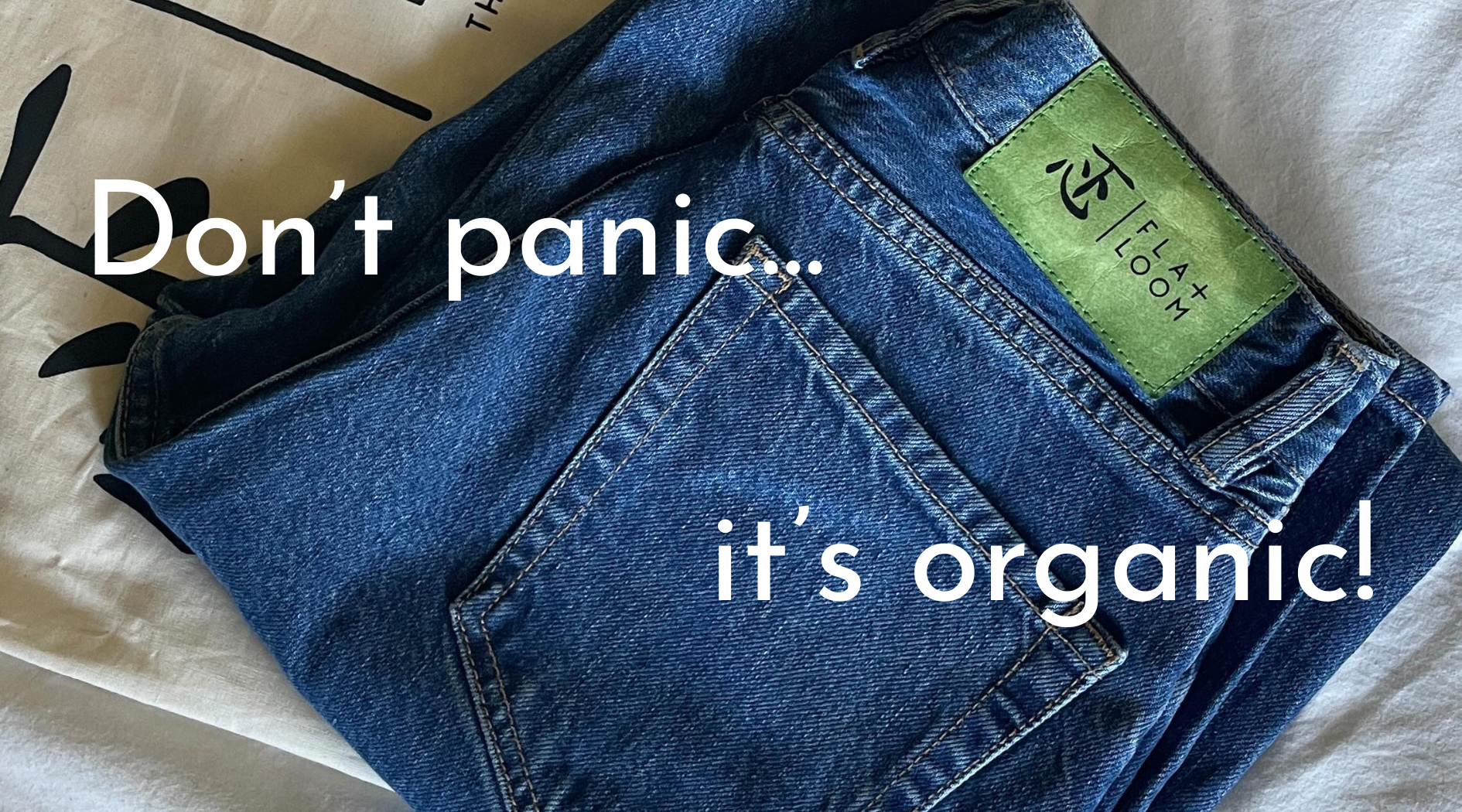
The Low-down on Denim: History, Sustainability and Future

The Low-down on Denim: History, Sustainability and Future

Denim is such a mainstream fashion staple that we may

By Annabel Lindsay

March 26, 2026

Eco swaps for home

Eco swaps for home

Eco swaps for home: the ones that actually make a

By Ziracle

March 26, 2026

Diet culture: the problem with calorie counting

Diet culture: the problem with calorie counting

Diet culture is a pervasive part of modern society but it goes far beyond calorie counting. It's all about our relationship with food and body image. So how can we achieve balance? Keep reading to find out!

By Lydia Oyeniran

March 26, 2026

Eco Swaps For Beauty

Eco Swaps For Beauty

Eco swaps for beauty: the ones that actually work The

By Ziracle

March 26, 2026

Our Pick Of The Best Zero Waste Makeup, Beauty & Skincare Brands

Our Pick Of The Best Zero Waste Makeup, Beauty & Skincare Brands

Recent years have seen a growing trend towards people ditching

By Annabel Lindsay

March 26, 2026

Get Happy: How To Naturally Boost Dopamine And Serotonin Levels

Get Happy: How To Naturally Boost Dopamine And Serotonin Levels

Serotonin and Dopamine are our happiness hormones, which when imbalanced, can negatively affect our mental health. Find out how you can boost these hormones naturally.

By admin

March 26, 2026

5 Ways To Practice Self Love In Your Daily Life

5 Ways To Practice Self Love In Your Daily Life

Practicing self love is hard in times like these. So here are some handy and easy tips to help you love yourself a little bit more.

By admin

March 26, 2026

The best organic facial essential oils to reduce wrinkles naturally

The best organic facial essential oils to reduce wrinkles naturally

From skin dullness and age spots to dryness, wrinkles and fine lines; discover the best organic essential oils to help you rediscover your youthful glow!

By Lydia Oyeniran

March 26, 2026

Creative ways to add meditation  into your day

Creative ways to add meditation into your day

Simply by becoming present in the moment and focusing on the breath, you can incorporate meditation into your everyday tasks with minimal effort. So in honour of World Meditation Day, we're sharing some of our favourite and most creative ways to meditate.

By Lydia Oyeniran

March 26, 2026

Ethically made sustainable underwear brands you need to know

Ethically made sustainable underwear brands you need to know

Whether you're into lacey pairings, cute and comfy sets, boxers, or briefs, these sustainable underwear brands have got all bases covered.

By Lydia Oyeniran

March 26, 2026

Eco Swaps For Food And Drink

Eco Swaps For Food And Drink

Eco swaps for food and drink: where the plastic actually

By Ziracle

March 26, 2026

A beginner’s guide to sustainable fashion: what slow fashion actually means

A beginner’s guide to sustainable fashion: what slow fashion actually means

Sustainable fashion has a vocabulary problem. Slow fashion, ethical fashion,

By Ziracle

March 26, 2026

Slow Fashion: How To Stop Moving So Fast In Fashion

Slow Fashion: How To Stop Moving So Fast In Fashion

What exactly is slow fashion and how is it combatting fast fashion?

By admin

March 26, 2026

How to make your grocery shop more eco-friendly

How to make your grocery shop more eco-friendly

A weekly/monthly trip to the grocery shop is something most of us do on autopilot, not really thinking about the wider impact we might be having. We're breaking down some easy ways to make your grocery shop more eco-friendly.

By Lydia Oyeniran

March 26, 2026

How to bring more hygge into your life

How to bring more hygge into your life

Winter is a season of duality for many of us

By Annabel Lindsay

March 26, 2026

How food can improve your mood: the Biology

How food can improve your mood: the Biology

Our gut is dubbed our second brain - so how can we lift our mood with food? Louise tells us how here!

By Amelia Marshall

March 26, 2026

Buy less, choose well, make it last: how to make better fashion choices

Buy less, choose well, make it last: how to make better fashion choices

An addiction to extremely low prices and fleeting trends has resulted in a 'fast-fashion' culture that is destroying the planet at an alarming rate. With more people wanting to make better fashion choices, we're sharing some easy ways to buy less, choose well, and make it last with slow fashion.

By Lydia Oyeniran

March 26, 2026

Eco-Friendly Summer Holiday Activities & Essentials For Kids

Eco-Friendly Summer Holiday Activities & Essentials For Kids

School’s (almost) out for summer! The summer holidays are a

By Annabel Lindsay

March 26, 2026

Is Foraging The Next Big Step For Slow Beauty?

Is Foraging The Next Big Step For Slow Beauty?

Slow beauty is moving rapidly forward, but is foraging for your skincare part of it?

By admin

March 26, 2026

The Rise of ‘Conscious Consumerism’

The Rise of ‘Conscious Consumerism’

What is conscious consumerism and how can you be a part of the movement?

By Amelia Marshall

March 26, 2026

Best Sustainable Clothing Brands

Best Sustainable Clothing Brands

The best sustainable clothing brands: a shorter list, for good

By Ziracle

March 26, 2026

Daily Habits For Mental Health

Daily Habits For Mental Health

Daily habits for mental health: small changes, real results The

By Ziracle

March 26, 2026

Slow Fashion: How To Stop Moving So Fast In Fashion

suitcase full of fabric and seamstress materials|||

In today’s society, convenience is at our fingertips. We live in a world where we can order a jacket online and have it draped over our shoulders the following evening.

With online stores making it so easy for us to make a purchase, it means we’re buying more clothes than ever before, even if we don’t necessarily need them.

However, with great choice also comes great responsibility, spurring us to think about how ethical fast fashion is – and whether we should slow down the pace.

Whilst the choice is there to move fast, there’s also the option to shop slower and more sustainably. Slow Fashion is the movement of buying clothes for quality and longevity, encouraging a more ethical, sustainable and green way of life.

But how is fast fashion diminishing sustainability, and how can slow fashion help?

Let’s take a look.

  1. What is fast fashion?
  2. How is fast fashion affecting the environment?
  3. How fast is fashion really moving?
  4. What is slow fashion?
  5. How to shop more sustainably

What is fast fashion?

Fast Fashion is often described as inexpensive, on-trend clothing, that takes inspiration from the catwalk or celebrity culture. Manufacturers are known to mass-produce the popular garments at lightning speed and for a very low cost.

It may seem like a great idea commercially, however in order to keep up the pace and make enough money to survive, environmental corners are being cut – and it’s having a huge impact on our planet.

How is fast fashion affecting the environment

Due to ‘flash in the pan’ trends, and the high number of clothes being made, Fast Fashion brands use cheap, toxic textile dyes in production – so, it’s no surprise that the fashion industry is the second largest polluter of clean water globally after agriculture.

And, if the clothes are being sold for a low cost, you can expect the quality to be low, too. Polyester is one of the most popular fabrics in Fast Fashion, and its effect on the environment is devastating. Derived from fossil fuels, polyester sheds microfibres that add to the increasing levels of plastic in our oceans when it’s put through a wash.

Cotton is also a key offender, having a detrimental impact on the lives of farmers around the world. Sourcing cotton is complex– and fast fashion leaves cotton farmers at bottom end of the supply chain. They aren’t visible to the consumer, and have no power to negotiate with the with the traders.

Cotton farmers aren’t making enough money, meaning they can’t afford to pay for essentials for their families like medicine when they are ill, school fees for their children and even food.

How fast is fashion really moving?

The speed at which garments are produced also means that more and more clothes are disposed of by consumers – who don’t actually even wear them. Research shows around 55% of the clothes in an average woman’s wardrobe and 47% in an average man’s are never worn. That’s around £10.5 billion worth of unworn clothes going to waste – and that’s just in the UK alone.

This is creating a huge amount of textile waste. In the UK alone, 235 million pieces of clothing were thought to have been sent to landfill in spring 2017, with the ‘wear it once’ culture at an all-time high.
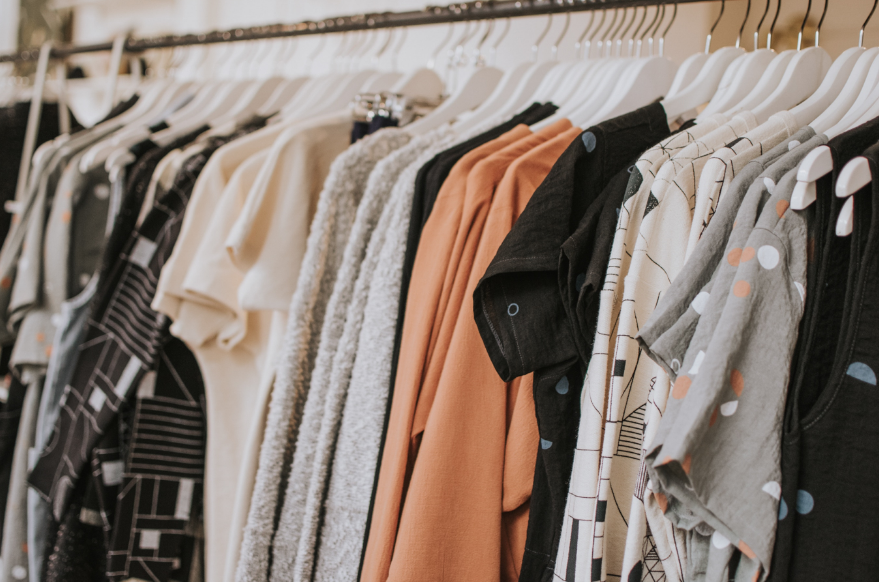
rail with clothes hanging

The people who pay the price

In the midst of the environmental effects, there’s also ethical issues to consider. Fast Fashion brands pay garment workers, often in deprived countries, low wages and leave them in conditions without basic human rights. Today’s consumers are often unaware of how a quick fire purchase impacts suffering of another human being.

As Fast Fashion increased in recent years, a growing number of activists, petitioners and brands stepped in to raise awareness and lead consumers to a more sustainable way of shopping.

This was the beginning of the slow fashion movement.

What is slow fashion?

Conscious and mindful, Slow Fashion represents sustainability in one unified movement. The movement was steered by Kate Fletcher, from the Centre for Sustainable Fashion. Her 2007 article in The Ecologist took the world by storm, exposing the dangers of fast fashion and the damage it can cause.

It is essentially the opposite of Fast Fashion, and stands for designing, creating, and buying garments for quality and longevity. It encourages slower production schedules, fair wages, lower carbon footprints, and (ideally) zero waste.

Designers who support Slow Fashion create timeless pieces, designed to last a lifetime. They consider the full product life cycle, including the materials used, the human labour and the intention of the garment.

In the same way as slow living, Slow Fashion is holistic and focuses on purpose rather than pace. It goes against the current societal norms that “more is more” and “faster and cheaper are better.”
Organic cotton growing in a field

How to shop more sustainably

The 30 wears test

The Slow Fashion movement is about making the most out of your wardrobe and wearing your clothes in a number of different ways, time and time again. One easy way to adapt to this way of thinking is to do the ’30 wears test’. The #30wears campaign was launched by Livia Firth (Colin Firth’s wife), and proposes that when considering buying something new, you ask yourself “Will I wear this at least 30 times?”

The campaign wasn’t launched to stop us from buying new clothes, isn’t about giving up buying new clothes altogether, it’s simply about changing our approach; viewing clothes as an investment rather than something disposable. By doing this, we can reduce landfill waste and improve our carbon footprint.

Donate your unwanted clothes to family and friends

They say one man’s trash is another man’s treasure, and this rings true for clothes, too. By donating clothes to either family, friends, or your local charity shop, you’re helping others be more sustainable. It stops people from buying new, without taking away the high we get from getting a lovely new item for our wardrobe.

A great way to do this is to have a one-in, one-out policy – live by the mantra that every time you buy something, you’ll donate something else in your wardrobe.

Look after your clothes so they last longer

If you buy something from a Slow Fashion brand, it’s likely to cost a little bit more, and you’re way more likely to respect it. It’s also going to be high-quality, made from sustainable fabric in a workplace where employees are well treated and cared for.

The way you treat your clothes impacts their longevity, so if you care for them and treat them well, they’ll last for decades and you won’t have to replace them.

From caring for your cashmere to washing your denim inside out, go the extra mile to ensure your clothes stay at their best for longer.

Buy the right materials

If you’re confused about which materials to buy, an easy rule to follow is to only buy items cut from natural fabrics you’ve heard of like wool, silk and linen. Fabrics that are made from unnatural fibres are created in labs synthetically, using chemicals like petroleum. These fabrics aren’t biodegradable and, just like polyester, shed microfibres every time they’re washed, inevitably polluting out our waterways.

Shop vintage

Vintage clothes are super stylish, affordable – not to mention a lot of fun. If you want to become a more sustainable shopper, head to your local vintage store and see what gems you can find from years gone by.

Actress and activist, Emma Watson, spoke openly about the sustainability of vintage clothing on her Press Tour Instagram account.

She said: “Every new item of clothing made has a substantial carbon footprint attached to its manufacturing; but the amount of new energy needed to produce vintage clothing is zero,””Vintage clothing has a huge role to play in making fashion more sustainable and reducing a global footprint that includes the 132m metric tons of coal used yearly through the production of new fibers, dyeing and bleaching of garments and the 6-9 trillion liters of water used by the industry.”

Mend and make do

In the 1940’s, the ‘Mend and Make Do’ campaign was launched, encouraging people to learn how to repair their clothes when they rip, or if a button comes loose. Whilst this was initiated due to fabric rationing during the war, the fundamentals of the campaign can be applied to slow fashion, as the principle stays the same.

If you don’t have the time to get behind a sewing machine, or simply don’t have the skills, pay a professional to do it. Think twice before before using it as an excuse for something new.

Wanting to shop more ethically but not sure where to start?

We created Veo – the earth-friendly marketplace to disrupt retail and help you shop better. We made things “effortlessly ethical” just for you.

Slow fashion doesn’t mean your wardrobe has to be drab or boring. Our Fashion and Apparel section is home to thousands of colourful and unique brands.

Browse endless items and give your attire a little more purpose.
The Truth About Microplastics In Our Cosmetics

microplastics in cosmetic scrubs|||deep sea fish and woman with microplastic ridden cosmetics on her face

Governments across the globe have started to ban the use of microbeads in rinse-off cosmetic products.

After a Greenpeace petition against microbeads amassed 385,000 signatures, the UK microbead ban came into effect in 2018.

The Netherlands, South Korea, Taiwan, Sweden, New Zealand, France, Canada, and some states in the US have also legislated against microbeads in cosmetics.

India and Italy will follow suit in 2020.

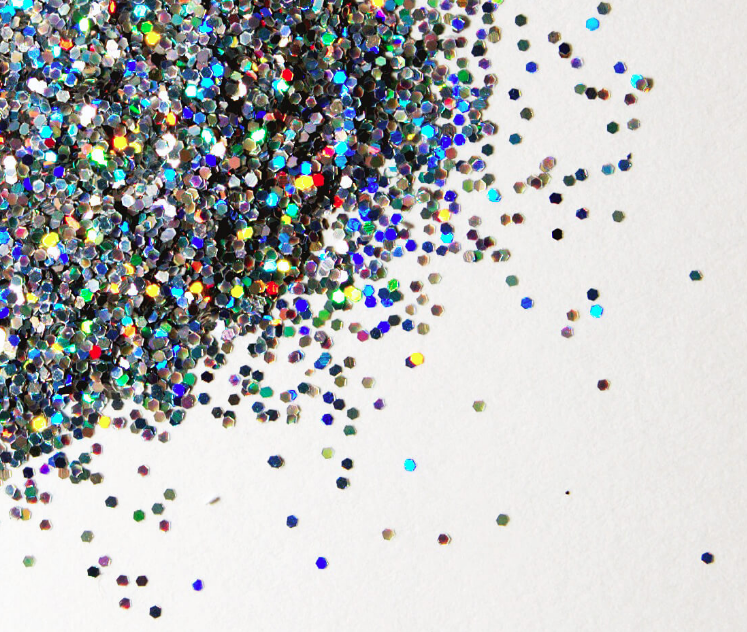
Sadly, there are some microplastics which aren’t covered by the legislation, such as glitter.

The EU is currently considering a comprehensive ban on microplastics in cosmetics, paints, polish and detergents for all members.

The Truth About Microplastic in Our Cosmetics:

  1. What are microbead/microplastics?
  2. Why are microbeads added to cosmetics?
  3. Why are microbeads a problem?
  4. How can we avoid microbead plastic pollution?

What are microplastics and microbeads anyway?

Microplastics are defined as any piece of plastic under 5mm in size.

Microbeads are a type of microplastic that can be added to cosmetics and cleaning products.

They are usually smaller than 1mm and can be listed on cosmetic ingredients as polyethylene (PE), polymethyl methacrylate (PMMA), nylon, polyethylene terephthalate (PET) or polypropylene (PP).

Primary microplastics are pieces such as microbeads which have been intentionally manufactured at a small size. Secondary microplastics are made from larger pieces breaking down in the environment.

Pile of glitter spread over a white table

Why are microbeads added to some cosmetics?

  1. Microbeads are added to some face and body scrubs for their abrasive qualities.
  2. Their uniform sizes and shapes can make them less abrasive than natural alternatives such as almond, oats, or pumice.
  3. They are cheap to manufacture, so they help companies make big profits.
  4. Microbeads won’t degrade or dissolve in products with a long shelf life.
  5. They are used to add colour or sparkle.

As cosmetic companies compete for sales in the aisles of pharmacies and supermarkets, every brand is looking for a ‘Unique Selling Point’ while maximising their profits.

Brands often redesign and repackage the same products, with the promise of a new formula, better performance.

Constant innovation is a key part of capitalist consumer society, and microbeads grew in popularity until the shelves were full of products ranging from toothpaste and facial scrubs, to glittering bath bombs and hair gel.

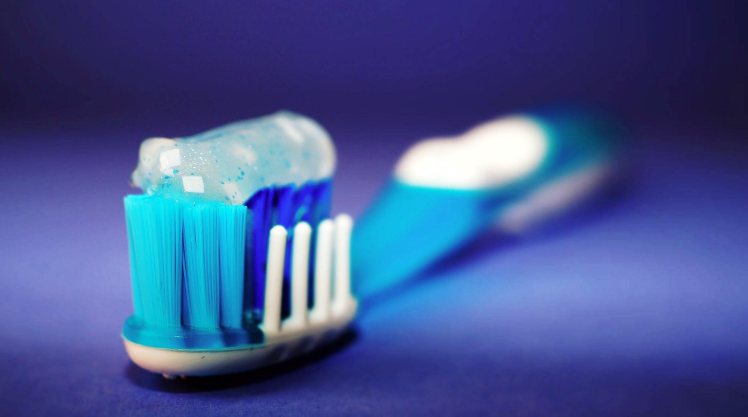
toothbrush with toothpaste on it that has microbeads in it.

But what’s the problem with microbeads?

Microbeads are designed to get washed down the drain, but they are too small to be filtered out by water treatment plants.

This means that they enter the environment through treated waste water. Microbeads are not biodegradable, and will travel through the rivers and into the sea. With nearly 1.5 million microplastic particles in a single tube of facial scrub, researchers at Plymouth University discovered that between 4,594 and 94,500 microbeads may be released with every use.

That’s a whole lot of teeny pieces of plastic in the ocean from just one wash!

When microplastics are in the sea, they attract waterborne toxins and bacteria, which stick to the shiny surfaces.

Microbeads and other microplastics look very similar to food items for fish, amphibians, insect larvae and marine animals, so they often get eaten.

The particles can block digestive tracts and cause other physical problems. Worryingly, the pollutants which have accumulated can enter the human food chain through contaminated seafood.

Microplastics have been found in 73% of deep sea fish as well as every single marine mammal surveyed in the UK.

It’s been estimated that if you eat shellfish regularly, you might be consuming around 11,000 pieces of microplastic a year. Yuk!

How can we avoid causing more microplastic pollution?

Even though the UK has banned microbeads, there are still lots of other ways that microplastic pollution can enter our environment.

With primary microplastics still found in glitter, paints, waxes, polishes and detergents, there is a long way to go before we’ve seen the back of them. Here’s a list of ten simple actions that you can take to help beat microplastic pollution:

  • Check your old cosmetics for polyethylene (PE), polymethyl methacrylate (PMMA), nylon, polyethylene terephthalate (PET) or polypropylene (PP) and throw them out if you spot these on the ingredients list!
  • Wear clothes made from natural fibres such as linen, hemp and organic cotton (synthetic fibres such as polyester fleece and polyamide shed microplastics when they are washed).
  • Choose natural paints, oils and polishes for your home. (acrylics, polyurethane and alkyds all contain types of plastic).
  • Avoid glitter. (Even ‘biodegradable’ glitter can contain up to 8% plastic.)
  • Choose shoes made from natural fibres with natural rubber soles.
  • Make your own natural household cleaning products from simple ingredients such as bicarbonate of soda and vinegar.
  • Use natural fibre sponges and scrubbers for washing up, household cleaning and bathing.
  • Switch to loose leaf tea – most teabags are made from plastic – ewww!
  • Avoid single-use plastic products to help stop secondary microplastic pollution.
  • Sign the Plastic Soup Foundation’s petition asking the EU to ban microplastics in cosmetics.

When trying to make better lifestyle and health and beauty decision when it comes to shopping we understand it can be difficult and confusing with so many conflicting opinions already out there on the web.

Veo is a destination for consumers who care about the origins of the products they purchase.

A home for unique independent brands who create high-quality sustainable products, which are better for us and the world around us. Our mission is to make the kind healthy green choices simple and easy: “effortlessly ethical”!

Shop our safe healthy and beauty brands here.

Is There A Link Between Plant-Based And Mental Health?

||

It seems as though recently plant based / vegan diets have become increasingly popular and there is quite a lot of attention drawn to the fact that removing animal products from our plate has a benefit in terms of physical health, environmentally and of course… for the animals!

But did you know that some research has made links between a plant based diet and mental health?!

I, myself am a registered associate nutritionist, with a long history of mental health difficulties including anxiety, depression and disordered eating who has a predominantly plant based diet. So I find this up and coming area of nutritional research incredibly exciting!

What does the science say?

For a while now the field of nutritional science has made a connection between the food we eat and our mood.

But why?

Well, preclinical evidence suggests that there is a circular link between the gut, the gut microbiome and the brain and is often referred to in science as the gut-brain axis.

In simple terms that just means that all three of those interlink and affect each other.

Plenty of research now suggests that alterations between the gut-brain connection has implications for neurological and psychiatric conditions.

When referring to the microbiome, I am referring to the community microorganisms that live in the gut, and digestive tract.

When our gut is out of whack and our microbiome if unbalanced, it can cause inflammation of the gut and ultimately this has been connected to both depression and anxiety.

This is because a healthy gut has been linked to the function of a healthy central nervous system.

If you need more convincing that our gut can affect our well-being, well you know the happy chemical serotonin floating around our bodies…?

95% of this mood balancing chemical is released from the gut!

Our bodies are beautiful and clever things, and when we provide the right conditions, our body and brain can work harmoniously together – that includes nutrition!

So does a diet high in plant foods help my mental health?

Research in this field is very current and is still emerging, so there is still lots to be discovered.

But from reading the available scientific literature, it appears that a vegan or vegetarian diet, compared to one including meat, contributes to a more stable and more varied microbiota and good bacteria.

Not only this… Increased fibre has been linked to an increase in serotonin AND it has been shown to increase the levels of good bacteria in the gut!

As both of these factors have been shown to effect mood. An increase of fibre in your diet, is a great AND easy place to start if you are looking to improve your mental health.

What kind of fibre you ask?

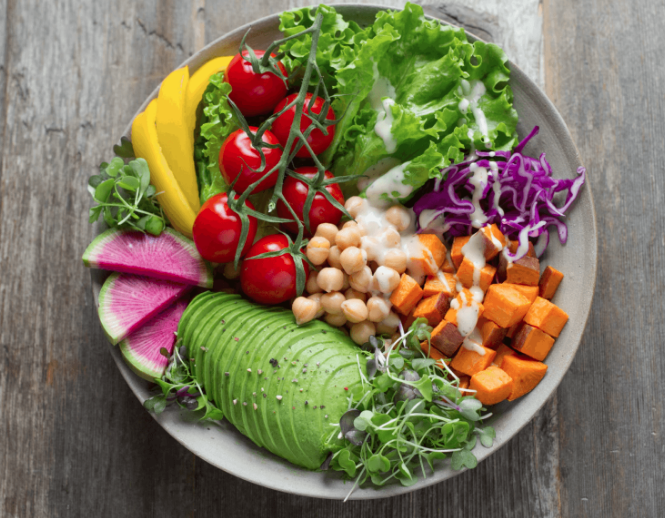
high fibre, colourful salad bowl with tomatoes, avocado, chickpeas, sweet potato, cabbage and lettuce.

Well, fruit, vegetables and wholegrain have been shown in studies to reduce levels of anxiety, depressive symptoms and to have a positive effect on healthy mood states!

This is another reason to boost the number of plants on your plate!

Do I have to be 100% vegan?

Absolutely not. Firstly, vegan and plant based are completely separate things.

Veganism is the avoidance of animal products in every area of one’s life (cosmetics, clothing, diet etc.), whereas plant based is the exclusion of animal products from one’s diet (meat, fish, dairy, eggs).

The rise in popularity of a vegan diet has been amazing for environmental concerns, however it has promoted the growth of the ‘junk food vegan’ diets i.e. those high in processed vegan goodys like ice cream, sugary sweets etc.. (NOT beneficial to your gut – brain health).

A whole foods plant based diet, rich in fruits, vegetables, nuts, seeds, wholegrains and fermented foods is one of the healthiest ways to improved your gut microbiome AND ultimately this can positively impact your mental health.

SO whatever stage of your health journey you are at, I would advise implementing as many plants as you can into your daily intake and avoid or at least reduce foods which will negatively effect your gut i.e. processed goods, artificial sugars and meat.

Remember, you don’t have to be 100% perfect with your diet, but any step towards a more natural plant based diet will have a positive effect on your health.

Which foods do I recommend for a healthy gut and mind?

· All fruits and lots of them (full of anti-inflammatory properties and antioxidants)

· Lots of vegetables!

· Protein sources – beans, pulses, lentils, tofu, tempeh

· Healthy fats in moderation – avocado, nuts, seeds, olive oil

· And don’t forget to STAY HYDRATED to keep the digestive system happy!

Of course, your mental health doesn’t solely depend on your diet. As well as adding more plants to your diet it is so important to take care of yourself in other areas of your life too.

Getting enough water and exercise (150 minutes a week), as well as spending time with lovely people, getting fresh air and taking time to reflect on your emotions through meditation or journaling are all really important pieces which make up the puzzle which is a healthy brain and mind!

Happy food from my website www.caseygemma.com

Your food really does affect your mood, so eat more plants, eat less processed junk and as always – be kind to yourself!

From Bottle To Bar: Why You Should Switch To Zero-Waste Hair Care

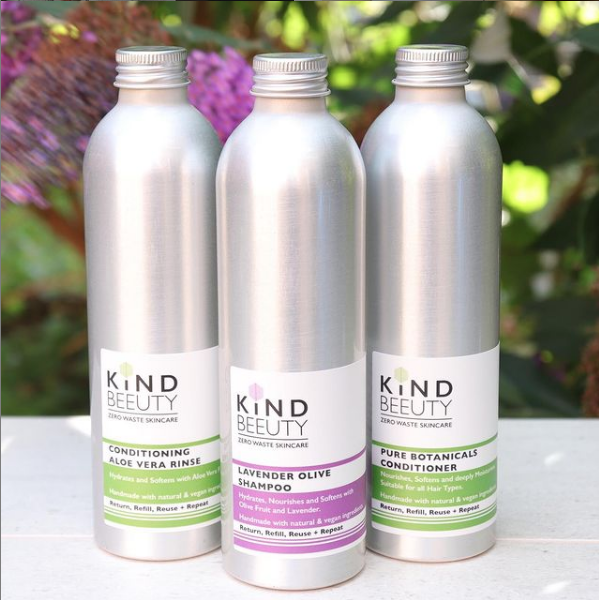
kind beeuty hair care products

How often do you buy shampoo and conditioner? If you wash your hair three or four times a week, we’re guessing that’s around once a month. Over a year, that adds up to 24 bottles, and over 10 years it’s a staggering 240 – which is a lot of plastic waste.

A million plastic bottles are bought around the world every minute and this number is projected to jump another 20% by 2021. With these alarming figures currently in the media spotlight, many brands and consumers are making changes to their packaging and purchasing.

The beauty industry is already ahead of the game, and you may have already noticed that traditional bars of soap are on the comeback trail; replacing bottled shower gels and body wash.

With that in mind, the latest trend to hit the stores moves north of the body, focusing on sustainable haircare. Replacing your bottled shampoo with a solid solution in the form of a soap bar could break new ground when it comes to environmental impact.

Compact and convenient, this niche beauty category is certainly one to consider if environmental concerns are increasingly playing on your mind.

Adapting a zero-waste hair care routine is one of the easiest changes you can make. However, if you’re worried about switching their shampoo, fear not, as we’re about to assure you that your locks will be just as luscious, and your purse will even be a little lighter.

What is zero-waste haircare?

If you’re a little intrigued but aren’t entirely sure what zero-waste hair care actually means, we’re about to reveal all. Zero-waste products are developed and packaged using only materials that can be reused or composted, rather than sent to landfills or being incinerated.

When it comes to haircare products, we automatically visualise a plastic tube or bottle, because that’s all we know, right? Well, not anymore. Now, thanks to the growth in sustainable living, an increasing number of haircare brands are redefining how we use shampoo and conditioner – and it no longer comes in liquid form.

Say hello to the shampoo bar, a zero-waste, eco-friendly alternative to the endless bottles you’ve been throwing in the bin throughout your life.

Tell me more about shampoo bars…

Although they seem a little strange, solid soap shampoos were commonly used before liquid detergent shampoos became popular in the 1940’s.

Turns out, they even date way back to the 1800’s. In the book Hints on Health, published in 1852, William Edward Coale wrote, “To cleanse the hair, there is nothing better than soap and water . . . the soap, of course, should be mild, and well and plentifully rubbed in, and afterward thoroughly removed with an abundance of water.”

While the process for making a shampoo bar is the same as making soap, a well-formulated shampoo bar is drastically different.

Today’s product has been developed specifically for your hair and is packed with an abundance of rich vitamins and minerals, designed to keep your hair and scalp soft, shiny and full of volume.

Shampoo bars use different proportions of natural oils, butters, and botanicals, that are known to help nourish the hair and scalp.

What are the benefits to the environment?

As mentioned, shampoo bars are plastic free – so you’ll no longer have to squeeze the last drops from the bottle. This also means they have a huge impact on the environment, and as it’s recently been calculated that the number of shampoo bottles condemned to landfills in a year could fill 1,164 football fields, it’s an issue we need to tackle.

Furthermore, because of their smaller size, more can fit into the lorries that transport them to reduce your carbon footprint even further.

What about the benefits to my hair?

Most people find benefits in switching to a shampoo bar such as increased volume, faster-growing hair, reduced dandruff, shinier hair and less frizz. If you have curly hair, you’re likely to have more defined curls with better control.

Shampoo bars don’t contain any harmful chemicals found in liquid shampoo, as they are made from totally natural oils. If you read the ingredients list on the back of the bottle, you’ll most likely see sodium laurel sulfate or sodium laureth sulfate, which are the chemicals responsible for the foamy lather when you wash your hair.

However, these ingredients can cause a dry, itchy and irritated scalp, they can dry out your hair, and contribute to hair loss, especially if you shampoo every day.

Once they wash down the drain, it’s worth knowing that these chemicals don’t break down. Instead, they build up in our ecosystem, polluting our rivers, lakes and public water systems.

Whilst shampoo bars do not lather as well, you can be assured they also won’t strip your hair of your natural oils, and they certainly won’t be polluting the environment.

How do you use one?

Because there are no chemicals in a traditional shampoo bar, you’ll miss a little lather, and the change in application needs to be greeted with an open mind.

Some brands recommend rubbing the bar between your hands first while others advise applying it directly to the scalp instead, so it’s best to give both a go and see what you prefer.

You may notice a few changes in the first week, but this is just your hair getting used to the switch. Experts say it takes around a week of washing to see the benefits – so stick with it.

Can I take them on holiday?

Did we mention these are perfect for travel? If you’ve ever been victim to a leaking shampoo bottle in your suitcase, you’ll know how devastating that can be. However, as you don’t have to worry about any spillage with a shampoo bar, you can pop them in your case with ease, knowing they’ve not ruined your new kimono or your gorgeous selection of holiday dresses.

So, not only are they small and lightweight, taking up way less room in your suitcase, they are also TSA approved, which means you don’t have to worry about your liquid allowance at the airport. By popping one of these in your bag, they’ll help prevent using the mini shampoos and conditioners at your hotel, reducing packaging waste.

How long do they last?

They look small, but you only need to use a small amount of a shampoo bar to wash your hair thoroughly. With the water removed, one bar can do the job of 4 to 5 bottles of commercial liquid shampoo, meaning it can last for a few months. However, it all depends on how many people are using it and how often you wash your hair.

To make your shampoo bar last, store it on a well-drained soap dish and don’t let it sit in a puddle of water.

Let the bar breathe and allow it plenty of fresh air to dry between uses. If your bar ever gets waterlogged and becomes gooey, the key is to let it rest on a draining soap dish for a few days and let it dry out before using again.

The verdict?

Making the decision to switch is easy but sticking to it is a challenge for many. If reducing your plastic waste and carbon footprint is important, switch your bottle for a bar and get set to give your hair the natural nourishment it deserves.

On Veo we offer a wide range of shampoo bars and refillable earth-friendly hair care options. Check them out here!

Is Foraging The Next Big Step For Slow Beauty?

|||||||||||||||

Benzoyl Peroxid, Dihydroxyacetone, Glycerin, Emollient – the list of ingredients contained in our skincare products is pretty scary.

They claim to work wonders on our skin and often come in beautiful packaging, with an expensive price tag.

But with slow-beauty on the rise, and an increasing number of women keen to incorporate a waste-free regime, foraging could be the next big sustainable trend.

So, what is foraging?

Foraging simply involves sourcing ingredients from the wild, usually for food, but in this instance it’s for skincare.

There is an abundance of natural ingredients with skincare benefits in the woodlands, and you can combine them with other natural sources to create a new, organic treat for your face or body.

Natural ingredients grow by season, so you often can’t forage the same stuff all year round.

To help you out, beauty experts reveal what items you can forage each season, where you can find them, and how you can use them to create a gorgeous new product for completely free.

Spring

Chickweed

Where: Chickweed is found in shady, moist locations including gardens and woodlands.

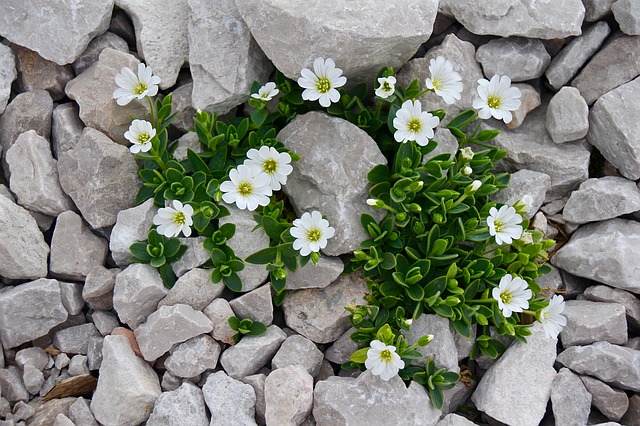
image of chickweed growing between light grey rocks

Benefits: Chickweed is commonly used to help treat a number of skin issues as it contains natural antiseptic, antifungal and anti-inflammatory properties. It’s regularly used as a quick remedy for itchiness and skin irritation.

Dandelion

Where: Dandelions love moist, sunny areas, they only go dormant during cold winters and are easy to find.

Benefits: The sap derived from dandelions is naturally highly alkaline, meaning it’s great for combating germs, bacteria and fungus.

dandelions in long grass next to pink flowers

It’s also thought the sap can be used to treat conditions like ring worm and eczema. Seen as a natural detoxifier, dandelion juice is often used to help treat acne naturally, with its increased vitamin C content helping to treat and sooth scars and inflammation.

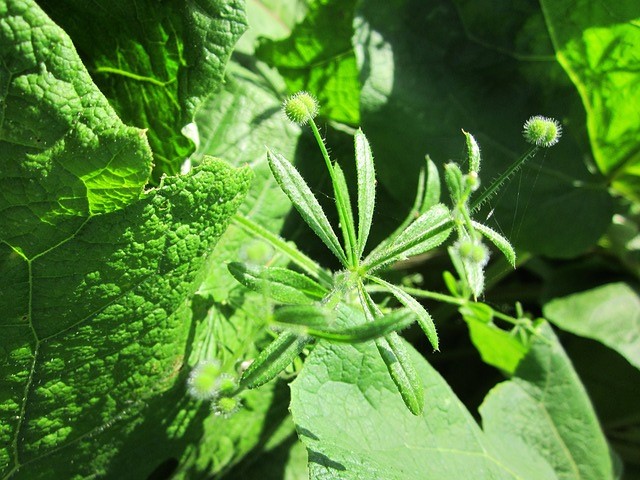
Goose grass

Where: You can find it in turf, landscaped areas, like crop fields, orchards, and in gardens.

close up image of goosegrass.

Benefits: In the past, goose grass has often been used to treat common skin issues such as psoriasis and eczema. It’s also thought to help aid the healing of small cuts, scrapes and abrasions.

Wild Garlic


Where: You can usually find this near marshland or water drainage ditches in all parts of the country.Benefits: Wild garlic is rich in allicin, meaning it has lots of lovely antiviral, antifungal and antiseptic properties. It’s used in a variety of products to cleanse the skin and treat acne, removing the bacteria that causes breakouts. Garlic also naturally contains large quantities of vitamins C which, amongst other things, is known to boost collagen and reduce to effects of UV exposure.

huge pile of wild garlic in a dark brown wicker basket

Recipe: Dandelion Face Serum

This Dandelion face serum is specially created for all skin types to brighten your complexion, tighten and firm skin. This magical flower has properties known for reducing age spots and scars, so perfect to be used as serum before you wear your daily or nightly moisturizer.

Ingredients

  • 6 fresh dandelion flowers and leaves
  • Aloe vera leaf
  • 1 teaspoon vitamin E

1. Firstly- wash the flowers and chop off the base of the stems to remove any dirt, leave to drain.

2. Slice the aloe vera leaf down the middle and scoop the gel to fill half a cup.

3. Whiz the dandelions and aloe vera gel together into a food processor (a Nutri bullet would be perfect)

4. Leave to sit for one hour.

5. Either using a cloth or a strainer squeeze the gel into a bowl. Carry on until all you have left is the dandelion leaves left in the strainer and all of your dandelion infused gel in a bowl.

6. Gently mix in the vitamin E

7. Pour into a pot or bottle, preferably made from dark glass to keep it preserved for longer.

8. Add to skin morning and night and use within 10 weeks.

Summer

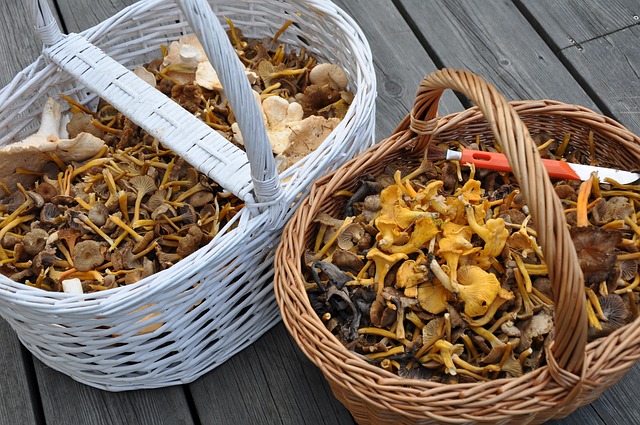
Chanterelle mushrooms

Where: Growing in clusters, the mushrooms grow in mossy coniferous forests. They are also found in mountainous birch forests.

Chanterelle mushrooms in wicker baskets

Benefits: Like many species of fungi, chanterelle mushrooms are packed with vitamin D which is what we get from natural sunlight. Rich in niacin, chanterelle mushrooms can also help address a number of skin conditions like eczema and rosacea, as it helps to reduce redness, inflammation and irritation.

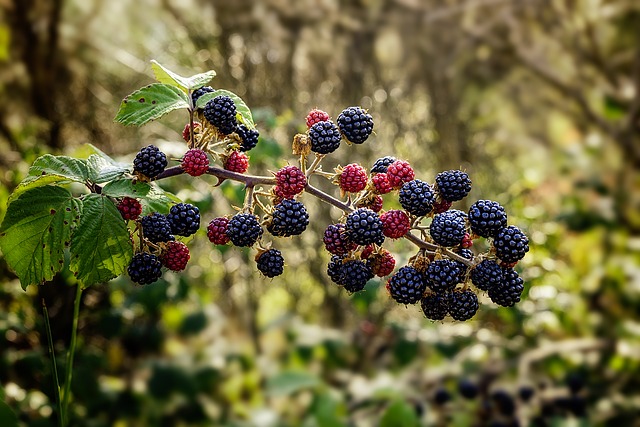
Blackberries

Where: Blackberries are commonly found in brambles in most woodland areas.

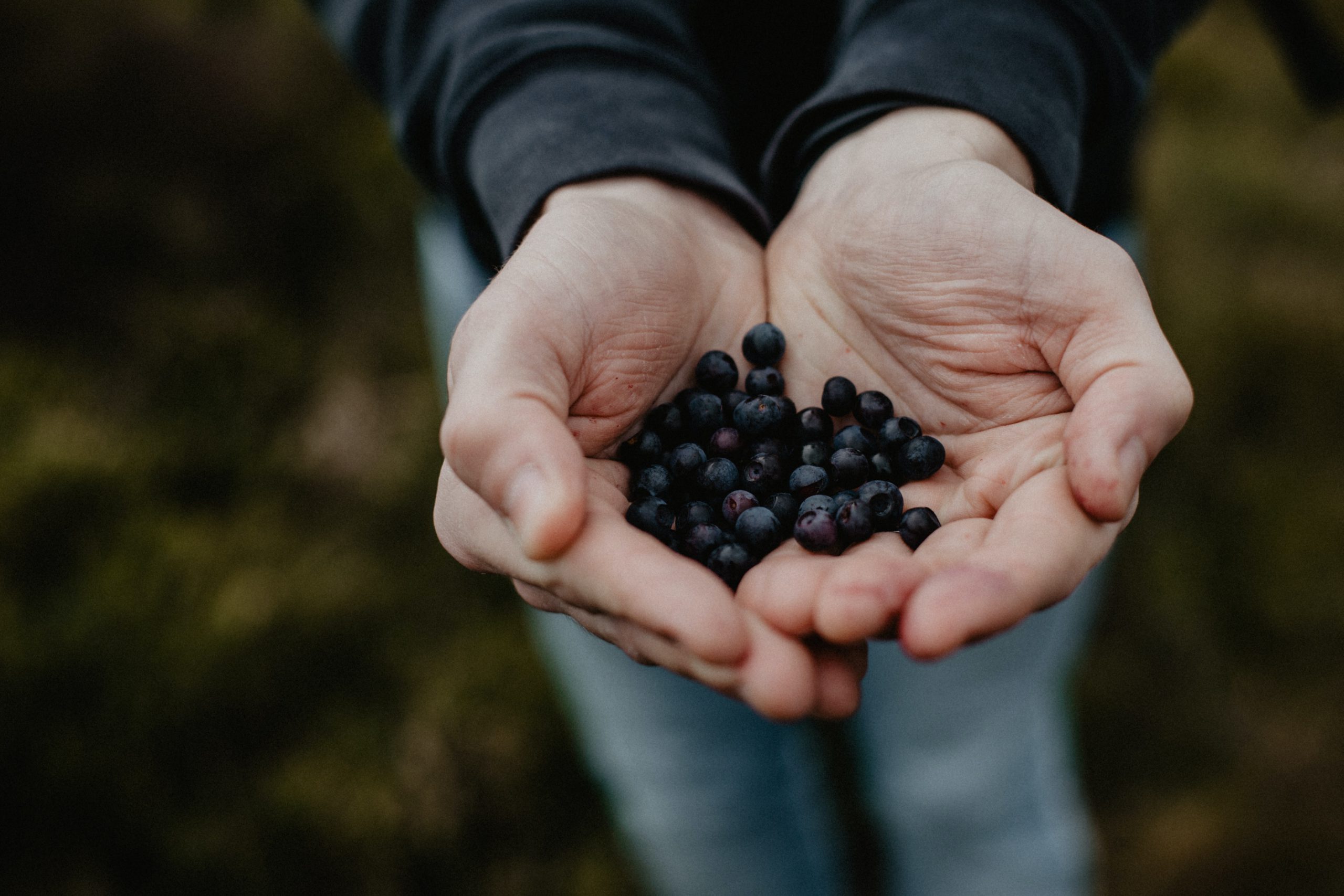
black berries

Benefits: Blackberries are rich in antioxidants, which help promote good circulation and a strong immune system. The small fruit often features in face masks because of its acne busting astringent properties. The high amount of vitamin C found in blackberries also helps to boost collagen production, and thus makes the skin appear more vibrant and healthy.

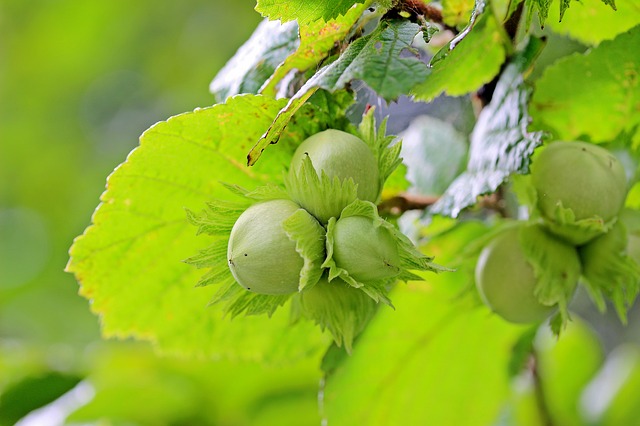
Hazelnuts

Where: Find these little gems in moist, lowland soil and under the shade of oak trees.

Benefits: Hazelnuts contain a high concentration of antioxidants, and as such are often applied directly to the skin. Naturally rich in fatty acids and vitamin E, hazelnut based products can help to both hydrate the skin, and preserve its elasticity. Plus they taste great if you want to add some protein to your diet, too!

Honeysuckle

Where: Honeysuckle grows close to home, and even on exteriors of buildings.

close up image of honeysuckle

Benefits: Honeysuckle is commonly found in remedies for eczema, acne and rosacea. Oil distilled from the plant is also found in hair products as it can strengthen the roots and strands of hair. As an essential oil, honeysuckle is often used in aromatherapy, and is widely thought to help treat headaches, reduce sinus pressure build-up and relieve stress.

Recipe: Rose Face Spritz

This wonderfully refreshing recipe is ideally used as a face toner as well as a face spritz on hot days when you need a little cooling down.

Ingredients

  • 7 Roses
  • 1.5 litres of distilled water

1. Gently pull the petals from the roses and place the them into a colander, under a tap running luke warm water to remove any dirt.

2. When the petals appear to be clean, pop then in a pan of the distilled water. If 1.5 litres is not enough then add more to cover the petals.

3. Over a low to medium heat, bring the petals to a simmer for about 25 minutes until they have lost their colour and are now very pale pink.

4. Strain the mixture and separate the petals from the water. Don’t throw the petals away- they can be enjoyed in a bath that evening!

5. Pour your now Rose water into a dark bottle and enjoy as a Rose water face spritz to cool you down through the summer!

Autumn

Plums

Where: Plums are often found in hedgerows in the wild.

image of plums on a branch

Benefits: Like many natural remedies, rosehips are known for their astringent properties, which means they help to tighten the skin and close the pores. They also contain lycopene and beta carotene (which is what we find in carrots), and can help to remedy hyperpigmentation, where the skin darkens in places due to sun exposure, medication or hormonal changes.

Hawthorn

Where: Hawthorn grows in hedgerows, woodland and scrub.

close up image of orange hawthorn berries

Benefits: Hawthorn berries are naturally rich in polyphenols, and are thought to boost the immune system and lower blood pressure. Cosmetically, hawthorn berries are found in a wide range of hair products as they’re supposed to be amazing for helping stimulate fast hair growth.

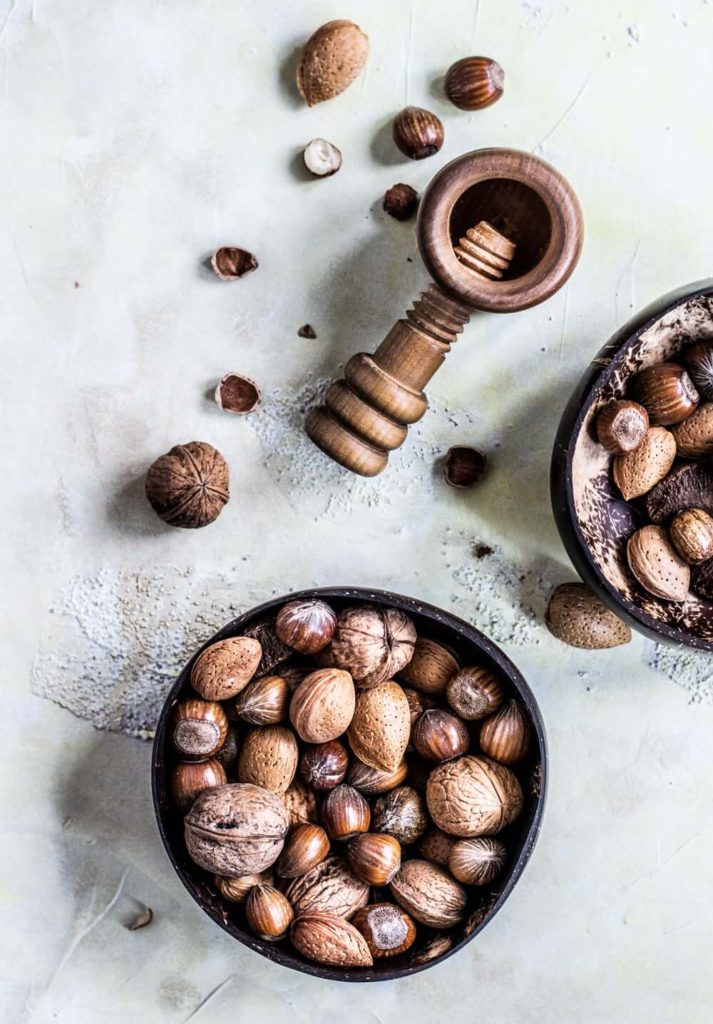
Walnuts

Where: Search in the woodlands for walnuts, most commonly found in southern parts of England.

arial shot of walnuts in a bowl next to a walnut cracker and shells.

Benefits: Most benefits come from the shell and leaves, meaning they’re an excellent zero-waste option for DIY beauty remedies. Research shows that the application walnut products can help to protect the skin from free radicals and they are a great exfoliant due to their rough texture.

Recipe: Walnut Body Scrub

This walnut body scrub is designed to increase blood circulation, remove dead skin cells, smooth and brighten your complexion.

Ingredients

  • 12 walnuts
  • 30g refined Shea butter
  • 30g almond oil
  • 5g of Vitamin E
  • 5 drops of Rosehip oil

1. Firstly, take the shells off of the walnuts

2. Next, ground the walnuts into tiny particles. You can either do this in a pestle and mortar, by putting the nuts into a canvas bag and hitting it with a rolling pin or by using a blender. Leave to the side.

3. Place all of the shea butter with the almond oil into a heat proof bowl and place into a pan of water (just as you would to melt chocolate)

4. Turn the heat to a low temperature and watch until the shea butter melts down into the oil.

5. When the mixture is entirely melted, remove from heat and allow to set and go hard. You can pop it in the fridge to speed things up.

6. Grab a big wooden spoon and mix until the product turns fluffy.

7. You can now add in your crushed-up walnuts, Vitamin E and Rosehip oil.

8. Spoon into a dark glass pot to keep it fresh. Enjoy marvelously soft skin with your new walnut scrub!

Winter

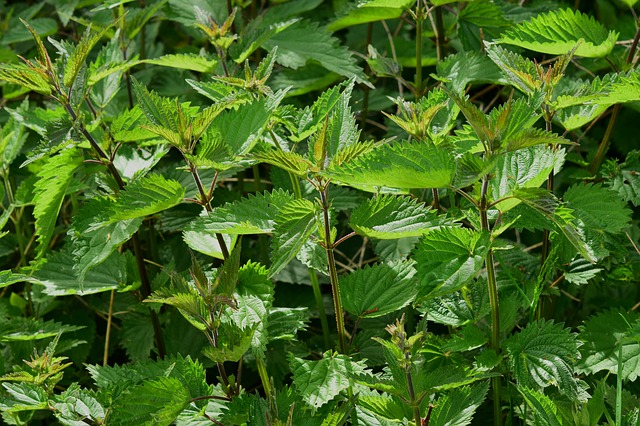
Nettles

Where: Nettles love rich, moist soil, meaning you’ll find them growing near rivers, streams, and lakes.

image of stinging nettles.

Benefits: When prepared properly, nettles can be a rich source of antioxidants, and as such are commonly used to reverse the effects of a heavily polluted atmosphere. It’s also thought to have powerful anti-aging properties. It’s also thought to inhibit the hormone that causes hair loss, and as such is often used to rinse and stimulate the scalp.

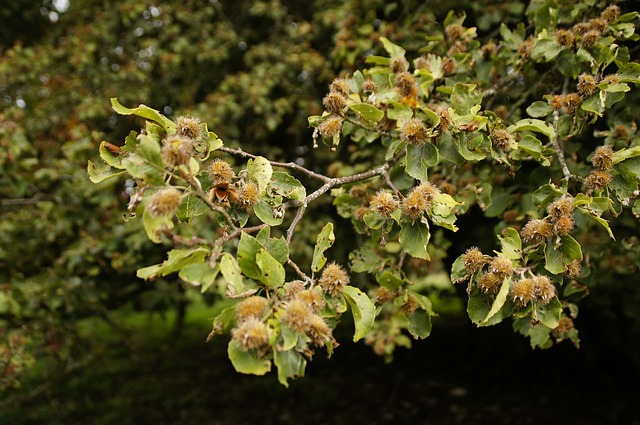
Beech Nuts

Where: Beech nuts like dry conditions, and acidic soil. They can be tricky to find, but woodland is a good place to start.

beech nuts

Benefits: As well as being known to be a powerful antiseptic agent, beech nuts are actually thought to promote healthy, strong hair growth over time. Oil distilled from beech nuts is commonly thought to help strengthen the follicle cells, helping to stall or slow down the effects of hair loss and baldness. Remember: Parts of the beech tree are known to be toxic, so don’t attempt to forage without the guidance and / or supervision of an expert.

Rowan Berries

Where: These berries grow in high altitude locations, particularly in the highlands of Scotland.

close up of Rowan berries

Benefits: Packed with a high vitamin C content, these delicious berries can to boost collagen production and synthesis, which helps to keep skin feeling firm, reducing the appearance of wrinkles over time. The berries can also be applied to dry or sore patches of skin to help address itchiness and irritation, and are often used to treat conditions like eczema and other inflammations of the skin.

Pine

Where: Scots pine is the only truly native pine in the UK. It thrives in heathland and is widely planted for timber. It’s also found in the Caledonian Forest in the Scottish Highlands.

woman with a small tattoo touching a pine tree

Benefits: Nut -based products can help combat the effects of free radicals – which are caused by higher pollution levels – meaning they’re found in a lot of anti-aging products. Naturally fragrant, pine nuts are also incorporated into perfumes and shower gels, not to mention your car air freshener.

Recipe: Rosehip Bath Salts

This luxurious bath salt is infused with local rose hips which you can find throughout autumn and winter. Rose Hips are rich in the essential fatty acids which will nourish and rehydrate dry winter skin and help fight signs of ageing. So, pour a hot bath, sprinkle in your salts, sit back and relax.

Ingredients:

  • 10-15 Rose hips
  • Himalayan Bath salts
  • Almond oil
  • 4 Rose petals
  • 4 drops of lavender

Part one:

1. Chop any stalks and leaves from the rosehips and wash with cold water in a strainer.

2. Fill a jar (jam size is perfect) with ⅓ Rose hips and top up with almond oil

3. Leave to infuse for a minimum of 4 hours (The longer the better)

4. Next, strain the Rose hip oil from the jar into another jar so that you now have a beautiful rose hip infused almond oil.

Part two:

1. In a mixing bowl, add the Himalayan bath salts

2. Mix in one tea spoon of your rosehip oil and lavender essential oil (You can add more if you like a stronger smell)

3. Next, take the rose petals and grind them up in a pestle and mortar and add them to the mix.

4. Mix everything up and spoon into a jar, ready to sprinkle into your next bath!

5 Ways To Practice Self Love In Your Daily Life

wall in Bali that says 'self love' | ways to practice self love||||||woman making a heart shape with her hands

Feeling stressed, tired or irritable?

Then you need to slow down and make time to practice self-love. Self love is the perfect antidote to the busyness and pressures of life, but it often ends up being last on our to do list.

The problem is, if we don’t look after ourselves, we simply won’t have the energy to look after anyone else.

We’ve come up with five simple self-love remedies that will restore your wellbeing and boost your quality of life.

1. Get a better night’s sleep

Sleeping well is “as crucial to our health and wellbeing as eating a healthy diet or exercising regularly”, according to the Sleep Council. Sleep well and your concentration will improve, you’ll feel happier and you’ll even benefit from a stronger immune system.

woman asleep

If you’re getting between seven and nine hours of sleep every night you’re doing well. However, when it comes to sleeping, quality is as important as quantity. This is because the deep stages (slow wave or delta sleep) are responsible for repairing the body, generating tissue and building bones and muscles.

So how can you ensure that you get a good night’s sleep? Here are some tried and tested suggestions:

No blue screens before bedtime

If you often use a blue light emitting device such as a mobile phone in the evening, you might have experienced what the Sleep Council refers to as ‘electronic insomnia’.

This happens because exposure to the light confuses your body clock, significantly reducing production of the sleep hormone melatonin. So if you’re desperate for some good quality shut eye, avoid using your phone, laptop and tablet for at least an hour before you try to sleep.

Turn off the television

The Sleep Council’s research shows that 39% of people who watch television in bed sleep very poorly most nights. If that includes you, try removing the television from your bedroom and don’t be tempted to replace it with your phone or tablet.

Experiment with essential oils

Essential oils have been used to promote relaxation for centuries. The natural sedative properties of scents like lavender and vanilla make them perfect antidote to insomnia, so why not try taking a warm lavender oil infused bath before bedtime?

You can also buy lavender room sprays and body oils that sooth your skin and your mind.

Learn how to relax

A good night’s sleep requires relaxation, so if you’re mind’s still buzzing when you retire to bed you’ll probably struggle to drift off.

Mindfulness meditation is a very effective way to quieten your mind, as it involves being fully aware of the present moment. Fancy trying it? Head over to the Netdoctor website, which features a bedtime mindfulness routine courtesy of psychologist Dr Audrey Tang.

Create a comfortable space

Sometimes sleeplessness is caused by basic factors like a bedroom that’s too light, too hot or too noisy. Thankfully, there are a few simple solutions to problems like these.

If your room isn’t dark enough we recommend investing in some black out blinds or an eye mask. If it’s not quiet enough, earplugs might help. Too hot? Invest in a ceiling fan or a lighter duvet.

Cut back on caffeine and alcohol

Caffeine has a half life of five hours, which means that five hours after you drink a cup of tea or coffee, half of the caffeine is still in your system.

So if you regularly enjoy a late night cuppa and you’re struggling to sleep, you could try replacing it with a warm milky drink or some herbal tea.

Drinking alcohol late at night can also impair the quality of your sleep, as well as causing you wake up feeling dehydrated. You’re more likely to need the toilet in the middle of the night too.

2. Eat nourishing food

When it comes to wellbeing eating properly is essential, so we recommend making time for three nutritious meals a day.

To keep your energy levels up try and eat a lunch that includes some beans, nuts, eggs or protein packed lean meat, plus a serving of vegetables or salad. Another great choice is oily fish, as supplementing your diet with omega-3 fish oil boosts concentration.

Vitamins and minerals like zinc, selenium and riboflavin also play a key role in keeping you healthy, as do antioxidants, which repair your skin and protect it from pollutants.

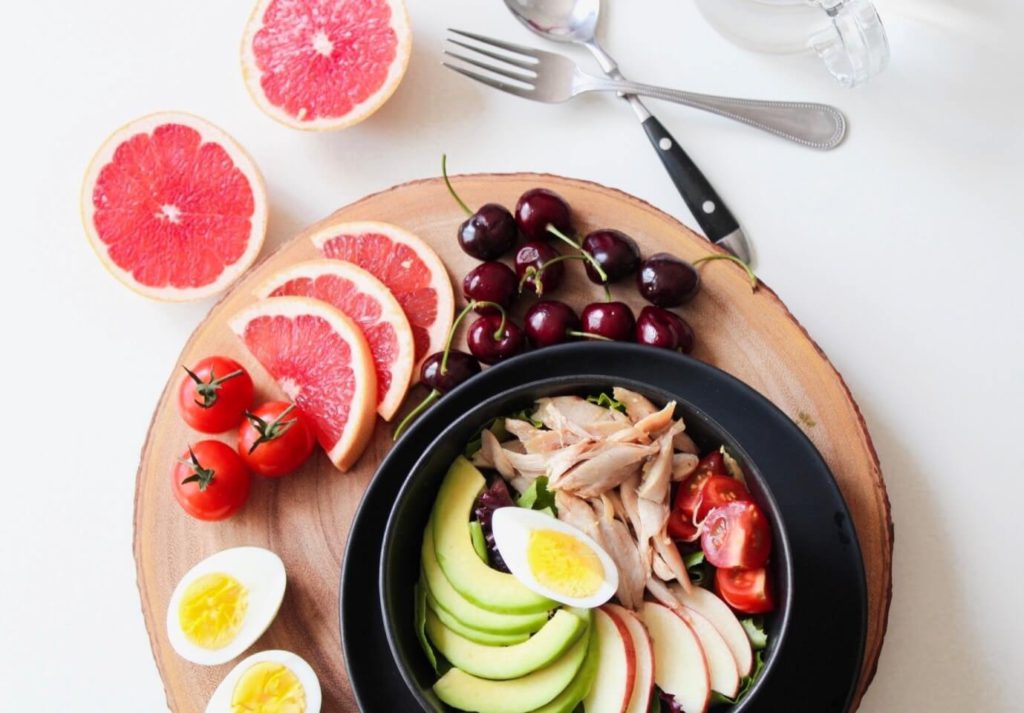
nicely presented healthy meal consisting of fruits, vegetables, eggs and meat.

Vegetables and fruit are a great source of these, so the easiest way to make sure that your body gets everything it needs is to eat your five a day and include plenty of variety.

Ever tried a drink called Kombucha? If you have it’s probably because fermented food and drink has recently become popular due to its health benefits.

According to nutritionists, drinks like Kombucha ( made using a tree fungus called SCOBY) have probiotic qualities, which means that they help to maintain the balance of friendly and unfriendly bacteria in your gut.

Sauerkraut is considered to be equally beneficial, as vegetables soaked in salt water encourage the growth of friendly bacteria.

Using spices is another simple way to boost the health benefits of your daily diet. As well as enhancing the colour and flavour of your food, many spices possess powerful antioxidant properties. You might want to stock up on:

Turmeric

Turmeric is packed with cancer combating antioxidants. It also has anti-inflammatory properties and protects your body from free radicals.

Ginger

Whether it’s chopped, grated, sprinkled or ground, ginger has impressive inflammatory properties making it ideal for reducing pain caused by arthritis and migraines. It also aids digestion and relieves nausea.

Cinnamon

Because it slows the breakdown of carbs in your digestive tract and improves insulin sensitivity, this aromatic spice could lower and stabilise your blood sugar levels. It can also relieve inflammation. The recommended intake is 0.5-2 teaspoons daily and cinnamon is delicious mixed into coffee or sprinkled over porridge.

Cayenne Pepper

This fiery spice acts as an antioxidant and an anti-inflammatory. It can also boost your metabolism, speeding up the rate at which you burn calories. Try adding it to stews, soups, sauces and curries.

Be kind to your skin

Once you’re sleeping and eating well you should start to notice a difference in your skin. In the meantime, there are plenty of other ways to keep your skin looking and feeling its best.

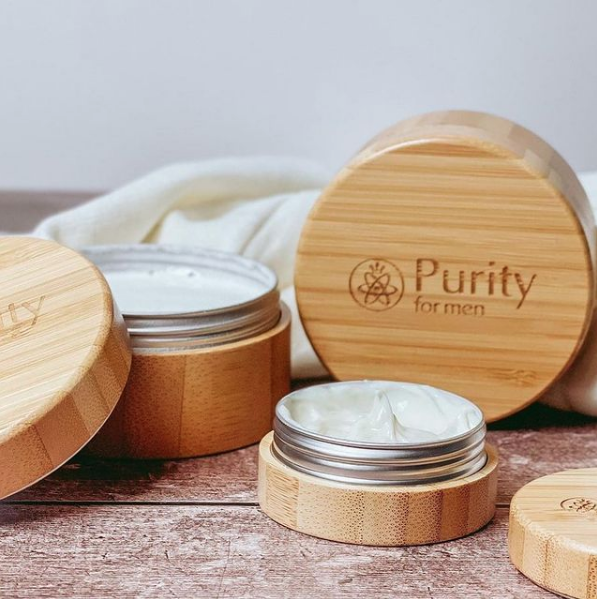
mens natural skincare

Avoid irritating ingredients

Unfortunately many synthetic skin products use irritating or drying ingredients like sodium lauryl sulphate (SLS) and alcohol. You might have spotted SLS in the list of ingredients that make up your cleanser, as it’s an effective foaming agent.

However, we recommend avoiding it, as it strips skin of its natural oils. We also suggest avoiding alcohol in skincare products, as this evaporates when it touches your skin, causing it to lose moisture.

There are plenty of products that are much kinder to your skin. For example, look out for cleansers containing natural skin balancing plant extracts. You can also buy plant based moisturisers, face masks and anti-inflammatory night creams that soothe and repair your skin.

Drink lots of water

Staying hydrated is essential if you want to keep your skin looking healthy. You should be drinking 6-8 glasses a day, unless it’s hot, in which case you’ll need more. If you’re not keen on plain water, the NHS Live Well website suggests adding a slice of lemon, some sugar free squash or a little fruit juice for flavour.

What about fruit juice and smoothies? Well, they do count as part of your daily intake, but try to limit your intake to 150ml per day, due to their sugar content. It’s also worth reducing your consumption of coffee and tea, as they have a diuretic effect.

Use natural blemish busters

We all get blemishes from time to time, but some anti-spot products will simply strip the natural oils from your skin, encouraging your pores to produce more oil. Thankfully, many natural products possess excellent blemish busting properties. These include:

Rosehip Oil-Helps scars to heal and give skin a natural glow.

Jojoba oil-Has antibacterial properties and won’t clog pores

Activated charcoal- Soaks up toxins

Calendula oil-A flower petal extract that’s anti-inflammatory and antibacterial

Tea Tree-Possesses antibacterial properties

Witch hazel-A natural astringent that removes oil without drying skin

Black willow bark-a rich source of salicylic acid, which helps to smooth and soften skin, as well as balancing oil production.

Release your inner yogi

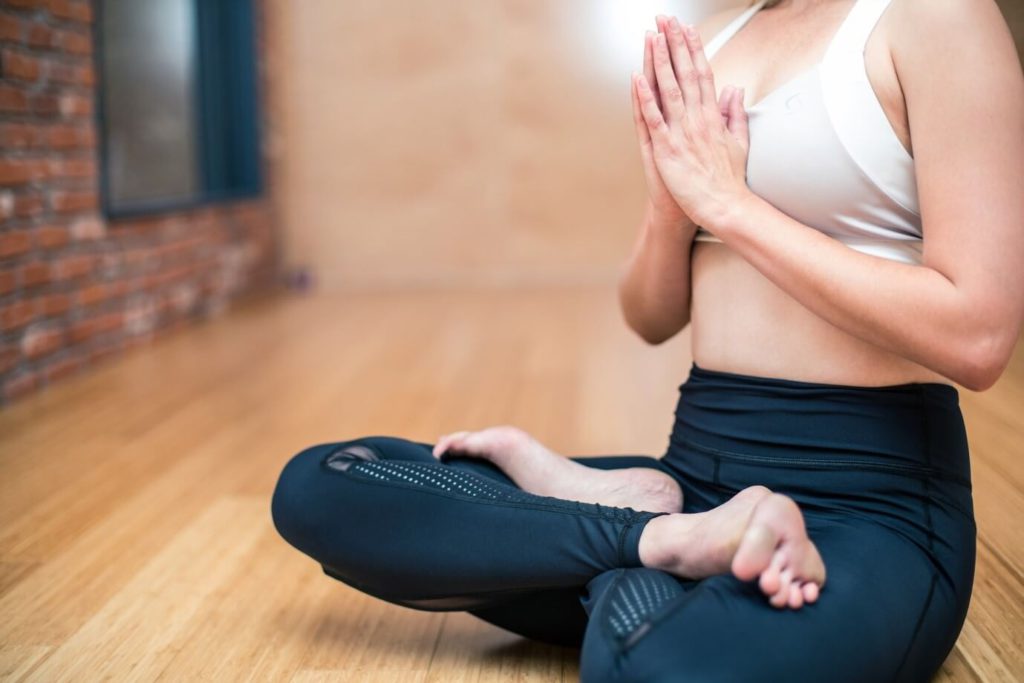
woman doing yoga

If you’re familiar with Downward Facing Dog or the Forward Fold you’ve probably tried yoga before. The poses, meditations and breathing techniques of this ancient form of exercise will improve your core strength, flexibility, balance and posture. It’s also excellent for relaxation, making it the perfect self-love activity.

Physical health benefits

Yoga breathing techniques are known as pranayma and they focus on slowing down and deepening your breathing.

This reduces physical tension, making it easier to remain calm. Studies have even shown that taking part in yoga can lower your heart rate, which helps your body to respond healthily to stressful days. If you practice yoga regularly you’ll also benefit from stronger limbs, firmer abs and improved general fitness.

There are plenty of yoga videos online, but if you’re new to yoga the NHS recommends finding a class to make sure that you learn the poses and breathing techniques properly. To locate a class near you, check out the four main yoga associations:

The British Wheel of Yoga

The Independent Yoga Network

Iyengar Yoga

Yoga Alliance Professionals

It’s also worth paying a visit to the NHS’s Fitness Studio , which features its own yoga videos.

Mental health benefits

The plugged in nature of modern living often results in information overload and cluttered minds.

Yoga slows everything down and clears the clutter. As you start to relax, your cortisol levels will drop, restoring calm and reducing any physical symptoms of stress. If you practise it regularly, yoga could even boost your serotonin levels.

If you’ve never tried yogic meditation, you should! It involves sitting in silence, breathing deeply and noticing every sound, sensation and thought. Every time your mind wanders you’ll learn to refocus your attention, which will result in better concentration and clearer thinking.

Mediation will also enable you to pull back and simply observe any negative thoughts and feelings. They’ll travel through your mind but they won’t get stuck.

Enjoy some Ecotherapy

It’s well known that taking part in exercise is an excellent way to combat stress and improve your mood.


It releases endorphins, increases your energy and keeps you mentally sharp. In fact, research has shown that just an hour of exercise a day can combat the effects of sitting still for long periods of time.

Exercising in the countryside has been proven to provide even greater benefits, particularly when it comes to mental wellbeing.

When mental health charity Mind commissioned the University of Essex to carry out a research project involving green exercise or “ecotherapy”, they found that getting active in the countryside enhanced the participants’ mood and self-esteem. It also reduced any pre-existing anger, tension and depression.

The people who participated in Mind’s research took part in a variety of ecotherapy activities including conservation work, cycling, gardening and running. But some of them simply put on their trainers and went for a walk.

woman walking in nature

Walking is such a simple way to exercise and if you live in England or Wales, you have free access to 130, 000 miles of “public right of way”.

So whether you fancy rambling across remote Moorland, strolling through a secluded nature reserve or cycling along quiet country lanes, why not boost your psychological wellbeing and fitness by reconnecting with the natural world?

If we’ve inspired you to dust off your hiking boots and tackle some more challenging routes, check out your local bookshop, library or tourist information centre, where you’ll find a selection of walking maps.

You could even visit the Ramblers website to find out whether any walks have been organised in your areas. Just be sure to Invest in a decent waterproof jacket before you set off!

Incorporating more self-love into your daily life will help you to feel revitalised, refreshed and ready to tackle whatever life holds in store. So why not put yourself at the top of your to do list this week? We’d love to hear how you get on!