
























Veo and Wearth are now Ziracle. Same mission, better platform. See what's new

Ziracle Journal

Honest reads on living well and living sustainably.

Creative ways to add meditation  into your day

Creative ways to add meditation into your day

Simply by becoming present in the moment and focusing on the breath, you can incorporate meditation into your everyday tasks with minimal effort. So in honour of World Meditation Day, we're sharing some of our favourite and most creative ways to meditate.

By Lydia Oyeniran

March 26, 2026

How to get involved in Plastic Free July this month

How to get involved in Plastic Free July this month

It is clear that plastic pollution needs immediate action but it can be overwhelming knowing where to start. So we're sharing some easy ways you can get involved in Plastic-Free July this month!

By Lydia Oyeniran

March 26, 2026

Best Sustainable Clothing Brands

Best Sustainable Clothing Brands

The best sustainable clothing brands: a shorter list, for good

By Ziracle

March 26, 2026

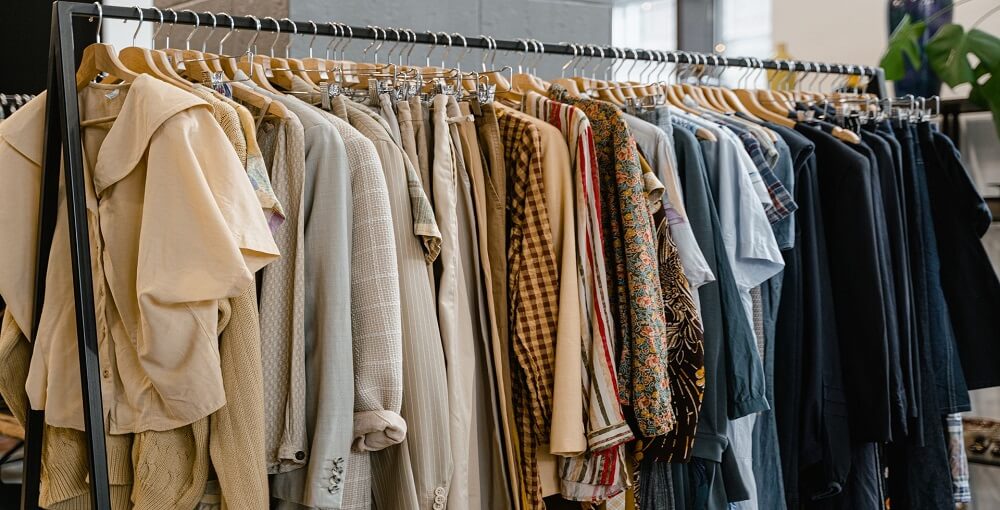
Slow Fashion: How To Stop Moving So Fast In Fashion

Slow Fashion: How To Stop Moving So Fast In Fashion

What exactly is slow fashion and how is it combatting fast fashion?

By admin

March 26, 2026

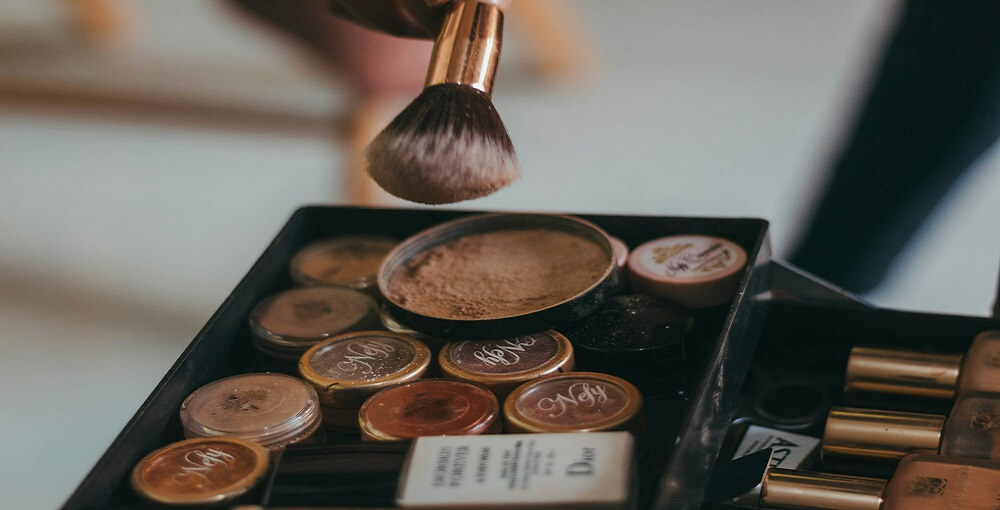
Our Pick Of The Best Zero Waste Makeup, Beauty & Skincare Brands

Our Pick Of The Best Zero Waste Makeup, Beauty & Skincare Brands

Recent years have seen a growing trend towards people ditching

By Annabel Lindsay

March 26, 2026

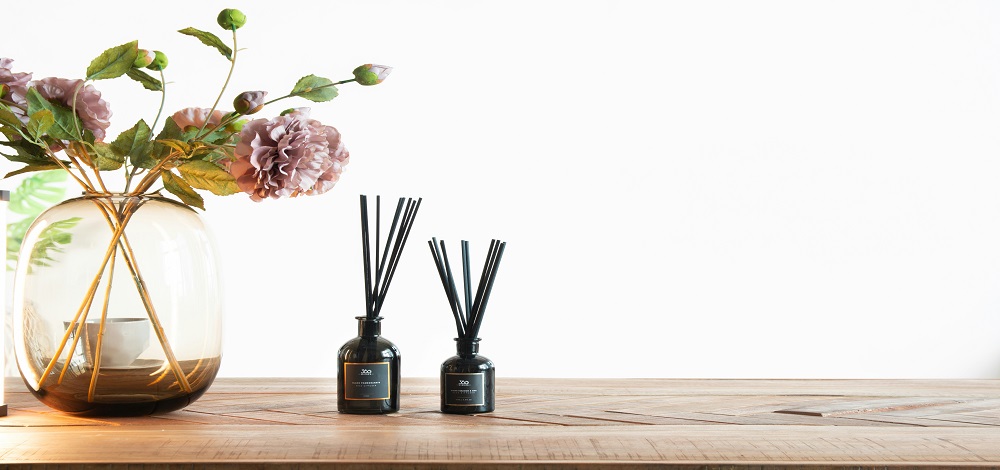
Eco-home essentials you can’t live without

Eco-home essentials you can’t live without

Making a house into a home is a fine art. Whether you're going for bohemian chic or clean and minimal, we've put together the finest selection of eco-home essentials you won't want to live without.

By Lydia Oyeniran

March 26, 2026

Daily Habits For Mental Health

Daily Habits For Mental Health

Daily habits for mental health: small changes, real results The

By Ziracle

March 26, 2026

Eco Swaps For Food And Drink

Eco Swaps For Food And Drink

Eco swaps for food and drink: where the plastic actually

By Ziracle

March 26, 2026

Eco Swaps For Fashion

Eco Swaps For Fashion

Eco swaps for fashion: how to buy less, spend less,

By Ziracle

March 26, 2026

Is There A Link Between Plant-Based And Mental Health?

Is There A Link Between Plant-Based And Mental Health?

Is there a link between healthy eating and mental health? Find out more here.

By admin

March 26, 2026

Diet culture: the problem with calorie counting

Diet culture: the problem with calorie counting

Diet culture is a pervasive part of modern society but it goes far beyond calorie counting. It's all about our relationship with food and body image. So how can we achieve balance? Keep reading to find out!

By Lydia Oyeniran

March 26, 2026

From Bottle To Bar: Why You Should Switch To Zero-Waste Hair Care

From Bottle To Bar: Why You Should Switch To Zero-Waste Hair Care

Less waste, natural and better for your hair: why you should switch to zero-waste hair care.

By admin

March 26, 2026

How to declutter your home sustainably

How to declutter your home sustainably

Decluttering can often become a wasteful practice so we're sharing some useful tips to help you utilise your things better and declutter sustainably.

By Lydia Oyeniran

March 26, 2026

A Curated Guide to the Self-Care You Deserve

A Curated Guide to the Self-Care You Deserve

We’re currently over halfway through Mental Health Awareness Week, an

By Annabel Lindsay

March 26, 2026

The Breakdown: What is the difference between biodegradable, compostable & recyclable materials?

The Breakdown: What is the difference between biodegradable, compostable & recyclable materials?

Biodegradable, compostable versus recyclable. What actually is the difference?

By Amelia Marshall

March 26, 2026

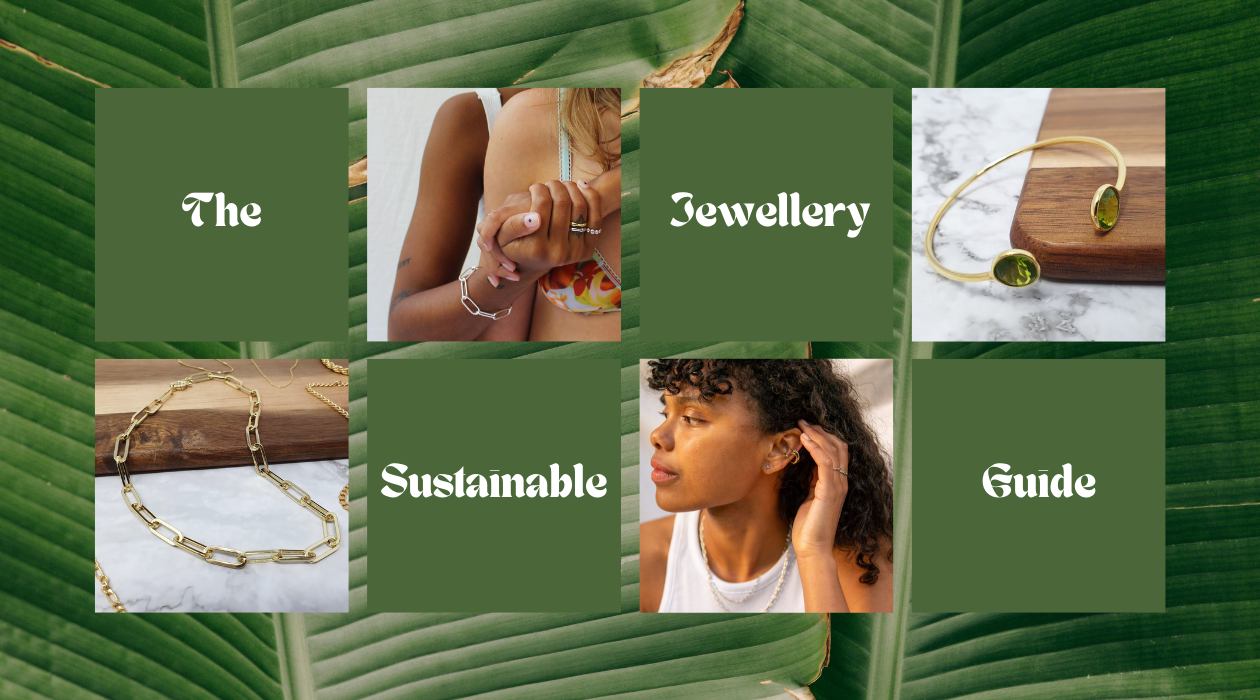
A guide to sustainable jewellery and the brands doing it better

A guide to sustainable jewellery and the brands doing it better

Many of us enjoy wearing beautiful jewellery, whether we’ve been

By Annabel Lindsay

March 26, 2026

Organic September: Benefits of Buying Organic

Organic September: Benefits of Buying Organic

Say hello to Organic September – what’s the hype? The

By Annabel Lindsay

March 26, 2026

Sustainable Coffee Guide

Sustainable Coffee Guide

How to buy better coffee: what the certifications actually mean

By Ziracle

March 26, 2026

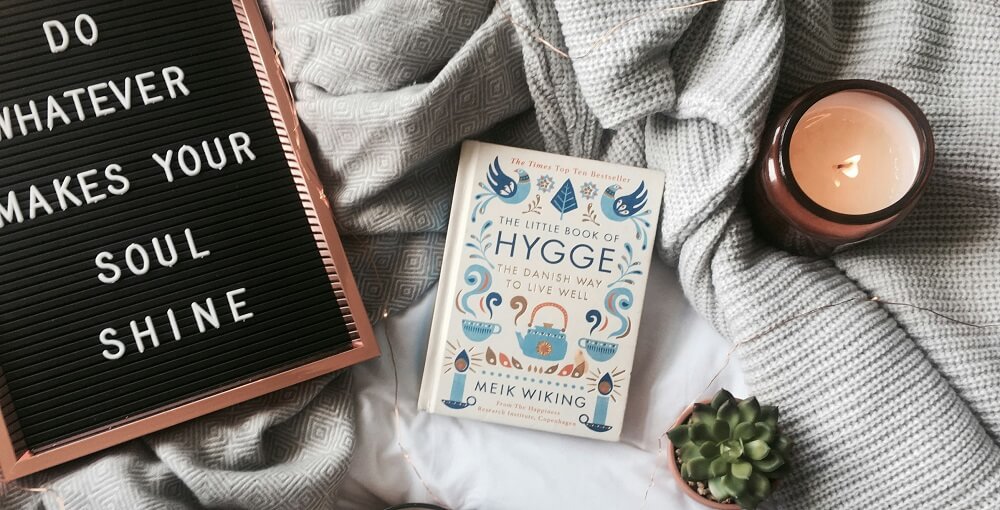
How to bring more hygge into your life

How to bring more hygge into your life

Winter is a season of duality for many of us

By Annabel Lindsay

March 26, 2026

Get Happy: How To Naturally Boost Dopamine And Serotonin Levels

Get Happy: How To Naturally Boost Dopamine And Serotonin Levels

Serotonin and Dopamine are our happiness hormones, which when imbalanced, can negatively affect our mental health. Find out how you can boost these hormones naturally.

By admin

March 26, 2026

Eco Swaps For Beauty

Eco Swaps For Beauty

Eco swaps for beauty: the ones that actually work The

By Ziracle

March 26, 2026

Zero Waste Swaps Everyday

Zero Waste Swaps Everyday

Zero waste swaps for everyday life: the prioritised list Most

By Ziracle

March 26, 2026

Eco swaps for home

Eco swaps for home

Eco swaps for home: the ones that actually make a

By Ziracle

March 26, 2026

Eco-Friendly Summer Holiday Activities & Essentials For Kids

Eco-Friendly Summer Holiday Activities & Essentials For Kids

School’s (almost) out for summer! The summer holidays are a

By Annabel Lindsay

March 26, 2026

A beginner’s guide to sustainable fashion: what slow fashion actually means

A beginner’s guide to sustainable fashion: what slow fashion actually means

Sustainable fashion has a vocabulary problem. Slow fashion, ethical fashion,

By Ziracle

March 26, 2026

A practical guide to plant-based eating: how to do it well

A practical guide to plant-based eating: how to do it well

The word “vegan” still puts a lot of people off.

By Ziracle

March 26, 2026

Buy less, choose well, make it last: how to make better fashion choices

Buy less, choose well, make it last: how to make better fashion choices

An addiction to extremely low prices and fleeting trends has resulted in a 'fast-fashion' culture that is destroying the planet at an alarming rate. With more people wanting to make better fashion choices, we're sharing some easy ways to buy less, choose well, and make it last with slow fashion.

By Lydia Oyeniran

March 26, 2026

How To Sleep Better

How To Sleep Better

How to sleep better: what actually works, according to the

By Ziracle

March 26, 2026

The Best Foods To Help You Beat The Bloat

The Best Foods To Help You Beat The Bloat

We're sharing some of the best foods to help you beat the bloat while boosting your overall wellbeing in the process.

By Lydia Oyeniran

March 26, 2026

The Rise of ‘Conscious Consumerism’

The Rise of ‘Conscious Consumerism’

What is conscious consumerism and how can you be a part of the movement?

By Amelia Marshall

March 26, 2026

Anti-pollution skincare saviours

Anti-pollution skincare saviours

Meet the skin saviours designed to cleanse, detox and protect your skin from the impacts of air pollution, using active natural ingredients.

By Lydia Oyeniran

March 26, 2026

The Best Low-ABV & Alcohol-Free Drinks For Sober October 2023

The Best Low-ABV & Alcohol-Free Drinks For Sober October 2023

Taking on the Sober October Challenge this year? We're sharing some healthy, alcohol-free alternatives that are guaranteed to make this month a breeze.

By Lydia Oyeniran

March 26, 2026

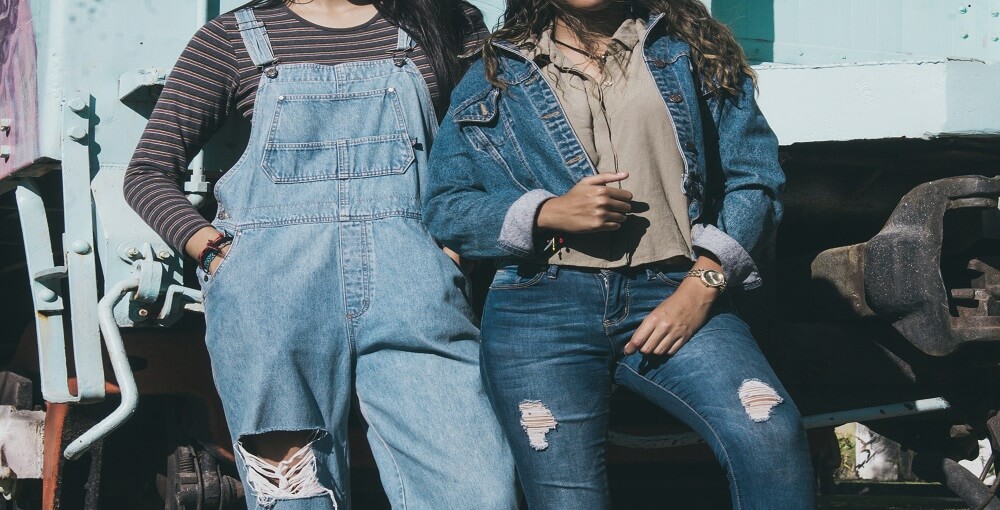
The Low-down on Denim: History, Sustainability and Future

The Low-down on Denim: History, Sustainability and Future

Denim is such a mainstream fashion staple that we may

By Annabel Lindsay

March 26, 2026

5 Ways To Practice Self Love In Your Daily Life

5 Ways To Practice Self Love In Your Daily Life

Practicing self love is hard in times like these. So here are some handy and easy tips to help you love yourself a little bit more.

By admin

March 26, 2026

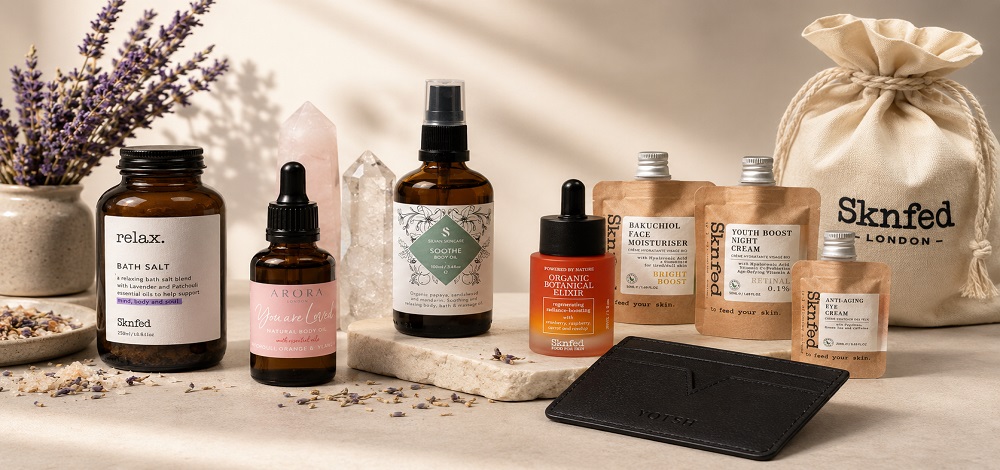
The best organic facial essential oils to reduce wrinkles naturally

The best organic facial essential oils to reduce wrinkles naturally

From skin dullness and age spots to dryness, wrinkles and fine lines; discover the best organic essential oils to help you rediscover your youthful glow!

By Lydia Oyeniran

March 26, 2026

Is Foraging The Next Big Step For Slow Beauty?

Is Foraging The Next Big Step For Slow Beauty?

Slow beauty is moving rapidly forward, but is foraging for your skincare part of it?

By admin

March 26, 2026

The Truth About Microplastics In Our Cosmetics

The Truth About Microplastics In Our Cosmetics

Microplatics: what are they and how are wrecking the planet?

By admin

March 26, 2026

Is sheep wool good for people and planet?

Is sheep wool good for people and planet?

November kicked off with World Vegan Day on the 1st,

By Annabel Lindsay

March 26, 2026

Why is sustainable fashion usually more expensive?

Why is sustainable fashion usually more expensive?

It’s no secret that sustainable fashion usually comes with a

By Annabel Lindsay

March 26, 2026

Self-Care in the Stress Age: Nature’s Journey on the antidote for modern living

Self-Care in the Stress Age: Nature’s Journey on the antidote for modern living

As April unfolds, it not only brings the vibrant colours

By Annabel Lindsay

March 26, 2026

10 Mindfulness Products To Boost Your Mental Health

10 Mindfulness Products To Boost Your Mental Health

Being human can be complex, miraculous and sometimes difficult. Our

By Annabel Lindsay

March 26, 2026

Skinimalism: what is it and how can you achieve it?

Skinimalism: what is it and how can you achieve it?

Skinimalism: it's 2021's hottest trend...but what exactly is it?

By Amelia Marshall

March 26, 2026

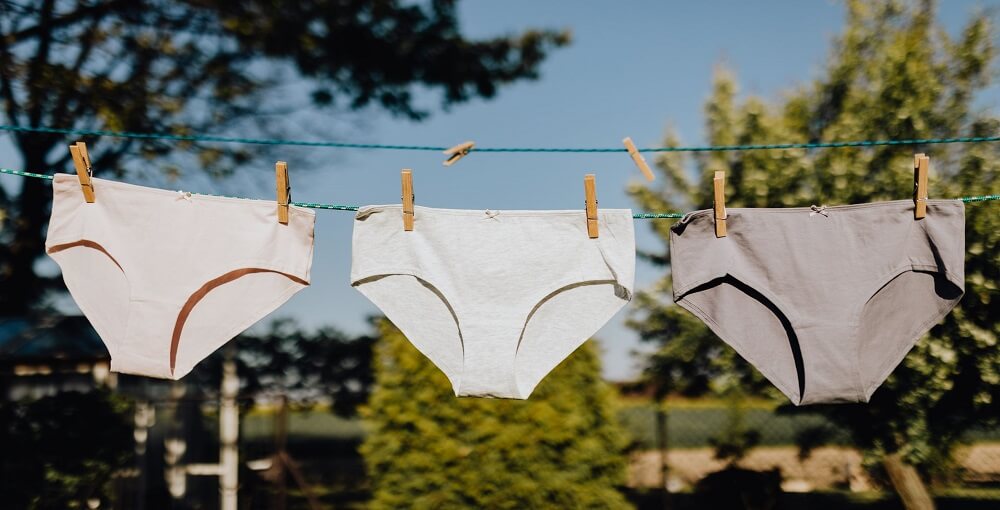
Ethically made sustainable underwear brands you need to know

Ethically made sustainable underwear brands you need to know

Whether you're into lacey pairings, cute and comfy sets, boxers, or briefs, these sustainable underwear brands have got all bases covered.

By Lydia Oyeniran

March 26, 2026

The Ultimate Guide To Vegan Leather

The Ultimate Guide To Vegan Leather

From animal hides to grape skins, we're exploring leather and its cruelty-free alternatives with the ultimate guide to vegan leather.

By Lydia Oyeniran

March 26, 2026

How to make your grocery shop more eco-friendly

How to make your grocery shop more eco-friendly

A weekly/monthly trip to the grocery shop is something most of us do on autopilot, not really thinking about the wider impact we might be having. We're breaking down some easy ways to make your grocery shop more eco-friendly.

By Lydia Oyeniran

March 26, 2026

How food can improve your mood: the Biology

How food can improve your mood: the Biology

Our gut is dubbed our second brain - so how can we lift our mood with food? Louise tells us how here!

By Amelia Marshall

March 26, 2026

Zero Waste Swaps Everyday

Zero waste swaps for everyday life: the prioritised list

Most eco swap lists are alphabetical, or organised by room, or just everything someone could think of. None of that tells you where to start.

This is the version that does. Every swap here has been checked for actual impact and actual performance. They’re in order — highest return first. The deep-dive articles are linked where the detail lives.

How to use this list

Work top to bottom. Don’t buy anything new to make a swap happen — use what you have until it runs out, then replace it with the better version. The most sustainable product is always the one you’ve already bought.

If a swap isn’t on this list, it’s either in the “not ready yet” section at the bottom, or it’s one of those things that sounds significant but isn’t.

Start here: the highest-return swaps

These three are the ones to do first, regardless of which room you’re starting in. Between them they cover the highest-volume, most repeatable categories of household plastic.

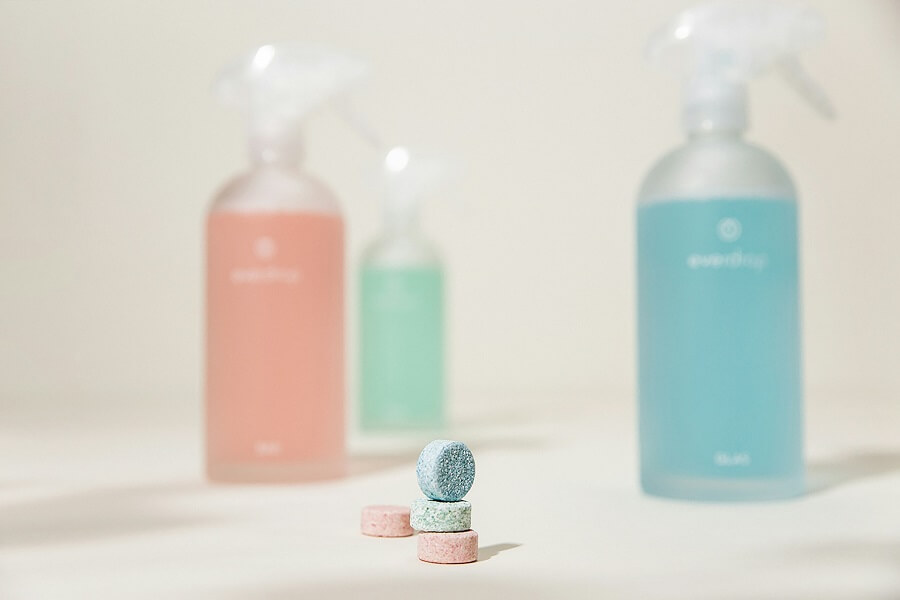
Switch cleaning products to concentrated refillable formats. A refillable glass or aluminium bottle plus concentrated tablets or drops replaces an entire under-sink cabinet of single-use plastic. Which? found concentrated cleaning products use 75% less plastic packaging and 97% less water than standard versions. This is the biggest single swap for most households. Full guide: eco swaps for home.

Switch laundry detergent to laundry sheets. Detergent bottles are bulky, heavy, almost never recyclable, and replaced constantly. Laundry sheets in cardboard packaging do the same job and produce none of the packaging. Modern formulations work at all temperatures in all machine types.

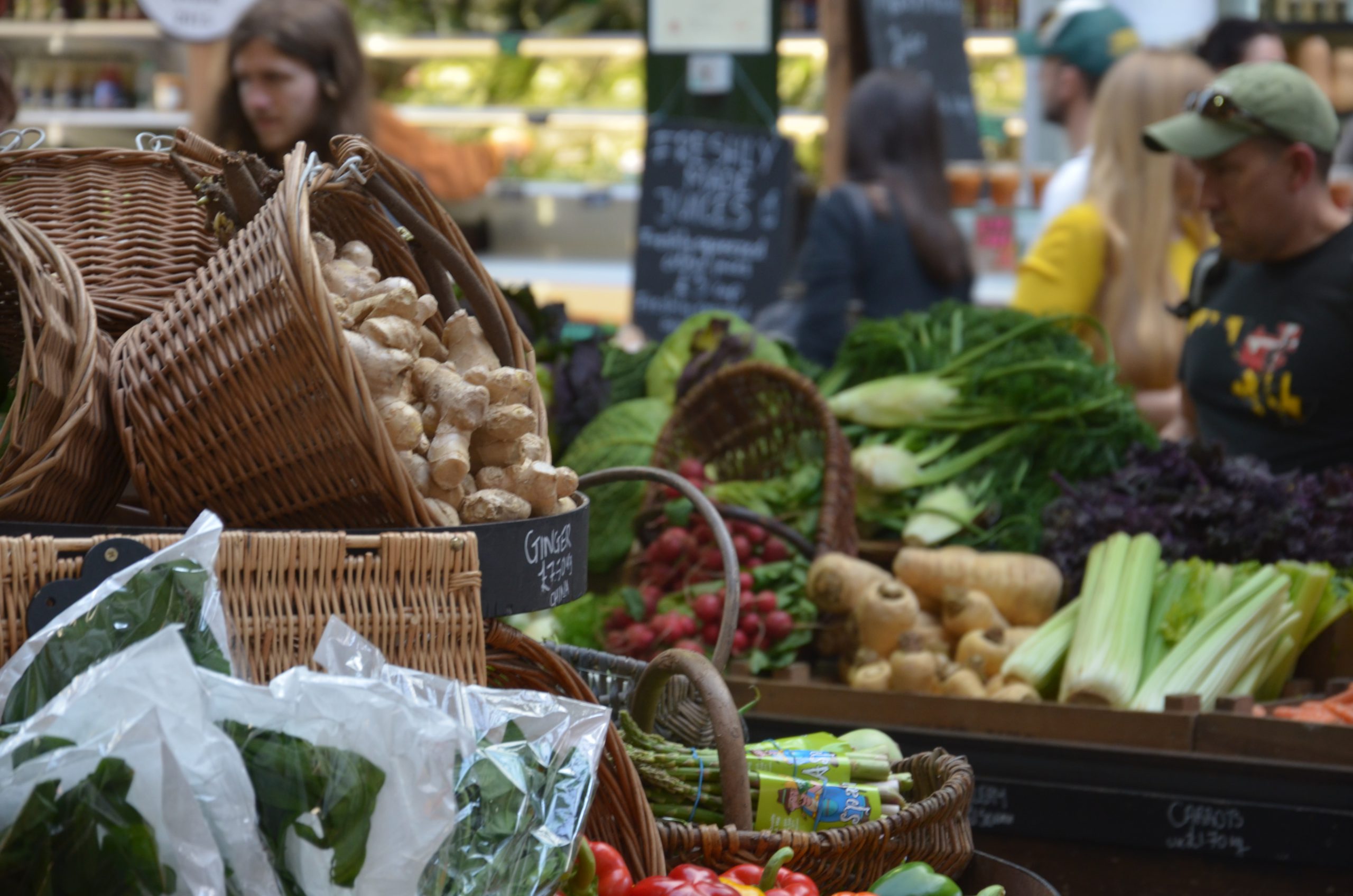
Buy loose fruit and vegetables where you can. 81% of household plastic waste comes from food and drink packaging, and fresh produce is the biggest single category. Bring your own bag. Buy loose where available. Where it isn’t, choose cardboard or paper over plastic film. Full guide: eco swaps for food and drink.

The bathroom

Shampoo bar (syndet, not soap-based). One bar replaces two to three plastic bottles. The key: buy a pH-balanced syndet bar, not a traditional soap bar. The difference matters for lather, scalp health, and whether you’ll actually stick with it. Give it three to four washes before judging. Full guide: eco swaps for beauty.

Reusable cotton rounds. One of the fastest payback swaps on the list. Ten reusable cloth rounds replace hundreds of disposable cotton pads over a year. Machine washable. No adjustment required.

Refillable deodorant. Refillable aluminium deodorants with replaceable inserts now perform as well as conventional roll-ons. Higher upfront cost, lower ongoing cost and waste.

Bamboo toothbrush. The handle composts. The nylon bristles go in general waste. Imperfect but a meaningful improvement over a fully plastic brush replaced every three months.

For activewear: look for OEKO-TEX Standard 100 certification. One in four pairs of leggings tested in EPA-certified lab analysis showed detectable PFAS indicators. Three in four showed none. OEKO-TEX screens for these. Natural fibres work for lower-intensity exercise where moisture-wicking is less critical. Full guide: eco swaps for fashion.

The kitchen and food shopping

Reusable water bottle and coffee cup. The most avoidable single-use plastic in most people’s daily lives. One good bottle eliminates the category.

Glass, cardboard, or aluminium over plastic for pantry staples. Passata in a carton rather than a plastic bottle. Tinned tomatoes rather than plastic pouches. Nut butter in a glass jar rather than a plastic tub. The product is identical. The packaging decision costs no extra effort at the point of purchase.

Beeswax wrap for most uses. Cling film is almost never recyclable in UK councils. Beeswax wrap covers bowls, wraps sandwiches, keeps cut vegetables fresh. Doesn’t work for raw meat. Needs cold water for washing. For everything else, a direct replacement.

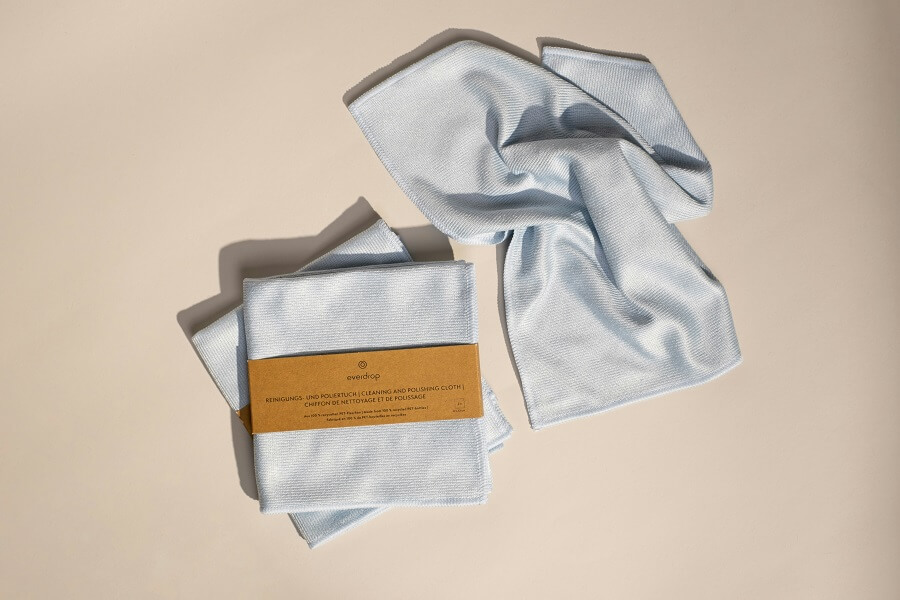
Compostable kitchen sponge. Conventional synthetic sponges shed microplastics and go in the bin within weeks. Loofah, wood-pulp cellulose, and sisal scourers do the same job without the plastic. Low cost, no adjustment.

Buy in bulk for staples you use reliably. Oats, rice, lentils, flour: larger bags produce less packaging per portion. Many zero-waste shops also offer loose options for dried goods.

Reusable produce bags for the fruit and veg aisle. Lightweight mesh or cotton. Replaces the roll of thin plastic bags. Wash easily, last for years.

Cleaning and laundry

Already covered in the “start here” section — concentrated refillable cleaning products and laundry sheets are the highest-return swaps in this category.

Washing-up liquid: switch to concentrate or a solid bar. Concentrated washing-up liquid diluted into a refillable bottle reduces bottle turnover significantly. A solid washing-up bar eliminates it entirely.

Dishwasher tablets in plastic-free packaging. Most conventional tablets come individually wrapped in plastic film, then packaged in a plastic tub. Cardboard-boxed or compostable-wrapped alternatives perform comparably. Full guide: eco swaps for home.

A Guppy Friend bag for washing synthetics. Catches microplastic fibres shed during washing before they enter wastewater. Works alongside any machine, any detergent. Not a solution to microplastic pollution at source, but a meaningful reduction.

Fashion and wardrobe

Buy secondhand first. For jeans, knitwear, outerwear, and basics, the UK secondhand market is deep. Vinted, Depop, eBay, charity shops. No manufacturing footprint beyond transport.

Wear things more. The biggest environmental lever in fashion isn’t what you buy. It’s how many times you wear it. Extending a garment’s active life by three months reduces its footprint by 5 to 10%. Cost per wear is the right frame: a £90 well-made item worn 90 times costs £1 per wear. A £15 fast fashion equivalent worn five times costs £3 per wear.

When buying new: OEKO-TEX, GOTS, or named factories. These are the signals that a brand has thought beyond the label. For the full list of brands we’ve checked: eco swaps for fashion and our Apparel and Style category.

Wash at 30°C and line dry. Most clothing lifecycle emissions happen during use, not manufacturing. This is one of the lowest-effort reductions available.

The ones that aren’t ready yet

Some things get asked about a lot. These are the honest answers.

Crisp packets and snack packaging. Almost all of it is plastic film or foil-laminate, collected by almost no UK councils. TerraCycle runs drop-off schemes for some brands. It’s not a consumer problem with a consumer solution yet.

Mascara, most foundations, and multi-component cosmetics. The packaging on these hasn’t been solved at scale. Buy less, use fully, and use TerraCycle collection points where available.

Compostable bin liners for general waste. Compostable liners need industrial composting conditions to break down properly, which most UK councils don’t provide. Recycled-content plastic liners are the more honest swap for general waste until infrastructure catches up. Compostable liners do work for food caddy liners going into food waste collections.

Textile recycling into new garments. Less than 1% of clothing is currently recycled into new clothing. Donation and secondhand keep clothes in use; actual fibre-to-fibre recycling at scale doesn’t exist yet for most consumers.


The full guides in this series: eco swaps for beauty, eco swaps for home, eco swaps for food and drink, eco swaps for fashion. Shop by value: Plastic Free, Refillable. Shop by category: Beauty and Self-Care, Clean Home, Food and Drink, Apparel and Style.

Best Sustainable Clothing Brands

The best sustainable clothing brands: a shorter list, for good reason

Most sustainable fashion guides solve for length, not quality. Fifty brands. A hundred brands. All with the same certifications listed in the same order, none of them properly interrogated.

This list is shorter. That’s the point. Every brand here has already passed the same standard — on what it’s made from, how it’s made, and whether the people making it are treated fairly. We checked. You can just shop.


Why most sustainable fashion lists aren’t worth trusting

The problem with most sustainable brand roundups isn’t bad intent. It’s that “sustainable” has become a label anyone can apply to anything. A brand using organic cotton in one product line while the rest of the range runs on virgin polyester from an unaudited factory can still call itself sustainable. The certifications help, but they vary enormously in what they actually require.

The scale of the problem is worth knowing. The fashion industry is responsible for up to 10% of global carbon emissions annually — more than international flights and maritime shipping combined. It consumes 215 trillion litres of water per year and accounts for around 20% of global industrial wastewater. Clothing production doubled between 2000 and 2015 while the average time each garment was worn before being discarded fell by 36%.

Behind those numbers are supply chains that routinely underpay garment workers and use chemical processes that contaminate local water sources. Knowing this, the reader who cares still faces the same problem: figuring out which brands are genuinely doing things differently, and which ones are doing just enough to use the word.

That work is what Ziracle exists to do. The brands below aren’t here because they have a good story. They’re here because the story checks out.


What actually makes a clothing brand sustainable

Three things need to be true at once, and most brands only manage two.

Materials. Organic cotton, linen, hemp, TENCEL, recycled polyester, and deadstock fabrics all have meaningfully lower environmental footprints than virgin conventional alternatives. GOTS certification (Global Organic Textile Standard) is the most rigorous materials standard — it covers the fibre, the processing, and the manufacturing stages.

Production. Where and how a garment is made matters as much as what it’s made from. Fair wages, safe conditions, and supply chain transparency are the baseline. B Corp certification covers this most comprehensively, assessing companies across seven areas including climate action, human rights, and fair work. Recertification is required every five years, and the standards were overhauled and tightened in 2025.

Longevity. A sustainably made garment that falls apart after ten washes is not a sustainable purchase. Construction quality, timeless design, and circularity programmes — take-back, repair, recycling — are what separate genuinely considered brands from those doing the minimum.


The brands worth buying from

“Every brand on Ziracle has already passed the bar on materials, production, and ethics. The list below is shorter than most. That’s how it should be.”

Komodo is the one that earns the “original” claim honestly. Founded in 1988 — before ethical fashion had a name — by a founder who built relationships with small factories in Bali, Nepal, and India and simply kept them. The collections use GOTS certified organic cotton, recycled wool, lambswool, TENCEL, and hand-woven fabrics. The supply chain page names the factories and explains the relationships. Broad range across womenswear and menswear, with the kind of design confidence that comes from 35 years of doing this properly. The benchmark against which most other ethical fashion brands should be measured.

Sutsu has solved one of the biggest problems in sustainable fashion: overproduction. They hold no stock at all. Every garment is made when you order it, which eliminates waste at the manufacturing stage entirely. B Corp certified, Fair Wear Foundation suppliers, organic cotton and recycled fibres, PETA approved vegan, OEKO-TEX Standard 100. Six trees planted per order, and every product page shows what it costs to make. The adventure-led, unisex aesthetic wears its ethics so lightly you barely notice them — which is exactly right.

Flax and Loom produces some of the most considered denim available in the UK. Organic cotton and linen, natural dyes, ethical manufacturing with full supply chain transparency. For anyone who has been putting off finding a better pair of jeans, this is where to start.

Mirla Beane was founded specifically to challenge the idea that ethical fashion means basic fashion. Co-founders Lauren and Melanie spent decades in the industry before launching a brand that proves design-led and sustainable are not mutually exclusive. Bold prints, natural and organic fabrics, local manufacturing. For anyone who has found the rest of the ethical fashion market a bit beige, this is worth knowing about.

Nautra takes a specific angle: every garment is made from recycled fishing nets and ocean-bound plastic. The range covers swimwear, activewear, and outerwear, with each collection named after a marine animal and part of the proceeds directed to ocean conservation. UK-founded. For sustainable swimwear and activewear specifically, one of the strongest options on the market.

Heiko Clothing makes organic and recycled basics from Fair Wear and Fairtrade certified suppliers, with fully biodegradable and recyclable packaging throughout. The designs are playful and illustrative — a different register to the more minimal brands on this list — and pieces start from £19.95. For anyone building a more considered wardrobe without committing to premium price points across the board.

Ration.L makes vegan, gender-neutral trainers and accessories from recycled and cruelty-free materials, produced using renewable energy in ethical factories. Female-founded and designed in Britain, with 5% of profits going to the Brain and Spine Foundation. From £70 a pair, one of the more accessible entry points in genuinely sustainable footwear.

Elliott Footwear is the world’s first climate positive sneaker brand, founded in Copenhagen. Sustainable, recycled, and vegan, with a minimalist design aesthetic. For those looking for a trainer that doesn’t compromise on either look or credentials.

Plainandsimple takes circularity seriously in a way most brands don’t. Their take-back programme lets you return worn garments for free recycling in exchange for 15% off your next order. GOTS certified organic materials, fair labour production, and a minimalist approach to design that invites a slower relationship with your wardrobe.

Bikini Season is a London-based swimwear brand using ECONYL, a regenerated nylon made from recycled ocean waste including fishing nets. The material can be recycled indefinitely without losing quality. OEKO-TEX certified care labels, organic cotton packaging. Sustainable swimwear that doesn’t look like a compromise.


What to look for when you’re shopping beyond this list

If you’re buying from a brand not on Ziracle, these are the signals worth checking.

B Corp certification is the most meaningful single credential — it audits the whole business, workers, environment, governance, and community, not just the product. GOTS covers organic textile processing end to end. Fair Trade and Fair Wear Foundation certifications address worker welfare specifically. A brand that names its factories and publishes its materials sourcing is doing more than most.

Vague language is the tell. “Eco-conscious,” “sustainably inspired,” “made with care for the planet” — none of these mean anything specific. When a brand is doing things properly, they can say exactly what and exactly where.


How to build a wardrobe that holds up

The most sustainable item of clothing is the one you already own. The second most sustainable is the one you’ll still be wearing in five years.

Cost per wear is a more useful frame than price per item. A £120 jacket worn 200 times costs 60p per wear. A £30 jacket worn ten times costs £3. The maths of fast fashion only works if you don’t do the maths.

Buy fewer things, from brands that make them properly. Wear them until they’re worn out. Then return, repair, or recycle where programmes exist.

You now know which brands have passed the bar. Which means building a wardrobe that holds up — in every sense — is less complicated than the fashion industry has always made it seem.


Ready to shop? Browse the full Apparel and Style collection on Ziracle and filter by Fair Trade, Organic, or B Corp. Every brand has already passed the same standard.

How To Sleep Better

How to sleep better: what actually works, according to the evidence

Most sleep advice is either obvious or wrong. Go to bed at the same time every night. Cut the caffeine. Put your phone down. You already know this. And you’re still lying awake at 2am.

The gap between generic sleep advice and what genuinely helps is wider than most people realise. We looked at the research properly. Here’s what it actually says.


Why sleep feels harder than it used to, and why that’s not just you

Around one in three adults in the UK reports regular difficulty sleeping, and that figure has been climbing for years. This isn’t a discipline problem. It’s biology meeting modern life.

Your body regulates sleep through two overlapping systems: the circadian rhythm, the internal 24-hour clock driven largely by light, and sleep pressure, the build-up of adenosine in the brain the longer you’re awake. When both work in sync, sleep happens naturally. When they’re disrupted by irregular schedules, artificial light, stress, or alcohol, the whole system gets noisy.

Chronic poor sleep affects mood, concentration, immune function, metabolism, and cardiovascular health. The NHS recommends most adults need between 7 and 9 hours a night. Not as a target to chase, but as a basic requirement for the body to do its job.

The systems driving poor sleep are well understood. Most of them respond to the right interventions.


What actually affects sleep quality, and what doesn’t

Not everything that gets blamed for bad sleep is guilty. Here’s a clearer picture.

Light exposure matters more than most people realise. The circadian clock is set almost entirely by light. Morning light, ideally outside within an hour of waking, anchors your rhythm and signals when night is coming. Research published in Current Biology found that just one week of natural light exposure shifted participants’ circadian clocks and improved sleep quality measurably. Evening light, especially the blue spectrum from screens, does the opposite: it suppresses melatonin and delays sleep onset.

Temperature is a real lever. Core body temperature naturally drops as you approach sleep. A bedroom that’s too warm disrupts this process. The Sleep Foundation recommends keeping your bedroom between 15 and 19°C. Not just comfortable, but physiologically useful.

Alcohol is not a sleep aid. It helps you fall asleep faster but reduces REM sleep in the second half of the night, leaving you less rested even after eight hours in bed. A 2018 study in JMIR Mental Health found that even moderate alcohol consumption reduced sleep quality by around 24%.

Stress and sleep form a feedback loop. Poor sleep raises cortisol. Raised cortisol makes it harder to sleep. Breaking the loop usually means addressing both ends, which is why wind-down practices aren’t optional extras.


The sleep routine that holds up to scrutiny

A sleep routine isn’t a wellness ritual. It’s a set of signals you give your nervous system so it knows what’s coming. Consistency is doing most of the work.

Fix your wake time first. This is the single most effective change you can make. Your wake time anchors the circadian rhythm, and everything else follows from it. Sleeping in at weekends feels restorative but creates what researchers call social jetlag: the circadian equivalent of flying between time zones twice a week.

Wind down properly. Give yourself 30 to 60 minutes before bed without anything cognitively demanding. Not just passive screen time either. Content matters as much as light. A warm bath is worth trying for a specific reason: immersion in warm water raises skin temperature, which triggers the compensatory drop in core body temperature that initiates sleep.

Keep the bed for sleep. Working from bed, eating in bed, or lying awake scrolling trains your brain to associate the bed with wakefulness. Not glamorous advice. Genuinely effective.


“Your wake time anchors everything else. Get that one thing right and most of the other pieces follow.”


Where supplements fit in, and which ones are worth it

The sleep supplement market is enormous and largely underregulated. Most products don’t have the evidence behind them that their packaging implies. A few do.

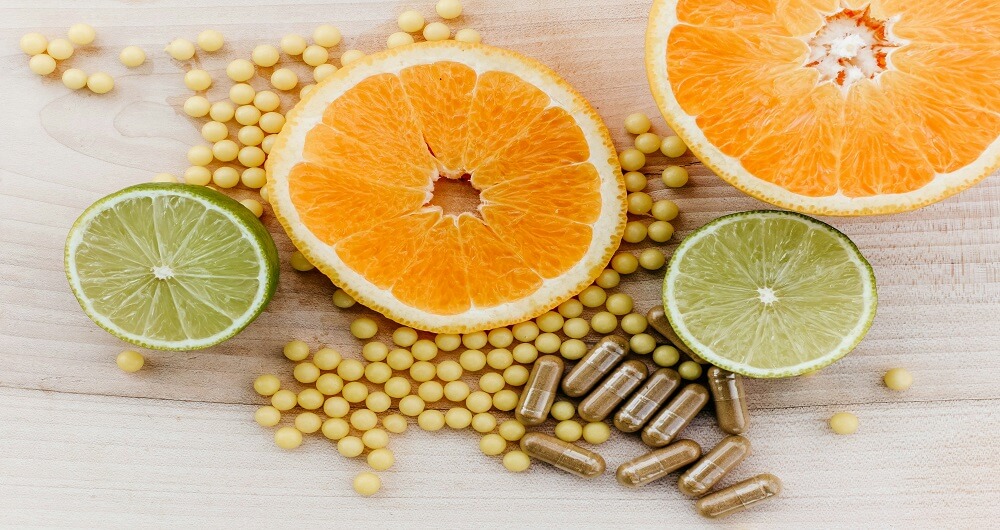
Magnesium is the one worth knowing about. It plays a direct role in regulating the nervous system and GABA receptors, which calm neural activity before sleep. A 2012 study in the Journal of Research in Medical Sciences found that magnesium supplementation improved sleep time, sleep efficiency, and early morning waking in older adults. The form matters: magnesium glycinate absorbs better than cheaper oxide forms and is less likely to cause digestive issues.

Melatonin works for shifting circadian timing, particularly for jet lag or shift work, but it’s not a traditional sleep supplement. It signals darkness to the brain rather than inducing sedation. The NHS notes it can help you fall asleep earlier but won’t reliably improve sleep quality overall.

L-theanine, an amino acid found in green tea, has decent evidence for reducing sleep onset anxiety without causing grogginess the next morning. A 2019 study in Nutrients found improvements in sleep quality and next-day cognitive performance. Worth trying if anxiety is what’s keeping you awake.

Ashwagandha and valerian have both been studied with mixed results. The honest position: the evidence is thinner than most of the marketing suggests.


The products that genuinely help

Good sleep products don’t replace good habits. They remove friction: a bedroom environment that works with your biology rather than against it, and a supplement or two that does what it says.

We look for the same things here that we look for everywhere on Ziracle. Evidence the product works, honesty about what’s in it, and ingredients and manufacturing you don’t need to second-guess. That rules out a lot of what’s on the market.

What makes the cut: magnesium in bioavailable forms, bedding and sleepwear in natural fibres that regulate temperature rather than trap heat, and wind-down products with a genuine physiological effect, not just a nice smell.

You now know what sleep science actually says works. Which means a fixed wake time, a cooler bedroom, and one or two well-chosen products are a real option. No twelve-step routine. No cabinet full of supplements.


Ready to shop for sleep? Browse our Sleep Better goal page. Everything there has passed the same standard on efficacy and ethics. No guesswork required.

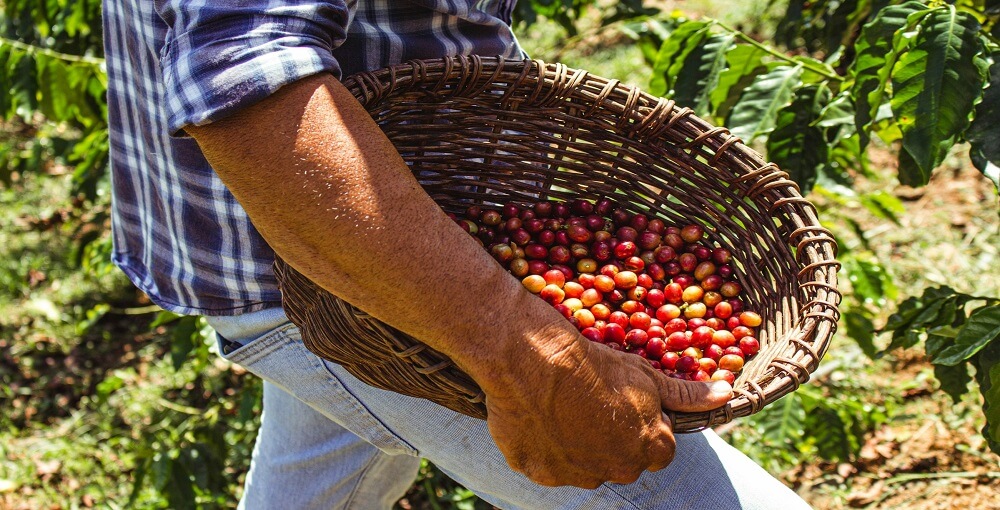
Sustainable Coffee Guide

How to buy better coffee: what the certifications actually mean

You already know coffee has problems. You’ve probably seen the Fairtrade logo and assumed it covered everything. It doesn’t. And the brands that look the most considered on the shelf are not always the ones doing the most at origin.

Around 125 million people depend on coffee for their livelihoods, across more than 60 producing countries. Most of them are among the poorest farmers on the planet. What you buy every morning is not a small choice.


Why coffee is more complicated than most people realise

Global coffee consumption has risen by more than 60% since the 1990s. That growth has put enormous pressure on farmers in the tropical regions where coffee grows: pressure to produce more, faster, on thinner margins, in conditions that are getting harder every year.

The environmental picture is complicated too. Traditional shade-grown coffee, grown beneath a forest canopy, supports biodiversity, sequesters carbon, and protects soil health. The Smithsonian Migratory Bird Center describes shade-grown plantations as “the next best thing to a natural forest.” But as demand has grown, most production has shifted to sun-grown monocultures that require intensive pesticide and fertiliser use, accelerate deforestation, and strip the soil.

Climate change is compounding this. By 2050, researchers estimate that up to 50% of the land currently suitable for coffee production may no longer be viable. The farmers most exposed to this are also the least able to adapt.

On the labour side, the picture is equally stark. Many smallholder coffee farmers earn less than $4 a day. Production costs have risen sharply since the pandemic. In Colombia, one farmer’s costs more than doubled in two years, while commodity prices stay volatile. Child labour, though increasingly monitored, is a documented problem in parts of the supply chain.

None of this means stop drinking coffee. It means the choice of which coffee to buy is one that actually matters.


What the certifications actually mean — and which ones count

There are more coffee certifications than most people have time to research. Here is what the main ones actually do.

Fairtrade is the most recognised and one of the most substantive. It guarantees farmers a minimum price regardless of what the commodity market is doing, protection that matters enormously when global prices crash. On top of that, buyers pay a Fairtrade Premium: an additional sum that cooperatives invest in community projects, from schools and healthcare to clean water and infrastructure. Fairtrade International has paid over $1 billion in cumulative financial benefits to producers since 1998. The current minimum price for washed Arabica is $1.40 per pound, with an additional $0.20 social premium and $0.30 organic differential.

“In a region where the average farmer’s income is less than $4 per day, the price premiums guaranteed by these certifications can make a huge difference.” — Root Capital

Organic certification addresses the environmental side. It prohibits synthetic pesticides and fertilisers. Pesticide use in some producing countries increased by 190% in a single decade, and organic methods improve soil health, protect biodiversity, and reduce chemical contamination of local waterways.

Rainforest Alliance focuses on environmental and social practices at farm level. It is process-oriented rather than price-oriented. Farms must demonstrate they’re working toward sustainability goals rather than hitting fixed benchmarks. Meaningful, but less protective of farmer income than Fairtrade.

B Corp certification at the roaster level is the most thorough signal available. It audits the whole business: sourcing practices, worker conditions, environmental impact, governance. A B Corp coffee brand has committed to the standard across its entire operation, from the farm relationship to the packaging decision.

The combination that does the most work: Fairtrade plus organic for both farmer welfare and environmental impact, with B Corp at the roaster level adding confidence that the business itself is built around the right principles.

One honest caveat: certifications are not perfect. Becoming certified can be prohibitively expensive for smallholder farmers who are already working on tight margins. Some excellent coffee is produced by farmers who cannot afford certification but maintain high standards. This is where direct trade relationships, where roasters buy directly from farms they visit and audit themselves, can fill the gap. The distinction worth knowing: direct trade is an ideology, not a regulated standard. When you see it on a bag, it means what the roaster says it means. Ask questions.


The environmental side: packaging, carbon, and what to look for

The conversation about sustainable coffee usually stops at the bean. It shouldn’t.

Packaging is the issue most brands still haven’t solved. Standard coffee bags are multi-layer laminates: foil, plastic, and sometimes paper, that are almost impossible to recycle through standard household streams. Compostable bags are better but require industrial composting facilities most people don’t have access to. The most practical options: brands that use genuinely recyclable packaging, offer refill programmes, or use whole-bean formats that reduce per-cup waste.

Coffee pods are the most wasteful format by volume. A single-use pod produces more packaging waste per cup than any other brewing method. If convenience is the priority, look for brands offering compostable or reusable options. Be clear-eyed about whether “home compostable” claims are backed by accessible composting infrastructure.

Your milk matters more than you think. Studies show that the greenhouse gas emissions from a standard latte are two to four times higher than those from a black coffee or espresso. If you drink coffee with milk regularly, switching to a plant-based alternative cuts the cup’s environmental footprint substantially.


How to make your daily cup go further

A few practical changes make a real difference without requiring a complete routine overhaul.

Buy whole beans and grind at home. Fresh grinding reduces packaging waste and produces a better cup. It’s also a nudge toward buying less frequently and more intentionally.

Choose a reusable cup if you buy out. The environmental cost of a disposable cup is small compared to the bean and milk, but it’s a cost with no benefit.

Ask your coffee shop where their beans come from. It’s a reasonable question, and independent shops with good sourcing relationships will always be able to answer it. The ones that can’t are telling you something.

Look beyond the front of the bag. “Ethically sourced,” “responsibly grown,” and “sustainably inspired” mean nothing without a certification or a named sourcing relationship behind them. Fairtrade plus organic is the combination that does the most work. B Corp at the roaster level tells you the whole business is built around the right principles, not just a single product line.

You now know what the certifications mean and what to look for beyond them. Which means the next bag of coffee you buy can be one you actually feel good about, without spending half an hour reading the small print.


We only stock coffee brands that have passed the same standard as everything else on Ziracle: kind to the people growing it, honest about how it’s made, and good for the planet it grows in. Browse our Food and Drink category and filter by Fair Trade, Organic, and B Corp to find them.


Eco swaps for home

Eco swaps for home: the ones that actually make a difference

Most eco swap guides treat the house as one undifferentiated problem. The kitchen, the bathroom, the utility room, the bin bag under the sink: all of it lumped together into a list so long it’s easier to close the tab than start.

This isn’t that. The home has a few high-impact areas and a lot of noise. Here’s where the plastic actually comes from, which swaps move the needle, and which ones you can ignore.

Where household plastic actually comes from

UK households throw away an average of 66 items of plastic packaging every week. That’s not bottles you forgot to recycle. That’s the packaging that cycles through the house on a weekly basis: cleaning products, laundry products, food packaging, bin liners.

Cleaning and laundry are where the opportunity is clearest. Both categories are almost entirely liquid, almost entirely plastic-packaged, and almost entirely replaceable with formats that perform just as well. The average household gets through a significant number of spray bottles, detergent bottles, washing-up liquid bottles, and fabric softener bottles every year. All of them single-use. Most of them not straightforwardly recyclable, because trigger spray mechanisms use multiple plastic types that can’t be separated.
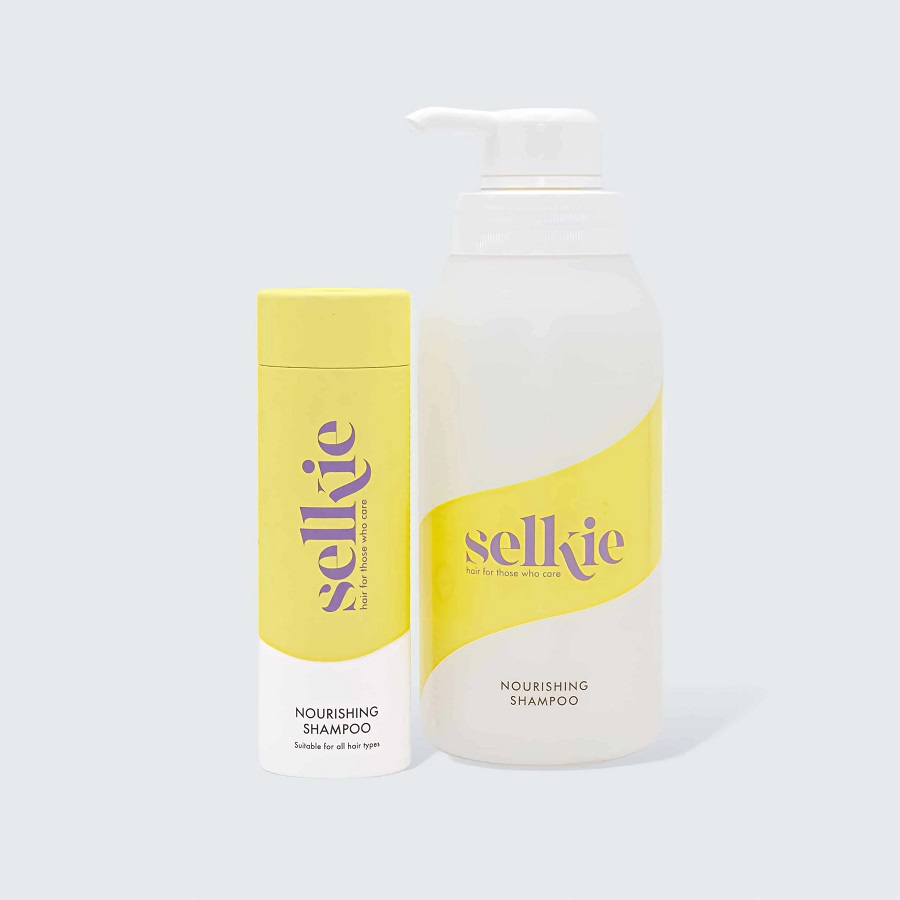
The kitchen and bathroom contribute the rest: food wrap, sponges, bin liners, cotton buds, and miscellaneous single-use packaging. Some of this is genuinely hard to replace. Most of it isn’t.

The swaps that make the biggest difference

Concentrated and refillable cleaning products: yes, and this is the biggest win.

Switching from conventional spray cleaners to concentrated refillable alternatives is the single most impactful home swap on this list. Which? found that concentrated cleaning products use 75% less plastic packaging and 97% less water than standard ready-to-use versions. The environmental case is clear. The performance case has caught up: concentrated cleaners from dedicated eco brands clean as well as conventional products.

The format to look for: a refillable glass or aluminium bottle, plus concentrated tablets or drops that dissolve in water. One bottle, kept indefinitely. Refills ordered as needed. The plastic is removed almost entirely from the cycle.

Laundry sheets and strips: yes.

Laundry detergent bottles are bulky, heavy, and almost never made from easily recyclable plastic. Laundry sheets, which dissolve in the wash and come in cardboard packaging, replace them entirely. Performance has improved considerably from early generations. They work in both standard and high-efficiency machines, at all temperatures, and take up a fraction of the space. If you’re sceptical, try a pack alongside your existing detergent before committing.

Washing-up liquid: switch to concentrate or a solid bar.

Washing-up liquid is one of the highest-turnover plastic items in most kitchens. Concentrated washing-up liquid, diluted into a refillable bottle, reduces the number of bottles considerably. Solid washing-up bars, which work with a dish brush, eliminate plastic entirely. Both work. The bar requires the most adjustment; the concentrate is the easier switch.

Kitchen sponges: yes, swap immediately.

Conventional synthetic sponges shed microplastics into wastewater with every use, and go in the bin within weeks. Compostable alternatives, including loofah, wood-pulp cellulose sponges, and natural sisal scourers, do the same job without the plastic. Low cost, immediate swap, no adjustment period.

Beeswax wrap and reusable food covers: yes for most uses.

Cling film is one of the few plastic products that genuinely can’t be recycled in most UK councils. Beeswax wrap covers bowls, wraps sandwiches, and keeps cut vegetables fresh. It doesn’t work for raw meat, and it needs cold water for washing. For most other uses it’s a direct replacement. Silicone stretch lids are the alternative for bowls and containers if beeswax isn’t practical.

Bin liners: harder than it looks.

Compostable bin liners are worth using for food waste caddy liners, where they go into food waste collection and compost down properly. For general waste bins, the picture is less clear: compostable liners need industrial composting conditions to break down, which most UK councils don’t provide. Recycled-content plastic bin liners are a more honest swap for general waste until the infrastructure catches up.

Dishwasher tablets: switch to plastic-free packaging.

Most dishwasher tablets come individually wrapped in plastic film, then packaged in a plastic tub. Plastic-free alternatives in cardboard boxes or compostable wrappers are now widely available and perform comparably to conventional tablets. Simple swap, no adjustment needed.

What doesn’t need changing: most kitchen appliances, most storage, most furniture. The home swap conversation focuses disproportionately on things that either aren’t genuinely plastic-heavy or can’t yet be replaced at equivalent quality. The cleaning and laundry aisle is where the wins are. Start there.

How to switch without replacing everything at once

The same principle applies here as everywhere: the most sustainable product in the house is the one you’ve already bought. Use what you have. Replace with better when it runs out.

Cleaning products cycle through every few weeks. That makes them the fastest category to improve. Pick one item: the kitchen spray. When it’s empty, replace it with a refillable bottle and a concentrated refill. Then do the same for the next item that runs out. Within a few months, most of the cleaning aisle is sorted without a single item wasted.

“The cleaning aisle is where most household plastic comes from. It’s also where the alternatives work best.”

Laundry is next. A bag of laundry sheets lasts as long as a bottle of liquid detergent and produces none of the packaging. After that, the kitchen: sponges, food wrap, washing-up liquid. By the time you’ve worked through these categories, the remaining plastic in the house is mostly packaging that came with food. That’s a supply-chain problem, not a consumer one.

The products worth buying

Every product in the Clean Home category on Ziracle has passed the same standard: effective, honestly formulated, and plastic-free or refillable wherever that’s possible. For home cleaning specifically, that means biodegradable ingredients, refillable formats, and no misleading claims about what the packaging actually does to the environment.

The formats to look for: concentrated cleaning tablets or drops with a refillable bottle, laundry sheets in cardboard packaging, compostable sponges, and washing-up concentrate. The brands that earn their place are the ones that have thought through the whole system, not just the label on the front.

You now know where the plastic actually comes from and which swaps are worth the effort. Which means the next time a cleaning product runs out, you know exactly what to replace it with. Ready to shop? Browse our Clean Home category and filter by Plastic Free and Refillable to find products that have already passed the standard.

Eco Swaps For Food And Drink

Eco swaps for food and drink: where the plastic actually comes from

You’ve switched your shampoo bar and your cleaning spray. The bathroom cabinet looks different. The cupboard under the sink looks different. And yet the recycling bin is still full every week, mostly of plastic, mostly from food.

That’s not a failure of effort. It’s where the problem actually lives. Here’s what’s worth changing, what’s genuinely hard, and why the hardest parts aren’t yours to fix.

Why food and drink is where most household plastic starts

81% of the plastic counted in the UK’s largest household plastic survey came from food and drink packaging. That’s not shampoo bottles or cleaning products. That’s the packaging your food comes in, week after week, from the supermarket.

The two biggest categories: snack packaging and fruit and vegetable packaging. Between them, they make up the majority of what most households throw away. Around 70,000 tonnes of hard-to-recycle plastic are used to package fresh fruit and vegetables in the UK every year. Most of it is plastic film, which only 4% of UK councils collect for recycling.

This matters for how you approach the food aisle. The cleaning and beauty swaps covered elsewhere in this series are largely within your control: you choose the format, you switch the product. Food packaging is more complicated. Some of it you can change. Some of it is a supermarket and supply-chain problem dressed up as a consumer choice.

The swaps that are genuinely within reach

Buy loose fruit and vegetables where you can.

This is the single most impactful food swap on this list. WRAP found that removing plastic packaging from a handful of the most commonly bought fruit and vegetable items could remove an estimated 1.7 billion pieces of plastic annually and prevent 77,000 tonnes of food waste. The plastic on most fresh produce is film, which is hard to recycle and usually goes straight to incineration.

Most supermarkets now offer at least some loose options. Bring your own bag or use paper. Where loose isn’t available, opt for cardboard or paper packaging over plastic film where you have the choice. It’s not always possible. When it is, it’s the highest-return swap in the food aisle.

Switch from single-use drinks bottles to a reusable one.

A reusable water bottle eliminates the most avoidable category of single-use plastic in most people’s daily lives. The same applies to a reusable coffee cup if you buy coffee on the go. Both are low-cost, immediate, and require no adjustment once the habit sticks.

Choose glass, cardboard, or aluminium over plastic where the product is the same.

For pantry staples: passata in a carton over a plastic bottle, tinned tomatoes over plastic pouches, glass jars of nut butter over plastic tubs. The product inside is identical. The packaging choice is not. This is the kind of swap that costs no extra effort at the point of purchase and compounds across dozens of items over a year.

Buy in bulk where you use it regularly.

A large bag of oats produces less packaging per portion than five small ones. The same applies to rice, lentils, flour, and most dried goods. Buying the largest practical size of products you use reliably is one of the lower-effort packaging reductions available. Many independent shops and zero-waste retailers also offer loose bulk options for dried goods, coffee, and oils.

Reusable produce bags.

Replacing single-use plastic bags in the fruit and veg aisle with lightweight mesh or cotton reusable bags is a small but consistent swap. They wash easily and last for years. Not transformative on their own, but they add up alongside other changes.

What’s harder than it looks, and why that’s not your fault

“Some of it you can change. Some of it is a supermarket and supply-chain problem dressed up as a consumer choice.”

Crisps, biscuits, cereal bars, and confectionery are the most difficult food category to improve. Almost all of it is plastic film or foil-laminate. Neither is collected by most UK councils. Neither has a widely available plastic-free alternative that performs comparably. TerraCycle runs collection schemes for some brands, but they require dropping packaging at specific points rather than kerbside collection.

Ready meals, deli packaging, and pre-marinated meat trays fall into the same category. The plastic trays and film lids are rarely recyclable. Alternatives exist in some supermarkets: paper-based trays, cardboard sleeves. They’re inconsistent and not always labelled clearly.

Plastic film on multipacks: the wrap holding together a four-pack of tinned tomatoes or a six-pack of yoghurt pots is almost never recyclable at home. Some supermarkets have collection points for soft plastics. Using these is worth doing; relying on them as the main solution isn’t.

A lot of food packaging waste is not within the consumer’s control at current supermarket infrastructure. Buying better where you can, supporting refill and loose options where they exist, and accepting that the rest is genuinely a supply-chain problem is the most realistic position. Every choice adds up. But not every choice is yours to make.

The products worth buying

Every product in the Food and Drink category on Ziracle has passed the same standard: genuinely good food, honestly sourced, and packaged with as little unnecessary plastic as possible. For this category specifically, that means organic where it matters, minimal or plastic-free packaging, and brands that are transparent about what’s in the product and where it comes from.

The formats to look for: glass jars, cardboard, aluminium, and brands with refillable or return packaging schemes. The brands that earn their place are the ones where the food itself is worth buying, and the packaging is a considered choice rather than an afterthought.

You now know where most of the plastic in your kitchen comes from, which swaps are worth making, and which ones are genuinely beyond what any consumer can solve alone. Which means the next trip to the supermarket looks a bit different.

Ready to shop? Browse our Food and Drink category and filter by Plastic Free and Organic to find products that have already passed the standard.

Eco Swaps For Fashion

Eco swaps for fashion: how to buy less, spend less, and wear better

The sustainable fashion conversation tends to go one of two ways. Either it’s a guilt trip about fast fashion, or it’s a very expensive list of ethical brands most people can’t afford. Neither is particularly useful.

This is the practical version. Here’s where fashion’s impact actually comes from, why cost per wear changes the maths entirely, and which swaps make the most difference.

Why fashion is worth taking seriously as an environmental problem

The fashion industry produces around 10% of global CO2 emissions, more than international aviation and maritime shipping combined. It’s also responsible for approximately 35% of all primary microplastic pollution in the ocean, almost entirely from synthetic fibres shedding during washing.

The UK numbers make it concrete. According to WRAP, the average UK household owns around £4,000 worth of clothes, and around 26% of that wardrobe has not been worn for at least a year. The most sustainable wardrobe isn’t a more ethical one. It’s a smaller one, used properly.

“The most sustainable wardrobe isn’t a more ethical one. It’s a smaller one, used properly.”

This matters because the framing of “eco swaps for fashion” is slightly misleading. The biggest lever isn’t which brand you buy. It’s how many things you buy, and how long you keep them.

The case for cost per wear: buying less, buying better

Cost per wear is simple: price divided by number of wears. A £15 fast fashion top worn five times costs £3 per wear. A £90 well-made equivalent worn 90 times costs £1 per wear. Over time, the cheaper item is the more expensive one.

The environmental logic mirrors the financial one. A 2024 peer-reviewed study found that fast fashion jeans emit 2.5kg of CO2 per wear, 11 times more than traditionally made jeans. The difference isn’t mostly about materials. It’s about how many times something gets worn before it’s discarded. Wear something twice as often and you halve its per-wear footprint, regardless of what it’s made from.

WRAP found that extending the active life of clothing by just three months reduces its environmental footprint by 5 to 10%. Three months. Not a wardrobe overhaul. Not a switch to a certified organic brand. Just wearing what you already own for slightly longer.

The practical implication: before buying anything new, ask whether it will get at least 30 wears. If the honest answer is no, it’s probably not worth buying, on any measure.

What’s in your activewear, and what you can actually do about it

You may have seen claims that polyester leggings are toxic. The reality is more complicated than most of the coverage suggests. Still worth knowing.

Testing by Mamavation and Environmental Health News, using an EPA-certified lab, found that one in four pairs of popular leggings and yoga pants had detectable levels of fluorine, a strong indicator of PFAS. PFAS are synthetic chemicals used to create water-resistance and moisture-wicking properties in performance fabrics. They accumulate in the body over time and have been linked to cancer, thyroid disruption, and reproductive issues in higher-exposure contexts. Three in four pairs tested showed no detectable fluorine.

The Environmental Working Group notes that it is currently unclear how much PFAS in clothing specifically contributes to overall human exposure. Skin absorption from clothing is a plausible route but remains an area of active research rather than established fact. The concern is real; the certainty is not.

What is established: synthetic activewear sheds microplastics into wastewater with every wash, regardless of PFAS content. The performance coatings that create moisture-wicking properties are also where PFAS are most commonly added.

The practical response is not to throw out your leggings. It’s to look for OEKO-TEX Standard 100 certification on any new activewear purchase, which screens for harmful substances including PFAS indicators. Natural fibre alternatives exist for lower-intensity exercise: organic cotton, TENCEL, and merino wool. For those activities the moisture-wicking argument for synthetics is less pressing. For high-performance sport, OEKO-TEX is the clearest signal currently available.

The other swaps that move the needle

Buy secondhand first.

Secondhand clothing has no manufacturing footprint beyond transport. For most everyday items: jeans, knitwear, outerwear, basics. The secondhand market in the UK is deep and well-supplied. Vinted, Depop, eBay, and charity shops are all viable first stops before buying new. The habit shift is small; the impact is real.

Wash less, wash cooler.

Most of the lifecycle emissions from clothing happen during use, not manufacturing: primarily from washing and drying. Washing at 30°C instead of 40°C and line-drying instead of tumble-drying meaningfully reduces the ongoing footprint of every item you own. Washing synthetics less frequently also reduces microplastic shedding.

A microfibre filter bag for your washing machine.

Guppy Friend bags and similar microfibre filter bags catch the synthetic fibres that shed from activewear and other synthetic clothing during washing. They don’t solve the problem at source, but they meaningfully reduce how much ends up in wastewater. Low cost, immediate, no change to routine required.

When buying new, buy once and buy well.

Look for natural or certified recycled fibres, OEKO-TEX or GOTS certification, brands with named factories and published supply chain information, and products with a repair or take-back offering. These are the signals that a brand has thought beyond the label.

Care for what you have.

Loose buttons, split seams, worn heels: most of the reasons clothes are discarded are fixable. Learning basic repairs or using a local cobbler or tailor extends the life of clothes that are otherwise fine. The environmental case is the same as the financial one. The item already exists.

The brands worth buying from

Every brand in the Apparel and Style category on Ziracle has passed the same standard: kind to the people making the clothes, honest about materials and supply chain, and built to last longer than a season. For fashion specifically, that means Fair Trade or equivalent certification, transparency about factories, and no materials that can’t be accounted for.

The brands that earn their place are the ones where the clothing itself is good enough that you’d want to wear it regardless of the ethics. The ethics are the confirmation that it’s worth the price, not the reason to buy something you wouldn’t otherwise choose.
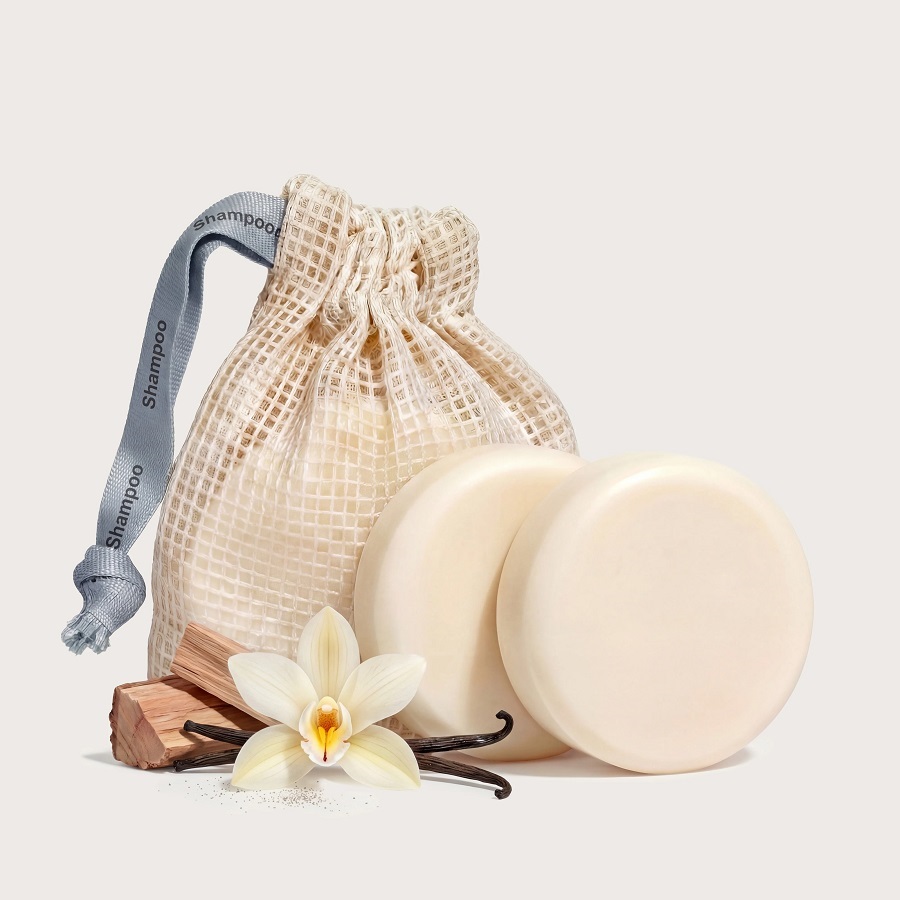
You now know where fashion’s impact actually comes from, why cost per wear reframes the whole conversation, and which swaps are worth making first. Which means the next time something needs replacing, you know exactly how to think about it.

Ready to shop? Browse our Apparel and Style category and filter by Fair Trade and B Corp to find brands that have already passed the standard.

Eco Swaps For Beauty

Eco swaps for beauty: the ones that actually work

The bathroom cabinet is one of the easiest places to reduce plastic in your life. It’s also the place where most eco swap advice falls apart on shampoo bars that don’t lather, deodorants that don’t work, and a lot of products that feel like a compromise rather than an upgrade.
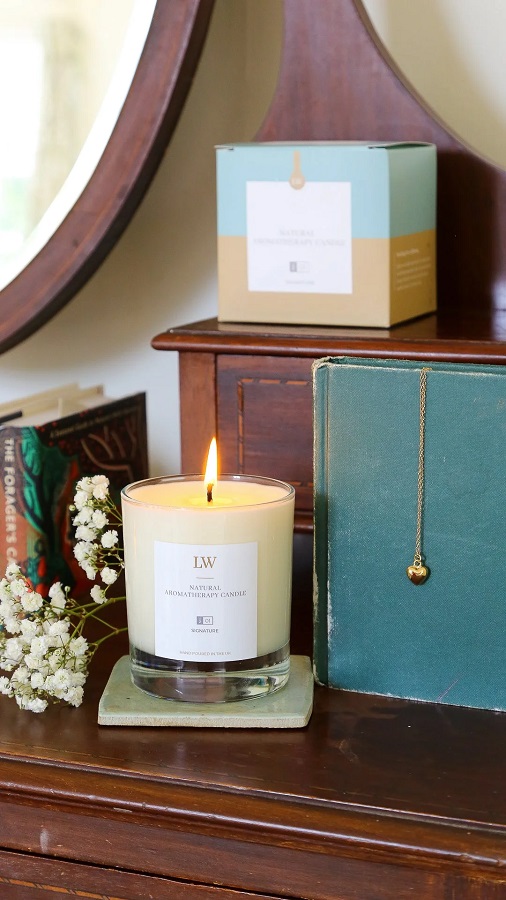
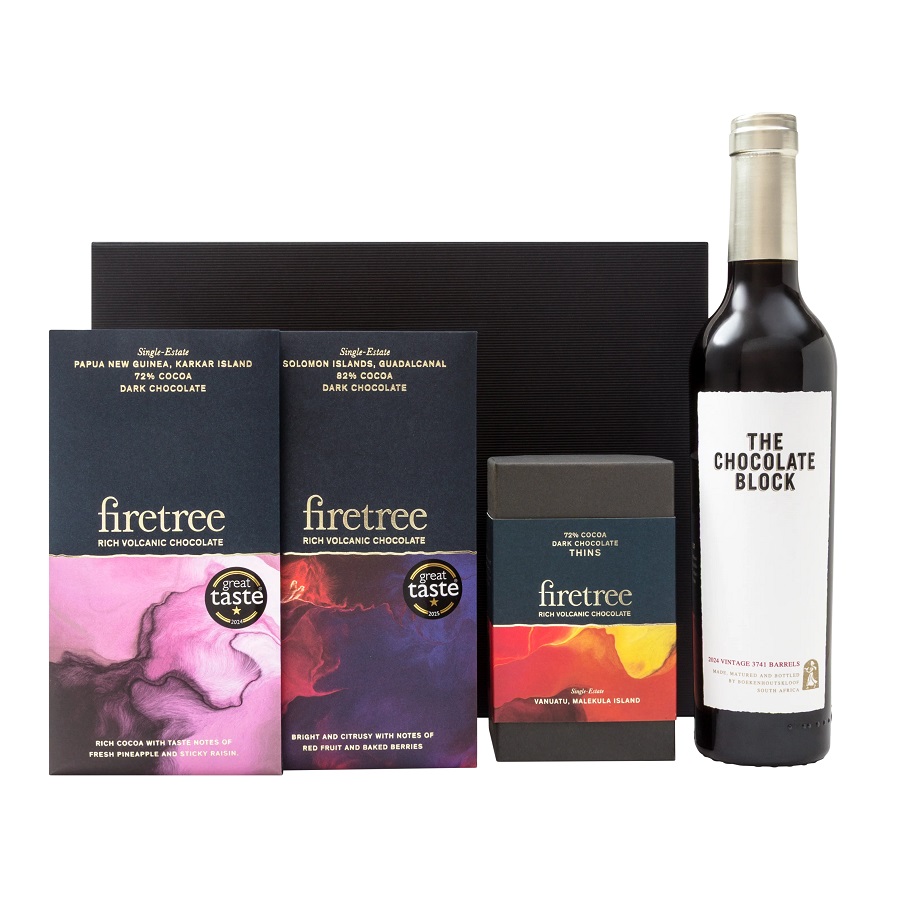
This isn’t that. Every swap here has been checked for performance as well as ethics. Here’s what’s worth switching, what to expect, and how to do it without throwing away half a shelf of products you’ve already bought.

Why beauty is one of the easiest places to reduce plastic

The beauty industry produces at least 120 billion pieces of packaging every year, and 95% of it goes unrecycled. Only 9% of cosmetic plastic packaging actually makes it through the recycling process. The British Beauty Council puts it plainly: most of what goes in the recycling bin from your bathroom isn’t coming back as anything useful.

That’s not just a problem. It’s an opportunity. Bathroom products are among the most repeatable purchases in most people’s lives. You buy shampoo every few weeks. Moisturiser every couple of months. Deodorant, face wash, soap: all of it cycles through on a reliable schedule. Switch one of those products to a better format, and the impact compounds with every purchase.

In the UK alone, around 520 million shampoo bottles are discarded every year. That single category, changed, would be a meaningful shift. And shampoo is just the start.

The swaps that actually work, and the ones that don’t

Shampoo bars: yes, but buy the right one.

A well-formulated shampoo bar replaces two to three bottles of liquid shampoo and produces no plastic waste. The environmental case is clear. The performance case took longer to catch up, but it has. One bar of solid shampoo typically replaces two to three bottles of liquid, lasts longer per wash, and is significantly lighter to transport.

The caveat: not all shampoo bars are equal. Many early-generation bars used saponified soap bases with a high pH that roughed up the hair cuticle, left residue, and caused exactly the lather problems that put people off. pH-balanced syndet bars, made with mild synthetic detergents rather than soap, behave much more like conventional shampoo. Look for that distinction when buying. Give it three to four washes before judging. The scalp adjusts.

Conditioner bars: yes.

Easier transition than shampoo. Conditioner bars melt on contact with water and distribute like a liquid conditioner. Less adjustment required, same plastic saving.

Solid body wash and soap bars: yes, and this one is genuinely easy.

Switching from liquid body wash to a solid bar is the lowest-friction eco swap in the bathroom. A good soap bar with moisturising oils performs comparably to most liquid body washes, produces no plastic waste, and lasts significantly longer. No adjustment period needed.

Refillable deodorant: yes.

The deodorant category has improved considerably. Refillable aluminium deodorants with replaceable cardboard or refill inserts now perform as well as conventional roll-ons. The initial outlay is higher; the ongoing cost and waste are both lower.

Natural deodorant: worth trying carefully.

Natural deodorants that replace aluminium-based antiperspirants work for many people, but not everyone. If sweating is a concern, test during a lower-activity period rather than committing on a busy week. The switch takes around two to three weeks as the body adjusts. A refillable conventional deodorant may be a better fit if natural formulas don’t work for you.

Reusable cotton pads and cloths: yes, immediately.

Single-use cotton pads are a small but constant source of waste. Reusable cloth rounds, washed with normal laundry, replace them entirely. One set of ten rounds replaces hundreds of disposable pads over a year. This is the swap with the shortest payback period of anything on this list.

Bamboo toothbrushes: yes.

If everyone in the UK changed their toothbrush every three months, that’s a potential 264 million brushes discarded annually. Bamboo handles with nylon bristles are the practical swap: the bristles still need to go in general waste, but the handle composts. Fully compostable bristles exist but are less effective.

Refillable skincare: worth prioritising over format swaps.

For moisturisers, serums, and cleansers, refillable schemes are more impactful than switching format entirely. A refillable glass jar of moisturiser is a better outcome than a compostable single-use alternative. Look for brands with active refill programmes rather than brands that simply use recycled packaging.

What doesn’t work yet: mascara, most foundations, and complex multi-component products. The packaging on these hasn’t been solved at scale. TerraCycle runs collection schemes for some brands, which is currently the best option. Buying less, buying better, and using products fully before replacing them has more impact here than any packaging swap.

How to switch without wasting what you already have

“The most sustainable thing in your cabinet is a product you’ve already bought.”

Using it up before switching is the right call. The environmental cost of manufacturing is already sunk, and throwing away half a bottle to replace it with something greener is counterproductive.

When a product runs out, replace it with the better version. Start with the things that cycle through fastest: shampoo, body wash, soap, cotton pads. These give you the most repetitions and the fastest payback.

Keep a list. When something runs low, check whether there’s a better format or brand before automatically reordering the same thing. That pause is where most of the change happens.

The products worth buying

Everything in the Beauty and Self-Care category on Ziracle has passed the same standard: kind to skin, honest about ingredients, and made with the planet in mind. For eco beauty specifically, that means plastic-free or refillable packaging, ingredients without unnecessary synthetics, and brands that are transparent about their supply chain.

The formats to look for: solid bars for hair and body, refillable deodorant, reusable cotton rounds, and skincare brands with active refill schemes. The brands that earn their place are the ones where the product itself is good enough that you’d buy it regardless of the packaging. The ethics are a bonus, not a concession.

You now know which swaps are worth making and which aren’t ready yet. Which means the next time something runs out, you know exactly what to replace it with. Ready to shop? Browse our Beauty and Self-Care category and filter by Plastic Free and Refillable to find products that have already passed the standard.

Daily Habits For Mental Health

Daily habits for mental health: small changes, real results

The wellness industry has a talent for making mental health feel like a second job. Meditation apps, journaling prompts, gratitude practices, cold plunges. All of it presented as non-negotiable, all of it requiring time you probably don’t have.

The research tells a different story. The habits with the strongest evidence behind them are not complicated. Most take under 20 minutes. And the compounding effect of doing them consistently is larger than most people expect.


Why small habits move the needle more than big ones

The brain changes in response to repeated behaviour. This isn’t motivational language. It’s how neuroplasticity works in practice. Consistent small actions reinforce neural pathways more effectively than occasional large ones, because repetition is what drives the structural change.

Research from University College London found that habit formation takes an average of 66 days, with a range of 18 to 254 depending on the person and the behaviour. The implication: habits are built through repetition over time, not through willpower on any given day. Starting small and staying consistent beats starting ambitious and dropping off.

This is also why overhauling everything at once rarely works. Pick one or two habits, do them until they’re automatic, then add more. The evidence supports this approach. The wellness industry largely doesn’t, because it has products to sell.


The habits with the strongest evidence behind them

Not all habits are equal. These are the ones the research consistently backs.

Movement, any movement, regularly. Exercise is one of the most well-evidenced interventions for mental health available. A 2023 meta-analysis in the BMJ covering 97 reviews and over 1,000 trials found that physical activity was as effective as medication for depression and anxiety in many cases, with walking, yoga, and strength training all showing strong effects. The dose matters less than most people think: 20 to 30 minutes most days is enough to produce measurable changes in mood, stress response, and sleep quality.

Time outside, especially in the morning. Natural light exposure anchors the circadian rhythm and influences serotonin production. A 2020 study in Molecular Psychiatry found that time spent outdoors was associated with lower rates of depression and better mental wellbeing, independent of physical activity levels. The two together are more effective than either alone.

Sleep, treated as non-negotiable. The relationship between sleep and mental health runs both ways: poor mental health disrupts sleep, and poor sleep worsens mental health. The NHS recommends 7 to 9 hours for most adults. Protecting sleep is not a luxury. It’s the foundation everything else sits on.

Reducing alcohol. Alcohol is a depressant that disrupts sleep architecture, raises cortisol, and depletes serotonin over time. Most people know this, and most people underestimate how much even moderate drinking affects their baseline mood. Cutting back is one of the highest-return changes you can make.

Social connection, in whatever form works for you. A landmark Harvard study running over 80 years found that the quality of relationships was the single strongest predictor of mental health and longevity. This doesn’t require a packed social calendar. Regular, genuine contact with people you trust is what counts.


What gets in the way, and how to actually make these stick

Knowing what to do is rarely the problem. Doing it consistently is.

The most common obstacle is all-or-nothing thinking: if you can’t do the full version, you skip it entirely. A 10-minute walk still counts. Five minutes of quiet still counts. The research on habit formation is clear that partial completion is far better than skipping, because it keeps the neural pathway active.

Friction is the other thing. BJ Fogg’s work at Stanford on behaviour design shows that making a habit easier to start, reducing the steps between intention and action, has a bigger effect on consistency than motivation. Put your trainers by the door. Keep a water bottle on your desk. Move the thing you want to do into the path you already walk.

Tracking also helps, but only lightly. A simple record of whether you did the thing, not how well, not for how long, is enough to build momentum without becoming its own source of stress.


Where your environment does the work for you

The most sustainable habits are ones that happen almost automatically, because the environment makes them easy. This is worth spending time on.

If morning light is one of your habits, sleeping with the curtains slightly open removes a decision. If movement is the goal, a yoga mat already unrolled in your living room removes a barrier. If you want to wind down properly before bed, keeping your phone out of the bedroom removes the temptation.

None of this is complicated. The principle is simple: reduce the distance between wanting to do something and actually doing it. Your environment can work for you or against you. Most people’s environments, by default, work against them, optimised for convenience rather than the habits they’re trying to build.


The products worth adding to your routine

Products don’t build habits. But the right ones can support them.

Magnesium is worth considering if sleep or stress is part of the picture. It plays a direct role in regulating cortisol and the nervous system. Adaptogenic herbs like ashwagandha have some evidence for reducing perceived stress, though the research is less robust than the marketing suggests. A 2019 study in Medicine found ashwagandha supplementation reduced stress and anxiety scores compared to placebo, with cortisol levels dropping by around 28%.

Creatine is one most people haven’t considered for mental health, and the emerging evidence is worth knowing about. It supports ATP production in the brain, which is depleted under stress and poor sleep. A 2023 meta-analysis in Nutrients found creatine supplementation reduced symptoms of depression, particularly in women and in people with disrupted sleep. The research is still building, but the mechanism is plausible and the safety profile is well established.

A good multivitamin won’t actively improve mental health in someone eating well. But deficiencies in B12, folate, vitamin D, and iron all have documented effects on mood and energy, and most people have at least one gap they don’t know about. A multivitamin is a reasonable safety net, not a solution. Worth having in the rotation if your diet is inconsistent.

For movement and wind-down, the environment matters more than the product. A good-quality yoga mat, a journal, a supplement that does what it says. Nothing you need to spend a lot on. Nothing that requires a new identity.

Everything on Ziracle in this space has passed the same bar: does it do what it claims, and is it made the way the brand says it is. That rules out most of what’s on the market.

You already know the habits that move the needle. Which means the question isn’t what to do. It’s which one you’re starting with tomorrow.


Looking for products that support your mental health routine? Browse our Reduce Stress goal page and Wellness & Vitality category. Everything there has passed the same standard on efficacy and ethics.

A practical guide to plant-based eating: how to do it well

The word “vegan” still puts a lot of people off. It sounds like a commitment, a label, a lifestyle. But the research on plant-based eating doesn’t require you to go all the way to get most of the benefit. Eating more plants, not exclusively plants, is one of the most well-evidenced things you can do for your health and for the planet.

This guide is for people who want to eat better, not for people who want an identity. Here’s what the evidence actually says, what to stock, and how to make it genuinely easy.


Why plant-based eating is worth trying even if you’re not going fully vegan

There is a wide spectrum between eating a standard Western diet and being fully vegan. Flexitarian, vegetarian, pescatarian: all of them involve eating more plants and less meat, and all of them deliver meaningful benefits relative to where most people currently are.

A 2024 study in Frontiers in Nutrition found that a vegan diet reduces carbon emissions by 46% compared to an omnivorous Mediterranean diet, while a vegetarian diet reduces emissions by up to 35%. The headline: you don’t need to go fully vegan to make a real difference. Every meal with more plants moves the needle.

On the health side, the picture is equally clear. Research from the Office of Health Economics found that if everyone in England shifted to a plant-based diet, the NHS would save around £6.7 billion a year, with 2.1 million fewer cases of disease. The conditions with the strongest evidence for improvement: cardiovascular disease, type 2 diabetes, and several forms of cancer.

None of this requires perfection. It requires direction.


The health case: what the evidence actually says

Plant-based diets are typically lower in saturated fat and higher in fibre, antioxidants, and phytochemicals. The evidence linking plant-based eating to cardiovascular disease prevention is strong, with improvements in weight, cholesterol, blood pressure, and blood glucose all well-documented in both observational studies and randomised controlled trials.

The NHS is clear on this: a well-planned plant-based diet can meet all nutritional needs at every life stage. The word “planned” is doing important work in that sentence. There are a handful of nutrients that need attention.

“There is now compelling evidence that plant-based diets can benefit people’s health.” — Dr Chris Sampson, Office of Health Economics

Vitamin B12 is the one that matters most. It is not found in plants, and the NHS recommends that vegans either eat fortified foods at least twice a day or take a supplement. This is not a reason not to eat plant-based. It is a £3 supplement. But it is a genuine non-negotiable, not a technicality.

Iron from plant sources is absorbed less efficiently than iron from meat. Eating iron-rich plants, including lentils, chickpeas, tofu, and dark leafy greens, alongside vitamin C-rich foods improves absorption considerably. Not complicated, but worth knowing.

Vitamin D is relevant for everyone in the UK, plant-based or not. The NHS recommends everyone considers a supplement through autumn and winter regardless of diet.

Iodine and calcium need attention if dairy is removed. Fortified plant milks, seaweed, and iodised salt cover iodine. Calcium comes from fortified plant milks, tofu, tahini, and green leafy vegetables.

The reassuring summary: the nutrients that need managing are manageable. A good multivitamin designed for plant-based eaters covers most of them in one go.


The practical bit: what to eat, what to stock, and where people go wrong

The biggest mistake people make when moving toward plant-based eating is treating it as subtraction. Remove the meat. What’s left? Not much that’s interesting. The better approach is addition first: add the foods that make plant-based eating genuinely good, then let meat naturally take a smaller role.

The foods that do the heavy lifting:

Legumes, including lentils, chickpeas, black beans, and cannellini beans, are the backbone of plant-based eating. Cheap, filling, high in protein and fibre, and genuinely delicious when cooked properly. A tin of chickpeas and a jar of tahini will take you further than almost anything else in the cupboard.

Whole grains, including brown rice, oats, quinoa, farro, and barley, provide sustained energy and texture. They’re also where a lot of the fibre comes from.

Nuts and seeds, including walnuts, almonds, hemp seeds, chia seeds, and pumpkin seeds, add fat, protein, and flavour. A handful on top of most things makes it better.

Tofu and tempeh are worth learning to cook properly. Pressed tofu, dried and cooked at high heat, bears no resemblance to the soft, watery version most people encounter first. Tempeh has a nuttier, more complex flavour and holds together better.

What to keep in the cupboard at all times: tinned chickpeas, lentils, cannellini beans, and black beans. Tinned tomatoes. Tahini. Good olive oil. Miso paste. Soy sauce. Nutritional yeast. These things make everything taste like it took more effort than it did.

Where people go wrong: relying on ultra-processed meat substitutes as the main protein source. Some are fine occasionally. But a diet built around vegan sausages and plant-based burgers is a different thing from a diet built around whole plant foods, and the evidence for health benefits applies to the latter.


The products that make it genuinely easy

This is where Ziracle’s job is to have done the work already. Every product in the Food and Drink category has passed the same standard: efficacy, ethics, transparency. For plant-based eating that means organic where it counts, no unnecessary additives, and brands that are honest about what’s in the product and where it comes from.

What to look for: good-quality tinned legumes, organic plant milks without unnecessary additives, tahini that is just sesame seeds, nut butters without palm oil or added sugar, and supplements that are genuinely vegan rather than plant-adjacent.

The brands that make the best plant-based eating possible are the ones making food that tastes genuinely good, not food that tastes like a compromise. That’s the bar. Everything on Ziracle has passed it.


How to make it stick without making it a project

The research on behaviour change is consistent: starting small and staying consistent beats starting ambitious and dropping off. One or two plant-based meals a week is a real change. Three or four is a meaningful shift. Five is most of the week.

Pick one meal to change first. Most people find breakfast or lunch easier than dinner, because there’s less social pressure and fewer expectations. Porridge with seeds and fruit. A lentil soup. A chickpea salad. None of these require a recipe book.

Cook in batches. A big pot of lentil dal, a tray of roasted vegetables, a pan of rice. These things take 30 minutes once and feed you several times. The people who eat well consistently are not the ones who cook every day. They are the ones who cook a few things that stretch across the week.

Don’t make it a rule. Rules create failure states. If you eat meat at a friend’s dinner and enjoy it, that’s fine. The overall direction matters more than any individual meal. Every choice adds up, not because you’re obligated to be perfect, but because small consistent changes compound into something real over time.

You now know what the evidence says, what to stock, and what to do when it feels like too much effort. Which means the next step is just starting somewhere.


Ready to shop? Browse our Food and Drink category and filter by Vegan and Organic to find products that have already passed the standard.


SEO / GEO DATA PACKAGE

Domain: ziracle.com Full URL: ziracle.com/journal/vegan-living-guide Canonical URL: https://www.ziracle.com/journal/vegan-living-guide

301 redirects: veo.world/blog/5-reasons-to-try-veganuary veo.world/blog/proud-supporters-of-veganuary-why-not-give-it-a-go veo.world/blog/10-plant-based-life-hacks-that-will-make-you-feel-like-a-culinary-god

Page title: A practical guide to plant-based eating: how to do it well | Ziracle Journal

Meta description: You don’t need to go fully vegan to eat better. Here’s what the evidence says about plant-based eating, what to stock, and how to make it genuinely good.

H1: A practical guide to plant-based eating: how to do it well

H2s:

  1. Why plant-based eating is worth trying even if you’re not going fully vegan
  2. The health case: what the evidence actually says
  3. The practical bit: what to eat, what to stock, and where people go wrong
  4. The products that make it genuinely easy
  5. How to make it stick without making it a project

Primary keyword: vegan living guide Secondary keywords: plant-based diet UK, vegan lifestyle tips, how to go vegan, vegan food UK, plant-based eating

Pillar: Live Sustainably Goal tag: Food & Drink / Goals: Eat Well Value tags: Vegan, Organic

Internal links: /market/food-and-drink, /values/vegan, /values/organic

GEO signals: NHS cited, Office of Health Economics cited, Frontiers in Nutrition cited, PMC peer-reviewed research cited, specific statistics with named sources throughout

Schema: Article schema, same fields as previous articles

Word count: approximately 1,200


References

  1. Frontiers in Nutrition, Vegan diet reduces carbon emissions by 46% (2025): frontiersin.org
  2. Office of Health Economics, Plant-based diets and NHS savings (2024): ohe.org
  3. Landry and Ward (2024), Health benefits of plant-based dietary patterns: pmc.ncbi.nlm.nih.gov

NHS, The vegan diet: nhs.uk