

Veo and Wearth are now Ziracle. Same mission, better platform. See what's new

Ziracle Journal

Honest reads on living well and living sustainably.

How to Bring More Hygge into your Life

How to Bring More Hygge into your Life

Hygge is one of those words that sounds

By Annabel Lindsay

Self-Care for Stress: Small Rituals that Actually Help

Self-Care for Stress: Small Rituals that Actually Help

Stress isn’t something you can outrun. But you

By Annabel Lindsay

A Practical Guide to Plant-Based Eating: How to do it well

A Practical Guide to Plant-Based Eating: How to do it well

Is there a link between healthy eating and mental health? Find out more here.

By Janet Home

Mindfulness Products that Actually Help your Mental Health

Mindfulness Products that Actually Help your Mental Health

Most mindfulness products promise calm and deliver clutter.

By Annabel Lindsay

The Best Alcohol-Free Drinks (and what the science actually says)

The Best Alcohol-Free Drinks (and what the science actually says)

Taking on the Sober October Challenge this year? We're sharing some healthy, alcohol-free alternatives that are guaranteed to make this month a breeze.

By Lydia Oyeniran

Anti-Pollution Skincare, Without the Marketing Noise

Anti-Pollution Skincare, Without the Marketing Noise

Meet the skin saviours designed to cleanse, detox and protect your skin from the impacts of air pollution, using active natural ingredients.

By Lydia Oyeniran

Daily Habits for Mental Health: Small Changes, Real Results

Daily Habits for Mental Health: Small Changes, Real Results

Daily habits for mental health: small changes, real

By Hamish Lawson

Self-Care Guide: The Maintenance that Keeps Everything Else Running
The Best Organic Facial Oils for Skin that’s Starting to Show its Age

The Best Organic Facial Oils for Skin that’s Starting to Show its Age

From skin dullness and age spots to dryness, wrinkles and fine lines; discover the best organic essential oils to help you rediscover your youthful glow!

By Lydia Oyeniran

Best Foods for Bloating: What Actually Works and Why

Best Foods for Bloating: What Actually Works and Why

We're sharing some of the best foods to help you beat the bloat while boosting your overall wellbeing in the process.

By Lydia Oyeniran

How to Bring More Hygge into your Life

|||||||||||

Hygge is one of those words that sounds more complicated than it actually is. Pronounced hoo-gah, borrowed from Danish, and adopted by the rest of the world over the last decade, it translates loosely as a quality of cosy, unhurried enjoyment, usually shared with people you like. A hot drink on the sofa while rain runs down the window. A candlelit meal with two close friends instead of a busy dinner party. A book, a blanket, and nowhere to be.

It’s often described as a winter thing, and winter does suit it well, but hygge is really a year-round practice. A garden chair at dusk with a glass of something cold. An afternoon in the kitchen baking with someone. The ingredients change by season. The point doesn’t. Here’s what hygge actually means, why the feeling behind it is worth building into your life, and a few ways to make your home a better home for it.

What hygge really is

Hygge is Denmark’s national shorthand for a particular kind of contentment. VisitDenmark, the country’s official tourism board, describes it as the feeling of warmth and togetherness that comes from savouring a simple pleasure with someone you care about. The word has been in common Danish use since at least the 18th century, and it picked up international momentum from 2016 onwards after Meik Wiking, CEO of the Happiness Research Institute in Copenhagen, published The Little Book of Hygge.

Wiking’s argument was worth the attention. Denmark consistently ranks among the happiest countries in the world despite having long winters and not much daylight between November and February. The 2024 World Happiness Report placed Denmark in the top three globally for the eighth year running, alongside Finland and Iceland, all countries with dark winters and strong home-life cultures. Hygge is part of how Danes explain that consistency. It’s not about luxury or aesthetic. It’s about the deliberate creation of small, warm moments, and the choice to notice them.

Why the feeling matters, not only in winter

There’s a mental-health case for taking hygge seriously. The NHS describes seasonal affective disorder as a type of depression that follows a seasonal pattern, with symptoms including low mood, low energy and social withdrawal through the darker months. Its advice includes getting as much natural light as possible, staying active, and creating environments at home that feel warm and restorative rather than cold and over-lit.

You don’t need a clinical diagnosis to feel the pull of that. Most of us notice a mood shift when the days get shorter, when work blurs into evenings, when the house starts to feel more like a base than a home. A 2022 review in BMC Public Health found that the perceived quality of domestic environments (warmth, social connection, control over the space) is consistently associated with lower self-reported stress and improved mood.

Hygge is the everyday antidote: a practice of deliberately slowing the pace indoors, paying attention to texture and light and company, and accepting that the answer to a hard week is sometimes an unambitious evening on the sofa with good food and good people.

The summer version is less written about but just as real. A slow Sunday breakfast in the garden. A shared picnic blanket. Candles on the patio as the light goes. Hygge is about the small orchestration of a moment, whatever season it happens to be in.

Hygge is not about luxury or aesthetic. It’s about the deliberate creation of small, warm moments.

Build a room that invites it

The physical side of hygge is less about buying things and more about cutting clutter, softening light and layering texture. A few useful principles.

Light in layers

One overhead light on full does not work for hygge. A few smaller sources (a lamp, a candle, a string of lights) at lower heights will always read cosier than a ceiling fitting on its own. The goal is warm, directional light that feels like it’s inviting you to settle into the room rather than flood-lighting you through it. Browse the Lighting edit for options.

Soft surfaces within reach

A wool blanket over the arm of the sofa, a cushion you actually want to lean into, a rug that welcomes bare feet. Natural fibres (wool, cotton, linen, hemp) last longer, feel better and age more gracefully than synthetics. Browse the Bedspreads and Throws edit for pieces that move between sofa and bed.

Scent, but quietly

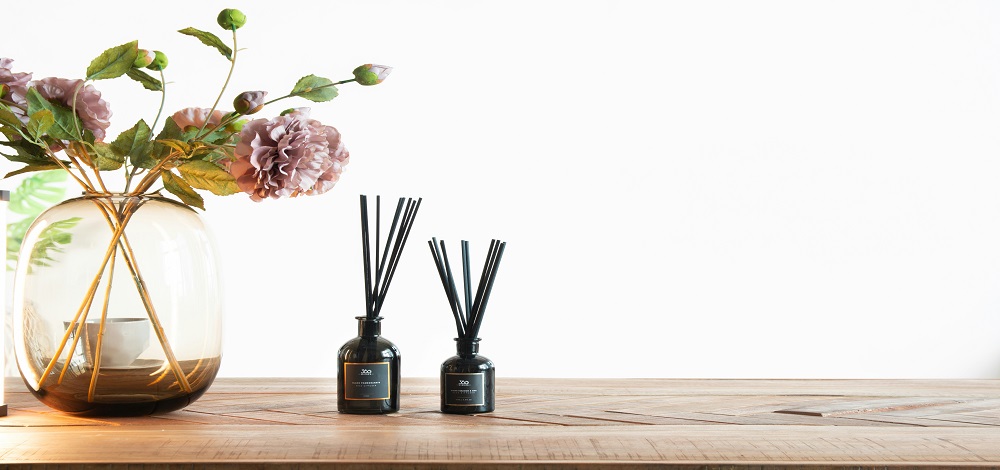
A plant-based candle or a simple essential-oil diffuser does more than any aerosol air freshener, and without the chemical residue. A single scent (woodsmoke, beeswax, cedar, lavender) reads cleaner than a mix. Browse the Home Fragrance edit.

A corner for the ritual

Hygge tends to gather around a point: a reading chair by a window, a kitchen table that seats four properly, a corner of the sofa that is yours. Decide where yours is. Make it good.

Clothes built for the sofa

The Danes aren’t precious about what you wear for hygge. The only rule is comfort that you don’t want to take off. Loungewear and sleepwear in organic cotton, bamboo or hemp, knitwear you can pull over your hands, waffle bathrobes, thick socks, sheepskin slippers. All of it is better in natural fibres than in synthetics, for the same reason as everything else: they breathe, they last, they feel right. Browse the Pyjamas edit and the Dressing Gowns and Robes edit.

A useful shortcut when you’re building a cosy wardrobe: aim for three or four high-quality pieces rather than a drawer full of cheap ones. One dressing gown you love is worth more than three you tolerate, and it will be on you most weekends for years.

Treats that earn their place

Food and drink are half of hygge. A pot of good tea. Proper hot chocolate made with a real bar of chocolate rather than a sachet. A bowl of something popped on the stove rather than microwaved out of plastic. Spiced nuts, a round of sourdough, a soft cheese you bought because someone told you about it. The only trick is presence: sit down with it, don’t eat it standing up over the sink, share it with someone if you can. Browse The Cellar for tea and coffee, and the Snacks and Social edit for the chocolate and nuts side.

The same applies in summer. A cold drink in a proper glass, sliced fruit on a plate, a cake you took half an hour to make. Hygge is uninterested in convenience. It’s interested in the small ceremony of good things done properly.

Hygge is a habit, not a shopping list

The last thing to say about hygge is that it isn’t really something you buy. A thirty-pound blanket used every night beats a three-hundred-pound one that lives in a cupboard. A candle lit on a Tuesday evening because you felt like lighting it beats a whole shelf of candles you’re saving for a special occasion. The most important ingredient is the decision to treat a normal evening as worth some care.

For the broader picture, read our guides to daily habits for mental health and how to sleep better.

Every brand in the Home and Sanctuary category on Ziracle has passed the same standard: built to last, honest about materials, and made by people paid properly. For pieces that fit the hygge brief specifically, filter by Organic to narrow the selection to natural fibres and clean ingredients.

Ready to start? Light a candle. Pick something from the Reduce Stress edit if you need a nudge.

FAQs

How do you actually pronounce hygge?

Hoo-gah. The stress is on the first syllable, and the g is soft, closer to a breathy ‘huh’ than a hard English g. Danes will cheerfully tell you that English speakers never get it quite right and don’t need to. The word matters more than the pronunciation.

Is hygge only a winter thing?

It’s most associated with winter because long Danish winters gave rise to the practice, but it’s not limited to cold weather. A slow summer breakfast in the garden is hygge. A picnic with candles on the patio as the light goes is hygge. The shape of the moment (deliberate, warm, shared, unhurried) matters more than the season. Summer hygge tends to involve sunlight and open doors where winter hygge involves candles and blankets, but both versions are recognised by Danes.

Do I need to buy specific things to make my home hygge?

No. The most important change is how you use the space you already have. Lower the overhead lights and turn on lamps. Pull a blanket over the sofa. Put a candle on the coffee table. Sit down with a proper cup of tea and don’t scroll through your phone while you drink it. If you do want to buy something, natural-fibre blankets, plant-wax candles and essential-oil diffusers earn their place more than novelty decor. Cost per use is the right frame: one thing you love and use every day beats a shelf of things you save for special occasions.

Is there evidence that hygge actually improves wellbeing?

Not for hygge as a named practice, because it’s a cultural concept rather than a clinical intervention. There’s stronger evidence for the components: a 2022 review in BMC Public Health linked the perceived quality of domestic environments to lower self-reported stress and improved mood. The NHS cites warm, low-lit indoor environments as part of its guidance for managing seasonal affective disorder. The specific label is Danish. The underlying ideas (social connection, deliberate slowness, warmth, light) show up in a lot of wellbeing research.

How is hygge different from self-care?

Self-care is often individual: a bath alone, a night in with a face mask, a phone turned off. Hygge is usually shared: the same evening spent with a partner or a friend or a small group. The Danish concept specifically involves togetherness as part of the definition, which is why VisitDenmark and most Danish sources describe it as a feeling of warmth ‘with someone you care about.’ You can hygge alone, and many people do, but the fuller version tends to involve other people.

Self-Care for Stress: Small Rituals that Actually Help

Nature's Journey|Nature's Journey Product Flatlay|||||||||||||

Stress isn’t something you can outrun. But you can build small, grounding rituals that help your body respond to it differently. Here’s where to start.

You know the version of self-care that stops at face masks and scented candles. It photographs well. It doesn’t do much when your chest is tight at 2am and your brain won’t switch off. What actually works is smaller, less Instagrammable, and more reliable, and it has more to do with your nervous system than your bathroom shelf.

Stress is a physiological response, not a mindset. When you hit a deadline or an argument or an unexpected bill, your body floods with cortisol and adrenaline. Your heart rate climbs. Your muscles tense. Short bursts keep you sharp. The problem is the same response stuck on. The NHS describes chronic activation of the stress system as showing up in sleep disruption, gut issues, lowered immunity and the tight chest that keeps you awake at 2am.

That chronic pattern matters. Harvard Health traces how prolonged cortisol exposure reshapes how the HPA axis, the brain-body loop that runs your stress response, fires over time. In practical terms, the more often you spike, the faster you spike next time. The work of self-care for stress is to retrain that loop, not to paper over it.

One-off fixes rarely stick for exactly this reason. A yoga class or a long bath feels good in the moment, but they don’t retrain the underlying response. A 2022 systematic review in BMJ Open found that brief, consistent mindfulness-based practices delivered modest but measurable reductions in perceived stress across a large number of randomised trials, with effects that grew with consistency rather than intensity. Here’s what actually works, placed at the three points in the day where stress tends to stack, plus the supplement layer underneath.

If you want tools to support this, the Reduce Stress edit on Ziracle pulls together aromatherapy, herbal supplements and mindfulness products that earn their place in a routine rather than adding to the clutter on the shelf.

Set the tone before the noise starts

The first ten minutes of your day matter more than you think. Before you reach for your phone, give your nervous system something gentler to work with. Light a stick of natural incense or a soy-wax candle. Put the kettle on. Write three lines in a journal: what you’re grateful for, what you’re bringing into the day, one thing you’re noticing.

Gratitude journaling has the research to back it up. A 2021 systematic review in the Journal of Happiness Studies synthesised 64 randomised trials and found small but consistent improvements in wellbeing from structured gratitude interventions, with effects present several weeks after the practice stopped. Three lines. Five minutes. The habit matters more than the length.

If writing isn’t for you, the equivalent is a two-minute sit with your tea before you look at a screen. The point is a deliberate gap between waking and reacting. Your inbox can wait ten minutes. Your body notices the difference if it starts the day reacting to the news, and it also notices if it doesn’t. Browse the Home Fragrance edit for candles and incense that don’t flood the room with synthetic scent.

The reset you forget to take

Stress builds quietly through the day. By early afternoon your shoulders are somewhere near your ears and you’ve been holding your breath without realising. A physical cue helps here. An essential-oil roller on your wrists. A glass of water you actually drink, not the one you forget on the desk. Four minutes away from the screen, ideally near a window.

If you learn one breath pattern, make it the physiological sigh. Two short inhales through the nose, one long slow exhale through the mouth. Three cycles. A 2023 randomised study in Cell Reports Medicine led by researchers at Stanford University School of Medicine compared several short breathwork protocols and found that the physiological sigh produced the largest improvement in mood and reduction in physiological arousal compared with passive mindfulness. Do it twice a day and you’ll feel the difference inside a week.

Pair the scent or breath cue with a two-minute emotional check-in. Name what you’re actually feeling. Not fine, not busy, the specific word. Research led by Matthew Lieberman at UCLA, published in Psychological Science, found that putting feelings into words reduced activity in the amygdala, the part of the brain that fires your threat response. The emotion doesn’t disappear. It gets less power over the next hour. Browse the Essential Oil Blends edit for rollers and diffuser oils that work this way.

Wind down on purpose

Your evening routine does more than help you sleep, though better sleep will follow. The job is to give your body a clear signal that the day is finished. Light a candle. Put the phone away an hour before bed. Write down anything that’s looping in your head, so it’s on paper instead of in your mind.

Write tomorrow’s three most important tasks on paper. Your brain’s grip on them loosens once they’re out of your head and onto a list it trusts. The rest of the to-do list can wait until morning.

For the nights when your mind is still busy at bedtime, a pillow and room spray with lavender or chamomile creates a scent anchor your brain learns to read as rest. A 2016 review in Evidence-Based Complementary and Alternative Medicine found that lavender essential oil has modest but consistent anxiolytic effects across clinical trials. Consistency is the point. Same routine, same cues, most nights. Your nervous system likes a pattern. Browse the Stress and Sleep edit for the formulations designed for this.

Self-care for stress is a practice, not a product category.

When your body needs more than a ritual

Rituals and routines form the foundation. There are moments when your body needs extra support, and that’s where adaptogenic herbs come in. Ashwagandha is the most studied of them. A 2019 meta-analysis in Medicine synthesised the randomised trials and found modest but real reductions in cortisol and perceived stress over eight to twelve weeks of daily use, alongside the safety and dosing notes worth reading before you start.

Dose matters. Standardised extracts are what most of the trials use, so look for ashwagandha products specifying KSM-66 or Sensoril, the formulations with the cleanest evidence. Take it in the morning with food, not before bed. Give it four to eight weeks before you decide whether it’s doing anything, and don’t stack it with other stimulant-adjacent supplements in the same window. Browse the Stress Relief edit for standardised adaptogens.

An adaptogenic blend with ashwagandha, rhodiola and reishi, taken daily for a few months, is a supporting layer rather than a quick fix. Look for formulas that list their doses plainly and cite their sourcing. The supplement doesn’t replace the practice. It sits underneath it, helping your body do what the ritual is training it towards.

The point of all of this

The face mask and the candle still have their place. The ritual around them is what does the actual work. Five minutes of journaling in the morning, three breaths at the desk, a consistent evening wind-down, an adaptogen you take for a season rather than a week. None of it is Instagrammable. All of it moves the needle.

The 2am chest-tight moment doesn’t go away forever. It comes less often, it leaves more quickly, and you have something to do when it arrives. Start with one of these four. Stack from there. For more on building the surrounding habits, read our guides to daily habits for mental health and how to sleep better.
If you’re struggling with chronic stress or your mental health more broadly, please speak to your GP. In the UK, the Samaritans are available on 116 123, free, 24/7.

Ready to build your edit? Browse the Wellness and Vitality department and filter by Organic to narrow it to products made without synthetic additives.

FAQs

Does self-care actually reduce stress, or is it just marketing?

Both, depending on what you mean by self-care. The face-mask-and-candle version does modest work at best. The practice-based version (consistent mindfulness, gratitude journaling, breathwork, sleep hygiene) has a substantial evidence base. A 2022 BMJ Open systematic review found that brief mindfulness-based practices produce measurable reductions in perceived stress across many randomised trials, with effects growing with consistency. The product itself matters less than the routine it supports.

What’s the physiological sigh, and why does it work?

Two short inhales through the nose followed by one long slow exhale through the mouth. Three cycles. A 2023 randomised study led by Stanford researchers, published in Cell Reports Medicine, compared it against several other breath patterns and found it produced the largest improvements in mood and reductions in physiological arousal. The mechanism is the double inhale, which reopens collapsed alveoli in the lungs more efficiently than a single breath and lets the long exhale engage the parasympathetic (‘rest and digest’) nervous system. It takes around 30 seconds total. The evidence for doing it daily is stronger than for most longer breathwork protocols.

How long before ashwagandha actually works?

Four to eight weeks of daily use is the window most of the clinical trials measure. The 2019 meta-analysis in Medicine found modest but consistent reductions in cortisol and perceived stress over eight to twelve weeks. If you’re going to try it, commit to the full window before deciding it isn’t working. Look for standardised extracts (KSM-66 or Sensoril are the most-studied formulations), take it in the morning with food, and don’t stack it with other stimulant-adjacent supplements. If you’re on prescription medication, check with your GP first.

What’s the difference between stress and anxiety?

Stress is a physiological response to an identifiable external trigger (a deadline, an argument, a bill). Anxiety is the same underlying response without a clear trigger, or sustained beyond the moment the trigger passed. Most people experience both at various times. Short-term stress that resolves when the trigger is gone is normal and usually healthy. Chronic stress that doesn’t resolve, or anxiety without a clear cause, is worth taking to a GP rather than managing alone with rituals and supplements.

When should I see a GP rather than trying to manage stress myself?

If your stress is affecting your sleep most nights for more than a few weeks, if you’re having panic attacks, if it’s interfering with work or relationships, or if you’re feeling persistently low or hopeless. Self-care rituals are useful for everyday stress management. They aren’t a substitute for professional support if symptoms are persistent or severe. In the UK, your GP is the starting point, and the Samaritans are available on 116 123 free, 24/7.

A Practical Guide to Plant-Based Eating: How to do it well

||

The word “vegan” still puts a lot of people off. But the research on plant-based eating does not require you to go all the way to get most of the benefit. Here is what the evidence says, what to stock, and how to make it work.

It sounds like a commitment, a label, a lifestyle. But eating more plants, not exclusively plants, is one of the most well-evidenced things you can do for your health and for the planet.

This guide is for people who want to eat better, not for people who want an identity. Here is what the evidence actually says, what to stock, and how to make it easy.

Why plant-based eating is worth trying even if you are not going fully vegan

There is a wide spectrum between eating a standard Western diet and being fully vegan. Flexitarian, vegetarian, pescatarian – all involve eating more plants and less meat, and all deliver meaningful benefits relative to where most people currently are.

A 2025 modelling study in Frontiers in Nutrition, with Dr Noelia Rodríguez-Martín of the Instituto de la Grasa-CSIC and the University of Granada as corresponding author, found that a vegan diet cut daily greenhouse gas emissions by 46% compared to an omnivorous Mediterranean diet, while ovo-lacto and pesco-vegetarian diets cut emissions by up to 35%. The headline: you do not need to go fully vegan to move the needle. Every meal with more plants counts.

On the health side, the picture is equally clear. A 2024 analysis by the Office of Health Economics, commissioned by The Vegan Society, estimated that if everyone in England adopted a plant-based diet, the NHS could save around £6.7 billion a year, with 2.1 million fewer cases of disease and more than 170,000 additional quality-adjusted life years. The conditions with the strongest evidence for improvement were cardiovascular disease, type 2 diabetes, and several forms of cancer.
None of this requires perfection. It requires direction.

What does the evidence actually say about plant-based diets and health?

Plant-based diets are typically lower in saturated fat and higher in fibre, antioxidants and phytochemicals. The evidence linking plant-based eating to cardiovascular disease prevention is strong, with improvements in weight, cholesterol, blood pressure and blood glucose all well-documented in both observational studies and randomised controlled trials.

The NHS is clear on this: a well-planned plant-based diet can meet all nutritional needs at every life stage. The word “planned” is doing important work in that sentence. A handful of nutrients need attention.

There is now compelling evidence that plant-based diets can benefit people’s health. – Dr Chris Sampson, Senior Economist, Office of Health Economics (2024)

Vitamin B12 is the one that matters most, because it is not found in plants and the NHS recommends vegans either eat fortified foods at least twice a day or take a supplement. That does not mean plant-based eating is compromised – a £3 supplement covers it. But the requirement is non-negotiable, not a technicality.

Iron from plant sources is absorbed less efficiently than iron from meat. Eating iron-rich plants (lentils, chickpeas, tofu, and dark leafy greens) alongside vitamin C-rich foods improves absorption considerably. Not complicated, but worth knowing.

Vitamin D is relevant for everyone in the UK, plant-based or not. The NHS recommends everyone considers a supplement through autumn and winter regardless of diet.

Iodine and calcium need attention if dairy is removed. Fortified plant milks, seaweed and iodised salt cover iodine. Calcium comes from fortified plant milks, tofu, tahini and green leafy vegetables.

The reassuring summary: the nutrients that need managing are manageable. A good multivitamin designed for plant-based eaters covers most of them in one go. Browse our Wellness and Vitality range for options that meet the standard.

The practical bit: what to eat, what to stock, and where people go wrong

The biggest mistake people make when moving toward plant-based eating is treating it as subtraction. Remove the meat. What is left? Not much that is interesting. The better approach is addition first: add the foods that make plant-based eating good, then let meat naturally take a smaller role.

high fibre, colourful salad bowl with tomatoes, avocado, chickpeas, sweet potato, cabbage and lettuce.

The foods that do the heavy lifting:

Legumes – lentils, chickpeas, black beans and cannellini beans – are the backbone of plant-based eating. Cheap, filling, high in protein and fibre, and delicious when cooked properly. A tin of chickpeas and a jar of tahini will take you further than almost anything else in the cupboard.

Whole grains – brown rice, oats, quinoa, farro and barley – provide sustained energy and texture. Most of the fibre comes from here.

Nuts and seeds – walnuts, almonds, hemp seeds, chia seeds and pumpkin seeds – add fat, protein and flavour. A handful on top of most things makes it better.

Tofu and tempeh are worth learning to cook properly. Pressed tofu, dried and cooked at high heat, bears no resemblance to the soft, watery version most people encounter first. Tempeh has a nuttier, more complex flavour and holds together better.

What to keep in the cupboard at all times: tinned chickpeas, lentils, cannellini beans and black beans. Tinned tomatoes. Tahini. Good olive oil. Miso paste. Soy sauce. Nutritional yeast. These things make everything taste like it took more effort than it did.

Where people go wrong: relying on ultra-processed meat substitutes as the main protein source. Some are fine occasionally. But a diet built around vegan sausages and plant-based burgers is a different thing from a diet built around whole plant foods, and the evidence for health benefits applies to the latter.

The products that make it easy

This is where Ziracle’s job is to have done the work already. Every product in the Nutrition & Superfoods range has passed the same standard on efficacy, ethics and transparency. For plant-based eating, that means organic where it counts, no unnecessary additives, and brands that are honest about what is in the product and where it comes from.

What to look for: good-quality tinned legumes, organic plant milks without unnecessary additives, tahini that is just sesame seeds, nut butters without palm oil or added sugar, and supplements certified fully Vegan rather than plant-adjacent.

The brands that make the best plant-based eating possible are the ones making food that tastes good, not food that tastes like a compromise. That is the bar. For more on how what you eat affects how you feel, read our guide to how food affects mood.

How to make it stick without making it a project

The research on behaviour change is consistent: starting small and staying consistent beats starting ambitious and dropping off. One or two plant-based meals a week is a real change. Three or four is a meaningful shift. Five is most of the week.

Pick one meal to change first. Most people find breakfast or lunch easier than dinner, because there is less social pressure and fewer expectations. Porridge with seeds and fruit. A lentil soup. A chickpea salad. None of these require a recipe book.

Cook in batches. A big pot of lentil dal, a tray of roasted vegetables, a pan of rice. These take 30 minutes once and feed you several times. The people who eat well consistently are not the ones who cook every day – they are the ones who cook a few things that stretch across the week.

Do not make it a rule. Rules create failure states. If you eat meat at a friend’s dinner and enjoy it, that is fine. The overall direction matters more than any individual meal. Every choice adds up, not because you are obligated to be perfect, but because small consistent changes compound into something real over time.

Plant-based does not have to mean all-in. Direction, not identity. Browse Eat Well for the products that have already passed the Ziracle standard on efficacy, ethics and transparency.

FAQ

Do I need to go fully vegan to see the benefits of plant-based eating?

No. A 2025 modelling study in Frontiers in Nutrition found that ovo-lacto and pesco-vegetarian diets cut carbon emissions by up to 35%, compared to 46% for a fully vegan diet. The health evidence follows a similar pattern: the biggest gains come from shifting in a plant-based direction, not from arriving at 100%. One or two plant-based meals a week is a real change.

What nutrients do I need to pay attention to on a plant-based diet?

Vitamin B12 is the non-negotiable, because it is not found in plants and the NHS recommends fortified foods twice a day or a daily supplement. Iron absorbs better when eaten with vitamin C. Iodine and calcium matter if you have cut dairy. Vitamin D is recommended for everyone in the UK through autumn and winter, plant-based or not. A well-planned diet, with one good multivitamin, covers most of this.

Is tofu actually healthy, or is it processed?

Tofu is minimally processed. It is made from soybeans, water and a coagulant, in the same way cheese is made from milk. Large observational studies have linked regular tofu consumption to better cardiovascular outcomes. The brand matters: look for organic, non-GMO soy, and avoid highly seasoned or breaded versions if you want the cleanest product.

Are plant-based meat substitutes actually good for you?

It depends. Some are fine occasionally. But many ultra-processed meat substitutes are high in saturated fat, salt and additives, and the evidence for health benefits applies to diets built around whole plant foods, not around vegan burgers. Use them as a bridge when you are starting out or a convenience when you need one. Do not make them the protein foundation of the diet.

What’s the easiest first step if I want to eat more plants?

Pick one meal to change and stick with it for a month. Breakfast or lunch is usually easier than dinner, because there is less social pressure around it. Porridge with seeds and fruit. A lentil soup. A chickpea salad. Build from there once that meal is effortless. The people who shift their diets long-term are the ones who start small.

Mindfulness Products that Actually Help your Mental Health

||||||||||||||Give Yourself Kindness Journal

Most mindfulness products promise calm and deliver clutter. A drawer full of crystals you forgot you bought. A candle burning decoratively while you scroll. The ones worth keeping are the ones that actually change what you do next.

You probably already know that scrolling before bed isn’t helping you sleep, that the notification pings are doing something to your stress levels, and that you feel better on the days you get outside before noon. The US Environmental Protection Agency reports that people in industrialised countries spend on average 90% of their time indoors, and the 2024 Mental Health Foundation report found that approximately one in six UK adults experience a common mental health problem like anxiety or depression each week.

None of this is breaking news. The harder question is what to actually do about it when your calendar is full and your energy isn’t.

Why small habits work better than big overhauls

Self-care doesn’t have to mean a weekend retreat or a two-hour yoga session. For most people, the things that actually shift the dial are small, repeatable, and low-effort. A five-minute breathing exercise before your morning meeting. A journal prompt instead of a phone check before bed. A cup of something warm made slowly, on purpose.

The NHS lists five evidence-backed steps for mental wellbeing, and every one of them (connection, activity, noticing, learning, giving) describes a pattern of small daily behaviours rather than a single intervention. A 2019 study in BMC Public Health reached the same conclusion for habit formation generally: consistency over intensity is what moves the needle.

The products that help most are the ones that lower the barrier to starting. They don’t ask you to become a different person. They meet you where you already are and make the better choice slightly easier to take.

If you’re looking for somewhere to start, or something to add to a routine that already exists, the Stress and Sleep edit on Ziracle carries products specifically chosen for this. Everything below has passed the standard: kind to you, kind to the planet, and it works.

Formats worth your attention

A face serum that turns skincare into a breathing space

Any well-made hydrating serum (hyaluronic acid, squalane, or niacinamide as the active) can become the anchor of a two-minute ritual. Warm a few drops between your palms, press gently into the skin, breathe. It takes under a minute, but the act of slowing down to do something deliberate shifts the tone of whatever comes next. Look for clean formulations in glass or refillable packaging. Browse the Serums edit.

A functional mushroom supplement for focus without the crash

Lion’s mane is one of the better-researched functional mushrooms. A 2020 randomised controlled trial in Foods found that lion’s mane supplementation was associated with improvements in cognitive function in older adults with mild cognitive impairment. Unlike caffeine, there’s no spike and no crash. Functional mushrooms are supplements, not stimulants. They work best as part of a broader routine rather than a quick fix. Shop: Supplements.

A candle designed for a genuine pause

A candle is most useful when it’s the cue, not the decoration. Lighting one and sitting down to do nothing else for five minutes is the point. Soy-wax candles with pure essential oil scents last longer, burn cleaner, and don’t saturate the room with synthetic fragrance. Scent families worth looking at for calm: frankincense, lavender, vetiver, cedarwood. Shop: Home Fragrance.

An aromatherapy roll-on for moments when you need to reset

Aromatherapy as a category ranges from rigorous to vague. The rigorous end uses certified organic essential oils (lavender, bergamot, frankincense) in a carrier oil base that’s safe for direct skin application. The roll-on format means you can use it anywhere, which is usually when you need it most. A 2016 review in Evidence-Based Complementary and Alternative Medicine found that lavender essential oil has modest but consistent anxiolytic effects across clinical trials. Shop: Essential Oil Blends.

Prompt cards that turn reflection into a habit

Prompt cards work because they remove the friction of deciding what to reflect on. A short daily prompt (two to five minutes) builds patterns that compound over time. The idea isn’t to overhaul your mindset in a day. It’s to make noticing easier.

A herbal supplement formulated for calm

Botanical supplements combining ashwagandha, lemon balm and passionflower have a growing evidence base for reducing subjective stress. A 2019 meta-analysis in Medicine found ashwagandha supplementation was associated with meaningful reductions in perceived stress and cortisol levels in clinical trials. Herbal supplements work best alongside other habits, not as a standalone fix. Shop: Stress Relief.

CBD for physical tension that feeds mental stress

Physical discomfort and mental health are more connected than most people realise. The King’s Fund has reported that around 30% of people with a long-term physical health condition also have a mental health problem, most commonly anxiety or depression. Broad-spectrum CBD oil from UK-approved suppliers, ideally organically grown and third-party tested, is the safer end of the category. CBD is legal and non-intoxicating. Products are not sold to anyone under 18. Shop: CBD.

Disclaimer: this product is not available for sale to anyone under the age of 18

A gratitude or self-compassion journal with structure

Open-ended gratitude journals can feel performative on a rough week. Structured ones (a prompt per day, a theme per week) do better for most people because they remove the blank-page problem. A 2021 systematic review in the Journal of Happiness Studies found that structured gratitude interventions produced small but consistent improvements in wellbeing scores across 64 trials. Look for journals printed sustainably and delivered plastic free. Browse the Mindfulness edit.

Incense or a scent anchor for meditation

If you meditate (or want to start), scent is one of the most effective anchors you can use. Lighting an incense stick or a dedicated scent before you sit down creates a consistent sensory cue that tells the brain it’s time to focus inward. Works the same way running shoes tell your body it’s time to move. Natural botanical incense, without synthetic binders, is the format worth looking for.

A massage candle or body oil

A massage candle does two things. It scents the room and melts into a nourishing oil you can use on skin. Argan, coconut and jojoba bases blended with gentle essential oils. Whether you use it solo or with someone else, it turns a candle into a physical ritual rather than a decorative one. Shop: Oils and Balms.

A travel candle or portable scent for away from home

Self-care routines tend to fall apart when you travel. A familiar scent bridges the gap between your home environment and a hotel room or a friend’s spare room. Tin-format candles are compact, and a small bottle of essential oil on a tissue under the pillow works similarly without the open flame.

The products that help most are the ones that lower the barrier to starting. They don’t ask you to become a different person.

You don’t need to overhaul your life to look after your mind

Mental wellbeing rarely improves because of one big change. It improves because of dozens of small ones, repeated often enough that they stop requiring effort. A five-minute breathing exercise. A journal prompt before bed. A cup of tea made slowly. If you want to go further, these daily habits for mental health are the natural next read, and our self-care guide covers the broader picture.

Important: while these products can support your wellbeing, they are not a substitute for professional help. If you’re struggling with your mental health, please speak to your GP or contact a mental health professional. In the UK, the Samaritans are available on 116 123, free, 24/7.Ready to build a routine that sticks? Browse the full Reduce Stress edit.

FAQs

Do mindfulness products actually do anything, or are they just props?

They do something when they lower the barrier to a habit that was already good for you. A candle that cues you to sit down for five minutes is doing the work of making the pause easier to start. A journal with a printed prompt removes the friction of deciding what to write about. The product itself doesn’t have mental health benefits. The routine it supports does. That’s an important distinction because it means the right question isn’t “does this candle work” but “does this candle make it easier for me to pause.”

What’s the single most evidence-backed habit for reducing stress?

Regular movement outside. The NHS Five Steps to Mental Wellbeing framework puts physical activity at the top of the list, and the WHO recommends at least 150 minutes of moderate exercise a week for mental as well as physical health. A twenty-minute walk outdoors most days is more evidence-backed than almost any product you can buy. Products that help get you there (a good water bottle, a comfortable pair of trainers, warm kit for winter) are better investments than most dedicated mindfulness products.

Are herbal supplements like ashwagandha actually effective for anxiety?

The evidence is modest but real. A 2019 meta-analysis in Medicine found ashwagandha was associated with meaningful reductions in perceived stress and cortisol across clinical trials. The effect size is smaller than prescription medication for diagnosed anxiety disorders, and the evidence base is smaller too. For mild everyday stress in an otherwise healthy adult, it’s worth trying. For moderate to severe anxiety, speak to your GP first.

Can CBD help with anxiety?

The clinical evidence for CBD and anxiety is still developing. Early small trials have shown promise for social anxiety specifically, but the field is waiting for larger, longer studies to confirm. The practical advice: if you try CBD, use a UK-approved supplier with third-party testing, start with a low dose, and don’t use it as a replacement for professional support if you have a diagnosed anxiety disorder. It’s legal, non-intoxicating, and generally well-tolerated.

How long does it take for a new wellbeing habit to stick?

Longer than 21 days, despite the myth. A 2009 study in the European Journal of Social Psychology found that habit formation took on average 66 days of daily repetition to become automatic, with a wide range depending on the habit and the person. The practical point: if something hasn’t stuck after two weeks, that’s not a signal it doesn’t work. It’s a signal to give it more time.

The Best Alcohol-Free Drinks (and what the science actually says)

|||||||||||||||

Ten years ago, the non-alcoholic aisle was a lineup of fruit juice and lime and soda. Now it runs from distilled 0% spirits to fermented teas to seriously considered low-ABV options, and the quality gap with the alcoholic versions has closed faster than almost any category in drinks. For anyone reconsidering how often they drink, the practical question has changed. It is no longer whether there is a decent alternative. It is which one.

This is a guide to three categories worth your money, what the evidence says about drinking less, and how to shop without getting taken in by marketing.

Why this category has finally caught up

The UK’s Chief Medical Officers revised their low-risk guidance in 2016 to recommend no more than 14 units of alcohol a week, spread across three or more days, with several drink-free days. A generation of drinkers has taken that seriously, and the drinks industry has followed. Non-alcoholic beer has grown into a real category in UK supermarkets. 0% spirits have moved from novelty to restaurant lists. Kombucha and other fermented drinks have gone from health-food-shop niche to standard stock.

The old assumption that the only alternative to wine was water has dated badly.

0% spirits: the aperitif that behaves like one

Non-alcoholic botanical spirits are the newest serious category. Brands distil them using the same botanicals that give gin, vermouth and amari their character, then finish them without alcohol. The good ones are built to be mixed, not sipped neat, and behave in a cocktail the way their alcoholic counterparts do. The ritual works. The glass looks right. The evening holds.

What they deliver, and do not, is specific. They give you complex flavour and the shape of a pre-dinner drink. They do not give you the sedative hit. That is the point, and it is why they work at dinner on a Tuesday when you want a grown-up drink but not a grown-up hangover.

Price is the honest trade. A good 0% spirit costs roughly what a mid-range gin costs, which surprises people expecting something cheaper. You are paying for distillation and botanicals, not for alcohol duty, and the production cost is similar.

Low-ABV: the middle ground

Low-ABV drinks, typically between 0.5% and 5% alcohol, are where the category has improved most recently. Early attempts tasted thin. Modern craft versions hold up. You can have one with dinner and still drive home, sleep properly, and wake up clear.

The case for low-ABV over 0% is social and sensory. Sometimes you want the edge of a proper drink, not the shape of one. A low-ABV vermouth in a spritz, a 3% pale ale with a Friday curry. One drink, still within the CMO’s guidance, no consequences the next morning. The combination is what makes this category useful for people who drink socially but want to drink less.

Kombucha: the fermented middle option

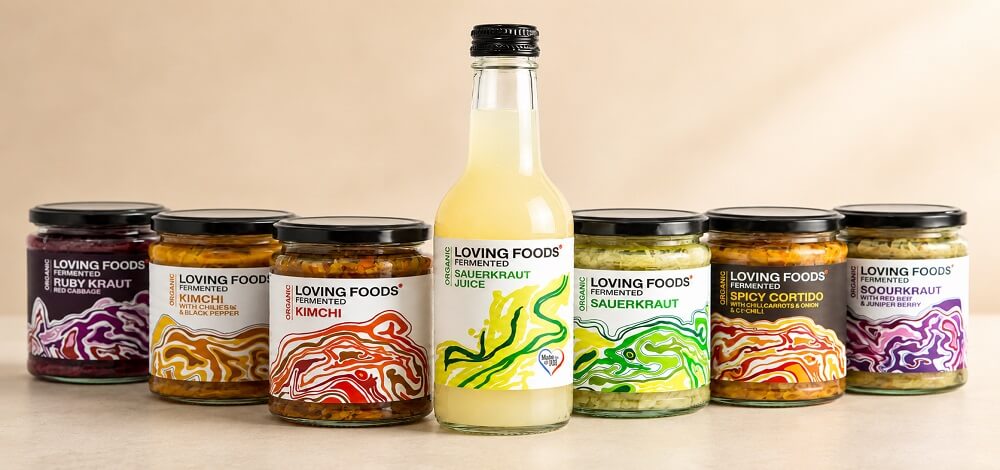
Kombucha is fermented sweetened tea, made with a symbiotic culture of bacteria and yeast. It arrives with a fine fizz, a tart-sweet flavour, and a label that usually claims gut-health benefits. The honest state of the evidence is more nuanced than the marketing.

A 2024 clinical trial published in Scientific Reports found that four weeks of daily kombucha consumption produced measurable shifts in the gut microbiome, including enrichment of Weizmannia coagulans, a probiotic strain associated with digestive health. A 2025 systematic review of eight clinical trials in the journal Fermentation concluded that kombucha consumption was associated with improvements in gastrointestinal symptoms, particularly stool consistency, with modest effects on gut microbiota composition overall. Claims about energy, immunity and sleep remain largely untested in humans.

The takeaway: kombucha is probably good for your gut at the margin. It is not a cure for anything. It is a genuinely nice drink that does more for digestion than a diet cola and contains a fraction of the sugar of a regular soft drink, if you choose the right brand.

What actually happens when you drink less

The evidence for better sleep is the strongest of the benefits people cite. A 2024 systematic review and meta-analysis in Sleep Medicine Reviews, pooling 27 studies, found that even a low dose of alcohol (around two standard drinks) reduced REM sleep, with effects worsening as the dose went up. 

An earlier review in Alcoholism: Clinical and Experimental Research (Ebrahim et al., 2013) established the pattern still cited today: alcohol gets you to sleep faster, then fragments the second half of the night as it metabolises. Less REM means less emotional processing and less memory consolidation, which is why you can sleep a full eight hours after drinking and still feel depleted.

Beyond sleep, the effects are real but less dramatic than wellness content often suggests. Most people notice steadier mood and better morning energy within a week or two of cutting back. Skin can look clearer. Digestion often settles. Weight change, where it happens, is usually slow rather than dramatic, and usually follows from reduced late-night eating and alcohol calories combined rather than from any metabolic magic.

The single honest summary: less alcohol means better sleep, and better sleep improves almost everything else.

For more on why sleep architecture matters, see our sleep guide.

What to look for when you shop

A few rules hold across the three categories.

Shorter ingredient lists almost always beat longer ones. In 0% spirits, look for real botanicals rather than flavourings. In kombucha, look for live cultures, a short sugar list, and ideally the specific strains named on the label. In low-ABV, look for craft brewers rather than re-labelled supermarket lager.

Avoid artificial sweeteners. The whole point of the category is that these drinks are enjoyable on their own terms, not as diet versions of something else.

Taste before you commit. Buy one bottle rather than a case, and try it properly. A drink you actively enjoy is one you will keep reaching for. A drink you tolerate goes back of the cupboard within a month.

Price to quality ratio matters more here than in most drinks categories. A £25 0% spirit that makes a cocktail you look forward to is better value than a £10 one you stop using after two weekends.

Where to start on Ziracle

Every brand in our Food and Drink edit has passed the same standard: honest ingredients, transparent sourcing, and production that takes ethics seriously. Filter by Organic for whole-ingredient options, or browse by category: Kombucha, Low and No Alcohol, or the full Cellar range including teas and coffees.

If you are using drinks changes as part of a broader digestive reset, our bloating guide covers the food side.

For integrated support across digestion and daily choices, Gut Health is the goal page to bookmark.

FAQs

Is low-alcohol drinking actually better than sober?

For most people who are not avoiding alcohol for medical or recovery reasons, low-ABV can work well as a stepping stone or as a long-term pattern. The CMO’s 14-units-a-week guidance was built around the assumption that most people will still drink sometimes. The evidence against drinking heavily is strong. The evidence against having one low-ABV beer with dinner is not. The right choice depends on why you are cutting back and what works for your life.

Does kombucha really help your gut?

The evidence points to modest benefits rather than dramatic ones. The 2024 Scientific Reports trial found measurable but subtle changes in gut microbiome composition after four weeks of daily kombucha consumption. A 2025 systematic review in Fermentation found consistent improvements in stool consistency and some microbiota shifts, with most other health claims not yet supported by clinical evidence. Kombucha is a reasonable daily drink for digestive comfort. It is not a cure for IBS, a weight-loss aid, or a replacement for a varied diet.

How long does it take to notice the effects of drinking less?

Most people notice improved sleep quality within the first week. Mood, morning energy and skin appearance usually shift within two to four weeks. Longer-term markers like liver enzymes and blood pressure tend to move over a few months. The Drinkaware website summarises what to expect on a typical month-long reduction.

Are 0% spirits just expensive tonic water?

The well-made ones are distilled using the same botanicals and processes as their alcoholic counterparts, which is why they cost what they cost. A good 0% spirit in a cocktail behaves differently from tonic water alone, with bitterness, depth and botanical complexity you cannot get from a mixer. If you are only drinking them straight over ice, the difference is smaller. If you are building cocktails, it matters.

Why does alcohol disrupt sleep even when it helps me fall asleep faster?

Because it changes the architecture of the night. The 2024 Sleep Medicine Reviews meta-analysis found that even two standard drinks reduce REM sleep, the stage where your brain processes emotion and memory. You fall asleep faster because alcohol is a sedative, and wake up less rested because the second half of the night becomes fragmented as the alcohol metabolises. The net effect, especially above two drinks, is worse sleep than you would have had sober.

Anti-Pollution Skincare, Without the Marketing Noise

||||||||||||||||||

Anti-pollution skincare is one of the few wellness categories where the underlying problem is genuinely serious and the marketing around it is genuinely excessive. The air in most UK cities is measurably damaging your skin, the evidence for that has been strong for well over a decade, and the industry has responded with hundreds of products, some of which do meaningful work and most of which just slap “anti-pollution” on a standard serum and raise the price. This is the version that separates them.

What pollution actually does to skin

The World Health Organization considers air pollution the single largest environmental health risk globally. The UK-specific picture is not quite as bleak as it used to be (nitrogen dioxide has fallen in most English cities since 2010) but it is still a problem. UK Government 2024 data shows London Marylebone Road exceeded the 10 µg/m³ PM2.5 target last year, and the WHO’s own guideline is half that, at 5 µg/m³. Most of the country, on that stricter measure, breathes air that is over the limit.

Skin, as the body’s largest organ and the one most directly exposed, takes the hit. The landmark 2010 Vierkötter study in the Journal of Investigative Dermatology was the first large epidemiological work linking airborne particulate matter exposure to measurable skin ageing in women. A follow-up Hüls study in 2016 found that women in high-PM areas had around 20% more pigment spots on the forehead and cheeks than those in cleaner air.

The mechanism is now well-characterised. PM2.5 particles are small enough to penetrate the skin barrier, where they generate free radicals, degrade collagen and elastin via matrix metalloproteinases, disrupt the skin’s microbiome, and erode tight-junction proteins like filaggrin. The end result, according to a 2025 review in the Annals of Dermatology, is accelerated wrinkles, pigmentation, inflammation, and a higher incidence of acne, eczema, and rosacea flares.

Two sentences worth holding onto. Pollution does not produce one new skin problem. It makes most of them worse.

Start here. The three things that actually matter

These come first, before any marketed “anti-pollution” product.

Superfood Cabbage & Cranberry & Hemp Anti-Pollution Deep Cleansing Oil & Makeup Remover | 100ml

01. Cleanse properly at night. The single most important thing you can do. Pollutant particles, PM2.5, soot, VOCs, deposit on the skin across the day and sit there oxidising until they come off. A thorough double cleanse (oil first to dissolve lipid-bound particulates and sunscreen, then a gentle second cleanse) removes most of what has accumulated. Skipping this step makes everything else you do less useful. Format recommendation: a plant-oil cleanser (jojoba, sunflower, hemp seed) for step one, followed by a pH-balanced syndet cleanser or gentle milk. Browse Face & Skincare for cleansing formats.

02. Use a vitamin C serum in the morning. The best-evidenced antioxidant for daytime skin protection. Vitamin C (ascorbic acid, usually at 10–20%) neutralises the free radicals that pollution generates, and a 2012 paper in the Journal of Investigative Dermatology confirmed it boosts the effectiveness of SPF against oxidative stress. Apply on clean skin, under moisturiser and sunscreen. Format recommendation: a stabilised L-ascorbic acid serum in airtight, opaque packaging (vitamin C oxidises on contact with light and air, which is why a clear-bottle serum that has gone orange in your bathroom is no longer working).

03. Sunscreen, every day, even in British winter. Pollution and UV are synergistic: a 2020 review in Current Environmental Health Reports found that PM’s damage is amplified by UV exposure and vice versa. SPF 30 minimum, broad spectrum, applied generously. This one non-negotiable finishes more of the job than most standalone “anti-pollution” products ever will. Browse Face & Skincare for SPF.

The supporting cast

04. Niacinamide. Strengthens the skin barrier and reduces transepidermal water loss, which is how pollution weakens skin in the first place. A 5% niacinamide serum or moisturiser alongside (not in the same step as) vitamin C is the quiet workhorse of anti-pollution routines.

05. A ferment or prebiotic to support the skin microbiome. The 2025 Annals of Dermatology review flagged that PM2.5 disrupts the skin microbiome, promoting inflammatory bacteria over the beneficial strains that keep skin calm. Fermented lysates, prebiotics, and probiotic extracts help rebuild that balance. The category is young, the evidence is still building, but the mechanism is sound.

06. A weekly clay or charcoal mask. For the deep-clean element. Activated charcoal and bentonite clay physically pull oxidised particulate matter and sebum from pores in a way daily cleansers cannot. Once a week is enough. More is drying.

07. An antioxidant-rich facial oil at night. Rosehip, sea buckthorn, marula, prickly pear. They deliver fat-soluble antioxidants (vitamin E, carotenoids, tocotrienols) that water-based serums cannot, and they seal in the rest of your routine. If you want to go deeper on this, the organic facial oils guide has more.

Ingredients with the strongest evidence

Vitamin C, niacinamide, vitamin E, ferulic acid, resveratrol, green tea polyphenols (EGCG), and astaxanthin all have reasonable clinical data behind their anti-pollution claims. The marketing term you will see often is “ectoin” — an extremophile-derived osmolyte used in some barrier-repair serums. The evidence is mostly industry-sponsored and the dermatology literature has not yet caught up, so treat it as promising rather than proven.

Ingredients marketed as anti-pollution that are just ingredients

Most “detox” claims are not mechanism, they are vibes. Kelp, algae, and cabbage extracts are perfectly fine skincare ingredients for other reasons (hydration, mild antioxidant effect), but the idea that they pull toxins from your skin in any meaningful way is not supported. Same with anything marketed as drawing “deep impurities” unless there is clay or charcoal doing the actual physical work.

Packaging matters for anti-pollution skincare specifically

This is a pollution article, so it is worth pointing out: most anti-pollution skincare is sold in hard-to-recycle mixed plastic, which contributes to the same problem the product claims to fight. Glass and aluminium, ideally refillable, solve this. Browse Beauty Refills for what this looks like in practice. If you want the wider context on microplastic shedding in cosmetics, the microplastics in cosmetics piece covers the detail.

The ones that aren’t ready yet

Pollution-protective SPFs with “anti-PM barrier” claims. The science here is thin. A good broad-spectrum SPF already does more than most of these pretend to, and paying a premium for the claim is not supported by independent data.

Ingestible anti-pollution supplements. The mechanism (systemic antioxidants reducing oxidative skin damage) is plausible; the evidence in humans is weak. Eating a plant-rich diet does most of what these promise, at a fraction of the price.

If you care about skin and you live in a UK city, the simple, boring version of this works: cleanse well at night, vitamin C in the morning, SPF every day, and a weekly deep clean. Everything else is refinement. The industry is selling you complexity; the dermatology is selling you consistency.

Ready to rebuild the routine? Explore Healthy Skin for the full edit.

FAQs

Does air pollution really damage your skin?

Yes, and the evidence is well-established. The landmark Vierkötter 2010 study in the Journal of Investigative Dermatology was the first to show airborne particulate matter was linked to measurable skin ageing in women. A 2016 follow-up found roughly 20% more facial pigment spots in women living in high-PM areas. A 2025 review in the Annals of Dermatology confirms pollution accelerates wrinkles, pigmentation, and inflammation, and worsens acne, eczema, and rosacea.

What is the single most important anti-pollution step?

A thorough cleanse at the end of the day. Pollutant particles accumulate on skin across the day and oxidise there until they come off. A double cleanse (oil first, then a gentle second cleanser) removes most of what has settled on the skin. Skipping this step makes every other anti-pollution product less effective.

Is vitamin C actually evidence-based for this?

Yes. It is the best-evidenced topical antioxidant for daytime use. A 2012 paper in the Journal of Investigative Dermatology showed vitamin C neutralises pollution-generated free radicals and boosts the effectiveness of sunscreen against oxidative stress. Look for 10–20% L-ascorbic acid in opaque, airtight packaging. If your serum has gone orange, it has oxidised and stopped working.

Do I need a dedicated anti-pollution product?

Probably not. A well-formulated vitamin C serum, a good cleanser, SPF, and a niacinamide moisturiser cover almost everything an “anti-pollution” line claims to do, usually with better-established ingredients and without the premium. The exception is a weekly clay or charcoal mask, which physically removes deposited particulate in a way other products cannot.

How bad is UK air pollution for skin?

Worse than most people assume. The UK Government’s 2024 compliance data showed one London monitoring site still exceeded the national PM2.5 target of 10 µg/m³ last year, and the WHO’s stricter guideline is 5 µg/m³, which most urban areas of the UK exceed. Chronic exposure at these levels is enough to accelerate extrinsic skin ageing, on the evidence available.

Daily Habits for Mental Health: Small Changes, Real Results

Daily habits for mental health: small changes, real results

The research on mental health habits is clearer than most people realise. Here is what actually works, how much you need, and where to start.

Most advice about improving your mental health operates at the wrong scale. It either asks too much (overhaul your lifestyle, start meditating every morning, exercise five times a week) or it offers reassurances that feel good but change nothing. The middle ground, where the evidence actually lives, is mostly ignored.

Small consistent habits work. The reason is how the brain responds to repeated behaviour, not how impressive the behaviour looks. Here is what the research says.

Why do small habits work better than big ones?

The idea that habits need to be dramatic to be effective is wrong, and actively counterproductive. Large targets trigger resistance. Small ones get started.

A 2010 habit formation study led by Dr Phillippa Lally at University College London, published in the European Journal of Social Psychology, tracked 96 volunteers building new behaviours over 12 weeks. The average time to automaticity was 66 days, not the widely repeated 21. More importantly, missing a single day did not derail the process. What mattered was the return to the behaviour the day after.

Dr BJ Fogg at Stanford’s Behaviour Design Lab has spent two decades on this. His finding: motivation is an unreliable mechanism for habit formation. Environment, timing and behaviour design are not. When you attach a new behaviour to an existing anchor, what Fogg calls habit stacking, you reduce the friction of starting.

Applied neuroscience, not self-help. Repeated behaviour changes the brain through neuroplasticity: the physical strengthening of neural pathways. The more often a behaviour is repeated in the same context, the more automatic it becomes.

Which habits have the strongest evidence behind them?

Not all habits carry equal evidence. These do.

Exercise. A 2023 umbrella review led by Dr Ben Singh and colleagues, published in the British Journal of Sports Medicine, covered 97 reviews and 1,039 trials with more than 128,000 participants. It found physical activity was around 1.5 times more effective than medication or cognitive behavioural therapy for reducing mild-to-moderate symptoms of depression, anxiety and distress across many populations.

Intensity mattered. 150 minutes of moderate activity a week is the NHS recommendation. It does not need to be the gym.

Sleep. Sleep and mental health have a bidirectional relationship: poor sleep raises cortisol, worsens emotional regulation, and increases vulnerability to anxiety and depression. The NHS recommends 7 to 9 hours for most adults. Fixing your wake time, consistent across every day of the week, is typically the highest-leverage change. For a full breakdown, read our how to sleep better guide.

Time outside. A 2015 study led by Dr Gregory Bratman at Stanford University, published in PNAS, found that people who walked 90 minutes in a natural setting showed measurably reduced activity in the subgenual prefrontal cortex, the brain region associated with the repetitive negative thinking that characterises both anxiety and depression. You do not need wilderness. A park works.

Social connection. The Harvard Study of Adult Development, now directed by Dr Robert Waldinger, is one of the longest-running studies of adult life ever conducted. Across more than 85 years of data, the quality of a person’s relationships has proved the single strongest predictor of physical and mental health in later life. Stronger than wealth. Stronger than exercise. Stronger than status.

What actually gets in the way of sticking with habits?

Knowing what works is not the problem. Implementation is.

The most common failure mode is starting too large. Someone decides to meditate for 20 minutes a day, runs it for a week, misses a day, decides the habit is broken, and stops. At that scale the habit was never going to stick. Two minutes would have worked better and compounded into something real.

Implementation intentions are worth knowing about. A 2006 meta-analysis by Dr Peter Gollwitzer and Dr Paschal Sheeran, published in Advances in Experimental Social Psychology, reviewed 94 independent studies and found that stating specifically when and where you will do a behaviour (“I will go for a walk on Tuesday, Thursday and Saturday at 8am, starting from my front door”) produced a medium-to-large effect on follow-through compared to a general intention. The specificity is what does the lifting.

Tracking helps, but only when it removes friction rather than adding it. A simple tally in a notebook beats a complicated app most of the time. Our Mindfulness & Meditation edit covers the physical tools that support daily practice.

How does your environment shape your habits?

Willpower is not a reliable mechanism for behaviour change. Environment design is.

If your running shoes are by the door, you are more likely to run. If your phone charges in another room, you are more likely to sleep. If the only food in the fridge is what you actually want to eat, you will eat it. The principle behind most of the evidence-based behaviour change literature comes down to one thing: reduce friction for the behaviour you want, increase it for the one you do not.

Applied to mental health habits specifically: keep a water bottle visible, put your yoga mat out the night before, set your alarm for the same time every day and leave it across the room. These are not hacks. They are the mechanism.

The question isn’t what to do. It’s which one you’re starting with tomorrow.

Which products support these habits?

The habits above are free. Some products make them easier to build and maintain, not by replacing the behaviour, but by removing friction or covering a gap the behaviour alone does not fill.

Supplements. A handful of nutrients have real evidence behind them for mood and stress. Ashwagandha was shown in a 2019 randomised controlled trial led by Dr Adrian Lopresti, published in Medicine, to reduce serum cortisol by around 23% and perceived stress scores significantly more than placebo in 60 chronically stressed adults over 60 days. Creatine has a smaller but credible evidence base for mood: a 2012 randomised controlled trial led by Dr In Kyoon Lyoo, published in the American Journal of Psychiatry, found that creatine augmentation accelerated and improved response to SSRI treatment in women with major depression. Vitamin D, B12 and folate all affect neurotransmitter production; deficiencies in any of them are associated with low mood. Browse our Supplements edit for the products that cleared the standard.

Stress support. Adaptogens, magnesium and sleep aids pull double duty for mental health. What lowers cortisol and improves sleep quality tends to improve mood across the board. Our Mood Support range covers the products that work on the stress and mood side of the equation.

You already know what to do. The gap has never been information. Pick one habit, make it small enough that you cannot fail at it, and start tomorrow. The compound effect will do the rest.

Browse Reduce Stress for products that have been through the Ziracle vetting process on efficacy and ethics.

FAQ

How long does it actually take to build a new habit?

Research from University College London puts the average at 66 days, with wide individual variation of 18 to 254 days in the original study. Missing a single day does not reset the process.

Is exercise really as effective as antidepressants?

A 2023 umbrella review in the British Journal of Sports Medicine found physical activity was around 1.5 times more effective than medication or therapy for reducing mild-to-moderate symptoms of depression and anxiety. It is not a replacement for clinical care where clinical care is needed, but it is a legitimate first-line intervention for many people.

What is the single highest-leverage habit to start with?

For most people, a consistent wake time across all seven days of the week. Sleep quality affects mood, cognition, stress tolerance and every other habit on the list.

How long in nature is enough to help mental health?

The Bratman et al. PNAS study measured 90 minutes. Shorter walks still help; the 90-minute figure reflects what the study tested, not a minimum threshold.

Do supplements replace habits?

No. Supplements close specific nutritional gaps (vitamin D, B12, folate) or provide targeted support (ashwagandha, creatine) alongside habits. They do not substitute for sleep, movement, time outside or connection.

Self-Care Guide: The Maintenance that Keeps Everything Else Running

||||||||

Stress doesn’t stay in your head. It settles in your body, disrupts your sleep, and weakens your immune system over time. Self-care isn’t a luxury or a reward. It’s the maintenance that keeps everything else running.

Why self-care matters more than you think

You’ve probably heard the empty cup metaphor before. It’s overused because it’s true. When you’re running on fumes, everything costs more: your energy, your patience, your ability to make good decisions. The NHS Five Steps to Mental Wellbeing consistently shows that small, regular practices outperform reactive fixes. You don’t need a crisis to start taking care of yourself. You need a Tuesday.

Chronic stress suppresses your immune function, raises cortisol, and disrupts sleep architecture. A 2017 meta-analysis in Brain, Behavior, and Immunity synthesising data across decades of research found that psychological stress measurably increases inflammatory markers in the body, including C-reactive protein and interleukin-6. The connection between mental load and physical health isn’t theoretical. It’s measurable, and it’s the reason self-care belongs in the same category as brushing your teeth: non-negotiable maintenance.

Self-care as prevention, not recovery

The best time to sleep well is before you’re exhausted. The best time to move your body is before anxiety locks up your chest. Self-care gets positioned as something you earn after a hard week. That framing is backwards. It’s preventative.

The research on journalling supports this clearly. A 2018 study in JMIR Mental Health led by researchers at University College London found that participants who wrote about stressful experiences for a few minutes a day over a month reported meaningful reductions in anxiety and depressive symptoms compared with a control group, with effects persisting at follow-up.

This means choosing small, regular practices over grand gestures. A ten-minute journalling session most mornings moves the needle more than a one-off spa day. A walk outside three times a week does more for your stress levels than any single intervention. The consistency is what builds resilience. Think of it like compound interest for your nervous system.

If stress management is something you’re actively working on, our guide to self-care for stress goes deeper on the specific practices that help most.

What self-care looks like when it’s working

Self-care is specific to what your body is actually asking for. If you’re wired and anxious, a high-intensity workout won’t help. If you’re flat and unmotivated, rest isn’t what you need. Movement is. This is where paying attention to yourself becomes the practice.

Journalling works because it externalises the noise. You’re not trying to solve anything. You’re emptying your mind onto a page. Within a few weeks, patterns emerge. You notice what actually drains you and what restores you. Then you build your routine around those truths rather than around what you’ve been told you should want.

Your body doesn’t distinguish between types of stress. A work deadline triggers the same cortisol response as a near-miss in traffic. Harvard Health explains this well: the fight-or-flight response was designed for physical danger, but modern life triggers it constantly. The antidote is movement. A 2023 umbrella review in the British Journal of Sports Medicine synthesising 97 meta-analyses found that regular physical activity produced reductions in symptoms of depression and anxiety comparable in magnitude to psychotherapy for many populations. Twenty minutes of anything that raises your heart rate signals to your nervous system that the threat has passed. That’s the reset.

You’re not trying to solve anything. You’re just emptying your mind onto a page.

Sleep is the foundation of everything else

When you’re stressed, sleep becomes fragile. The advice about wind-down routines and screens off by 10pm is real, but the deeper piece is consistency. Your body runs on circadian rhythms. Going to bed at the same time most nights, even when you don’t feel tired, builds sleep resilience over weeks. The Sleep Foundation recommends keeping your schedule within 30 minutes of the same time, including weekends.

Caffeine has a half-life of around five hours, according to a 2023 review in the journal Sleep. A coffee at 4pm is still half-active at 9pm. Alcohol disrupts REM sleep even when it feels sedating. These aren’t opinions. They’re pharmacology. If you’re working on your sleep, these two interventions make the biggest difference before you change anything else. For the full walkthrough, see our how to sleep better guide.

For products and routines that support your nervous system, browse the Stress and Sleep edit.

The tools that make the practice stick

A notebook and pen are enough. Having something you actually want to write in makes it more likely you’ll use it. A journal with paper you enjoy touching feels different from a scrap of paper. Similarly, if movement is your anchor, a mat you like unrolling matters more than the perfect yoga sequence. These aren’t fancy needs. They’re practical: the tools work better when you’re more likely to reach for them.

The same principle applies to the rest of your routine. A candle you light most evenings, a robe you actually want to wear when you get out of the shower, a supplement you take with your morning coffee because the ritual of it has become automatic. Products that support your self-care routine, from skincare to home environment, are worth choosing with care. Browse the Beauty and Self-Care and Wellness and Vitality categories for options that have already passed the quality and ethics bar.

When self-care isn’t enough

This matters most. Self-care practices help you manage stress and improve your baseline. They don’t replace professional support. If you’re experiencing depression, anxiety, burnout, or any mental health condition, a journal and a yoga mat won’t fix it. They might help you feel slightly better while you get actual help.

The NHS talking therapies service is free, self-referral, and available across England. The Samaritans are available on 116 123, free, 24/7, if you need to talk to someone tonight. Your GP is the starting point for ongoing support.

Self-care isn’t selfish. It’s the only way to show up for anything else. Start with one practice: a morning journal, a consistent bedtime, a walk three times a week. Build it for two weeks before adding another. That’s the whole method. Your body will tell you what matters next.

For more on specific practices, read our guides to daily habits for mental health and how to practise self-love.

Ready to build your routine? Browse the Reduce Stress edit and start with one product you’ll actually use.

FAQs

Does self-care actually work, or is it just marketing?

The face-mask-and-candle version does modest work at best. The practice-based version (consistent journalling, regular movement, sleep hygiene, structured time off screens) has a substantial evidence base. A 2018 UCL study in JMIR Mental Health found measurable reductions in anxiety and depressive symptoms from a few minutes of daily expressive writing. A 2023 umbrella review in the British Journal of Sports Medicine found regular physical activity produced effects on depression and anxiety comparable in magnitude to psychotherapy for many populations. The ritual itself matters less than the routine it supports.

How long before self-care practices start to feel like they’re working?

Two to four weeks of consistency is the window most research measures, which is why starting with one practice and giving it a fortnight before judging it is the realistic approach. Gratitude journalling, breathwork and movement all show up in trials with measurable effects at four weeks. Sleep routines can take longer because circadian rhythms adjust slowly. Supplements like ashwagandha typically need eight to twelve weeks before their effects are clear. Consistency matters more than intensity.

What’s the difference between self-care and self-indulgence?

Self-care is the maintenance of your capacity to function and feel well over time, usually involving small repeated actions that aren’t particularly exciting: sleep, movement, boundaries, connection, time outdoors. Self-indulgence is the occasional treat (a takeaway, a late night, a bottle of wine) which has its place but doesn’t do the underlying work. Both are fine. The confusion is treating self-indulgence as a self-care strategy. A bubble bath every Sunday is self-care if it’s part of a broader routine; it’s not self-care if your sleep is shot and your relationships are strained and the bath is the only thing you’re doing.

What should I do first if I’ve never really done this?

Pick one thing and do it for two weeks. Write three lines in a journal every morning before you open your phone. Walk for 20 minutes three times a week, outside if possible. Go to bed within 30 minutes of the same time most nights. Any one of these, held for a fortnight, will tell you more about what your body needs than reading about self-care will. Add another practice when the first one has started to feel automatic, which usually takes longer than you’d expect.

When should I see a GP instead of trying to manage this myself?

If symptoms are affecting your sleep most nights for more than a few weeks, if you’re having panic attacks, if your mood is persistently low, if you’re having thoughts of harming yourself, or if work and relationships are being materially affected. Self-care is useful for everyday maintenance of mental health. It isn’t a substitute for clinical support. The NHS talking therapies service is free, self-referral and available across England. The Samaritans are free and available 24/7 on 116 123.

The Best Organic Facial Oils for Skin that’s Starting to Show its Age

|||||||||||||||

Here is something worth getting straight from the top: the article you are probably looking for is called “essential oils for wrinkles,” and it is the wrong article. Essential oils are the volatile, aromatic compounds, frankincense, ylang ylang, rose otto. They smell beautiful and they do some things, but they are not what actually works on fine lines. What works is facial oils, also known as carrier oils, the heavier plant-pressed lipids like rosehip, argan, and jojoba. The distinction matters because it changes what you buy. Get the right one and you have a genuinely useful addition to your skincare. Get the aromatherapy blend and you have something that smells lovely and does very little for your skin.

What actually causes the signs that bother people

Free radicals, UV exposure, and a slowdown in natural oil production. A 2020 review in Current Environmental Health Reports confirmed that traffic-related pollution and UV are the two biggest accelerants of extrinsic ageing, working synergistically. Intrinsic ageing adds its own layer: after roughly age 30, collagen production drops by around 1% a year, sebum output falls, and the lipid barrier thins. The result is drier, thinner, more reactive skin that shows damage more easily than it used to.

Facial oils address two of those three things directly. They replace lost lipids, and the better ones bring antioxidants that neutralise free radicals. They will not undo UV damage, and they are not a substitute for sunscreen or retinol. What they are is the quietly effective, evening-based workhorse that most anti-ageing routines benefit from.

The ones with the strongest evidence

Work top to bottom. These are ordered by the strength of the clinical data behind them, not by price or novelty.

01. Rosehip seed oil (Rosa canina). The most interesting plant oil in skincare. It contains naturally occurring trans-retinoic acid (the active form of vitamin A, the same molecule as prescription tretinoin) at concentrations between 0.01% and 0.1%, per a 2015 analysis in Skin Pharmacology and Physiology. A 2015 randomised trial in Clinical Interventions in Aging gave 34 adults aged 35–65 a standardised rosehip preparation for eight weeks and measured significant reductions in crow’s-feet wrinkles and improvements in skin moisture and elasticity. A smaller 2025 pilot study in MDPI Cosmetics found measurable wrinkle and UV-spot reduction after five weeks of topical use. Format recommendation: cold-pressed, unrefined, stored in dark glass. Oxidises quickly, so buy small bottles and keep them out of sunlight.

02. Argan oil. Rich in vitamin E, squalene, and linoleic acid. A 2015 study in Clinical Interventions in Aging found that daily application to the face increased skin elasticity measurably over 60 days in postmenopausal women. Best for people whose main issue is dryness and a thinning barrier rather than hyperpigmentation.

03. Squalane (plant-derived, usually olive). Not strictly an oil, but the closest mimic of the skin’s own sebum, which makes it exceptionally well-tolerated. Sits under or over other oils without interfering. No strong anti-ageing data of its own, but it solves the delivery-vehicle problem for everything else in the routine.

04. Jojoba oil. Also a wax ester rather than a true oil, also very close to sebum in structure. Good for oily or combination skin that cannot tolerate heavier oils. Mild evidence for barrier support; not a standalone anti-ageing agent.

05. Sea buckthorn oil. Very high in vitamin C, carotenoids, and omega-7. Antioxidant-rich. Will stain cotton a faint orange if you use too much, which is a good reminder that you almost certainly are. A few drops, no more.

06. Marula oil. High in monounsaturated fats and tocopherols. Lighter texture than rosehip, less prone to oxidation. Limited direct clinical data, but the lipid profile is genuinely good.

The role essential oils actually play

Essential oils (frankincense, ylang ylang, sweet orange, lavender) appear in most “anti-ageing facial oil” blends at 0.5–2% for fragrance, mood, and mild antioxidant contribution. That is a legitimate role, but it is supporting, not leading. Frankincense in particular is often marketed as a cell-regenerative active; the evidence is limited to in vitro work on boswellic acids and has not been replicated on human facial skin. Enjoy the scent, do not pay a premium for the claim.

One note of caution: citrus essential oils (bergamot, sweet orange, lemon) can be mildly phototoxic, so a blend that contains them is best used at night only, not in the morning.

How to use a facial oil without wasting it

Clean, slightly damp skin. Four to six drops warmed between clean palms, then pressed into the face rather than rubbed. If the skin is already treated with a water-based serum, the oil goes last, sealing everything in. If oil is the only leave-on step, a heavier moisturiser is not required; the oil does the barrier work.

One thing that sabotages oil use more than anything else: applying it under SPF in the morning. Most mineral and hybrid sunscreens do not play well with a heavy oil underneath, and the finish tends to pill. Oils work best as a nighttime step. If you want a morning option, squalane or jojoba are the ones that layer well under most sunscreens; leave the heavier oils for evening.

The ones that aren’t ready yet

“Anti-ageing” essential-oil blends without a substantial carrier-oil base. If the ingredient list starts with rose or frankincense before any carrier is named, you are paying for fragrance at skincare prices.

CBD facial oils marketed for wrinkles. The skincare evidence is genuinely thin. CBD may help with inflammation and reactive skin, which is useful, but it is not an anti-ageing ingredient on any rigorous reading of the data.

Anything promising to “boost collagen” topically without retinoids, vitamin C, or peptides. These are the three ingredient classes with credible topical collagen evidence. A facial oil alone does not belong in that category.

If you live in a UK city, the useful version of all this is short: a rosehip or rosehip-argan blend at night, a vitamin C serum in the morning, daily SPF, and sleep. Everything else is refinement.

Browse Oils & Balms for the edit, or explore Healthy Skin for the full routine.

FAQs

What’s the best facial oil for fine lines?

Rosehip seed oil has the strongest clinical evidence for reducing the appearance of fine lines. A 2015 randomised trial in Clinical Interventions in Aging, using a standardised rosehip preparation on 34 adults aged 35–65, found measurable reductions in crow’s-feet wrinkles and improvements in elasticity after eight weeks. The active ingredient is trans-retinoic acid, the same molecule as prescription retinoids, present naturally at low concentrations in cold-pressed rosehip oil.

Are essential oils actually good for wrinkles?

Not really, and this is worth getting right. “Essential oils” (frankincense, ylang ylang, lavender) are the fragrance fraction of most facial-oil blends. They contribute a mild antioxidant effect and a pleasant scent, but the clinical evidence for wrinkle reduction sits with the carrier oils (rosehip, argan, jojoba), not the essentials. Be cautious of products that lead with essential-oil marketing.

How long does it take to see results?

Five to eight weeks of daily consistent use is the honest answer, based on the clinical trial data. The 2015 rosehip trial measured results at 8 weeks. The 2025 MDPI Cosmetics pilot saw changes by 5 weeks. If a product promises visible results overnight, it is selling you hydration, not structural change.

Can I use facial oil instead of moisturiser?

For some skin types, yes. A good plant oil provides lipid barrier support, locks in water, and delivers antioxidants in a single step, so a separate moisturiser is often unnecessary, especially at night. If your skin is very dry or very dehydrated, layering a water-based serum or hydrator under the oil works better than oil alone. Combination and oily skins usually prefer jojoba or squalane, which are the closest mimics of natural sebum.

Why do facial oils go rancid?

Oils oxidise when exposed to light, heat, and air, and oxidised oils on skin cause free-radical damage rather than preventing it. This is why the packaging matters: dark glass, small sizes, a pump or dropper rather than an open-mouth bottle, and ideally a vitamin E component to slow oxidation. If an oil smells sour, waxy, or markedly different from when you bought it, it has gone off. Replace it.

Best Foods for Bloating: What Actually Works and Why

||||

Bloating is one of those symptoms that’s easy to dismiss. It’s not serious. You just ate too much. But when it’s chronic, bloating becomes a daily barrier. Brain fog from the bloating itself, then fatigue from the stress of managing it, then the anxiety of never quite knowing when you’ll feel okay. Your gut is connected to your whole system, and a struggling gut affects everything. This isn’t just digestion.

Your gut produces many of the neurotransmitters that regulate mood and stress response. Chronic bloating is often a sign that gut bacteria need support. Here’s what’s actually going on, what triggers the problem, and which foods have the strongest evidence for rebuilding the system.

Understanding the gut-brain connection

Your gut doesn’t only break down food. It communicates with your brain. A 2015 review in Annals of Gastroenterology summarised the evidence that gut microbiota produce neurotransmitters including serotonin, GABA and dopamine, which are delivered to the brain through the vagus nerve. When your gut is inflamed or imbalanced, you feel it everywhere. Some people get brain fog. Others get anxiety that doesn’t have a logical trigger. Some people feel flat and unmotivated. The physical bloating is the obvious symptom. The mental impact runs deeper.

The research on this connection has grown significantly over the last decade. A 2019 study in Nature Microbiology led by researchers at KU Leuven identified specific bacterial species in the gut whose relative abundance correlated with self-reported quality of life, including markers of depression. Gut health directly influences mental clarity, emotional stability and energy levels. When gut bacteria are imbalanced, your body can’t produce enough of the neurotransmitters that keep you calm and focused. These aren’t personality flaws. They’re physical symptoms of a depleted gut environment. For a fuller treatment of this connection, see our guide to how food affects mood.

What triggers bloating in the first place

Bloating usually signals one of three things: food intolerance, insufficient fibre, or bacterial imbalance. You’re either reacting to something specific in your diet, your gut bacteria are struggling to process what you’re eating, or you don’t have enough beneficial bacteria to regulate things properly.

Most people try the standard advice to just ‘eat more fibre’ and wonder why it makes things worse. If your gut bacteria are depleted, adding more fibre without first rebuilding the bacteria that process it can increase gas production and worsen bloating in the short term. The NHS’s guidance on bloating and wind reflects this: it recommends an incremental approach to fibre, identifying trigger foods and considering professional advice if symptoms persist. You need to rebuild the bacterial team before asking it to do more work. That’s where fermented foods come in.

Fermented foods and bacterial rebalancing

Fermented foods contain live bacteria that can help rebalance the gut microbiome. A 2021 randomised trial from Stanford University School of Medicine, published in Cell, found that a ten-week high-fermented-foods diet significantly increased microbial diversity and reduced markers of inflammation compared with a high-fibre control diet.

Credit: Loving Foods

Kimchi, made from fermented cabbage, introduces beneficial strains and contains compounds that reduce inflammation. The fermentation process also breaks down certain sugars that might otherwise cause bloating, making the food easier to digest. Kombucha, fermented from tea, serves a similar function. Miso, tempeh, sauerkraut and kefir all follow the same principle: fermentation creates an environment where beneficial bacteria flourish. These aren’t trendy foods. They’re functional tools for rebuilding bacterial ecosystems. Browse the Fermented Foods edit for options.

Dark chocolate and flavonoid metabolism

Dark chocolate contains flavonoids, which are antioxidant compounds. These flavonoids are broken down by your gut bacteria into smaller molecules that have anti-inflammatory effects throughout the body. A 2019 study in the Journal of Nutritional Biochemistry found that regular consumption of cocoa flavanols was associated with changes in gut microbial composition and reduced inflammatory markers.

Credit: Freedom Chocolate via @the.allergytable on Instagram

The mechanism is chemistry, not magic. Your gut bacteria eat the flavonoids and convert them into anti-inflammatory compounds called phenolic metabolites. The quality of your bacteria determines how well this works. If your gut bacteria are healthy, dark chocolate becomes a functional food. If they’re depleted, you won’t get the benefit, which is why starting with fermented foods before layering in dark chocolate often makes sense. Choose dark chocolate with at least 70% cocoa content for meaningful flavonoid levels. Browse the Chocolate edit for higher-cocoa options.

Your gut bacteria produce many of the neurotransmitters that affect your mood.

Peppermint for muscle relaxation

Peppermint tea works through a different mechanism than fermented foods. The menthol in peppermint relaxes the smooth muscles in the digestive tract, reducing spasms that trap gas and cause bloating. A 2019 meta-analysis in BMC Complementary Medicine and Therapies reviewed 12 randomised controlled trials on peppermint oil and found significant reductions in abdominal pain and IBS symptoms compared with placebo.

Credit: NEMI Teas

For many people, a cup of peppermint tea after meals becomes part of the routine that keeps bloating at bay. It’s not addressing the root cause if the issue is bacterial imbalance, but if the bloating is coming from muscle tension and trapped gas, it’s functional relief. Peppermint also stimulates bile production, which supports fat digestion. Browse the Tea edit for peppermint and other gut-supporting blends.

Building your bloating-free routine

None of this works in isolation. You’re looking for a combination approach. Introduce fermented foods regularly to rebuild your bacteria, and give your gut time to adjust. Start with small portions: a spoonful of sauerkraut or kimchi with one meal per day. Gradually increase over weeks as your system adapts. Peppermint tea can become part of your daily routine, especially after larger meals. Dark chocolate becomes a snack that’s also functional.

You’re not forcing any one food to be a cure. You’re building a food environment where your gut can stabilise. This takes consistency and patience, and the results compound over weeks and months rather than days.

What you eat affects how you feel, right down to mood and energy. That’s not about calories. It’s about whether your gut has the resources to function properly. The bacteria need fibre to eat. They need fermented foods to establish and flourish. They need anti-inflammatory support from dark chocolate and peppermint. They need variety from different food sources. Start by adding one fermented food to your week. Pay attention to what changes in digestion, energy and mood. After a few weeks, add another layer. This is how you move from chronic bloating to occasional comfort.

If bloating is persistent, worsening, or accompanied by weight loss, blood in stools, or severe pain, see your GP. The advice above is for everyday digestive discomfort, not for conditions that need clinical investigation.

For more on building a gut-supporting routine, read our guides to how food affects mood and benefits of buying organic.

Every brand in the Food and Drink category on Ziracle has passed the same standard: honest ingredients, transparent sourcing, and production that takes ethics seriously. For gut-supporting products specifically, filter by Organic.

Ready to start? Browse the Gut Health edit and pick one fermented food to add to your week.

FAQs

Do fermented foods actually reduce bloating, or is it hype?

The evidence is stronger than most gut-health claims. A 2021 randomised trial from Stanford University School of Medicine, published in Cell, found that a ten-week high-fermented-foods diet increased microbial diversity and reduced inflammatory markers compared with a high-fibre control. The effect was specifically tied to consuming multiple fermented foods daily (yoghurt, kefir, kombucha, kimchi, sauerkraut), not a single product. Build up slowly. Two to four weeks of consistency is usually enough to notice a difference.

How long does it take to see results from fermented foods?

Two to four weeks for most people. The Stanford trial measured changes over ten weeks, but participants reported noticing digestive differences much earlier. If you’re starting from a low-diversity baseline (lots of processed food, recent antibiotic courses, chronic bloating), the first few days can actually feel worse as your gut adjusts. Start with a spoonful of one fermented food daily and build from there rather than dumping multiple new foods into your diet at once.

Is peppermint tea safe to drink every day?

For most adults, yes. Peppermint tea is generally well tolerated and has a long history of safe traditional use for digestion. The main exception is gastro-oesophageal reflux: peppermint can relax the lower oesophageal sphincter, which may worsen reflux symptoms in some people. If you have persistent reflux, check with your GP before making peppermint a daily habit. For most people without reflux, a cup after meals is a reasonable addition.

Can dark chocolate really help with bloating?

Indirectly, through its effects on gut bacteria rather than directly on bloating. A 2019 study in the Journal of Nutritional Biochemistry found that cocoa flavanols influence gut microbial composition and reduce inflammatory markers. This is a long-game benefit, not an acute one. A square of dark chocolate won’t stop bloating in the moment, but regular consumption of 70%+ dark chocolate as part of a broader gut-supporting diet contributes to a healthier bacterial ecosystem. Don’t rely on it alone.

When should I see a GP rather than trying food-based approaches?

If bloating is persistent (lasting more than two to three weeks), worsening over time, or accompanied by unexplained weight loss, blood in stools, changes in bowel habit, severe pain, or difficulty swallowing. These can be symptoms of conditions (including IBS, IBD, coeliac disease, or more serious causes) that need clinical investigation rather than dietary self-management. The food-based approaches above are for everyday digestive discomfort and general gut health maintenance, not for ongoing or worsening symptoms.