










Veo and Wearth are now Ziracle. Same mission, better platform. See what's new

Ziracle Journal

Honest reads on living well and living sustainably.

Skinimalism: what is it and how can you achieve it?

Skinimalism: what is it and how can you achieve it?

Skinimalism: it's 2021's hottest trend...but what exactly is it?

By Amelia Marshall

March 26, 2026

Organic September: Benefits of Buying Organic

Organic September: Benefits of Buying Organic

Say hello to Organic September – what’s the hype? The

By Annabel Lindsay

March 26, 2026

The Ultimate Guide To Vegan Leather

The Ultimate Guide To Vegan Leather

From animal hides to grape skins, we're exploring leather and its cruelty-free alternatives with the ultimate guide to vegan leather.

By Lydia Oyeniran

March 26, 2026

Anti-pollution skincare saviours

Anti-pollution skincare saviours

Meet the skin saviours designed to cleanse, detox and protect your skin from the impacts of air pollution, using active natural ingredients.

By Lydia Oyeniran

March 26, 2026

Is Foraging The Next Big Step For Slow Beauty?

Is Foraging The Next Big Step For Slow Beauty?

Slow beauty is moving rapidly forward, but is foraging for your skincare part of it?

By admin

March 26, 2026

Diet culture: the problem with calorie counting

Diet culture: the problem with calorie counting

Diet culture is a pervasive part of modern society but it goes far beyond calorie counting. It's all about our relationship with food and body image. So how can we achieve balance? Keep reading to find out!

By Lydia Oyeniran

March 26, 2026

Slow Fashion: How To Stop Moving So Fast In Fashion

Slow Fashion: How To Stop Moving So Fast In Fashion

What exactly is slow fashion and how is it combatting fast fashion?

By admin

March 26, 2026

How food can improve your mood: the Biology

How food can improve your mood: the Biology

Our gut is dubbed our second brain - so how can we lift our mood with food? Louise tells us how here!

By Amelia Marshall

March 26, 2026

Best Sustainable Clothing Brands

Best Sustainable Clothing Brands

The best sustainable clothing brands: a shorter list, for good

By Ziracle

March 26, 2026

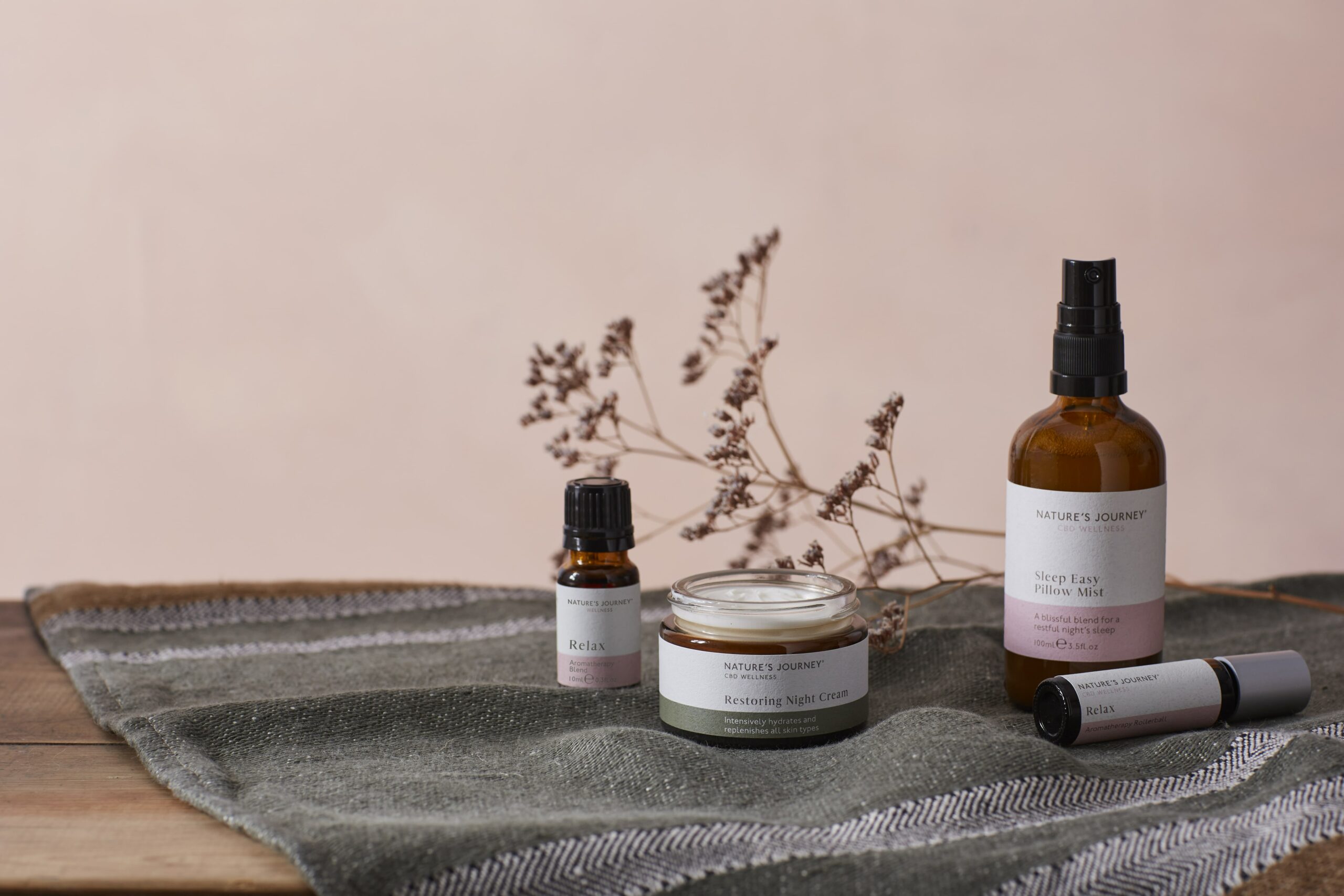
Self-Care in the Stress Age: Nature’s Journey on the antidote for modern living

Self-Care in the Stress Age: Nature’s Journey on the antidote for modern living

As April unfolds, it not only brings the vibrant colours

By Annabel Lindsay

March 26, 2026

The Rise of ‘Conscious Consumerism’

The Rise of ‘Conscious Consumerism’

What is conscious consumerism and how can you be a part of the movement?

By Amelia Marshall

March 26, 2026

Is There A Link Between Plant-Based And Mental Health?

Is There A Link Between Plant-Based And Mental Health?

Is there a link between healthy eating and mental health? Find out more here.

By admin

March 26, 2026

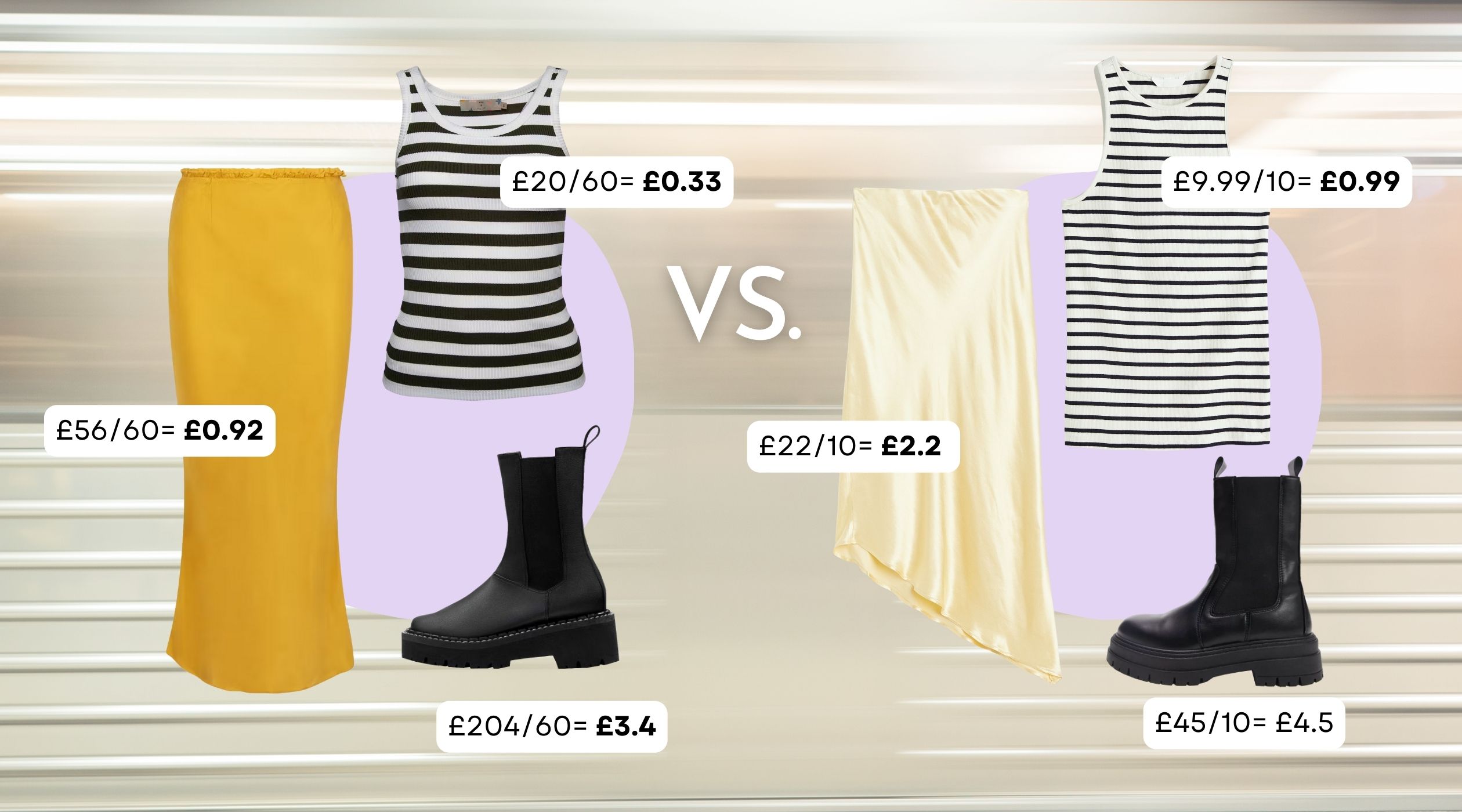
Why is sustainable fashion usually more expensive?

Why is sustainable fashion usually more expensive?

It’s no secret that sustainable fashion usually comes with a

By Annabel Lindsay

March 26, 2026

The Best Foods To Help You Beat The Bloat

The Best Foods To Help You Beat The Bloat

We're sharing some of the best foods to help you beat the bloat while boosting your overall wellbeing in the process.

By Lydia Oyeniran

March 26, 2026

The Low-down on Denim: History, Sustainability and Future

The Low-down on Denim: History, Sustainability and Future

Denim is such a mainstream fashion staple that we may

By Annabel Lindsay

March 26, 2026

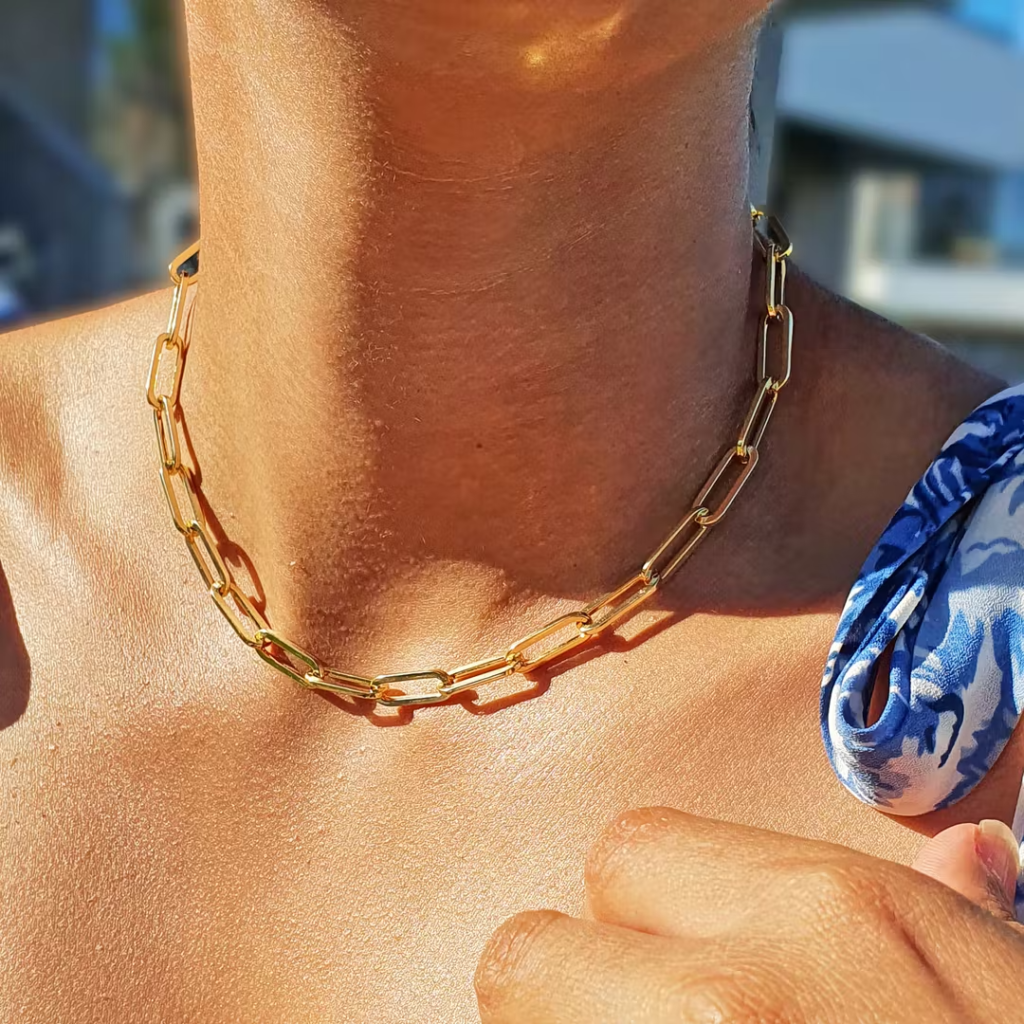
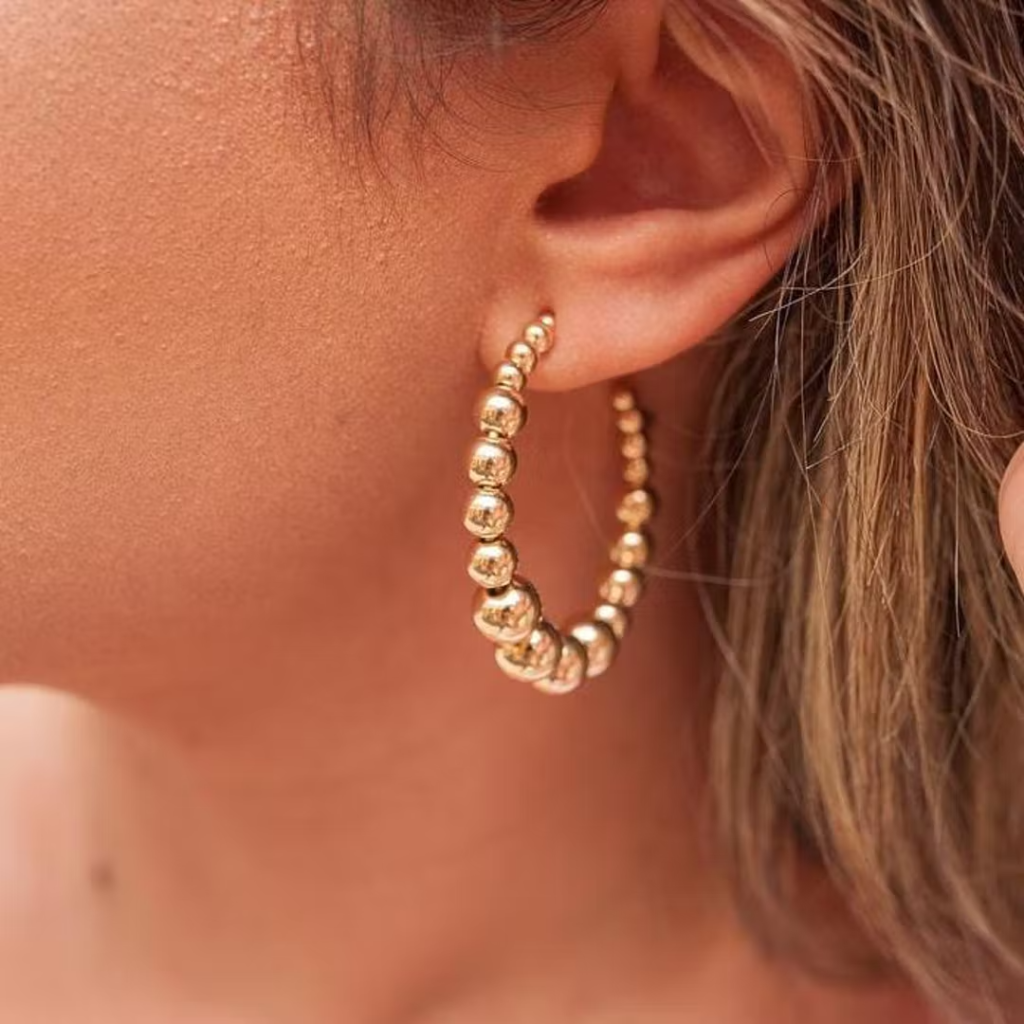
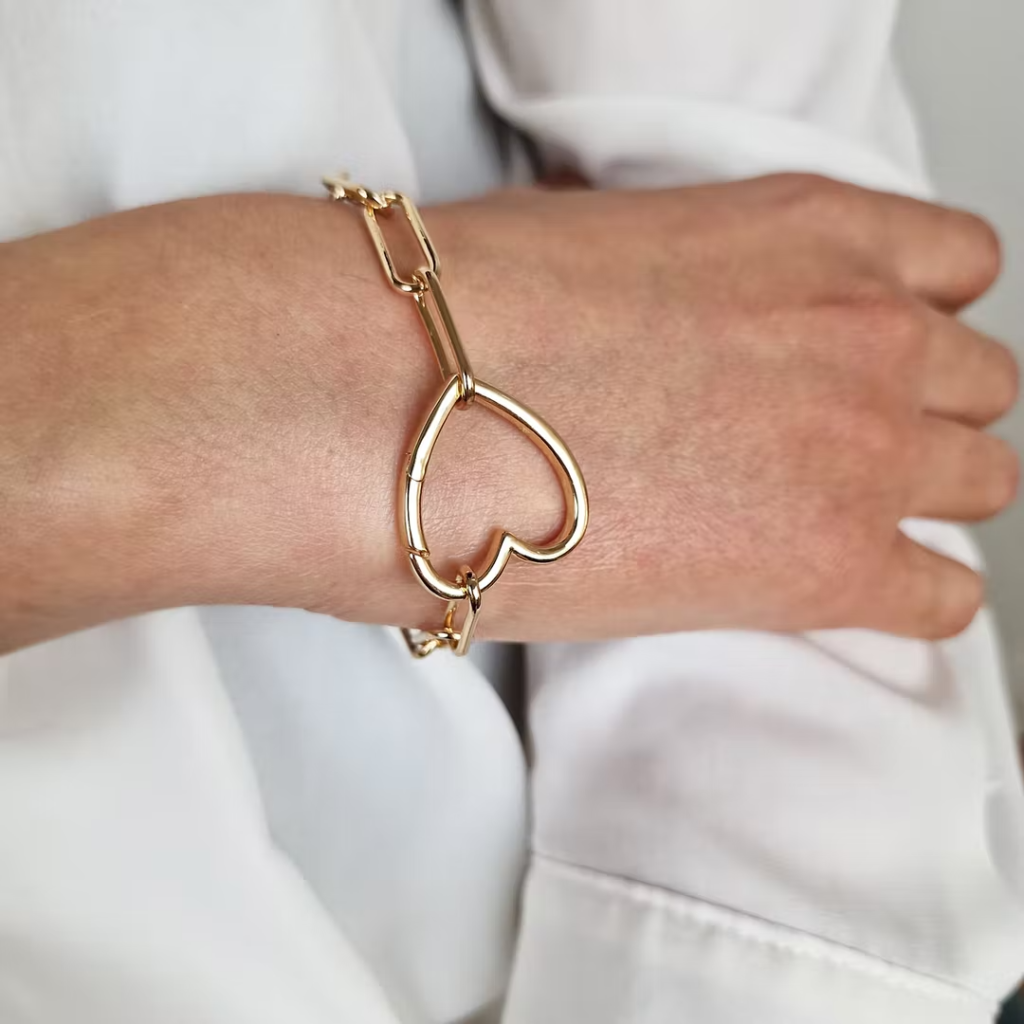
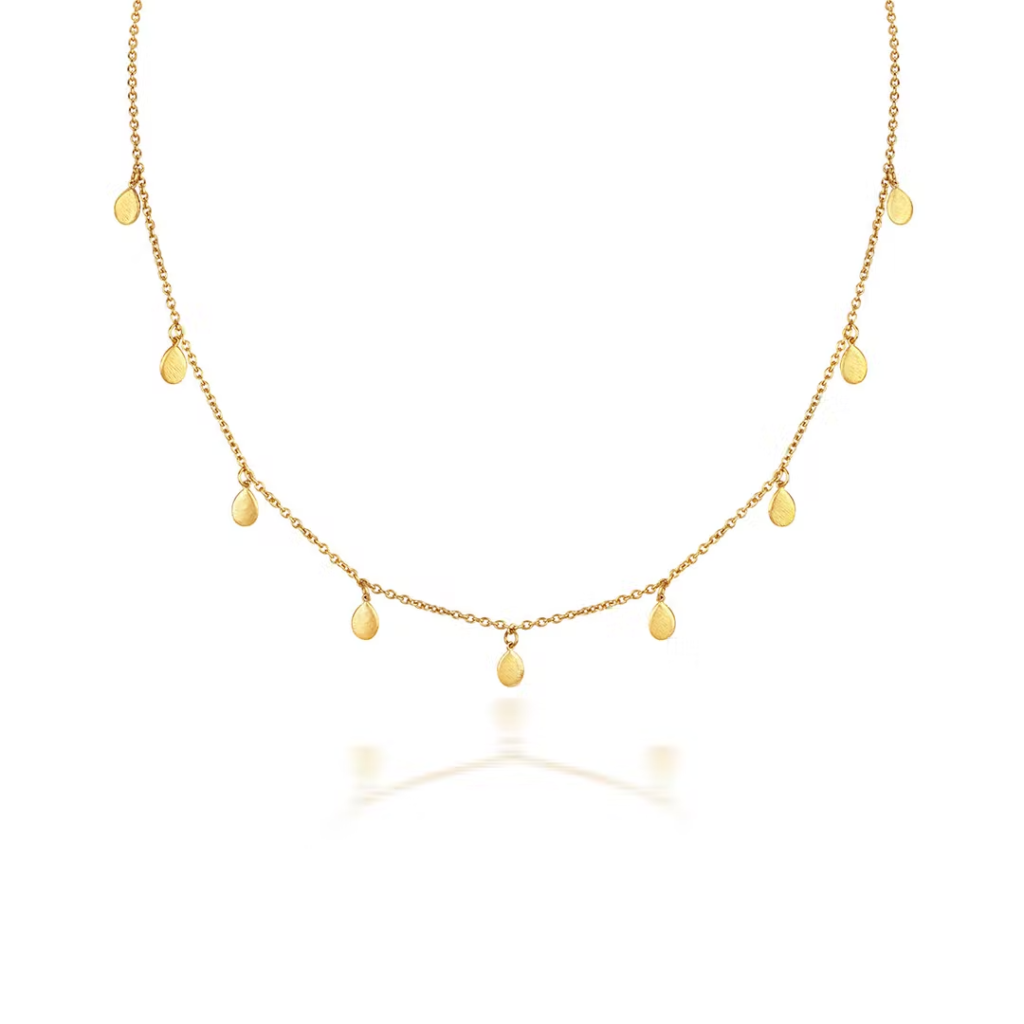
A guide to sustainable jewellery and the brands doing it better

A guide to sustainable jewellery and the brands doing it better

Many of us enjoy wearing beautiful jewellery, whether we’ve been

By Annabel Lindsay

March 26, 2026

Creative ways to add meditation  into your day

Creative ways to add meditation into your day

Simply by becoming present in the moment and focusing on the breath, you can incorporate meditation into your everyday tasks with minimal effort. So in honour of World Meditation Day, we're sharing some of our favourite and most creative ways to meditate.

By Lydia Oyeniran

March 26, 2026

10 Mindfulness Products To Boost Your Mental Health

10 Mindfulness Products To Boost Your Mental Health

Being human can be complex, miraculous and sometimes difficult. Our

By Annabel Lindsay

March 26, 2026

How to get involved in Plastic Free July this month

How to get involved in Plastic Free July this month

It is clear that plastic pollution needs immediate action but it can be overwhelming knowing where to start. So we're sharing some easy ways you can get involved in Plastic-Free July this month!

By Lydia Oyeniran

March 26, 2026

Zero Waste Swaps Everyday

Zero Waste Swaps Everyday

Zero waste swaps for everyday life: the prioritised list Most

By Ziracle

March 26, 2026

How to declutter your home sustainably

How to declutter your home sustainably

Decluttering can often become a wasteful practice so we're sharing some useful tips to help you utilise your things better and declutter sustainably.

By Lydia Oyeniran

March 26, 2026

Eco swaps for home

Eco swaps for home

Eco swaps for home: the ones that actually make a

By Ziracle

March 26, 2026

Eco Swaps For Food And Drink

Eco Swaps For Food And Drink

Eco swaps for food and drink: where the plastic actually

By Ziracle

March 26, 2026

The Best Low-ABV & Alcohol-Free Drinks For Sober October 2023

The Best Low-ABV & Alcohol-Free Drinks For Sober October 2023

Taking on the Sober October Challenge this year? We're sharing some healthy, alcohol-free alternatives that are guaranteed to make this month a breeze.

By Lydia Oyeniran

March 26, 2026

From Bottle To Bar: Why You Should Switch To Zero-Waste Hair Care

From Bottle To Bar: Why You Should Switch To Zero-Waste Hair Care

Less waste, natural and better for your hair: why you should switch to zero-waste hair care.

By admin

March 26, 2026

A Curated Guide to the Self-Care You Deserve

A Curated Guide to the Self-Care You Deserve

We’re currently over halfway through Mental Health Awareness Week, an

By Annabel Lindsay

March 26, 2026

Sustainable Coffee Guide

Sustainable Coffee Guide

How to buy better coffee: what the certifications actually mean

By Ziracle

March 26, 2026

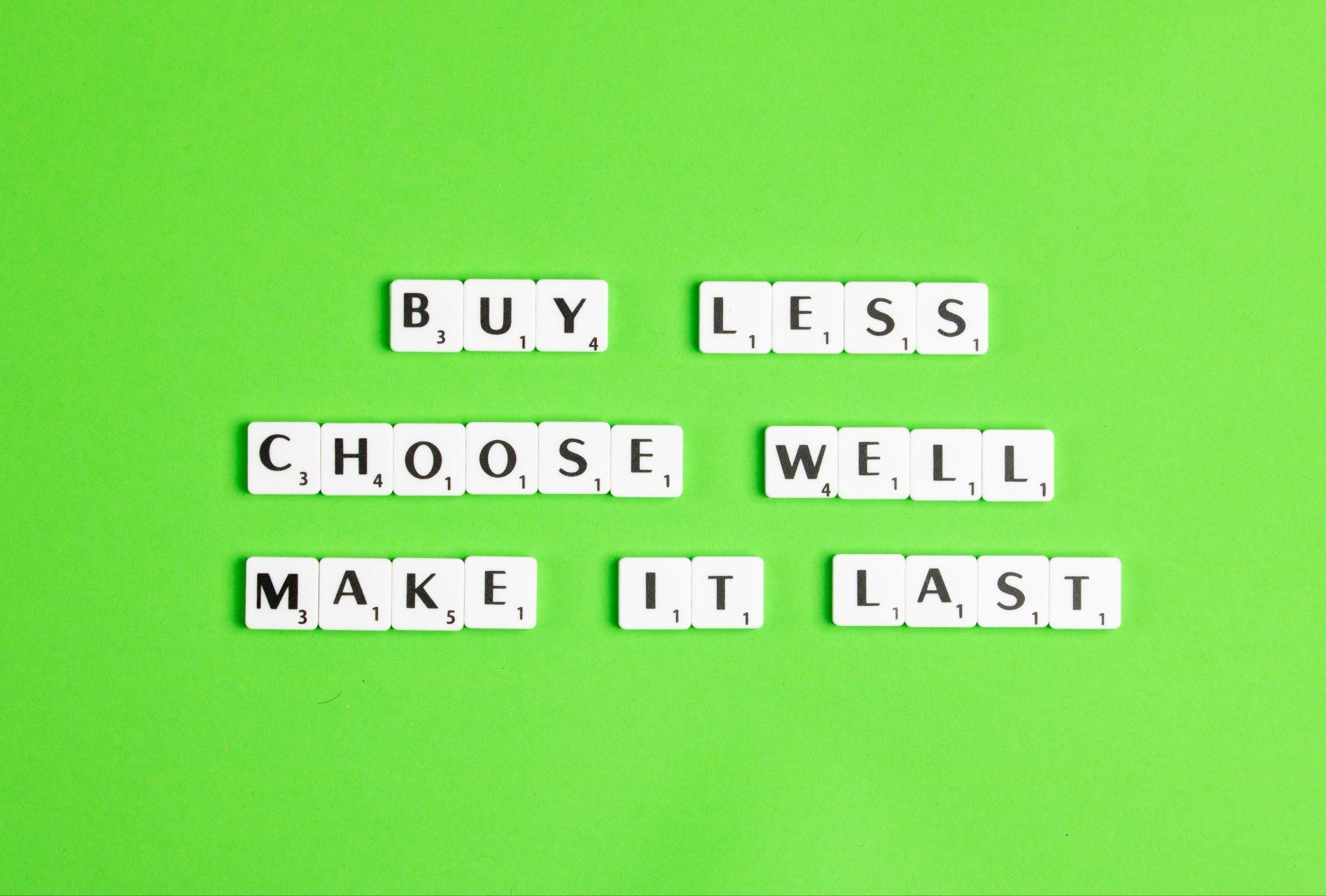
Buy less, choose well, make it last: how to make better fashion choices

Buy less, choose well, make it last: how to make better fashion choices

An addiction to extremely low prices and fleeting trends has resulted in a 'fast-fashion' culture that is destroying the planet at an alarming rate. With more people wanting to make better fashion choices, we're sharing some easy ways to buy less, choose well, and make it last with slow fashion.

By Lydia Oyeniran

March 26, 2026

5 Ways To Practice Self Love In Your Daily Life

5 Ways To Practice Self Love In Your Daily Life

Practicing self love is hard in times like these. So here are some handy and easy tips to help you love yourself a little bit more.

By admin

March 26, 2026

Eco Swaps For Beauty

Eco Swaps For Beauty

Eco swaps for beauty: the ones that actually work The

By Ziracle

March 26, 2026

Our Pick Of The Best Zero Waste Makeup, Beauty & Skincare Brands

Our Pick Of The Best Zero Waste Makeup, Beauty & Skincare Brands

Recent years have seen a growing trend towards people ditching

By Annabel Lindsay

March 26, 2026

The Breakdown: What is the difference between biodegradable, compostable & recyclable materials?

The Breakdown: What is the difference between biodegradable, compostable & recyclable materials?

Biodegradable, compostable versus recyclable. What actually is the difference?

By Amelia Marshall

March 26, 2026

The best organic facial essential oils to reduce wrinkles naturally

The best organic facial essential oils to reduce wrinkles naturally

From skin dullness and age spots to dryness, wrinkles and fine lines; discover the best organic essential oils to help you rediscover your youthful glow!

By Lydia Oyeniran

March 26, 2026

Eco Swaps For Fashion

Eco Swaps For Fashion

Eco swaps for fashion: how to buy less, spend less,

By Ziracle

March 26, 2026

Is sheep wool good for people and planet?

Is sheep wool good for people and planet?

November kicked off with World Vegan Day on the 1st,

By Annabel Lindsay

March 26, 2026

How To Sleep Better

How To Sleep Better

How to sleep better: what actually works, according to the

By Ziracle

March 26, 2026

Eco-home essentials you can’t live without

Eco-home essentials you can’t live without

Making a house into a home is a fine art. Whether you're going for bohemian chic or clean and minimal, we've put together the finest selection of eco-home essentials you won't want to live without.

By Lydia Oyeniran

March 26, 2026

Eco-Friendly Summer Holiday Activities & Essentials For Kids

Eco-Friendly Summer Holiday Activities & Essentials For Kids

School’s (almost) out for summer! The summer holidays are a

By Annabel Lindsay

March 26, 2026

How to bring more hygge into your life

How to bring more hygge into your life

Winter is a season of duality for many of us

By Annabel Lindsay

March 26, 2026

Daily Habits For Mental Health

Daily Habits For Mental Health

Daily habits for mental health: small changes, real results The

By Ziracle

March 26, 2026

A beginner’s guide to sustainable fashion: what slow fashion actually means

A beginner’s guide to sustainable fashion: what slow fashion actually means

Sustainable fashion has a vocabulary problem. Slow fashion, ethical fashion,

By Ziracle

March 26, 2026

A practical guide to plant-based eating: how to do it well

A practical guide to plant-based eating: how to do it well

The word “vegan” still puts a lot of people off.

By Ziracle

March 26, 2026

The Truth About Microplastics In Our Cosmetics

The Truth About Microplastics In Our Cosmetics

Microplatics: what are they and how are wrecking the planet?

By admin

March 26, 2026

How to make your grocery shop more eco-friendly

How to make your grocery shop more eco-friendly

A weekly/monthly trip to the grocery shop is something most of us do on autopilot, not really thinking about the wider impact we might be having. We're breaking down some easy ways to make your grocery shop more eco-friendly.

By Lydia Oyeniran

March 26, 2026

Ethically made sustainable underwear brands you need to know

Ethically made sustainable underwear brands you need to know

Whether you're into lacey pairings, cute and comfy sets, boxers, or briefs, these sustainable underwear brands have got all bases covered.

By Lydia Oyeniran

March 26, 2026

Get Happy: How To Naturally Boost Dopamine And Serotonin Levels

Get Happy: How To Naturally Boost Dopamine And Serotonin Levels

Serotonin and Dopamine are our happiness hormones, which when imbalanced, can negatively affect our mental health. Find out how you can boost these hormones naturally.

By admin

March 26, 2026

A beginner’s guide to sustainable fashion: what slow fashion actually means

Sustainable fashion has a vocabulary problem. Slow fashion, ethical fashion, conscious fashion, eco fashion: all of them gesture at something real, but none of them tell you what to actually do differently. If you’ve ever read about sustainable fashion and come away feeling vaguely guilty but no more informed, that’s not your fault. Most of the content in this space either preaches or sells.

This is the practical version: what slow fashion actually means, why fast fashion is so difficult to resist, and how to build a different relationship with clothes without starting over.

What slow fashion actually means (and what it doesn’t)

The term was coined by Kate Fletcher, a professor at the Centre for Sustainable Fashion at the University of the Arts London, in an article published in The Ecologist in 2007. She defined slow fashion as quality-based, not time-based, not simply about slowing down, but about designing, producing, and consuming differently.

The framing she used then still holds. Slow fashion is not the opposite of fast fashion the way slow food is the opposite of fast food. It’s not a matter of speed. It’s a different set of values. Fast fashion treats clothing as disposable. Slow fashion treats it as something worth keeping. Fast fashion profits from volume. Slow fashion profits from quality. Fast fashion obscures its supply chain. Slow fashion makes it legible.

What slow fashion is not: a specific aesthetic. It’s not neutrals and linen and minimalism, though those associations have stuck. It’s not a price bracket. It’s not something only available to people with large budgets for ethical brands. A secondhand coat bought for £15 is slow fashion. A £300 coat worn twice is not.

“Slow fashion is not time-based but quality-based. Slow is not the opposite of fast. It is a different approach.” — Kate Fletcher, The Ecologist, 2007.

Why fast fashion is designed to be hard to resist

Feeling tempted by fast fashion is not a character flaw. It’s the intended outcome of a system that has spent decades optimising for exactly that response.

Fast fashion brands rotate stock constantly, in some cases weekly, to create the perception that items are scarce and temporary. Research into consumer behaviour confirms that scarcity cues, including “only two left in stock” warnings and countdown timers, trigger fear of missing out and reduce the time people spend evaluating whether they actually want something. The purchase becomes emotional rather than considered. That’s the design.

Low prices reinforce it. When something costs £12, the mental calculation shifts: the potential loss of missing out feels greater than the cost of buying. The item goes in the basket without the question most people would ask about a £120 equivalent: do I actually need this? Will I actually wear it?

The store layout, the social media feed, the influencer haul, the flash sale notification: none of these are accidents. They are a carefully engineered system for bypassing the pause between impulse and purchase. Knowing this doesn’t make the impulse go away. But it does change what you do with it.

The questions worth asking before you buy anything

Slow fashion in practice is mostly a set of questions rather than a set of rules. Three are worth building into the habit.

Will I wear this at least 30 times? This is the simplest test for whether a purchase makes sense on any measure, financial or environmental. Be honest. Not aspirational-honest, where you imagine the version of yourself who wears it constantly. Actually honest. If the answer is probably not, put it back.

Do I know who made it, and in what conditions? This doesn’t require a deep investigation for every purchase. But brands that are genuinely transparent about their supply chain make this information easy to find: named factories, published audits, third-party certification. Brands that aren’t transparent make it impossible to find. The difference tells you something.

Am I buying this because I want it, or because I was just told I might miss it? This one is harder in the moment. It gets easier with practice. The trick is to add time. Leaving something in a basket for 48 hours and checking whether you still want it removes the scarcity pressure and lets the actual desire, or lack of it, surface.

None of these questions require you to become an expert in supply chains or textiles. They require slowing down by about 90 seconds before clicking buy.

How to build a wardrobe you actually wear

WRAP found that around 26% of the average UK wardrobe has not been worn for at least a year. Before buying anything new, the single most useful exercise is to work out what you already own and actually wear. Most people discover they reach for the same 20 or 30 items repeatedly, regardless of how much else is in the wardrobe.

Start there. The clothes you already wear are the foundation. Everything else is either filling a genuine gap or filling space.

Genuine gaps are things you reach for but don’t have: a coat that works for work and weekends, a pair of trousers that fits properly, a dress that isn’t too formal and isn’t too casual. These are worth buying well. Not necessarily expensive, but considered: secondhand first, then new from a brand worth supporting.

Space-filling purchases are the ones that seemed like a good idea in the shop and never quite worked once you got them home. Fast fashion excels at producing these, because the combination of low prices and high trend-turnover makes space-filling feel rational in the moment. It isn’t.

A wardrobe that works is one where most things go with most other things, where there are no items that require a specific other item to function, and where you could get dressed on a bad day and still look like yourself. That’s not a capsule wardrobe prescription. It’s a practical description of what clothes are for.

Where to find brands worth buying from

When you’re ready to buy new, here’s how to tell the difference between a brand that means it and one that doesn’t.

Named factories and published supply chain information. Any brand genuinely committed to ethical production can tell you where its clothes are made and who makes them. If that information doesn’t exist on the website, it doesn’t exist.

Third-party certification. Fair Trade, B Corp, GOTS (Global Organic Textile Standard), and OEKO-TEX Standard 100 are the most meaningful certifications in this space. They verify different things: labour standards, environmental practices, chemical safety. None of them is a guarantee of perfection, but all of them require external verification rather than self-declaration.

Fewer, slower collections. Brands that produce two or three collections a year are building around quality and longevity. Brands that produce new drops every week are building around volume. The production model tells you something about the values behind it.

Every brand in the Apparel and Style category on Ziracle has been assessed against these same criteria: kind to the people making the clothes, transparent about materials and production, built to last. For the specific brands we’ve verified, start with our guide to the best sustainable clothing brands and our eco swaps for fashion article for the practical action list.

You now know what slow fashion actually means, why the system makes it hard to behave that way, and what questions change how you shop. Which means the next time you’re about to buy something, you have a different set of tools for deciding whether to.

Ready to shop? Browse our Apparel and Style category and filter by Fair Trade and B Corp to find brands that have already passed the standard.


References

  1. Kate Fletcher, “Slow fashion”, The Ecologist, June 2007: theecologist.org
  2. WRAP, Nation’s wardrobes hold 1.6 billion items of unworn clothes (2022): wrap.ngo
  3. IJFMR, impulse buying behaviour in online fashion — scarcity cues and FOMO: ijfmr.com
  4. Good On You, What is slow fashion: goodonyou.eco
  5. Wikipedia, Slow fashion — historical context: en.wikipedia.org

SEO / GEO DATA PACKAGE — Ziracle Journal — Beginner’s guide to sustainable fashion

Domain: ziracle.com Full URL: ziracle.com/journal/beginners-guide-to-sustainable-fashion Canonical URL: https://www.ziracle.com/journal/beginners-guide-to-sustainable-fashion 301 redirects to point here: veo.world/blog/the-beginners-guide-to-sustainable-fashion veo.world/blog/what-is-slow-fashion

Page title (title tag): A beginner’s guide to sustainable fashion: what slow fashion actually means | Ziracle Journal Character count: 72. At the upper limit — acceptable; consider trimming to “Sustainable fashion for beginners: what slow fashion actually means | Ziracle Journal” (67 chars) if preferred. Meta description: Slow fashion isn’t a style. It’s a set of questions you ask before you buy. Here’s what it means, why fast fashion is hard to resist, and how to build a wardrobe that lasts. Character count: 155. Consider trimming one phrase if preferred; content is within the effective range.

H1: A beginner’s guide to sustainable fashion: what slow fashion actually means H2s:

  1. What slow fashion actually means (and what it doesn’t)
  2. Why fast fashion is designed to be hard to resist
  3. The questions worth asking before you buy anything
  4. How to build a wardrobe you actually wear
  5. Where to find brands worth buying from

Primary keyword: beginners guide sustainable fashion Used in: H1, meta description, opening paragraph (implied), H2 section 5, category CTA Secondary keywords: what is slow fashion — H2 section 1, body copy sustainable fashion UK — body copy throughout how to shop sustainably — H2 section 3, body copy ethical fashion guide UK — body copy (sections 3 and 5)

Pillar / Journal category: Live Sustainably Goal tag: Apparel and Style Value tags: Fair Trade, B Corp, Organic Internal links: /market/apparel-and-style (CTA), /values/fair-trade (CTA), /values/b-corp (CTA), /journal/eco-swaps-for-fashion (cross-link), /journal/best-sustainable-clothing-brands (cross-link)

GEO signals included: Kate Fletcher / Centre for Sustainable Fashion cited, The Ecologist original article cited, WRAP wardrobe data cited, peer-reviewed psychology research on scarcity tactics cited. UK-specific framing throughout. Named entities: slow fashion, fast fashion, FOMO, scarcity tactics, capsule wardrobe, cost per wear, Fair Trade, B Corp, GOTS, OEKO-TEX, Fashion Revolution, Kate Fletcher, Centre for Sustainable Fashion, University of the Arts London.

Schema recommendation: Article schema with the following fields:

FAQ schema candidates (high GEO value — AI engines pull these as featured answers):

  • What is slow fashion?
  • Who coined the term slow fashion?
  • What is the difference between slow fashion and fast fashion?
  • How do I start shopping more sustainably?
  • What should I look for in a sustainable fashion brand?

Word count: ~1,150 Reading level: Accessible but intelligent — appropriate for target reader References: 5 (3 primary tier, 2 secondary tier)
The Best Foods To Help You Beat The Bloat

||||

Bloating is something we’ve all experienced before. It’s that unpleasant swelling feeling that has you squirming in your seat or sometimes even doubled over in pain after a big night out or overindulgent Friday takeaway. Experiencing bloating from time to time is pretty normal but when it becomes a consistent feeling, there’s a good chance it could be linked to a more serious underlying problem. There are several potential causes of persistent bloating, from poor gut health and digestive issues to food intolerances. Not only do these issues cause bloating but they can also be detrimental to our mental health, resulting in brain fog, fatigue, and increased stress levels. While cutting out certain food groups such as dairy or gluten can often do the trick in solving these issues, there are also some great health foods that can actually help to stop bloating in its tracks. So in today’s post, we’re sharing some of the best foods to help you beat the bloat while boosting your overall wellbeing in the process.


1. Kimchi

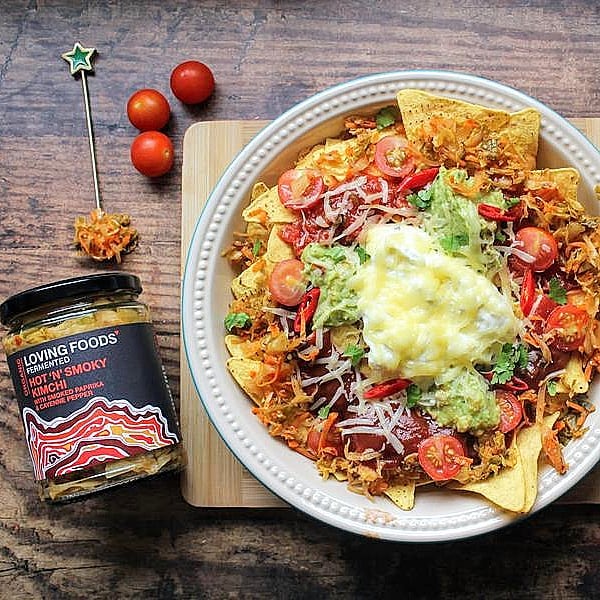
Credit: Loving Foods

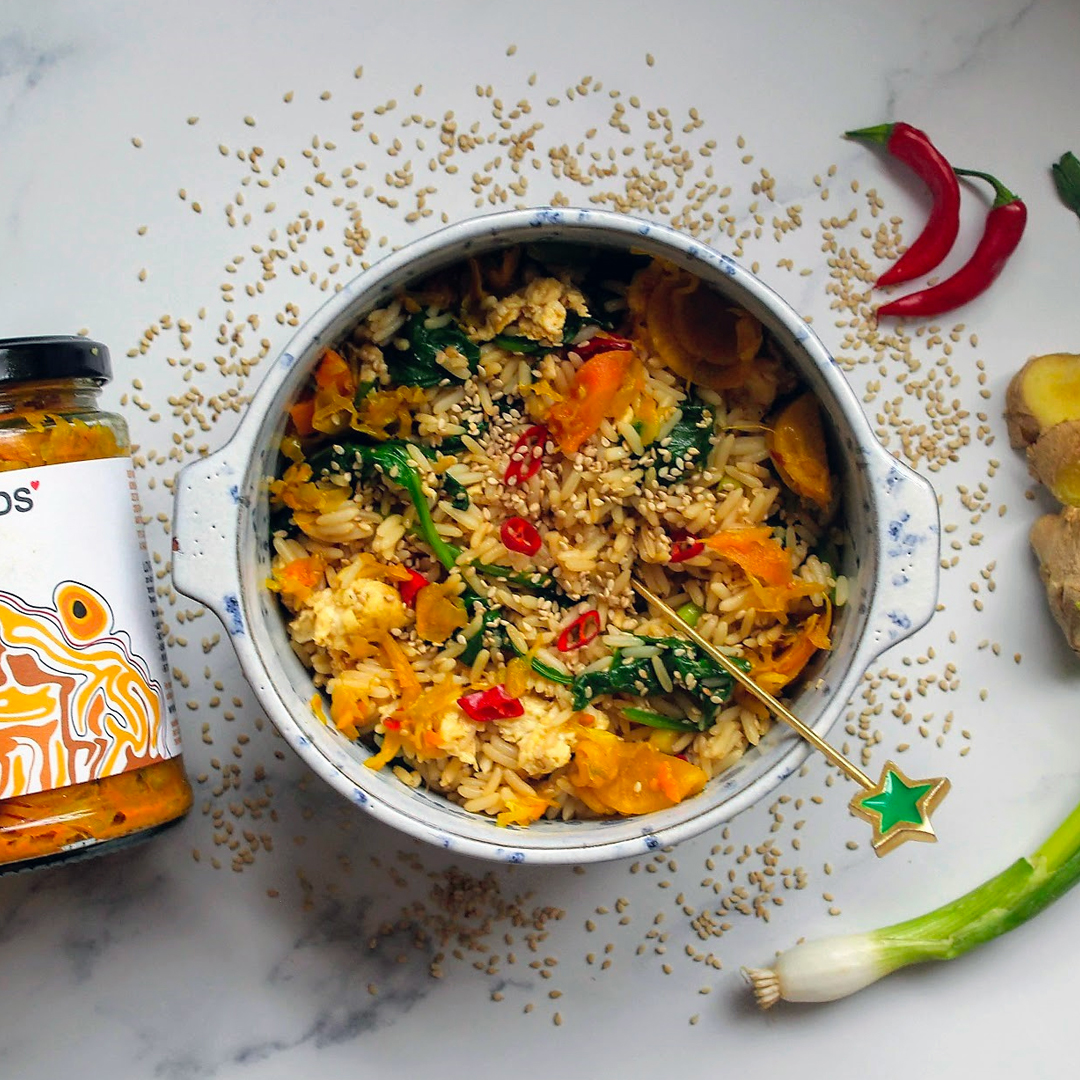
Kimchi is a traditional Korean dish made from fermented cabbage, typically served as a side or condiment. As well as being a delicious addition to your meal, Kimchi is packed with probiotics; ‘good bacteria’ that aid your digestive system to work more efficiently. When your gut is in optimal health, this reduces bloating and helps to boost mental clarity in the process. Want to add more kimchi to your diet? Shop our range of organic natural kimchi mixes, juices, and sauces in a variety of flavours here!


2. Dark Chocolate

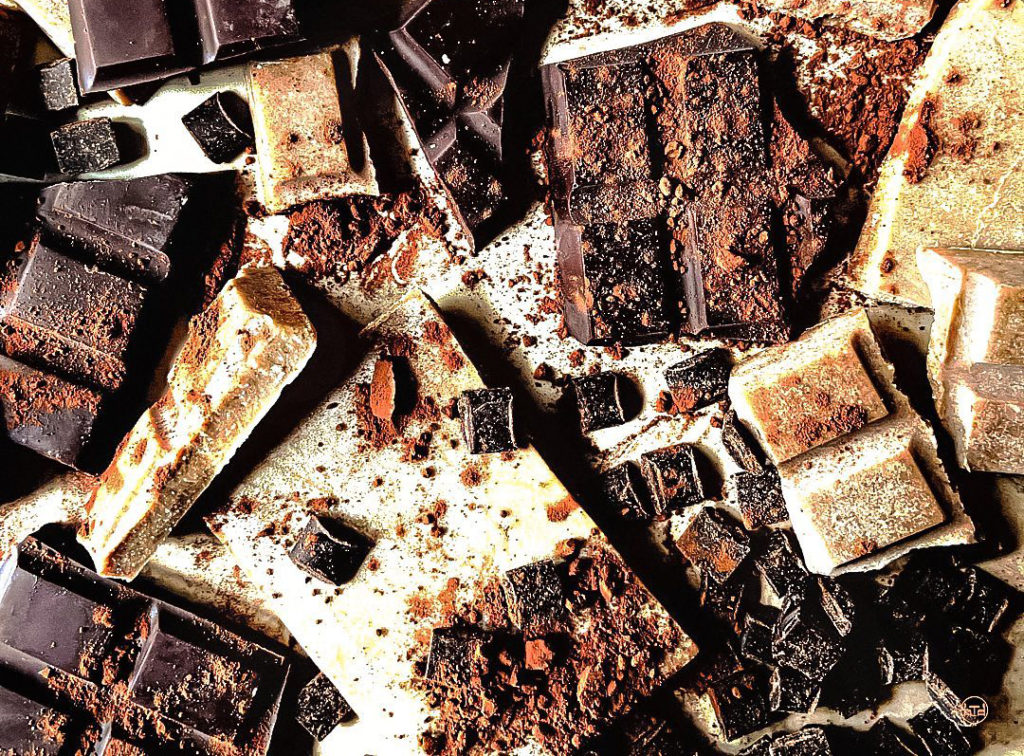
Credit: Freedom Chocolate via @the.allergytable on Instagram

Not all chocolate is made equal and while milk and white chocolate contain dairy which could actually increase bloating, dark chocolate can actually have the opposite effect. While most of us hardly need convincing to indulge in a bar of chocolate, the health benefits of dark chocolate definitely make us feel less guilty about that post-lunch treat. Dark chocolate contains the highest percentage of cacao, a nutrient-rich substance packed with flavonoids that carry powerful antioxidant properties. Good bacteria in your gut feed on dark chocolate, releasing anti-inflammatory compounds that soothe the digestive system. Discover a variety of delicious dark chocolate bars in a range of blends and flavours with Freedom Chocolate, right here on Veo.


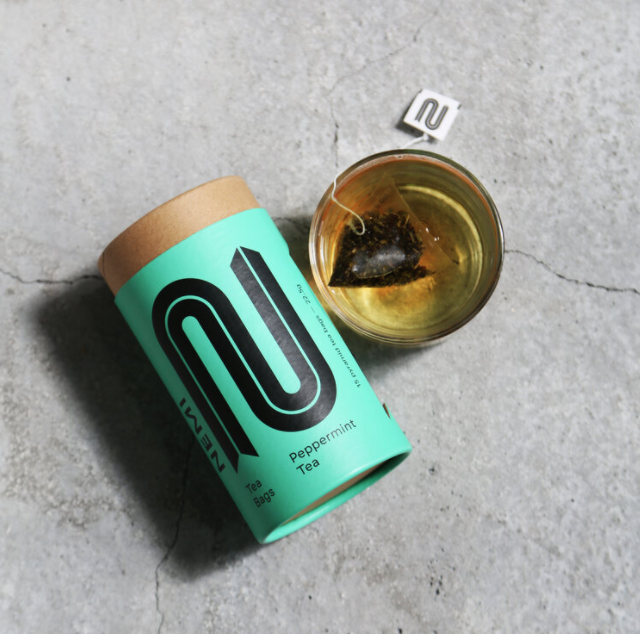
3. Mint Tea

Credit: NEMI Teas

Peppermint tea is often recommended for its ability to soothe digestive issues. Not only is it a refreshing beverage, but peppermint actually has muscle-relaxing abilities that can help relieve intestinal spasms, allowing air to pass through the body more easily. Additionally, peppermint tea can also relieve pain caused by bloating and cramping due to its anti-inflammatory properties making it a popular natural home remedy for gastrointestinal discomfort. Shop organic, natural, and compostable peppermint tea bags from NEMI Teas, here on Veo.


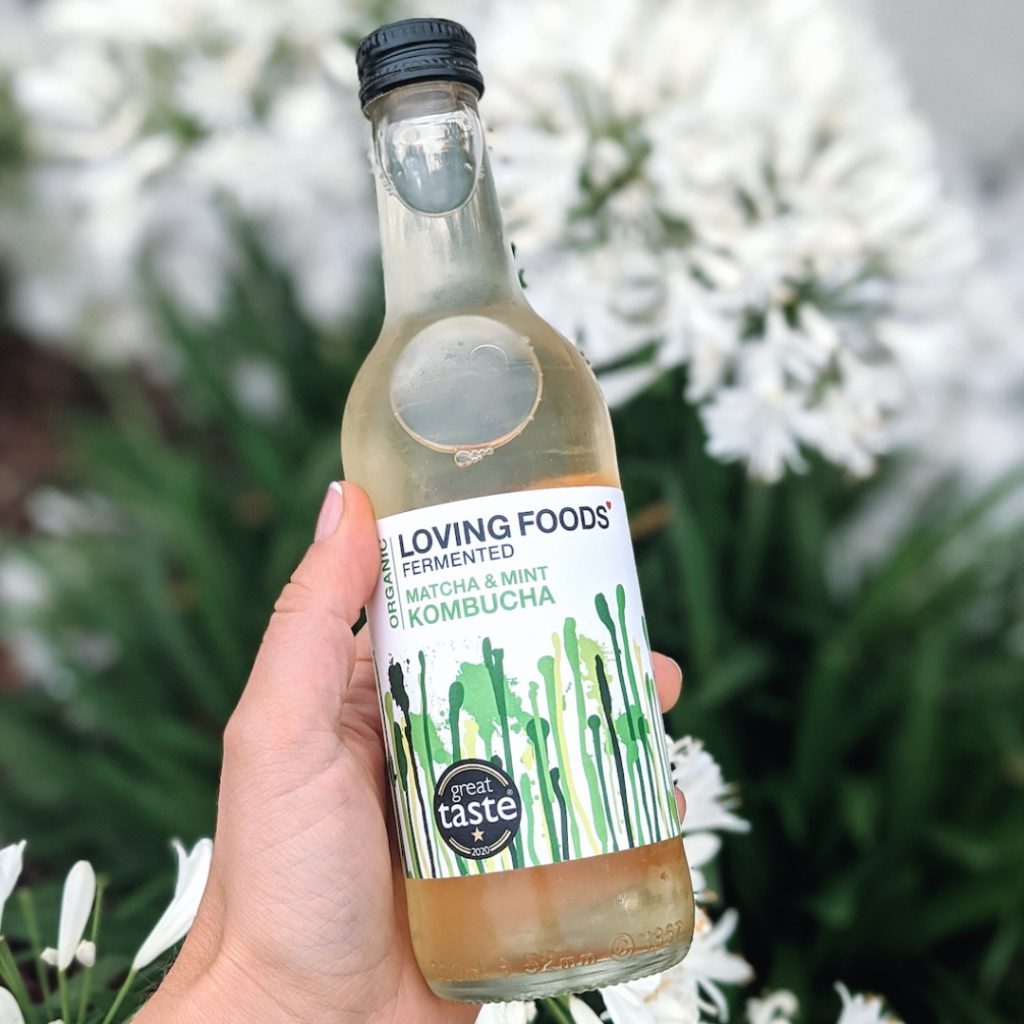
4. Kombucha

Credit: Loving Foods

If indulging in one too many alcoholic beverages on the weekend is the cause of your bloating, then kombucha might just be the perfect alternative. Similar to kimchi, kombucha is made from the fermentation process of tea which means it is packed full of probiotics that boost the good bacteria in your gut. This can help to reduce the amount of gas produced in your digestive system, reducing symptoms of bloating in the process. Swapping your next beer for a bottle of kombucha? Check out our range of kombucha flavours here!


If you enjoyed reading this, you’ll love our blog post on How Food Can Improve Your Mood! For our full range of superfoods, fermented foods, nuts, seeds, and grains; shop Health Foods here.

The Low-down on Denim: History, Sustainability and Future

Denim is such a mainstream fashion staple that we may often neglect to give it a second-thought. Its presence and existence in fashion, from high streets to youth culture, to red carpets and catwalks, is as synonymous as rain to British weather.

Denim first appeared on the scene as workwear and overtime it became a culturally significant material that has been present in key historical events, like post war dressing, featuring in Hollywood and Western block busters, the fall of the Berlin Wall, and more. Today it’s a mass produced and worn material that resides in pretty much all our wardrobes. However, our thirst for denim is increasingly having negations on the environment and the people who make it. So, can we sustain our love for this iconic fabric?

A history of denim

Early denim was invented in the late 17th century in the French city of Nîmes, after a replication attempt of a cotton fabric known as ‘jeane’ (named after the Italian city of Genoa,) saw fabric weavers accidentally produce a new unique and sturdy fabric, which at the time they named ‘serge de Nîmes’.
Indigo is the most synonymous hue that comes to mind when we think of denim and is among the oldest dyes to be used in textiles. Although originally manufactured and exported from India, in 1865, German chemist Adolf von Baeyer began working on the synthesis of natural indigo, eventually paving the way for the first industrial mass production of synthetic indigo in 1897.

Of course, we can’t talk about the history of denim without addressing its most iconic and obvious form, denim jeans. In 1851, Loeb Strauss left his hometown Buttenheim, Germany, for New York, where his brother owned a textile shop. After learning the trade for a couple of years (now) Levi, headed to San Francisco to set up his own branch, ‘Levi Strauss & Co. Wholesale House’, during the California Gold Rush.

The most recognisable, classic jeans as we’ve come to know them, came to existence when Strauss partnered with tailor Jacob Davis, to secure a patent for the construction of a denim workwear pant that was indigo-dyed and riveted around the pocket seams. In 1873, the design patent was granted and the modern denim blue jean was born.

In the early 20th century, denim was adopted as the preferred workwear fabric choice for western cowboys, miners and farmers in the US. Not only was the fabric cheap, but denim was durable and sturdy which made it practical for manual labour.

As the 20th century progressed, denim jeans saw their use and popularity shift. After the Second World War, returning US soldiers rejected settling down in the suburbs, instead opting for wearing jeans and riding motorbikes. This rebellion was attractive to American consumers, and the trend soon picked up in Europe, where people were keen to buy into the comfortable post-war lifestyle that denim jeans represented.

Over the coming decades, not only would denim become popularised by Hollywood figures, and blockbuster cowboy films, it would also trickle down amongst working class youth as a political statement of rebellion and rejection of traditional authority (think hippies, punks, grunge and rock). Ironically, as more people bought into this idea of leisure and youth rebellion, jeans become so popularised that towards the end of the 20th century, they’d become a mainstream wardrobe staple.

In the 2000s, customised denim became popular, enabling wearers to express themselves creatively through their style, a big part of the Millennial mind-set. Ripped, embroidered and pinned together jeans were very common.

Denim jeans have been an anomaly against the typical short-lived trend-cycle. They’ve been cemented as a timeless staple. Today, thanks to technological advancements, denim is used in a plethora of ways to create stylish garments for both function and aesthetic.

How is denim made?

Denim was created by hand when it was first invented, involving an intricate weaving process known as weft and warp. By the Industrial Revolution, machinery had been developed for faster production of denim on power looms. 

Today, denim is typically made with the following process:

  • Step One: Cotton is gathered and put into machines where it’s detangled and spun together into strong threads.
  • Step Two: The threads are dipped several times into tubs of synthetic indigo dye.
  • Step Three: The indigo threads are woven together either through selvage or warp and weft.
  • Step Four: The denim is then sanforised, which means it’s stretched, heated, and shrunk down.
  • Step Five: The denim is ready to be manufactured into a garment.

Today, it is estimated that about 2 billion pairs of jeans are made every year. This uses 2 million tonnes of chemicals in the process, plus 2,630 litres of water – per each pair of jeans – and approximately 1.4 million tonnes of raw cotton.

The true cost of denim

Despite cementing itself as a fashion basic, the process of producing denim at such scale is complex, and is having disastrous effects on the environment and the wellbeing of those in the manufacturing process.

At the very start of the supply chain comes the actual growing of the cotton. This in itself is incredibly resource intensive. Cotton’s most prominent environmental impacts result from the use of pesticides, water consumption and the conversion of habitat to agricultural land. Diversion of water and its pollution by cotton growing has had severe impacts on major ecosystems.

On top of this, thousands of cotton farmers and their families suffer from pesticide poisoning every year and many commit suicide as a result of debt related, at least in part, to high chemical costs.

The use of indigo dye is also problematic. Synthetic indigo dye decomposes very slowly. When it changes the colour of rivers, plants are starved of sunlight which makes them unable to photosynthesise and can kill them. The water is then lacking in oxygen which leads to the suffocation of aquatic animals. 

The “authentic” and “worn in” look of denim is a huge part of what has made jeans so popular. But that look is nearly always artificially produced. Distressing denim garments endangers workers as they’re inhaling fumes and touching toxic dyes. The process of sandblasting to produce that worn-in look can also lead to silicosis in the lungs.

A post-production factor to also consider is that according to the International Fabric Institute Fair Claims Guide, the average lifespan for a pair of jeans is only 2-3 years. With all of this in mind, we can get a clear picture of how one of the most commonly worn materials in the world, is actually straining our planets natural resources and putting the health and wellbeing of cotton growers and garment factory workers at risk. To top it all off, consumers are on average only keeping these garments for a few years at a time before disposing of them.

Are there better options out there?

When it comes to denim, it still holds a place in our hearts due to its practicality, durability and versatility. But we cannot sit idle in awareness of the issues pertaining to its manufacture and existence. So, what are the better options?

Well, for starters, if you want to be sure what you are buying is grown in a truly sustainable way, certified organic cotton is the best option. Organic is the only system which eliminates highly toxic substances from the environment and instead works holistically, for the long-term benefit of people and the planet. At Veo, brands like Komodo and Rozenbroek are committed to using high-quality and GOTS certified organic cotton.

Recycled denim is also a better alternative as it reduces the volume of new cotton that must be grown, therefore reduceing the volume of water and pesticides used in agriculture. Fanfare‘s , upcycled collection takes denim that would have gone to landfill and gives each piece a new life with unique designs, cuts, and styles.

Investing in denim that’s made to last is also something that consumers can do on their part. Flax & Loom pride themselves on producing classic style jeans, that are built to last 20 years or more!

What does all of this mean?

It’s safe to say that a fabric so intwined with fashion and with such a rich cultural history, shows no sign of letting up its grip in the 21st century. We’ve never produced or worn as much denim as we have done in recent decades. But whilst our love affair with denim continues, it’s incredibly apparent that the way in which we grow, manufacture, produce and consume denim must change.

Investing in denim that’s healthier for people and the planet, whilst making a commitment as consumers to look after denim items, and to wear them for as long as possible, ensures we’re doing our bit to bring about a new denim revolution.

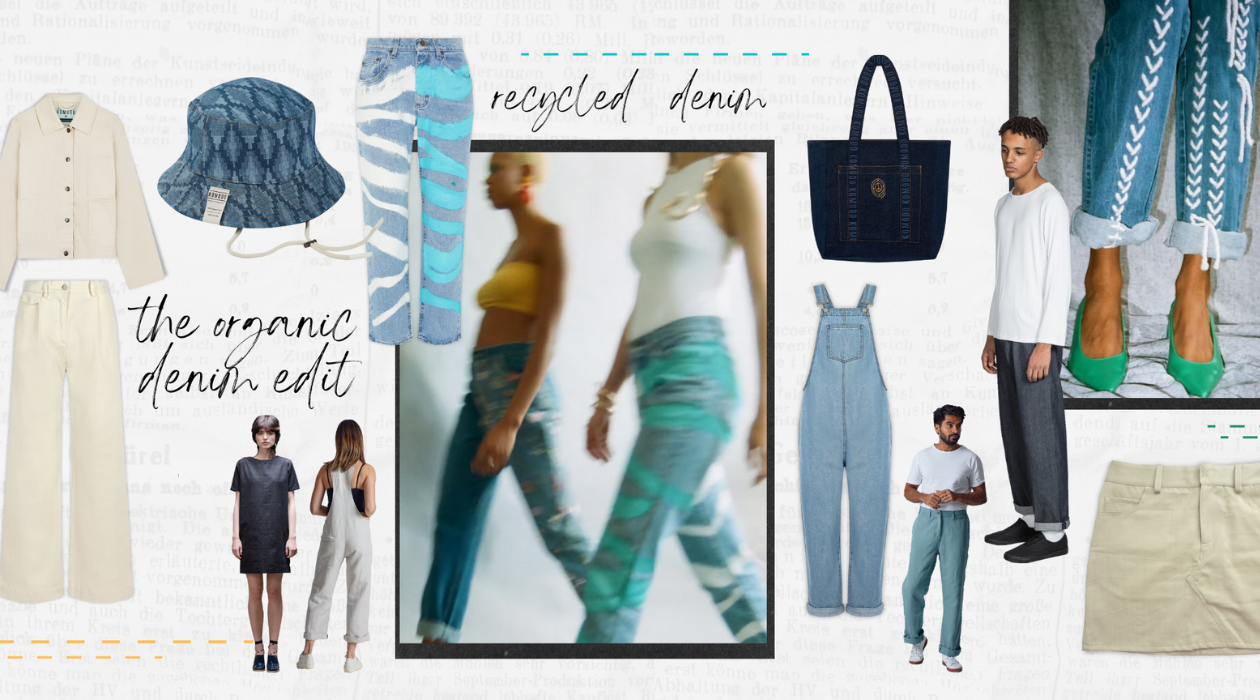
Our collection of ethically produced organic and recycled denim staples and statement pieces are your perfect new classics. For minimal environmental impact and maximum style impact, explore our full organic denim edit and celebrate this hero fabric whilst doing your bit for the planet!

Click here to shop the full denim edit.

Eco-Friendly Summer Holiday Activities & Essentials For Kids

|||||||||||||||||||

School’s (almost) out for summer! The summer holidays are a wonderful chance to spend time with our families, friends and loved ones. It’s a time where we want to get outside and make the most of the longer, brighter and warmer days. Summer is truly a green time of the year and you can also make the most of it, and build memories, with green, eco-friendly summer holiday activities for kids.

If you were worried about how you were going to fill those weeks ahead, you’ve come to the right place! Embrace your little ones’ curiosity and creativity this season with some eco-friendly activity ideas from us…

Fuel their imagination: eco-friendly toys & playsets

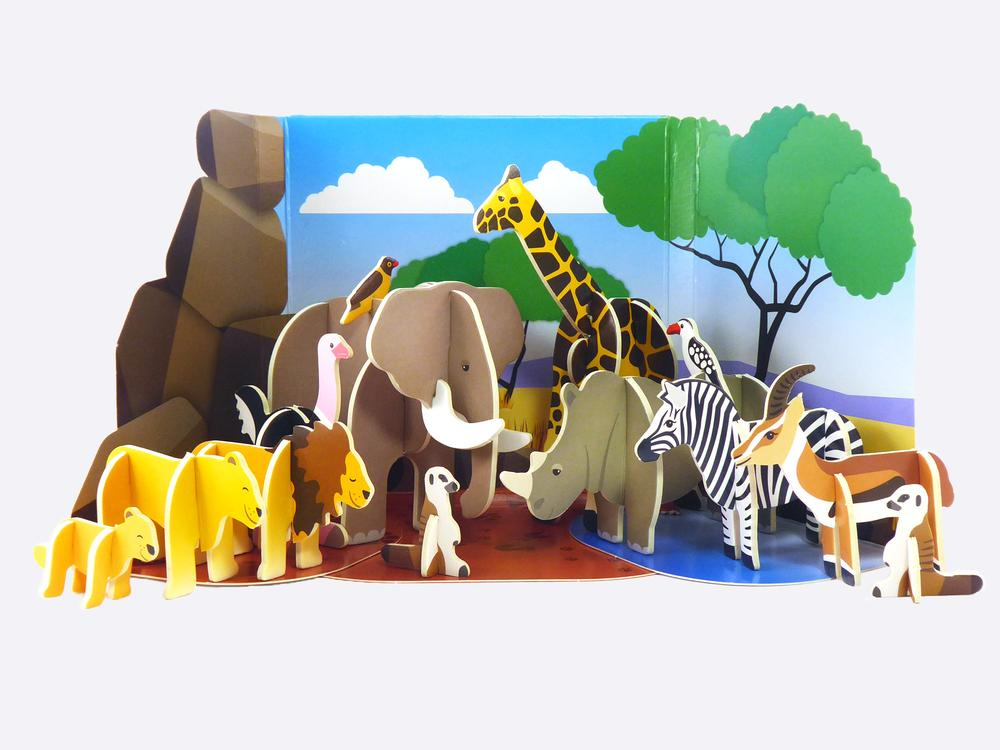
Savannah Animals | Eco-Friendly Children’s Building Playset | Ages 4-10

Whilst toys are important for learning and developing creativity and imagination, there’s a need for toys that are not only play-friendly but also planet-friendly. About 90% of all toys are made from plastic and given the ongoing plastic pollution crisis, this is huge a concern for our planet.

Offering sustainable alternatives, Playpress create buildable, eco-friendly playsets, for ages 4+ years. They believe in the power of planet-friendly, hands-on fun, with toys designed to let children play creatively while helping them develop key motor and cognitive reasoning skills and are made here in the UK

Playpress is made from Playboard, a sturdy material that’s strong enough to stand up to everyday adventures but also completely FSC® (FSC-C004309) certified, recyclable and biodegradable. They also use vegetable-based inks and water-based glues that are vegan, biodegradable and ocean-friendly.

Reading time: climate change adventure books

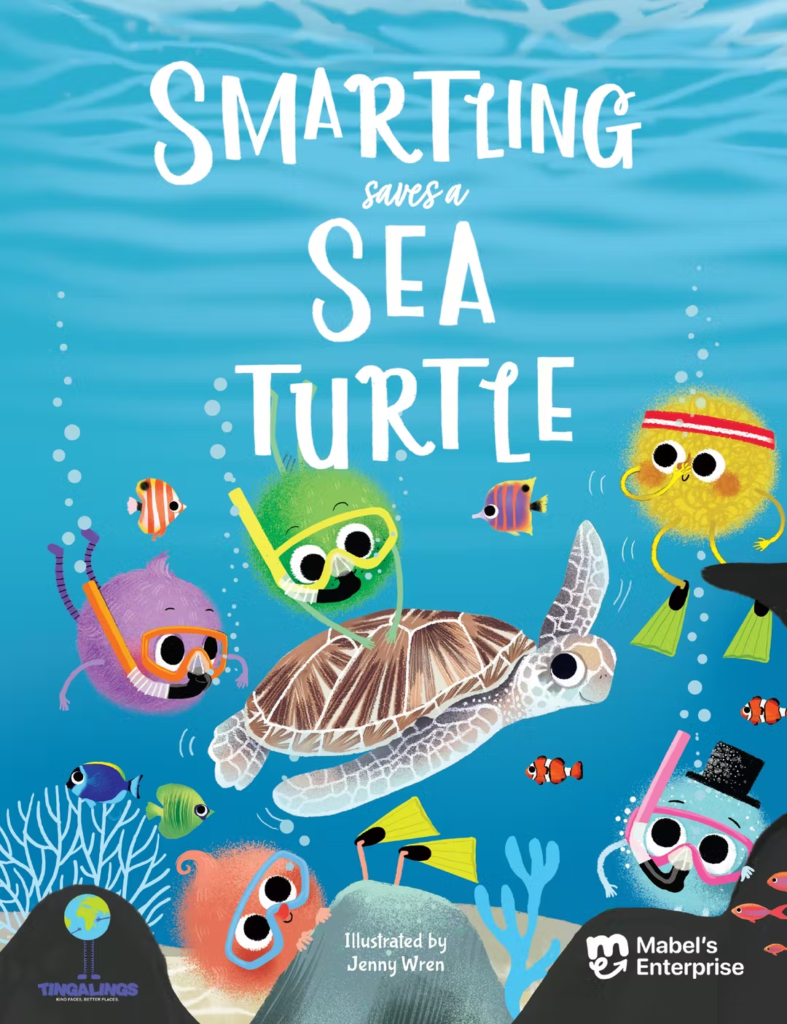
Books are a fantastic way to open our minds to new experiences, learnings and stories, at any age. They can be both educational and fun and The Tinaglings Climate Change Adventure Books tick both of those boxes! Learn about climate change in a fun and exciting way with environmental children’s books that can teach both you and your little ones, more about how you can help save the planet!

The Tingalings children’s picture book series follow 5 loveable creatures, climate adventures, exciting animal rescues, fun facts and climate solutions for mini-Earthlings! The Books are printed in the UK on recycled paper (100% post consumer waste). Meanwhile, all profits are donated to Mabel’s Enterprise, where all profits go to Mabel’s Fund to pay for inspiring school trips in the highest pockets of child poverty in the UK.

Click to shop The Tinaglings Climate Change Adventure Books

Get in the garden: plant some ‘Dino Poop’ wildflowers

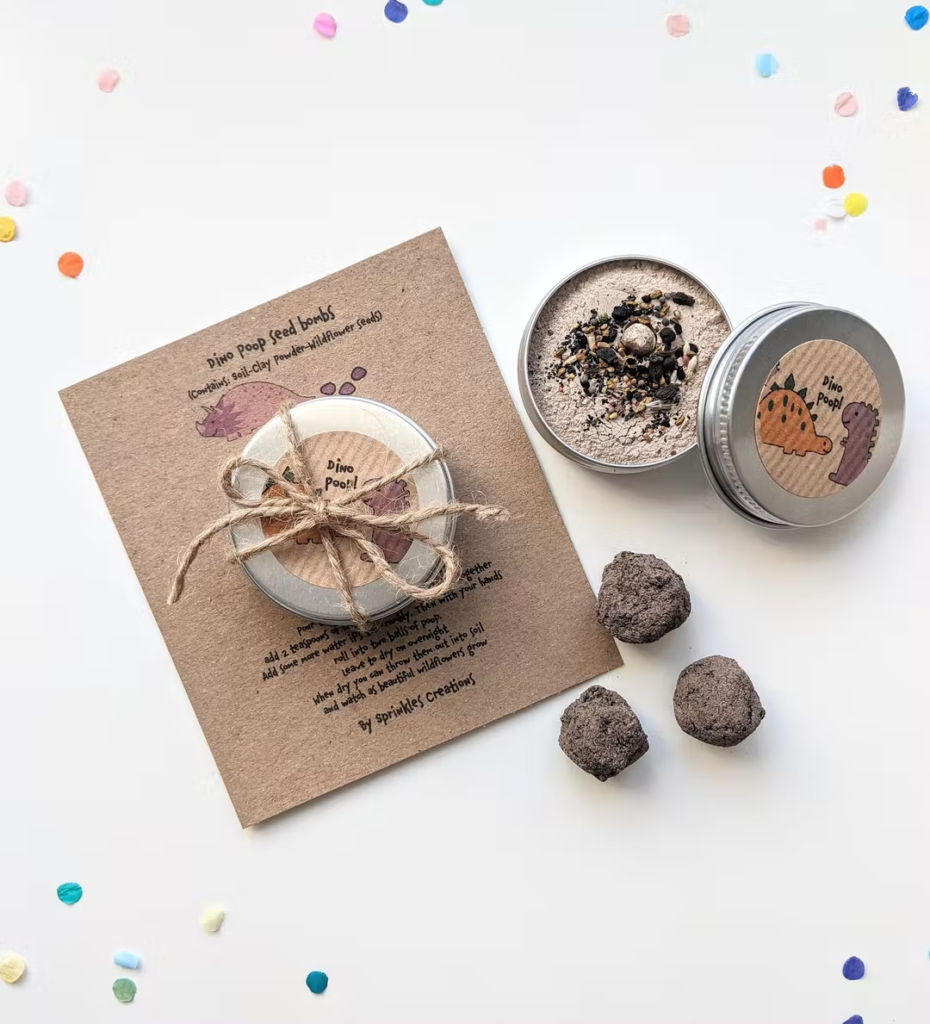
The kids will love getting their hands all messy with this ‘Dino Poop’ mini DIY seed bomb kit, containing a wildflower seed mix to make 2-3 seed bombs- just add water at home. Then the fun can continue, going outside to find the perfect patch to grow some bee and butterfly friendly wildflowers. This mini seed bomb kit is a great activity for children which can be done indoors (or out), which is great if you’re not a fan of clutter hanging around your house.

Click to shop Sprinkles of Nature

Get artsy: soy wax crayons

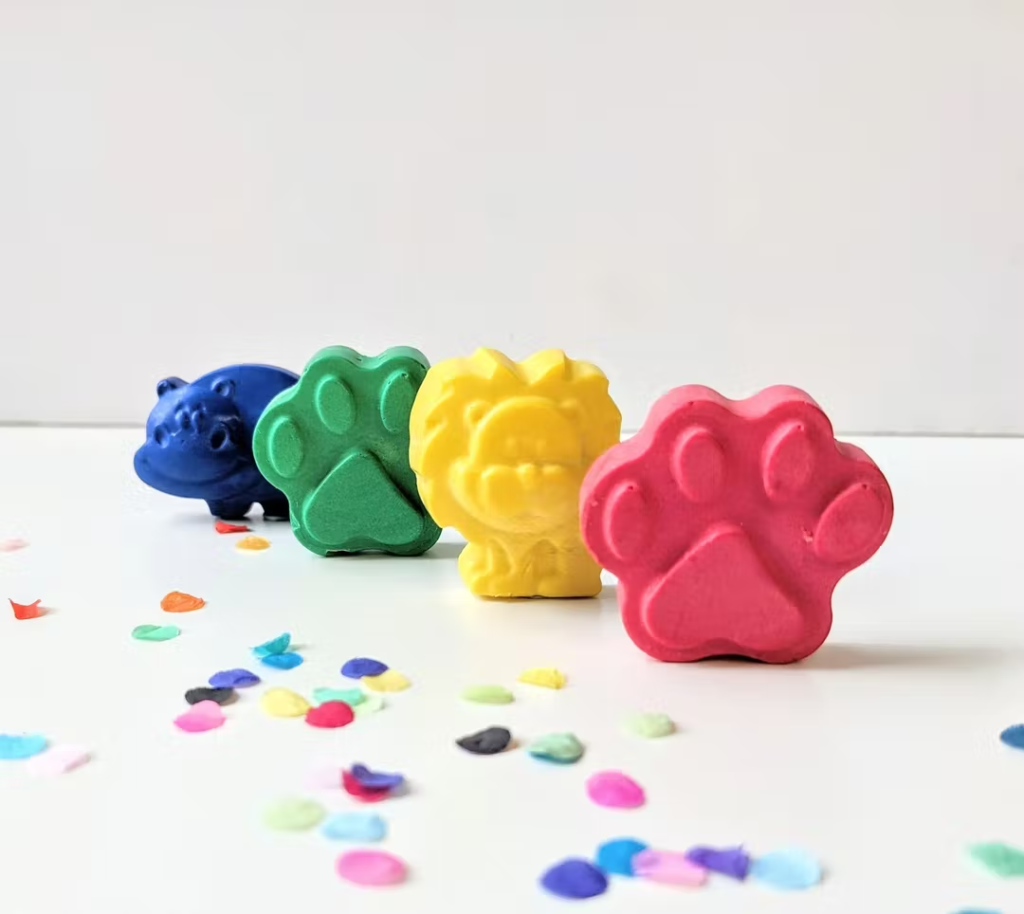
These handmade non-toxic soy wax crayons comes in a variety of super cute shapes, with a blue, green, red and yellow themed crayon in each pack. Soy wax is made from soybeans and is a natural and sustainable alternative to traditional paraffin wax crayons. They’re designed to be easy to grip, allowing little hands to explore this new texture and shape.

Sprinkles of Nature herald children as their inspiration when creating these and other plastic free, reusable or biodegradable products.

Click to shop Sprinkles of Nature

Connect with wildlife: build a bug hotel

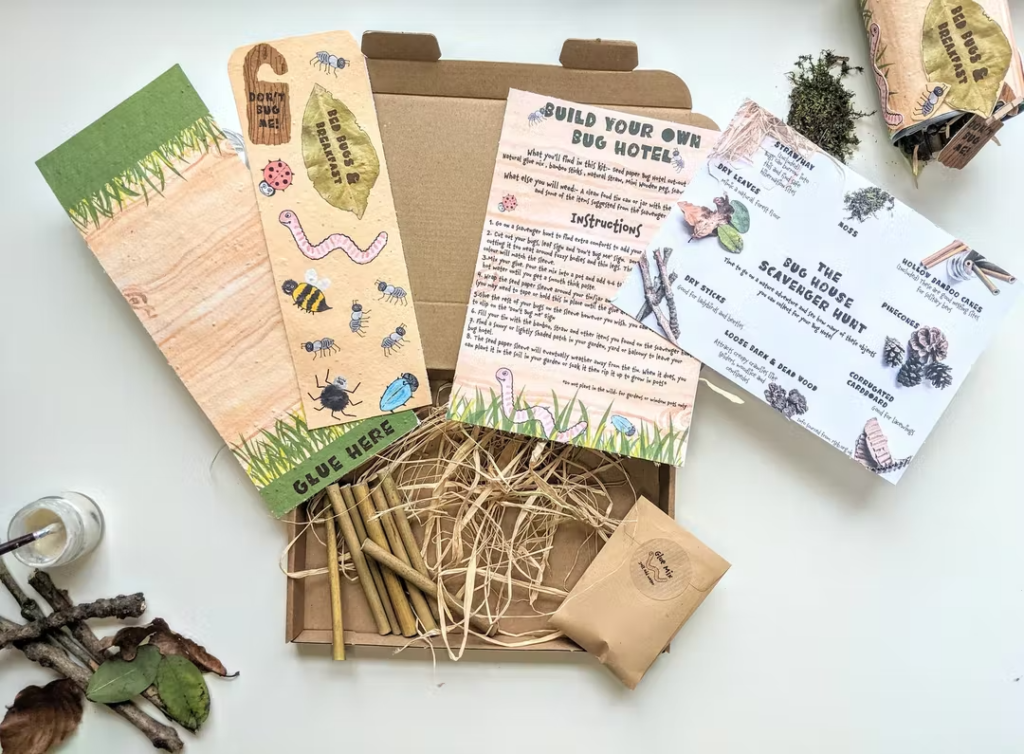
A cosy hotel for creepy crawlies and a great opportunity for children to be involved with learning more about their natural environment, this DIY bug hotel is the perfect nature adventure!

The adventure starts with a scavenger hunt for the children to seek out some extra materials for the mini beasts to enjoy. As the kids learn about insect habitats they will also discover who might come and stay in their hotel and watch as the insects settle into their new home. After the hunt, it’s time for the kids to get creative with their cut-and-stick seed paper bug hotel scene. They can mix up their own natural, plastic-free glue mix and stick on their bugs and signs however they choose. Then it’s time to construct their bug house.

As the seed paper begins to weather away from the bug house the fun doesn’t need to stop. You can choose to plant this in the garden or tear up to plant into pots and watch as new flowers bloom. Children will love building their bug hotel to keep in the garden, discovering who has moved in and what different materials attracts different insects.

Click to shop Sprinkles of Nature

Get in the kitchen: bake some delicious treats

Okay, maybe cooking in the kitchen isn’t the first thing that comes to mind for summer activities. But a friendly reminder, here in the UK, a cloudy overcast day is never off the table. So, for those typically British summer days, a spot of baking is the perfect family activity.

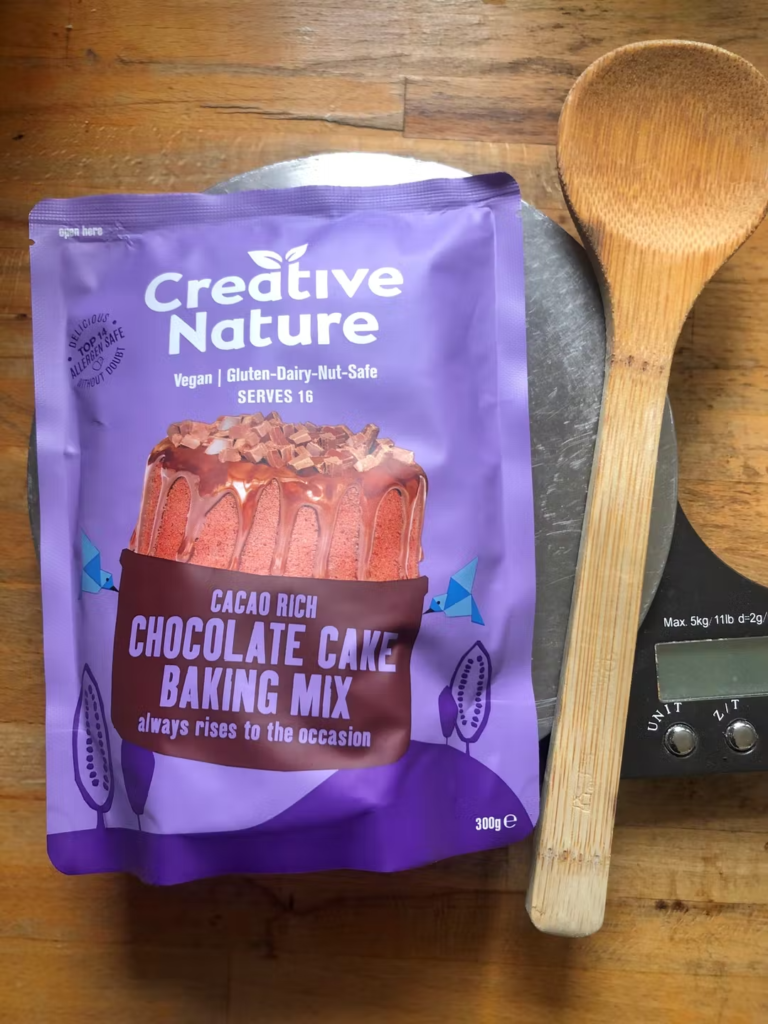
Creative Nature believe products that claim to be healthy, should also be tasty. Why have a healthy diet if you’re just not going to enjoy yourself?! All of their mixes are vegan-friendly and allergen-free, with all-natural and organic ingredients to help you feel your absolute best! Bake them with friends, family, or your kids this summer for a fun and tasty treat that brings everyone together!

Click to shop Creative Nature

Get out in nature!

Of course, one of the most obvious activities to embrace in summer is to simply get out in nature! Harness their youthful sense of wonder and adventure and explore new places. If you’re planning on heading off the beaten track or simply going to relax in the park, Pip & Henry offer perfect eco-footwear solutions.

Pip & Henry is committed to producing eco-friendly shoes, using innovative materials such as Pineapple Leaf Fibre, organic cotton, and recycled rubber. They use 100% recyclable and compostable packaging, and produce in small batches are committed to ensuring factory workers are paid fairly in good working environments.

Click to shop Pip & Henry

Have a great green summer

Whatever activities you choose to enjoy this summer, keep both your kids and the planet in mind. After all, it is the younger generations who will be the ones to live with the realtime implications of the climate crisis, unless we all take action. As put by UNICEF Executive Director Anthony Lake. “Today’s children are the least responsible for climate change, but they, and their children, are the ones who will live with its consequences”. That doesn’t mean that we can’t still make the most of summer and create precious memories. Instead, it means approaching fun activities in a conscious way, to ensure everyone, including Mother Earth, can have the best time possible.  

Click here to shop the full Eco-Friendly Summer Holiday Activities & Essentials edit.

A guide to sustainable jewellery and the brands doing it better

||||||||||||||||

Many of us enjoy wearing beautiful jewellery, whether we’ve been gifted a piece to mark a special occasion, received it as a family heirloom, saved up to treat ourselves or acquired pieces in other ways. Jewellery has always existed as an embellishment of the human form and a manner of expressionism, even right the way back to its early ancient origins.

A brief history of jewellery

Jewellery made from shells, stone and bones has been found from prehistoric times. It’s likely that from an early date it was worn as a protection from the dangers of life or as a mark of status or rank. Gold, regarded a rare and highly valued material, was often buried with the dead so as to accompany its owner into the afterlife, a common practice in places like Ancient Egypt or Celtic Ireland.

Jewellery in medieval Europe reflected an intensely hierarchical and status-conscious society as royalty and nobility wore gold, silver and precious gems. Heading into the Renaissance and the age’s synonymity with splendour, the importance of religion could be seen in jewellery and spectacular pieces were worn as a display of political strength.

In the 19th century, amid vast industrial and social change, jewellery design focus often looked to classical styles from ancient Greece and Rome. Naturalistic jewellery, decorated with clearly recognisable flowers and fruit, was also popular at the time. However, the late 19th century saw a rejection of the changing industrialised world and machine-led factory systems and a consequential rise in the Arts and Crafts movement. Jewellers replaced the repetition and regularity of mainstream settings with curving or figurative designs with symbolic meaning.

Fast forward to the 1960s and the emergence of contemporary jewellery, it is clear that the boundaries of jewellery have been continually redefined. Conventions have been challenged by new generations of independent and avant-garde jewellers, often educated at art college and immersed in new social ideas that reflectively push the boundaries of jewellery.

Today jewellery still carries much symbolism and significance across cultures and traditions all over the world. Engagement rings given to a spouse signify a commitment to marry our loved one, the mangalsutra, a sacred necklace in Hinduism is tied around the bride’s neck on the day of the wedding in a ceremony called Mangalya dharanam; deep-rooted significance of materials in Native American jewellery for both decorative and ceremonial purposes are common, such as the use of turquoise which is believed to have mystical healing properties.

Whilst much of jewellery today still incorporates the same materials, like gold and precious stones, it is arguably less about signifying the power or status of high society and rather more closely related to sentimental symbolism and personal occasions.

How exactly is jewellery made?

Jewellery used to be made entirely by hand, with metals being moulded into shape and gemstones being painstakingly placed into their clasps, but thanks to technological advancements, machinery can help to craft pieces much quicker.

Unfortunately though, for an industry defined by luxury and aesthetic, below the surface it is rife with environmental and ethical issues, pertaining to sourcing raw materials and sometimes dubious production practices. Just because something is more expensive, that doesn’t mean it’s been made fairly.

Furthermore, from people displacement and deforestation to soil contamination and dangerous working conditions, unsustainable practices are commonplace in the mining industry, putting the entire sustainability of the jewellery industry into question.

The video below captures a glimpse into the disturbing hidden cost behind jewellery.

Click here to read the full report.

The key to ethical jewellery is transparency and traceability. If a buyer has full transparency as to a jewellery’s material origin and production, it enables them to make an informed choice about who and where they buy from.

However, greenwashing can make it difficult to know who’s ethical and sustainability claims you can really trust. On top of this, the rise in popularity of cheap fast fashion jewellery continues to undermines the real benefits of investing in high quality pieces.

Is fast fashion jewellery really that bad?

In short, yes. Despite fast fashion brands offering jewellery at often much lower price point making it more economically accessible, silver-plated or gold-plated jewellery quickly lose their plating and expose the cheaper metals they’re really made of – often turning your skin green in the process. Fast fashion rings with plastic ‘gem stones’ that fall out, necklaces made of plastic pearls, plastic earrings and other micro-trend pieces, are doomed to spend the majority of their life as plastic waste in landfill.

The ‘throw-away’ mentality exists heavily when it comes to fast fashion jewellery, which is why it is nearly always a much better return on your investment, to buy quality, ethically produced pieces that are going to not only last but have been produced fairly for people and the planet.

Brands doing it better at Veo

According to Tracemark’s Sustainable Luxury Consumer Report 2021, 94% of consumers believe jewellery brands should be more transparent about the origin of the raw materials they use like gold and diamonds. 71% said they would choose a piece of jewellery for its traceability, and up to 77.5% of consumers would pay more for a traceable product. These figures a promising and show a demand for sustainable and ethical jewellery.

So is it possible to put this into action and actually buy, own and wear jewellery in an ethical and sustainable way? Well, buying jewellery that is made from responsibly sourced gold or silver, and using ethically sourced gemstones, will give you better quality jewellery that will last you a lifetime, whilst also minimising the risk of exploitation of people and resources. Here’s a handful of our brands at Veo that are committed to doing jewellery better.

Claire Hill Designs

Claire Hill Designs offer a range of timeless, demi-fine jewellery with a modern edge. It’s all about effortless style that never goes out of fashion, elevating everyday looks with touches of luxury. Using thick vermeil plating and sustainable metals like recycled gold and silver, there are coin necklaces to inspire and chunky gold hoops to make you feel good. These are pieces to fall in love with, over and over again. 

Claire Hill Designs is committed so sustainable production throughout the whole production process ensuring the use of recycled silver, ethically mined and lab-grown stones, responsibly handmade pieces with versatility, timeless design as well as a jewellery fixing service.

Click to shop Claire Hill Designs.

Harfi

Harfi brings you a range of demi-fine jewellery that doesn’t cost the earth, so you can make a statement every day. By removing the middlemen and keeping the supply chain as lean as possible – no distributors or resellers – and working directly with artisan partners, Harfi are able to offer the same quality of jewellery at a much more affordable price, without compromising on quality.

Every jewellery piece comes in 18k gold vermeil. Far more durable than regular gold plating, gold vermeil provides a premium alternative to solid gold. The collections consist of base earrings and chains, complemented by a range of interchangeable statement pendants to customise your look.

With a focus on high quality craftsmanship, affordability and timeless design, Harfi is on a mission to make it easier than ever to inspire effortless confidence in your look. 

Click to shop Harfi.

Little by Little

Little by Little was founded by Annabel Cox and Georgina Fuggle. Their collections are uniquely inspired by the natural beauty found in food and are lovingly created to bring a little ethical luxury into your life.

Little by Little’s key sustainable values lie in the championing of transparent, responsible, (both socially and environmentally) and revealing supply chains. The collections are designed by Annabel in the UK and created by a well-established jewellery producer in Lima, Peru. The Peruvian factory has been running for 32 years and employs 350 people, which Annabel has visited to ensure that it’s a safe, well-equipped place to work.

They use local Peruvian silver, some of which is recycled, whilst the virgin metal used is supplied by companies with environmental certification that meet with strict labour standards and comply with human rights laws. Their ethical goal for 2021 was to strive for closed-loop production and find a 100% traceable source of Peruvian silver, further enabling them to support local miners and communities, whilst reducing their environmental impact.

Click to shop Little By Little.

Ana Dyla

Ana Dyla create unique collections of handcrafted jewellery, utilising the art of nature (gem stones) and further refined by local Turkish gem cutters and artisans. They create one of a kind pieces in which the old Ottoman traditions are harmoniously blended with modern design aesthetics.

They aim to create a positive impact on the communities and societies they engage with, by improving their value chain, looking after employees and customers, implementing recycling initiatives and locally sourcing materials.

Click to shop Ana Dyla.

Bound Studios

Bound Studios sustainable, timeless jewellery is designed in Amsterdam by women, for women. These go to timeless jewellery are available in silver, gold vermeil and solid gold and packed and shipped in recycled plastic-free packaging.

Bound Studios jewellery is made from 100% recycled 925 sterling silver, recycled 18k gold and recycled 14k gold. The silver jewellery is rhodium plated to avoid oxidation and the gold plated items are plated with 18k gold. 

Sustainability for Bound means; using recycled materials, being plastic free, working with external partners that have good working conditions, not believing in fast fashion and designing timeless styles that will last.

Click to shop Bound Studios.

Jewellery matters. But people and planet matter more.

To summarise, jewellery matters. It matters culturally, sentimentally, expressively, symbolically, artistically and more. All of these important values are part of what makes being human so special and immersive. Without these creative values, much of our individual and collective identity would cease to be.

Truthfully, there is no 100% perfectly sustainable or ethical way to consume jewellery (yet!). But that doesn’t mean that we can’t make better, more informed decisions in the meantime. As consumers and wearers of jewellery, there are things we can do to preserve our pieces durability, longevity and all whilst looking out for human and environmental welfare.

Investing in ethically made, quality, timeless pieces, crafted with love and care, that you intend to keep forever (and maybe pass on as an heirloom) is the best place to start. Looking after our jewellery and repairing pieces if they break (made even more easy to do thanks to brands like the ones featured above), by making using of repair services is also another great option.

In the words of Vivienne Westwood, buy less, choose well, make it last.

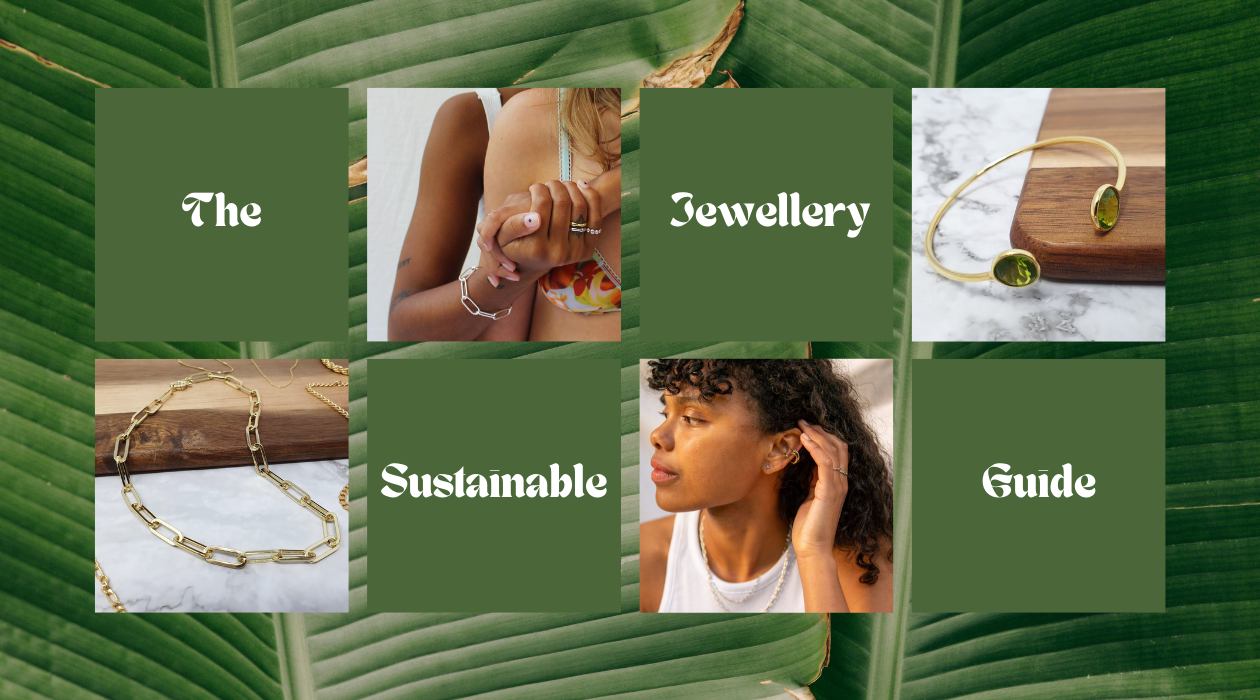
Click here to shop the full Sustainable Jewellery Edit.

Why is sustainable fashion usually more expensive?

Header image showing flatlay's of similar outfits but one is from Veo and one is from fast fashion brands.||||||||||||||Image shows a Cost Per Wear comparison between 2 yellow slips skirts. The first one is a sustainable option from Veo

It’s no secret that sustainable fashion usually comes with a higher price tag than fast fashion items- when compared directly at surface-level, that is.

However, unlike most fast fashion brands, ethical fashion brands are dedicated to providing safe working conditions and paying fair wages to garment workers. They also use the most high-quality, innovative, and organic materials to produce pieces that are truly unique and long-lasting. Naturally, this is going to cost more than clothing made in exploitative work conditions with poor quality fabrics and finishes.

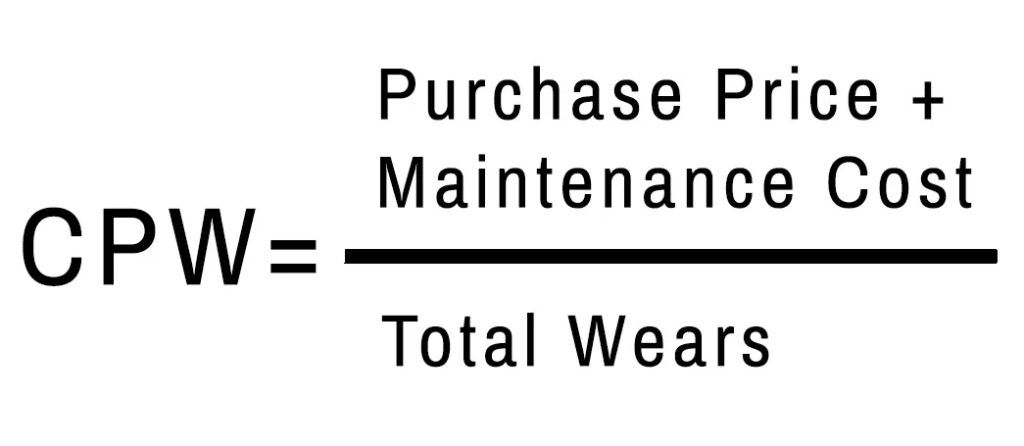
But while it’s true that sustainable fashion can cost more than the fast fashion prices we’ve become accustomed to; the overall Cost Per Wear (CPW) makes sustainable fashion well worth the investment!

The Buyerarchy of Needs: Steps to consider before buying something new

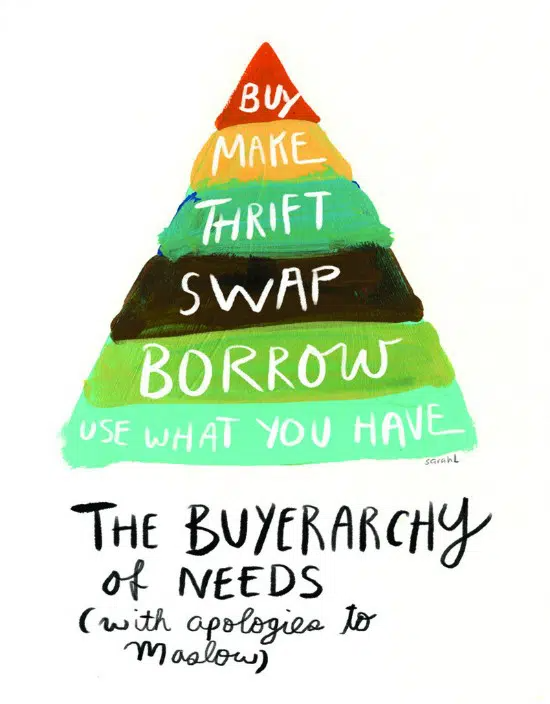
You may have come across the Buyerarchy of Needs illustration below, created by Canadian artist Sarah Lazarovic. For anyone just beginning their sustainable fashion journey, this illustration depicts the ideal thought-process for determining whether or not you can use what you already have, and work your way through the steps before resorting to buying new. With overproduction and overconsumption still hugely problematic across all industries, particularly fashion, this can be a useful guide to remind us that the most sustainable clothes, are the ones that we already own.

Image shows a pyramid illustration with 6 layers, depicting the stages recommended that we check. Buy, make, thrift, swap, borrow, use what you have.

However, sometimes we do need to buy new, like when well-worn clothes wear-and-tear beyond repair, or if items no longer fit us. In an article by Dave Farber for Medium, Farber identified several reasons people still buy new, including:

  1. Reduced hassle – not everyone has the time or option to shop secondhand.
  2. Provide information – At Veo, we’re transparent about manufacturing and materials.
  3. Lower risk or increase access – as a platform we prioritise choice, quality and accessibility.
  4. Promote wellness – our brands care about the wellbeing of people and planet.
  5. Offer reward or recognition – it’s good to support independent brands and businesses.
  6. Provide opportunity to give back – many of our brands conduct initiatives that give back.
  7. Create belonging or affiliation – become part of the growing sustainable shopping movement.

Supporting independent brands

At Veo, we work with small and independent brands committed to conducting business aligned with our 3 core pillars: KIND, HEALTHY and SUSTAINABLE. Ultimately, as a platform bringing together over 250+ unique and independent brands across Fashion, Beauty, Health & Wellness, Home, and Food, we know just how passionate our brands are about their craft, products and wider social purpose and impact.

For example, 1 Tree Cards plant a tree for every purchase, with the sale of every Ocean Bottle, 11.4kgs of plastic waste is collected, we offer footwear and bags made from recycled plastic bottles, and fashion brands that operate within a fully carbon-neutral supply chain. All of the brands we work with provide fair living wages and secure, decent working conditions, because sustainability also encompasses the ethics and wellbeing of people. Supporting local and independent business really does benefit everyone.

We thoroughly assess and vet all our products and brands, we do the research so you don’t have to. That’s why we’re a Certified B Corp® – scoring in the top 5% globally – and we’ve been Ethical Consumer’s most ethical online retailer for 3 years running. We’ve done the leg work for you. Now it’s your turn to consider your own consumption habits. Ask yourself, ‘what’s more important to me when buying clothes, quality or quantity?’.

Quality > quantity

Quality over quantity couldn’t ring truer when it comes to shopping sustainably.

Fast fashion has warped our perception of what it costs to manufacture clothing and in turn, what is deemed ‘affordable’ fashion. Whilst fast fashion is essential for some, many people claim that they’re unable to make the switch to sustainable fashion due to it being too pricey. But what many also don’t recognise is that they’re trying to mirror the obscene overconsumption fast fashion prices enable. Sustainable fashion is deemed unaffordable, because many wish to maintain their levels of fast fashion consumption. But without addressing overconsumption, there cannot be real sustainability.

Fast fashion, even fast homeware now, tricks us into believing a false narrative of micro-trends, whereby the things we buy and love one week are, by design, already aesthetically ‘outdated’ by the next. With the terrifying rapidity of changing trends, it’s never been more important to find your style. Through finding our own style, we can become more conscious about what we consume, how often we consume and where we choose to shop. Most importantly, we are able to use our spending power more wisely, by investing in quality pieces that represent who we are, and bring value into our lives beyond the copy-cat confinement of trend-led pieces.

“Fashion is transient, trends come and go. I believe in style, not fashion.”

Ralph Lauren

What to do when buying new

Matching reduced consumption with better consumption, when an occasion to purchase new arrises, is the key to a sustainable future. True to our values, we don’t believe that you should have to compromise on choice when it comes to sustainably, and we’ve already debunked the ‘sustainable fashion is boring’ myth!

The Cost Per Wear Calculator is a fantastic tool to understand just how much we’re really getting for our money when buying a garment. Cost per wear is a term used in clothing to describe the cost of an item for every time it’s worn. In other words, the more times an item is worn, the lower the cost per wear is going to be (Calculator Academy, 2022).

In premise, it looks a little something like this:

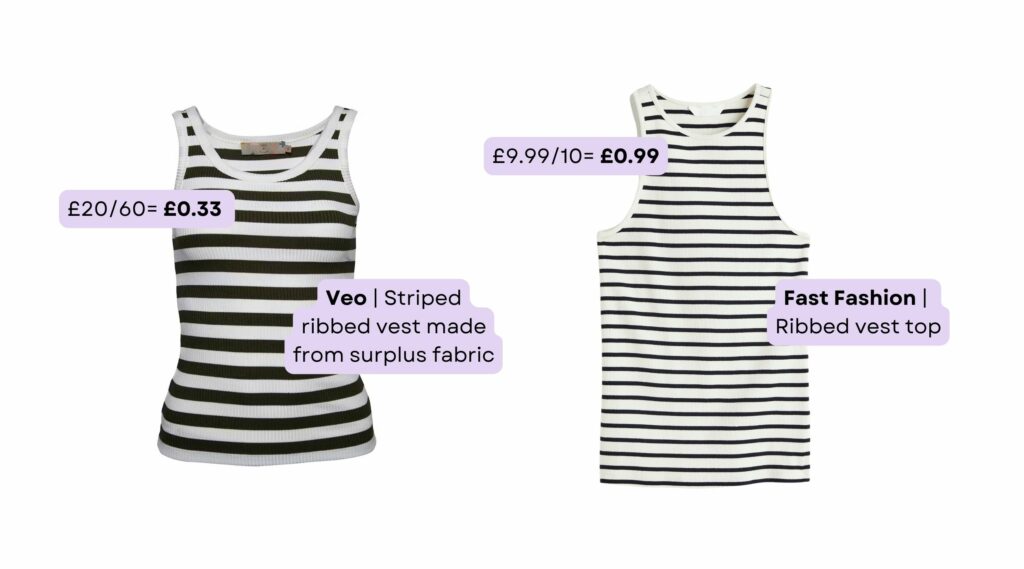
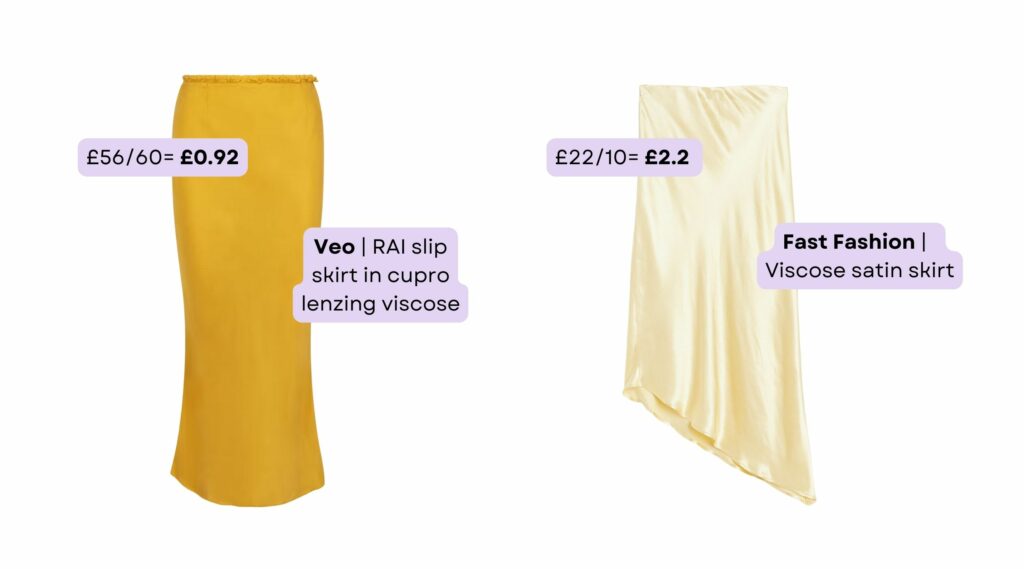
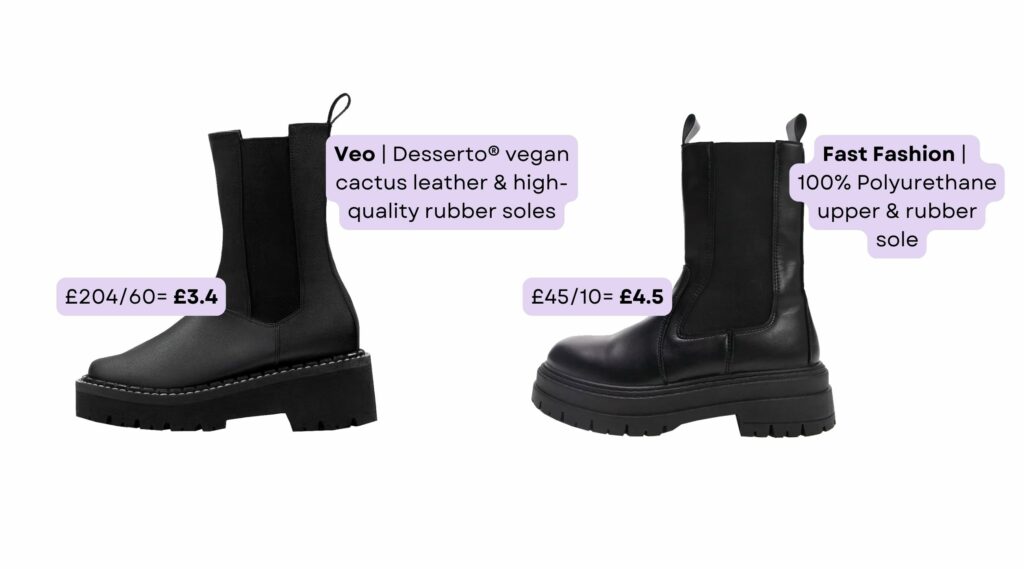
The average fast fashion piece is worn just 7 times before being discarded, whether due to it’s poor manufacturing and material quality, or being deemed ‘outdated’ due to the trend-cycle. Which means that while it may cost £20 to buy a dress from the high street, the overall Cost Per Wear is often much higher than that of a sustainable fashion piece. An ethically made dress may require a higher upfront investment of £80, but with versatility and durability as the highest priority, this one dress can last through years of wear, making the overall CPW significantly lower in the long run.

Cost Per Wear: Veo VS. fast fashion

To help you visualise how this works, we’ve pulled together a few examples that highlight the environmental credentials of shopping sustainably, but also shows how it can be the more economically viable option too.

Image shows a Cost Per Wear comparison between 2 striped vest tops. The first one is a sustainable option from Veo, which is cheaper overall vs an alternative from a fast fashion brand which is more expensive per wear.
Image shows a Cost Per Wear comparison between 2 yellow slips skirts. The first one is a sustainable option from Veo, which is cheaper overall vs an alternative from a fast fashion brand which is more expensive per wear.
Image shows a Cost Per Wear comparison between a pair of plant-leather vegan boots from Veo, vs an alternative plastic pair from fast fashion. The Veo boots are cheaper per wear.

Sustainability is about progress, not perfection

It is not our place to judge. Nor is it our place to tell you how you should spend your money. We are here quite simply, to help educate, inspire and enable people to shop more sustainably.

Let’s be real, we all want to do our bit for the planet. The looming threats of climate change are increasingly present in all our lives and to be quite frank, we simply can’t afford to be compliant with inaction.

But when it comes to shopping more sustainably, it can be overwhelming to either know where to start or feeling like we’re not doing enough. So, here’s a few helpful reminders:

1. Start small, think big.

2. “Buy less, choose well, make it last” – Vivienne Westwood.

3. Do your own research (The True Cost is a great documentary as a starting point).

4. Demand better and accountability from businesses, brands, celebrities and world leaders.

5. PROGRESS OVER PERFECTION

On a mission to make sustainable shopping easy, accessible and the norm, we adhere to important rules. This means no greenwashingno fast fashion, and no products that are produced irresponsibly.

As a business, we strive to minimise our environmental impact and make it as easy as possible for you to access all your favourite and essential things, from independent brands who are addressing pressing environmental matters. We know we’re not perfect and there’s always room for improvement. But we are always in pursuit of progress, as we hope to inspire you, our community and beyond to also be.

10 Mindfulness Products To Boost Your Mental Health

||||||||||||||Give Yourself Kindness Journal

Being human can be complex, miraculous and sometimes difficult. Our mental health can fluctuate throughout our lives, caused by any number of internal and external factors. Thankfully, overtime, there has been overdue but vital awareness and action surrounding mental health. As we collectively, as a society, and individually come to understand the importance of wellbeing that encompasses not just the body but the soul and mind too.

However, many things we now deem as social norms that can also be taking a toll on our mental health. Multiple studies have found a strong link between heavy social media use and an increased risk for issues like depression, anxiety and loneliness (HelpGuide). Meanwhile, according to Re-wilding Britain, people in modern industrial societies spend 90% of their time indoors in artificial, temperature-controlled environments. There is a wealth of research that illustrates how disconnection from nature is linked to mental and physical illness, from anxiety and depression, to heart disease and fatigue.


SHOP NOW: Sustainable & Eco-Friendly Mindfulness Products

Making time for mental health

In our often fast-paced lives, finding or making time to prioritise self-care and things that serve our mental wellbeing has never been more important. Reminder: you can’t pour from an empty cup. From social media detoxes and spending time outside in nature to enjoying a self-care pamper session, there are many things we can do to take care of our mental health. But, they don’t all have to be big either.

Small daily habits, or weekly rituals can often be enough to help us find the balance we need to feel overall mental wellbeing. Mental wellbeing and self-care looks different for everyone too. If you’re not sure where to start or you’re looking for some inspiration to further boost your wellbeing, we’ve put together a rather handy guide of our top ethical products to help boost mental wellbeing.

10 mindfulness products to boost your mental health

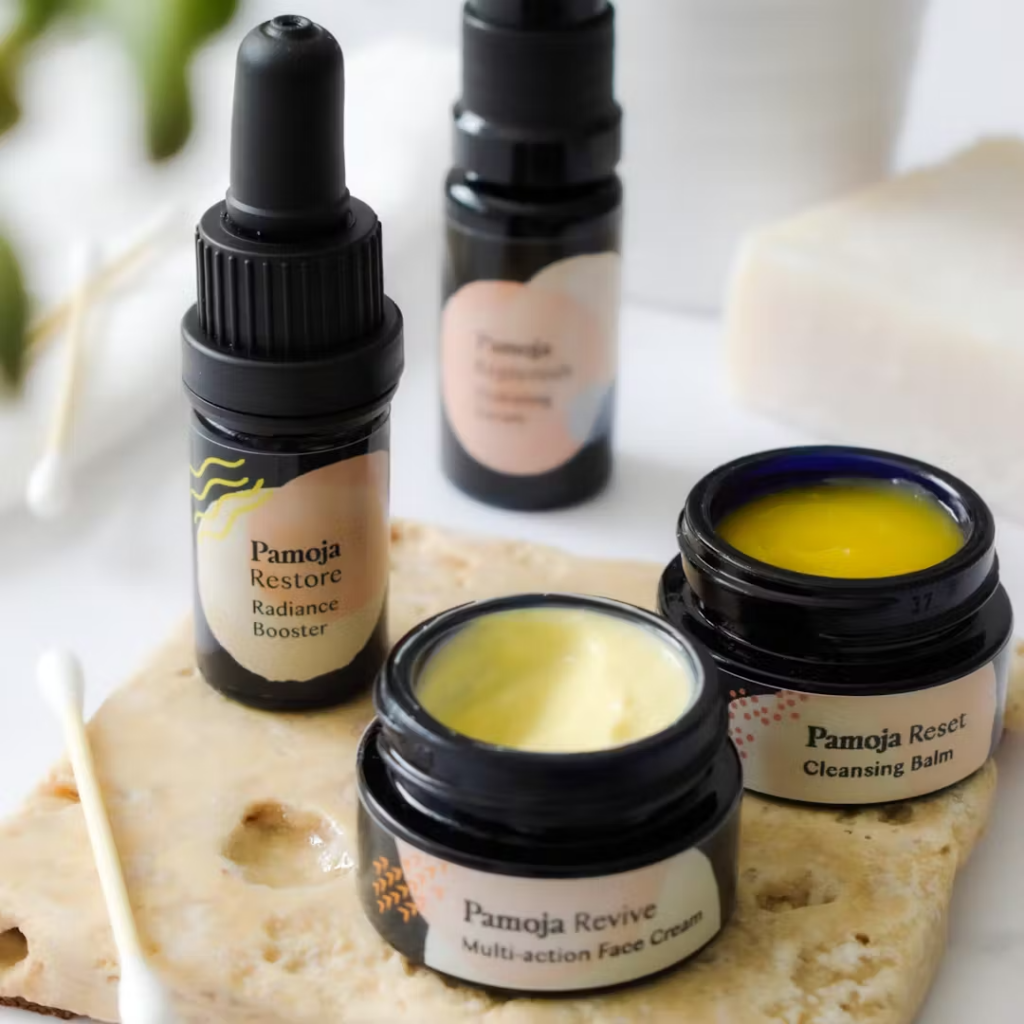
1. Pamoja – The Mini Experience Set Cleaning Balm, Beauty Oil, Face Cream, Organic Cloth

Pamoja brings kindness into your day with simple, effective skincare rituals to nourish dry, sensitive, hormonal skin and give a moment of calm to nurture you. Created by skincare formulator Sarah Taylor, Pamoja’s products are award-winning and 100% vegan, Leaping Bunny approved, palm oil free and made in the UK.

The Mini Experience set is a 3 step natural skincare ritual to cleanse, hydrate and nourish your skin’s natural barrier leaving you feeling glowing, relaxed and confident in your skin. The products work effortlessly together and come beautifully packaged in an organic cotton bag, making it an ideal self-care gift, travel set or starter set to try the collection.  

Ideal for normal, dry, dehydrated and tired skin, the set lasts around one month, the perfect amount of time to feel closer to nature and see results in your skin.

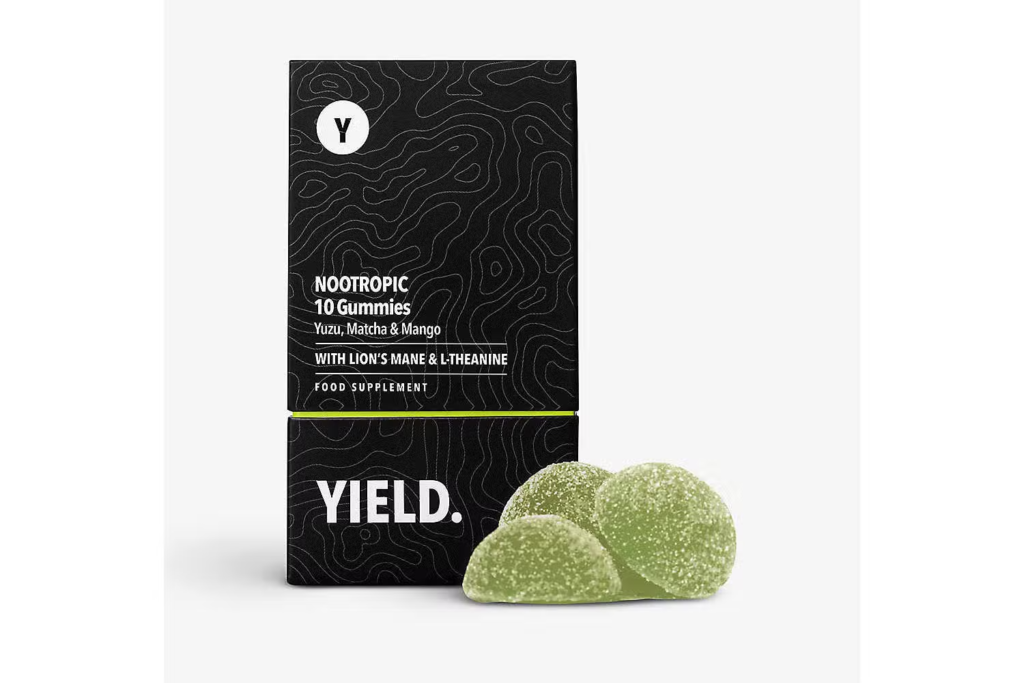
2. Yield – Nootropic Gummies Sharpen Your Brain Supplements

Wellness reimagined, Yield are a 360° gummy supplement range to help you optimise your life. Yield say “Pills and capsules are boring!”, so they’re raising the bar when it comes to flavour. Their unique blend of adaptogens yield aims to sit at the forefront of innovation in the supplement space. The packaging is 100% recyclable, their products are vegan friendly and they offset their carbon by planting trees.

Yield Yuzu, matcha & mango flavoured Nootropic Gummies contain a unique blend of adaptogens and minerals that combine to help improve your cognitive performance. Gummies are loaded with Lions Mane, Zinc, Ginko Biloba, L-Theanine and Green Tea that work by increasing mental functions such as memory, creativity, motivation, and attention while keeping a calm state of mind. Lions Mane can improve your mood and help lower anxiety and depression in your day to day life, whilst also boosting cognition and improving memory.

Discover the full 360° gummy supplement range to help you optimise your life.

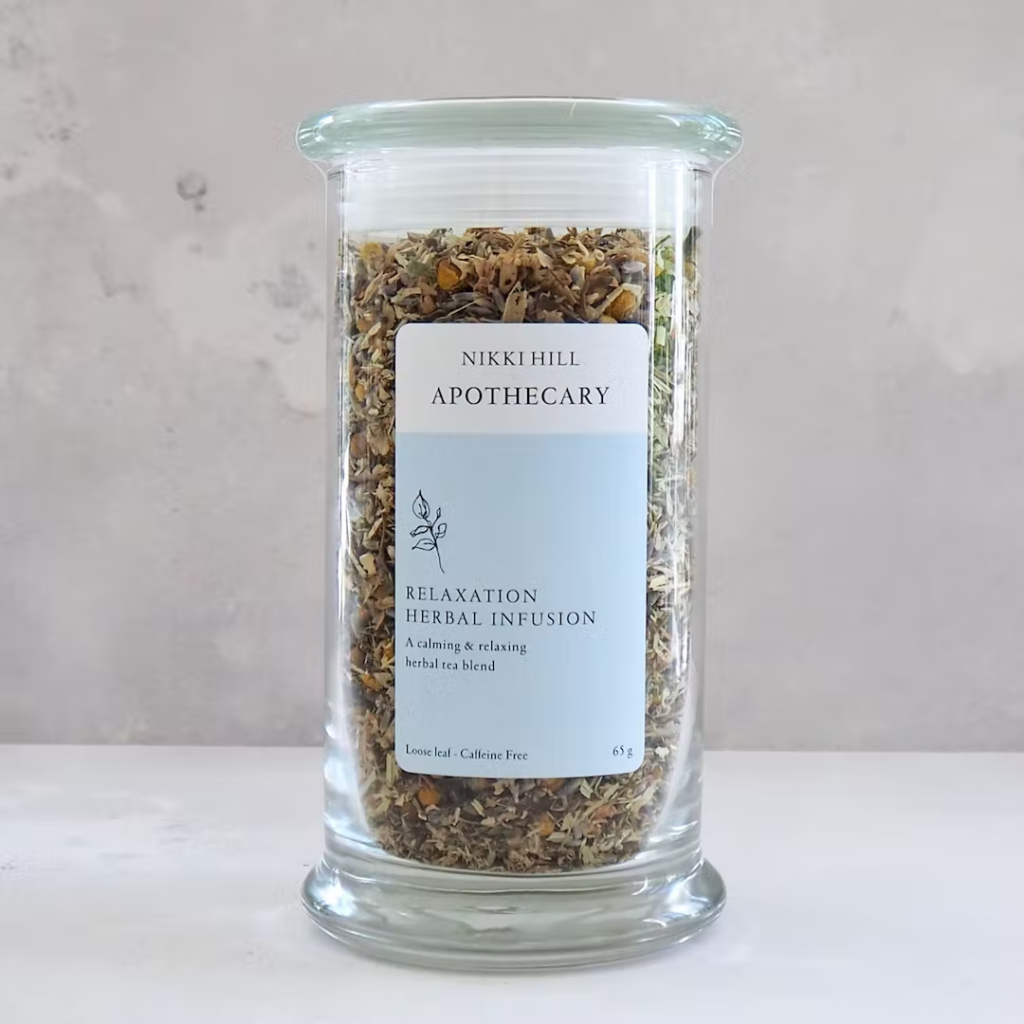
3. Nikki Hill Apothecary – Relaxation & Calming Herbal Leaf Tea

Nikki Hill Apothecary provides the highest quality, therapeutic herbal teas, tinctures, candles and body oils designed to support and balance your hormones whilst encouraging you to slow down, reconnect and be more mindful

Nikki, the founder of Nikki Hill Apothecary, is a fully qualified Naturopath, Clinical Nutritionist and Medical Herbalist and women’s hormone expert. Using the wisdom of traditional knowledge, alongside accurate scientific research and extensive clinical experience, Nikki has formulated a premium range of products to help alleviate the most commonly experienced female hormonal complaints, including: 

  • Heavy periods
  • PMS
  • Sleep disturbances
  • Anxiety
  • Headaches
  • Irregular cycles
  • Period pain
  • Peri-menopausal symptoms and more​

This specific Relaxation Tea helps to ease nervous tension and anxiety whilst offering calming and relaxing effects. The perfect cup of tea to help you unwind and relax anytime of the day. This delicious blend has been formulated with herbs that have been traditionally used to calm the mind and body. Sit back, relax and allow your body to enter a state of pure calm.

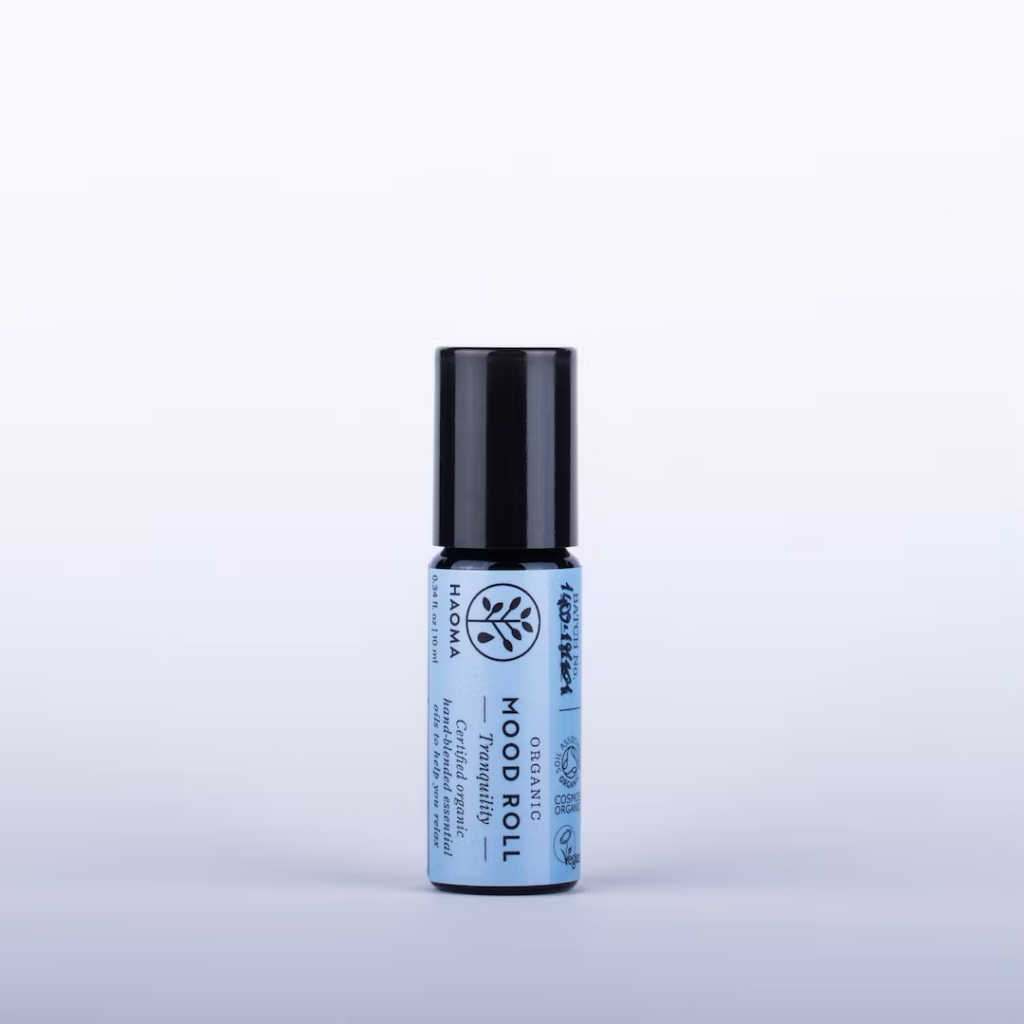
4. Haoma – Tranquility Organic Frankincense & Lavender Essential Oil Mood Roll

Ancient Persian legends describe a mythical plant known as Haoma. Sprigs of this plant were brought to earth by divine birds and bestow vitality and health. Haoma is built on the power of plants. They take pride in using only certified organic, pure plant ingredients. Haoma also has a team of chemists and herbalists combine high quality, clinically proven plant ingredients with carefully selected bio-engineered compounds to create powerful and effective formulas. 

The Tranquility Mood Roll will take you to a space where there is no restlessness, worries, anxiety or stress. Roll; close your eyes; inhale and imagine you are in your favourite place free of any negative thoughts. Mood Rolls are lifesavers when you need them the most. You can rely on these highly effective aromatherapy remedies.

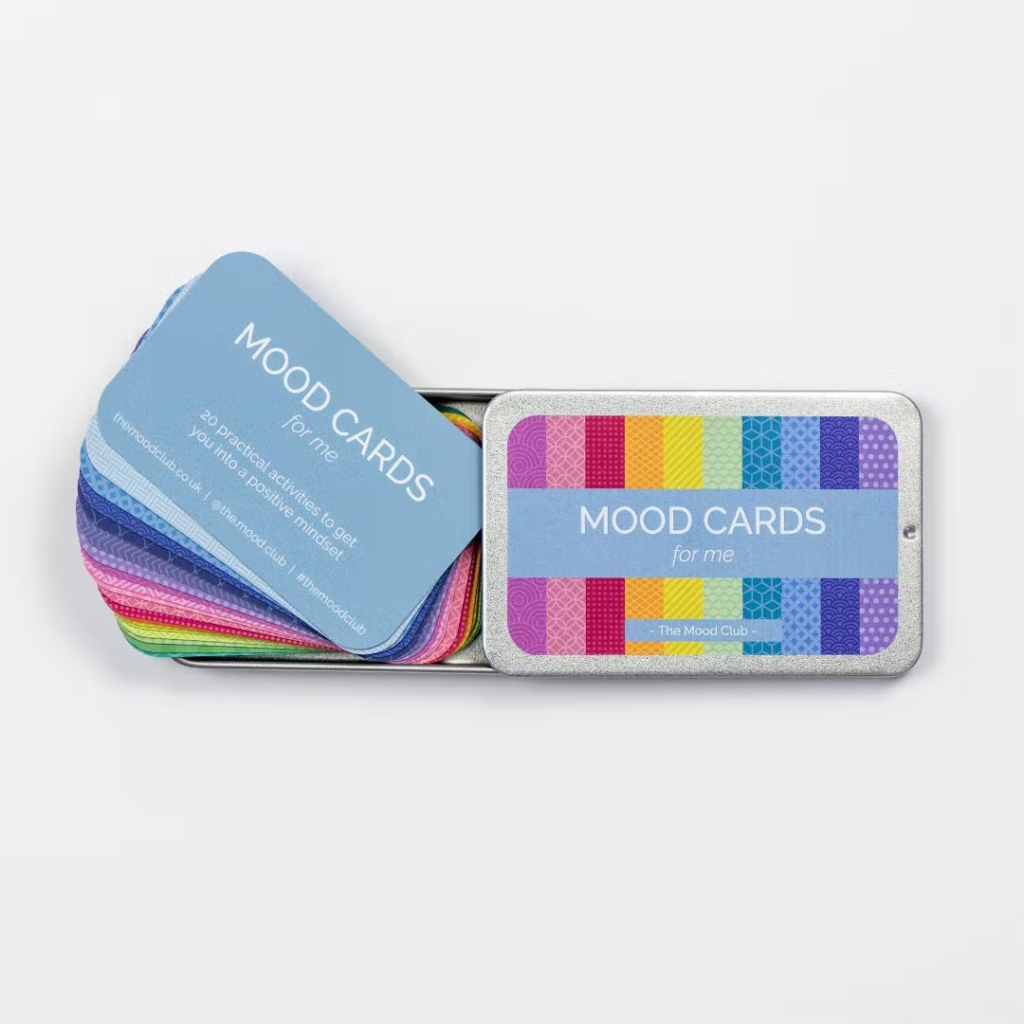
5. The Mood Club – For Me Sustainable Positive Mood Cards

The Mood Club creates mood cards for a positive mindset. It might not always feel this way, but developing a positive mindset is possible for anyone. It’s not about being superhuman or just trying harder but more about small daily habits that make positivity possible. The Mood Clubs mood cards are designed to do just that. Each of the 20 cards has an easy activity for you to try that encourages self-reflection, growth and a positive mindset.

Mood Cards For Me are designed to inspire you to: embrace new positive habits, boost your mood and improve your wellbeing. The set contains 20 practical activities that can be done in a few minutes, but have a long-lasting impact as they teach you to focus on the bright side of things, and support you in facing daily challenges with a positive attitude. There are 5 areas to focus on: mindfulness, self-care, emotional awareness, self-confidence and personal development.

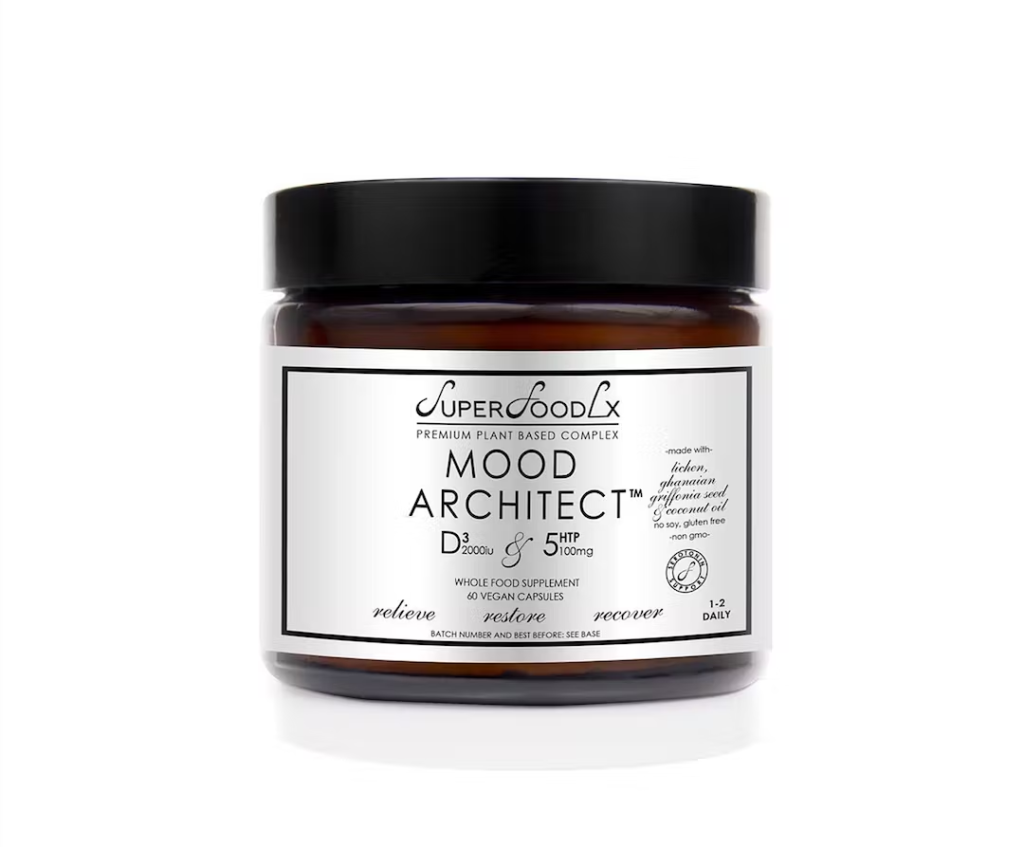
6. SuperfoodLx – Mood Architect

SuperFoodLx are committed to developing luxurious and highly sophisticated nutrient dense formulations for all of their beauty and wellness products. Mood Architect is no exception. Mood Architect is a unique blend of high performance, plant-based nutrients to help design your emotions naturally.

Ingredient 5HTP is a precursor to serotonin, the ‘feel good’ chemical messenger which helps regulate our emotions, appetite and sleep cycle. Recommended for those living stressful lives (especially new parents, students, those lacking in or struggling to sleep, those with lifestyles which limits access to sunlight) it also helps to avert stress related hair loss by using premium superfoods to regulate emotions, appetite and the sleep cycle. Previous users report feeling more peaceful within 7 days, a decreased anxiety response within 7 days and an improved sleep cycle within 10 to 21 days.

100% vegan, cruelty-free and gluten free, this pot contains 1 months supply (2 per day) or 2 months supply (1 per day).

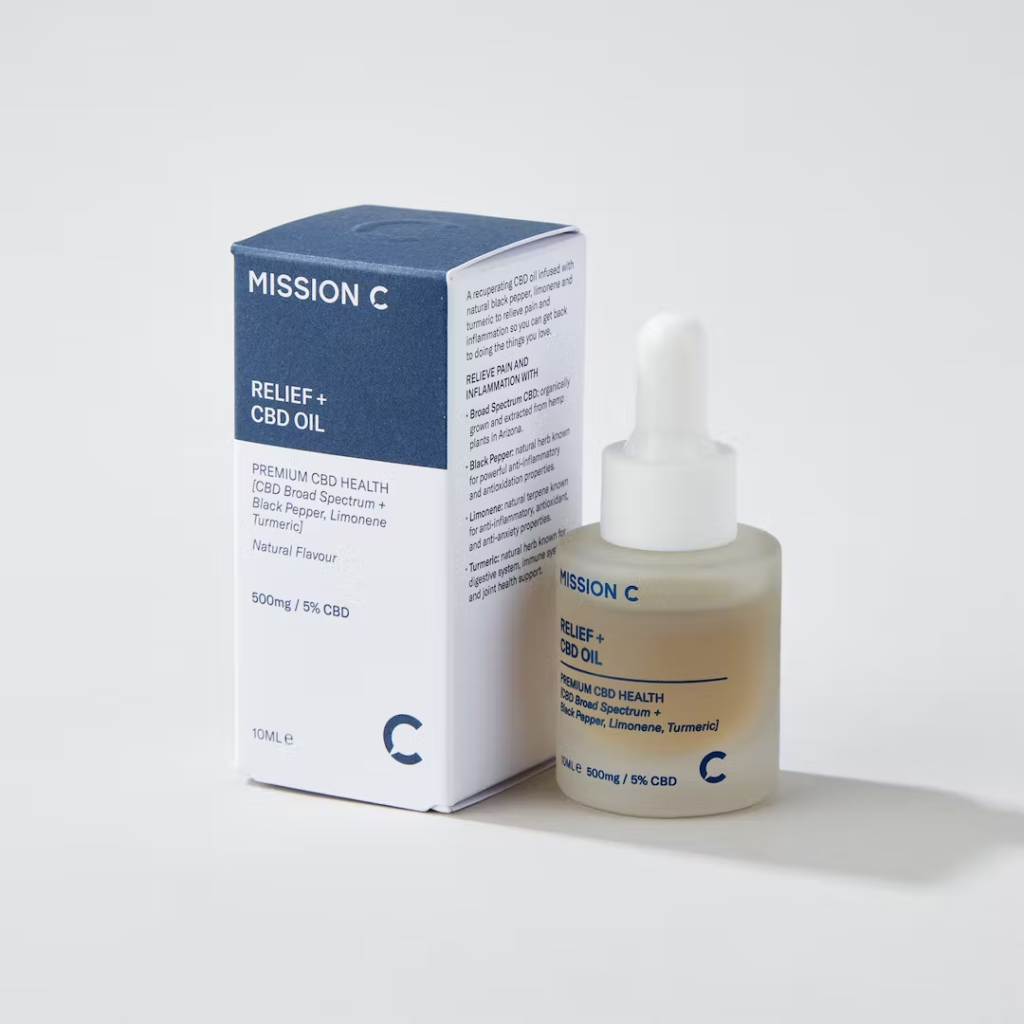
7. Mission C – CBD Oil Relief

Disclaimer: this product is not available for sale to anyone under the age of 18

Mission C is one of the UK’s finest suppliers of broad-spectrum CBD and CBD isolate products including CBD oils, edibles, creams and skincare. CBD is an acronym for cannabidiol, which is a natural substance found within the hemp plant. CBD provides a whole host of well-being benefits for the mind and body. Unlike its sister compound THC, it’s non-intoxicating and is a legal substance.

Mission C’s Relief is a recuperating CBD oil, infused with natural Black Pepper, Limonene and Turmeric to relieve pain and inflammation so you can get back to doing the things you love.

It helps to relieve pain and inflammation with:
+ Broad Spectrum CBD: organically grown and extracted from hemp plants in Arizona.
+ Black Pepper: natural herb known for powerful anti-inflammatory and anti-oxidation properties.
+ Limonene: natural terpene known for anti-inflammatory, antioxidant, and anti-anxiety properties.
+ Turmeric: natural herb known for digestive system, immune system and joint health support.

Physical and mental health are often interlinked and King’s Fund identify that physical health problems significantly increase the risk of poor mental health. By taking steps to maintain our physical health, it can holistically and literally have a positive impact on our overall mental wellbeing.

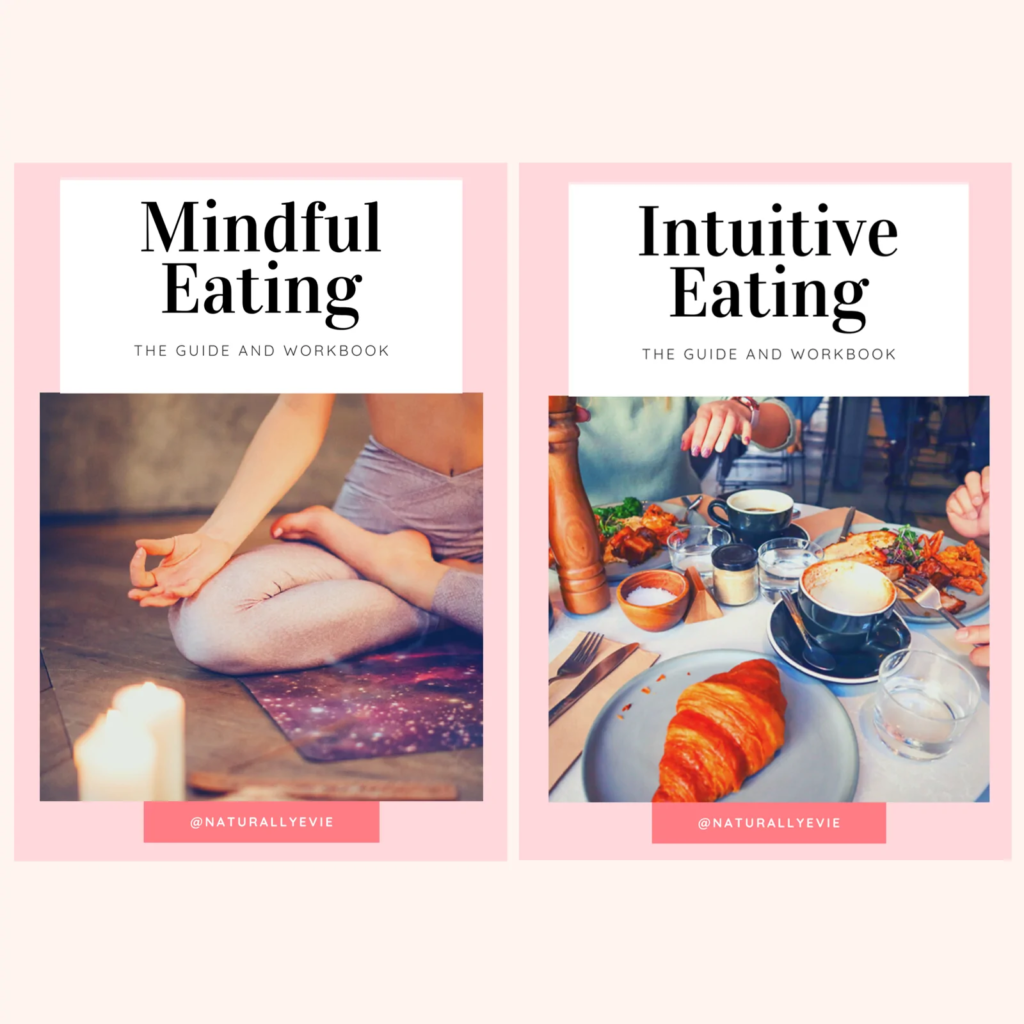
8. NaturallyEvie – Ebooks Intuitive Eating & Mindful Eating

On the topic of physical health, NaturallyEvie believe that it’s important to be kind to yourself and the planet. They design high quality, chic and comfortable sustainable activewear that can be worn anywhere and aim to inspire people to feel confident inside and out. Branching out from activewear, NatruallyEvie have also written two Ebooks.

This Ebook pack contains two guides and workbooks on Intuitive Eating and Mindful Eating. These guides are backed up by plenty of psychological research and are useful for anyone looking to improve their relationship with their food. The guides are easy to follow and include plenty of information on how to recognise your body’s natural hunger cues, how to eat more mindfully, what is intuitive eating and lots more. The workbooks include lots of questions that are helpful in guiding you to adopt a healthier relationship with food, leaving you feeling happier and less stressed. 

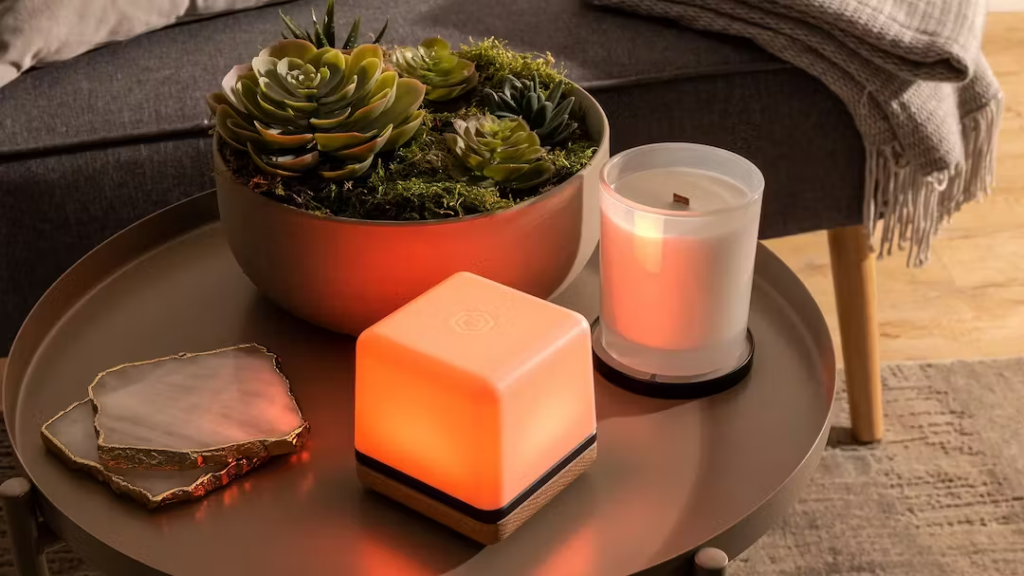
9. Luma³ – Premium Oak Meditation Lamp

When we are stressed our body activates our “fight or flight” mode via our sympathetic nervous system. Spending too long in this mode can leave us feeling exhausted and lead to long term health complications.

Luma³ guides us back into the “rest and digest” mode by using conscious breathing to activate the parasympathetic nervous system.

The Luma³ is with you whenever you need a moment of calm. Reduce stress with guided 5 minute breathing exercises. Stay focussed all day with gentle hourly reminders to take a short break. Sleep better thanks to a relaxation routine at bedtime.

Vibrant rich colours work in the office, at home or at night thanks to ambient light sensing.

Reduce stress and boost wellbeing with breathing exercises guided by light.

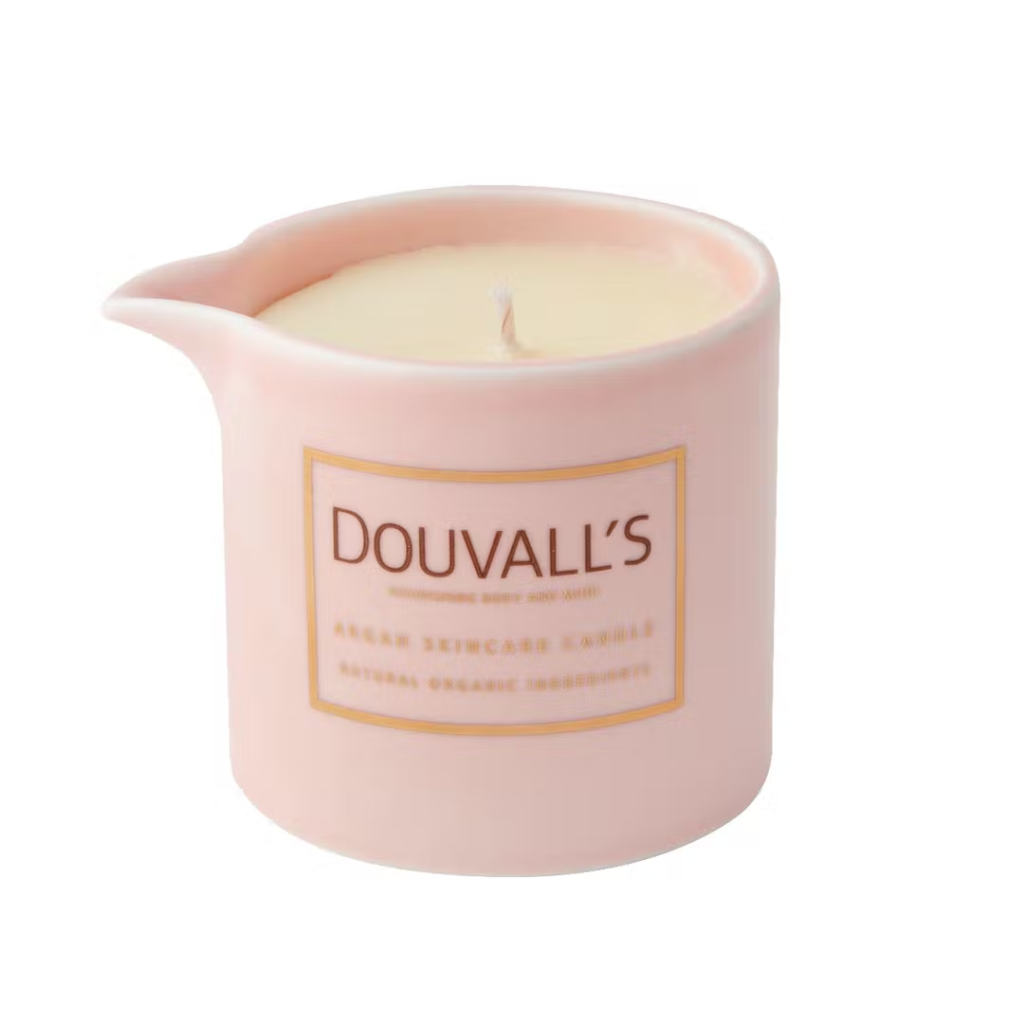
10. Douvalls – Orangery Orchid Argan Massage Eco Soy Candle | 180g

Douvall’s is a leading argan natural skincare, haircare, make up and wellness range offering luxury and innovative products of the highest quality, good for you ingredients which are responsibly sourced.

The Orangery Orchid Argan Massage Eco Soy Candle offers an intensely nourishing and hydrating massage treatment for all over the body, expertly blended with nourishing oils, such as cocoa butter and Douvall’s 100% first cold pressed argan oil which is high in vitamin E, antioxidants and essential fatty acids to nourish, soothe, and repair dry skin.

Perfect to de stress and pamper yourself or a loved one with a hydrating massage candle. Scented with natural essential oils lemon, mandarin and grapefruit for a refreshing, sweet and calming scent that fills the room.

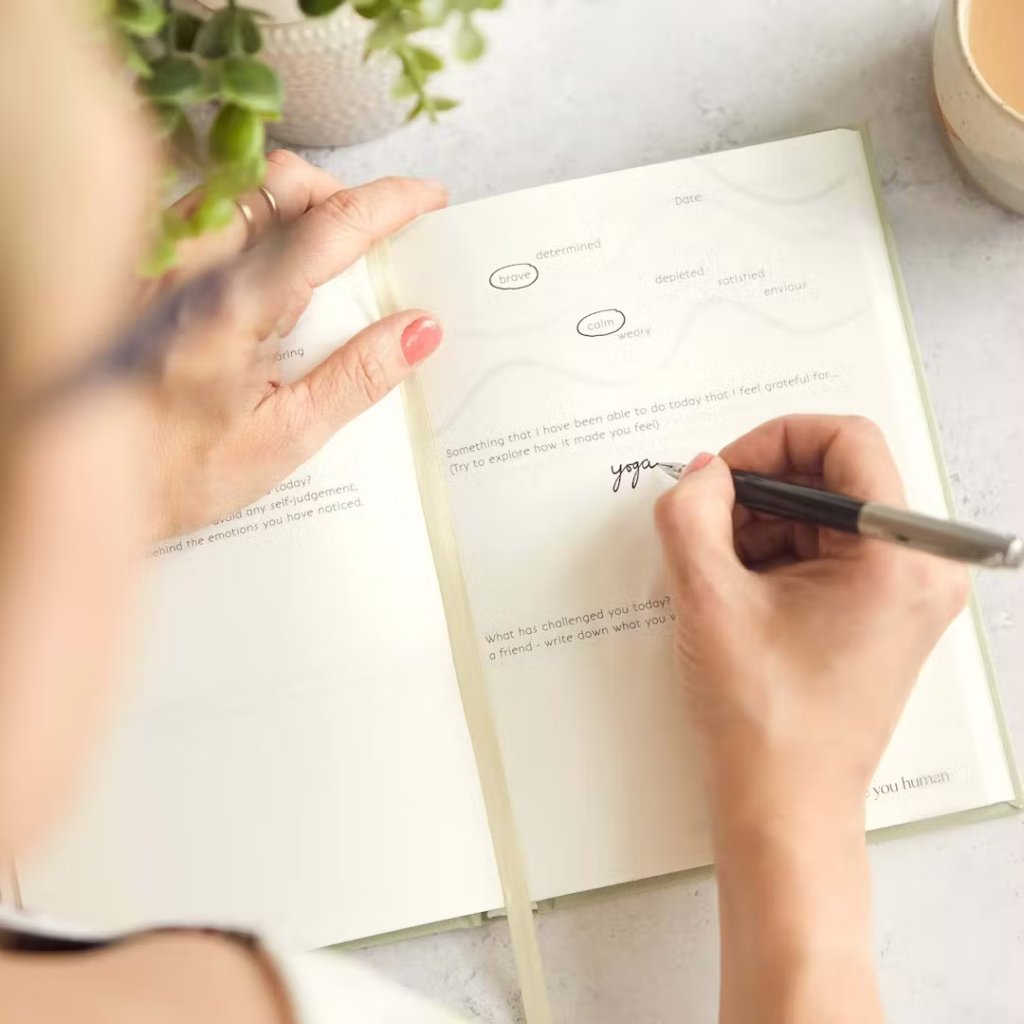
11. The Give Yourself Kindness Journal

Give Yourself Kindness Journal

The Give Yourself Kindness Journal, loved by experts and professionals, is your go-to for a more compassionate you. It helps you swap self-judgment for self-kindness, calming your thoughts for a better night’s sleep. No rigid gratitude lists here – just prompts that make gratitude part of your life. Plus, it’s a safe space for all your feelings; offering a kind reminder that no emotion is wrong. This journal contains three months of undated prompts. It’s got 50 self-care quotes and a unique emotional curiosity tool that’s gentle and friendly. Printed sustainably in the UK and delivered plastic-free, it’s your ultimate well-being companion. Feel supported and empowered to navigate the messiness and beauty of life with Give Yourself Kindness

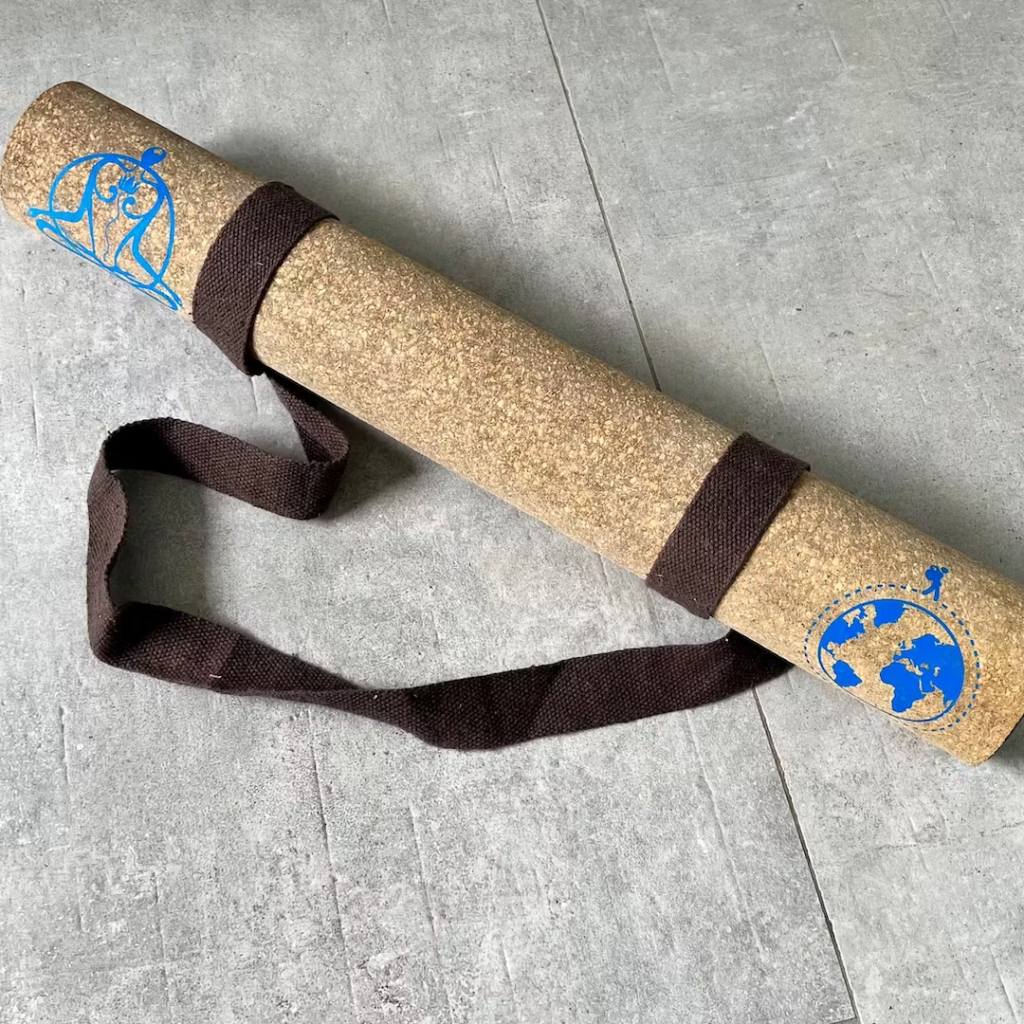
12. Ceae – Juru Traveller Cork Yoga Mat

Perfect for travelling yogis, the JURU Traveller Cork Yoga Mat is super lightweight, compact and foldable so that you can bring it along to wherever your practice takes you — whether that be in your back garden or a distant destination!

It works as an ideal mat overlay on standard studio mats or carpet due to its ultra-thin profile and secure non-slip surface. Crafted from a blend of eco-friendly cork and natural rubber, it is 100% non-toxic, durable, renewable and recyclable.

We all deserve guilt-free rest and good mental health

Making time for our mental health is not always easy. But it is important. Small daily or weekly habits can often be the antidote to many of our stresses, anxieties or worries. We’re all entitled to guilt-free rest and sometimes slowing down is the biggest power move.

However, as an important reminder, while this article offers suggestions to help improve mental wellbeing, they are not to be taken in place of medical advice. Always seek help from a professional when you need it and are struggling with mental health. Recognise that you are never alone.

If you’d like further inspiration and ideas on positive ways that you can take care of your mental health and wellbeing, our archives are rich with ideas and inspiration on Health & Wellness, including one of our most popular blog posts, 6 Daily Habits To Improve Your Mental Health.

Is sheep wool good for people and planet?

|||||||

November kicked off with World Vegan Day on the 1st, a welcome reminder of the importance of opting for plant power. When it comes to vegan clothing, the leather debate is often a hot topic and one which both consumers and brands are already highly engaged. Attempting to answer the question ‘Can Leather Ever Be Sustainable?’ is something we’ve also deep dived into before.

The thing with animal leather, is that it can only be attained when an animal is killed, typically a cow. The death of another living being is an essential step in the production of animal leather. Whilst there are complex nuances to the ethics surrounding pleather (often made from PVC), there are many innovations in the form of plant-based leather that are helping to drive the way for truly ethical and sustainable leather alternatives.

But of course, leather isn’t the only animal-based material present in fashion. Sheep’s wool, cashmere (goat) and alpaca wool are also frequently occurring fibres in our clothing. The key distinction between these and leather, is that the animal itself does not have to be killed to obtain the material. In that regards, it would seem that clothing made from such animal fibres are more ethical. So, is this true?

Why did we use animal fibres in the first place?

Natural fibres have traditionally been used in all cultures of the world to meet basic requirements of clothing, storage, building material, and for items of daily use such as ropes and fishing nets. The fibres used often depended on the local availability (Textile School).

Animal fibres such as wool, cashmere and alpaca are also highly regarded when made into garments, for desirable properties such as “soft touch, warmth, beautiful drape, excellent comfort in wear and, using modern synthetic dyes, unparalleled colouration possibilities with very few shade restrictions” (Bruce A. McGregor).

Wool alone currently accounts for 0.9% of the world’s global fibre market. In 2021 around 1.2 billion sheep produced around 1,945 2 million kilograms of raw wool for home and clothing textiles (IWTO).

The wool pulled over our eyes

The practice of obtaining wool and sheep shearing is, for many, underpinned by positive mental imagery, with sheep roaming freely across the countryside, with the occasional shearing to maintain their coats and keep the comfortable. As idyllic this mental image is to believe, it’s sadly often not the case.

A few years ago, ethical clothing company Patagonia discovered animal cruelty practices in what they had believed were ethical farms. The world has also been shocked by many undercover exposés revealing mulesing and tail docking, painful “surgical” practices legally performed with often with no pain relief (Good On You).

According to the RSPCA, mulesing is a painful procedure that involves cutting crescent-shaped flaps of skin from around a lamb’s breech and tail using sharp shears, making mulesed sheep less susceptible to flystrike in the breech area. Mulesing is usually carried out during lamb ‘marking’ when the lamb is between 2 to 10 weeks of age, which can encompass other painful procedures that are carried out at the same time: tail docking, castration (removing testicles in ram lambs), ear notching or tagging, and vaccinating.

Aside from concerning ‘standard’ surgical practices, there are also sustainable considerations to take into account when it comes to wool, as it is the highest greenhouse gas emitter during the fibre production phase compared to all other fabrics. Sheep release huge amounts of methane into the atmosphere, which directly contributes to greenhouse gas emissions and therefore, global warming (Sustainably Chic).

The importance of nuance in difficult conversations

As part of their ongoing ‘#IMadeYourFabric stories campaign, Fashion Revolution shared an Instagram post of a sheep farmer holding a sign saying ‘I Made Your Wool’. However, the post was met with criticism and backlash with comments like “Sheep made the wool… Not humans.”, “Exploiting animals isn’t something to be proud of. There’s other alternatives.” and “Total ethics fashion protects everyone: people, the planet, and animals — who are not commodities ❤️”.

Despite the campaign helping to bring a voice and transparency to the people in our fabric supply chains, the comments demonstrated a shift in attitudes towards how we consumers view animals (moving away from them being a commodity to sentiment beings). Of course, farmers need to make a living, but in this day and age, there are more future-proof options becoming available. Research conducted by The University of Sheffield (2020), found that sheep farmers would no longer need government subsidies if they allowed land to return to forest. Sheep farming is currently unprofitable without subsidies, but farmers could earn money by growing trees and selling carbon offsetting certificates – just one alternative which would benefit sheep and the planet.

Personal ethics will naturally also play a role in what you do or don’t deem to be ethical. However, with so many plant-based, natural fibres available to us, the justification for using virgin animal fibres seems less and less excusable or necessary. The industrialised scale of farming for animal fibres is increasingly seeing animal welfare and wellbeing compromised in pursuit of profit. When animals are deemed nothing more than a commodity for human use and disposal, their unique and individual sense of being is diminished.

If we stopped breeding sheep for our own use and abuse, eventually only wild sheep who don’t need shearing would exist and they would be able to live freely (Animal Liberation).

So what are the alternatives?

Granted, sheep wool is a more biodegradable choice than oil-based synthetic fibres. However, when we take all available fibres and materials we have today, it still ranks poorly for both ethics and sustainability, in comparison to plant-based natural (i.e. organic cotton) and synthetic (i.e. Tencel) fibres.

There are ways we can limit the need for virgin wool and other animal fibres thanks to both more mindful consumer habits as well as innovations and suitable alternatives in the forms of plant-based natural fibres or even lab grown fibres.

Many people also believe wool to be an essential material for knitwear. But we are living proof that we no longer need to rely on- better yet, exploit- other living beings to produce the materials for our clothing.

Knitwear for the modern era: Genes

Many of us may have or still do associate wool as a necessity for cozy and stylish knitwear, but we needn’t have. There are so many vegan-friendly alternatives that offer all the same qualities to the wearer, without any of the exploitation.

One of our the newest additions to our growing Veo family is an example of just that. GENES is a long-lasting knitwear brand created and based in Lima, Peru. They make pieces only with natural fibres to ensure their quality over time and to reduce their impact on the environment.

The brand’s mission is to offer long-lasting knit garments, bringing awareness to the impact of slow fashion in caring for our environment, opting for materials like Peruvian Pima cotton.

Their goal is to inspire people to select rather than accumulate and to promote responsible consumption. That is why they produce timeless garments designed to be worn and kept in good condition through the years. Each piece is inspired by nature and art for its colours, fluidity, spaces and shapes. GENES was born out of a love for versatility and visual experience.

Good things are worth fighting for

When it comes to making changes across the fashion and textiles industry, there’s rarely ever quick fixes. Farming, production, manufacturing and distribution systems are global, intertwined and complex. Therefore, given the current dependency on animal fibres, making the switch or transition away from them is not going to happen overnight. But brands like Genes, alongside countless others (like Will’s Vegan, Tikauo and Komodo), are proof that the future doesn’t have to be animal dependent. We can still access beautiful knitwear, soft fabrics and textiles, without the need for sheep (or any other animals for that matter).

How to bring more hygge into your life

|||||||||||

Winter is a season of duality for many of us here in the UK. The excitement and anticipation of Christmas and holiday season parties are also met with cold, dark, winter days and nights. But in the midst of the Christmas chaos and the sudden drop in temperatures and daylight, there is opportunity to embrace the simple, the cosy and the comforting. How? Through a little something the Danish like to call “hygge”.

The hearty origins of hygge

Hygge (pronounced “hoo-gah”) is a Danish originating term and concept, that has gained huge popularity across Europe and the wider world in recent years. But what does hygge actually mean?

According to the Google definition, it is ‘quality comfortable conviviality that engenders a feeling of contentment or well-being (regarded as a defining characteristic of Danish culture)’. In essence, hygge means creating a warm atmosphere and enjoying the good things in life with good people (VisitDenmark).

Although hygge is essentially a feeling, the tangible means to achieving hygge in your own life can often be through simple things. The things that spark joy, a sense of comfort and home, for you. Whilst hygge is a state of being that can be acquired all year round, across all the seasons, there is something about hygge in the depths of winter that intertwines so beautifully with the warmth of Christmas.

That overlap, is arguably the antidote to any winter blues and maximising that feeling of Christmas spirit. If you’ve enjoyed a hot chocolate by an open fire, or snuggled up to watch a movie as rain or snow falls outside, you’ve probably experienced hygge, because above all else, hygge is a feeling.

Get your hygge on with veo

Creating the perfect cosy atmosphere is an art form but with our curated selection of luxurious hygge gifts made in the UK, we guarantee you’ll be lounging in style this winter! Light a festive spiced soy candle, sink into your sofa and get nice and comfortable with pyjamas and sleepwear made from the highest-quality organic cotton and bamboo.

Our sustainable dressing gowns are designed with your ultimate comfort in mind; keeping you as toasty as a warm hug! Curled up under a blanket, we promise you’ll feel snug from head to toe with eco-friendly slippers, organic cotton socks and sustainable hot water bottles made from natural rubber and the softest recycled faux fur. Gather friends and family, sit back with a mug of vegan hot chocolate, grab a bowl of gourmet popcorn and enjoy a wholesome night in this winter. We’ve pulled together some hygge inspired gifts for yourself or a loved one, to help get you started…

Cosy pieces for her

When her home is her haven, loungewear is her uniform of choice. So treat her to lush organic velour dressing gowns, bamboo sleepwear, and recycled faux fur slippers with sleep masks and scrunchies to match!

Cosy gifts for him

For the man of comfort and resident homebody, we guarantee he’ll love and appreciate these loungewear essentials; from organic cotton pyjamas and eco-friendly slippers to waffle bathrobes and festive socks to get him in the spirit!

Cosy treats and accessories

Vegan marshmallow hot chocolate, gingerbread gourmet popcorn, and spiced cinnamon orange candles; these cosy gift ideas are guaranteed to bring those nostalgic, festive vibes that truly make it feel like Christmas!

Let’s cosy on up by the fireplace

However you channel your hygge, do it consciously with a little help from Veo. Our cosy edit is fully equipped with the essentials you need to get your hygge on and cosy up over Christmas and the winter season. In the words of Mr Christmas himself, (Michael Bublé of course), “let’s cosy on up by the fireplace”!


Our Pick Of The Best Zero Waste Makeup, Beauty & Skincare Brands

plastic free eye shadow palette||||||||zero waste makeup|organic makeup rounds|exfoliate concentrated skincare bar|bamboo makeup brushes|plastic-free soap|refill vegan haircare||biodegradable glitter eyeshadow||natural refining body scrub|Natural Vegan Deodorant|biodegradable glitter eyeshadow||bamboo toothbrush|lavender scrub|bamboo safety razor|charcoal toothpaste|||

Recent years have seen a growing trend towards people ditching the plastic and making their beauty routines zero waste. This is no surprise considering the growing awareness around the impact plastic has on our environment and the need for eco-friendly alternatives. The global cosmetics and beauty industry produces 120 billion units of packaging each year. With the majority of this not recycled, this leaves a big question mark over the sustainability of the beauty industry.

From clogging up our waterways to endangering marine animals, plastic has a devastating impact on our planet. It’s one of the reasons we decided early on when starting Veo that beauty had to be an important department for us. In this article, we highlight some of our favourite zero waste beauty and makeup brands which are at the forefront of the green beauty movement. They are using innovative methods to create high quality natural skincare, body care and cosmetic products which don’t cost the earth. As well as being environmentally conscious, all of these independent brands are vegan and cruelty-free.

Zero Waste Makeup – All Earth Mineral Cosmetics

All Earth Mineral Cosmetics is one of the UK’s first zero waste makeup brands offering completely plastic-free refill options in cardboard for their entire range of natural mineral cosmetics. All of their products are made in the UK with cruelty-free and high quality natural minerals.

Top Pick: Natural Vegan Mineral Bronzer (Refill 4g), £15

zero waste makeup
Photography by @oraclesoulmarketing of All Earth Mineral Cosmetics 

This Vegan Mineral Bronzer is the perfect zero waste beauty essential. With a radiant shimmer, it adds warmth, contour, and lift to your face. A little goes a long way so if you are after just a touch of warmth this bronzer will go on and on making it very cost efficient.

This versatile bronzer can can also be mixed in with foundation or concealer to darken them if need be and used as an eye shadow or mixed with a lip balm/gloss to create a lip colour. Achieve optimal results using specially designed bronzer brush, and achieve a stunning bronzed look year-round.

Eco Friendly Makeup – Baims Natural Makeup

BAIMS Natural Makeup is your go-to for high-quality, organic cosmetic products that are dedicated to protecting nature. Achieve a radiant appearance with the benefits of vegetable actives across their makeup line, all certified organic by Ecocert. With an emphasis also on eco-packaging and refill solutions, your greener beauty routine will even have your conscience glowing.

Top Pick: Natural & Vegan Eyeshadow Quad Palette 01 Natural in Bamboo Case, £36.75

plastic free eye shadow palette
Brand: BAIMS Natural Makeup

Derived from a nourishing formulation that’s 100% natural with rich mineral content, these eyeshadows have a silky texture that blends well with other colours. Rich in natural vitamin E, shea butter and avocado oil, they also provide excellent care for the eye area and are well suited for those with sensitive skin.

Available in stylish and sustainable bamboo packaging for four eyeshadows (quad) with individual refill options, all eyeshadows can be used variably in the bamboo packaging. Once you’ve finished with a given shade, simply remove the pan from the palette, recycle and replace!

Conscious Beauty Accessories – Wild Rising

Wild Rising Skincare has a range of conscious honest beauty handmade in Devon, UK using natural and ethically sourced materials. Their bamboo and cotton products will help you achieve a lower impact beauty routine. Replace less sustainable beauty and cosmetic products, such as disposable wet wipes and body sponges, with these beautiful alternatives.

Top Pick: Organic Makeup Round | Pack of 10 with Storage Bag £14.00

Brand: Wild Rising Skincare

These reusable cotton rounds are the ideal zero waste alternative for makeup removal or applying toner. The round makeup pads are made by hand using organic bamboo and cotton.

Ethical Skincare – Beauty Kin

Looking for more than just soap? When it comes to raising the bar in skincare solutions, look no further! Beauty Kin bars are developed by pharmacists and packed with nourishing ingredients to leave your skin (and the environment) happy and healthy. Nourishing ingredients mean no more dry skin. Whatever your skin issue, they have a bar that’s right for you. 

Top Pick: Exfoliating Skincare Bar, £7.50

Brand: Beauty Kin

Want to work on those clogged pores, dead skin or keratosis pilaris (strawberry skin)? Exfoliate Bar is your bar. It’s also nifty as a pre- post shave to ensure you don’t suffer from in- grown hairs. We’ve also been told it’s great at fake tan prep and removal. It’s a hard working bar this one! Did we mention it smells AMAZING?

Eco-Friendly Cosmetics – Flawless

Flawless make professionally designed makeup brushes. All handmade in the UK from sustainably-sourced bamboo and PETA-approved cruelty-free synthetic brushes. These eco-friendly makeup brushes are a great zero waste alternative to conventional plastic cosmetic brushes.

Top Pick: 11 Piece Bamboo Makeup Brush Set, £35.99

bamboo makeup brushes
Brand: Flawless

This is the complete eco makeup brush set featuring a wide range of bamboo brushes including contouring brush, buffing brush, flat foundation brush, eye blending brush and highlighting brush.

Natural Skincare Products – Soap Daze

Soap Daze is an independent beauty brand based in Devon, creating a range of handmade soaps with natural ingredients. All of their products are both kind on your skin and the environment. Soap Daze do not only make soaps but have a lovely range of skincare products as well as beauty accessories.

Top Pick: Soap On A Rope, £9

plastic-free soap
Brand: Soap Daze 

Soaps are often packaged with disposal plastic, but these handmade soaps are packaged in plastic-free packaging. You can even choose from them to not be wrapped in the paper branded packaging if you prefer. Each soap is made in Devon in small batches using fine natural ingredients. Featured above is the Tea Tree and Spirulina soap.

Refillable Haircare – Indie

Indie Refill is on a mission to transform the nation’s hair with high quality, natural ingredients to give you your healthiest ever hair! Made in Liverpool with 0% SLS, sulphates, silicones and parabens, your hair will thank you for its new BFF.

Top Pick: You’re a Smooth Talker Refill Duo, £36

refill vegan haircare
Brand: Indie Refill

You’re a Smooth Talker shampoo and conditioner is are nutrient-rich miracle workers that revamp dry or damaged hair. Enriched with argan oil and vitamin E for smooth, shiny strands, it’s also available in refill pouches.

Biodegradable Glitter – Glisten Cosmetics

If you enjoy standing out, Glisten Cosmetics is for you. This small family (and friend) run brand in the UK launched in 2017 and now offers an extensive range of colourful, inclusive products that are affordable for any budget which is close to founder, Natalie’s, heart! The brand is vegan, cruelty-free and are certified by PETA.

Top Pick: Nebula (Purple) Vegan Eye Shadow Chroma Flakes, £16

Image by @cometcharlie from Glisten Cosmetics

Chroma Flakes are iridescent flakes in a gel base making them a super easy and mess free way to apply your pigments! The formula is soft and dries down onto the skin. They are fantastic to use on top of eyeshadow or even on your cheek bones for the euphoria feel. Perfect for parties or festival season.

Cruelty-Free Beauty – Dead Sea Dream

Dead Sea Dream is a streamlined, elegant approach to the spa ritual, beautiful efficacious products with no compromise on performance, dedicated to the pursuit of flexibility in self-care. Capturing the purity and heritage of the Dead Sea region.

Top Pick: Natural Refining Body Scrub, £30

natural refining body scrub
Brand: Dead Sea Dream

This Refining Body Scrub with Dead Sea salt, olive oil and jojoba oil, helps to invigorate and refine your skin, whilst stimulating blood flow and boosting cellular renewal. After just one treatment, you can expect your skin to feel soft and smooth, with a refined texture and a floral scent. Make this a deeply relaxing part of your skincare rituals and with fully recyclable packaging, do your bit for the planet too.

Natural Deodorants – Kutis Skincare

Kutis believe the natural world provides all we could need for maintaining the health and radiance of our amazing skin. They use high-quality and responsibly sourced ingredients that they blend with care. Their body butters and serums are 100% organic and their cleansing masks are made of natural clays, organic oats and organic plant powders.

Top Pick: Natural Vegan Deodorant (Various Scents), £6.50

Natural Vegan Deodorant
Brand: Kutis Skincare

Kutis natural vegan deodorant use sunflower wax in place of organic beeswax to create the base of this product as well other high quality natural ingredients that gives you lasting freshness without all the nasty stuff that can be found in commercial deodorants. All products are handmade in the heart of rural Mid-Wales and the deodorant comes in a 100% biodegradable paperboard push-up tube.

Plastic Free Dental Care – WiseSip

WiseSip thoughtfully crafted products designed to leave the world better than they found it, ensuring a sustainable legacy for future generations. With a mission to reduce harmful plastic and inspire a reuse culture through distinctive design-led products, they also plant trees with every purchase.

Top Pick: Stainless Steel and Bamboo Toothbrush, £16.95

bamboo toothbrush
Brand: WiseSip

Toothbrush handles go soggy and mouldy. The Evermore Bamboo Toothbrush puts an end to these problem whilst inspiring reusable habits too. With replaceable bamboo heads and a reusable self-standing stainless steel handle, the Evermore toothbrush is the perfect sustainable solution that also adds a touch of elegance to your bathroom look and feel.

Environmentally Friendly Body Care – Trii

Trii products are designed to turn daily bathing routine into a self-care ritual harnessing the power of the finest skincare ingredients and scents. Each product has been specifically designed with complementary aromas and textures to work in tandem for optimum physical and sensorial results.  

Top Pick: Lavender Hand & Body Exfoliating Wash, £8

lavender scrub
Brand: Trii

Calm your senses and enjoy a relaxing experience with Trii’s Lavender Hand & Exfoliating Wash bar. Packed with natural actives like Apricot and Pumice for gentle exfoliation, Aloe Vera for soothing leaving you skin smooth and your skin smelling fresh. Perfect for travel, our slim-line bars guarantee no leaks and are packaged in recyclable and reusable plastic-free packaging

Eco-Friendly Razors – Clean U Skincare

Dedicated to clean living, Clean U Skincare’s founder, Arushi Agarwal, set out to create a household brand anyone could be proud of. Clean U Skincare is intended to conveniently provide a person with solutions to make everyday morning, evening and household routines sustainable and will be accessible for all, always.

Top Pick: Bamboo Razor, £24.95

bamboo safety razor
Brand: Clean U Skincare

This double edged bamboo safety razors is carefully engineered for a unique and seamless shaving experience. They are perfectly weighted with a long bamboo handle for a comfortable grip while the stainless safety guard prevents cuts and irritation. All sustainable razor sets all come packaged in complete plastic-free packaging including a kraft paper gift box and branded jute travel pouch. And there’s the full Gift Set version available with Bamboo Safety Razor Gift Set | Travel Pouch, Razor Stand & Blade Pack, and Soap Bar!

Natural Dental Care – Georganics

Introducing natural dental care brand, Georganics. Toothpaste tubes are very difficult to recycle and conventional brands typically have harsh and unnecessary chemicals as ingredients.

With this in mind, Georganics have created a range of organic toothpastes and mouthwashes which solve this problem with active ingredients that clean your teeth naturally. The packaging is metal and glass, and even the seal wrapped around their jars is made from biodegradable cellulose.

Top Pick: Activated Charcoal Toothpaste, £6.90

Brand: Georganics

This natural toothpaste has activated charcoal which naturally whitens teeth and organic peppermint essential oil which has a sweet liquorice aroma. It is also fluoride and glycerine free.

Vegan Beauty – Seeds of Colour

Clean up your beauty routine with Seeds of Colour, the new plant-based makeup coloured by the power of nature. The brand believes in clean, natural beauty. Sourced from the British countryside, SoC active ingredients are organic, vegan and nutrient-rich. Good for your skin and the plane

Top Pick: Lip, Cheek & Lid Tinted Balm Berry Red, £21

Brand: Seeds of Colour

Achieve a buildable, blendable flush of natural colour thanks to our unique extraction technology for coloured plant pigments and highly antioxidant botanical extracts in this Tinted Balm. The cleaner, greener, living ingredients are what sets Seeds of Colour apart. This lightweight multi-use balm has a soft touch that helps to keep your skin smooth and protected.

Plastic-Free Beauty Accessories – Wild Rising

And again, Wild Rising believe in honest, clean beauty that is gentle to the skin and to the world. Their natural skincare products are rooted solely from nature and are therefore ethical, vegan and cruelty-free and in addition to being chemical free, plastic free they are everything your skin needs and more.

Top Pick: Natural Rose Quartz Crystal Gua Sha Facial Tool, £18

Brand: Wild Rising

Wild Risings’s Gua Sha facial massage tool is rooted in traditional chinese medicine which encourages lymphatic drainage for smoother-looking skin. Crafted from natural Rose Quartz Crystal, which is well known for increasing self-love and deep inner healings. Using a Gua Sha daily can help to: improve the appearance of elasticity of the skin, reduce the appearance of puffiness and fine lines, ease facial muscle tension and help facial oils and moisturisers to absorb better into the skin.

To discover and explore the full range check out the full Sustainable Beauty & Ethical Cosmetics Collections at: https://veo.world/beauty