Serotonin and Dopamine are our happiness hormones, which when imbalanced, can negatively affect our mental health. Find out how you can boost these hormones naturally.
A weekly/monthly trip to the grocery shop is something most of us do on autopilot, not really thinking about the wider impact we might be having. We're breaking down some easy ways to make your grocery shop more eco-friendly.
Diet culture is a pervasive part of modern society but it goes far beyond calorie counting. It's all about our relationship with food and body image. So how can we achieve balance? Keep reading to find out!
It seems as though recently plant based / vegan diets have become increasingly popular and there is quite a lot of attention drawn to the fact that removing animal products from our plate has a benefit in terms of physical health, environmentally and of course… for the animals!
But did you know that some research has made links between a plant based diet and mental health?!
I, myself am a registered associate nutritionist, with a long history of mental health difficulties including anxiety, depression and disordered eating who has a predominantly plant based diet. So I find this up and coming area of nutritional research incredibly exciting!
What does the science say?
For a while now the field of nutritional science has made a connection between the food we eat and our mood.
But why?
Well, preclinical evidence suggests that there is a circular link between the gut, the gut microbiome and the brain and is often referred to in science as the gut-brain axis.
In simple terms that just means that all three of those interlink and affect each other.
Plenty of research now suggests that alterations between the gut-brain connection has implications for neurological and psychiatric conditions.
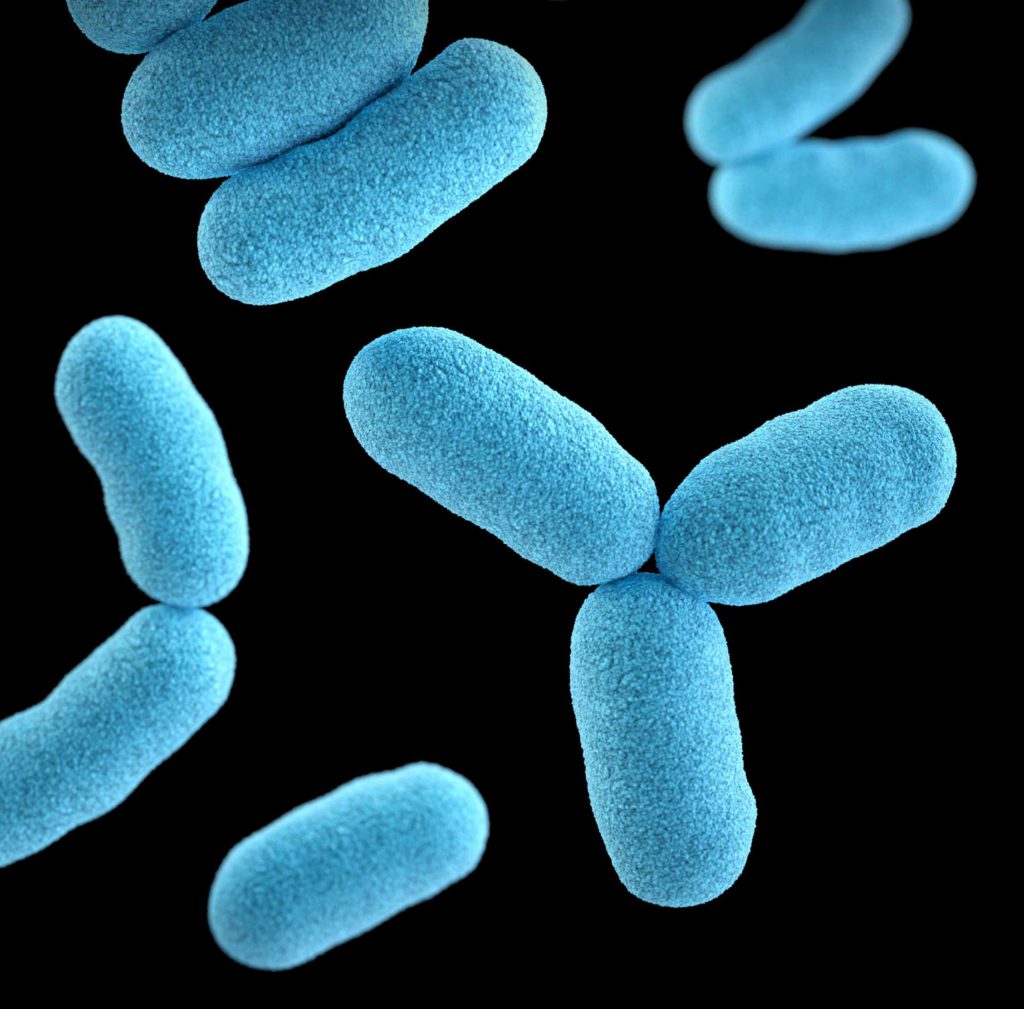
When referring to the microbiome, I am referring to the community microorganisms that live in the gut, and digestive tract.
When our gut is out of whack and our microbiome if unbalanced, it can cause inflammation of the gut and ultimately this has been connected to both depression and anxiety.
This is because a healthy gut has been linked to the function of a healthy central nervous system.
If you need more convincing that our gut can affect our well-being, well you know the happy chemical serotonin floating around our bodies…?
95% of this mood balancing chemical is released from the gut!
Our bodies are beautiful and clever things, and when we provide the right conditions, our body and brain can work harmoniously together – that includes nutrition!
So does a diet high in plant foods help my mental health?
Research in this field is very current and is still emerging, so there is still lots to be discovered.
But from reading the available scientific literature, it appears that a vegan or vegetarian diet, compared to one including meat, contributes to a more stable and more varied microbiota and good bacteria.
Not only this… Increased fibre has been linked to an increase in serotonin AND it has been shown to increase the levels of good bacteria in the gut!
As both of these factors have been shown to effect mood. An increase of fibre in your diet, is a great AND easy place to start if you are looking to improve your mental health.
What kind of fibre you ask?
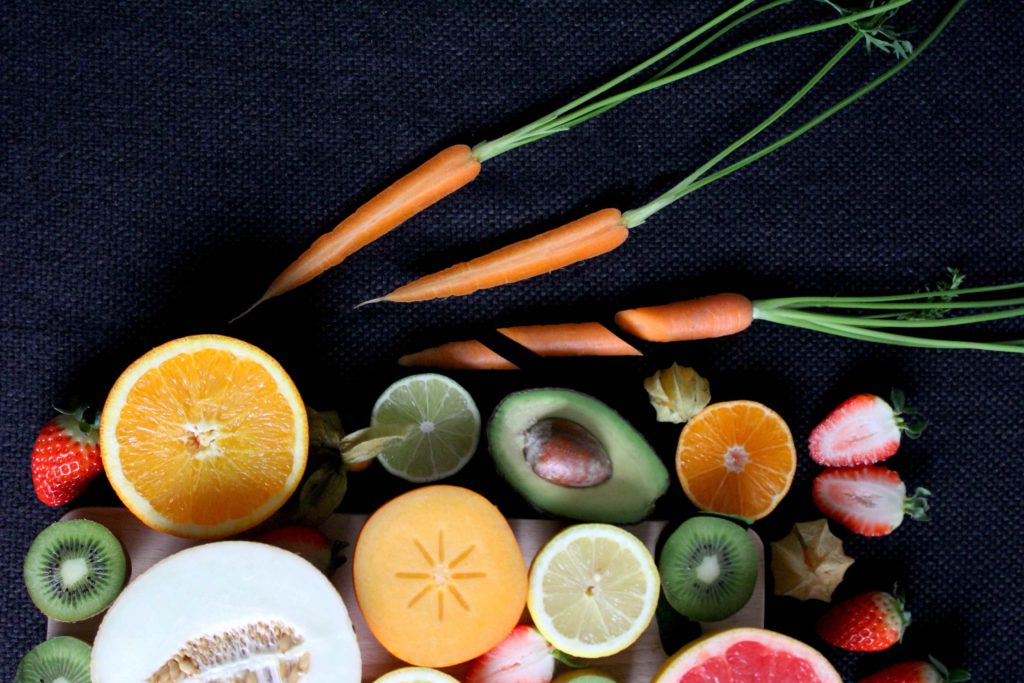
Well, fruit, vegetables and wholegrain have been shown in studies to reduce levels of anxiety, depressive symptoms and to have a positive effect on healthy mood states!
This is another reason to boost the number of plants on your plate!
Do I have to be 100% vegan?
Absolutely not. Firstly, vegan and plant based are completely separate things.
Veganism is the avoidance of animal products in every area of one’s life (cosmetics, clothing, diet etc.), whereas plant based is the exclusion of animal products from one’s diet (meat, fish, dairy, eggs).
The rise in popularity of a vegan diet has been amazing for environmental concerns, however it has promoted the growth of the ‘junk food vegan’ diets i.e. those high in processed vegan goodys like ice cream, sugary sweets etc.. (NOT beneficial to your gut – brain health).
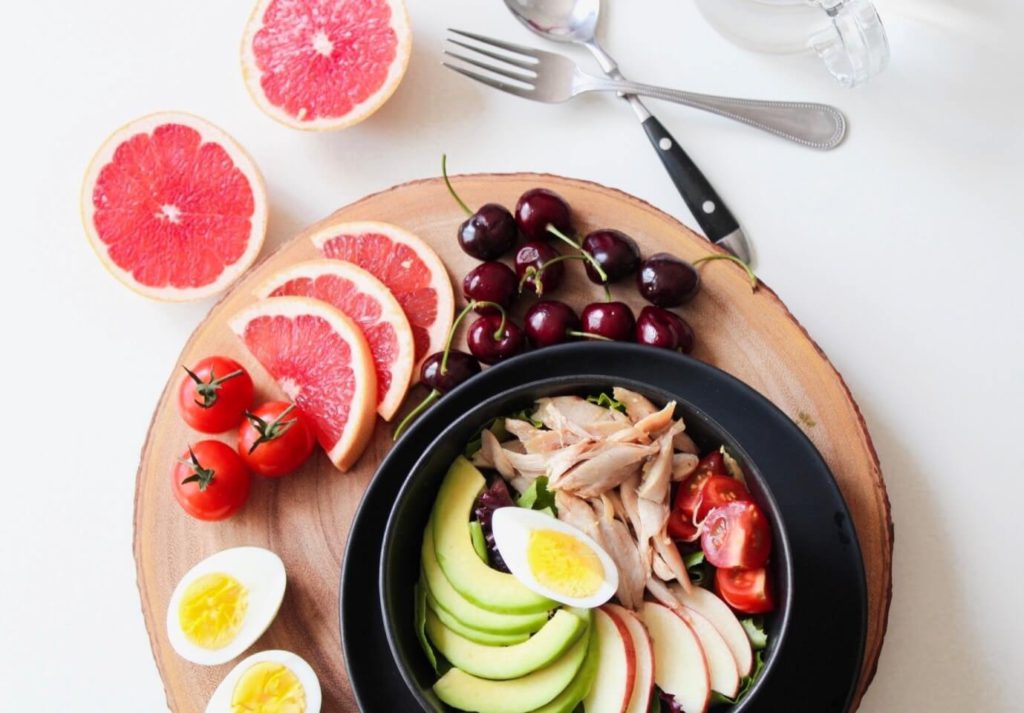
A whole foods plant based diet, rich in fruits, vegetables, nuts, seeds, wholegrains and fermented foods is one of the healthiest ways to improved your gut microbiome AND ultimately this can positively impact your mental health.
SO whatever stage of your health journey you are at, I would advise implementing as many plants as you can into your daily intake and avoid or at least reduce foods which will negatively effect your gut i.e. processed goods, artificial sugars and meat.
Remember, you don’t have to be 100% perfect with your diet, but any step towards a more natural plant based diet will have a positive effect on your health.
Which foods do I recommend for a healthy gut and mind?
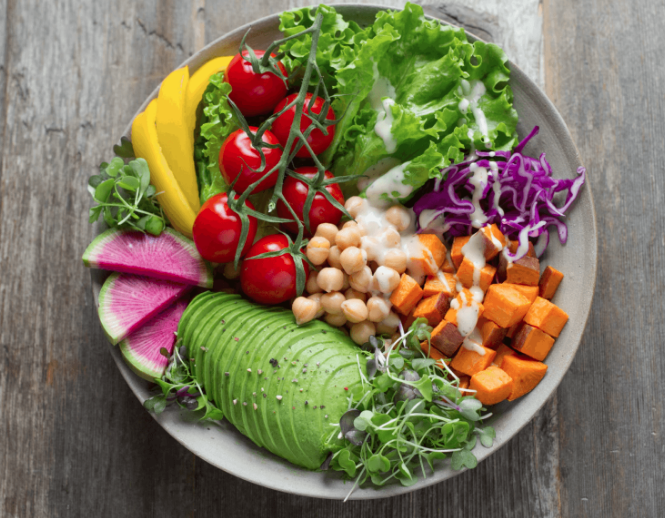
· All fruits and lots of them (full of anti-inflammatory properties and antioxidants)
· Lots of vegetables!
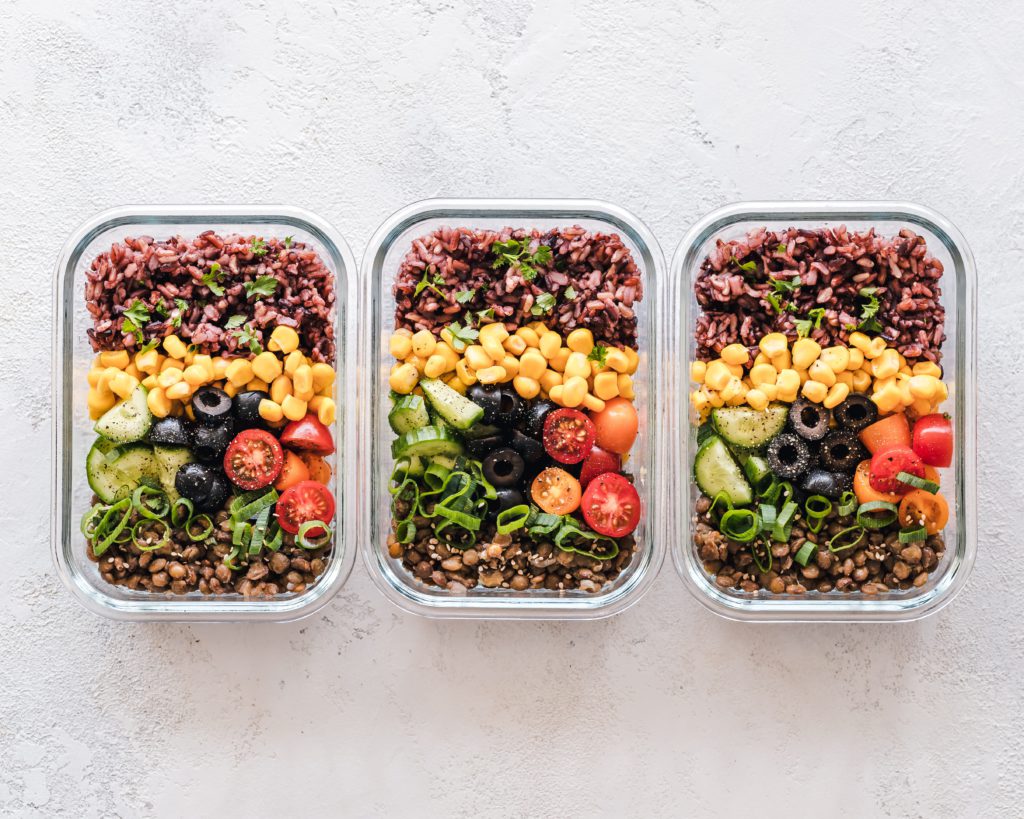
· Protein sources – beans, pulses, lentils, tofu, tempeh
· And don’t forget to STAY HYDRATED to keep the digestive system happy!
Of course, your mental health doesn’t solely depend on your diet. As well as adding more plants to your diet it is so important to take care of yourself in other areas of your life too.
Getting enough water and exercise (150 minutes a week), as well as spending time with lovely people, getting fresh air and taking time to reflect on your emotions through meditation or journaling are all really important pieces which make up the puzzle which is a healthy brain and mind!
Benzoyl Peroxid, Dihydroxyacetone, Glycerin, Emollient – the list of ingredients contained in our skincare products is pretty scary.
They claim to work wonders on our skin and often come in beautiful packaging, with an expensive price tag.
But with slow-beauty on the rise, and an increasing number of women keen to incorporate a waste-free regime, foraging could be the next big sustainable trend.
So, what is foraging?
Foraging simply involves sourcing ingredients from the wild, usually for food, but in this instance it’s for skincare.
There is an abundance of natural ingredients with skincare benefits in the woodlands, and you can combine them with other natural sources to create a new, organic treat for your face or body.
Natural ingredients grow by season, so you often can’t forage the same stuff all year round.
To help you out, beauty experts reveal what items you can forage each season, where you can find them, and how you can use them to create a gorgeous new product for completely free.
Spring
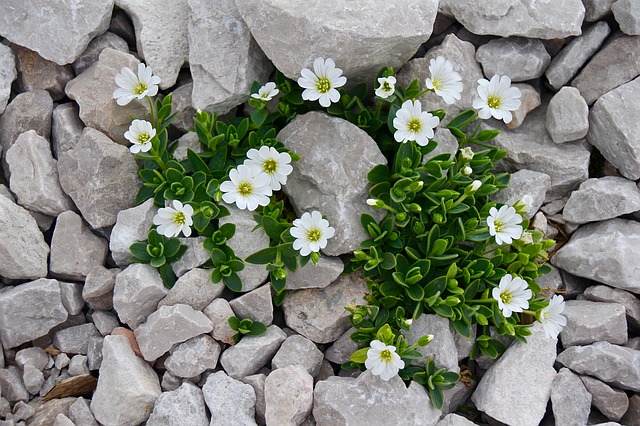
Chickweed
Where: Chickweed is found in shady, moist locations including gardens and woodlands.
Benefits: Chickweed is commonly used to help treat a number of skin issues as it contains natural antiseptic, antifungal and anti-inflammatory properties. It’s regularly used as a quick remedy for itchiness and skin irritation.
Dandelion
Where: Dandelions love moist, sunny areas, they only go dormant during cold winters and are easy to find.
Benefits: The sap derived from dandelions is naturally highly alkaline, meaning it’s great for combating germs, bacteria and fungus.
It’s also thought the sap can be used to treat conditions like ring worm and eczema. Seen as a natural detoxifier, dandelion juice is often used to help treat acne naturally, with its increased vitamin C content helping to treat and sooth scars and inflammation.
Goose grass
Where: You can find it in turf, landscaped areas, like crop fields, orchards, and in gardens.
Benefits: In the past, goose grass has often been used to treat common skin issues such as psoriasis and eczema. It’s also thought to help aid the healing of small cuts, scrapes and abrasions.
Wild Garlic
Where: You can usually find this near marshland or water drainage ditches in all parts of the country.Benefits: Wild garlic is rich in allicin, meaning it has lots of lovely antiviral, antifungal and antiseptic properties. It’s used in a variety of products to cleanse the skin and treat acne, removing the bacteria that causes breakouts. Garlic also naturally contains large quantities of vitamins C which, amongst other things, is known to boost collagen and reduce to effects of UV exposure.
Recipe: Dandelion Face Serum
This Dandelion face serum is specially created for all skin types to brighten your complexion, tighten and firm skin. This magical flower has properties known for reducing age spots and scars, so perfect to be used as serum before you wear your daily or nightly moisturizer.
Ingredients
6 fresh dandelion flowers and leaves
Aloe vera leaf
1 teaspoon vitamin E
1. Firstly- wash the flowers and chop off the base of the stems to remove any dirt, leave to drain.
2. Slice the aloe vera leaf down the middle and scoop the gel to fill half a cup.
3. Whiz the dandelions and aloe vera gel together into a food processor (a Nutri bullet would be perfect)
4. Leave to sit for one hour.
5. Either using a cloth or a strainer squeeze the gel into a bowl. Carry on until all you have left is the dandelion leaves left in the strainer and all of your dandelion infused gel in a bowl.
6. Gently mix in the vitamin E
7. Pour into a pot or bottle, preferably made from dark glass to keep it preserved for longer.
8. Add to skin morning and night and use within 10 weeks.
Summer
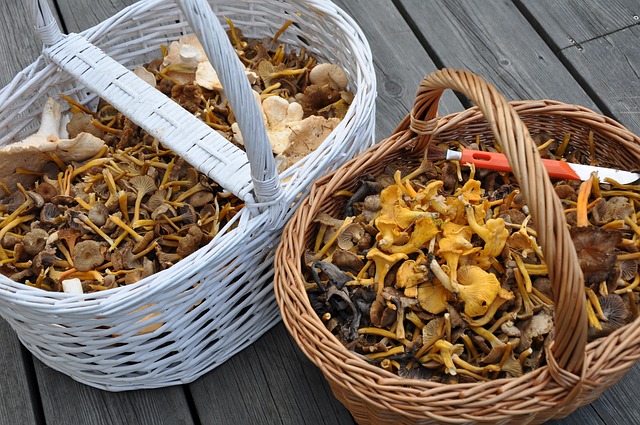
Chanterelle mushrooms
Where: Growing in clusters, the mushrooms grow in mossy coniferous forests. They are also found in mountainous birch forests.
Benefits: Like many species of fungi, chanterelle mushrooms are packed with vitamin D which is what we get from natural sunlight. Rich in niacin, chanterelle mushrooms can also help address a number of skin conditions like eczema and rosacea, as it helps to reduce redness, inflammation and irritation.
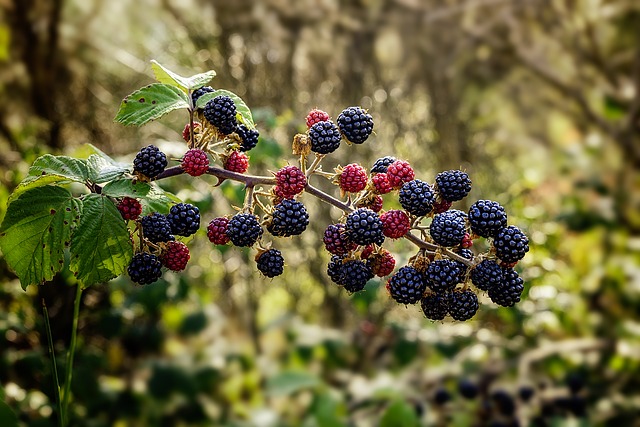
Blackberries
Where: Blackberries are commonly found in brambles in most woodland areas.
Benefits: Blackberries are rich in antioxidants, which help promote good circulation and a strong immune system. The small fruit often features in face masks because of its acne busting astringent properties. The high amount of vitamin C found in blackberries also helps to boost collagen production, and thus makes the skin appear more vibrant and healthy.
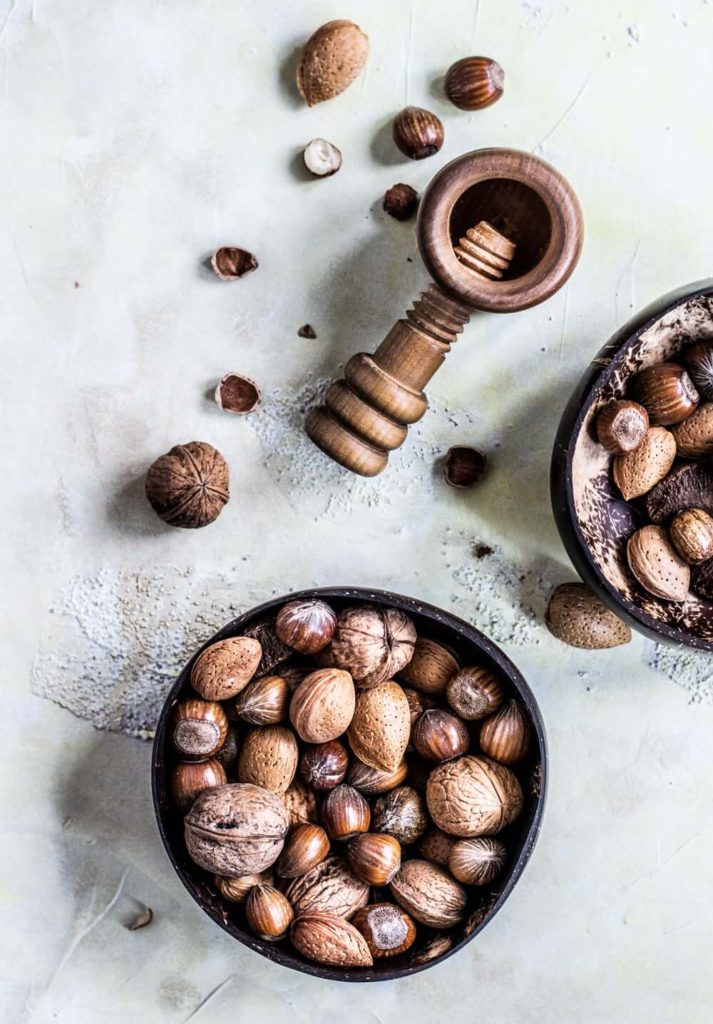
Hazelnuts
Where: Find these little gems in moist, lowland soil and under the shade of oak trees.
Benefits: Hazelnuts contain a high concentration of antioxidants, and as such are often applied directly to the skin. Naturally rich in fatty acids and vitamin E, hazelnut based products can help to both hydrate the skin, and preserve its elasticity. Plus they taste great if you want to add some protein to your diet, too!
Honeysuckle
Where: Honeysuckle grows close to home, and even on exteriors of buildings.
Benefits: Honeysuckle is commonly found in remedies for eczema, acne and rosacea. Oil distilled from the plant is also found in hair products as it can strengthen the roots and strands of hair. As an essential oil, honeysuckle is often used in aromatherapy, and is widely thought to help treat headaches, reduce sinus pressure build-up and relieve stress.
Recipe: Rose Face Spritz
This wonderfully refreshing recipe is ideally used as a face toner as well as a face spritz on hot days when you need a little cooling down.
Ingredients
7 Roses
1.5 litres of distilled water
1. Gently pull the petals from the roses and place the them into a colander, under a tap running luke warm water to remove any dirt.
2. When the petals appear to be clean, pop then in a pan of the distilled water. If 1.5 litres is not enough then add more to cover the petals.
3. Over a low to medium heat, bring the petals to a simmer for about 25 minutes until they have lost their colour and are now very pale pink.
4. Strain the mixture and separate the petals from the water. Don’t throw the petals away- they can be enjoyed in a bath that evening!
5. Pour your now Rose water into a dark bottle and enjoy as a Rose water face spritz to cool you down through the summer!
Autumn
Plums
Where: Plums are often found in hedgerows in the wild.
Benefits: Like many natural remedies, rosehips are known for their astringent properties, which means they help to tighten the skin and close the pores. They also contain lycopene and beta carotene (which is what we find in carrots), and can help to remedy hyperpigmentation, where the skin darkens in places due to sun exposure, medication or hormonal changes.
Hawthorn
Where: Hawthorn grows in hedgerows, woodland and scrub.
Benefits: Hawthorn berries are naturally rich in polyphenols, and are thought to boost the immune system and lower blood pressure. Cosmetically, hawthorn berries are found in a wide range of hair products as they’re supposed to be amazing for helping stimulate fast hair growth.
Walnuts
Where: Search in the woodlands for walnuts, most commonly found in southern parts of England.
Benefits: Most benefits come from the shell and leaves, meaning they’re an excellent zero-waste option for DIY beauty remedies. Research shows that the application walnut products can help to protect the skin from free radicals and they are a great exfoliant due to their rough texture.
Recipe: Walnut Body Scrub
This walnut body scrub is designed to increase blood circulation, remove dead skin cells, smooth and brighten your complexion.
Ingredients
12 walnuts
30g refined Shea butter
30g almond oil
5g of Vitamin E
5 drops of Rosehip oil
1. Firstly, take the shells off of the walnuts
2. Next, ground the walnuts into tiny particles. You can either do this in a pestle and mortar, by putting the nuts into a canvas bag and hitting it with a rolling pin or by using a blender. Leave to the side.
3. Place all of the shea butter with the almond oil into a heat proof bowl and place into a pan of water (just as you would to melt chocolate)
4. Turn the heat to a low temperature and watch until the shea butter melts down into the oil.
5. When the mixture is entirely melted, remove from heat and allow to set and go hard. You can pop it in the fridge to speed things up.
6. Grab a big wooden spoon and mix until the product turns fluffy.
7. You can now add in your crushed-up walnuts, Vitamin E and Rosehip oil.
8. Spoon into a dark glass pot to keep it fresh. Enjoy marvelously soft skin with your new walnut scrub!
Winter
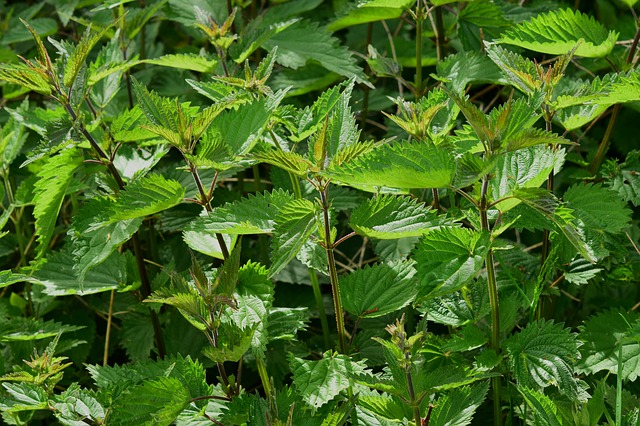
Nettles
Where: Nettles love rich, moist soil, meaning you’ll find them growing near rivers, streams, and lakes.
Benefits: When prepared properly, nettles can be a rich source of antioxidants, and as such are commonly used to reverse the effects of a heavily polluted atmosphere. It’s also thought to have powerful anti-aging properties. It’s also thought to inhibit the hormone that causes hair loss, and as such is often used to rinse and stimulate the scalp.
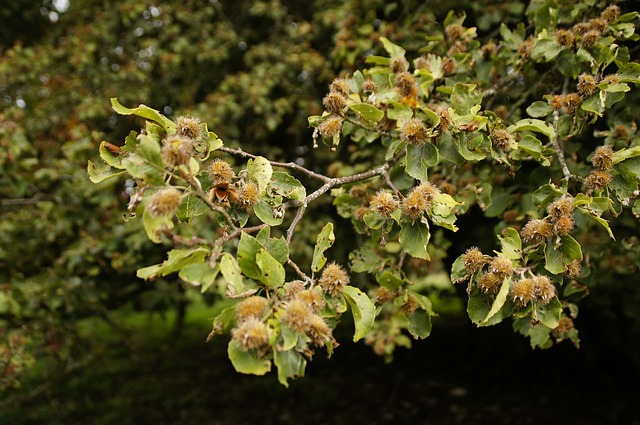
Beech Nuts
Where: Beech nuts like dry conditions, and acidic soil. They can be tricky to find, but woodland is a good place to start.
Benefits: As well as being known to be a powerful antiseptic agent, beech nuts are actually thought to promote healthy, strong hair growth over time. Oil distilled from beech nuts is commonly thought to help strengthen the follicle cells, helping to stall or slow down the effects of hair loss and baldness. Remember: Parts of the beech tree are known to be toxic, so don’t attempt to forage without the guidance and / or supervision of an expert.
Rowan Berries
Where: These berries grow in high altitude locations, particularly in the highlands of Scotland.
Benefits: Packed with a high vitamin C content, these delicious berries can to boost collagen production and synthesis, which helps to keep skin feeling firm, reducing the appearance of wrinkles over time. The berries can also be applied to dry or sore patches of skin to help address itchiness and irritation, and are often used to treat conditions like eczema and other inflammations of the skin.
Pine
Where: Scots pine is the only truly native pine in the UK. It thrives in heathland and is widely planted for timber. It’s also found in the Caledonian Forest in the Scottish Highlands.
Benefits: Nut -based products can help combat the effects of free radicals – which are caused by higher pollution levels – meaning they’re found in a lot of anti-aging products. Naturally fragrant, pine nuts are also incorporated into perfumes and shower gels, not to mention your car air freshener.
Recipe: Rosehip Bath Salts
This luxurious bath salt is infused with local rose hips which you can find throughout autumn and winter. Rose Hips are rich in the essential fatty acids which will nourish and rehydrate dry winter skin and help fight signs of ageing. So, pour a hot bath, sprinkle in your salts, sit back and relax.
Ingredients:
10-15 Rose hips
Himalayan Bath salts
Almond oil
4 Rose petals
4 drops of lavender
Part one:
1. Chop any stalks and leaves from the rosehips and wash with cold water in a strainer.
2. Fill a jar (jam size is perfect) with ⅓ Rose hips and top up with almond oil
3. Leave to infuse for a minimum of 4 hours (The longer the better)
4. Next, strain the Rose hip oil from the jar into another jar so that you now have a beautiful rose hip infused almond oil.
Part two:
1. In a mixing bowl, add the Himalayan bath salts
2. Mix in one tea spoon of your rosehip oil and lavender essential oil (You can add more if you like a stronger smell)
3. Next, take the rose petals and grind them up in a pestle and mortar and add them to the mix.
4. Mix everything up and spoon into a jar, ready to sprinkle into your next bath!
Then you need to slow down and make time to practice self-love. Self love is the perfect antidote to the busyness and pressures of life, but it often ends up being last on our to do list.
The problem is, if we don’t look after ourselves, we simply won’t have the energy to look after anyone else.
We’ve come up with five simple self-love remedies that will restore your wellbeing and boost your quality of life.
1. Get a better night’s sleep
Sleeping well is “as crucial to our health and wellbeing as eating a healthy diet or exercising regularly”, according to the Sleep Council. Sleep well and your concentration will improve, you’ll feel happier and you’ll even benefit from a stronger immune system.
If you’re getting between seven and nine hours of sleep every night you’re doing well. However, when it comes to sleeping, quality is as important as quantity. This is because the deep stages (slow wave or delta sleep) are responsible for repairing the body, generating tissue and building bones and muscles.
So how can you ensure that you get a good night’s sleep? Here are some tried and tested suggestions:
No blue screens before bedtime
If you often use a blue light emitting device such as a mobile phone in the evening, you might have experienced what the Sleep Council refers to as ‘electronic insomnia’.
This happens because exposure to the light confuses your body clock, significantly reducing production of the sleep hormone melatonin. So if you’re desperate for some good quality shut eye, avoid using your phone, laptop and tablet for at least an hour before you try to sleep.
Turn off the television
The Sleep Council’s research shows that 39% of people who watch television in bed sleep very poorly most nights. If that includes you, try removing the television from your bedroom and don’t be tempted to replace it with your phone or tablet.
Experiment with essential oils
Essential oils have been used to promote relaxation for centuries. The natural sedative properties of scents like lavender and vanilla make them perfect antidote to insomnia, so why not try taking a warm lavender oil infused bath before bedtime?
You can also buy lavender room sprays and body oils that sooth your skin and your mind.
Learn how to relax
A good night’s sleep requires relaxation, so if you’re mind’s still buzzing when you retire to bed you’ll probably struggle to drift off.
Mindfulness meditation is a very effective way to quieten your mind, as it involves being fully aware of the present moment. Fancy trying it? Head over to the Netdoctor website, which features a bedtime mindfulness routine courtesy of psychologist Dr Audrey Tang.
Create a comfortable space
Sometimes sleeplessness is caused by basic factors like a bedroom that’s too light, too hot or too noisy. Thankfully, there are a few simple solutions to problems like these.
If your room isn’t dark enough we recommend investing in some black out blinds or an eye mask. If it’s not quiet enough, earplugs might help. Too hot? Invest in a ceiling fan or a lighter duvet.
Cut back on caffeine and alcohol
Caffeine has a half life of five hours, which means that five hours after you drink a cup of tea or coffee, half of the caffeine is still in your system.
So if you regularly enjoy a late night cuppa and you’re struggling to sleep, you could try replacing it with a warm milky drink or some herbal tea.
Drinking alcohol late at night can also impair the quality of your sleep, as well as causing you wake up feeling dehydrated. You’re more likely to need the toilet in the middle of the night too.
2. Eat nourishing food
When it comes to wellbeing eating properly is essential, so we recommend making time for three nutritious meals a day.
To keep your energy levels up try and eat a lunch that includes some beans, nuts, eggs or protein packed lean meat, plus a serving of vegetables or salad. Another great choice is oily fish, as supplementing your diet with omega-3 fish oil boosts concentration.
Vitamins and minerals like zinc, selenium and riboflavin also play a key role in keeping you healthy, as do antioxidants, which repair your skin and protect it from pollutants.
Vegetables and fruit are a great source of these, so the easiest way to make sure that your body gets everything it needs is to eat your five a day and include plenty of variety.
Ever tried a drink called Kombucha? If you have it’s probably because fermented food and drink has recently become popular due to its health benefits.
According to nutritionists, drinks like Kombucha ( made using a tree fungus called SCOBY) have probiotic qualities, which means that they help to maintain the balance of friendly and unfriendly bacteria in your gut.
Sauerkraut is considered to be equally beneficial, as vegetables soaked in salt water encourage the growth of friendly bacteria.
Using spices is another simple way to boost the health benefits of your daily diet. As well as enhancing the colour and flavour of your food, many spices possess powerful antioxidant properties. You might want to stock up on:
Turmeric
Turmeric is packed with cancer combating antioxidants. It also has anti-inflammatory properties and protects your body from free radicals.
Ginger
Whether it’s chopped, grated, sprinkled or ground, ginger has impressive inflammatory properties making it ideal for reducing pain caused by arthritis and migraines. It also aids digestion and relieves nausea.
Cinnamon
Because it slows the breakdown of carbs in your digestive tract and improves insulin sensitivity, this aromatic spice could lower and stabilise your blood sugar levels. It can also relieve inflammation. The recommended intake is 0.5-2 teaspoons daily and cinnamon is delicious mixed into coffee or sprinkled over porridge.
Cayenne Pepper
This fiery spice acts as an antioxidant and an anti-inflammatory. It can also boost your metabolism, speeding up the rate at which you burn calories. Try adding it to stews, soups, sauces and curries.
Be kind to your skin
Once you’re sleeping and eating well you should start to notice a difference in your skin. In the meantime, there are plenty of other ways to keep your skin looking and feeling its best.
Avoid irritating ingredients
Unfortunately many synthetic skin products use irritating or drying ingredients like sodium lauryl sulphate (SLS) and alcohol. You might have spotted SLS in the list of ingredients that make up your cleanser, as it’s an effective foaming agent.
However, we recommend avoiding it, as it strips skin of its natural oils. We also suggest avoiding alcohol in skincare products, as this evaporates when it touches your skin, causing it to lose moisture.
There are plenty of products that are much kinder to your skin. For example, look out for cleansers containing natural skin balancing plant extracts. You can also buy plant based moisturisers, face masks and anti-inflammatory night creams that soothe and repair your skin.
Drink lots of water
Staying hydrated is essential if you want to keep your skin looking healthy. You should be drinking 6-8 glasses a day, unless it’s hot, in which case you’ll need more. If you’re not keen on plain water, the NHS Live Well website suggests adding a slice of lemon, some sugar free squash or a little fruit juice for flavour.
What about fruit juice and smoothies? Well, they do count as part of your daily intake, but try to limit your intake to 150ml per day, due to their sugar content. It’s also worth reducing your consumption of coffee and tea, as they have a diuretic effect.
Use natural blemish busters
We all get blemishes from time to time, but some anti-spot products will simply strip the natural oils from your skin, encouraging your pores to produce more oil. Thankfully, many natural products possess excellent blemish busting properties. These include:
Rosehip Oil-Helps scars to heal and give skin a natural glow.
Jojoba oil-Has antibacterial properties and won’t clog pores
Activated charcoal- Soaks up toxins
Calendula oil-A flower petal extract that’s anti-inflammatory and antibacterial
Tea Tree-Possesses antibacterial properties
Witch hazel-A natural astringent that removes oil without drying skin
Black willow bark-a rich source of salicylic acid, which helps to smooth and soften skin, as well as balancing oil production.
Release your inner yogi
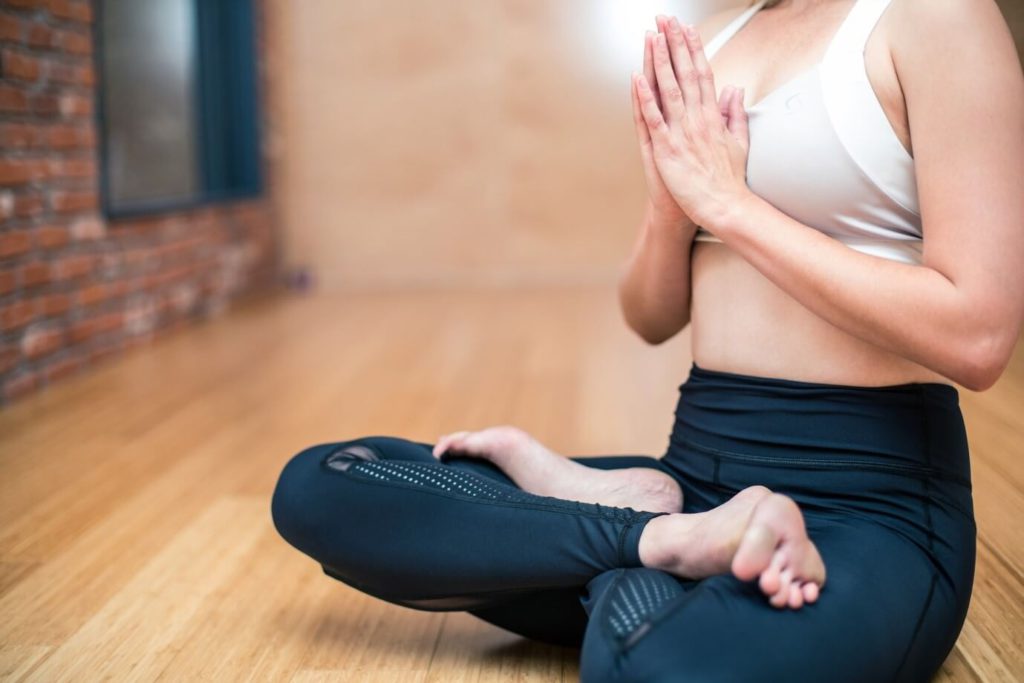
If you’re familiar with Downward Facing Dog or the Forward Fold you’ve probably tried yoga before. The poses, meditations and breathing techniques of this ancient form of exercise will improve your core strength, flexibility, balance and posture. It’s also excellent for relaxation, making it the perfect self-love activity.
Physical health benefits
Yoga breathing techniques are known as pranayma and they focus on slowing down and deepening your breathing.
This reduces physical tension, making it easier to remain calm. Studies have even shown that taking part in yoga can lower your heart rate, which helps your body to respond healthily to stressful days. If you practice yoga regularly you’ll also benefit from stronger limbs, firmer abs and improved general fitness.
There are plenty of yoga videos online, but if you’re new to yoga the NHS recommends finding a class to make sure that you learn the poses and breathing techniques properly. To locate a class near you, check out the four main yoga associations:
It’s also worth paying a visit to the NHS’s Fitness Studio , which features its own yoga videos.
Mental health benefits
The plugged in nature of modern living often results in information overload and cluttered minds.
Yoga slows everything down and clears the clutter. As you start to relax, your cortisol levels will drop, restoring calm and reducing any physical symptoms of stress. If you practise it regularly, yoga could even boost your serotonin levels.
If you’ve never tried yogic meditation, you should! It involves sitting in silence, breathing deeply and noticing every sound, sensation and thought. Every time your mind wanders you’ll learn to refocus your attention, which will result in better concentration and clearer thinking.
Mediation will also enable you to pull back and simply observe any negative thoughts and feelings. They’ll travel through your mind but they won’t get stuck.
Enjoy some Ecotherapy
It’s well known that taking part in exercise is an excellent way to combat stress and improve your mood.
It releases endorphins, increases your energy and keeps you mentally sharp. In fact, research has shown that just an hour of exercise a day can combat the effects of sitting still for long periods of time.
Exercising in the countryside has been proven to provide even greater benefits, particularly when it comes to mental wellbeing.
When mental health charity Mind commissioned the University of Essex to carry out a research project involving green exercise or “ecotherapy”, they found that getting active in the countryside enhanced the participants’ mood and self-esteem. It also reduced any pre-existing anger, tension and depression.
The people who participated in Mind’s research took part in a variety of ecotherapy activities including conservation work, cycling, gardening and running. But some of them simply put on their trainers and went for a walk.
Walking is such a simple way to exercise and if you live in England or Wales, you have free access to 130, 000 miles of “public right of way”.
So whether you fancy rambling across remote Moorland, strolling through a secluded nature reserve or cycling along quiet country lanes, why not boost your psychological wellbeing and fitness by reconnecting with the natural world?
If we’ve inspired you to dust off your hiking boots and tackle some more challenging routes, check out your local bookshop, library or tourist information centre, where you’ll find a selection of walking maps.
You could even visit the Ramblers website to find out whether any walks have been organised in your areas. Just be sure to Invest in a decent waterproof jacket before you set off!
Incorporating more self-love into your daily life will help you to feel revitalised, refreshed and ready to tackle whatever life holds in store. So why not put yourself at the top of your to do list this week? We’d love to hear how you get on!
By now we’re all aware that mental health is just as important (and sometimes intrinsically linked to) our physical health. Mental health struggles such as anxiety and depression affect 1 in 6 of the UK population (Mind UK, 2020), but with access to mental health services declining, it’s no wonder more of us are seeking out alternative solutions.
Our mood and mental wellbeing are greatly impacted by our hormones; a group of chemical messengers that control an array of functions within the body. The ones responsible for helping us ‘get happy’ are called ‘serotonin’ and ‘dopamine’. A common treatment method for depression is the prescription of SSRIs (selective serotonin reuptake inhibitors), a type of anti-depressant that increases the serotonin levels in your brain. While these medications are effective in improving mood and mental wellbeing, they can, unfortunately, come with some less than pleasant side effects including digestive issues, dizziness, irritability, insomnia, and more. Now, this is not to say we recommend stopping the prescribed medication from your doctor – you should always discuss any concerns with them first.
But these hormones occur naturally in our bodies – we should be able to boost them naturally, right? Before we can figure out how to do this, it helps to understand what these ‘happy hormones’ actually do.
What Is Serotonin?
Serotonin (also known as 5-Hydroxytryptamine) is a chemical, that much we have established, but why would you want more of it?
Its main job in our bodies is to regulate our mood as well as our sleep, appetite, digestion, learning ability, and memory. Therefore, if your serotonin levels are low you are likely to feel less emotionally stable and may struggle with sleep, focus, and low appetite.
Credit: Noah Silliman
What is Dopamine?
Dopamine similarly is a chemical (also known as 3,4-dihydroxyphenethylamine) that affects, again, several functions in the body including locomotion, learning, working memory, cognition, and emotion.
Dopamine is our chemical reward mechanism. When we get a large influx of dopamine we get a feeling of pleasure and reward in the same way you would train a dog with a reward for good behaviour (yes, sometimes we are that simple).
So now we know how important these chemicals are to have, you might suspect that your levels of serotonin or dopamine aren’t as high as they ought to be. So here are some ways you can increase them and give your mood a natural boost.
Exercise
Credit: Andrew Tanglao
Now this one may seem obvious and a bit of a cop-out, sort of like being told to drink water, but this truly is one of the best natural ways of increasing both your serotonin and dopamine levels. Exercise also helps with a multitude of other ailments so more exercise will always be a better thing (just don’t overdo it)!
Serotonin is involved in your digestive process, so naturally, what you eat is likely to impact your levels. Up to 90% of the serotonin our bodies create comes from our intestines and not our brain, so making sure the food we eat is right for us is paramount! The main ingredient we are looking to include here is the amino acid Tryptophan, which aids in the production of serotonin and melatonin to regulate our mood, appetite, sleep cycles, and more. Tryptophan cannot be produced by the body and so must be obtained through our diets. Some of the best sources of Tryptophan can be found in vegetables, nuts and seeds such as:
Butternut Squash Seeds
Potato
Mushrooms
Cauliflower
Walnuts
Wheat
Soy
Incorporating these foods into your regular diet can positively boost your serotonin levels and also provide a variety of other health benefits! Another obvious way to get more Tryptophan into your diet is with protein supplements. Bodyhero pea protein contains all the essential amino acids needed to function and fuel your body. Check out their range of supplements here!
Meditation
Credit: Daniel Mingook Kim
Meditation has in recent years become one of the most popular ways to improve mental wellbeing in the UK and if you’ve ever tried it, you’ll know why. Research shows that meditation, accompanied with breathing exercises, can activate the release of dopamine in the brain resulting in reduced anxiety, better sleep, and improved mood! Click here for creative ways to add meditation into your day!
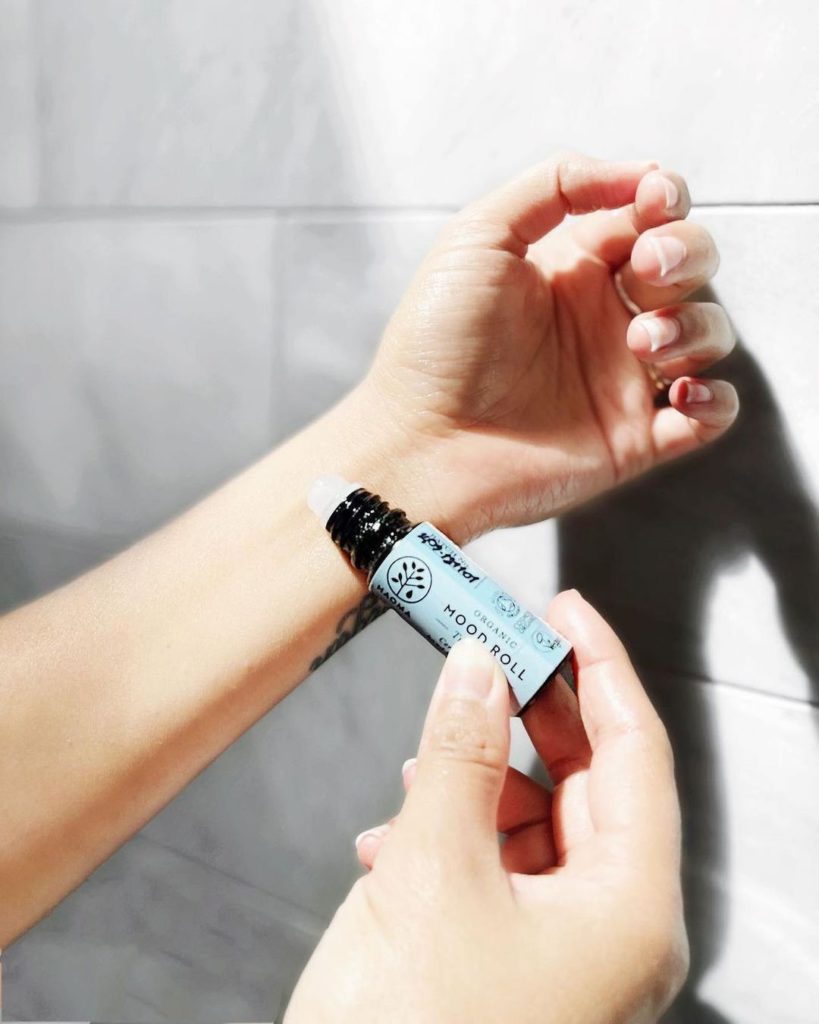
Another great way to instantly lift your mood is through the use of essential oils. These natural, plant-derived oils are known to have medicinal properties with lemon, bergamot and lavender in particular reported to boost serotonin levels. By smelling these oils you can create an instant sense of calm and contentment. Carry that feeling with you wherever you go with ‘Mood Rolls’ from Haoma or instantly uplift your space with our full range of natural, essential oil candles – available in an array of soothing scents.
As we mentioned, these should not replace any prescribed medication without consultation from your doctor. However for anyone considering medication but looking to try some natural alternatives first, we hope you find some of these tips helpful! With a few easy day-to-day activities like this, as part of a healthy lifestyle, you can boost your serotonin and dopamine levels naturally.
Skinimalism is a term you might have heard being thrown around recently on social media, and as one of Pinterests top predicted trends for 2021, it is likely to stick around. But what does it actually mean? What constitutes skinimalism and how can you achieve it?
What is skinimalism?
Skinimalism is essentially the return to natural beauty, adopting a minimalist stance on what lotions, potions and makeup you put on your face and hair. The movement stands up for textured complexion because, let’s face it, no one has poreless skin! The ‘skinimalism’ movement is part of the wider ‘true beauty’ movement, which advocates for plus sized models and champions greater diversity in the beauty industry.
Credit: Polina Takilevich
Skinimalism: A saviour?
Sparked by the successive lockdowns living makeup-free and mainly in pj’s, the natural glow is something that more people want to achieve, especially over the past couple of years. Thousands of us are switching out the paint-like foundation for a BB cream or even nothing at all, making the characteristic orange line and slug brows, a thing of the past.
Credit: Snog, Marry, Avoid
Many beauty brands are also catching on, releasing plant-based and natural ranges of skincare and makeup in order to pander to the movement.
It seems this trend has come round at the right time. With platforms such as Instagram and Snapchat, influencers and celebrities alike are promoting the filter-heavy unnatural look, which is largely unattainable for the rest of us. It goes without saying the perfectly polished images of themselves have severe mental implications for people who are consuming this content, with young people being most at risk.
However, these mental health implications are not new. The overly polished imagery of models that appeared on billboards and in adverts have caused a pan-national crisis of people believing they are not beautiful enough because they are aspiring to unnatural beauty standards. But, since the video where a slice of pizza is turned into a woman on photoshop went viral, we became more aware of the power of photoshop and how most images of models are manipulated to present an image of perfection.
This is where skinimalism takes a stance. Skin texture, enlarged pores, wrinkles and so on are to be embraced, creating much more realistic and attainable beauty standards for the average Joe (or Jolene).
The skinimalism movement is also good news for those of us who suffer with skin conditions. In recent years, the acne positivity movement has increased and notable hashtags such as #freethepimple have created a community of people who are embracing their natural beauty, not hiding it.
Credit: Nicole aka, @theblemishqueen
So, all this talk of skinimalism, but how can I achieve it?!
Skinimalism is stripped back and this is the first port of call – stripping back. This takes on a few forms, including physically cutting down on the makeup and also taking a look at the ingredients in your cosmetics. The movement favours natural ingredients that are proven to help tackle skin problems and contribute to healthy skin, such as vitamin C, Rosehip oil, Argan oil and lavender.
At Veo, we like to ensure all our health and beauty range aligns with this minimalist approach, so we have drafted together some of our favourite pioneers of the skinimalism movement.
Skin care:
KINDBEEUTY
KIND BEEUTY
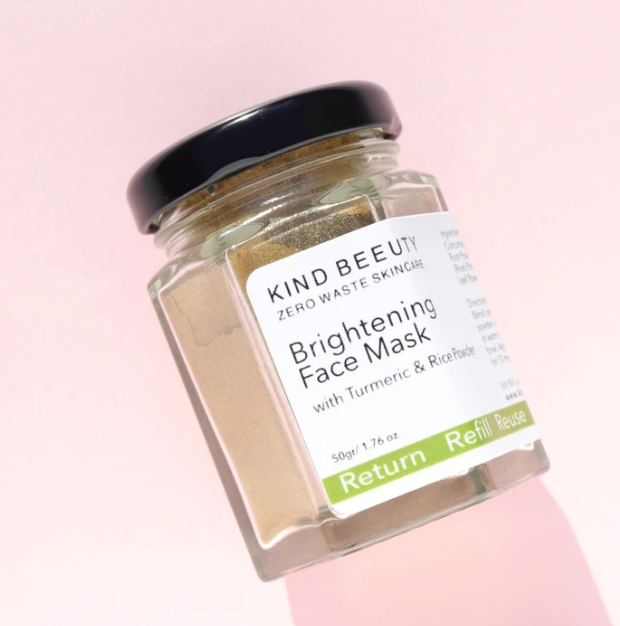
KINDBEEUTY is at the forefront of the skinimalism movement, using only kind and natural ingredients to help you achieve that heavenly, golden hour glow. Their range consists of face masks, creams, oils and even hair care, all of which are toxin and paraben free. Additionally, this incredibly altruistic brand champions zero-waste, using only refillable packaging and even offering free postage for the return of empties!
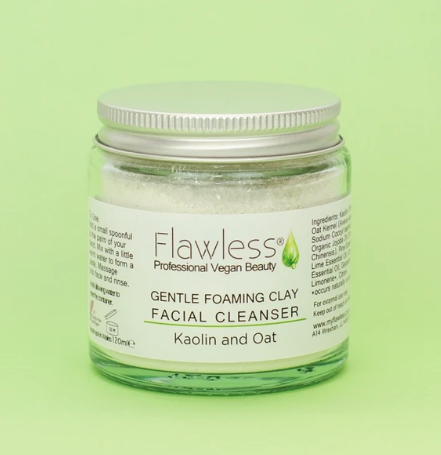
Designed with your skin and the environment in mind, Flawless are the entirely plant-based skincare brand. Each of the products are crafted with natural ingredients, designed to perform the same as high-end, non-natural skincare products.
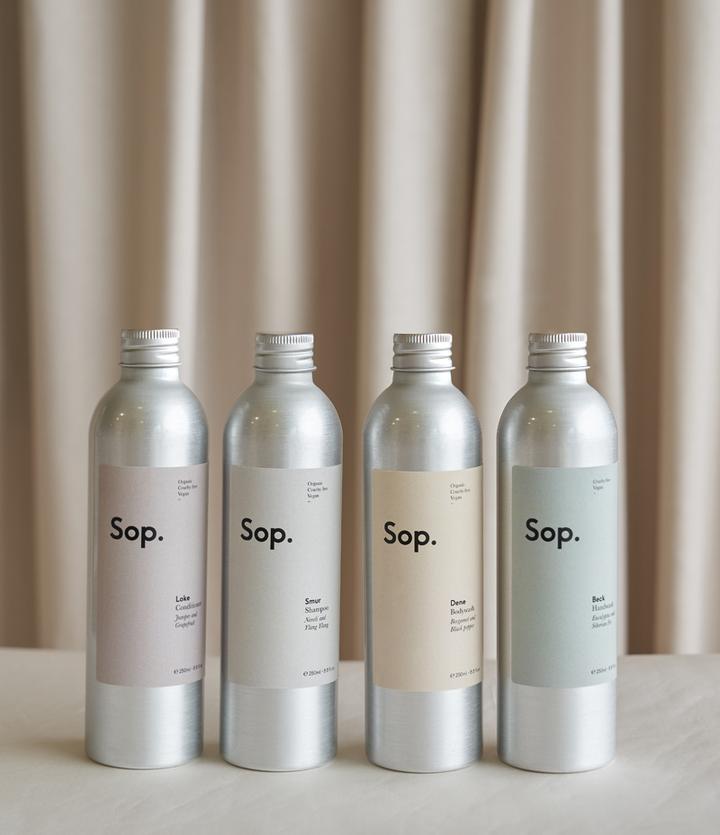
The Norfolk-based hair care brand have brought nature into their products, dividing their beautiful range up into 4 components: Smur (a fine drizzle), Loke (a remote track), Beck (a small stream) and Dene (a sandy stretch of coast). All of these plant-based, natural and cruelty-free shampoos, conditioners and bodywash are the naturalists go-to. The minimal packaging is plastic free, with Sop itself being a member of Blue Patch and investors in the local wildlife.
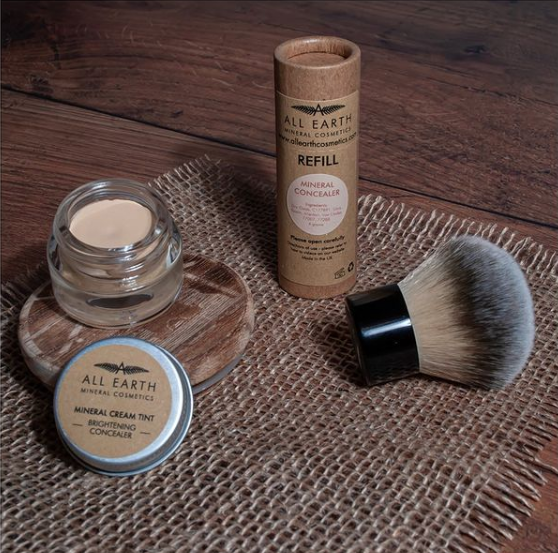
These refillable mineral pots are perfect for every skinimalist, offering light and buildable coverage to suit every skin tone and type. What’s more, this mineral makeup contains anti-inflammatory ingredients, making this makeup a viable option for eczema and acne sufferers. All Earth Minerals offer a wide range of powdered makeup, from blush and bronzer to foundation and concealer, beautifully finishing off your natural beauty routine.
Additionally, all these cosmetics are stored in recycled, eco friendly and easily refillable packaging, making these products better for you and the environment!
Some of our favourites include:
Mineral Foundation Pot For Life, £20-£28
Mineral Bronzer Pot For Life, £20
Mineral Contour Powder, £20
All of these brands have been thoroughly checked to ensure all the ingredients are fully traceable and natural. Achieving the skinimalism look is therefore more than just removing your makeup and runs deeper than what is on the outside. It consists of taking a closer look at the ingredients you are putting on your skin, returning to natural ingredients, which in most cases, have better properties than their chemical-laden counterparts. Skinimalism also (and most importantly) consists of embracing your natural beauty, letting your skin breathe and showing off those beautiful textures. The skinimalism movement is only positive for the health of our skin and mind, so why don’t you give it a try?!
We are living in strange times and whilst it may feel as if the end is in sight, for many that brings with it, new anxieties. We have all changed as a result of Covid-19, we may have reassessed and reprioritised but we may also have become isolated and concerned at reintegrating.
What happens to our body and mind when we are scared? Let’s take a look into the biology of fear and the impact it has on our immune system.
Introduction
In any situation our brain is pre-programmed to see the very worst outcome, this is a primal defence mechanism to help us to see a way out of a dangerous situation. This may be helpful when it is to devise a plan to escape from a wild animal but it is not helpful in a situation that is out of our control. With a continual flow of information (news, social media etc) we have a constant worst-case scenario playing out in our minds. Whilst our mind is envisaging this frightening situation(s) it is very hard to switch into a positive mindset, it is also increasingly difficult to concentrate, focus and function through every day life. As the current situation continues for some weeks and months to come, this heightened state of anxiety will begin to take a significant toll on your physical and mental health. This information is designed to help you adopt coping mechanisms and habits to form a new routine and to support your overall health and wellbeing.
Credit: Ben Sweet
How you adapt to this situation now, how you think, move and eat during this time will have a significant impact on both your physical and mental health for years to come.
Here’s a few reasons why.
Immunity
Our immune system has been brought to the forefront of our attention we all need it more than ever but how it performs when you need it is down to how you feed it.
Everyone is unique, your immune system is no different – why do some people get ill and others not? There are many factors you can influence in terms of your own immune response and even the age of your immune system as this can age at a faster or slower rate than your biological age depending on how you live your life!
The lifestyle factors that impact on your immunological age are;
Smoking
Obesity – sorry to say it but being obese suppresses the immune system
Being sedentary is also damaging to the immune system,
What you eat –
A particular area in terms of immunity is the health of your gut flora, we know that probiotics can enhance the immune system and that poor gut health is one of the causes of premature ageing, so to support your immune age please take care of your microbiome, this really will support you right now and in the future.
Include probiotics such as live yogurt
Eat naturally colourful foods
Avoid an excess of sugar and processed foods – this may feel like a time when you deserve some ‘comfort’ food but consider cake, chocolate, pies, sweets, pastries etc are nutrient devoid, detrimental to your gut flora, inflammatory and likely to lead to adipose tissue being deposited around your body and organs.
Credit: CDC
Immune boosting Information: what does your lifestyle say about your physical and mental health? If you have a lot of X please try to take small positive steps in each area.
X = detrimental to the health of this area
√= supports the health of this area
Immune System
Mental Health
Physical health
Reason
Smoking
X
X
X
Smokers have a much older immune system than non-smokersSmoking increases anxiety and tensionSmoking causes chronic lung conditions Smoking increases the risk of Rheumatoid Arthritis, decreases fertility, depletes you of nutrients (smoking is considered an anti-nutrient) Smoking also weakens your bones and accelerates the ageing process
Exercise
√
√
√
Active muscle tissue has excellent immunoregulatory benefitsMood boosting due to the release of Endorphins Supports and strengthens bones and connective tissuesAids restorative sleepLowers blood pressureAids cognitive clarity Decreases neurodegenerative decline
Being Sedentary
X
X
X
Thymic decline is linked to physical inactivity and can rapidly accelerate your immunological age. Not moving is also linked to increased probability of Type 2 Diabetes, some cancers and heart disease.Not moving also accelerates the loss of bone-densityBeing sedentary also raises dementia risk
Stress
X
X
X
Prolonged stress such as the next few weeks/months can have a huge toll on your physical and mental health – there are many physiological symptoms to look out for – check regularly using our checklist.
Relaxation
√
√
√
Relaxation supports the adrenal function which can go into overdrive in times of severe or constant stress.Slowing down and being mindful of the moment has a positive calming and instant effect on your body.
Laughter
√
√
√
Laugher reduces stress hormones and raises heart rate to a similar level of moderate exerciseLaughter really can be the best medicine!
Time outdoors
√
√
√
Within guidelines spend time outdoors, preferably in a garden where you can be distanced – vitamin D is essential for physical and mental health and overall wellbeing.Being around nature also naturally lowers blood pressure.
Sleep
√
√
√
Essential – whilst it may be a tough time to sleep well, it’s also the time that you need it the most!Poor sleep has many knock-on effects including; elevated stress levels, depleted immunity, increased hunger hormones and low mood.
When it comes to food, there is a lot of nutritional support to fuel your body and support your physical and mental health but, there is also a lot that can do a lot of harm and hinder your bodies immune response and ability to cope with heightened stress and anxiety. Examples below but list not exhaustive!
Foods that harm
Sugar/high sugar foods
Mood altering (not in a good way!)
Supresses the immune system
Affects quality of your sleep
Detrimental to the health of your gut microbiome
Detrimental to your brain function
Biggest factor in weight gain
Whilst it may feel like it, now is not the time to ‘comfort eat’ by allowing yourself to eat sugar filled foods you are depleting your immune system at a time when you need it most.
Foods that heal
There’s many a reason why nutrition can boost your immunity and healing – the most obvious one is around increasing your intake of antioxidants – these combat the free radical activity by donating (the antioxidant) a spare electron and minimising the damage that the unstable unpaired electron (free radical) can cause. Most natural fruits and veg contain antioxidants, we often think of an orange as being the best source, whilst it’s true that Vitamin C is considered a free radical scavenger (it goes looking for damage) strawberries, kale and broccoli all have more vitamin C than an orange!
I am not being mean when I say try not to comfort eat! In times of stress, we often look for things that comfort us. Often that is food. Unfortunately, there is a big difference between what biological comfort eating is (i.e. which foods really do comfort us and create happy molecules) and the foods that, generally speaking, we crave for comfort (cakes, pizza, chips, chocolate, ice-cream, etc). Once we are in the eating cycle it is very hard to change. You cannot change it simply by eliminating those foods, particularly at times of stress as you will just make yourself feel more miserable.
It’s important to try to understand the role of food and how the nutritional science of the food journey (or biosynthetic pathway) within the body, how certain amino acids work in the body to create neurotransmitters (the chemical messengers within the body) which as part of their many roles is transmitting signals which alter our mood. ‘Comfort’ foods may have a very short term artificial positive impact on your mood but it isn’t sustainable and as the blood sugar drops so does your mood and often, with comfort eating we can end up feeling worse rather than better.
Food can naturally boost/relax our mood as we need it to. The table below gives some examples of foods that help to create neurotransmitters and enable us to feel calm, content, happy, relaxed, excited etc.
Calming, content, able to relax, promotes feelings of happiness and enables the body to transition into the sleep phase of the circadian rhythm.
These foods contain the amino acid Tryptophan. This acts as a precursor in a biosynthetic pathway to make the neurotransmitter Serotonin. It is the serotonin that creates the mood-altering feelings associated with these foods.
Beans, apples, bananas, beets, watermelon, wheat germ, dark chocolate
Triggering the same feelings you get when you fall in love and when a woman gives birth, oxytocin is referred to as the ‘love hormone’oxytocin is produced by the hypothalamus, the part of the brain that controls certain metabolic processes, such as hunger, body temperature, thirst, sleep and circadian rhythms.Oxytocin is a powerful hormone which is created by sensory stimulation, food can trigger it as can the smell/thought/memory of food.
These foods aid production of Oxytocin – this is often referred to as the ‘love hormone’ as it is associated with feelings of intimacy. No foods contain oxytocin but those listed can enhance production.
Proteins – seeds, wholegrains
These foods and the nutritional science they create impacts on; motivation, attention, happiness, management of pain, cognitive function, heart rate, blood vessel function and sleep.
These foods contain the amino acid Tyrosine. This acts as a precursor in a biosynthetic pathway to make the neurotransmitter Dopamine. Dopamine is associated with pleasure and reward along with the many functions in the body as outlined. With dopamine it is very important to trigger this naturally rather than via addictive foods such as high sugar/high fat items. Remember the pleasure and reward centre of the brain is also where addictions are formed.
Chocolate (definitely dark) preferably raw cacao as this is high in magnesium which triggers the brain’s production of natural opioids.Foods rich in vitamin C Foods rich in selenium (like brazil nuts) as selenium has mood-enhancing properties
Eating these foods will trigger the bodies’ natural pain relief and enhance mood.
Endorphin – like oxytocin this is a hormone. Endorphins are the bodies’ natural pain relief, having the same effect as morphine.Usually associated with people who exercise and for good reason; people who are active have significantly higher levels of endorphins, and as exercise is addictive so are the endorphins.
Credit: Amoon Ra
Many people underestimate the influence that nutrition and lifestyle can have on their overall mental and physical health but please remember this; the foods you eat impact on every cell in your body – that’s every movement, every decision and every emotion.
According to a report released in March 2020 by the Department for Environment, Food and Rural Affairs (DEFRA), British households produce over 26 million tonnes of waste each year; around 6.6 million tonnes of this is food waste. Even more shocking is the fact that over 70% of the food waste thrown away annually, is food that could have been eaten. A weekly/monthly trip to the supermarket is something most of us do on autopilot, not really thinking about the wider impact we might be having. However, there are small changes that we could all be making that would greatly help to reduce the amount of household and food waste we produce. Today we’re breaking down some easy ways to make your grocery shop more eco-friendly. Keep reading to find out more!
Use up everything in your kitchen first
Credit: Toa Heftiba
The first step to having a more eco-friendly grocery shop starts at home. Far too often we let the excitement of heading to the supermarket cloud our judgement of how much we actually need. How many times have you bought something, only to open the cupboards and find that you already had it? Go through your cupboards (and the back of the fridge) before you head out shopping. If you have left over produce or ingredients, it’s time to get creative! Head to websites like Pinterest to discover new recipes that you can recreate using what’s already in your kitchen.
Plan your shop ahead of time
Credit: Ella Olsson
Once you know what you actually need, it’s time to plan. Create a menu for the week or month and decide what meals you want to eat for breakfast, lunch, dinner and anything in between. This will mean you can decide exactly what you need to buy and can avoid purchasing food that you won’t end up eating. Make a thorough list and stick to it! There’s no better feeling than knowing the overnight oats you prepped the night before are waiting for you when you wake up!
Buy only what you need or can comfortably store
Credit: Nadia Pimenova
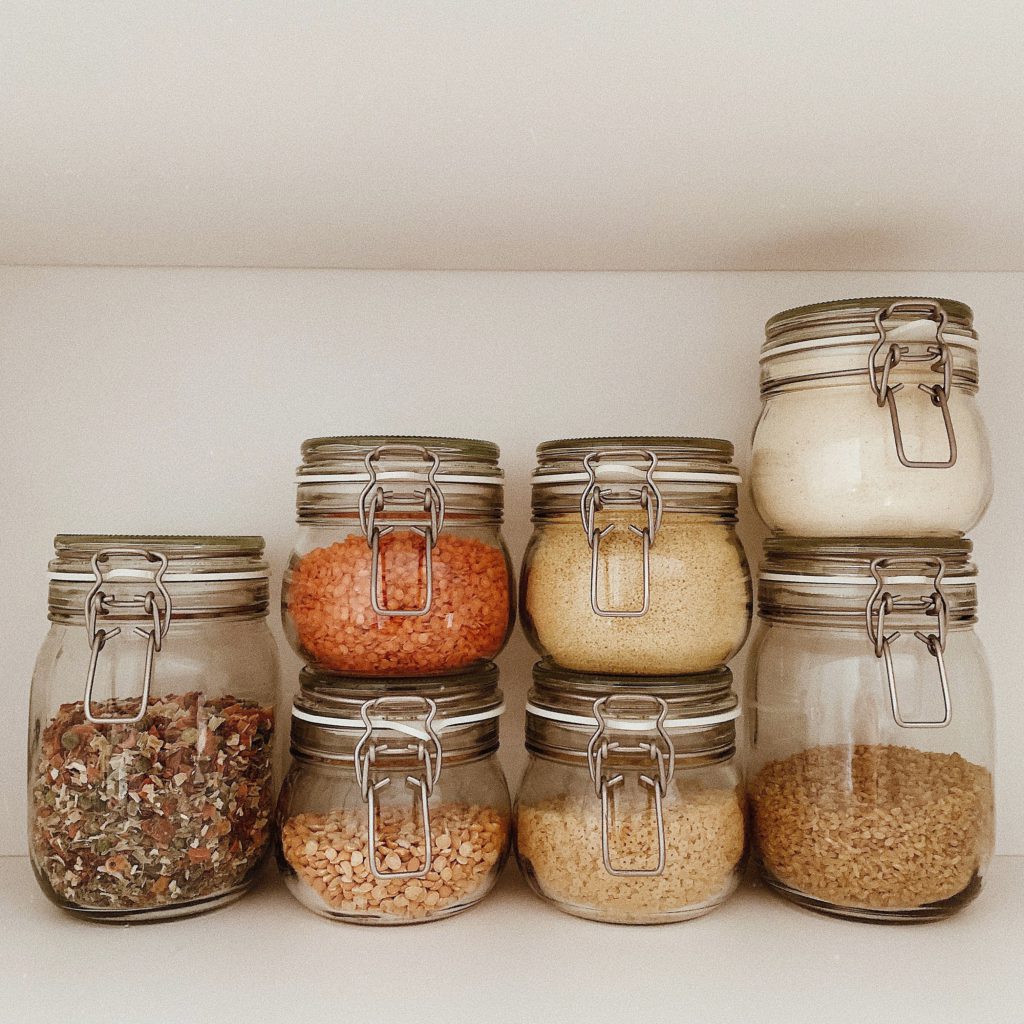
Another way to avoid excess is to only buy what you are able to comfortably store in your home. If you find yourself regularly running out of space in the fridge/freezer, and having to store chilled food in the cupboard, there’s a good chance your food will end up going bad and being thrown away. This can especially be the case if you tend to buy in bulk. Avoid this by knowing the capacity of your home and not buying more than you can keep. If you’re looking for ways to maximise the space you do have, invest in refillable storage jars for your food. Not only do they tend to take up less space than food left in packaging but they also enable you to see exactly how much you have available. And if you are able to visit a ‘zero waste’ store local to you then you can refill your containers and jars without creating any waste- super win!
Use reusable shopping bags
Credit: Gaelle Marcel
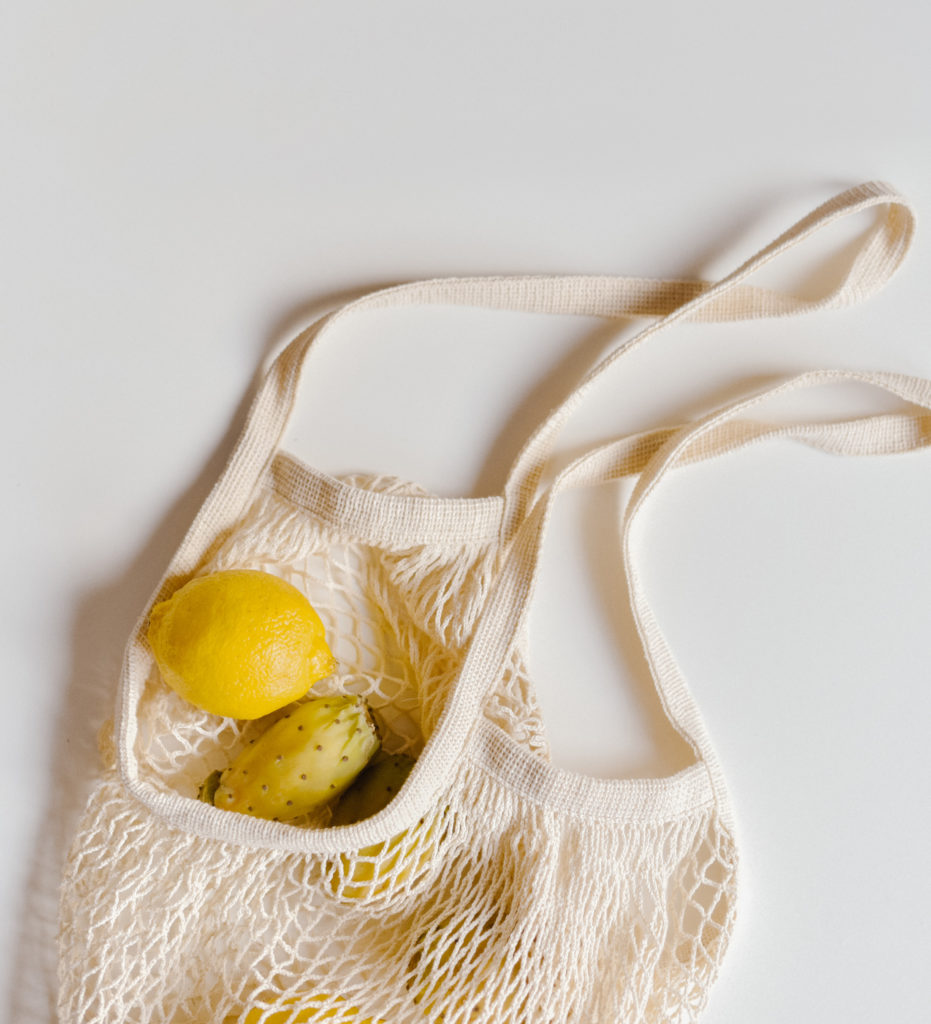
Since the introduction of the 5p bag charge, the sale of single-use plastic bags has reduced by 95% since 2015 (The Guardian, 2020). While this is amazing, we can all slip up now and then, forgetting to bring reusable shopping bags with us. To make this easier, keep your shopping bags somewhere that you can always access them e.g. by the front door, in your car, on your bike, or in your rucksack.
Shop local where possible
Credit: Tim Mossholder
There are several benefits to shopping locally rather than using mainstream supermarkets. Not only are you helping to support your local businesses, but you are also more likely to find loose, fresh produce without the packaging. Shopping locally also means you can avoid a lengthy car trip to the nearest superstore by choosing to stay more close to home. At Veo we work with independent brands around the UK and globally, so you can identify products and support brands close to you.
Buy versatile ingredients that can be used for multiple meals
Credit: Syd Wachs
Finally, while it can be fun to try experimental dishes now and then, if you are buying more specialist ingredients than you need, you’ll often end up with leftovers that can’t be used for anything else. Instead, stick to versatile ingredients that can work throughout the month for multiple dishes. This way, you’ll be more likely to use up everything you have without throwing any food away.
Moving towards zero-waste living is never an easy transition so we hope these tips help make the process feel slightly more achievable, no matter what stage you’re at.If you struggle to find eco-friendly grocery swaps at your regular supermarket, we have our very own grocery section here at Veo. Here you’ll find brands that are already doing the work to be sustainable so you can shop with ease knowing you’re helping the planet without compromising on taste or quality.
Diet culture is a pervasive part of modern society. According to a survey by the UK Parliament in 2020, 61% of adults feel negative about their body image while 53% report that lockdown made them feel worse about their appearance. It is estimated that approximately 1.25 million people in the UK have an eating disorder. This number has been rising sharply with reports at the start of 2020 stating that hospital admissions increased by 37% in the past 2 years.
Despite this, the UK government recently confirmed that it will be going ahead with plans to make calorie counts mandatory on restaurant menus from April 2022. This arises in an attempt to tackle obesity in the UK which is now thought to be linked to an increased risk of contracting COVID-19 among other serious health issues. Almost two-thirds of the UK population is overweight or obese and with statistics like these, it is no surprise that the government wants to take action.
Credit: RawPixel
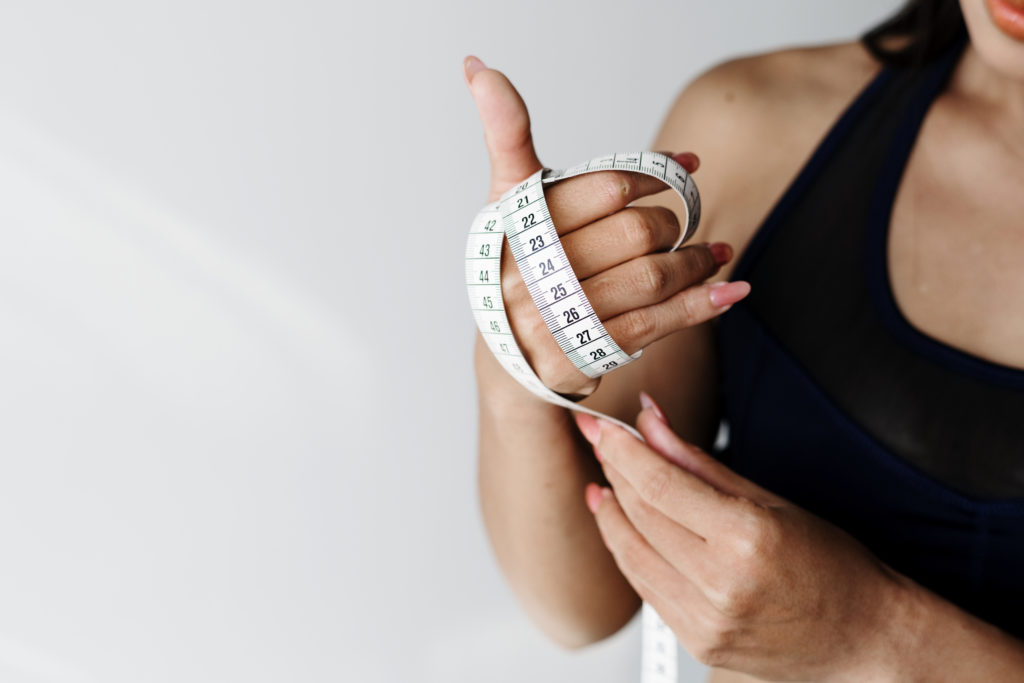
After the year we’ve all had, health is of course a top priority for everyone right now, but is enforced calorie counting the way forward? Not only has it been proven ineffective but it is also highly dangerous for those struggling with eating disorders, disordered eating, or even orthorexia*. And for those who are relatively healthy and looking to treat themselves or celebrate with a moment of indulgence, eating out may no longer be the enjoyable, guilt-free experience we all look forward to. What these statistics show us is that the issue isn’t really about eating too many or too few calories but rather our complicated relationship with body image and food. So how can we achieve balance?
*Orthorexia is an unhealthy focus on eating in a healthy way. Eating nutritious food is good, but if you have orthorexia, you obsess about it to a degree that can damage your overall well-being. Steven Bratman, MD, a California doctor, coined the term in 1996.
We know fad diets don’t work. Calorie counting and restrictive eating has been proven to be ineffective in the long-term with two-thirds of people regaining any weight they’ve lost within 1-5 years. If you’ve tried one for yourself, you’ve probably experienced this first hand. But an emerging concept called ‘set point theory’ might explain why this happens. According to this theory, our bodies have a natural, pre-determined weight range that adjusts as we age. When we attempt to alter our weight outside this range by dieting, our hypothalamus, the part of the brain that helps to regulate our hormones and metabolism, kicks into defense mode. Depending on whether we are attempting to lose or gain weight, our metabolism adjusts to conserve or use more calories. Our levels of ghrelin ‘the hunger hormone’ and leptin ‘the satiety hormone’ also adjust, in an attempt to get us to eat more (or less) in order to shift us back to our set point weight.
Credit: Stephanie Buttermore
While further research is required to determine the validity of this theory, its popularity continues to grow, particularly as more people are rejecting diet culture in favour of intuitive eating lifestyles. Intuitive eating is a philosophy that encourages us to reject diet mentality and to instead become more in tune with our hunger and satiety cues. There is no restriction on the type of food you eat but rather a more holistic approach that relies on the individual to determine what their body is craving at any given time. One popular fitness Youtuber and Biomedical Scientist, Stephanie Buttermore, Ph.D., tried this out for herself and went viral last summer with her ‘all-in’ diet, an attempt to reset her hunger cues and settle into her own natural set point weight, with interesting results. While this might be seen as an extreme way to re-learn your relationship with food, ditching the calorie counting is a great place to start. Here at Veo, we know that not all calories are created equal so instead, we’re focused on fuelling our bodies with the very best. All our food is plant-based and free from refined or artificial sugar that is actually known to spike our ghrelin (hunger) levels, sending us out of balance. Here are a few ways to incorporate healthier eating habits into your lifestyle:
Try a flexitarian diet – For anyone who has previously struggled with restrictive dieting, this method allows for more balanced eating without completely cutting anything out from your diet. If you’re interested in adding a few meat-free meals to your week, check out our range of delicious meat alternatives.
Incorporate more superfoods into your diet – With high vitamin and mineral content, these foods can naturally help your body to fight off disease, increase energy levels and promote overall better health and wellbeing. Check out our high-quality range of superfoods here!
Boost your diet with supplements – In a perfect world we’d always eat the right amount of fruit and veg, drink the right amount of water and get the right amount of sleep but sometimes we just need that extra vitamin boost. Discover our range of plant-based vitamins and supplements here!
It’s time to break up with diet culture. Changing your relationship with food, paying attention to your hunger and satiety cues, and fuelling your body adequately to support optimal function, will help you stay healthy no matter what the scale or calorie tracker says.Click here to discover more of the delicious and nutritious food we have here on Veo.