


Veo and Wearth are now Ziracle. Same mission, better platform. See what's new

Ziracle Journal

Honest reads on living well and living sustainably.

From Bottle To Bar: Why You Should Switch To Zero-Waste Hair Care
From Bottle To Bar: Why You Should Switch To Zero-Waste Hair Care

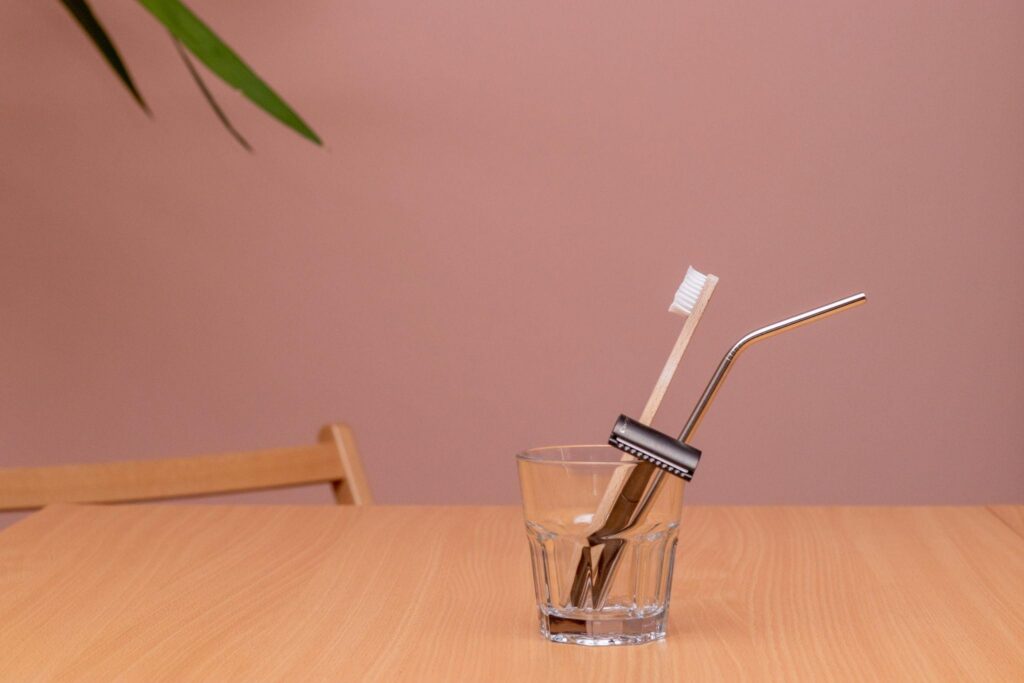
Less waste, natural and better for your hair: why you should switch to zero-waste hair care.

By admin

The Breakdown: What is the difference between biodegradable, compostable & recyclable materials?

The Breakdown: What is the difference between biodegradable, compostable & recyclable materials?

Biodegradable, compostable versus recyclable. What actually is the difference?

By Amelia Marshall

Buy less, choose well, make it last: how to make better fashion choices

Buy less, choose well, make it last: how to make better fashion choices

An addiction to extremely low prices and fleeting trends has resulted in a 'fast-fashion' culture that is destroying the planet at an alarming rate. With more people wanting to make better fashion choices, we're sharing some easy ways to buy less, choose well, and make it last with slow fashion.

By Lydia Oyeniran

How to declutter your home sustainably

How to declutter your home sustainably

Decluttering can often become a wasteful practice so we're sharing some useful tips to help you utilise your things better and declutter sustainably.

By Lydia Oyeniran

The Ultimate Guide To Vegan Leather

The Ultimate Guide To Vegan Leather

From animal hides to grape skins, we're exploring leather and its cruelty-free alternatives with the ultimate guide to vegan leather.

By Lydia Oyeniran

How to get involved in Plastic Free July this month

How to get involved in Plastic Free July this month

It is clear that plastic pollution needs immediate action but it can be overwhelming knowing where to start. So we're sharing some easy ways you can get involved in Plastic-Free July this month!

By Lydia Oyeniran

Eco-home essentials you can’t live without

Eco-home essentials you can’t live without

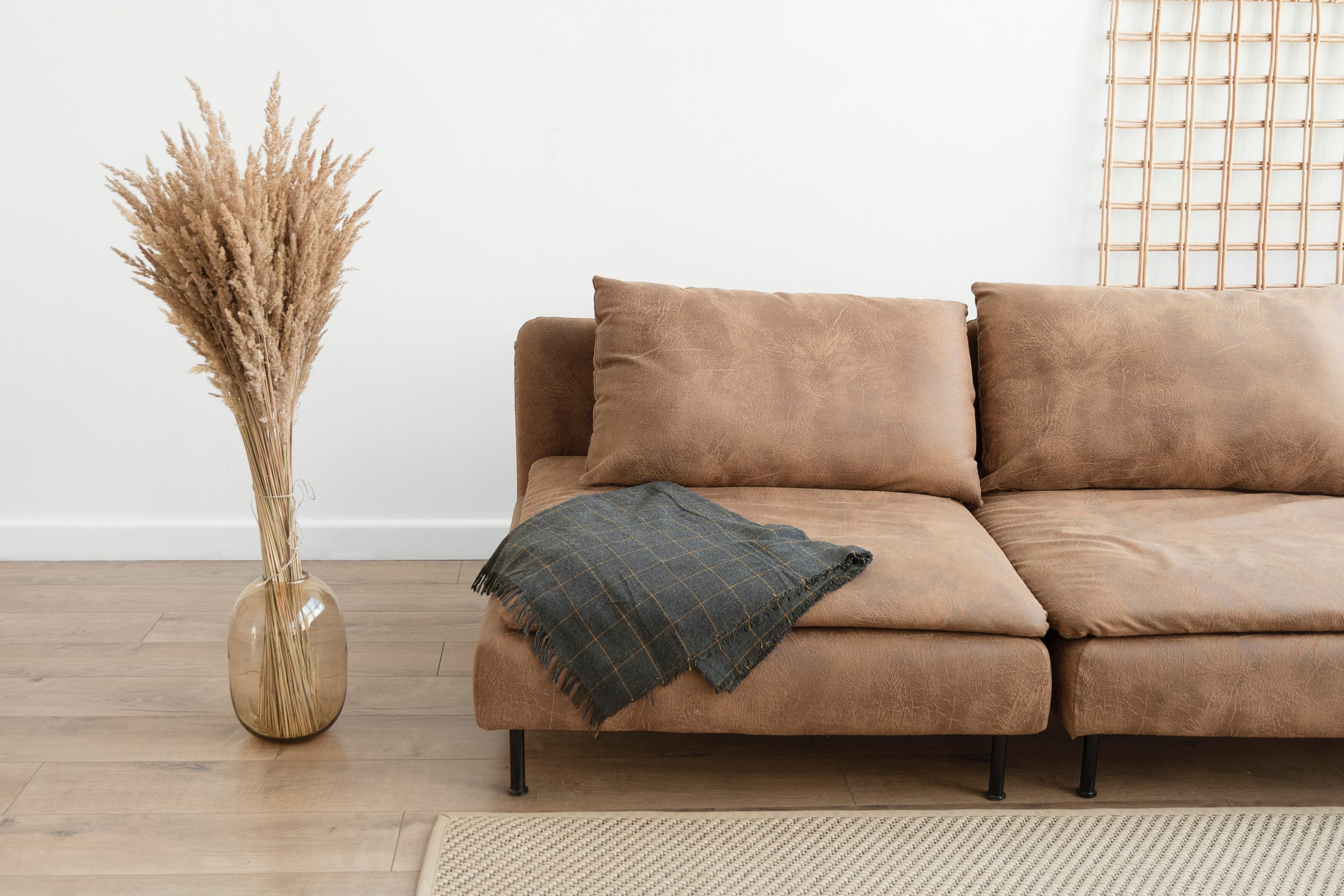
Making a house into a home is a fine art. Whether you're going for bohemian chic or clean and minimal, we've put together the finest selection of eco-home essentials you won't want to live without.

By Lydia Oyeniran

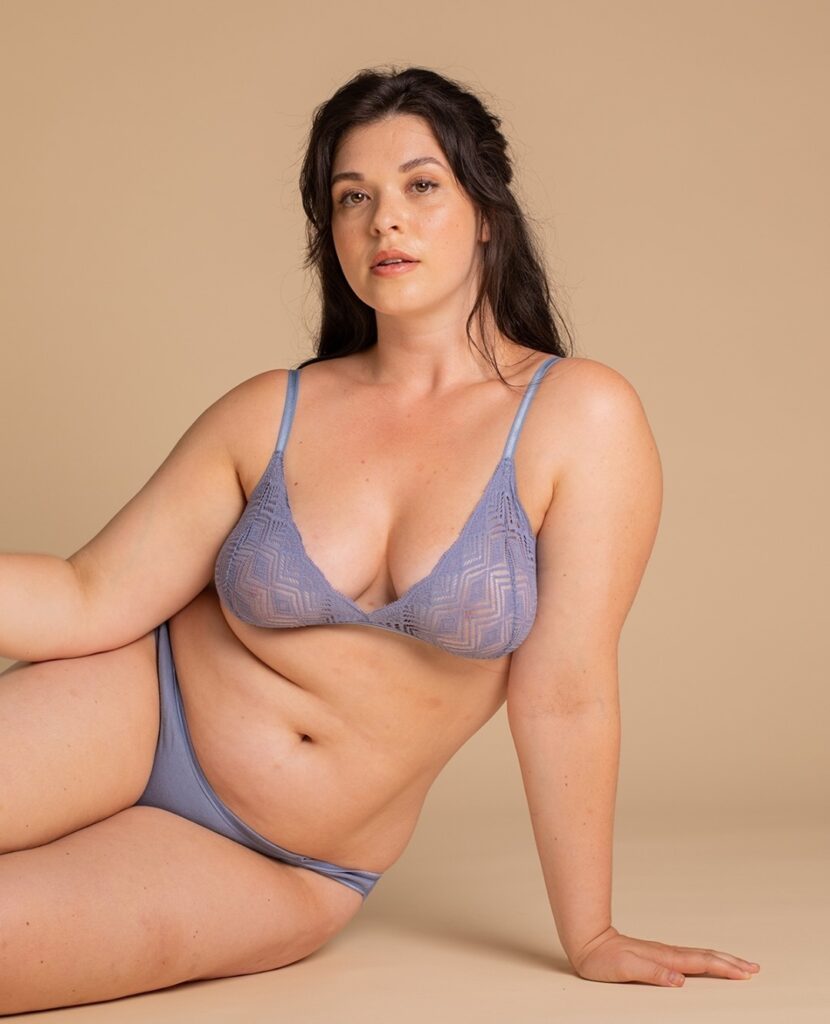
Ethically made sustainable underwear brands you need to know

Ethically made sustainable underwear brands you need to know

Whether you're into lacey pairings, cute and comfy sets, boxers, or briefs, these sustainable underwear brands have got all bases covered.

By Lydia Oyeniran

From Bottle To Bar: Why You Should Switch To Zero-Waste Hair Care

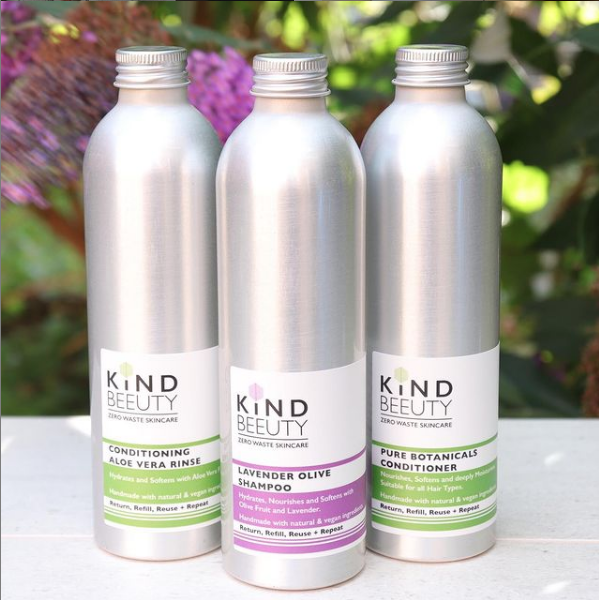
kind beeuty hair care products

How often do you buy shampoo and conditioner? If you wash your hair three or four times a week, we’re guessing that’s around once a month. Over a year, that adds up to 24 bottles, and over 10 years it’s a staggering 240 – which is a lot of plastic waste.

A million plastic bottles are bought around the world every minute and this number is projected to jump another 20% by 2021. With these alarming figures currently in the media spotlight, many brands and consumers are making changes to their packaging and purchasing.

The beauty industry is already ahead of the game, and you may have already noticed that traditional bars of soap are on the comeback trail; replacing bottled shower gels and body wash.

With that in mind, the latest trend to hit the stores moves north of the body, focusing on sustainable haircare. Replacing your bottled shampoo with a solid solution in the form of a soap bar could break new ground when it comes to environmental impact.

Compact and convenient, this niche beauty category is certainly one to consider if environmental concerns are increasingly playing on your mind.

Adapting a zero-waste hair care routine is one of the easiest changes you can make. However, if you’re worried about switching their shampoo, fear not, as we’re about to assure you that your locks will be just as luscious, and your purse will even be a little lighter.

What is zero-waste haircare?

If you’re a little intrigued but aren’t entirely sure what zero-waste hair care actually means, we’re about to reveal all. Zero-waste products are developed and packaged using only materials that can be reused or composted, rather than sent to landfills or being incinerated.

When it comes to haircare products, we automatically visualise a plastic tube or bottle, because that’s all we know, right? Well, not anymore. Now, thanks to the growth in sustainable living, an increasing number of haircare brands are redefining how we use shampoo and conditioner – and it no longer comes in liquid form.

Say hello to the shampoo bar, a zero-waste, eco-friendly alternative to the endless bottles you’ve been throwing in the bin throughout your life.

Tell me more about shampoo bars…

Although they seem a little strange, solid soap shampoos were commonly used before liquid detergent shampoos became popular in the 1940’s.

Turns out, they even date way back to the 1800’s. In the book Hints on Health, published in 1852, William Edward Coale wrote, “To cleanse the hair, there is nothing better than soap and water . . . the soap, of course, should be mild, and well and plentifully rubbed in, and afterward thoroughly removed with an abundance of water.”

While the process for making a shampoo bar is the same as making soap, a well-formulated shampoo bar is drastically different.

Today’s product has been developed specifically for your hair and is packed with an abundance of rich vitamins and minerals, designed to keep your hair and scalp soft, shiny and full of volume.

Shampoo bars use different proportions of natural oils, butters, and botanicals, that are known to help nourish the hair and scalp.

What are the benefits to the environment?

As mentioned, shampoo bars are plastic free – so you’ll no longer have to squeeze the last drops from the bottle. This also means they have a huge impact on the environment, and as it’s recently been calculated that the number of shampoo bottles condemned to landfills in a year could fill 1,164 football fields, it’s an issue we need to tackle.

Furthermore, because of their smaller size, more can fit into the lorries that transport them to reduce your carbon footprint even further.

What about the benefits to my hair?

Most people find benefits in switching to a shampoo bar such as increased volume, faster-growing hair, reduced dandruff, shinier hair and less frizz. If you have curly hair, you’re likely to have more defined curls with better control.

Shampoo bars don’t contain any harmful chemicals found in liquid shampoo, as they are made from totally natural oils. If you read the ingredients list on the back of the bottle, you’ll most likely see sodium laurel sulfate or sodium laureth sulfate, which are the chemicals responsible for the foamy lather when you wash your hair.

However, these ingredients can cause a dry, itchy and irritated scalp, they can dry out your hair, and contribute to hair loss, especially if you shampoo every day.

Once they wash down the drain, it’s worth knowing that these chemicals don’t break down. Instead, they build up in our ecosystem, polluting our rivers, lakes and public water systems.

Whilst shampoo bars do not lather as well, you can be assured they also won’t strip your hair of your natural oils, and they certainly won’t be polluting the environment.

How do you use one?

Because there are no chemicals in a traditional shampoo bar, you’ll miss a little lather, and the change in application needs to be greeted with an open mind.

Some brands recommend rubbing the bar between your hands first while others advise applying it directly to the scalp instead, so it’s best to give both a go and see what you prefer.

You may notice a few changes in the first week, but this is just your hair getting used to the switch. Experts say it takes around a week of washing to see the benefits – so stick with it.

Can I take them on holiday?

Did we mention these are perfect for travel? If you’ve ever been victim to a leaking shampoo bottle in your suitcase, you’ll know how devastating that can be. However, as you don’t have to worry about any spillage with a shampoo bar, you can pop them in your case with ease, knowing they’ve not ruined your new kimono or your gorgeous selection of holiday dresses.

So, not only are they small and lightweight, taking up way less room in your suitcase, they are also TSA approved, which means you don’t have to worry about your liquid allowance at the airport. By popping one of these in your bag, they’ll help prevent using the mini shampoos and conditioners at your hotel, reducing packaging waste.

How long do they last?

They look small, but you only need to use a small amount of a shampoo bar to wash your hair thoroughly. With the water removed, one bar can do the job of 4 to 5 bottles of commercial liquid shampoo, meaning it can last for a few months. However, it all depends on how many people are using it and how often you wash your hair.

To make your shampoo bar last, store it on a well-drained soap dish and don’t let it sit in a puddle of water.

Let the bar breathe and allow it plenty of fresh air to dry between uses. If your bar ever gets waterlogged and becomes gooey, the key is to let it rest on a draining soap dish for a few days and let it dry out before using again.

The verdict?

Making the decision to switch is easy but sticking to it is a challenge for many. If reducing your plastic waste and carbon footprint is important, switch your bottle for a bar and get set to give your hair the natural nourishment it deserves.

On Veo we offer a wide range of shampoo bars and refillable earth-friendly hair care options. Check them out here!

The Breakdown: What is the difference between biodegradable, compostable & recyclable materials?

Compostable vs Biodegradable vs Recycling||||Plastic bottles

We are all familiar with the terms biodegradable, compostable, and recyclable, but what exactly is the difference between them? If we recycle items, why do they need to be compostable and biodegradable? What does it all mean?!

Well, we have done some digging around to find out what really is the difference between biodegradable, compostable and recyclable materials. Let’s start with some definitions:

Biodegradable

The term biodegradable can apply to almost any item produced because technically everything will eventually degrade, given long enough. But the actual definition of a biodegradable item relates to its ability to break down naturally by elements including microorganisms, water and oxygen. Items that are classed as biodegradable must degrade within a year and contain minimal toxic elements that negatively harm the surrounding environment. 

orange, yellow and white paper straws against a bright turquoise background
Credit: Vlad Chetan

Compostable 

Compostable materials are set apart from biodegradable materials because they must degrade within 12 weeks, much faster than their biodegradable counterparts. What really sets compostable materials apart from biodegradable materials is the fact that compostable materials must contain minerals that give something back to the earth. In the same way that biodegradable materials must not contain toxic elements, so too must compostable materials steer clear from materials that create toxic minerals and byproducts when decomposing. 

Recyclable

Recyclable materials are materials that are able to be repurposed into another product or material. For instance, a plastic bottle that is made into another plastic bottle. This also applies to recovering energy from materials, such as electricity and heat. For some products, this massively reduces and even replaces the need to acquire virgin (new) raw materials. 

In a nutshell, biodegradable and compostable materials decompose quickly, with compostable materials being the most beneficial for the environment, whilst recyclable materials are reformed and repurposed into other materials. 

Ok, so now we have the definitions down, but how do these three concepts interact with each other? 

When it comes to living more sustainably, many of us choose to recycle our waste and actually see recycling as the miracle solution to the waste problem. But, this is actually a huge issue in the world of waste. One of the main issues we face when recycling items is the fact that less than half of waste in the UK is actually recycled. This is because 5 out of the 7 plastic types are almost never recycled due to the complicated nature of the process. The cost would be too high for such a little payoff; especially when the material is being downcycled. 

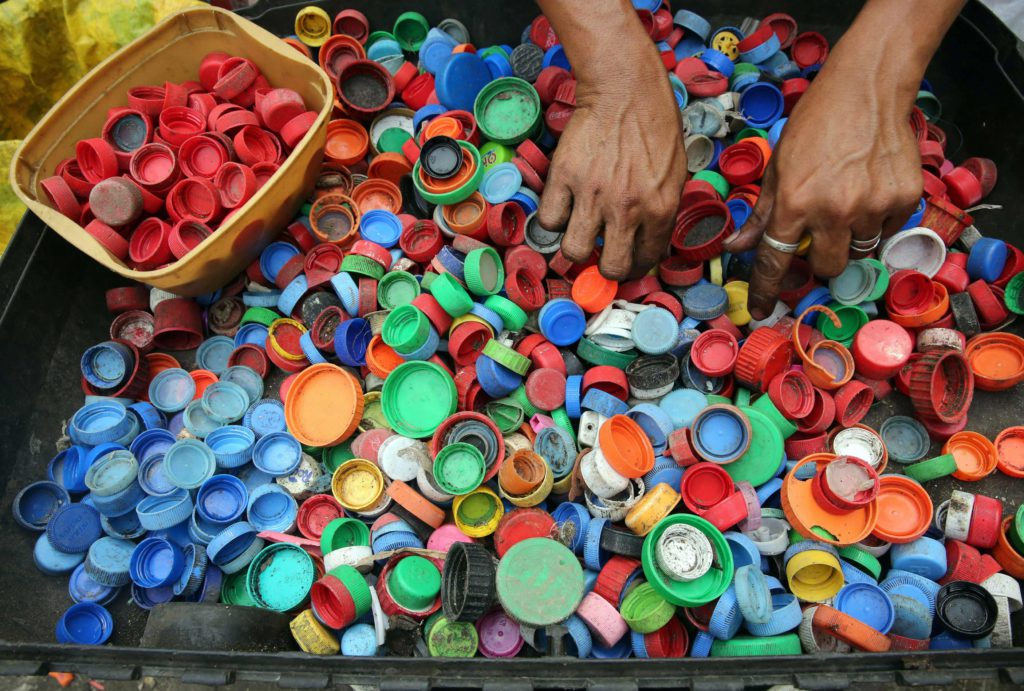
Hands sorting though hundreds of multi coloured bottle caps.
Credit: Krizjohn Rosales

What is downcycling?

Downcycling is the process that many plastics go through when recycled, usually resulting in products such as bin liners. The reason it is called downcycling is because once the plastic has been recycled, the end product is of worse quality than what it was in its original state, usually because of impurities such as toxins that weaken the strength and overall durability of the plastic. 

So whilst recycling is the answer to some of our problems – for instance, upcycling and rehoming clothing and furniture, and recycling plastic into more durable products such as Ocean Bottle’s reusable bottles and food containers, are viable solutions. But when it comes to tackling the global waste issue, compostable and biodegradable materials are the way forward. 

This is why big companies need to look towards using biodegradable and compostable materials. When you take a look at the paper straw initiative, this is a great example of big corporations turning to biodegradable solutions to the waste issue. This is only a minor move towards sustainability in the corporate world. As inventors become more experimental with materials, products such as bio leathers, bio plastics and so on are uprooting the entire meaning of what it is to be sustainable. 

Some of the most incredible inventions include a water bottle that you can eat, shoes made from apple skin leather, and bags made from pineapple leather! So not only are these products good for the environment, but they are also cruelty-free. 

The future therefore, is looking bright. But we are a long way off from big corporations fully embracing these sustainable, biodegradable and compostable materials due to cost and ease. That is why it is currently (and wrongly) down to the individual to ensure their carbon footprint is as small as possible. 

Luckily, there are some ways you can do this. For instance;

  • Using reusable food and drink containers,
  • Opt for plastic-free products where possible,
  • Separate and clean all your recycling waste properly to ensure it is not contaminated,
  • Keep a lookout at what big companies are doing to reduce their carbon footprint,
  • And, reuse and repurpose old items! Fixing things is always better than buying new for your pocket and the environment!

A lot of our products are made out of recycled, compostable and biodegradable materials. Some of the most notable examples include all of our clothing ranges which are produced from organic cotton. Not only does this material use less water, no pesticides and so on, but it is also compostable and biodegradable!

Take a look at Nudnik, Arbour Alexander and Lounge Wear, all of whom use GOTS and Okeo Tex-certified cotton to create their clothes.

Additionally, the Ocean Bottle is a fantastic example of a beautiful, yet durable product made out of recycled plastic bottles!

So take a look at Veo for a full range of sustainable alternatives to everyday essentials.

Buy less, choose well, make it last: how to make better fashion choices

buy less

TWEET THIS


When it comes to sustainability, the fashion industry still has a very long way to go. An addiction to extremely low prices and fleeting trends has resulted in a ‘fast-fashion’ culture that is destroying the planet at an alarming rate. The fashion industry is the second-largest polluter in the world, after the oil industry, producing an estimated 3.3 billion tonnes of CO2e (Fixing Fashion, UK Parliament, 2020). While there is an argument to be made for the positive impacts of making fashion more accessible regardless of income, the unfortunate negative impacts of fast fashion vastly outweigh any positives that may exist.

This week is #FashionRevolutionWeek, a movement created by Fashion Revolution, in response to the tragedy of the Rana Plaza garment factory collapse back in 2013. Eight years later, fashion brands still continue to profit from unethical practices with little being done to regulate them. This past year in particular, fashion brands were under scrutiny for failing to pay garment workers for canceled orders, in an attempt to reduce their losses from the pandemic. This left many garment workers unemployed and resulted in a global call on social media for these companies to #PayUp. It is clear that more and more people are considering the impact that their fashion choices have on the wider community and environment as a whole. So for today’s blog post, we’re sharing some easy ways to buy less, choose well, and make it last with slow fashion.

1. Stop following trends and develop your own style

Credit: Hemper Handmade | veo.world/hemperhandmade

Much of the appeal of fast fashion comes from being able to rock the same trends as your friends, your favourite celebrity, or influencer. We get it, being able to emulate the people you admire can feel empowering, especially when those Instagram likes start pouring in! But the confidence boost you get from creating your own unique look; that’s a feeling that doesn’t go away with the next big trend. By developing your own style, not only will you feel more comfortable with what you wear, but you also won’t break the bank (or the planet) buying more clothes than you need, just to throw them away with the new season.

2. Seek out high-quality, versatile pieces

Pin It!

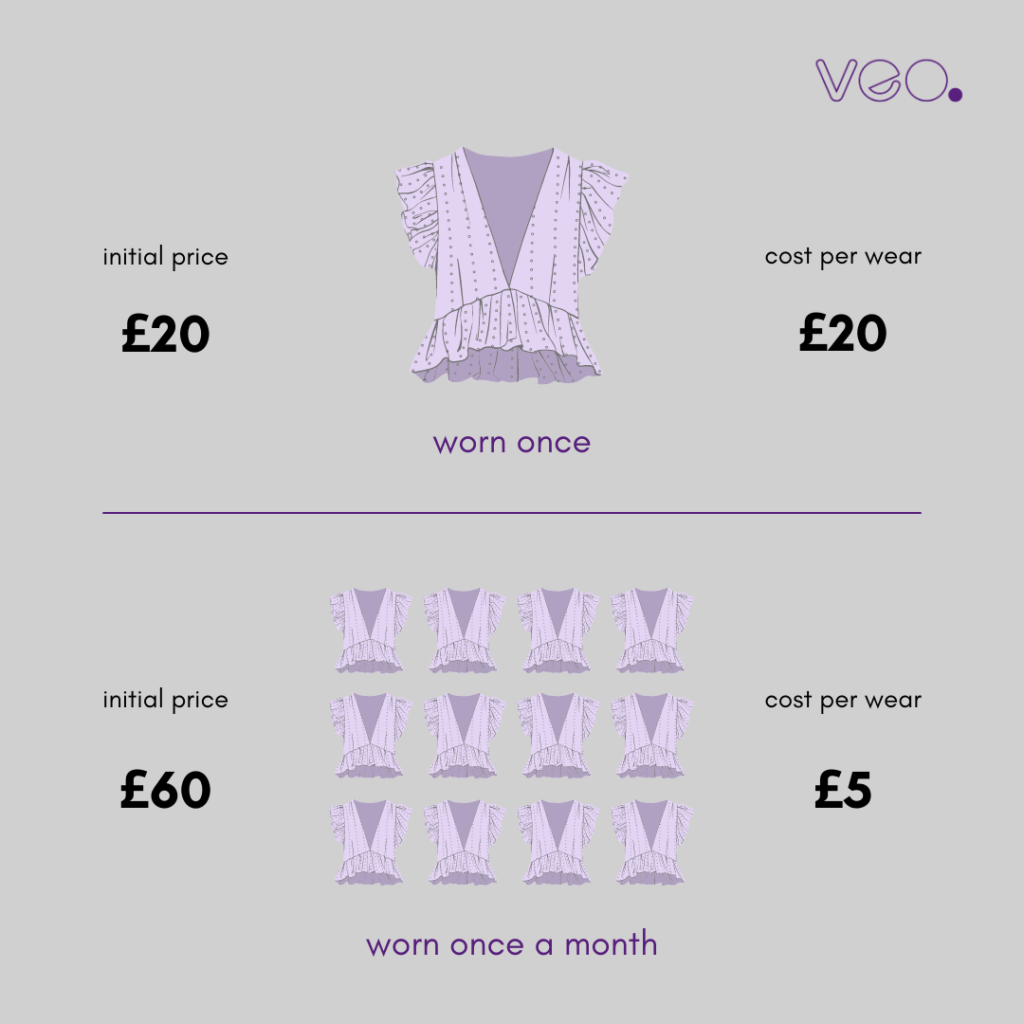
infographic that shows the true cost per wear of throwaway 'wear once' fast fashion culture vs buying something more expensive and high quality which lasts longer | how to make better fashion choices
Credit: Veo

When it comes to making better fashion choices you essentially have two options. Option 1: you can spend money purchasing lots of low-quality pieces that are trendy right now but are cheap enough to discard once the ‘gram has seen them. Option 2: you can spend the same amount of money buying fewer pieces that are high-quality, go with almost every outfit, and will last for the next few years. We are all guilty of thinking we get good value from Option 1, proudly telling our friends the long list of things we bought and getting them to guess how much we got it all for. But it’s not long before all those pieces end up at the back of your wardrobe, never to be worn again. The true value comes from having a wardrobe you can mix and match to create classic outfits that you’ll wear time and time again.

3. Look for environmentally-friendly materials

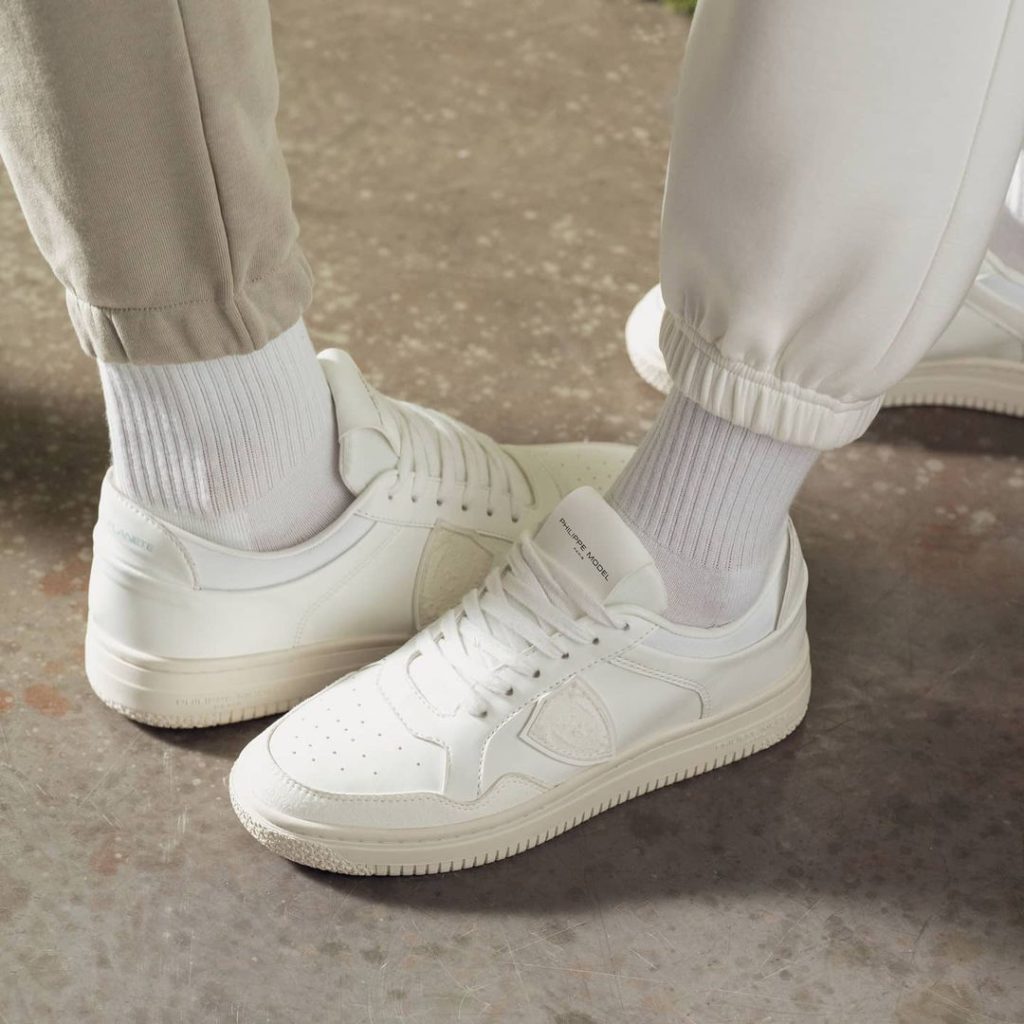
ACBC sneakers made from Bio Skin, a material developed from corn starch | choose environmentally friendly materials: make better fashion choices
Credit: ACBC | veo.world/acbc

It takes around 2700 litres of water to produce just one cotton t-shirt. So if you’re really looking to reduce your impact on the environment, it’s time to take a closer look at the materials in your clothing. Avoid conventional cotton, polyester, acrylic, nylon, and viscose which are difficult to recycle, utilise excessive resources, and release hazardous dyes and microplastics into the environment, disrupting ecosystems. Instead, look for organic alternatives such as organic cotton, organic hemp, and organic linen or recycled alternatives such as recycled cotton or recycled polyester (rPET). Recycled polyester in particular is made from plastic bottles and is therefore, a great way to support the reduction of plastic waste that would otherwise end up in landfill. New and innovative biomaterials are being created every day using anything from pineapple leaves (Pinatex) to grape skins. Check out ACBC, a brand that makes innovative footwear that is comfortable and versatile, made entirely from recycled and bio-based materials.

4. Take better care of the clothes you have

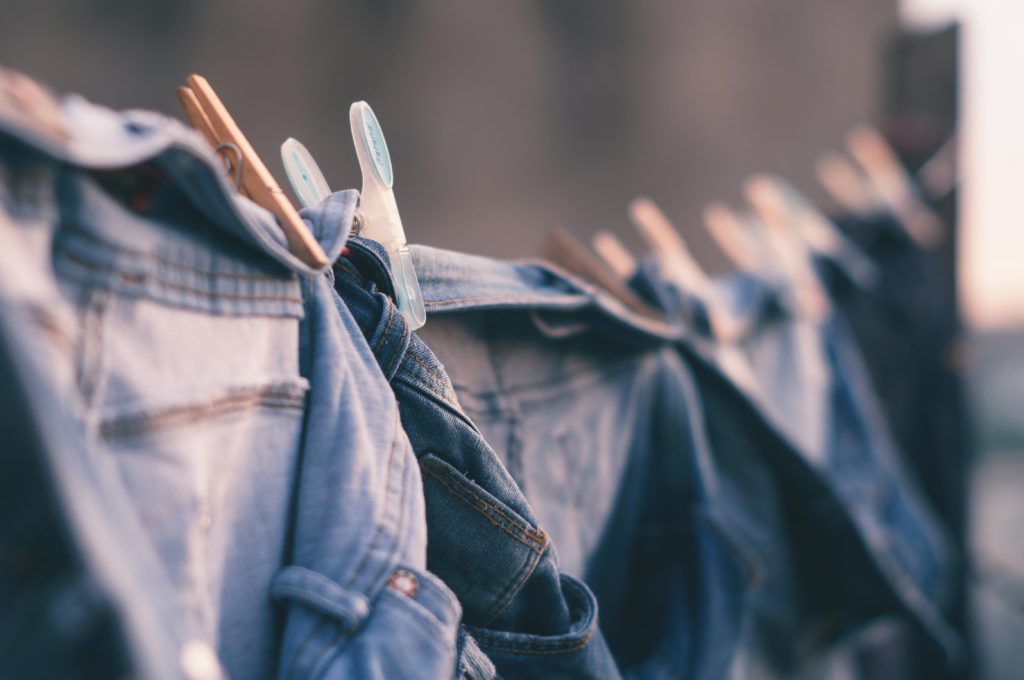
Take better care of your clothes by washing less, learning to repair clothing, air drying your clothes: make better fashion choices
Credit: Bruno Nascimento

Even if you can’t replace your entire wardrobe with eco-friendly fabrics and materials, one thing we can all do is take better care of our clothes. Simple things like checking the care instructions can ensure your clothes don’t become worn out and dull over time. Washing your clothes less frequently in general not only helps maintain the quality of your clothing but is also better for the environment as it reduces water waste and water pollution from detergents and microplastics. Another great way to make your clothes last longer is to learn how to do basic repairs. Being able to replace a button or stitch up a small rip in your clothing means you can avoid throwing away pieces that are otherwise still wearable.

5. If you must buy fast fashion, buy it second-hand

If you must buy fast fashion, buy it secondhand e.g. on depop, vinted etc | make better fashion choices
Credit: Ivana Cajina

While ideally, we’d love to avoid fast fashion altogether, it’s a process. We understand that shopping from sustainable brands only can be a challenging transition due to lack of accessibility, financial restrictions, and more. So if for any reason you have to buy something from a fast fashion brand, avoid creating additional demand by shopping second-hand. There are countless platforms that allow you to buy and resell clothes you are no longer wearing, helping to promote a circular economy. By only purchasing second-hand fast fashion, not only are you keeping these products out of landfill for longer, but it’s cost-effective as well!

And if you’re looking for a platform to get you started on your transition, you’ve come to the right place. Check out our Fashion section to discover the best, fashion-forward, sustainable brands on the market!

How to declutter your home sustainably

|Easy eco swaps for a more healthy and sustainable lifestyle: health and beauty|

TWEET THIS

Minimalism. Some people believe it’s the ultimate path to enlightenment while others think it is something only the privileged few can afford to think about. Whatever your opinion might be, one thing we can all agree on is that much of our lives are overwhelmed by stuff. The average household has around 300,000 items. On average, 1 in 2 people in the UK admit to holding onto things for longer than they should while 1 in 3 say they don’t like the idea of parting with their possessions. But why does having ‘too much stuff’ matter, you may ask? Not only does clutter increase the levels of cortisol (the ‘stress hormone’) in your body, but studies have shown that it can also trigger coping behaviours such as overeating. With clear negative impacts on both mental and physical health, you might be thinking it’s time for a clear out. However, the problem with decluttering is that it can very easily become a wasteful practice. In an effort to achieve that elated feeling that comes from a clean space, we often throw out things that could have been utilised in a much more sustainable way. So we’re sharing some useful tips to help you declutter your home sustainably.

BEDROOM & WARDROBE

Credit: Thom Bradley

If you’ve read our recent blog post on making better fashion choices, you might be feeling the urge to give your wardrobe a reset. However, simply throwing out all your fast fashion pieces is not the way forward. Rather than allowing your unwanted clothes to end up in landfill, it’s important to find ways to extend their life cycle. One option that we typically turn to is donating to charity shops however this may not always be the most sustainable option. Unfortunately, many charity shops have far more clothing than they can sell and particularly in the case of fast fashion pieces, the low quality means they are often impossible to shift. So what happens to those clothes that no one wants? They usually end up being sold abroad, dumped on African economies to deal with, eroding their local textiles industries and polluting their environments as a result. So what’s the alternative? First of all, if your items are still wearable and just need minor repairs, keep them in a separate pile and take them to your local tailoring service to mend. Give your unwanted pieces to people who will actually use them. Do clothing swaps with your friends and family, sell your clothes online, or simply donate them to someone for free! And if you do need to replace any pieces, shop from brands that are ethical and sustainable – click here to discover more.

BATHROOM & BEAUTY PRODUCTS

Credit: Annie Spratt

With skinmalism trending and a return to more ‘natural beauty’ on the rise, there’s a good chance you’ll want to downsize your beauty cabinet. But like anything else in your home, throwing away a half-full bottle of foundation or an unused eyeshadow palette doesn’t get rid of the clutter, it just creates more waste. Of course, if a product gave your skin a horrible reaction or has expired, it should be thrown out. However, if being in lockdown has meant you just haven’t used something as much as you thought you would, don’t count it as clutter – just start using it! With restrictions easing and many of us going out more, now is the perfect time to try a new look and use up some of those beauty products you’ve been holding onto. If you have products that are unopened that you don’t see yourself using any time soon, give them to a friend or family member who will make good use of them. When you do finally run out of beauty products, you can find clean, cruelty-free replacements right here on Veo.

KITCHEN & PANTRY

Credit: Nadia Pimenova

A popular way that people choose to make their homes more sustainable is by adopting a zero-waste approach to organising their kitchen. This can often mean purchasing tonnes of new jars and baskets for your food, in order to re-create that aesthetically pleasing pantry you saw online. While we totally get how satisfying it is watching those ‘homemaker gurus’ organise their homes to perfection, buying more to have less isn’t really the answer. Chances are, you already have some perfectly good Tupperware that could do the same job. Sure they don’t all match and your cupboards might not look ‘Pinterest-worthy’ but it means that instead of throwing out those plastic takeaway containers, you can actually make use of them, have less plastic waste, and ultimately less stuff. That’s the goal, right?

So essentially, the most sustainable way to declutter isn’t necessarily about getting rid of all your things but finding ways to make better use of what you have, reducing your waste, and shopping more consciously when you do need something new. If you’re looking for brands that prioritise sustainability, functionality, and long-term use, we have an amazing platform to find sustainable home goods all in one place. Head to veo.world to discover more.

The Ultimate Guide To Vegan Leather

|||

TWEET THIS

Pin It!

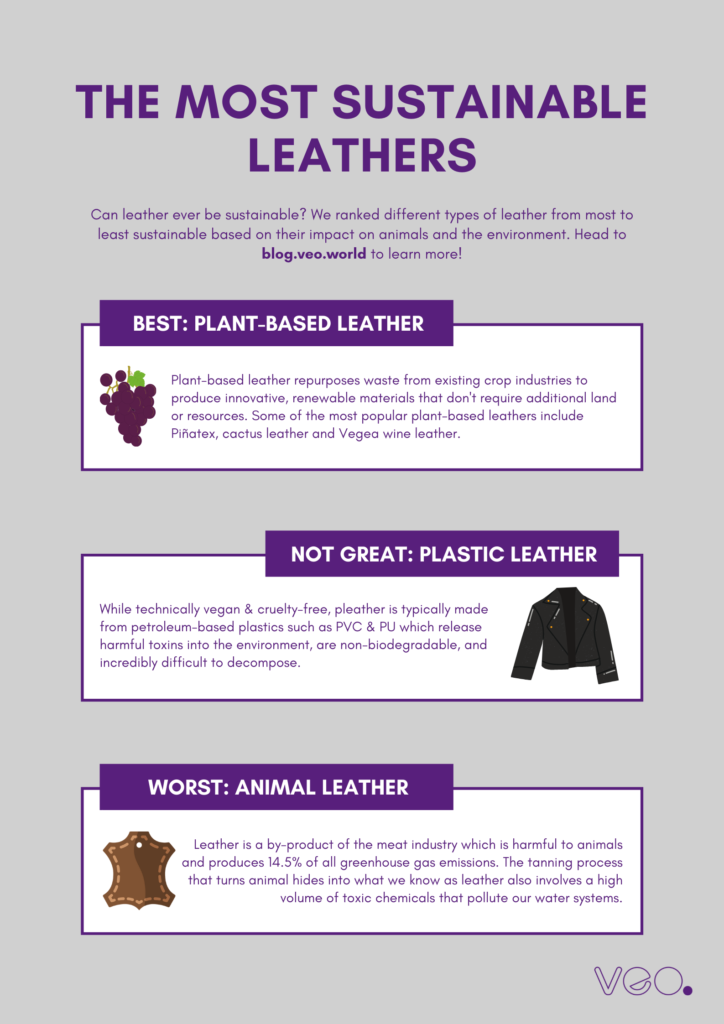
Can leather ever be sustainable? We ranked different types of leather from most to least sustainable based on their impact on animals and the environment. Best: plant-based leather, Not Great: plastic leather, Worst: animal leather

When it comes to sustainability, the fashion industry needs to step up. With consumers increasingly calling for brands to reduce their environmental impact and adopt more ethical, transparent practices, many fashion companies are being faced with a conflict of interest between people, planet, and profit. There’s a major debate happening right now involving one material in particular: leather. According to search platform Lyst, searches for ‘vegan leather’ have increased by 69% year-on-year while searches for ‘faux leather’ have remained constant. Additionally, searches for leather have decreased by 3.5% year-on-year, demonstrating that consumer attitudes are shifting in favour of cruelty-free, eco-friendly alternatives. So consumers are seeking better options but why are fashion brands still lagging behind? Well, luxury leather goods are a huge source of revenue for many fashion houses, accounting for 48 billion USD (33.9bn GBP) of global revenue in 2019, a number that is predicted to increase by a further 16 billion USD (11.3bn GBP) by 2025 (Statista, 2020). According to Vogue Business, supporters of the leather industry claim that leather is in fact sustainable as it is a natural, biodegradable material that utilises waste from the meat production industry.

Despite this being technically true, many people believe this argument is missing the point. Commercial cattle farming is a notorious contributor to the negative environmental impacts of consumption, producing 14.5% of all greenhouse gas emissions. The tanning process that turns animal hides into what we know as leather also involves a significant number of toxic chemicals that find their way into our water systems. With such adverse effects on the environment, can the leather industry really claim to be sustainable? We think not. So what’s the alternative?

Faux leather was initially pitched as the more ethical alternative to real leather and it certainly has its positives. These materials use no animal byproducts which technically makes them vegan and cruelty-free. However, the most common types of faux leather are actually made from petroleum-based plastics such as polyvinyl chloride (PVC) and polyurethane (PU) which use fossil fuels and release harmful toxins into the environment. PVC-based materials have become far less common in recent years due to their toxic impact and positive advances have also been made towards improving the production process of PU to make it less toxic (water-based polyurethane dispersion). However, these materials are still non-biodegradable, contributing to global plastic waste. So while faux leathers might be vegan-friendly, they certainly aren’t the eco-friendly alternative we need.

Enter plant-based leathers. Could this be fashion’s answer to the ongoing leather debate? Sustainable brands such as ACBC and Bohema certainly think so! These brands are making waves with their use of leathers derived from plants and bio-waste. From pineapple leaves and mushrooms to cactus plants and grape skins, here are some of the innovative, new alternatives that are changing the future of fashion.

1. Piñatex

Credit: Ananas Anam, the makers of Piñatex®

Piñatex is made using the cellulose fibres of pineapple waste leaves. The pineapple industry produces 40,000 tonnes of pineapple waste every year which would typically be burned or left to rot. With this waste being a byproduct of an existing crop industry, it requires no additional land, water or fertiliser to produce. It also contains none of the harmful toxins of both real and traditional faux leathers.

2. Cactus Leather

Credit: Bohema Clothing | veo.world/brand/bohema-clothing

Cactus leather is another plant-based alternative that has a huge positive impact on the environment. The cactus plant naturally absorbs a high volume of CO2 and can also help to regenerate soil in degraded areas due to its resilient nature. The process of creating cactus leather only uses the mature leaves without damaging the whole plant, allowing for repeat harvest from the same crops, without requiring additional land or environmental resources.

3. Wine Leather

Credit: ACBC | veo.world/brand/acbc

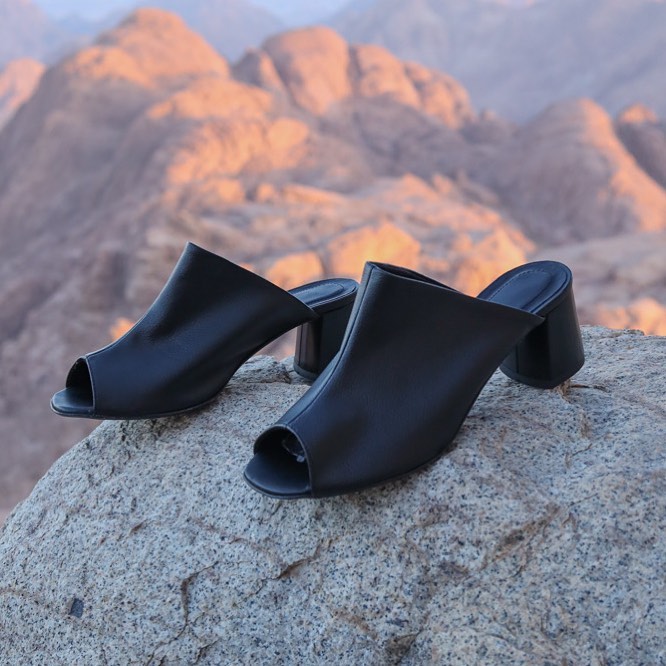
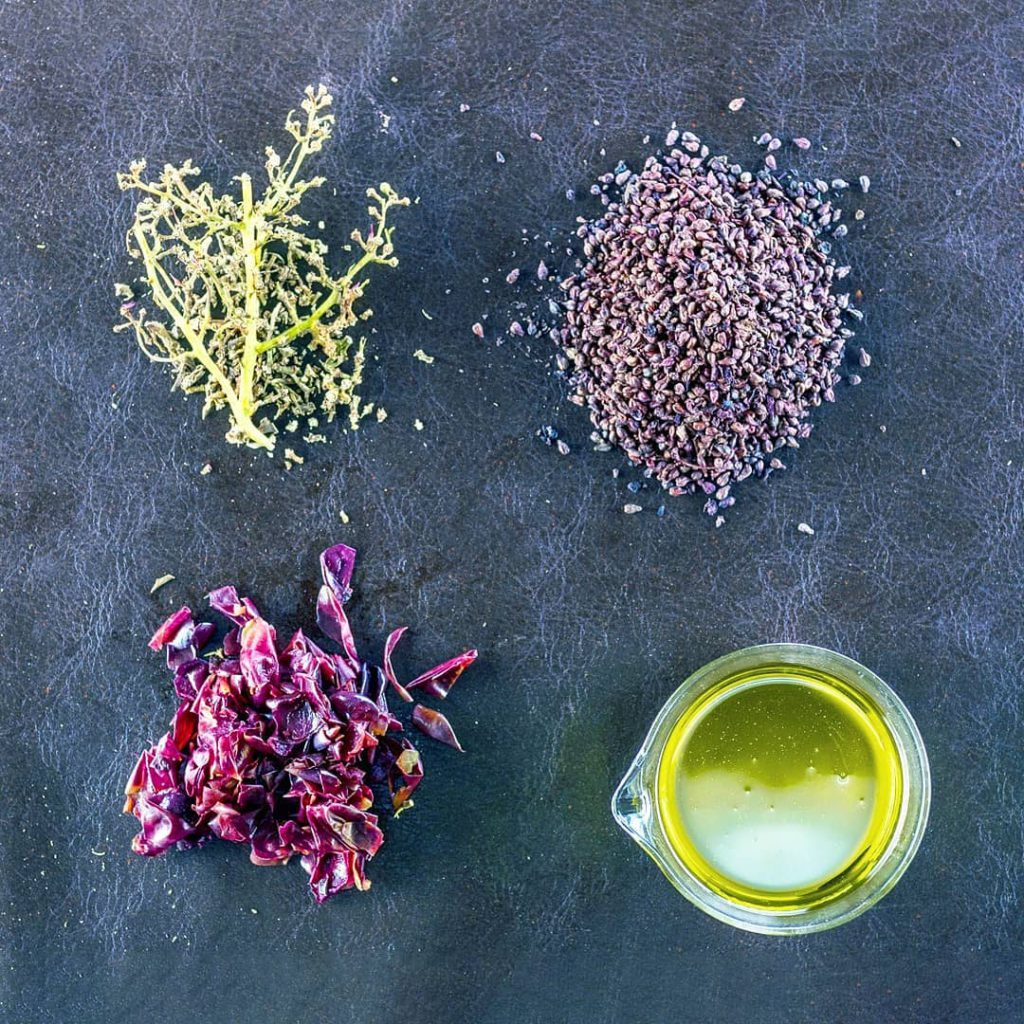
Wine leather is made using pomace: waste comprised of the skin, seeds, and stalks of grape clusters recovered from the winemaking industry. With 26.3 billion litres of wine produced in 2019 alone, this process has the ability to produce an extremely high yield of material with low environmental impact, low production costs and no polluting substances. Wine leather also comes from a renewable source and does not require additional resources to be produced.

While these materials have a far more positive impact on the environment and promise a more sustainable future for leather, it is worth noting that many of these materials are still a work in progress. Many plant-based alternatives are still combined with PU or petroleum-based resins in order to resemble leather, and most are still not fully recyclable or biodegradable yet.

So to answer the question of whether leather can ever be sustainable, the answer is complicated. However, we can all take steps to make better fashion choices and reduce the impact of our consumption habits. For fashion brands that prioritise ethical, cruelty-free, and sustainable practices, explore our curated collections right here on Veo.

How to get involved in Plastic Free July this month

||||

TWEET THIS


It’s that time of year again; Plastic Free July is here, a global movement dedicated to raising awareness and tackling plastic pollution worldwide. This campaign has gained increasing popularity over the years, with an estimated 326 million participants taking part last year, even amidst a global pandemic. Our very own study conducted here at Veo demonstrated that over 60% of people consider reducing plastic waste as the most important cause to them. But why are people so passionate about plastic? It is estimated that by 2050, there will be more plastic in the oceans than fish if significant changes are not made. Microplastics are destroying marine ecosystems at an alarming rate with traces also being found in the food we eat. It is clear that plastic pollution needs immediate action but it can be overwhelming knowing where to start. So we’re sharing some easy ways you can get involved in Plastic-Free July this month!

Review your everyday plastic use

Credit: Ocean Bottle | veo.world/oceanbottle

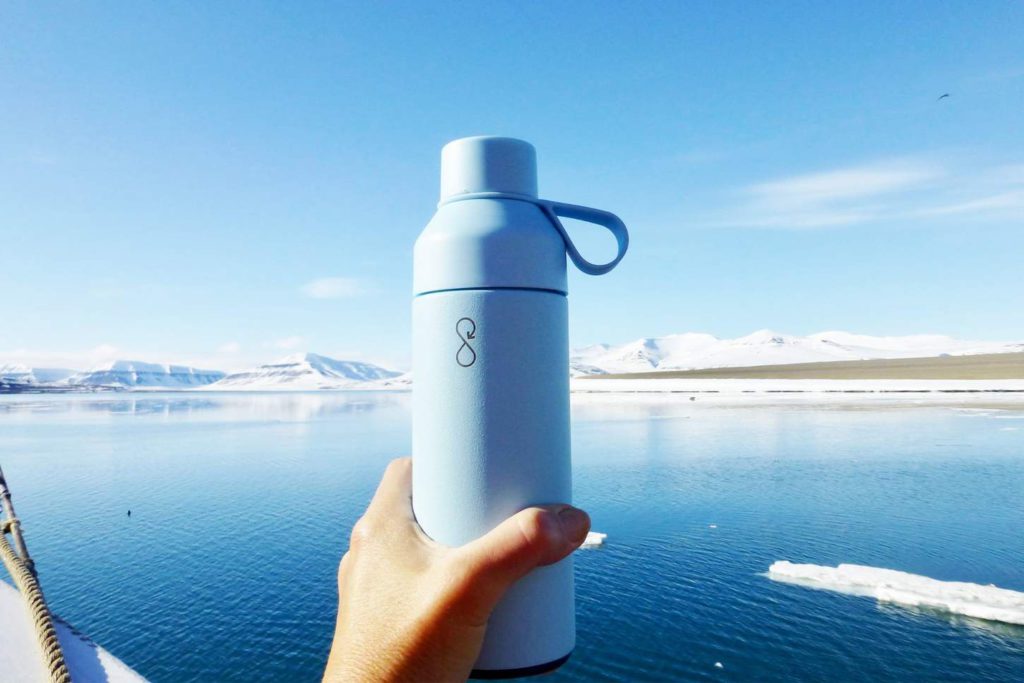
One of the first ways you can begin the journey to reducing your plastic waste is to review your current usage. Do you find yourself buying a bottle of water and packaged meal deal on your daily commute to work? Maybe you consistently forget to bring your own bags on your weekly trip to the supermarket? Most of us use plastic so much in our daily lives that the amount of waste produced often goes unnoticed. But the great news is that many of these uses can easily be swapped out for reusable alternatives. Instead of buying a bottle of water with your meal every day, invest in a reusable bottle that you can refill as many times as you like. Keep your shopping bags by the door, in your bag, or in the boot of your car to make them easier to access whenever you need them.

Find new uses for your plastic waste

Credit: Milly & Sissy | veo.world/millyandsissy

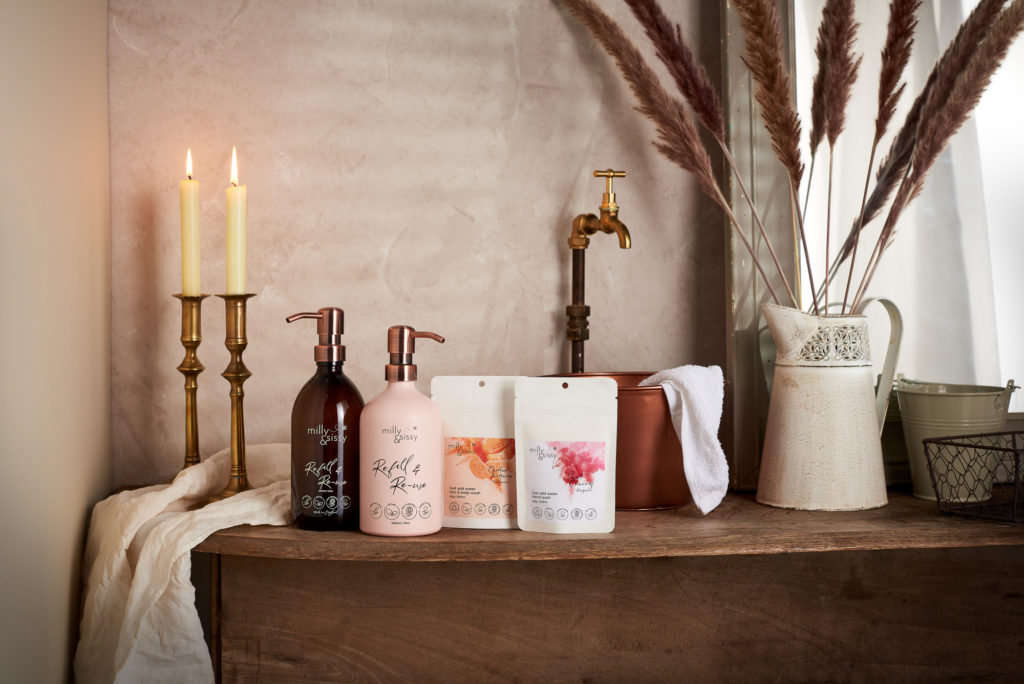
Once you’ve got an accurate idea of where your plastic waste is coming from, you can begin to find ways to reuse it. This is the perfect time to get resourceful and creative with upcycling. By turning your takeaway containers into food storage or using your empty water bottles for bath/cleaning refills, you can give your waste items new life, keeping them out of landfill for longer. To stock up on zero waste refill essentials, check out brands such as Milly & Sissy for natural bath & body formulas and Mix Clean Green for toxin-free cleaning products.

Try out a local zero waste store

Credit: Unicorn Grocery Manchester

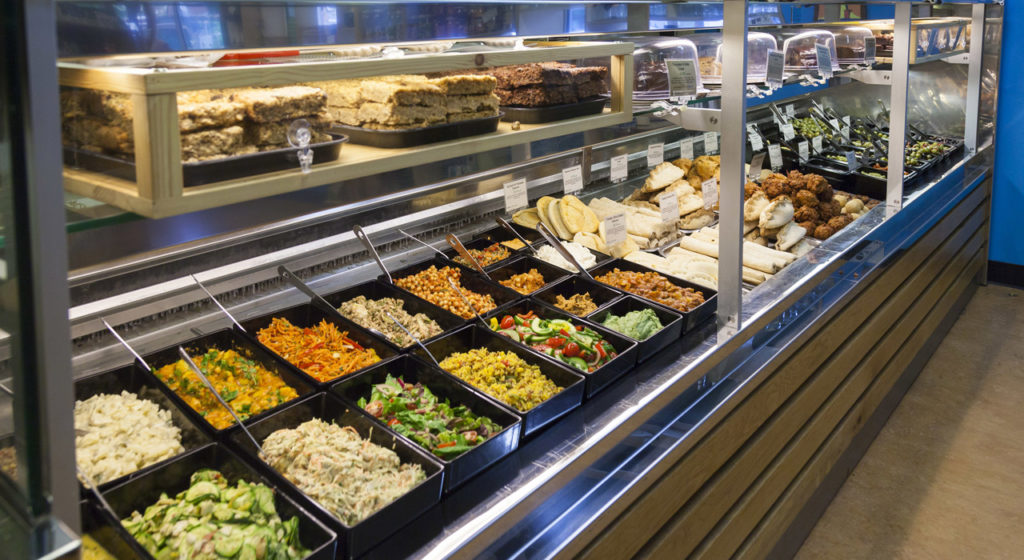
Zero-waste shopping is becoming more common every day with independent retailers and even popular supermarkets launching refill stations within their stores. From cereals, pasta, and pet food to beauty supplies and cleaning refills, these stores are the perfect way to stock up on all your essentials without buying into additional plastic waste.

Get to know your recycling codes

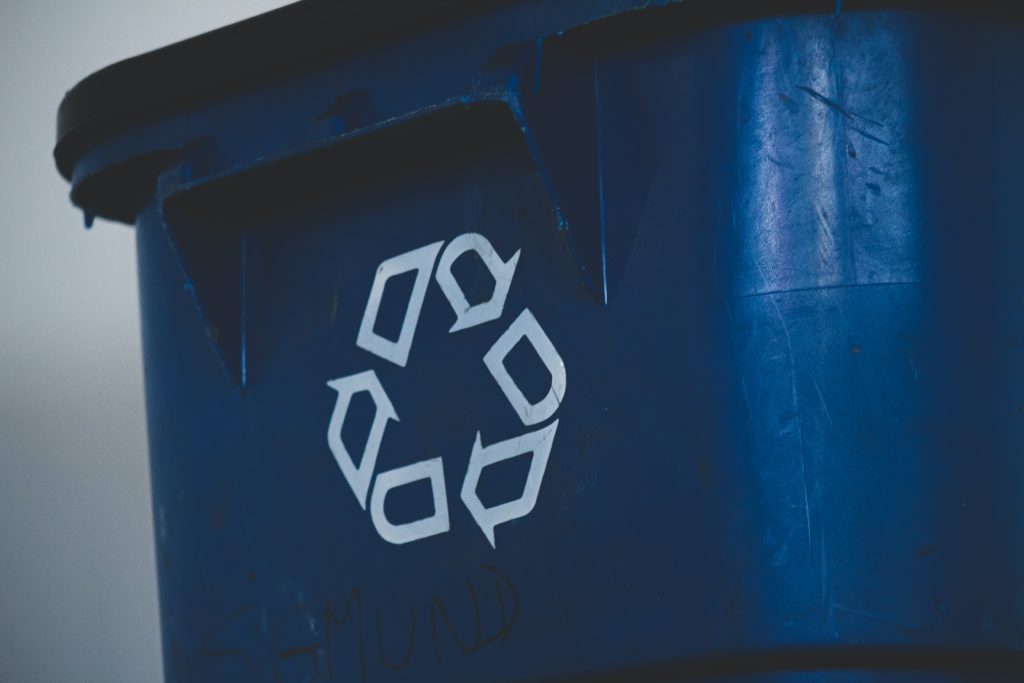
Credit: Sigmund

A lot of times we think that doing our part towards reducing plastic waste is as simple as throwing it all in the recycling bin however this is not always as effective as we’d think. One thing that often gets overlooked is that different types of plastic cannot actually be recycled effectively or easily depending on the facilities available in a specific country or region. To know whether your plastic waste can be recycled or not, you’ll need to look at the resin codes. As a general rule, the lower the number, the easier it is to recycle. Plastics that are generally easier to recycle include Polyethylene Terephthalate (PET), used in water and drinks bottles, and High-Density Polyethylene (HDPE), used in milk cartons and shampoo bottles. One plastic that is far more difficult to recycle is Polystyrene (PS) which can often break down into small pieces and enter water systems, impacting marine wildlife who accidentally ingest the pieces as food. By deciphering between these plastics you can figure out what you can effectively recycle and what you should try to find a new use for.

So those are just a few easy ways you can start to tackle plastic waste within your daily life. Going plastic-free, like any zero-waste practice is all about progress and not perfection. By making a few small changes every day, we can all make a major difference to the future of plastic waste. If you liked this post, you’ll love our blog on How To Make Your Grocery Shop More Eco-Friendly!

Eco-home essentials you can’t live without

||||sustainable houswarming gifts | marble two tone serving board|||

Making a house into a home is a fine art. Whether you’re going for bohemian chic or clean and minimal, we’ve put together the finest selection of eco-home essentials you won’t want to live without. Breathe in the fresh botanical scents of a clean home with toxin-free cleaning products and set the atmosphere with natural soy candles & diffusers that add the perfect touch of fragrance to your space. Explore organic cotton cushion covers and hand-crafted kitchenware designed to add character to your decor. Check out our top picks to turn your living space into a blissful eco-sanctuary. Your happy place awaits…


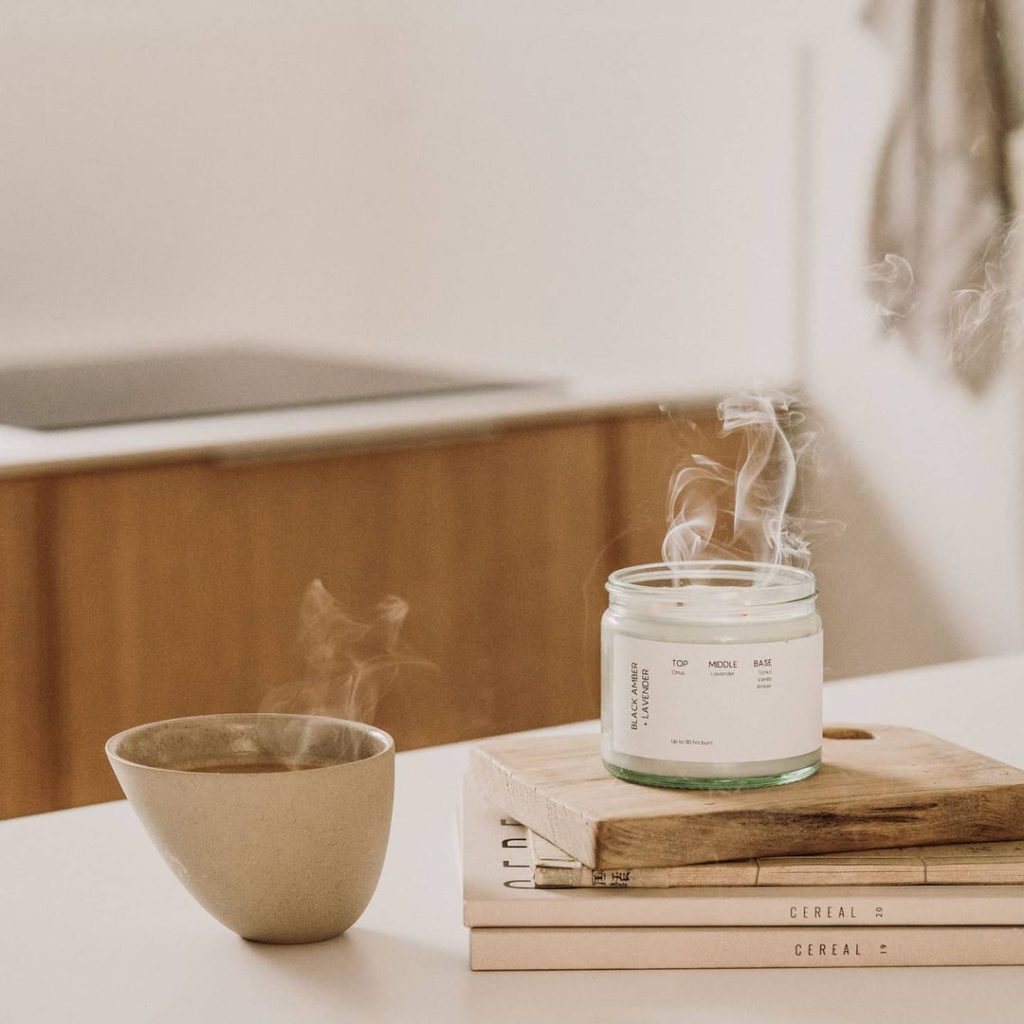
SOOMISH | Black Amber + Lavender Soy Candle

A rich, calming, and strong fragrance opening with sparkling citrus top notes leading to a heart of lush lavender and resting on a substantive base of tonka bean, vanilla, precious woods, and amber.

Top Notes: Citrus

Middle Notes: Lavender

Base Notes: Tonka, Vanilla, Woods, Amber

Made in England, with a natural soy wax, lead-free cotton wick, and premium grade fragrance oils. Hand-poured into clear glass jars with simple, minimal labels and topped with aluminium lids.


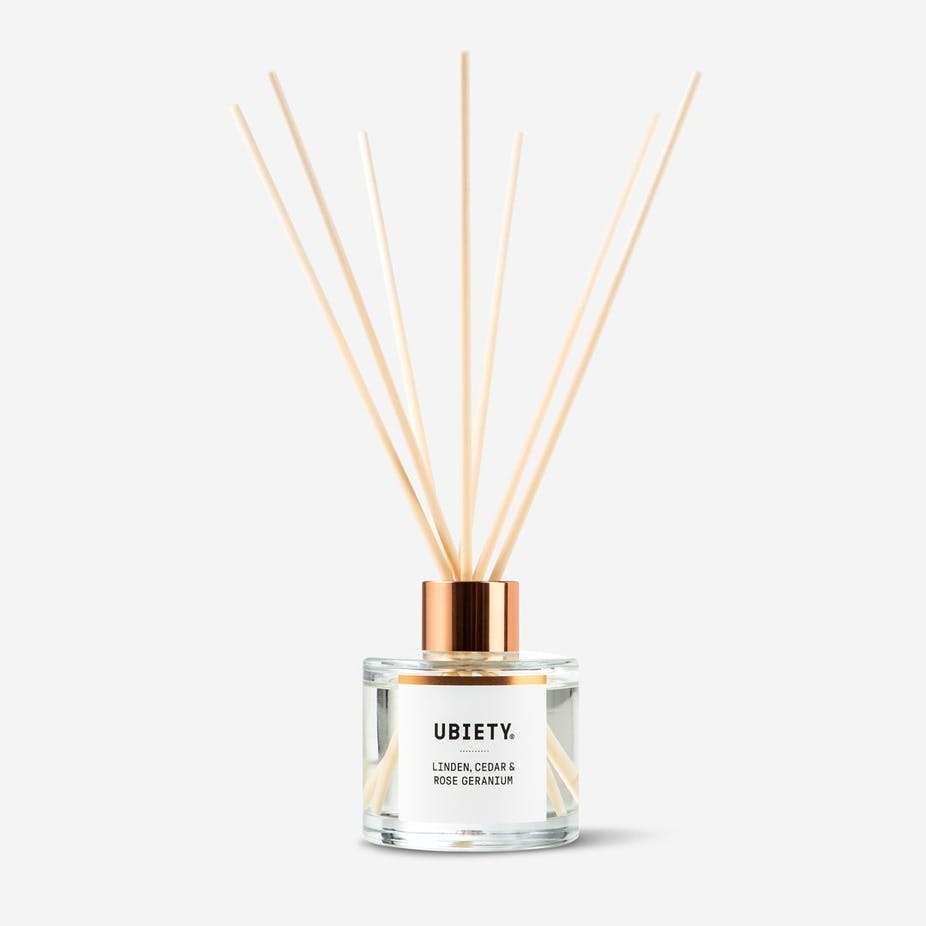
UBIETY | Linden, Cedar & Rose Geranium Balancing Reed Diffuser

The Ubiety Balancing reed diffuser uses a comforting blend of essential oils, including the smoky wood and green aromas of linden, cedarwood, and rose geranium, expertly chosen to calm and balance the mind. Captured in an environmentally friendly natural carrier oil, these plant-based formulations are sustainable and non-toxic, using vegan-friendly ingredients and simple glass packaging.


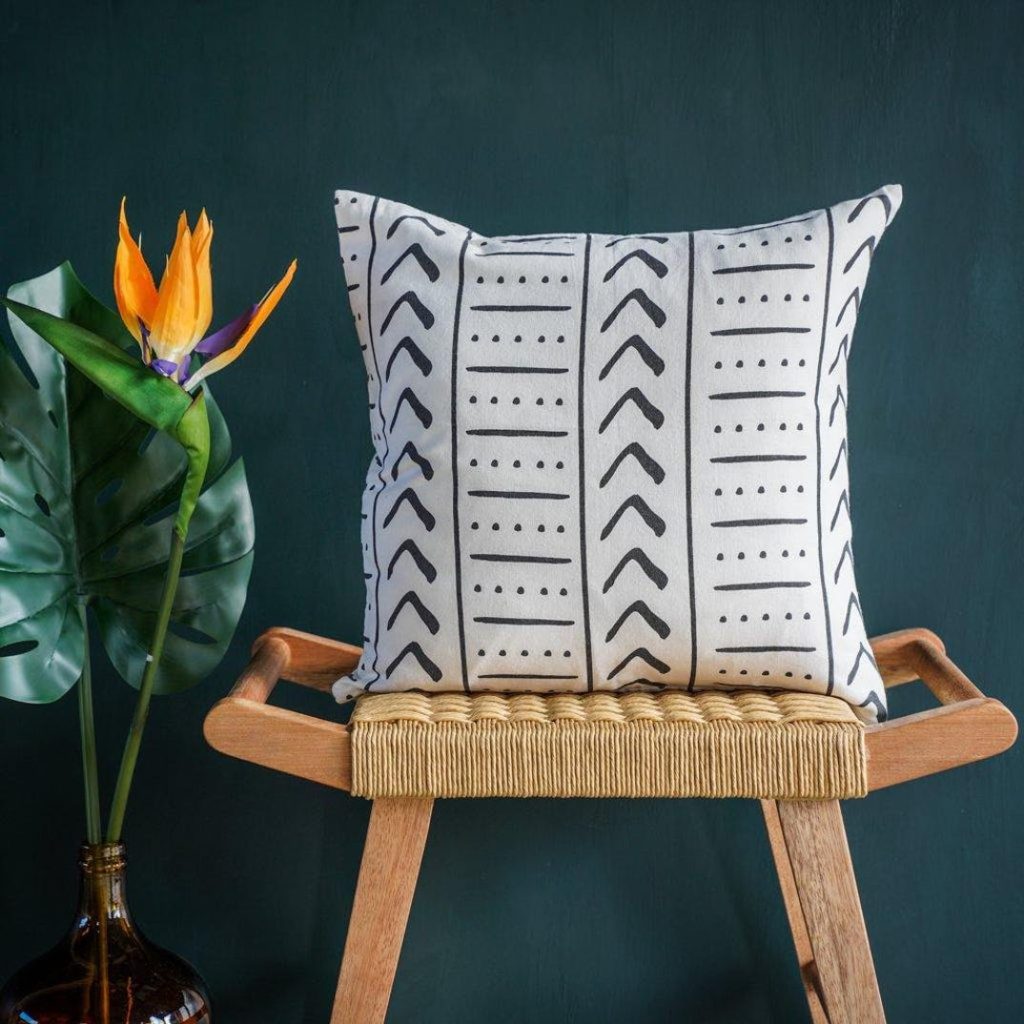
TIKUAO | Uma Square Cushion Cover in Charcoal

A strategically placed accent can bring the whole room to life, and this cushion is just what you need to do that. Uma cushion is inspired by the classic African Mud cloth textiles which have been cherished for generations. These cushion covers are hand-printed using Indian hand printing methods incorporating Moroccan patterns. The fabric is handmade using recycled cotton. These dreamy cushion covers are perfect for a living room or bedroom with high windows and they will make any interior looking exotic, relaxing, and inspiring.


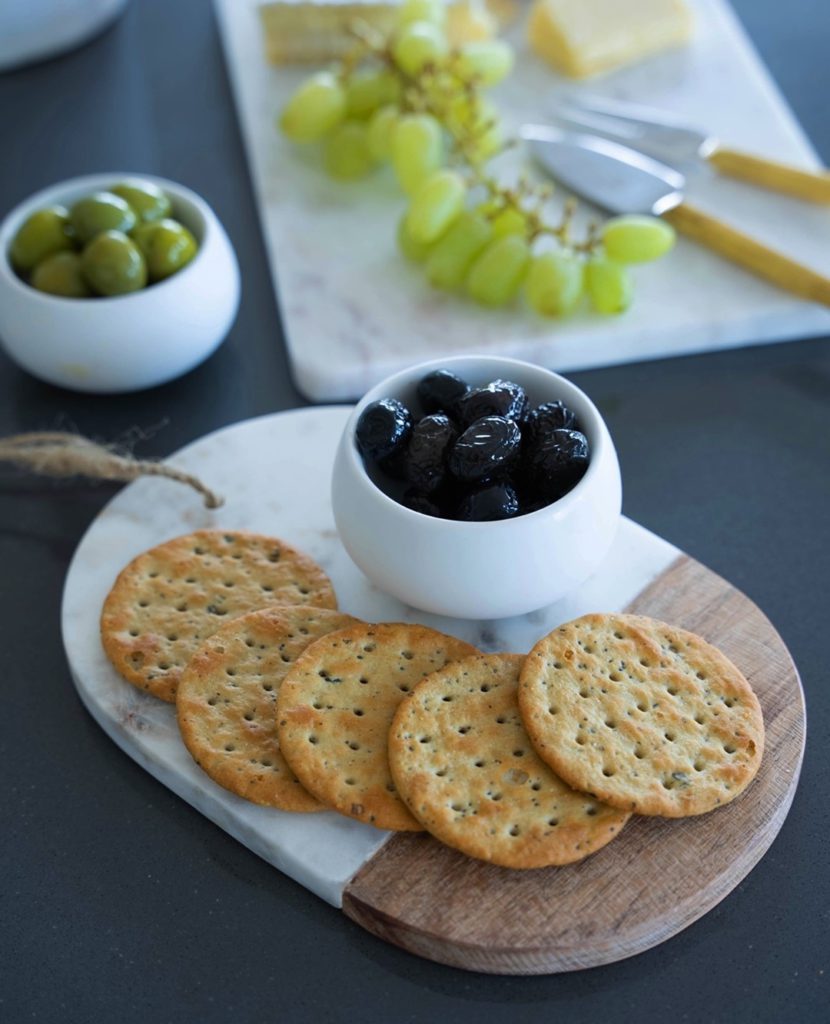
SO JUST SHOP | Two Tone Serving Board

This Marble Two Tone Serving Board is handcrafted by artisans using marble and wood harvested from ancient mango trees. The smooth surface makes it perfect to use for charcuterie and cheese or as a serving platter. A statement piece for the kitchen, ideal for any food lover.


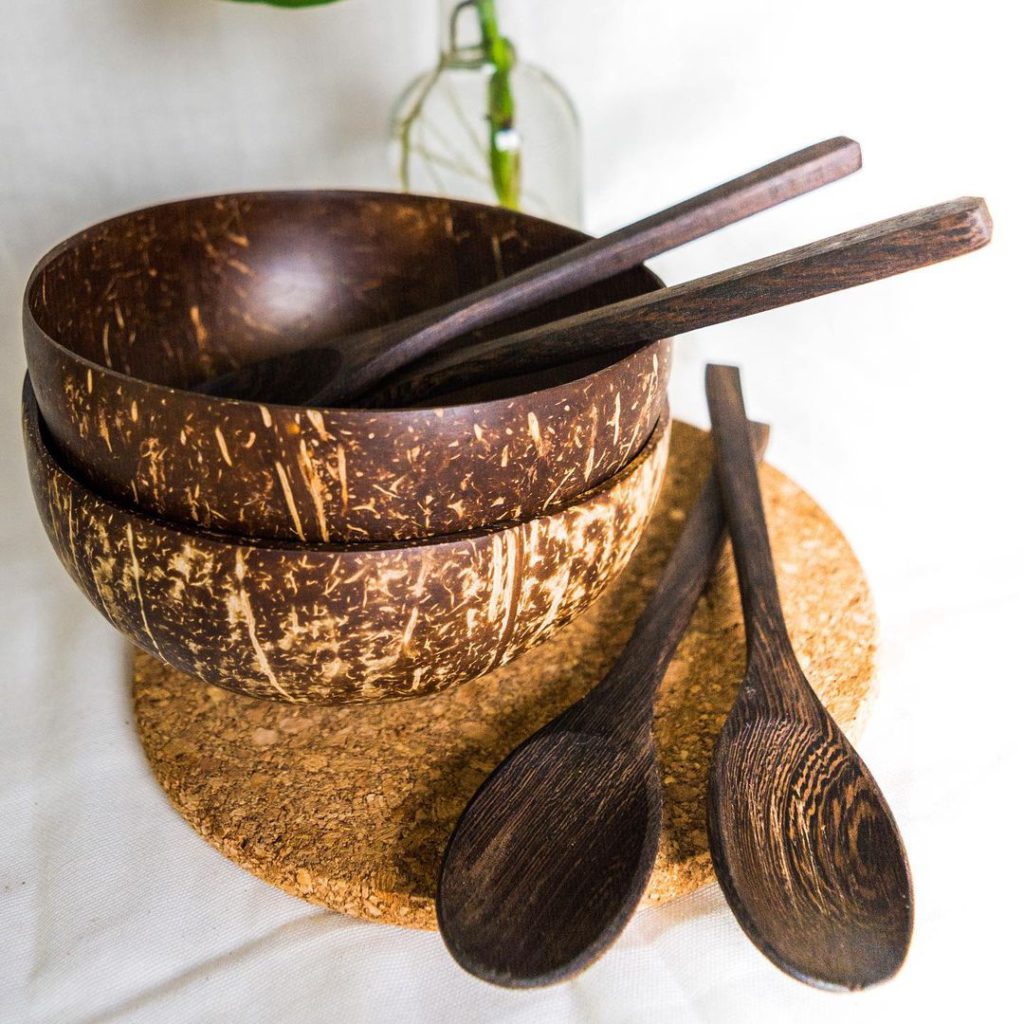
CLEAN U SKINCARE | Repurposed Coconut Bowl & Spoon

Clean U Skincare’s hand-carved coconut bowls are made using reclaimed coconuts that would otherwise be burned after harvest. They help to provide a well-needed second income for some of Vietnam’s most impoverished communities. Etched by local craftsmen in the Ben Tre region of Vietnam, each bowl is hand-picked from the thickest and highest quality coconuts.


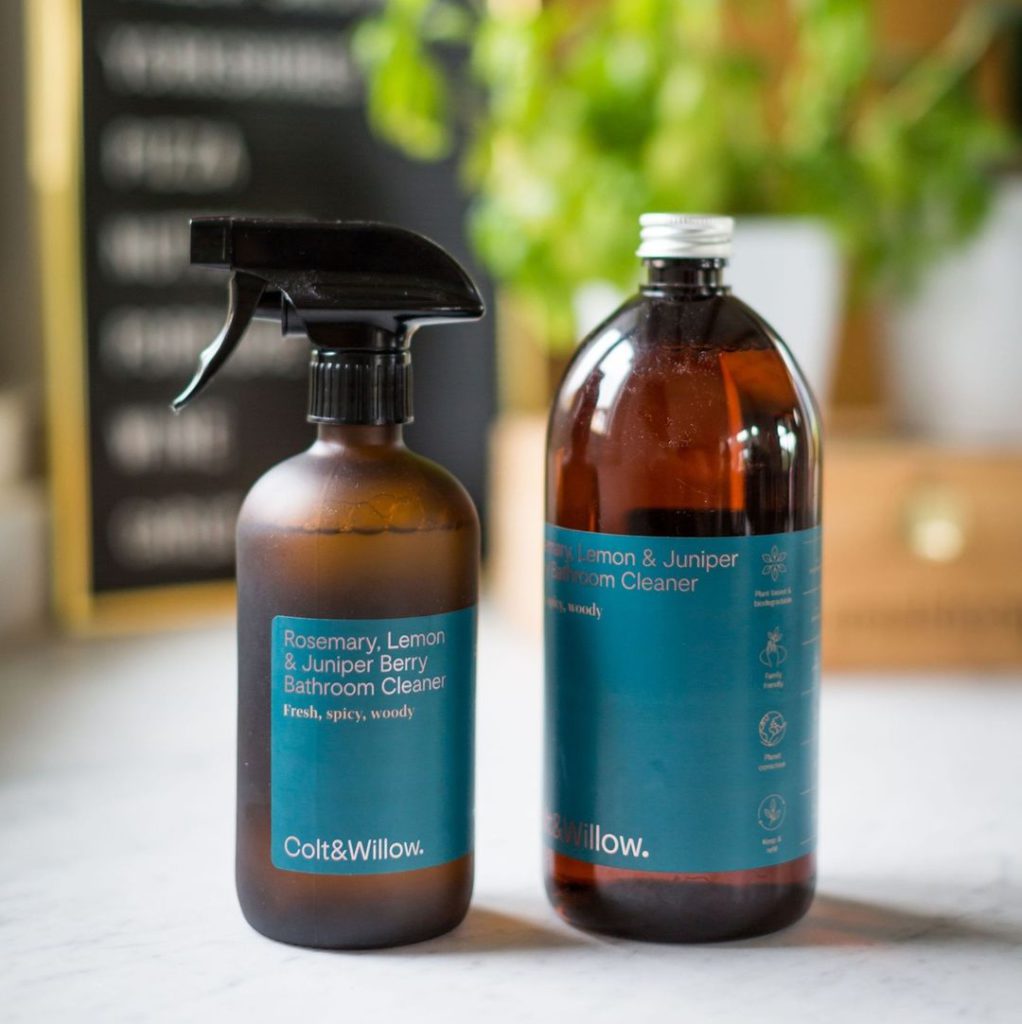
COLT & WILLOW | Eco Friendly Bathroom Cleaner Refill & Re-use Duo

Infused with cleansing rosemary, lemony freshness, and the calming ambiance of juniper berry, this award-winning duo is a gamechanger for your bathroom. In a glass dispenser that marries function with style, this plant-based, natural solution deeply cleans while instantly uplifting your living space.


For more eco-home essentials to transform your space, check out the full Home Edit here!

Ethically made sustainable underwear brands you need to know

|||||||||

If you’ve found yourself questioning the origins of your clothing more often than not lately, you’re not alone. When it comes to making more sustainable fashion choices, there’s no better place to start than with the basics. We often overlook those undergarments that no one really sees but these are often the pieces that we should be investing in the most.

Whether you’re into lacey pairings, cute and comfy sets, boxers, or briefs, these brands have got all bases covered. Explore a range of sustainable, ethically made underwear brands that use the most luxurious eco-friendly natural materials for the perfect fit and feel.

1. Bedstraw + Madder

Features | plant dyed, biodegradable elastic

Styles | classic knickers, briefs

Ships from | United Kingdom


BEDSTRAW + MADDER are righting the wrongs of an industry known
 for being dirty. Their cotton farm pilot in Southern India is committed to their regen cotton without cutting corners, all whilst giving their customers the transparency and traceability they deserve.

This is a story of revival – of the land, of biodiversity, and of crafts & techniques that have been around for centuries. 
But it’s also a story of people; namely the farmers, spinners weavers and seamstresses that make this all possible. 

This is intimates with integrity; this is uncompromising underwear; this is conscious cotton.

This is the regeneration generation.
And they won’t settle 
for less.

SHOP BEDSTRAW + MADDER

2. Rozenbroek

Features | organic cotton & bamboo, minimal design

Styles | boxer briefs, boxer shorts, briefs, thongs, trunks, bras

Ships from | United Kingdom


ROZENBROEK is a British, women-founded, sustainable clothing brand. They are a brand that celebrates design and durability.

They ONLY use organic fabrics; no compromise. Their fabrics are sourced as locally as possible, with the majority coming from Europe.

No wool, silk, and NEVER any fur or leather. Their accessories are all made from 100% organic & vegan fabrics and off-cuts.

All of their items are made in small batches or made to order. This is the most sustainable way as to avoid overproduction and unnecessary use of materials.

SHOP ROZENBROEK

3. Olly

Features | recycled lace, great design, inclusive

Styles | panties, bras, briefs, brazilian, bralette

Ships from | France


OLLY creates gorgeous sustainable lingerie designed to make you look and feel your absolute best. Slip into something a little more comfortable with cuts that flatter the female form. Using GOTS-certified organic cotton, recycled lace, and breathable Tencel, saving the planet never looked so good.

SHOP OLLY

4. Hedoine

Features | biodegradable nylon, ladder-free

Styles | tights, knee-high socks, ankle socks, fishnet socks

Ships from | United Kingdom


Hedoine wanted to create something different – tights that make you feel great and that wouldn’t add to the world’s ever-growing throwaway culture.

Let’s face it – you need tights that do the job properly. They need to feel good, look great and last longer. That’s why Hedoine mastered their craft. Hedoine have made it their mission to craft the best tights you’ll ever wear – the most comfortable, the most sustainable and (hopefully) the only pair of tights you will ever want to wear, again. 

Tights reinvented to last day in, night out.

SHOP HEDOINE


Discover our full range of women’s underwear at veo.world.