

Veo and Wearth are now Ziracle. Same mission, better platform. See what's new

Eco Swaps For Fashion

Eco swaps for fashion: how to buy less, spend less, and wear better

The sustainable fashion conversation tends to go one of two ways. Either it’s a guilt trip about fast fashion, or it’s a very expensive list of ethical brands most people can’t afford. Neither is particularly useful.

This is the practical version. Here’s where fashion’s impact actually comes from, why cost per wear changes the maths entirely, and which swaps make the most difference.

Why fashion is worth taking seriously as an environmental problem

The fashion industry produces around 10% of global CO2 emissions, more than international aviation and maritime shipping combined. It’s also responsible for approximately 35% of all primary microplastic pollution in the ocean, almost entirely from synthetic fibres shedding during washing.

The UK numbers make it concrete. According to WRAP, the average UK household owns around £4,000 worth of clothes, and around 26% of that wardrobe has not been worn for at least a year. The most sustainable wardrobe isn’t a more ethical one. It’s a smaller one, used properly.

“The most sustainable wardrobe isn’t a more ethical one. It’s a smaller one, used properly.”

This matters because the framing of “eco swaps for fashion” is slightly misleading. The biggest lever isn’t which brand you buy. It’s how many things you buy, and how long you keep them.

The case for cost per wear: buying less, buying better

Cost per wear is simple: price divided by number of wears. A £15 fast fashion top worn five times costs £3 per wear. A £90 well-made equivalent worn 90 times costs £1 per wear. Over time, the cheaper item is the more expensive one.

The environmental logic mirrors the financial one. A 2024 peer-reviewed study found that fast fashion jeans emit 2.5kg of CO2 per wear, 11 times more than traditionally made jeans. The difference isn’t mostly about materials. It’s about how many times something gets worn before it’s discarded. Wear something twice as often and you halve its per-wear footprint, regardless of what it’s made from.

WRAP found that extending the active life of clothing by just three months reduces its environmental footprint by 5 to 10%. Three months. Not a wardrobe overhaul. Not a switch to a certified organic brand. Just wearing what you already own for slightly longer.

The practical implication: before buying anything new, ask whether it will get at least 30 wears. If the honest answer is no, it’s probably not worth buying, on any measure.

What’s in your activewear, and what you can actually do about it

You may have seen claims that polyester leggings are toxic. The reality is more complicated than most of the coverage suggests. Still worth knowing.

Testing by Mamavation and Environmental Health News, using an EPA-certified lab, found that one in four pairs of popular leggings and yoga pants had detectable levels of fluorine, a strong indicator of PFAS. PFAS are synthetic chemicals used to create water-resistance and moisture-wicking properties in performance fabrics. They accumulate in the body over time and have been linked to cancer, thyroid disruption, and reproductive issues in higher-exposure contexts. Three in four pairs tested showed no detectable fluorine.

The Environmental Working Group notes that it is currently unclear how much PFAS in clothing specifically contributes to overall human exposure. Skin absorption from clothing is a plausible route but remains an area of active research rather than established fact. The concern is real; the certainty is not.

What is established: synthetic activewear sheds microplastics into wastewater with every wash, regardless of PFAS content. The performance coatings that create moisture-wicking properties are also where PFAS are most commonly added.

The practical response is not to throw out your leggings. It’s to look for OEKO-TEX Standard 100 certification on any new activewear purchase, which screens for harmful substances including PFAS indicators. Natural fibre alternatives exist for lower-intensity exercise: organic cotton, TENCEL, and merino wool. For those activities the moisture-wicking argument for synthetics is less pressing. For high-performance sport, OEKO-TEX is the clearest signal currently available.

The other swaps that move the needle

Buy secondhand first.

Secondhand clothing has no manufacturing footprint beyond transport. For most everyday items: jeans, knitwear, outerwear, basics. The secondhand market in the UK is deep and well-supplied. Vinted, Depop, eBay, and charity shops are all viable first stops before buying new. The habit shift is small; the impact is real.

Wash less, wash cooler.

Most of the lifecycle emissions from clothing happen during use, not manufacturing: primarily from washing and drying. Washing at 30°C instead of 40°C and line-drying instead of tumble-drying meaningfully reduces the ongoing footprint of every item you own. Washing synthetics less frequently also reduces microplastic shedding.

A microfibre filter bag for your washing machine.

Guppy Friend bags and similar microfibre filter bags catch the synthetic fibres that shed from activewear and other synthetic clothing during washing. They don’t solve the problem at source, but they meaningfully reduce how much ends up in wastewater. Low cost, immediate, no change to routine required.

When buying new, buy once and buy well.

Look for natural or certified recycled fibres, OEKO-TEX or GOTS certification, brands with named factories and published supply chain information, and products with a repair or take-back offering. These are the signals that a brand has thought beyond the label.

Care for what you have.

Loose buttons, split seams, worn heels: most of the reasons clothes are discarded are fixable. Learning basic repairs or using a local cobbler or tailor extends the life of clothes that are otherwise fine. The environmental case is the same as the financial one. The item already exists.

The brands worth buying from

Every brand in the Apparel and Style category on Ziracle has passed the same standard: kind to the people making the clothes, honest about materials and supply chain, and built to last longer than a season. For fashion specifically, that means Fair Trade or equivalent certification, transparency about factories, and no materials that can’t be accounted for.

The brands that earn their place are the ones where the clothing itself is good enough that you’d want to wear it regardless of the ethics. The ethics are the confirmation that it’s worth the price, not the reason to buy something you wouldn’t otherwise choose.

You now know where fashion’s impact actually comes from, why cost per wear reframes the whole conversation, and which swaps are worth making first. Which means the next time something needs replacing, you know exactly how to think about it.

Ready to shop? Browse our Apparel and Style category and filter by Fair Trade and B Corp to find brands that have already passed the standard.
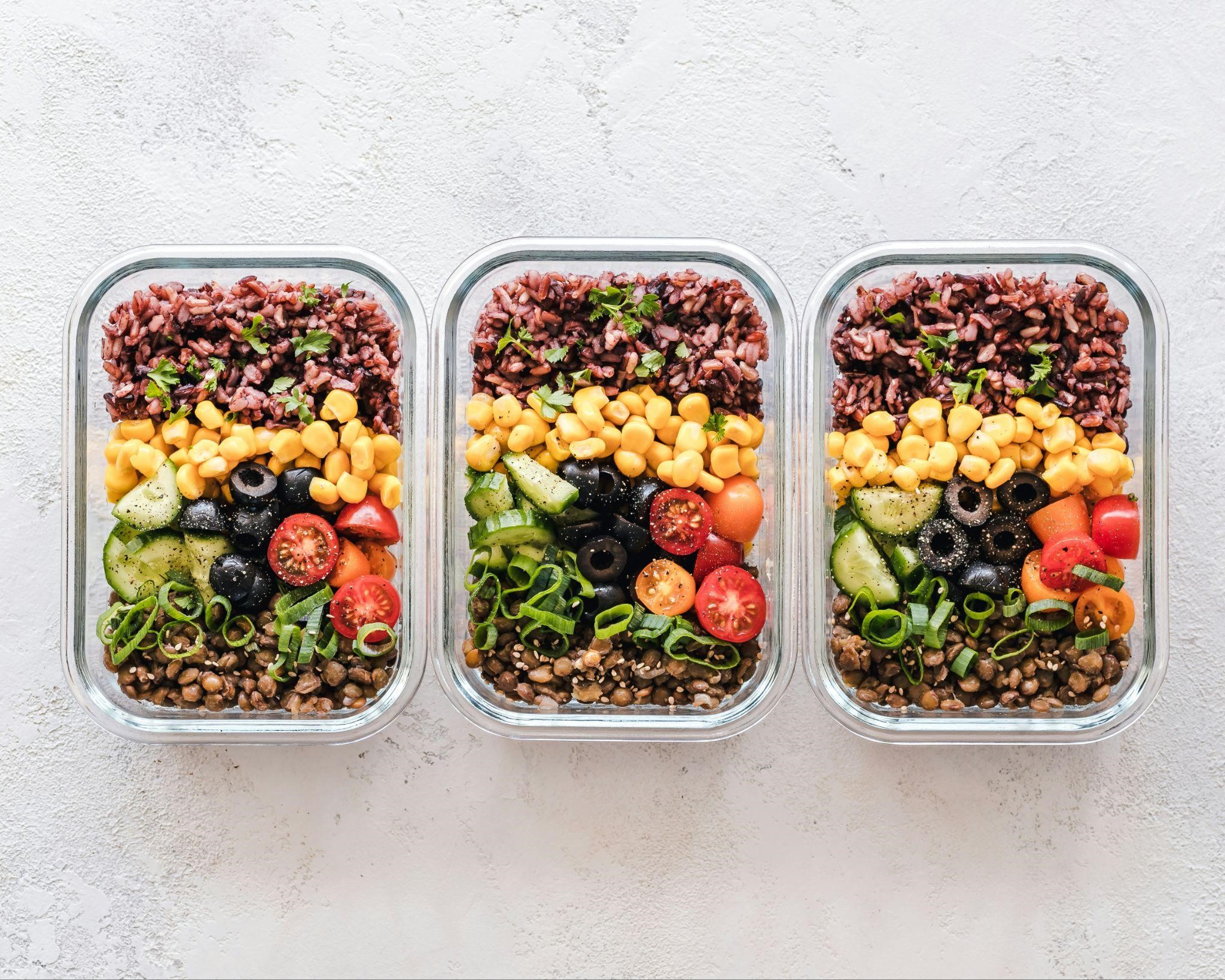

A practical guide to plant-based eating: how to do it well

The word “vegan” still puts a lot of people off. It sounds like a commitment, a label, a lifestyle. But the research on plant-based eating doesn’t require you to go all the way to get most of the benefit. Eating more plants, not exclusively plants, is one of the most well-evidenced things you can do for your health and for the planet.

This guide is for people who want to eat better, not for people who want an identity. Here’s what the evidence actually says, what to stock, and how to make it genuinely easy.


Why plant-based eating is worth trying even if you’re not going fully vegan

There is a wide spectrum between eating a standard Western diet and being fully vegan. Flexitarian, vegetarian, pescatarian: all of them involve eating more plants and less meat, and all of them deliver meaningful benefits relative to where most people currently are.

A 2024 study in Frontiers in Nutrition found that a vegan diet reduces carbon emissions by 46% compared to an omnivorous Mediterranean diet, while a vegetarian diet reduces emissions by up to 35%. The headline: you don’t need to go fully vegan to make a real difference. Every meal with more plants moves the needle.

On the health side, the picture is equally clear. Research from the Office of Health Economics found that if everyone in England shifted to a plant-based diet, the NHS would save around £6.7 billion a year, with 2.1 million fewer cases of disease. The conditions with the strongest evidence for improvement: cardiovascular disease, type 2 diabetes, and several forms of cancer.

None of this requires perfection. It requires direction.


The health case: what the evidence actually says

Plant-based diets are typically lower in saturated fat and higher in fibre, antioxidants, and phytochemicals. The evidence linking plant-based eating to cardiovascular disease prevention is strong, with improvements in weight, cholesterol, blood pressure, and blood glucose all well-documented in both observational studies and randomised controlled trials.

The NHS is clear on this: a well-planned plant-based diet can meet all nutritional needs at every life stage. The word “planned” is doing important work in that sentence. There are a handful of nutrients that need attention.

“There is now compelling evidence that plant-based diets can benefit people’s health.” — Dr Chris Sampson, Office of Health Economics

Vitamin B12 is the one that matters most. It is not found in plants, and the NHS recommends that vegans either eat fortified foods at least twice a day or take a supplement. This is not a reason not to eat plant-based. It is a £3 supplement. But it is a genuine non-negotiable, not a technicality.

Iron from plant sources is absorbed less efficiently than iron from meat. Eating iron-rich plants, including lentils, chickpeas, tofu, and dark leafy greens, alongside vitamin C-rich foods improves absorption considerably. Not complicated, but worth knowing.

Vitamin D is relevant for everyone in the UK, plant-based or not. The NHS recommends everyone considers a supplement through autumn and winter regardless of diet.

Iodine and calcium need attention if dairy is removed. Fortified plant milks, seaweed, and iodised salt cover iodine. Calcium comes from fortified plant milks, tofu, tahini, and green leafy vegetables.

The reassuring summary: the nutrients that need managing are manageable. A good multivitamin designed for plant-based eaters covers most of them in one go.


The practical bit: what to eat, what to stock, and where people go wrong

The biggest mistake people make when moving toward plant-based eating is treating it as subtraction. Remove the meat. What’s left? Not much that’s interesting. The better approach is addition first: add the foods that make plant-based eating genuinely good, then let meat naturally take a smaller role.

The foods that do the heavy lifting:

Legumes, including lentils, chickpeas, black beans, and cannellini beans, are the backbone of plant-based eating. Cheap, filling, high in protein and fibre, and genuinely delicious when cooked properly. A tin of chickpeas and a jar of tahini will take you further than almost anything else in the cupboard.

Whole grains, including brown rice, oats, quinoa, farro, and barley, provide sustained energy and texture. They’re also where a lot of the fibre comes from.

Nuts and seeds, including walnuts, almonds, hemp seeds, chia seeds, and pumpkin seeds, add fat, protein, and flavour. A handful on top of most things makes it better.

Tofu and tempeh are worth learning to cook properly. Pressed tofu, dried and cooked at high heat, bears no resemblance to the soft, watery version most people encounter first. Tempeh has a nuttier, more complex flavour and holds together better.

What to keep in the cupboard at all times: tinned chickpeas, lentils, cannellini beans, and black beans. Tinned tomatoes. Tahini. Good olive oil. Miso paste. Soy sauce. Nutritional yeast. These things make everything taste like it took more effort than it did.

Where people go wrong: relying on ultra-processed meat substitutes as the main protein source. Some are fine occasionally. But a diet built around vegan sausages and plant-based burgers is a different thing from a diet built around whole plant foods, and the evidence for health benefits applies to the latter.


The products that make it genuinely easy

This is where Ziracle’s job is to have done the work already. Every product in the Food and Drink category has passed the same standard: efficacy, ethics, transparency. For plant-based eating that means organic where it counts, no unnecessary additives, and brands that are honest about what’s in the product and where it comes from.

What to look for: good-quality tinned legumes, organic plant milks without unnecessary additives, tahini that is just sesame seeds, nut butters without palm oil or added sugar, and supplements that are genuinely vegan rather than plant-adjacent.

The brands that make the best plant-based eating possible are the ones making food that tastes genuinely good, not food that tastes like a compromise. That’s the bar. Everything on Ziracle has passed it.


How to make it stick without making it a project

The research on behaviour change is consistent: starting small and staying consistent beats starting ambitious and dropping off. One or two plant-based meals a week is a real change. Three or four is a meaningful shift. Five is most of the week.

Pick one meal to change first. Most people find breakfast or lunch easier than dinner, because there’s less social pressure and fewer expectations. Porridge with seeds and fruit. A lentil soup. A chickpea salad. None of these require a recipe book.

Cook in batches. A big pot of lentil dal, a tray of roasted vegetables, a pan of rice. These things take 30 minutes once and feed you several times. The people who eat well consistently are not the ones who cook every day. They are the ones who cook a few things that stretch across the week.

Don’t make it a rule. Rules create failure states. If you eat meat at a friend’s dinner and enjoy it, that’s fine. The overall direction matters more than any individual meal. Every choice adds up, not because you’re obligated to be perfect, but because small consistent changes compound into something real over time.

You now know what the evidence says, what to stock, and what to do when it feels like too much effort. Which means the next step is just starting somewhere.


Ready to shop? Browse our Food and Drink category and filter by Vegan and Organic to find products that have already passed the standard.


SEO / GEO DATA PACKAGE

Domain: ziracle.com Full URL: ziracle.com/journal/vegan-living-guide Canonical URL: https://www.ziracle.com/journal/vegan-living-guide

301 redirects: veo.world/blog/5-reasons-to-try-veganuary veo.world/blog/proud-supporters-of-veganuary-why-not-give-it-a-go veo.world/blog/10-plant-based-life-hacks-that-will-make-you-feel-like-a-culinary-god

Page title: A practical guide to plant-based eating: how to do it well | Ziracle Journal

Meta description: You don’t need to go fully vegan to eat better. Here’s what the evidence says about plant-based eating, what to stock, and how to make it genuinely good.

H1: A practical guide to plant-based eating: how to do it well

H2s:

  1. Why plant-based eating is worth trying even if you’re not going fully vegan
  2. The health case: what the evidence actually says
  3. The practical bit: what to eat, what to stock, and where people go wrong
  4. The products that make it genuinely easy
  5. How to make it stick without making it a project

Primary keyword: vegan living guide Secondary keywords: plant-based diet UK, vegan lifestyle tips, how to go vegan, vegan food UK, plant-based eating

Pillar: Live Sustainably Goal tag: Food & Drink / Goals: Eat Well Value tags: Vegan, Organic

Internal links: /market/food-and-drink, /values/vegan, /values/organic

GEO signals: NHS cited, Office of Health Economics cited, Frontiers in Nutrition cited, PMC peer-reviewed research cited, specific statistics with named sources throughout

Schema: Article schema, same fields as previous articles

Word count: approximately 1,200


References

  1. Frontiers in Nutrition, Vegan diet reduces carbon emissions by 46% (2025): frontiersin.org
  2. Office of Health Economics, Plant-based diets and NHS savings (2024): ohe.org
  3. Landry and Ward (2024), Health benefits of plant-based dietary patterns: pmc.ncbi.nlm.nih.gov

NHS, The vegan diet: nhs.uk