
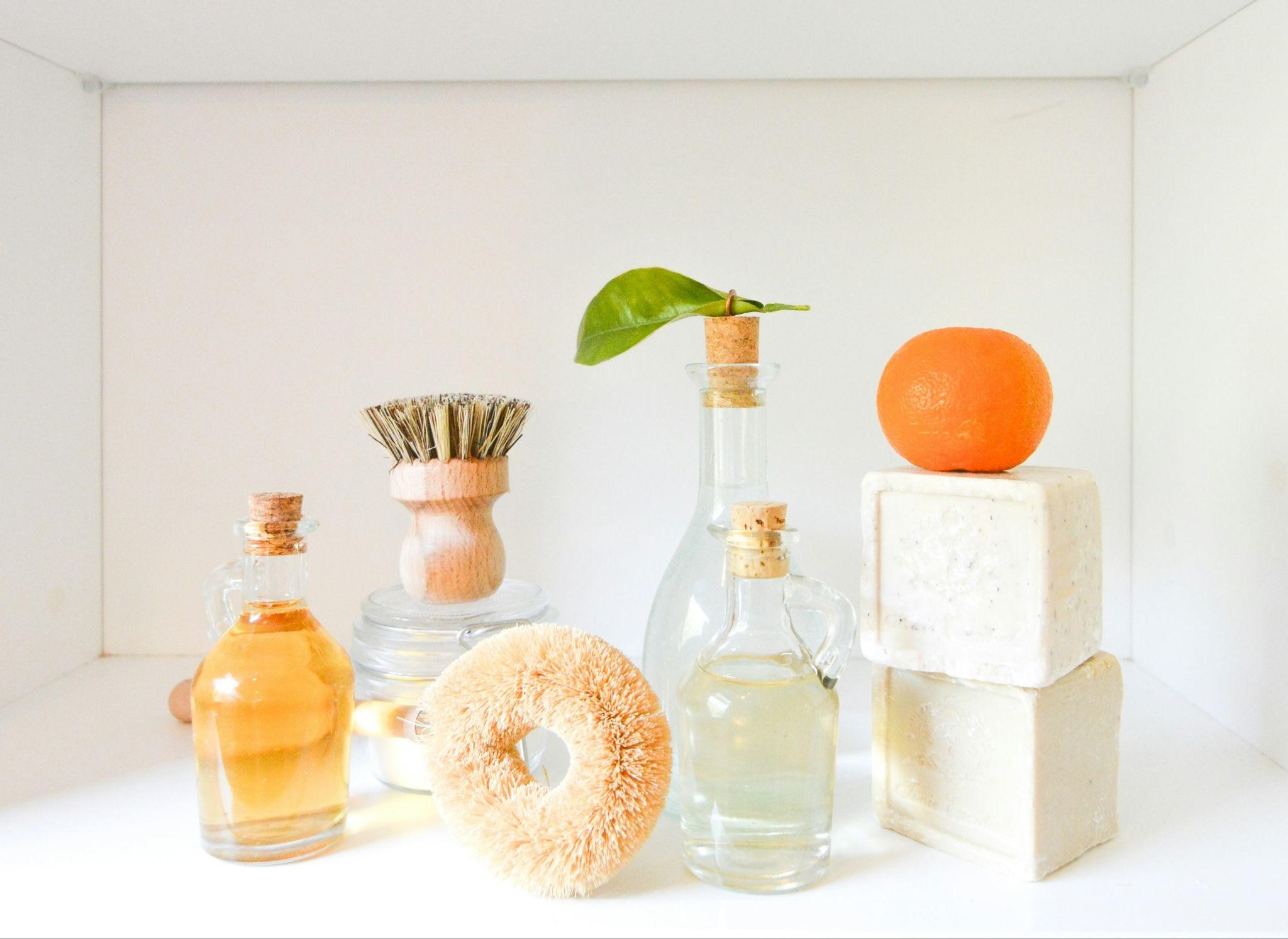
Eco swaps for beauty: the ones that actually work
The bathroom cabinet is one of the easiest places to reduce plastic in your life. It’s also the place where most eco swap advice falls apart on shampoo bars that don’t lather, deodorants that don’t work, and a lot of products that feel like a compromise rather than an upgrade.
This isn’t that. Every swap here has been checked for performance as well as ethics. Here’s what’s worth switching, what to expect, and how to do it without throwing away half a shelf of products you’ve already bought.
Why beauty is one of the easiest places to reduce plastic
The beauty industry produces at least 120 billion pieces of packaging every year, and 95% of it goes unrecycled. Only 9% of cosmetic plastic packaging actually makes it through the recycling process. The British Beauty Council puts it plainly: most of what goes in the recycling bin from your bathroom isn’t coming back as anything useful.
That’s not just a problem. It’s an opportunity. Bathroom products are among the most repeatable purchases in most people’s lives. You buy shampoo every few weeks. Moisturiser every couple of months. Deodorant, face wash, soap: all of it cycles through on a reliable schedule. Switch one of those products to a better format, and the impact compounds with every purchase.
In the UK alone, around 520 million shampoo bottles are discarded every year. That single category, changed, would be a meaningful shift. And shampoo is just the start.
The swaps that actually work, and the ones that don’t
Shampoo bars: yes, but buy the right one.
A well-formulated shampoo bar replaces two to three bottles of liquid shampoo and produces no plastic waste. The environmental case is clear. The performance case took longer to catch up, but it has. One bar of solid shampoo typically replaces two to three bottles of liquid, lasts longer per wash, and is significantly lighter to transport.
The caveat: not all shampoo bars are equal. Many early-generation bars used saponified soap bases with a high pH that roughed up the hair cuticle, left residue, and caused exactly the lather problems that put people off. pH-balanced syndet bars, made with mild synthetic detergents rather than soap, behave much more like conventional shampoo. Look for that distinction when buying. Give it three to four washes before judging. The scalp adjusts.
Conditioner bars: yes.
Easier transition than shampoo. Conditioner bars melt on contact with water and distribute like a liquid conditioner. Less adjustment required, same plastic saving.
Solid body wash and soap bars: yes, and this one is genuinely easy.
Switching from liquid body wash to a solid bar is the lowest-friction eco swap in the bathroom. A good soap bar with moisturising oils performs comparably to most liquid body washes, produces no plastic waste, and lasts significantly longer. No adjustment period needed.
Refillable deodorant: yes.
The deodorant category has improved considerably. Refillable aluminium deodorants with replaceable cardboard or refill inserts now perform as well as conventional roll-ons. The initial outlay is higher; the ongoing cost and waste are both lower.
Natural deodorant: worth trying carefully.
Natural deodorants that replace aluminium-based antiperspirants work for many people, but not everyone. If sweating is a concern, test during a lower-activity period rather than committing on a busy week. The switch takes around two to three weeks as the body adjusts. A refillable conventional deodorant may be a better fit if natural formulas don’t work for you.
Reusable cotton pads and cloths: yes, immediately.
Single-use cotton pads are a small but constant source of waste. Reusable cloth rounds, washed with normal laundry, replace them entirely. One set of ten rounds replaces hundreds of disposable pads over a year. This is the swap with the shortest payback period of anything on this list.
Bamboo toothbrushes: yes.
If everyone in the UK changed their toothbrush every three months, that’s a potential 264 million brushes discarded annually. Bamboo handles with nylon bristles are the practical swap: the bristles still need to go in general waste, but the handle composts. Fully compostable bristles exist but are less effective.
Refillable skincare: worth prioritising over format swaps.
For moisturisers, serums, and cleansers, refillable schemes are more impactful than switching format entirely. A refillable glass jar of moisturiser is a better outcome than a compostable single-use alternative. Look for brands with active refill programmes rather than brands that simply use recycled packaging.
What doesn’t work yet: mascara, most foundations, and complex multi-component products. The packaging on these hasn’t been solved at scale. TerraCycle runs collection schemes for some brands, which is currently the best option. Buying less, buying better, and using products fully before replacing them has more impact here than any packaging swap.
How to switch without wasting what you already have
“The most sustainable thing in your cabinet is a product you’ve already bought.”
Using it up before switching is the right call. The environmental cost of manufacturing is already sunk, and throwing away half a bottle to replace it with something greener is counterproductive.
When a product runs out, replace it with the better version. Start with the things that cycle through fastest: shampoo, body wash, soap, cotton pads. These give you the most repetitions and the fastest payback.
Keep a list. When something runs low, check whether there’s a better format or brand before automatically reordering the same thing. That pause is where most of the change happens.
The products worth buying
Everything in the Beauty and Self-Care category on Ziracle has passed the same standard: kind to skin, honest about ingredients, and made with the planet in mind. For eco beauty specifically, that means plastic-free or refillable packaging, ingredients without unnecessary synthetics, and brands that are transparent about their supply chain.
The formats to look for: solid bars for hair and body, refillable deodorant, reusable cotton rounds, and skincare brands with active refill schemes. The brands that earn their place are the ones where the product itself is good enough that you’d buy it regardless of the packaging. The ethics are a bonus, not a concession.
You now know which swaps are worth making and which aren’t ready yet. Which means the next time something runs out, you know exactly what to replace it with. Ready to shop? Browse our Beauty and Self-Care category and filter by Plastic Free and Refillable to find products that have already passed the standard.