

Veo and Wearth are now Ziracle. Same mission, better platform. See what's new

Daily Habits For Mental Health

Daily habits for mental health: small changes, real results

The wellness industry has a talent for making mental health feel like a second job. Meditation apps, journaling prompts, gratitude practices, cold plunges. All of it presented as non-negotiable, all of it requiring time you probably don’t have.

The research tells a different story. The habits with the strongest evidence behind them are not complicated. Most take under 20 minutes. And the compounding effect of doing them consistently is larger than most people expect.


Why small habits move the needle more than big ones

The brain changes in response to repeated behaviour. This isn’t motivational language. It’s how neuroplasticity works in practice. Consistent small actions reinforce neural pathways more effectively than occasional large ones, because repetition is what drives the structural change.

Research from University College London found that habit formation takes an average of 66 days, with a range of 18 to 254 depending on the person and the behaviour. The implication: habits are built through repetition over time, not through willpower on any given day. Starting small and staying consistent beats starting ambitious and dropping off.

This is also why overhauling everything at once rarely works. Pick one or two habits, do them until they’re automatic, then add more. The evidence supports this approach. The wellness industry largely doesn’t, because it has products to sell.


The habits with the strongest evidence behind them

Not all habits are equal. These are the ones the research consistently backs.

Movement, any movement, regularly. Exercise is one of the most well-evidenced interventions for mental health available. A 2023 meta-analysis in the BMJ covering 97 reviews and over 1,000 trials found that physical activity was as effective as medication for depression and anxiety in many cases, with walking, yoga, and strength training all showing strong effects. The dose matters less than most people think: 20 to 30 minutes most days is enough to produce measurable changes in mood, stress response, and sleep quality.

Time outside, especially in the morning. Natural light exposure anchors the circadian rhythm and influences serotonin production. A 2020 study in Molecular Psychiatry found that time spent outdoors was associated with lower rates of depression and better mental wellbeing, independent of physical activity levels. The two together are more effective than either alone.

Sleep, treated as non-negotiable. The relationship between sleep and mental health runs both ways: poor mental health disrupts sleep, and poor sleep worsens mental health. The NHS recommends 7 to 9 hours for most adults. Protecting sleep is not a luxury. It’s the foundation everything else sits on.

Reducing alcohol. Alcohol is a depressant that disrupts sleep architecture, raises cortisol, and depletes serotonin over time. Most people know this, and most people underestimate how much even moderate drinking affects their baseline mood. Cutting back is one of the highest-return changes you can make.

Social connection, in whatever form works for you. A landmark Harvard study running over 80 years found that the quality of relationships was the single strongest predictor of mental health and longevity. This doesn’t require a packed social calendar. Regular, genuine contact with people you trust is what counts.


What gets in the way, and how to actually make these stick

Knowing what to do is rarely the problem. Doing it consistently is.

The most common obstacle is all-or-nothing thinking: if you can’t do the full version, you skip it entirely. A 10-minute walk still counts. Five minutes of quiet still counts. The research on habit formation is clear that partial completion is far better than skipping, because it keeps the neural pathway active.

Friction is the other thing. BJ Fogg’s work at Stanford on behaviour design shows that making a habit easier to start, reducing the steps between intention and action, has a bigger effect on consistency than motivation. Put your trainers by the door. Keep a water bottle on your desk. Move the thing you want to do into the path you already walk.

Tracking also helps, but only lightly. A simple record of whether you did the thing, not how well, not for how long, is enough to build momentum without becoming its own source of stress.


Where your environment does the work for you

The most sustainable habits are ones that happen almost automatically, because the environment makes them easy. This is worth spending time on.

If morning light is one of your habits, sleeping with the curtains slightly open removes a decision. If movement is the goal, a yoga mat already unrolled in your living room removes a barrier. If you want to wind down properly before bed, keeping your phone out of the bedroom removes the temptation.

None of this is complicated. The principle is simple: reduce the distance between wanting to do something and actually doing it. Your environment can work for you or against you. Most people’s environments, by default, work against them, optimised for convenience rather than the habits they’re trying to build.


The products worth adding to your routine

Products don’t build habits. But the right ones can support them.

Magnesium is worth considering if sleep or stress is part of the picture. It plays a direct role in regulating cortisol and the nervous system. Adaptogenic herbs like ashwagandha have some evidence for reducing perceived stress, though the research is less robust than the marketing suggests. A 2019 study in Medicine found ashwagandha supplementation reduced stress and anxiety scores compared to placebo, with cortisol levels dropping by around 28%.

Creatine is one most people haven’t considered for mental health, and the emerging evidence is worth knowing about. It supports ATP production in the brain, which is depleted under stress and poor sleep. A 2023 meta-analysis in Nutrients found creatine supplementation reduced symptoms of depression, particularly in women and in people with disrupted sleep. The research is still building, but the mechanism is plausible and the safety profile is well established.

A good multivitamin won’t actively improve mental health in someone eating well. But deficiencies in B12, folate, vitamin D, and iron all have documented effects on mood and energy, and most people have at least one gap they don’t know about. A multivitamin is a reasonable safety net, not a solution. Worth having in the rotation if your diet is inconsistent.

For movement and wind-down, the environment matters more than the product. A good-quality yoga mat, a journal, a supplement that does what it says. Nothing you need to spend a lot on. Nothing that requires a new identity.

Everything on Ziracle in this space has passed the same bar: does it do what it claims, and is it made the way the brand says it is. That rules out most of what’s on the market.

You already know the habits that move the needle. Which means the question isn’t what to do. It’s which one you’re starting with tomorrow.


Looking for products that support your mental health routine? Browse our Reduce Stress goal page and Wellness & Vitality category. Everything there has passed the same standard on efficacy and ethics.
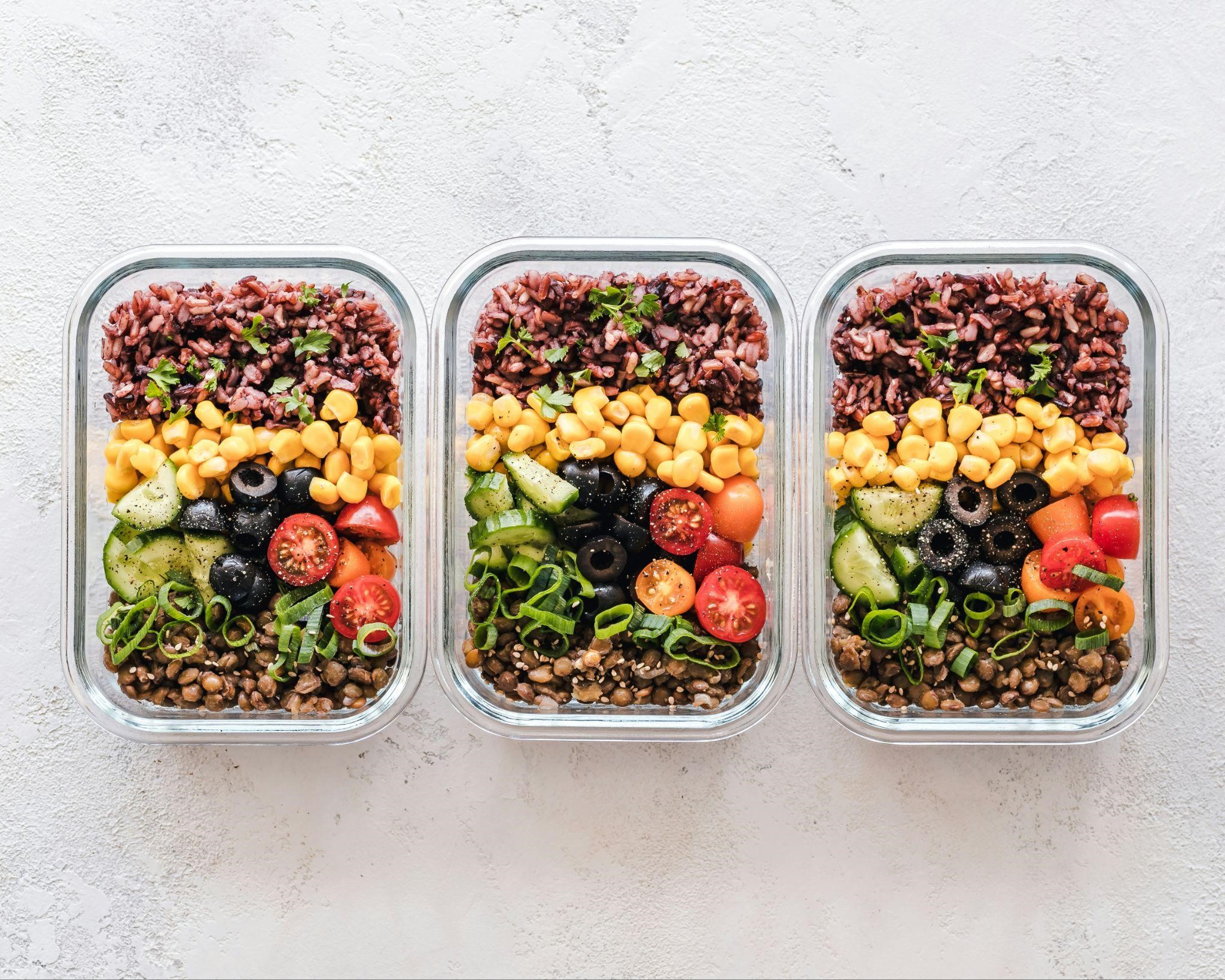

A practical guide to plant-based eating: how to do it well

The word “vegan” still puts a lot of people off. It sounds like a commitment, a label, a lifestyle. But the research on plant-based eating doesn’t require you to go all the way to get most of the benefit. Eating more plants, not exclusively plants, is one of the most well-evidenced things you can do for your health and for the planet.

This guide is for people who want to eat better, not for people who want an identity. Here’s what the evidence actually says, what to stock, and how to make it genuinely easy.


Why plant-based eating is worth trying even if you’re not going fully vegan

There is a wide spectrum between eating a standard Western diet and being fully vegan. Flexitarian, vegetarian, pescatarian: all of them involve eating more plants and less meat, and all of them deliver meaningful benefits relative to where most people currently are.

A 2024 study in Frontiers in Nutrition found that a vegan diet reduces carbon emissions by 46% compared to an omnivorous Mediterranean diet, while a vegetarian diet reduces emissions by up to 35%. The headline: you don’t need to go fully vegan to make a real difference. Every meal with more plants moves the needle.

On the health side, the picture is equally clear. Research from the Office of Health Economics found that if everyone in England shifted to a plant-based diet, the NHS would save around £6.7 billion a year, with 2.1 million fewer cases of disease. The conditions with the strongest evidence for improvement: cardiovascular disease, type 2 diabetes, and several forms of cancer.

None of this requires perfection. It requires direction.


The health case: what the evidence actually says

Plant-based diets are typically lower in saturated fat and higher in fibre, antioxidants, and phytochemicals. The evidence linking plant-based eating to cardiovascular disease prevention is strong, with improvements in weight, cholesterol, blood pressure, and blood glucose all well-documented in both observational studies and randomised controlled trials.

The NHS is clear on this: a well-planned plant-based diet can meet all nutritional needs at every life stage. The word “planned” is doing important work in that sentence. There are a handful of nutrients that need attention.

“There is now compelling evidence that plant-based diets can benefit people’s health.” — Dr Chris Sampson, Office of Health Economics

Vitamin B12 is the one that matters most. It is not found in plants, and the NHS recommends that vegans either eat fortified foods at least twice a day or take a supplement. This is not a reason not to eat plant-based. It is a £3 supplement. But it is a genuine non-negotiable, not a technicality.

Iron from plant sources is absorbed less efficiently than iron from meat. Eating iron-rich plants, including lentils, chickpeas, tofu, and dark leafy greens, alongside vitamin C-rich foods improves absorption considerably. Not complicated, but worth knowing.

Vitamin D is relevant for everyone in the UK, plant-based or not. The NHS recommends everyone considers a supplement through autumn and winter regardless of diet.

Iodine and calcium need attention if dairy is removed. Fortified plant milks, seaweed, and iodised salt cover iodine. Calcium comes from fortified plant milks, tofu, tahini, and green leafy vegetables.

The reassuring summary: the nutrients that need managing are manageable. A good multivitamin designed for plant-based eaters covers most of them in one go.


The practical bit: what to eat, what to stock, and where people go wrong

The biggest mistake people make when moving toward plant-based eating is treating it as subtraction. Remove the meat. What’s left? Not much that’s interesting. The better approach is addition first: add the foods that make plant-based eating genuinely good, then let meat naturally take a smaller role.

The foods that do the heavy lifting:

Legumes, including lentils, chickpeas, black beans, and cannellini beans, are the backbone of plant-based eating. Cheap, filling, high in protein and fibre, and genuinely delicious when cooked properly. A tin of chickpeas and a jar of tahini will take you further than almost anything else in the cupboard.

Whole grains, including brown rice, oats, quinoa, farro, and barley, provide sustained energy and texture. They’re also where a lot of the fibre comes from.

Nuts and seeds, including walnuts, almonds, hemp seeds, chia seeds, and pumpkin seeds, add fat, protein, and flavour. A handful on top of most things makes it better.

Tofu and tempeh are worth learning to cook properly. Pressed tofu, dried and cooked at high heat, bears no resemblance to the soft, watery version most people encounter first. Tempeh has a nuttier, more complex flavour and holds together better.

What to keep in the cupboard at all times: tinned chickpeas, lentils, cannellini beans, and black beans. Tinned tomatoes. Tahini. Good olive oil. Miso paste. Soy sauce. Nutritional yeast. These things make everything taste like it took more effort than it did.

Where people go wrong: relying on ultra-processed meat substitutes as the main protein source. Some are fine occasionally. But a diet built around vegan sausages and plant-based burgers is a different thing from a diet built around whole plant foods, and the evidence for health benefits applies to the latter.


The products that make it genuinely easy

This is where Ziracle’s job is to have done the work already. Every product in the Food and Drink category has passed the same standard: efficacy, ethics, transparency. For plant-based eating that means organic where it counts, no unnecessary additives, and brands that are honest about what’s in the product and where it comes from.

What to look for: good-quality tinned legumes, organic plant milks without unnecessary additives, tahini that is just sesame seeds, nut butters without palm oil or added sugar, and supplements that are genuinely vegan rather than plant-adjacent.

The brands that make the best plant-based eating possible are the ones making food that tastes genuinely good, not food that tastes like a compromise. That’s the bar. Everything on Ziracle has passed it.


How to make it stick without making it a project

The research on behaviour change is consistent: starting small and staying consistent beats starting ambitious and dropping off. One or two plant-based meals a week is a real change. Three or four is a meaningful shift. Five is most of the week.

Pick one meal to change first. Most people find breakfast or lunch easier than dinner, because there’s less social pressure and fewer expectations. Porridge with seeds and fruit. A lentil soup. A chickpea salad. None of these require a recipe book.

Cook in batches. A big pot of lentil dal, a tray of roasted vegetables, a pan of rice. These things take 30 minutes once and feed you several times. The people who eat well consistently are not the ones who cook every day. They are the ones who cook a few things that stretch across the week.

Don’t make it a rule. Rules create failure states. If you eat meat at a friend’s dinner and enjoy it, that’s fine. The overall direction matters more than any individual meal. Every choice adds up, not because you’re obligated to be perfect, but because small consistent changes compound into something real over time.

You now know what the evidence says, what to stock, and what to do when it feels like too much effort. Which means the next step is just starting somewhere.


Ready to shop? Browse our Food and Drink category and filter by Vegan and Organic to find products that have already passed the standard.


SEO / GEO DATA PACKAGE

Domain: ziracle.com Full URL: ziracle.com/journal/vegan-living-guide Canonical URL: https://www.ziracle.com/journal/vegan-living-guide

301 redirects: veo.world/blog/5-reasons-to-try-veganuary veo.world/blog/proud-supporters-of-veganuary-why-not-give-it-a-go veo.world/blog/10-plant-based-life-hacks-that-will-make-you-feel-like-a-culinary-god

Page title: A practical guide to plant-based eating: how to do it well | Ziracle Journal

Meta description: You don’t need to go fully vegan to eat better. Here’s what the evidence says about plant-based eating, what to stock, and how to make it genuinely good.

H1: A practical guide to plant-based eating: how to do it well

H2s:

  1. Why plant-based eating is worth trying even if you’re not going fully vegan
  2. The health case: what the evidence actually says
  3. The practical bit: what to eat, what to stock, and where people go wrong
  4. The products that make it genuinely easy
  5. How to make it stick without making it a project

Primary keyword: vegan living guide Secondary keywords: plant-based diet UK, vegan lifestyle tips, how to go vegan, vegan food UK, plant-based eating

Pillar: Live Sustainably Goal tag: Food & Drink / Goals: Eat Well Value tags: Vegan, Organic

Internal links: /market/food-and-drink, /values/vegan, /values/organic

GEO signals: NHS cited, Office of Health Economics cited, Frontiers in Nutrition cited, PMC peer-reviewed research cited, specific statistics with named sources throughout

Schema: Article schema, same fields as previous articles

Word count: approximately 1,200


References

  1. Frontiers in Nutrition, Vegan diet reduces carbon emissions by 46% (2025): frontiersin.org
  2. Office of Health Economics, Plant-based diets and NHS savings (2024): ohe.org
  3. Landry and Ward (2024), Health benefits of plant-based dietary patterns: pmc.ncbi.nlm.nih.gov

NHS, The vegan diet: nhs.uk