
Veo and Wearth are now Ziracle. Same mission, better platform. See what's new

Zero Waste Swaps Everyday

Zero waste swaps for everyday life: the prioritised list

Most eco swap lists are alphabetical, or organised by room, or just everything someone could think of. None of that tells you where to start.

This is the version that does. Every swap here has been checked for actual impact and actual performance. They’re in order — highest return first. The deep-dive articles are linked where the detail lives.

How to use this list

Work top to bottom. Don’t buy anything new to make a swap happen — use what you have until it runs out, then replace it with the better version. The most sustainable product is always the one you’ve already bought.

If a swap isn’t on this list, it’s either in the “not ready yet” section at the bottom, or it’s one of those things that sounds significant but isn’t.

Start here: the highest-return swaps

These three are the ones to do first, regardless of which room you’re starting in. Between them they cover the highest-volume, most repeatable categories of household plastic.

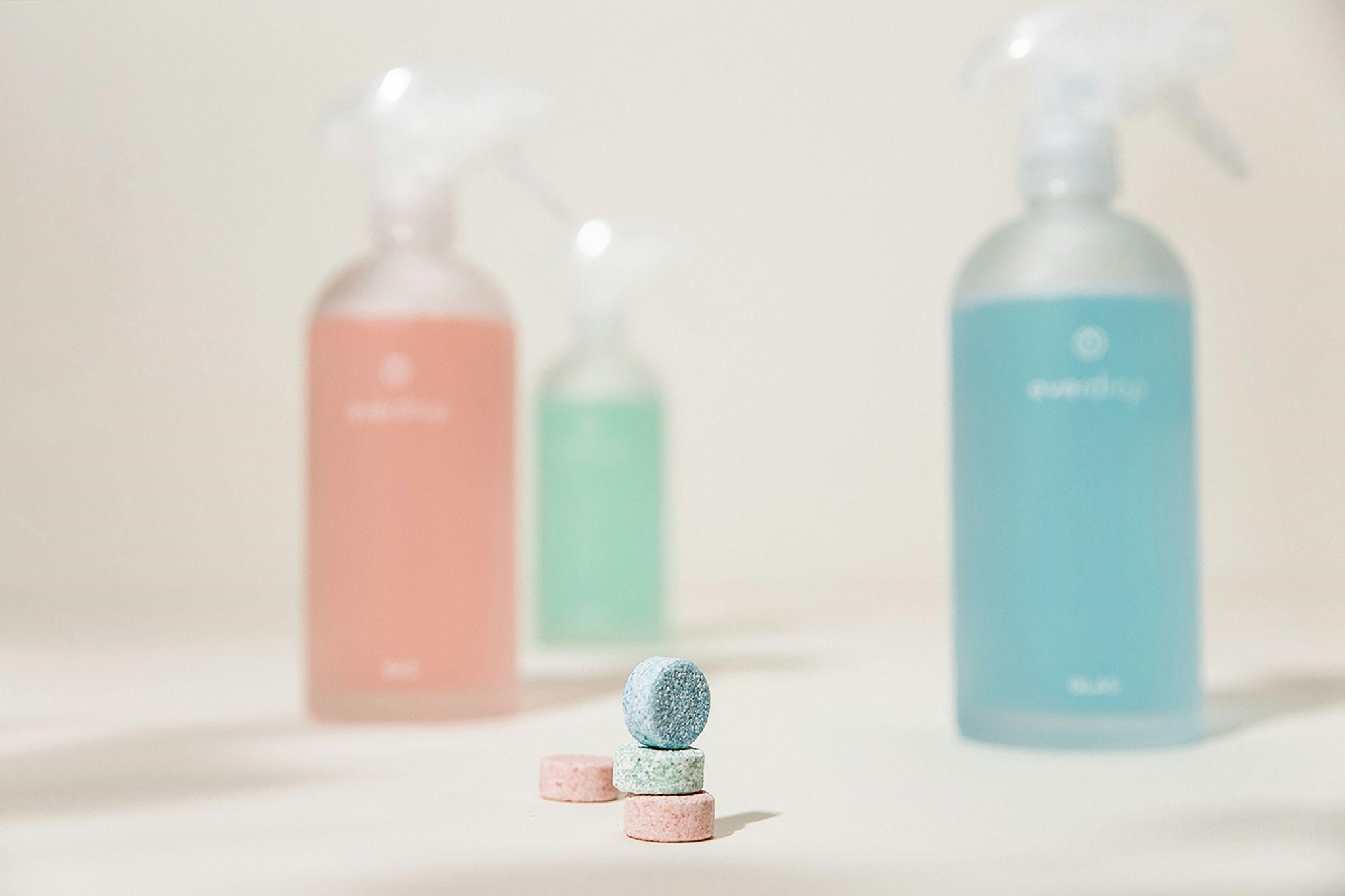
Switch cleaning products to concentrated refillable formats. A refillable glass or aluminium bottle plus concentrated tablets or drops replaces an entire under-sink cabinet of single-use plastic. Which? found concentrated cleaning products use 75% less plastic packaging and 97% less water than standard versions. This is the biggest single swap for most households. Full guide: eco swaps for home.

Switch laundry detergent to laundry sheets. Detergent bottles are bulky, heavy, almost never recyclable, and replaced constantly. Laundry sheets in cardboard packaging do the same job and produce none of the packaging. Modern formulations work at all temperatures in all machine types.

Buy loose fruit and vegetables where you can. 81% of household plastic waste comes from food and drink packaging, and fresh produce is the biggest single category. Bring your own bag. Buy loose where available. Where it isn’t, choose cardboard or paper over plastic film. Full guide: eco swaps for food and drink.

The bathroom

Shampoo bar (syndet, not soap-based). One bar replaces two to three plastic bottles. The key: buy a pH-balanced syndet bar, not a traditional soap bar. The difference matters for lather, scalp health, and whether you’ll actually stick with it. Give it three to four washes before judging. Full guide: eco swaps for beauty.

Reusable cotton rounds. One of the fastest payback swaps on the list. Ten reusable cloth rounds replace hundreds of disposable cotton pads over a year. Machine washable. No adjustment required.

Refillable deodorant. Refillable aluminium deodorants with replaceable inserts now perform as well as conventional roll-ons. Higher upfront cost, lower ongoing cost and waste.

Bamboo toothbrush. The handle composts. The nylon bristles go in general waste. Imperfect but a meaningful improvement over a fully plastic brush replaced every three months.

For activewear: look for OEKO-TEX Standard 100 certification. One in four pairs of leggings tested in EPA-certified lab analysis showed detectable PFAS indicators. Three in four showed none. OEKO-TEX screens for these. Natural fibres work for lower-intensity exercise where moisture-wicking is less critical. Full guide: eco swaps for fashion.

The kitchen and food shopping

Reusable water bottle and coffee cup. The most avoidable single-use plastic in most people’s daily lives. One good bottle eliminates the category.

Glass, cardboard, or aluminium over plastic for pantry staples. Passata in a carton rather than a plastic bottle. Tinned tomatoes rather than plastic pouches. Nut butter in a glass jar rather than a plastic tub. The product is identical. The packaging decision costs no extra effort at the point of purchase.

Beeswax wrap for most uses. Cling film is almost never recyclable in UK councils. Beeswax wrap covers bowls, wraps sandwiches, keeps cut vegetables fresh. Doesn’t work for raw meat. Needs cold water for washing. For everything else, a direct replacement.

Compostable kitchen sponge. Conventional synthetic sponges shed microplastics and go in the bin within weeks. Loofah, wood-pulp cellulose, and sisal scourers do the same job without the plastic. Low cost, no adjustment.

Buy in bulk for staples you use reliably. Oats, rice, lentils, flour: larger bags produce less packaging per portion. Many zero-waste shops also offer loose options for dried goods.

Reusable produce bags for the fruit and veg aisle. Lightweight mesh or cotton. Replaces the roll of thin plastic bags. Wash easily, last for years.

Cleaning and laundry

Already covered in the “start here” section — concentrated refillable cleaning products and laundry sheets are the highest-return swaps in this category.

Washing-up liquid: switch to concentrate or a solid bar. Concentrated washing-up liquid diluted into a refillable bottle reduces bottle turnover significantly. A solid washing-up bar eliminates it entirely.

Dishwasher tablets in plastic-free packaging. Most conventional tablets come individually wrapped in plastic film, then packaged in a plastic tub. Cardboard-boxed or compostable-wrapped alternatives perform comparably. Full guide: eco swaps for home.

A Guppy Friend bag for washing synthetics. Catches microplastic fibres shed during washing before they enter wastewater. Works alongside any machine, any detergent. Not a solution to microplastic pollution at source, but a meaningful reduction.

Fashion and wardrobe

Buy secondhand first. For jeans, knitwear, outerwear, and basics, the UK secondhand market is deep. Vinted, Depop, eBay, charity shops. No manufacturing footprint beyond transport.

Wear things more. The biggest environmental lever in fashion isn’t what you buy. It’s how many times you wear it. Extending a garment’s active life by three months reduces its footprint by 5 to 10%. Cost per wear is the right frame: a £90 well-made item worn 90 times costs £1 per wear. A £15 fast fashion equivalent worn five times costs £3 per wear.

When buying new: OEKO-TEX, GOTS, or named factories. These are the signals that a brand has thought beyond the label. For the full list of brands we’ve checked: eco swaps for fashion and our Apparel and Style category.

Wash at 30°C and line dry. Most clothing lifecycle emissions happen during use, not manufacturing. This is one of the lowest-effort reductions available.

The ones that aren’t ready yet

Some things get asked about a lot. These are the honest answers.

Crisp packets and snack packaging. Almost all of it is plastic film or foil-laminate, collected by almost no UK councils. TerraCycle runs drop-off schemes for some brands. It’s not a consumer problem with a consumer solution yet.

Mascara, most foundations, and multi-component cosmetics. The packaging on these hasn’t been solved at scale. Buy less, use fully, and use TerraCycle collection points where available.

Compostable bin liners for general waste. Compostable liners need industrial composting conditions to break down properly, which most UK councils don’t provide. Recycled-content plastic liners are the more honest swap for general waste until infrastructure catches up. Compostable liners do work for food caddy liners going into food waste collections.

Textile recycling into new garments. Less than 1% of clothing is currently recycled into new clothing. Donation and secondhand keep clothes in use; actual fibre-to-fibre recycling at scale doesn’t exist yet for most consumers.


The full guides in this series: eco swaps for beauty, eco swaps for home, eco swaps for food and drink, eco swaps for fashion. Shop by value: Plastic Free, Refillable. Shop by category: Beauty and Self-Care, Clean Home, Food and Drink, Apparel and Style.
Eco swaps for home

Eco swaps for home: the ones that actually make a difference

Most eco swap guides treat the house as one undifferentiated problem. The kitchen, the bathroom, the utility room, the bin bag under the sink: all of it lumped together into a list so long it’s easier to close the tab than start.

This isn’t that. The home has a few high-impact areas and a lot of noise. Here’s where the plastic actually comes from, which swaps move the needle, and which ones you can ignore.

Where household plastic actually comes from

UK households throw away an average of 66 items of plastic packaging every week. That’s not bottles you forgot to recycle. That’s the packaging that cycles through the house on a weekly basis: cleaning products, laundry products, food packaging, bin liners.

Cleaning and laundry are where the opportunity is clearest. Both categories are almost entirely liquid, almost entirely plastic-packaged, and almost entirely replaceable with formats that perform just as well. The average household gets through a significant number of spray bottles, detergent bottles, washing-up liquid bottles, and fabric softener bottles every year. All of them single-use. Most of them not straightforwardly recyclable, because trigger spray mechanisms use multiple plastic types that can’t be separated.

The kitchen and bathroom contribute the rest: food wrap, sponges, bin liners, cotton buds, and miscellaneous single-use packaging. Some of this is genuinely hard to replace. Most of it isn’t.

The swaps that make the biggest difference

Concentrated and refillable cleaning products: yes, and this is the biggest win.

Switching from conventional spray cleaners to concentrated refillable alternatives is the single most impactful home swap on this list. Which? found that concentrated cleaning products use 75% less plastic packaging and 97% less water than standard ready-to-use versions. The environmental case is clear. The performance case has caught up: concentrated cleaners from dedicated eco brands clean as well as conventional products.

The format to look for: a refillable glass or aluminium bottle, plus concentrated tablets or drops that dissolve in water. One bottle, kept indefinitely. Refills ordered as needed. The plastic is removed almost entirely from the cycle.

Laundry sheets and strips: yes.

Laundry detergent bottles are bulky, heavy, and almost never made from easily recyclable plastic. Laundry sheets, which dissolve in the wash and come in cardboard packaging, replace them entirely. Performance has improved considerably from early generations. They work in both standard and high-efficiency machines, at all temperatures, and take up a fraction of the space. If you’re sceptical, try a pack alongside your existing detergent before committing.

Washing-up liquid: switch to concentrate or a solid bar.

Washing-up liquid is one of the highest-turnover plastic items in most kitchens. Concentrated washing-up liquid, diluted into a refillable bottle, reduces the number of bottles considerably. Solid washing-up bars, which work with a dish brush, eliminate plastic entirely. Both work. The bar requires the most adjustment; the concentrate is the easier switch.

Kitchen sponges: yes, swap immediately.

Conventional synthetic sponges shed microplastics into wastewater with every use, and go in the bin within weeks. Compostable alternatives, including loofah, wood-pulp cellulose sponges, and natural sisal scourers, do the same job without the plastic. Low cost, immediate swap, no adjustment period.

Beeswax wrap and reusable food covers: yes for most uses.

Cling film is one of the few plastic products that genuinely can’t be recycled in most UK councils. Beeswax wrap covers bowls, wraps sandwiches, and keeps cut vegetables fresh. It doesn’t work for raw meat, and it needs cold water for washing. For most other uses it’s a direct replacement. Silicone stretch lids are the alternative for bowls and containers if beeswax isn’t practical.

Bin liners: harder than it looks.

Compostable bin liners are worth using for food waste caddy liners, where they go into food waste collection and compost down properly. For general waste bins, the picture is less clear: compostable liners need industrial composting conditions to break down, which most UK councils don’t provide. Recycled-content plastic bin liners are a more honest swap for general waste until the infrastructure catches up.

Dishwasher tablets: switch to plastic-free packaging.

Most dishwasher tablets come individually wrapped in plastic film, then packaged in a plastic tub. Plastic-free alternatives in cardboard boxes or compostable wrappers are now widely available and perform comparably to conventional tablets. Simple swap, no adjustment needed.

What doesn’t need changing: most kitchen appliances, most storage, most furniture. The home swap conversation focuses disproportionately on things that either aren’t genuinely plastic-heavy or can’t yet be replaced at equivalent quality. The cleaning and laundry aisle is where the wins are. Start there.

How to switch without replacing everything at once

The same principle applies here as everywhere: the most sustainable product in the house is the one you’ve already bought. Use what you have. Replace with better when it runs out.

Cleaning products cycle through every few weeks. That makes them the fastest category to improve. Pick one item: the kitchen spray. When it’s empty, replace it with a refillable bottle and a concentrated refill. Then do the same for the next item that runs out. Within a few months, most of the cleaning aisle is sorted without a single item wasted.

“The cleaning aisle is where most household plastic comes from. It’s also where the alternatives work best.”

Laundry is next. A bag of laundry sheets lasts as long as a bottle of liquid detergent and produces none of the packaging. After that, the kitchen: sponges, food wrap, washing-up liquid. By the time you’ve worked through these categories, the remaining plastic in the house is mostly packaging that came with food. That’s a supply-chain problem, not a consumer one.

The products worth buying

Every product in the Clean Home category on Ziracle has passed the same standard: effective, honestly formulated, and plastic-free or refillable wherever that’s possible. For home cleaning specifically, that means biodegradable ingredients, refillable formats, and no misleading claims about what the packaging actually does to the environment.

The formats to look for: concentrated cleaning tablets or drops with a refillable bottle, laundry sheets in cardboard packaging, compostable sponges, and washing-up concentrate. The brands that earn their place are the ones that have thought through the whole system, not just the label on the front.

You now know where the plastic actually comes from and which swaps are worth the effort. Which means the next time a cleaning product runs out, you know exactly what to replace it with. Ready to shop? Browse our Clean Home category and filter by Plastic Free and Refillable to find products that have already passed the standard.

Eco Swaps For Food And Drink

Eco swaps for food and drink: where the plastic actually comes from

You’ve switched your shampoo bar and your cleaning spray. The bathroom cabinet looks different. The cupboard under the sink looks different. And yet the recycling bin is still full every week, mostly of plastic, mostly from food.

That’s not a failure of effort. It’s where the problem actually lives. Here’s what’s worth changing, what’s genuinely hard, and why the hardest parts aren’t yours to fix.

Why food and drink is where most household plastic starts

81% of the plastic counted in the UK’s largest household plastic survey came from food and drink packaging. That’s not shampoo bottles or cleaning products. That’s the packaging your food comes in, week after week, from the supermarket.

The two biggest categories: snack packaging and fruit and vegetable packaging. Between them, they make up the majority of what most households throw away. Around 70,000 tonnes of hard-to-recycle plastic are used to package fresh fruit and vegetables in the UK every year. Most of it is plastic film, which only 4% of UK councils collect for recycling.

This matters for how you approach the food aisle. The cleaning and beauty swaps covered elsewhere in this series are largely within your control: you choose the format, you switch the product. Food packaging is more complicated. Some of it you can change. Some of it is a supermarket and supply-chain problem dressed up as a consumer choice.

The swaps that are genuinely within reach

Buy loose fruit and vegetables where you can.

This is the single most impactful food swap on this list. WRAP found that removing plastic packaging from a handful of the most commonly bought fruit and vegetable items could remove an estimated 1.7 billion pieces of plastic annually and prevent 77,000 tonnes of food waste. The plastic on most fresh produce is film, which is hard to recycle and usually goes straight to incineration.

Most supermarkets now offer at least some loose options. Bring your own bag or use paper. Where loose isn’t available, opt for cardboard or paper packaging over plastic film where you have the choice. It’s not always possible. When it is, it’s the highest-return swap in the food aisle.

Switch from single-use drinks bottles to a reusable one.

A reusable water bottle eliminates the most avoidable category of single-use plastic in most people’s daily lives. The same applies to a reusable coffee cup if you buy coffee on the go. Both are low-cost, immediate, and require no adjustment once the habit sticks.

Choose glass, cardboard, or aluminium over plastic where the product is the same.

For pantry staples: passata in a carton over a plastic bottle, tinned tomatoes over plastic pouches, glass jars of nut butter over plastic tubs. The product inside is identical. The packaging choice is not. This is the kind of swap that costs no extra effort at the point of purchase and compounds across dozens of items over a year.

Buy in bulk where you use it regularly.

A large bag of oats produces less packaging per portion than five small ones. The same applies to rice, lentils, flour, and most dried goods. Buying the largest practical size of products you use reliably is one of the lower-effort packaging reductions available. Many independent shops and zero-waste retailers also offer loose bulk options for dried goods, coffee, and oils.

Reusable produce bags.

Replacing single-use plastic bags in the fruit and veg aisle with lightweight mesh or cotton reusable bags is a small but consistent swap. They wash easily and last for years. Not transformative on their own, but they add up alongside other changes.

What’s harder than it looks, and why that’s not your fault

“Some of it you can change. Some of it is a supermarket and supply-chain problem dressed up as a consumer choice.”

Crisps, biscuits, cereal bars, and confectionery are the most difficult food category to improve. Almost all of it is plastic film or foil-laminate. Neither is collected by most UK councils. Neither has a widely available plastic-free alternative that performs comparably. TerraCycle runs collection schemes for some brands, but they require dropping packaging at specific points rather than kerbside collection.

Ready meals, deli packaging, and pre-marinated meat trays fall into the same category. The plastic trays and film lids are rarely recyclable. Alternatives exist in some supermarkets: paper-based trays, cardboard sleeves. They’re inconsistent and not always labelled clearly.

Plastic film on multipacks: the wrap holding together a four-pack of tinned tomatoes or a six-pack of yoghurt pots is almost never recyclable at home. Some supermarkets have collection points for soft plastics. Using these is worth doing; relying on them as the main solution isn’t.

A lot of food packaging waste is not within the consumer’s control at current supermarket infrastructure. Buying better where you can, supporting refill and loose options where they exist, and accepting that the rest is genuinely a supply-chain problem is the most realistic position. Every choice adds up. But not every choice is yours to make.

The products worth buying

Every product in the Food and Drink category on Ziracle has passed the same standard: genuinely good food, honestly sourced, and packaged with as little unnecessary plastic as possible. For this category specifically, that means organic where it matters, minimal or plastic-free packaging, and brands that are transparent about what’s in the product and where it comes from.

The formats to look for: glass jars, cardboard, aluminium, and brands with refillable or return packaging schemes. The brands that earn their place are the ones where the food itself is worth buying, and the packaging is a considered choice rather than an afterthought.

You now know where most of the plastic in your kitchen comes from, which swaps are worth making, and which ones are genuinely beyond what any consumer can solve alone. Which means the next trip to the supermarket looks a bit different.

Ready to shop? Browse our Food and Drink category and filter by Plastic Free and Organic to find products that have already passed the standard.

Eco Swaps For Beauty

Eco swaps for beauty: the ones that actually work

The bathroom cabinet is one of the easiest places to reduce plastic in your life. It’s also the place where most eco swap advice falls apart on shampoo bars that don’t lather, deodorants that don’t work, and a lot of products that feel like a compromise rather than an upgrade.

This isn’t that. Every swap here has been checked for performance as well as ethics. Here’s what’s worth switching, what to expect, and how to do it without throwing away half a shelf of products you’ve already bought.

Why beauty is one of the easiest places to reduce plastic

The beauty industry produces at least 120 billion pieces of packaging every year, and 95% of it goes unrecycled. Only 9% of cosmetic plastic packaging actually makes it through the recycling process. The British Beauty Council puts it plainly: most of what goes in the recycling bin from your bathroom isn’t coming back as anything useful.

That’s not just a problem. It’s an opportunity. Bathroom products are among the most repeatable purchases in most people’s lives. You buy shampoo every few weeks. Moisturiser every couple of months. Deodorant, face wash, soap: all of it cycles through on a reliable schedule. Switch one of those products to a better format, and the impact compounds with every purchase.

In the UK alone, around 520 million shampoo bottles are discarded every year. That single category, changed, would be a meaningful shift. And shampoo is just the start.

The swaps that actually work, and the ones that don’t

Shampoo bars: yes, but buy the right one.

A well-formulated shampoo bar replaces two to three bottles of liquid shampoo and produces no plastic waste. The environmental case is clear. The performance case took longer to catch up, but it has. One bar of solid shampoo typically replaces two to three bottles of liquid, lasts longer per wash, and is significantly lighter to transport.

The caveat: not all shampoo bars are equal. Many early-generation bars used saponified soap bases with a high pH that roughed up the hair cuticle, left residue, and caused exactly the lather problems that put people off. pH-balanced syndet bars, made with mild synthetic detergents rather than soap, behave much more like conventional shampoo. Look for that distinction when buying. Give it three to four washes before judging. The scalp adjusts.

Conditioner bars: yes.

Easier transition than shampoo. Conditioner bars melt on contact with water and distribute like a liquid conditioner. Less adjustment required, same plastic saving.

Solid body wash and soap bars: yes, and this one is genuinely easy.

Switching from liquid body wash to a solid bar is the lowest-friction eco swap in the bathroom. A good soap bar with moisturising oils performs comparably to most liquid body washes, produces no plastic waste, and lasts significantly longer. No adjustment period needed.

Refillable deodorant: yes.

The deodorant category has improved considerably. Refillable aluminium deodorants with replaceable cardboard or refill inserts now perform as well as conventional roll-ons. The initial outlay is higher; the ongoing cost and waste are both lower.

Natural deodorant: worth trying carefully.

Natural deodorants that replace aluminium-based antiperspirants work for many people, but not everyone. If sweating is a concern, test during a lower-activity period rather than committing on a busy week. The switch takes around two to three weeks as the body adjusts. A refillable conventional deodorant may be a better fit if natural formulas don’t work for you.

Reusable cotton pads and cloths: yes, immediately.

Single-use cotton pads are a small but constant source of waste. Reusable cloth rounds, washed with normal laundry, replace them entirely. One set of ten rounds replaces hundreds of disposable pads over a year. This is the swap with the shortest payback period of anything on this list.

Bamboo toothbrushes: yes.

If everyone in the UK changed their toothbrush every three months, that’s a potential 264 million brushes discarded annually. Bamboo handles with nylon bristles are the practical swap: the bristles still need to go in general waste, but the handle composts. Fully compostable bristles exist but are less effective.

Refillable skincare: worth prioritising over format swaps.

For moisturisers, serums, and cleansers, refillable schemes are more impactful than switching format entirely. A refillable glass jar of moisturiser is a better outcome than a compostable single-use alternative. Look for brands with active refill programmes rather than brands that simply use recycled packaging.

What doesn’t work yet: mascara, most foundations, and complex multi-component products. The packaging on these hasn’t been solved at scale. TerraCycle runs collection schemes for some brands, which is currently the best option. Buying less, buying better, and using products fully before replacing them has more impact here than any packaging swap.

How to switch without wasting what you already have

“The most sustainable thing in your cabinet is a product you’ve already bought.”

Using it up before switching is the right call. The environmental cost of manufacturing is already sunk, and throwing away half a bottle to replace it with something greener is counterproductive.

When a product runs out, replace it with the better version. Start with the things that cycle through fastest: shampoo, body wash, soap, cotton pads. These give you the most repetitions and the fastest payback.

Keep a list. When something runs low, check whether there’s a better format or brand before automatically reordering the same thing. That pause is where most of the change happens.

The products worth buying

Everything in the Beauty and Self-Care category on Ziracle has passed the same standard: kind to skin, honest about ingredients, and made with the planet in mind. For eco beauty specifically, that means plastic-free or refillable packaging, ingredients without unnecessary synthetics, and brands that are transparent about their supply chain.

The formats to look for: solid bars for hair and body, refillable deodorant, reusable cotton rounds, and skincare brands with active refill schemes. The brands that earn their place are the ones where the product itself is good enough that you’d buy it regardless of the packaging. The ethics are a bonus, not a concession.

You now know which swaps are worth making and which aren’t ready yet. Which means the next time something runs out, you know exactly what to replace it with. Ready to shop? Browse our Beauty and Self-Care category and filter by Plastic Free and Refillable to find products that have already passed the standard.