Veo and Wearth are now Ziracle. Same mission, better platform. See what's new

Organic September: Benefits of Buying Organic

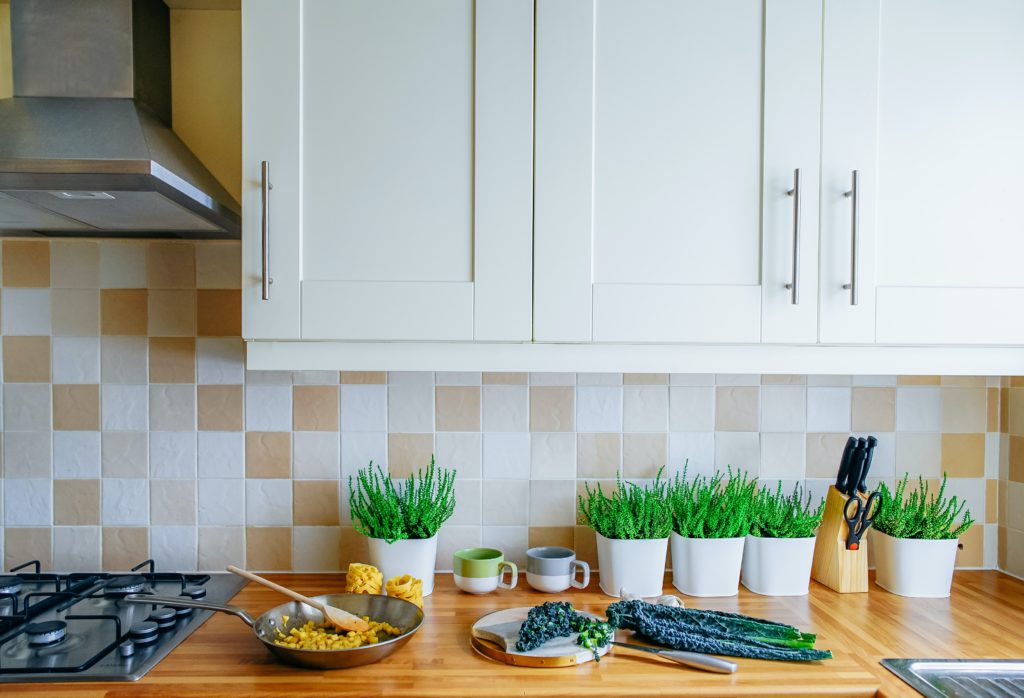
||||||||||||||||||||||||||||||||||||||||||||||||||organic green vegan pasta|||

Say hello to Organic September – what’s the hype?

The term ‘organic’ exploded onto our scene and lexicon after a public profile surge in the early 2000s. As consumers began to connect the dots between diet, health and environment, the term organic promises a commitment to bettering all three.

Prior to that, the expansion began in the 1970s as interest in personal and environmental health grew. In the 1980s and 1990s production and consumption increased, official standards defining organic produce were formulated, and grant aid for organic farming was introduced in the European Union.

Presently, Organic September, a campaign that raises awareness of the many benefits of organic farming and all it produces, is celebrated annually in the UK. This includes everything from fruit and veg to toiletries and clothing. Buying organic helps farms support our biodiversity and wildlife, fight climate change, improve animal welfare and reduce exposure to pesticides. 

Organic September was started by the Soil Association, the charity that advocates for organic farming as a way to care for the natural world. You’ll probably agree, this all sounds great, but what does it mean?

What does ‘organic’ actually mean?

Organic is defined as a system of farming and food production that aims to produce sufficient quantities of high-quality food. Organic farmers do this by working to a strict set of standards, ensuring that their methods maintain the health of the local ecosystems and people who live within them. The result is a system that benefits both plants and the wider planet. According to the Soil Association, ‘It means higher levels of animal welfare, lower levels of pesticides, no manufactured herbicides or artificial fertilisers.’

However, organic goods are no longer merely refined to the food and drink that we consume (although that does play a big part). Organic farming and production plays a part in a lot of the different types of products we consume in relation to all the different departments that we boast on our own platform. That’s right, fashion, homeware, beauty, health & wellness, and good ol’ food and drink are all areas where we can increasingly opt for organic as consumers.

Why is organic better?

Perhaps most prominently, organic farming and growing is better for the environment. Overuse of chemical fertilisers and pesticides has caused a decline of our pollinators. Although sometimes small in size, the role insects and wildlife play in maintaining biodiversity and our planets delicate ecosystem is huge. Therefore, protecting them is paramount for maintaining a healthy and balanced ecosystem.

Switching to organic helps to ensure that toxic chemicals are kept away from insects and wildlife. Organic farming puts an emphasis on high-nutrient soil which is better for creating habitats for bugs and insects. Organic farming is also more energy efficient as its carbon footprint is significantly lower than methods used in intensive agriculture. This also means that organic helps to address the climate crisis.

Organic pioneers At Veo

Always practicing what we preach, we’ve created the ultimate edit highlighting some of our best brands that are organic approved. They work with organic systems and materials to help ensure the longevity of their brands, crafts and of course, our planet.

Organic Fashion At Veo

One Essentials

One Essentials is changing the fashion system, literally from the bottom up.  Starting with the most disposable items in our wardrobe – underwear. This time creating it to be disposable. They are tired of slow progress and an industry that continues to do more harm than good whilst waxing lyrical about their latest ‘sustainable’ collection. So One Essentials are taking a stand and they’re starting by getting the basics right. 

According to One Essentials ‘By using organic cotton twisted with our recycled cotton, it means we can create a super-soft, premium fibre that is always soft against your toosh – and is more sustainable for our toosh’.

Click here to shop One Essentials.

Flax & Loom
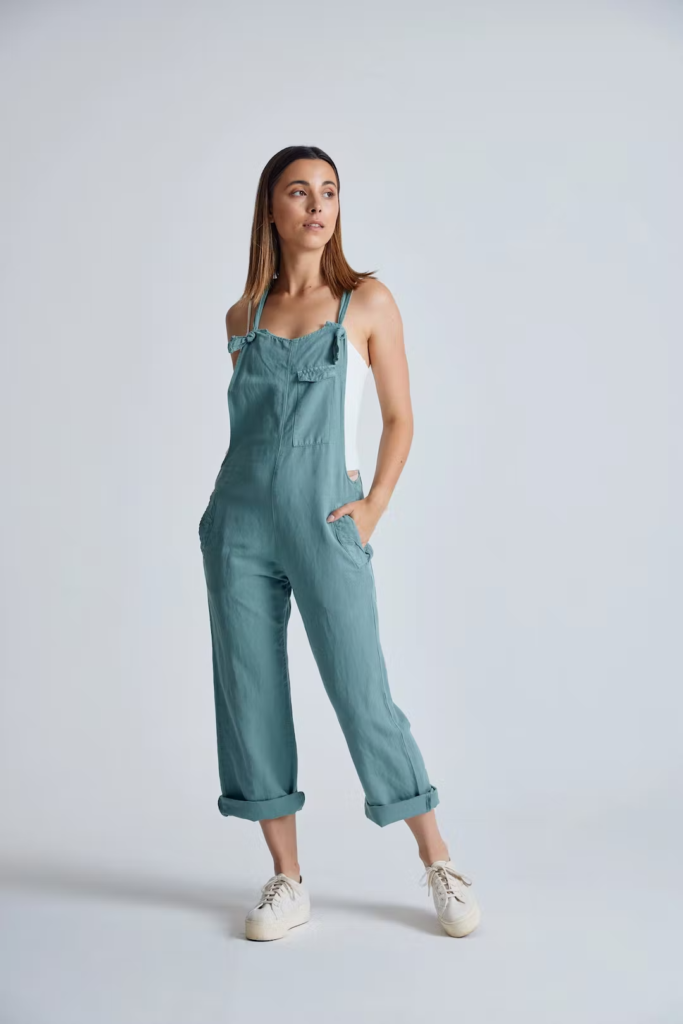
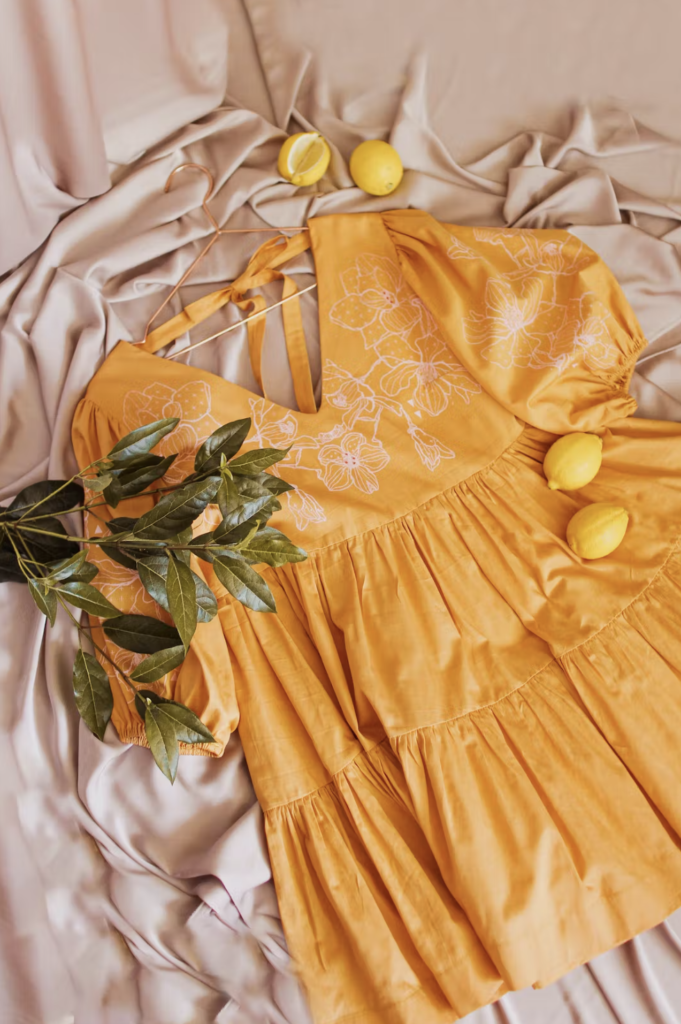
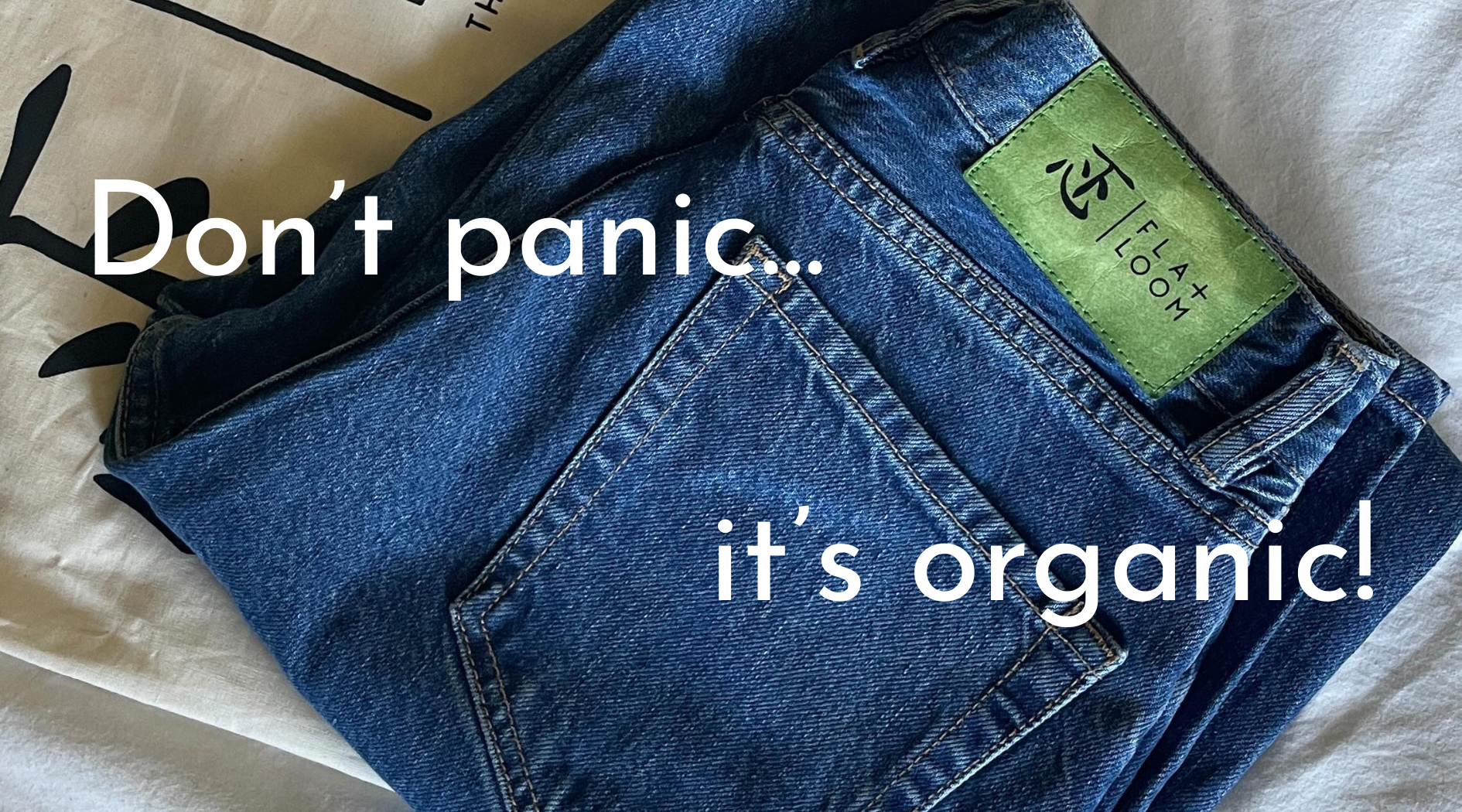
Flax and Loom is the venture of long time sustainable fashion designer Phil Wildbore. The fabrics are chosen for their durability, texture and handle. Every organic ingredient, the linen, the hemp, the cotton, has been harvested within the vicinity of the weavers. Every part of each piece of clothing is stitched and washed in an eco-formula and finished at Flax & Loom partners, in a family run, bespoke clothing factory, where people are paid a fair wage.

Click to shop Flax and Loom.

Rose Corps

Rose Corps creates contemporary streetwear in an ethical, responsible, and sustainable way. All items are about personality and individuality, handmade with high-quality standards, hand-dyed, printed & embroidered in the brand’s studio to create something as unique as their customers. Rose Corps fabrics are entirely sustainable – bought from fair trade suppliers, organic, recycled, anti-bacterial, biodegradable, or even energy-reducing.

Click to shop Rose Corps.

Alder & Green

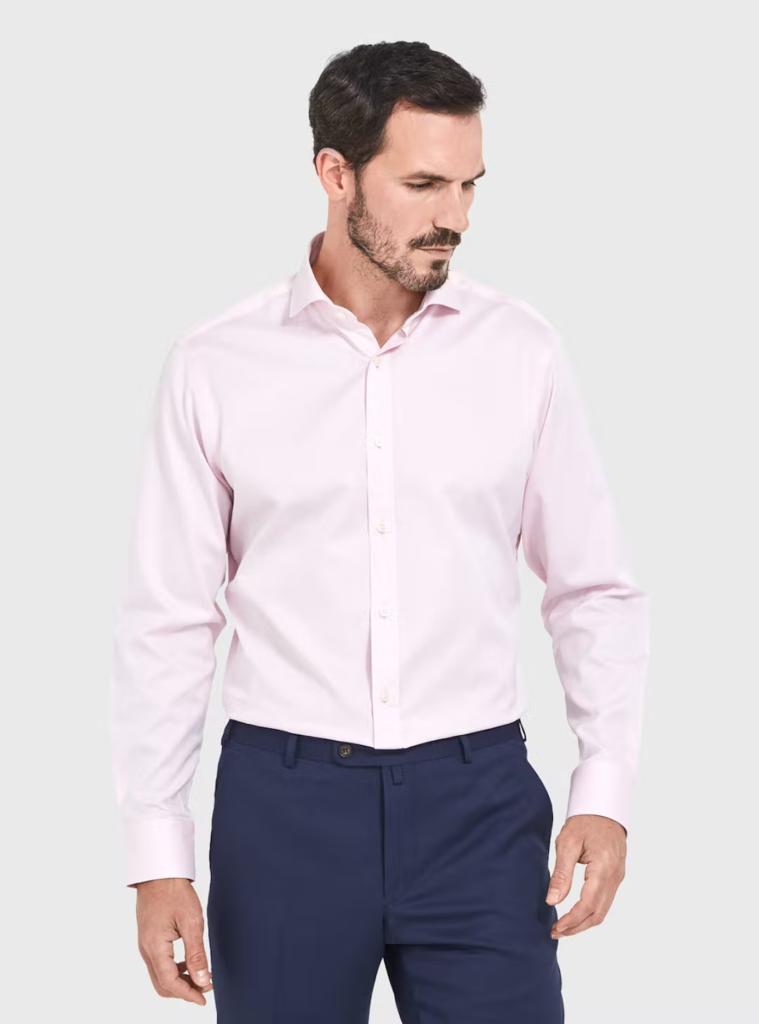
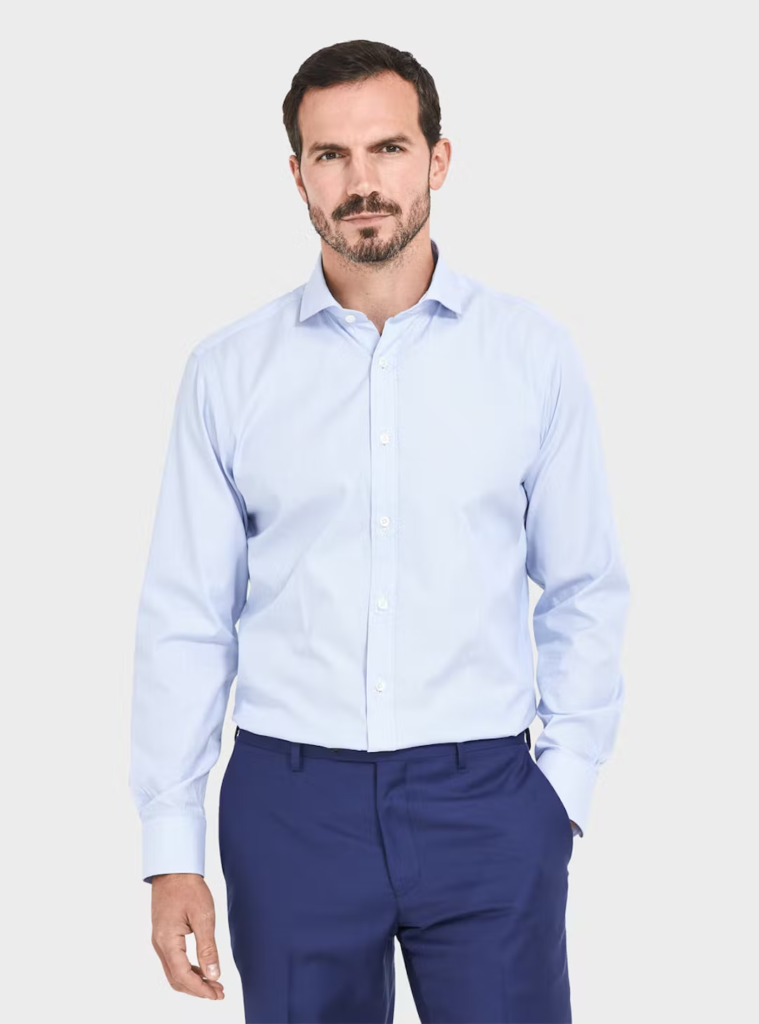
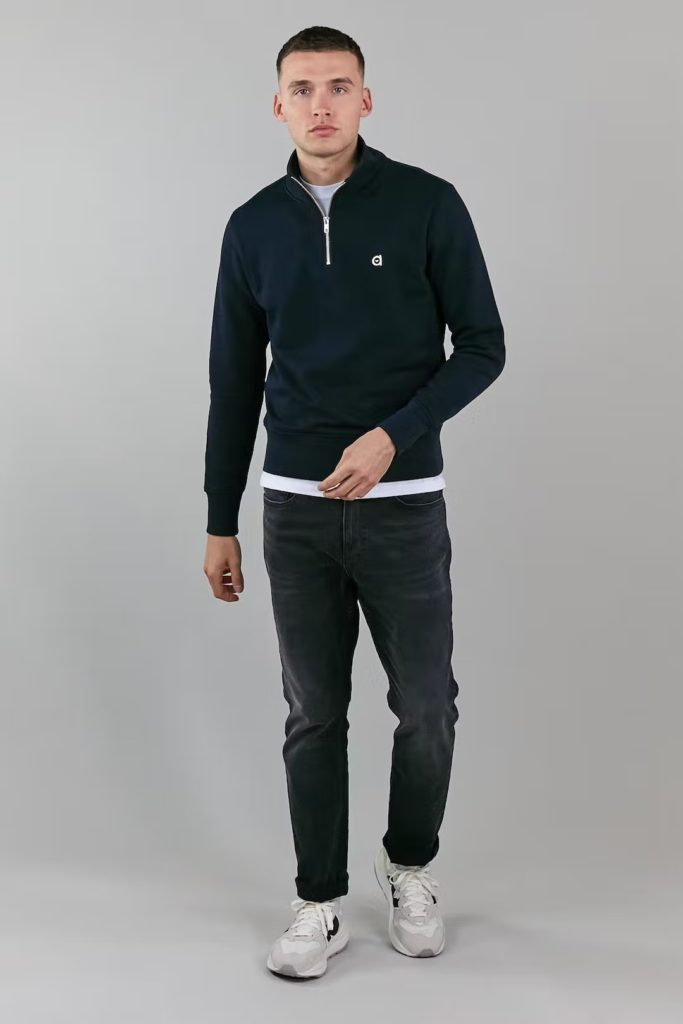
Their range is designed to be timeless, helping curate a conscious wardrobe for every man. Alder & Green’s fabrics are sourced from the famed Albini Mill in Italy and 100% organic. Every shirt is expertly finished with their signature Alder & Green collar trim detailing, a subtle reminder of the quality and expertise of each crafted garment.

Click to shop Alder & Green.

Altid Clothing

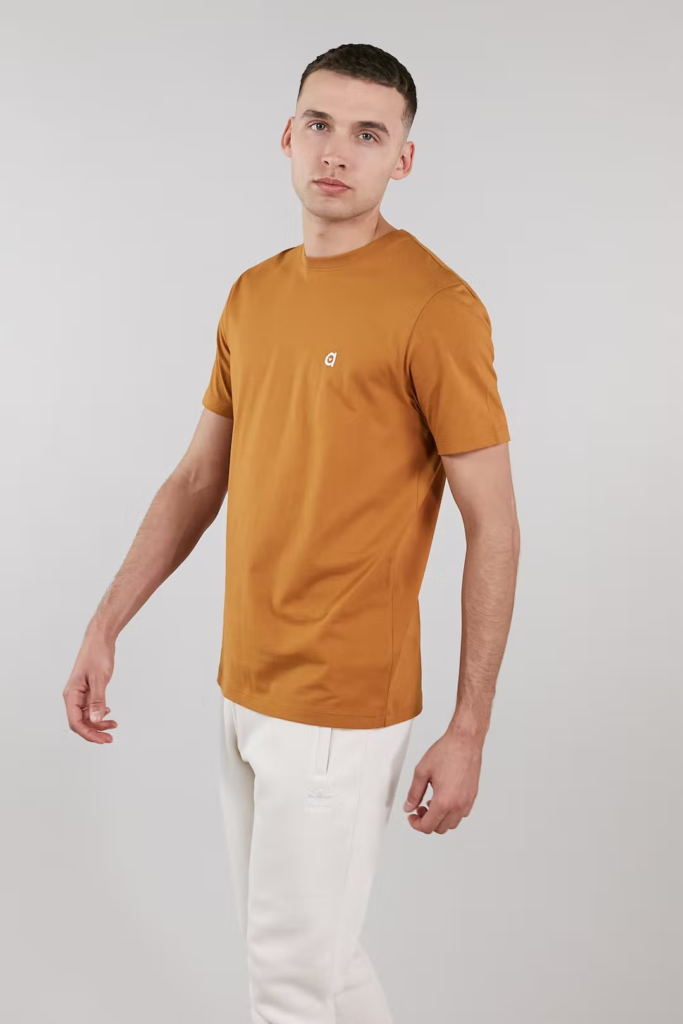
Altid are passionate about clothing that withstands the test of time and fashion trends, whilst leaving no impact on our planet. They only ever use the highest quality materials and the most sustainable, ethically sourced, organic cotton.

Click to shop Altid Clothing.

Boy Wonder

Boy Wonder is designed for parents who value creative, unique style for their kids. Everything they do at Boy Wonder has ethics and sustainability at its core from the design stage through to the shipping agents they use. Their garments are made from British certified organic cotton yarn. Their packaging, swing tags, and all other paper-based products are plastic-free and made with recycled and biodegradable stock.

Click to shop Boy Wonder.

The Tingalings

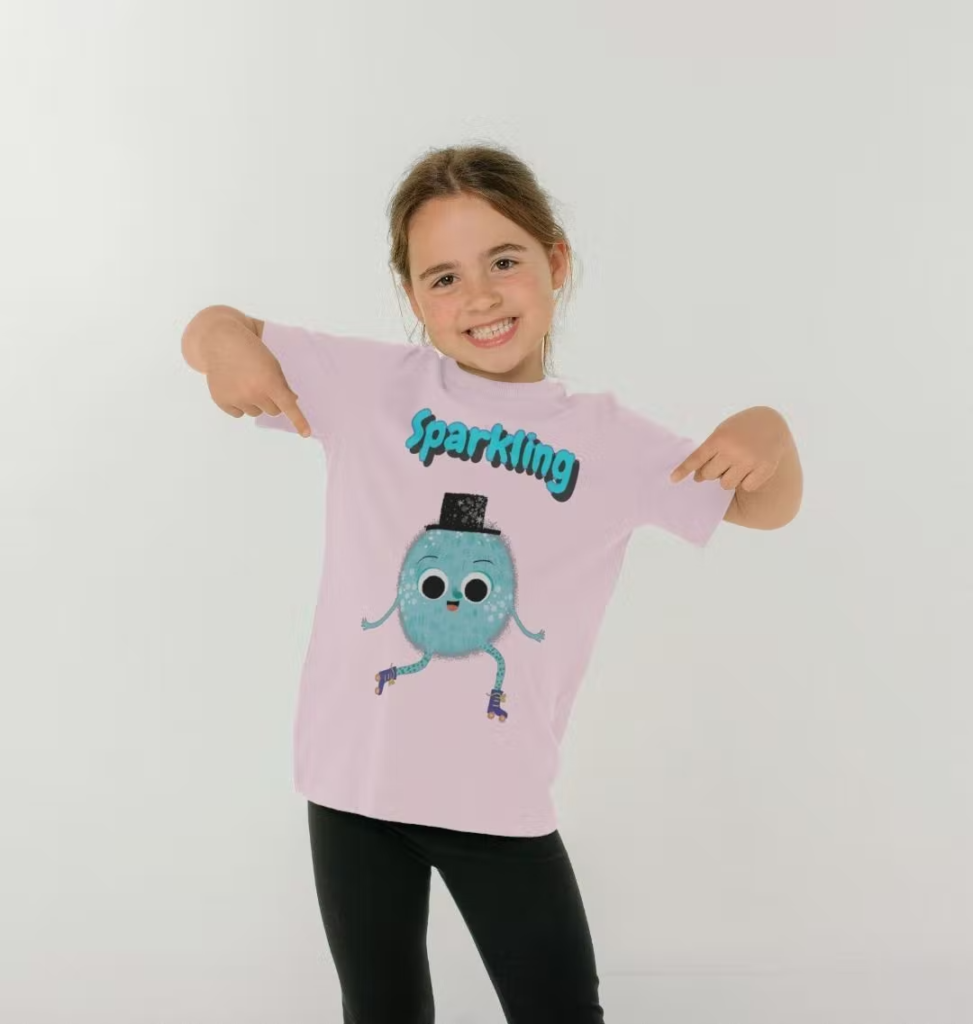
The Tingalings are 5 loveable characters that embark on climate adventures, exciting animal rescues, fun facts and climate solutions for mini-Earthlings! Expanding from their books, The Tingalings clothing range prides itself on using certified organic cotton, so your little ones are not only inspired to learn more about the planet, but are wearing clothes that celebrate these values too.

Click to shop The Tingalings.

Organic Beauty At Veo

SOP.

SOP (Scents of place) is a bodycare and fragrance brand made in Norfolk and inspired by the local landscape and language. All their products are vegan and cruelty-free. SOP products are crafted with care and processes that are responsible – driven by diligence and sustainability, rather than the bottom line. It’s a holistic, harmonious approach that celebrates wellness and wonder in equal measure.

Click to shop Sop.

Douvall’s

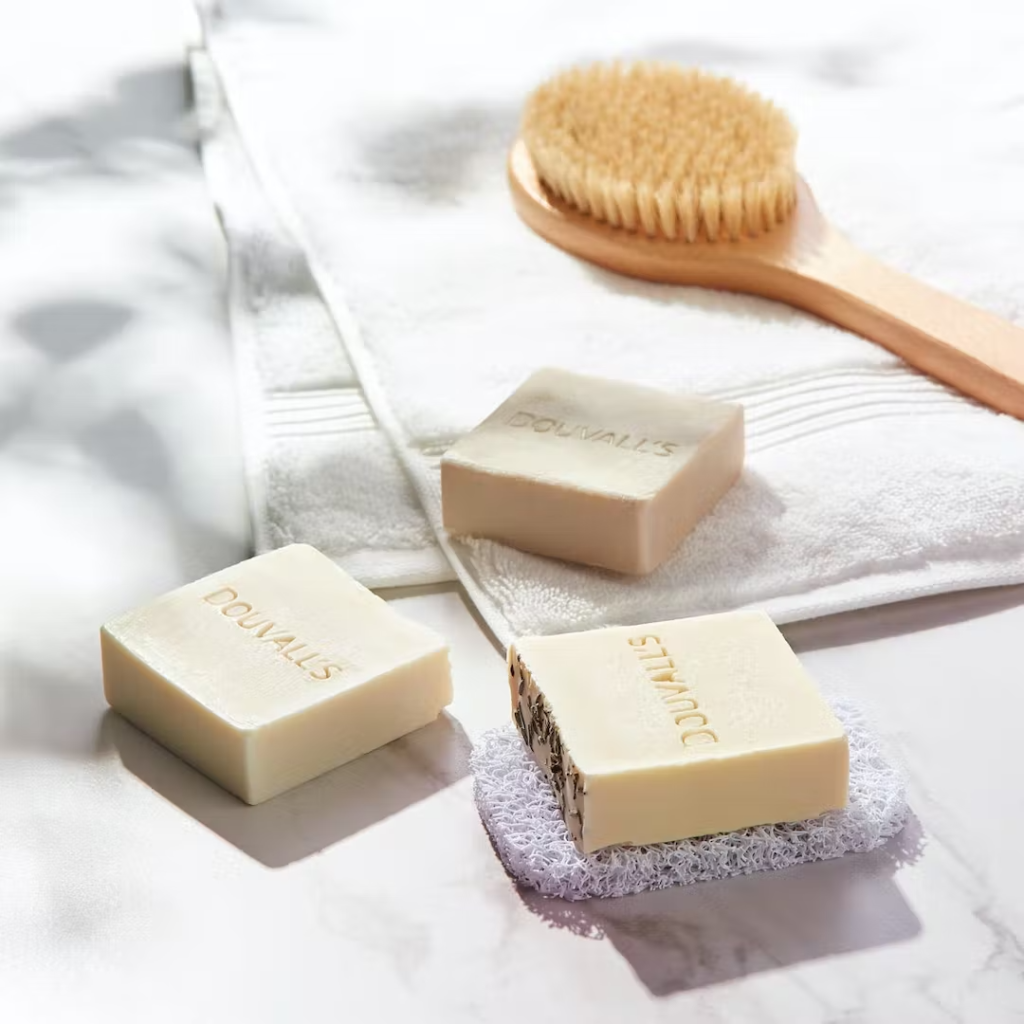
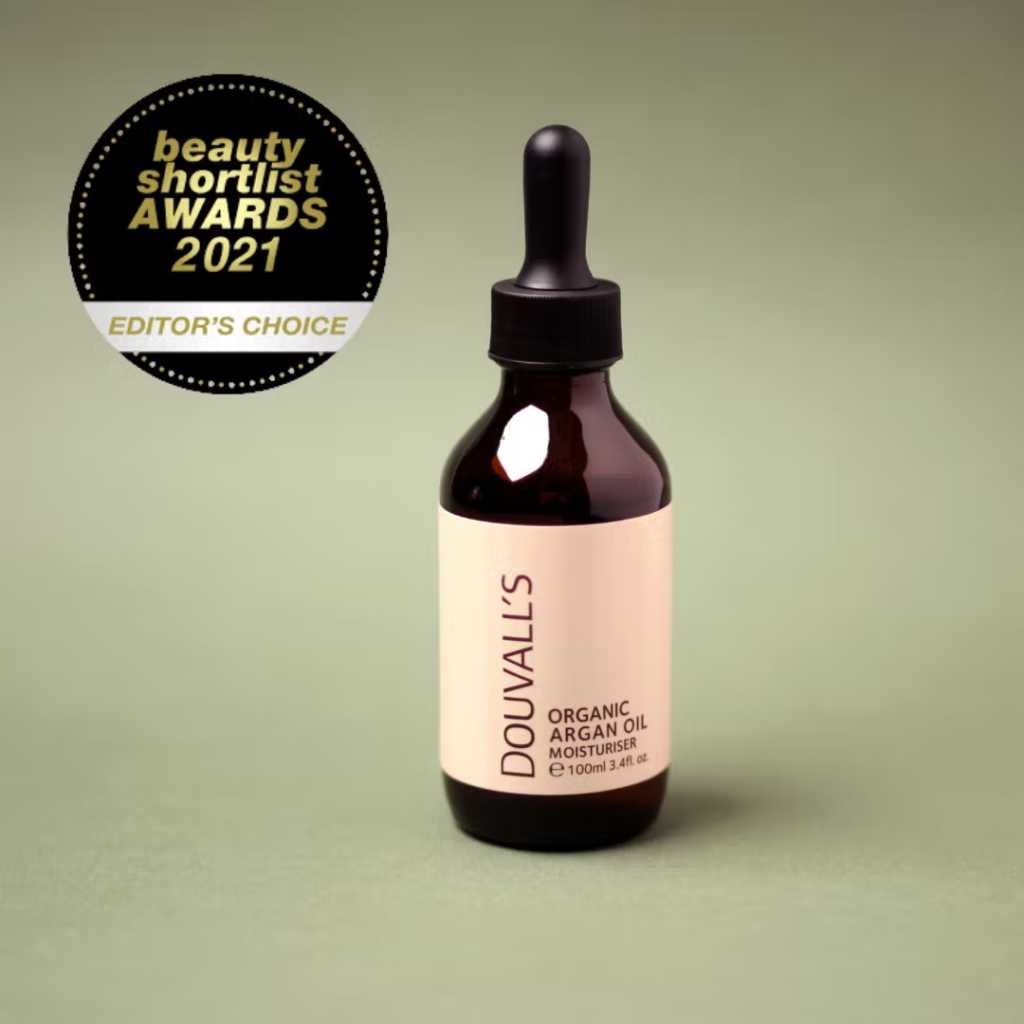
Douvall’s is a leading argan natural skincare, haircare, make up and wellness range offering luxury and innovative products of the highest quality, using good for you ingredients which are responsibly sourced. Packed with naturally derived skin invigorating ingredients that really work, organic yet sexy, classy yet eco friendly and natural.

Click to shop Douvall’s.

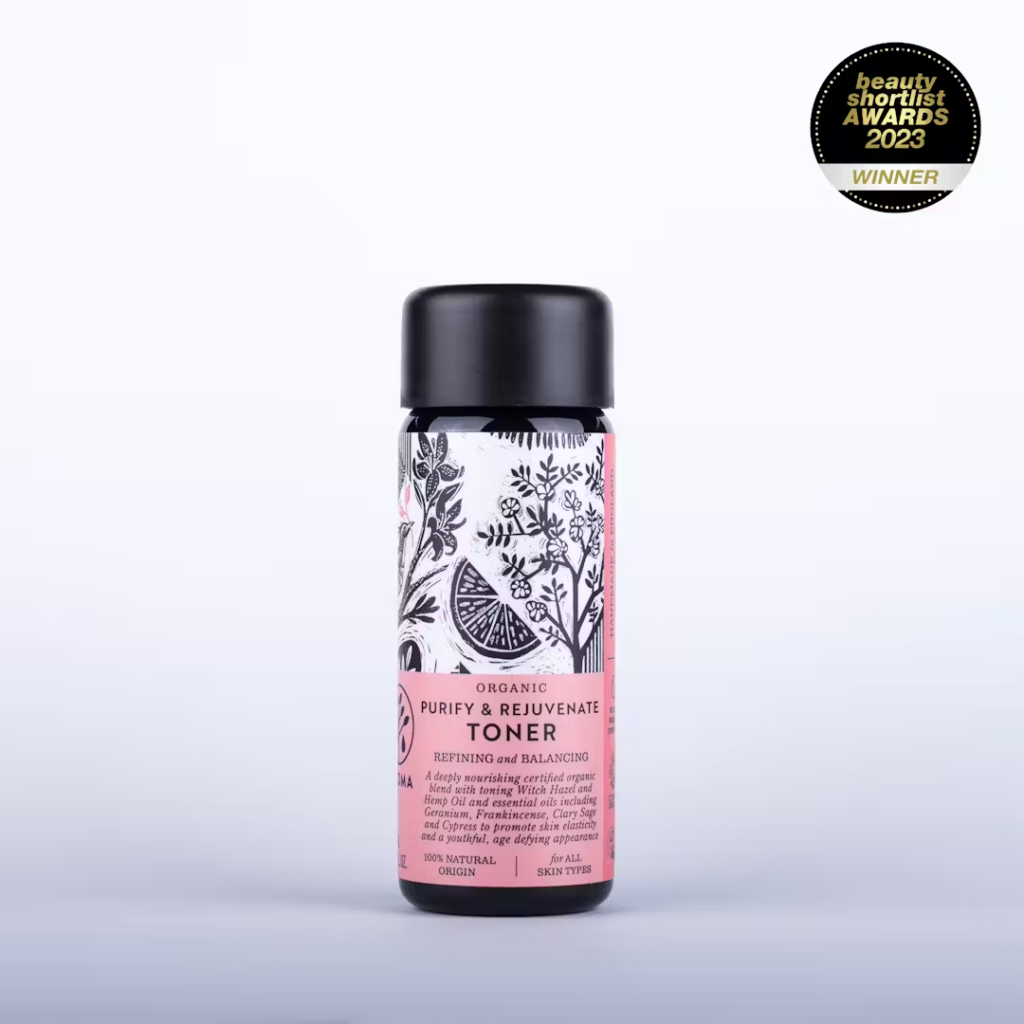
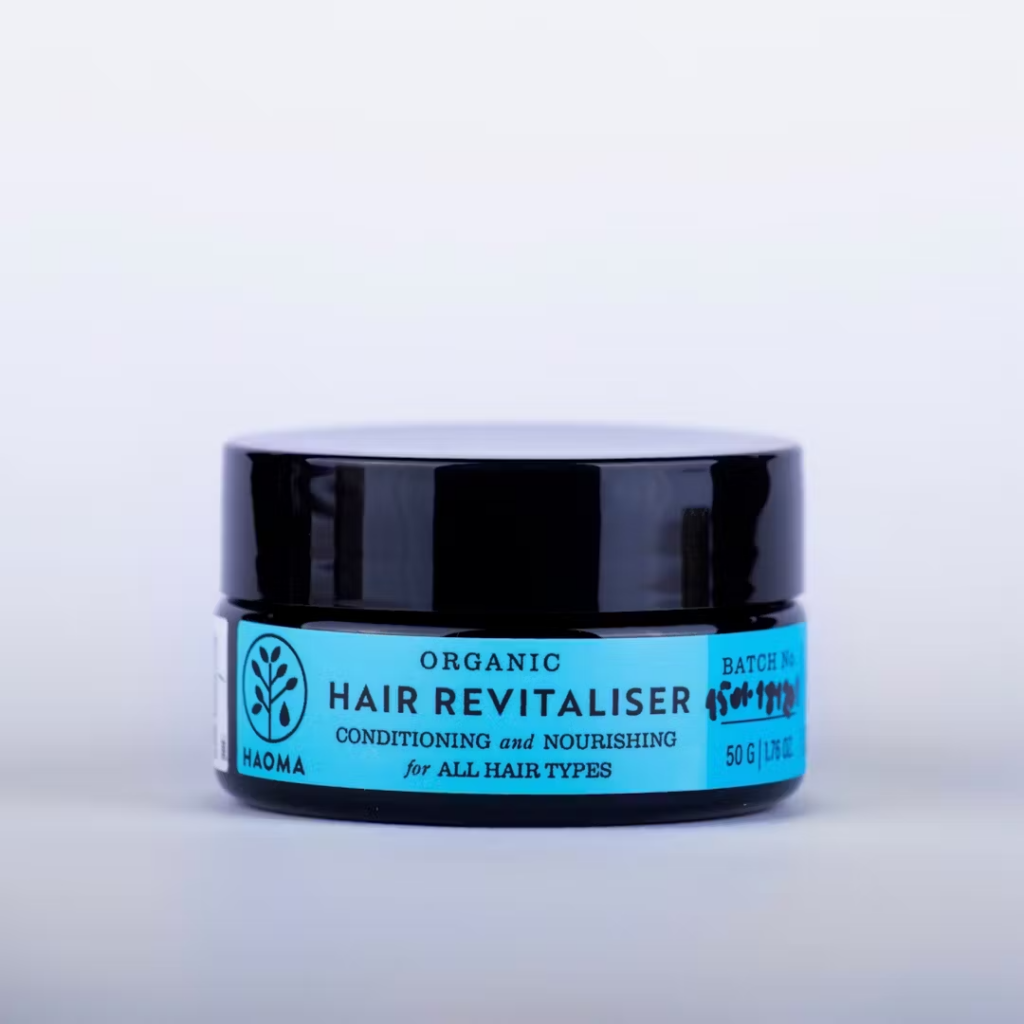
Haoma

Ancient Persian legends describe a mythical plant known as Haoma. Sprigs of this plant were brought to earth by divine birds and bestow vitality and health. Haoma is built on the power of plants. They take pride in using only certified organic, pure plant ingredients. Haoma has a team of chemists and herbalists combine high quality, clinically proven plant ingredients with carefully selected bio-engineered compounds to create powerful and effective formulas. 

Click to shop Corinne Taylor.

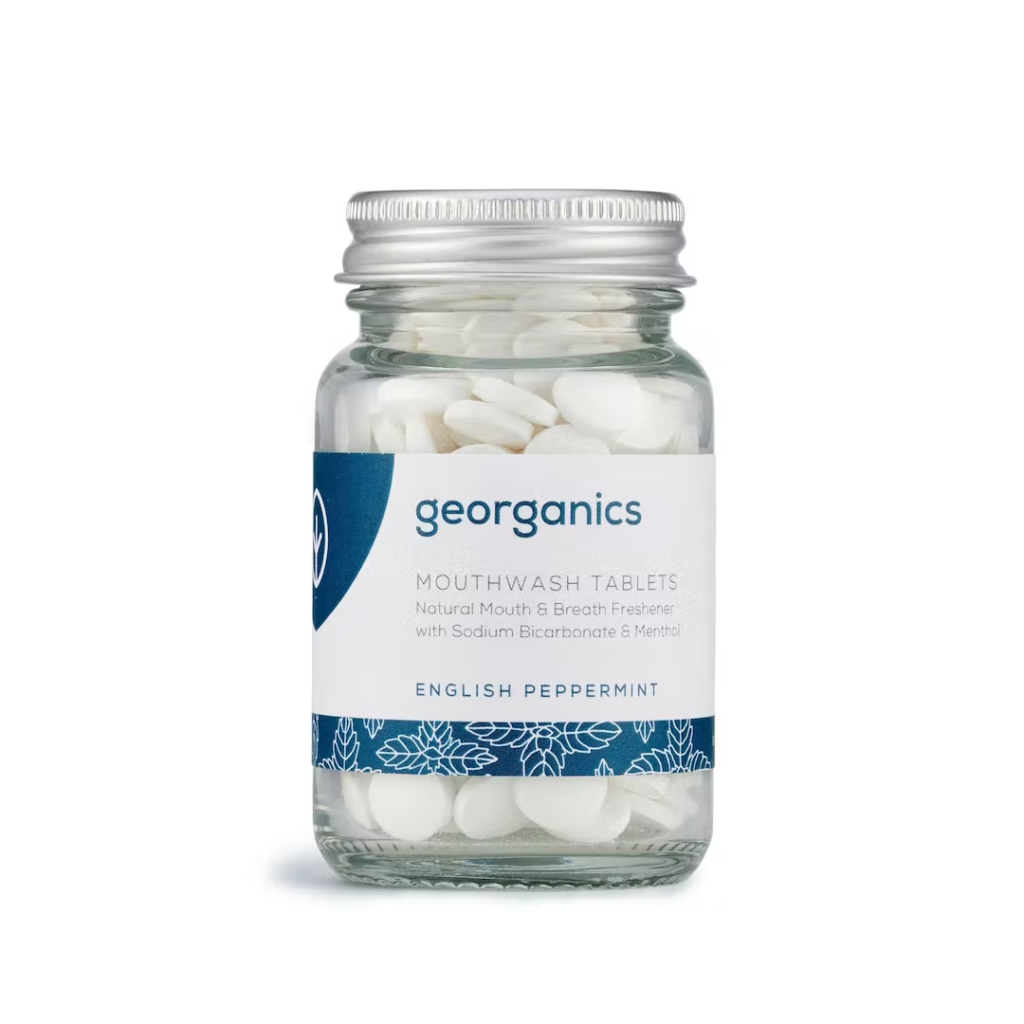
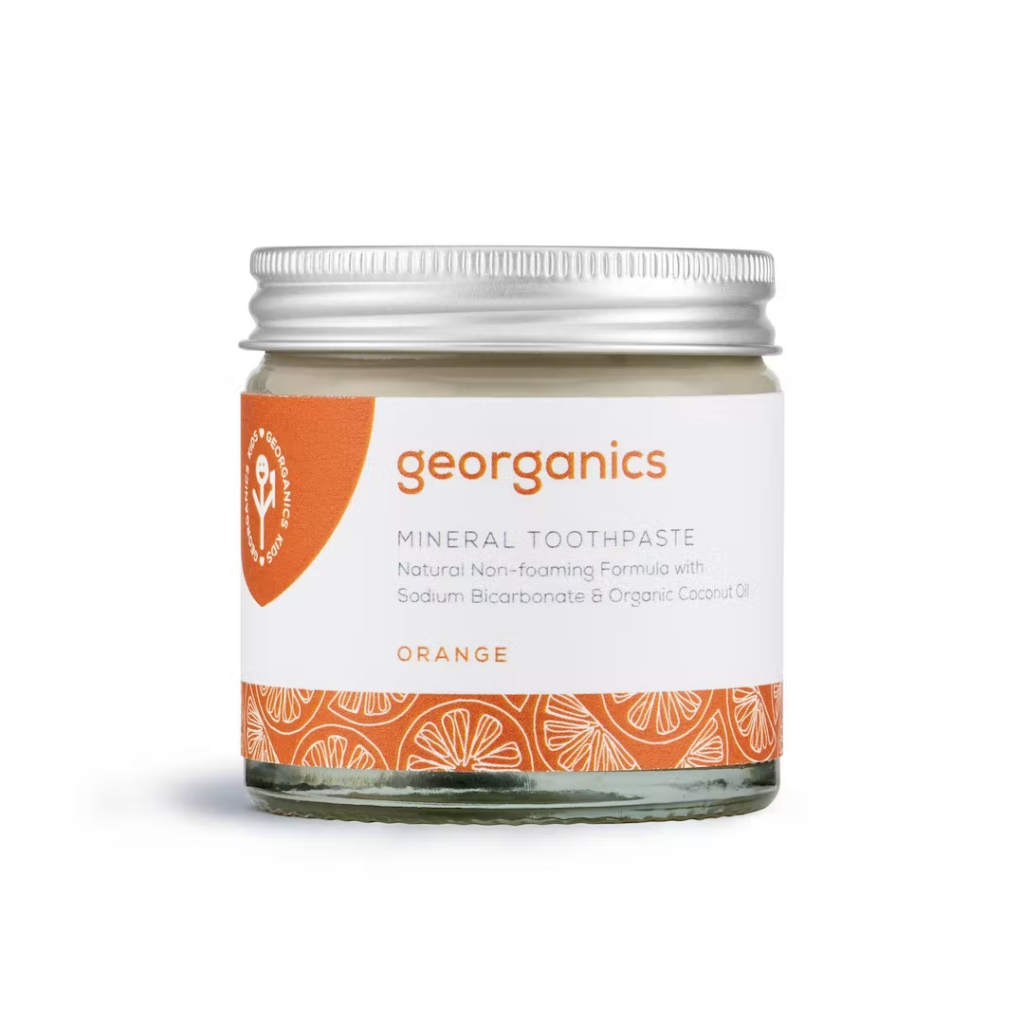
Georganics

Georganics mission is to produce oral care products which are accessible to everyone. Conscientiously innovating products inspired by nature. Everything they do is aimed at minimising the environmental impact of this essential daily routine, utilising compostable and reusable packaging, making a low-impact lifestyle a reality for everyone.

Click to shop Georganics.

Organic Food & Drink At Veo

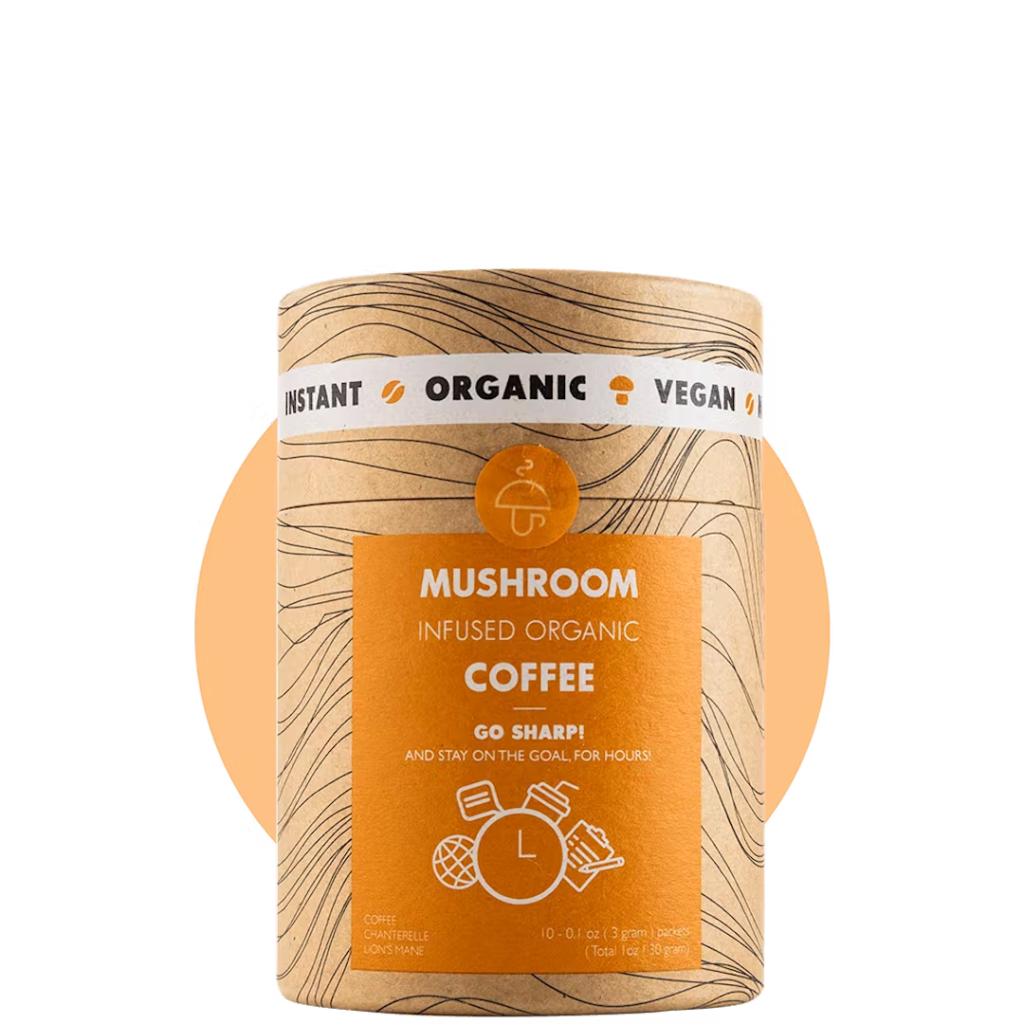
Mushroom Cups
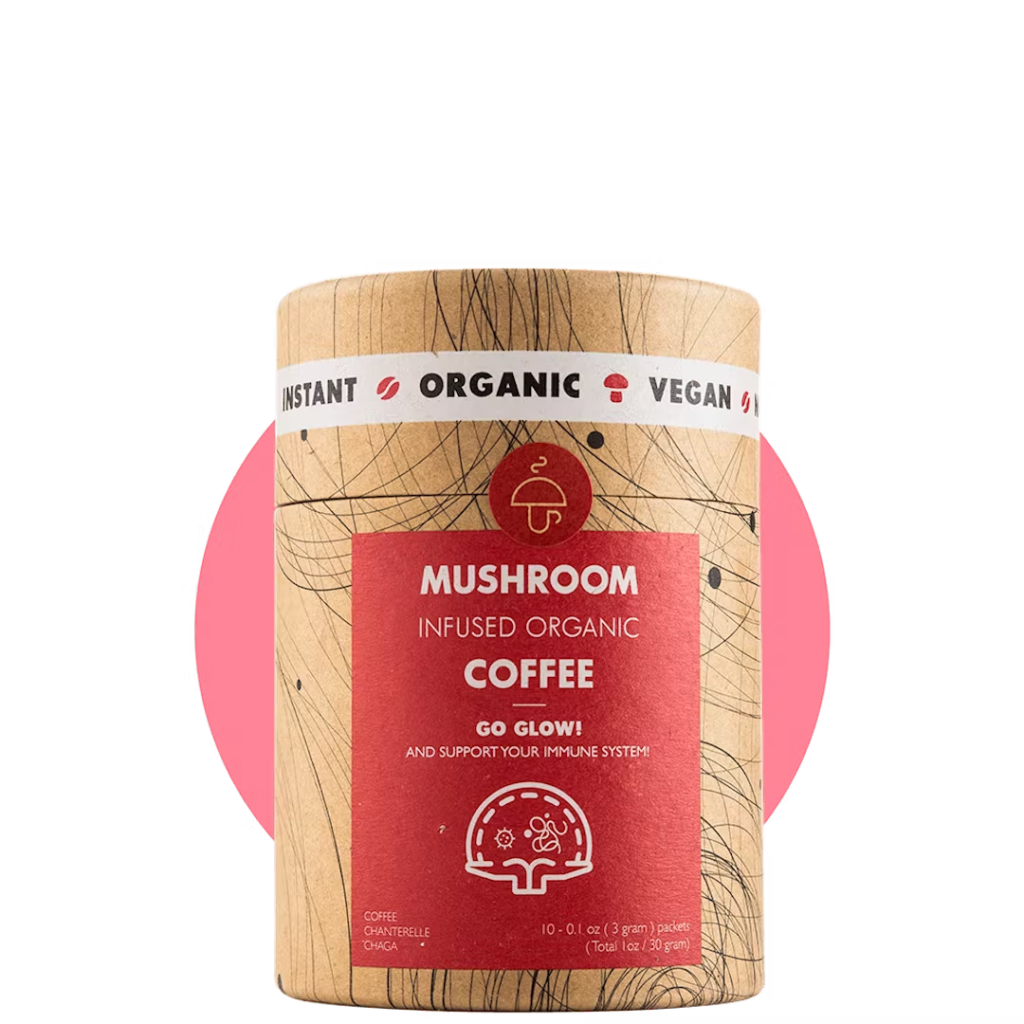
Mushroom Coffee’s intriguing combination of high-quality organic coffee, as an instant stimulant, and superfood mushrooms to optimize and nurture your body for high efficiency, helps you effectively seize the day, every day.

Click to shop Mushroom Cups.

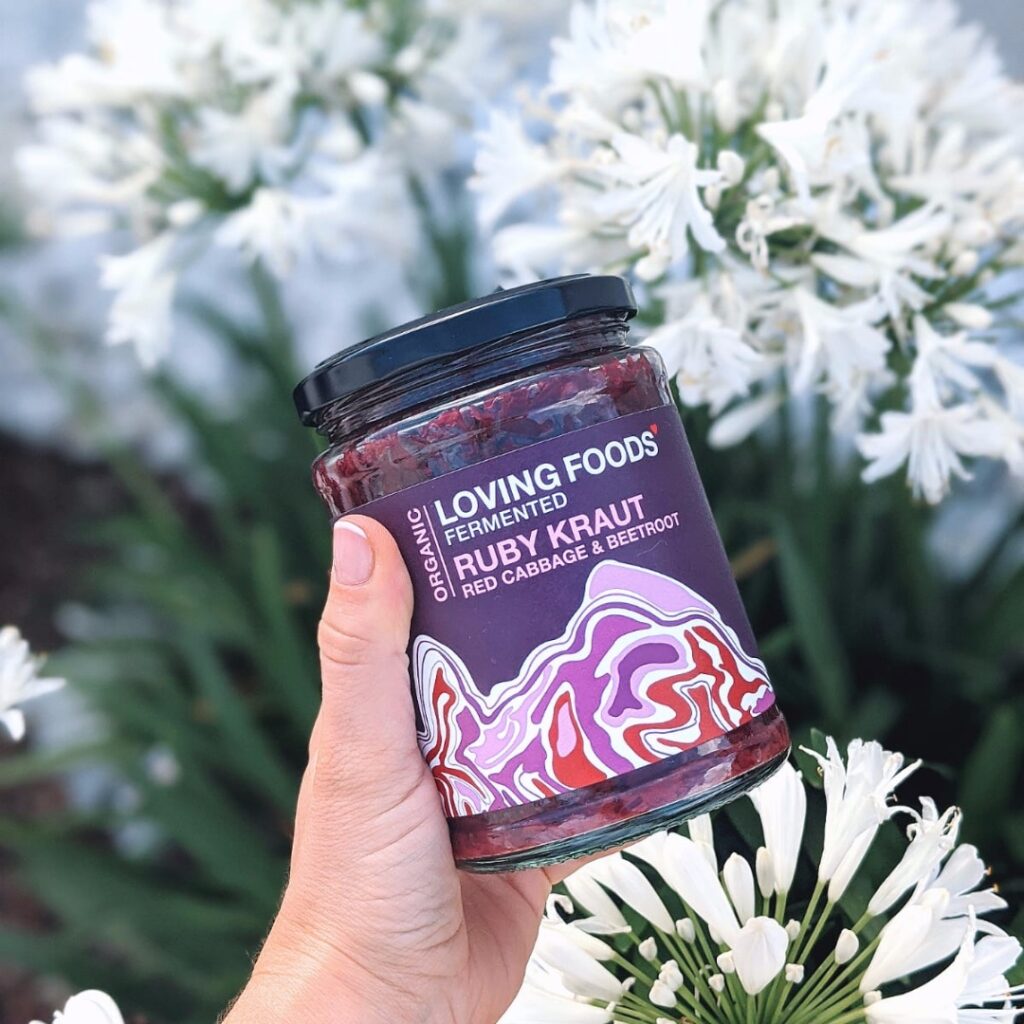
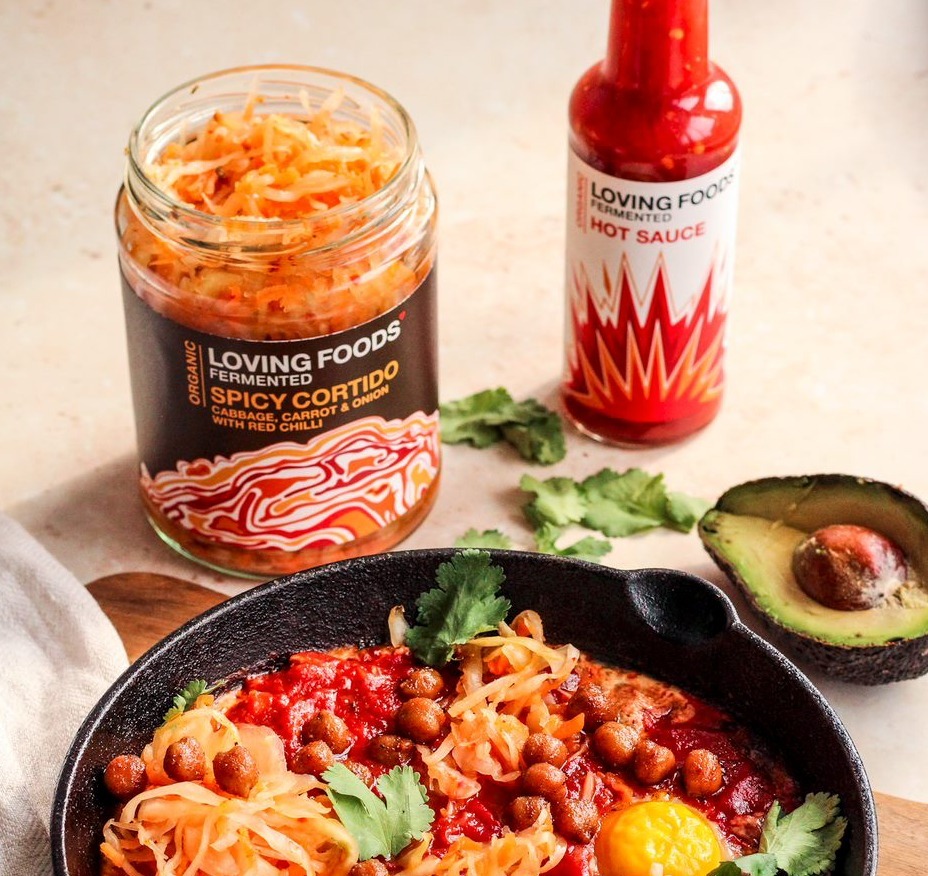
Loving Foods

Loving Foods produce raw organic, fermented food and drink. They are good for you, they are tasty, they are organic – they are fermented, naturally. Their range of fermented, unpasteurised food and drink is full of friendly, helpful bacteria and made right here in the UK.

Click to shop Loving Foods.

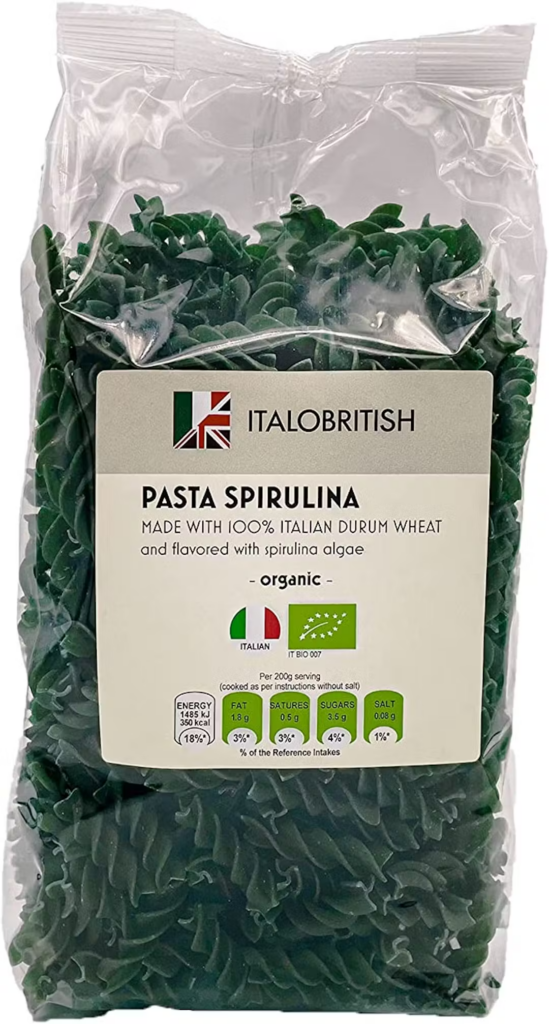
Italobritish Foods

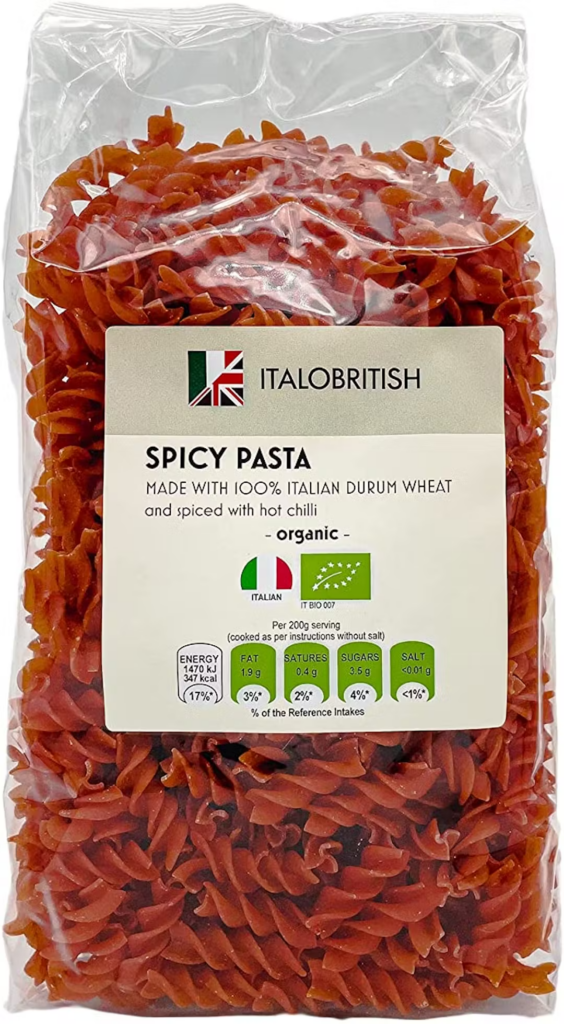
Elevate your pasta night with exceptional Italian organic dry pasta. Fusilli Spicy, made from 100% Italian durum wheat semolina and hot chilli, cooks in just 5 minutes and is vegan-friendly. Explore Pasta Spirulina, with the same organic semolina base and dried spirulina algae, for a unique flavour. Both choices offer delicious, sustainable Italian organic pasta.

Organic Homeware at Veo

Strawberry & Cream
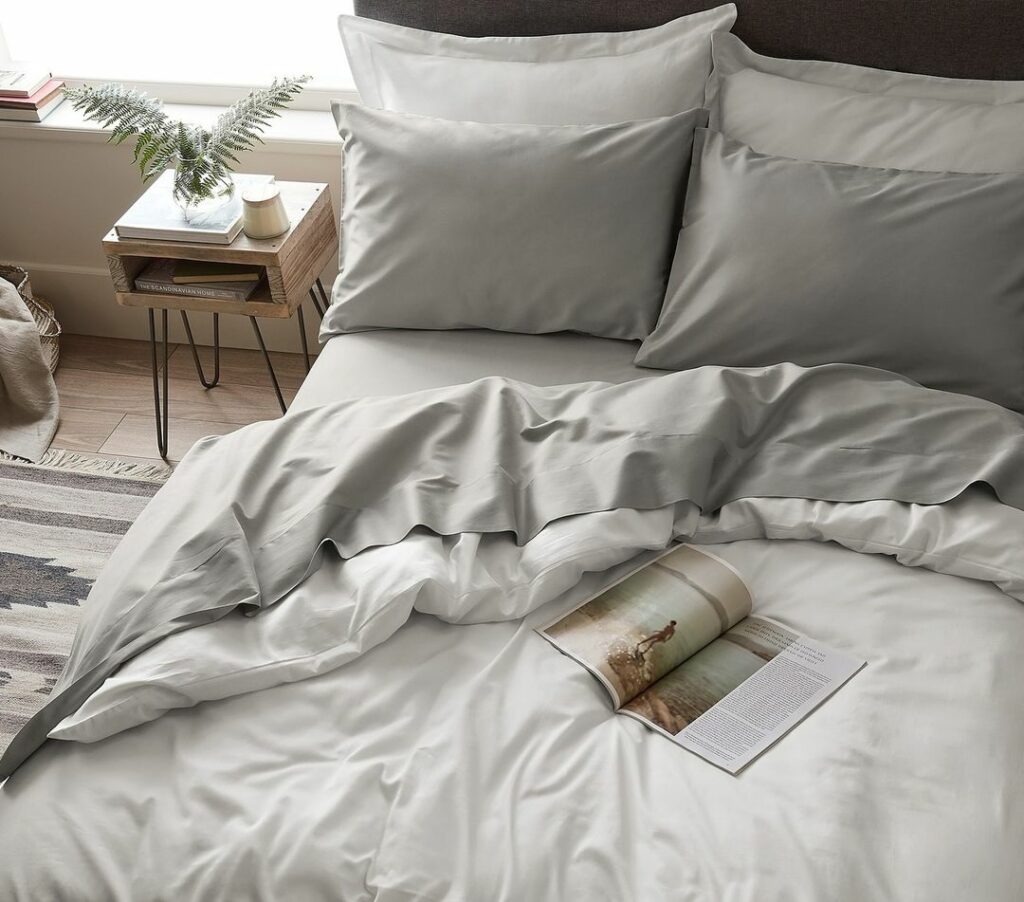
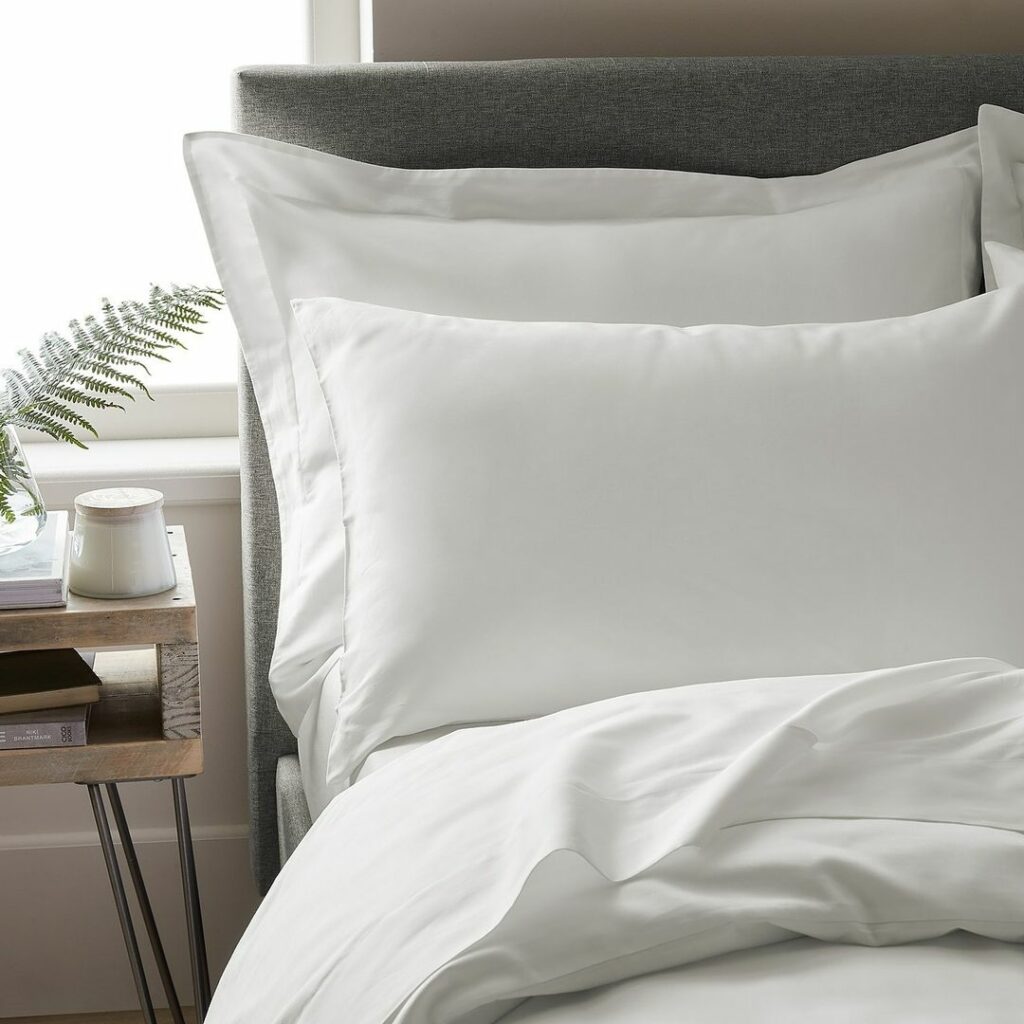
Strawberry & Cream’s inspiration for creating high-quality bedding stemmed from a desire to provide hotel-like comfort for a good night’s sleep while addressing the sustainability issues associated with cotton farming. Recognising the environmental impact of conventional cotton production, they have dedicated themselves to improving the industry by prioritising ethical choices that benefit farmers and the environment. Strawberry & Cream’s range of timeless, well-crafted bedding is proudly made from organic cotton.

Click to shop Strawberry & Cream

Get stuck in this Organic September

Whether you’re a seasoned organic shopper or you’re just entering the world of organic, we have both the basics and luxuries to help you get involved in Organic September, not only for the month but for life.
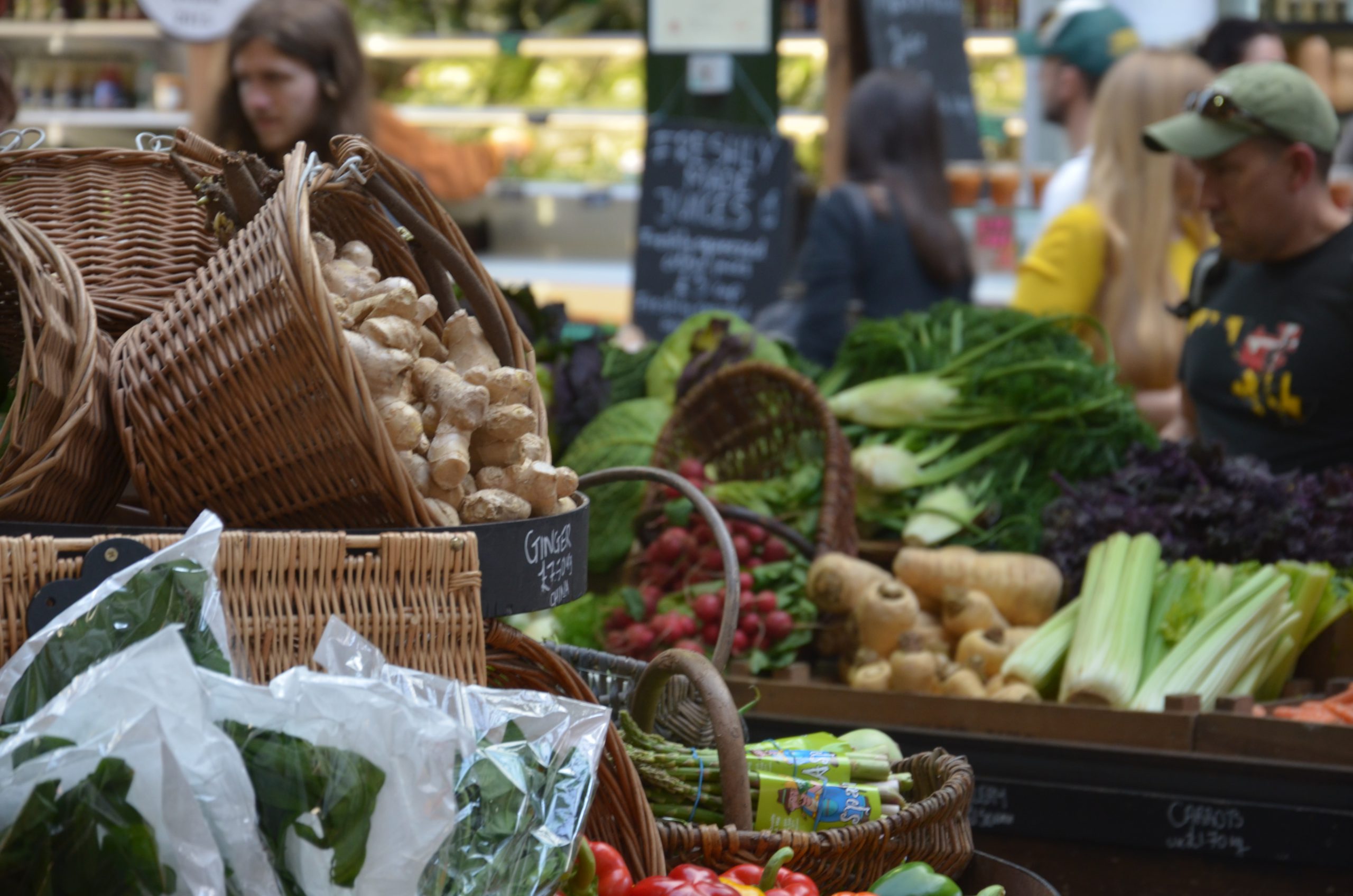
Click here to shop the full Organic September Edit.

How to make your grocery shop more eco-friendly

eco-friendly grocery shop|||||||

According to a report released in March 2020 by the Department for Environment, Food and Rural Affairs (DEFRA), British households produce over 26 million tonnes of waste each year; around 6.6 million tonnes of this is food waste. Even more shocking is the fact that over 70% of the food waste thrown away annually, is food that could have been eaten. A weekly/monthly trip to the supermarket is something most of us do on autopilot, not really thinking about the wider impact we might be having. However, there are small changes that we could all be making that would greatly help to reduce the amount of household and food waste we produce. Today we’re breaking down some easy ways to make your grocery shop more eco-friendly. Keep reading to find out more!

Use up everything in your kitchen first

Credit: Toa Heftiba

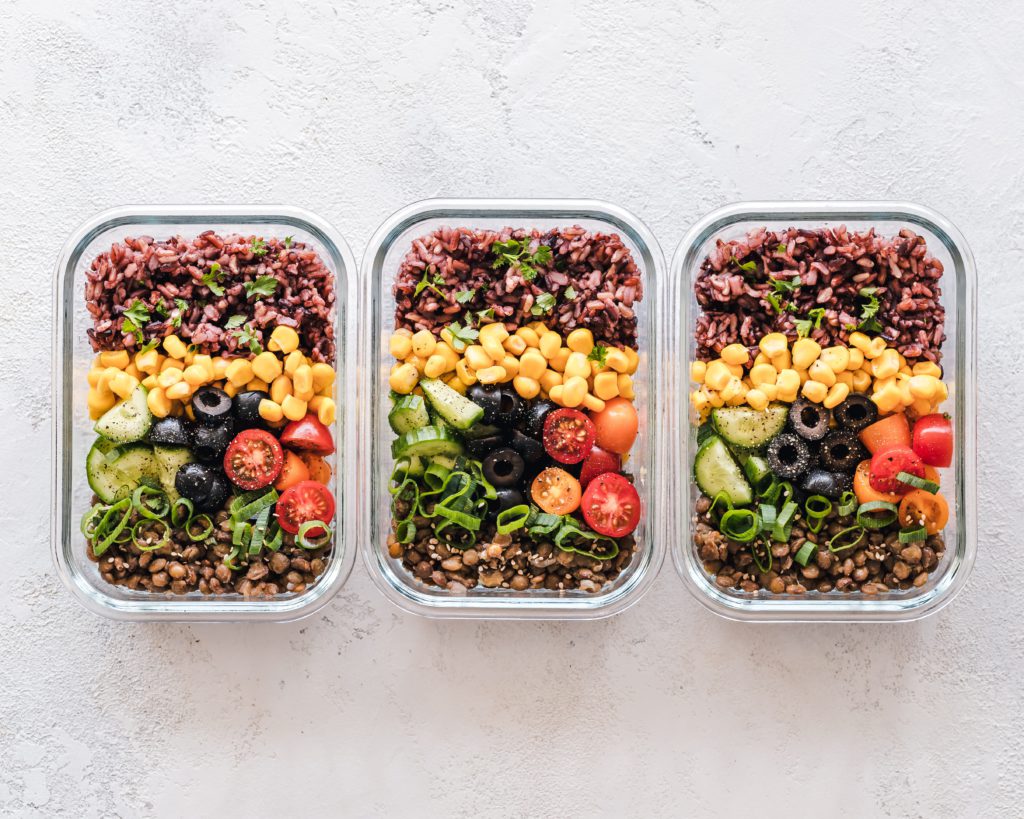
The first step to having a more eco-friendly grocery shop starts at home. Far too often we let the excitement of heading to the supermarket cloud our judgement of how much we actually need. How many times have you bought something, only to open the cupboards and find that you already had it? Go through your cupboards (and the back of the fridge) before you head out shopping. If you have left over produce or ingredients, it’s time to get creative! Head to websites like Pinterest to discover new recipes that you can recreate using what’s already in your kitchen.

Plan your shop ahead of time

Credit: Ella Olsson

Once you know what you actually need, it’s time to plan. Create a menu for the week or month and decide what meals you want to eat for breakfast, lunch, dinner and anything in between. This will mean you can decide exactly what you need to buy and can avoid purchasing food that you won’t end up eating. Make a thorough list and stick to it! There’s no better feeling than knowing the overnight oats you prepped the night before are waiting for you when you wake up!

Buy only what you need or can comfortably store

Credit: Nadia Pimenova

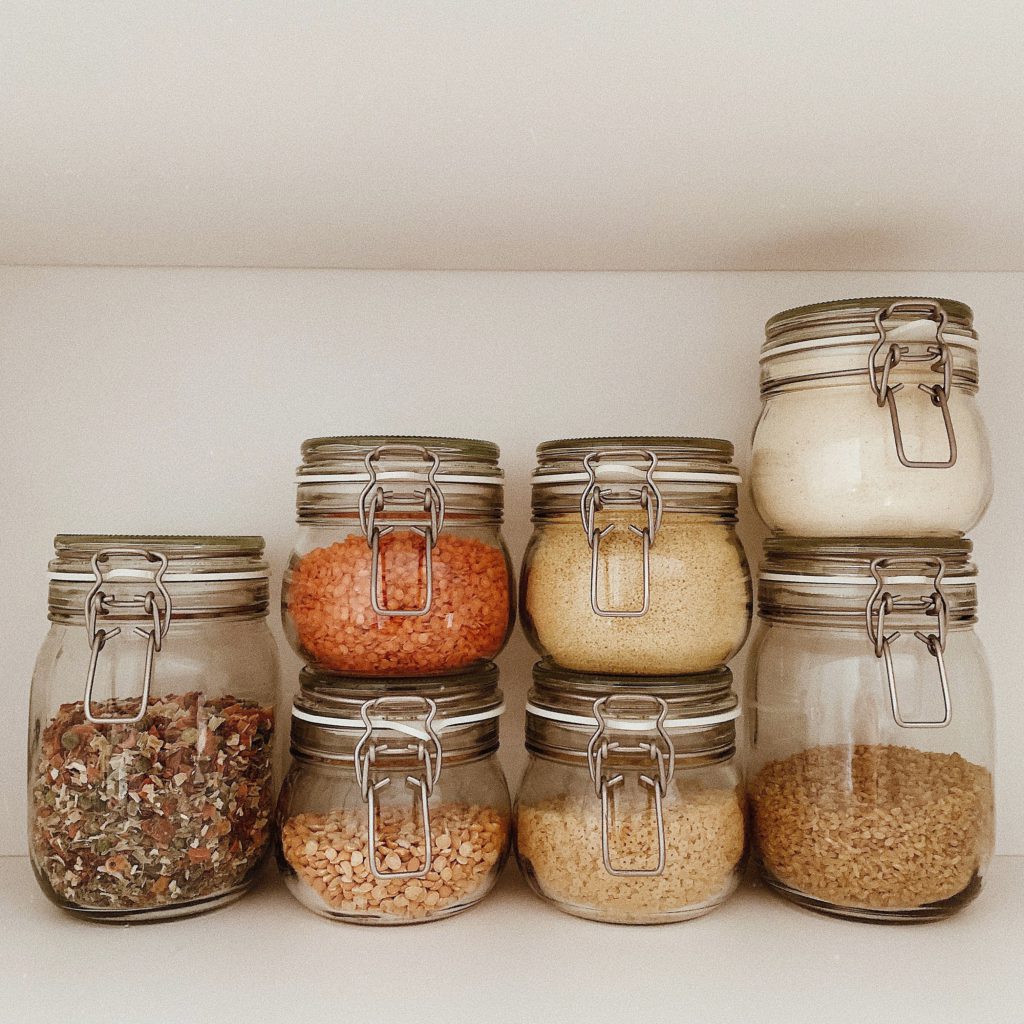
Another way to avoid excess is to only buy what you are able to comfortably store in your home. If you find yourself regularly running out of space in the fridge/freezer, and having to store chilled food in the cupboard, there’s a good chance your food will end up going bad and being thrown away. This can especially be the case if you tend to buy in bulk. Avoid this by knowing the capacity of your home and not buying more than you can keep. If you’re looking for ways to maximise the space you do have, invest in refillable storage jars for your food. Not only do they tend to take up less space than food left in packaging but they also enable you to see exactly how much you have available. And if you are able to visit a ‘zero waste’ store local to you then you can refill your containers and jars without creating any waste- super win!

Use reusable shopping bags

Credit: Gaelle Marcel

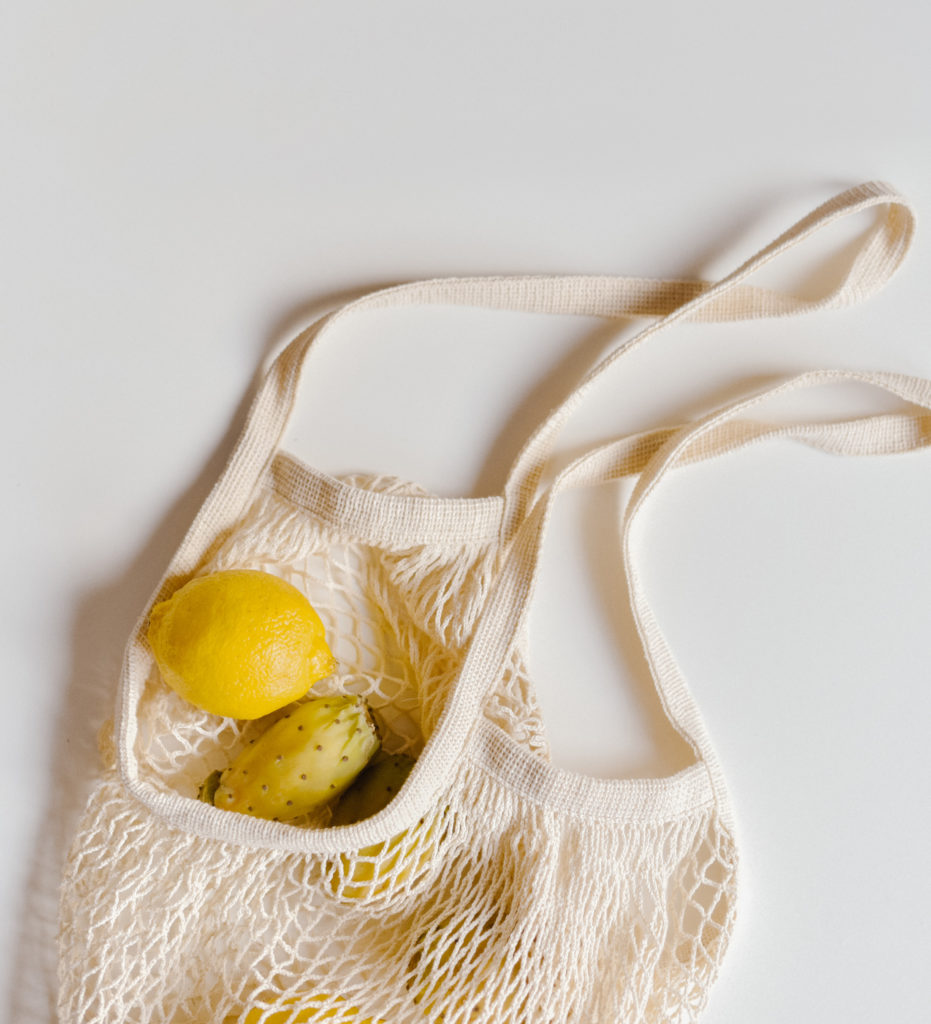
Since the introduction of the 5p bag charge, the sale of single-use plastic bags has reduced by 95% since 2015 (The Guardian, 2020). While this is amazing, we can all slip up now and then, forgetting to bring reusable shopping bags with us. To make this easier, keep your shopping bags somewhere that you can always access them e.g. by the front door, in your car, on your bike, or in your rucksack.

Shop local where possible

Credit: Tim Mossholder

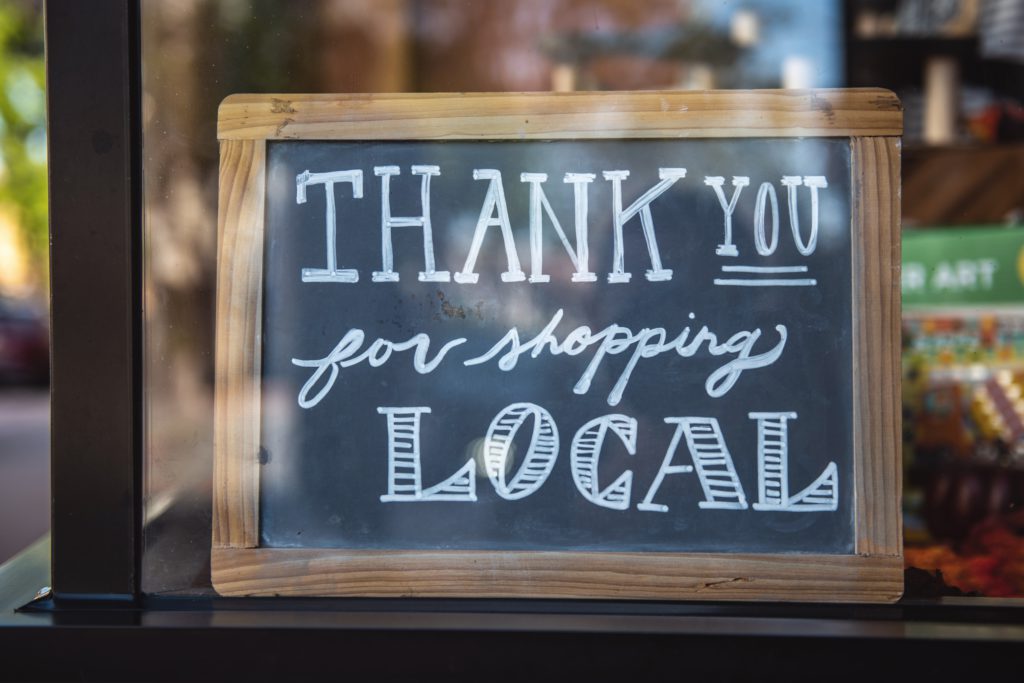
There are several benefits to shopping locally rather than using mainstream supermarkets. Not only are you helping to support your local businesses, but you are also more likely to find loose, fresh produce without the packaging. Shopping locally also means you can avoid a lengthy car trip to the nearest superstore by choosing to stay more close to home. At Veo we work with independent brands around the UK and globally, so you can identify products and support brands close to you.

Buy versatile ingredients that can be used for multiple meals

Credit: Syd Wachs

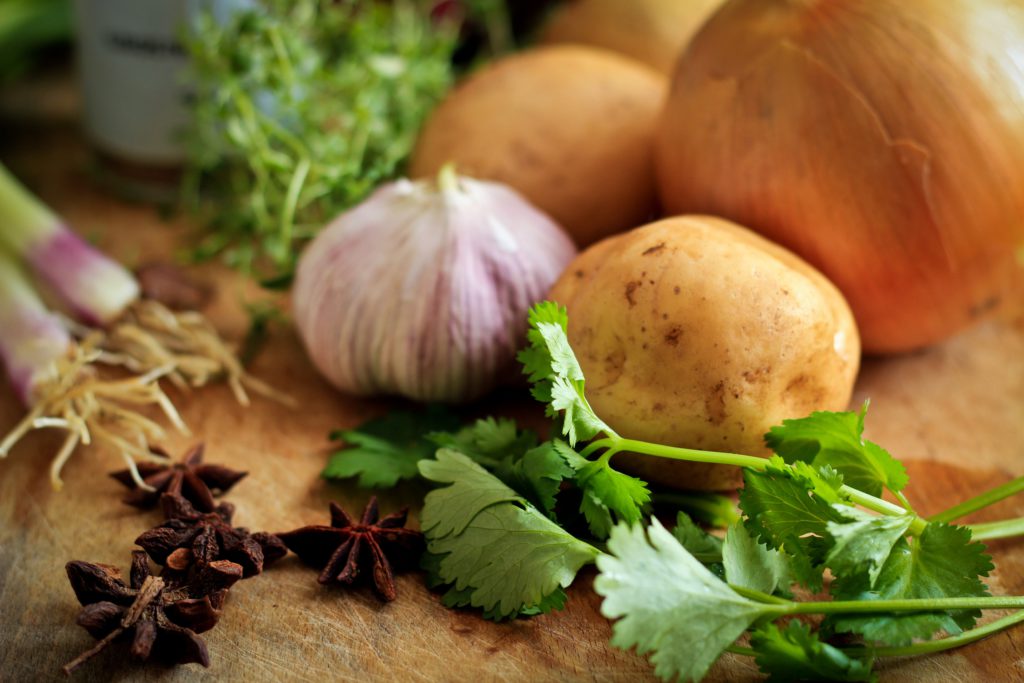
Finally, while it can be fun to try experimental dishes now and then, if you are buying more specialist ingredients than you need, you’ll often end up with leftovers that can’t be used for anything else. Instead, stick to versatile ingredients that can work throughout the month for multiple dishes. This way, you’ll be more likely to use up everything you have without throwing any food away.

Moving towards zero-waste living is never an easy transition so we hope these tips help make the process feel slightly more achievable, no matter what stage you’re at. If you struggle to find eco-friendly grocery swaps at your regular supermarket, we have our very own grocery section here at Veo. Here you’ll find brands that are already doing the work to be sustainable so you can shop with ease knowing you’re helping the planet without compromising on taste or quality.

How to get involved in Plastic Free July this month

||||

TWEET THIS


It’s that time of year again; Plastic Free July is here, a global movement dedicated to raising awareness and tackling plastic pollution worldwide. This campaign has gained increasing popularity over the years, with an estimated 326 million participants taking part last year, even amidst a global pandemic. Our very own study conducted here at Veo demonstrated that over 60% of people consider reducing plastic waste as the most important cause to them. But why are people so passionate about plastic? It is estimated that by 2050, there will be more plastic in the oceans than fish if significant changes are not made. Microplastics are destroying marine ecosystems at an alarming rate with traces also being found in the food we eat. It is clear that plastic pollution needs immediate action but it can be overwhelming knowing where to start. So we’re sharing some easy ways you can get involved in Plastic-Free July this month!

Review your everyday plastic use

Credit: Ocean Bottle | veo.world/oceanbottle

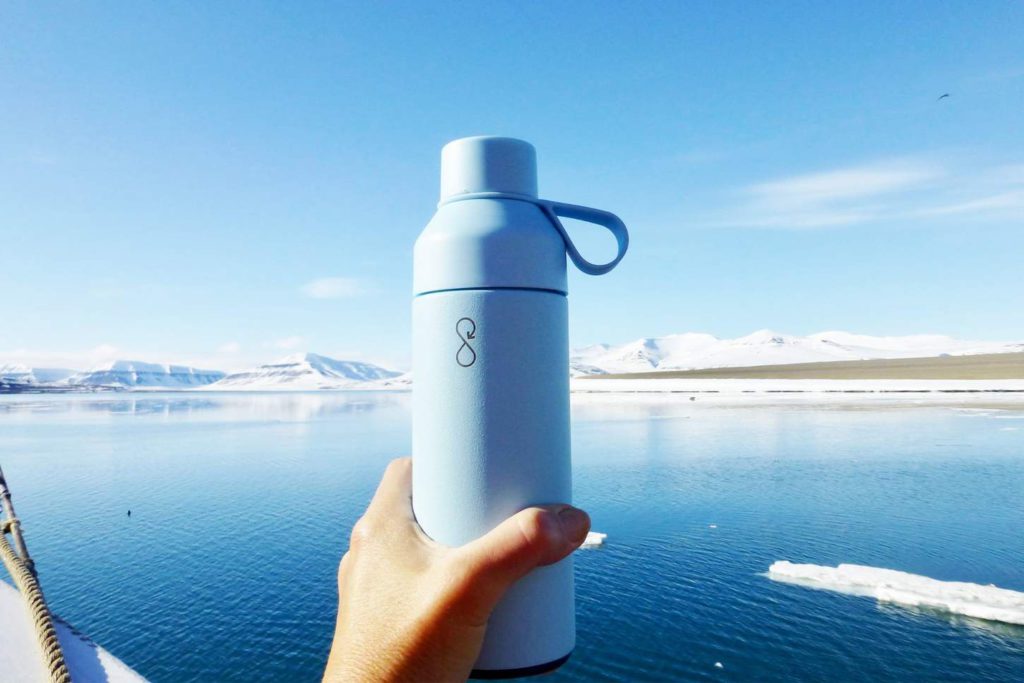
One of the first ways you can begin the journey to reducing your plastic waste is to review your current usage. Do you find yourself buying a bottle of water and packaged meal deal on your daily commute to work? Maybe you consistently forget to bring your own bags on your weekly trip to the supermarket? Most of us use plastic so much in our daily lives that the amount of waste produced often goes unnoticed. But the great news is that many of these uses can easily be swapped out for reusable alternatives. Instead of buying a bottle of water with your meal every day, invest in a reusable bottle that you can refill as many times as you like. Keep your shopping bags by the door, in your bag, or in the boot of your car to make them easier to access whenever you need them.

Find new uses for your plastic waste

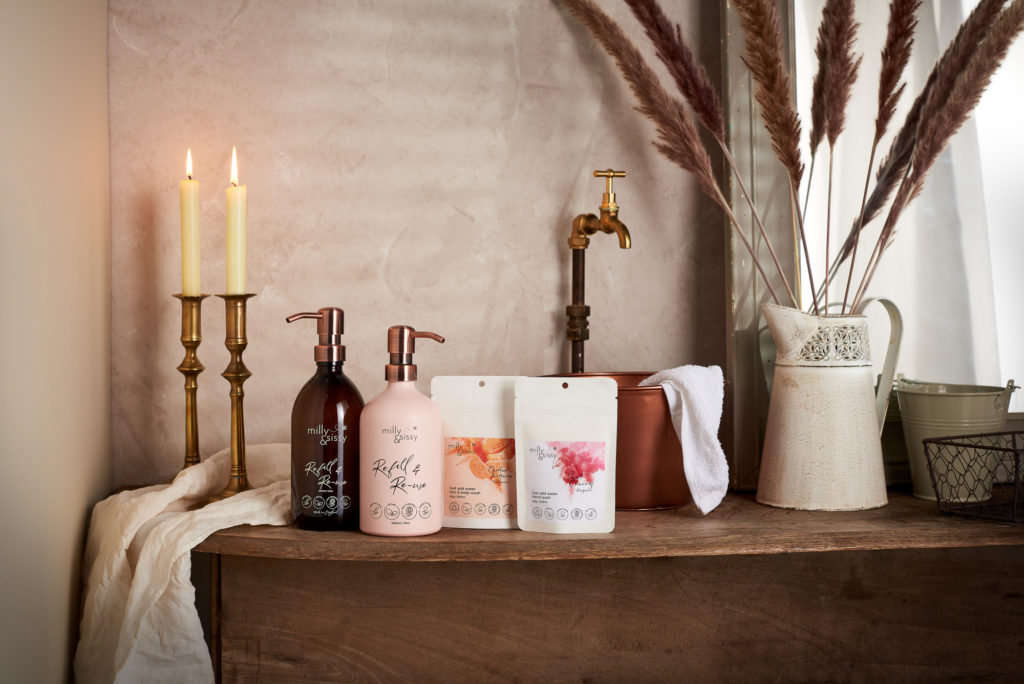
Credit: Milly & Sissy | veo.world/millyandsissy

Once you’ve got an accurate idea of where your plastic waste is coming from, you can begin to find ways to reuse it. This is the perfect time to get resourceful and creative with upcycling. By turning your takeaway containers into food storage or using your empty water bottles for bath/cleaning refills, you can give your waste items new life, keeping them out of landfill for longer. To stock up on zero waste refill essentials, check out brands such as Milly & Sissy for natural bath & body formulas and Mix Clean Green for toxin-free cleaning products.

Try out a local zero waste store

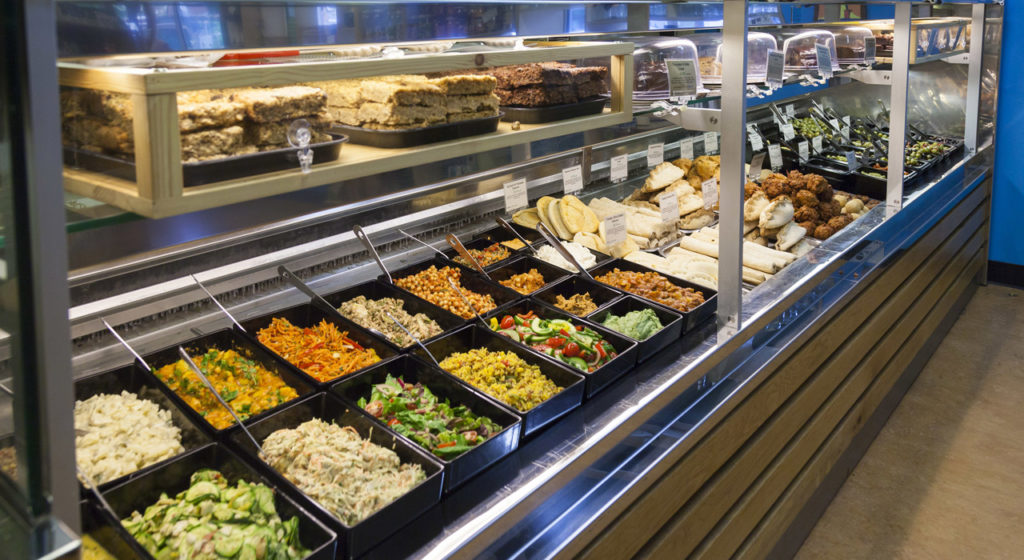
Credit: Unicorn Grocery Manchester

Zero-waste shopping is becoming more common every day with independent retailers and even popular supermarkets launching refill stations within their stores. From cereals, pasta, and pet food to beauty supplies and cleaning refills, these stores are the perfect way to stock up on all your essentials without buying into additional plastic waste.

Get to know your recycling codes

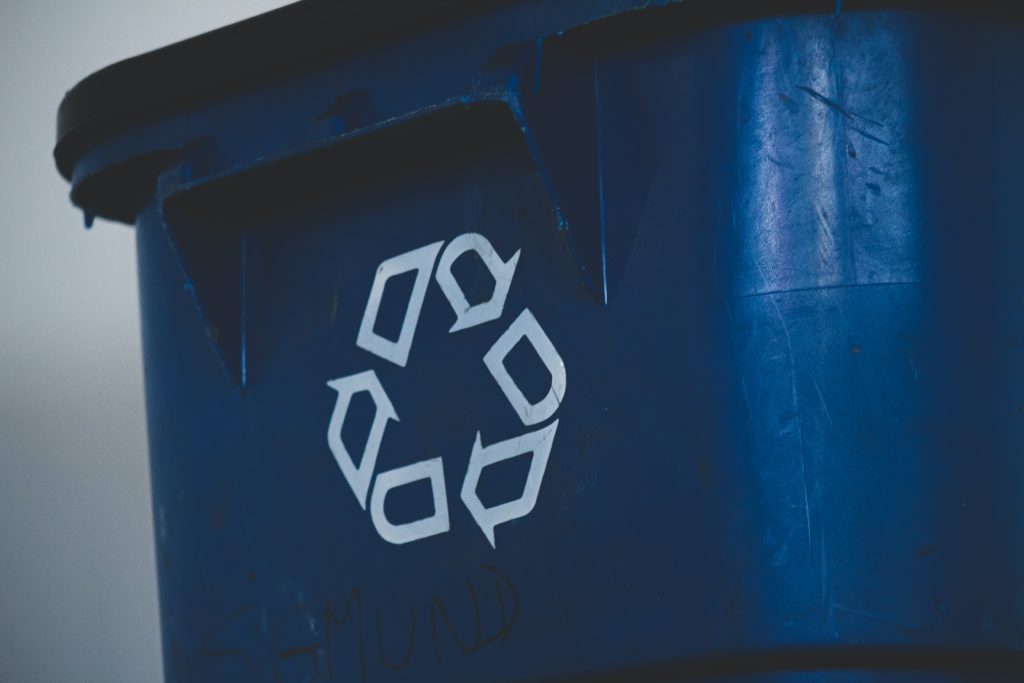
Credit: Sigmund

A lot of times we think that doing our part towards reducing plastic waste is as simple as throwing it all in the recycling bin however this is not always as effective as we’d think. One thing that often gets overlooked is that different types of plastic cannot actually be recycled effectively or easily depending on the facilities available in a specific country or region. To know whether your plastic waste can be recycled or not, you’ll need to look at the resin codes. As a general rule, the lower the number, the easier it is to recycle. Plastics that are generally easier to recycle include Polyethylene Terephthalate (PET), used in water and drinks bottles, and High-Density Polyethylene (HDPE), used in milk cartons and shampoo bottles. One plastic that is far more difficult to recycle is Polystyrene (PS) which can often break down into small pieces and enter water systems, impacting marine wildlife who accidentally ingest the pieces as food. By deciphering between these plastics you can figure out what you can effectively recycle and what you should try to find a new use for.

So those are just a few easy ways you can start to tackle plastic waste within your daily life. Going plastic-free, like any zero-waste practice is all about progress and not perfection. By making a few small changes every day, we can all make a major difference to the future of plastic waste. If you liked this post, you’ll love our blog on How To Make Your Grocery Shop More Eco-Friendly!