Veo and Wearth are now Ziracle. Same mission, better platform. See what's new

The Low-down on Denim: History, Sustainability and Future

Denim is such a mainstream fashion staple that we may often neglect to give it a second-thought. Its presence and existence in fashion, from high streets to youth culture, to red carpets and catwalks, is as synonymous as rain to British weather.

Denim first appeared on the scene as workwear and overtime it became a culturally significant material that has been present in key historical events, like post war dressing, featuring in Hollywood and Western block busters, the fall of the Berlin Wall, and more. Today it’s a mass produced and worn material that resides in pretty much all our wardrobes. However, our thirst for denim is increasingly having negations on the environment and the people who make it. So, can we sustain our love for this iconic fabric?

A history of denim

Early denim was invented in the late 17th century in the French city of Nîmes, after a replication attempt of a cotton fabric known as ‘jeane’ (named after the Italian city of Genoa,) saw fabric weavers accidentally produce a new unique and sturdy fabric, which at the time they named ‘serge de Nîmes’.

Indigo is the most synonymous hue that comes to mind when we think of denim and is among the oldest dyes to be used in textiles. Although originally manufactured and exported from India, in 1865, German chemist Adolf von Baeyer began working on the synthesis of natural indigo, eventually paving the way for the first industrial mass production of synthetic indigo in 1897.

Of course, we can’t talk about the history of denim without addressing its most iconic and obvious form, denim jeans. In 1851, Loeb Strauss left his hometown Buttenheim, Germany, for New York, where his brother owned a textile shop. After learning the trade for a couple of years (now) Levi, headed to San Francisco to set up his own branch, ‘Levi Strauss & Co. Wholesale House’, during the California Gold Rush.

The most recognisable, classic jeans as we’ve come to know them, came to existence when Strauss partnered with tailor Jacob Davis, to secure a patent for the construction of a denim workwear pant that was indigo-dyed and riveted around the pocket seams. In 1873, the design patent was granted and the modern denim blue jean was born.

In the early 20th century, denim was adopted as the preferred workwear fabric choice for western cowboys, miners and farmers in the US. Not only was the fabric cheap, but denim was durable and sturdy which made it practical for manual labour.

As the 20th century progressed, denim jeans saw their use and popularity shift. After the Second World War, returning US soldiers rejected settling down in the suburbs, instead opting for wearing jeans and riding motorbikes. This rebellion was attractive to American consumers, and the trend soon picked up in Europe, where people were keen to buy into the comfortable post-war lifestyle that denim jeans represented.

Over the coming decades, not only would denim become popularised by Hollywood figures, and blockbuster cowboy films, it would also trickle down amongst working class youth as a political statement of rebellion and rejection of traditional authority (think hippies, punks, grunge and rock). Ironically, as more people bought into this idea of leisure and youth rebellion, jeans become so popularised that towards the end of the 20th century, they’d become a mainstream wardrobe staple.

In the 2000s, customised denim became popular, enabling wearers to express themselves creatively through their style, a big part of the Millennial mind-set. Ripped, embroidered and pinned together jeans were very common.

Denim jeans have been an anomaly against the typical short-lived trend-cycle. They’ve been cemented as a timeless staple. Today, thanks to technological advancements, denim is used in a plethora of ways to create stylish garments for both function and aesthetic.

How is denim made?

Denim was created by hand when it was first invented, involving an intricate weaving process known as weft and warp. By the Industrial Revolution, machinery had been developed for faster production of denim on power looms. 

Today, denim is typically made with the following process:

  • Step One: Cotton is gathered and put into machines where it’s detangled and spun together into strong threads.
  • Step Two: The threads are dipped several times into tubs of synthetic indigo dye.
  • Step Three: The indigo threads are woven together either through selvage or warp and weft.
  • Step Four: The denim is then sanforised, which means it’s stretched, heated, and shrunk down.
  • Step Five: The denim is ready to be manufactured into a garment.

Today, it is estimated that about 2 billion pairs of jeans are made every year. This uses 2 million tonnes of chemicals in the process, plus 2,630 litres of water – per each pair of jeans – and approximately 1.4 million tonnes of raw cotton.

The true cost of denim

Despite cementing itself as a fashion basic, the process of producing denim at such scale is complex, and is having disastrous effects on the environment and the wellbeing of those in the manufacturing process.

At the very start of the supply chain comes the actual growing of the cotton. This in itself is incredibly resource intensive. Cotton’s most prominent environmental impacts result from the use of pesticides, water consumption and the conversion of habitat to agricultural land. Diversion of water and its pollution by cotton growing has had severe impacts on major ecosystems.

On top of this, thousands of cotton farmers and their families suffer from pesticide poisoning every year and many commit suicide as a result of debt related, at least in part, to high chemical costs.

The use of indigo dye is also problematic. Synthetic indigo dye decomposes very slowly. When it changes the colour of rivers, plants are starved of sunlight which makes them unable to photosynthesise and can kill them. The water is then lacking in oxygen which leads to the suffocation of aquatic animals. 

The “authentic” and “worn in” look of denim is a huge part of what has made jeans so popular. But that look is nearly always artificially produced. Distressing denim garments endangers workers as they’re inhaling fumes and touching toxic dyes. The process of sandblasting to produce that worn-in look can also lead to silicosis in the lungs.

A post-production factor to also consider is that according to the International Fabric Institute Fair Claims Guide, the average lifespan for a pair of jeans is only 2-3 years. With all of this in mind, we can get a clear picture of how one of the most commonly worn materials in the world, is actually straining our planets natural resources and putting the health and wellbeing of cotton growers and garment factory workers at risk. To top it all off, consumers are on average only keeping these garments for a few years at a time before disposing of them.

Are there better options out there?

When it comes to denim, it still holds a place in our hearts due to its practicality, durability and versatility. But we cannot sit idle in awareness of the issues pertaining to its manufacture and existence. So, what are the better options?

Well, for starters, if you want to be sure what you are buying is grown in a truly sustainable way, certified organic cotton is the best option. Organic is the only system which eliminates highly toxic substances from the environment and instead works holistically, for the long-term benefit of people and the planet. At Veo, brands like Komodo and Rozenbroek are committed to using high-quality and GOTS certified organic cotton.

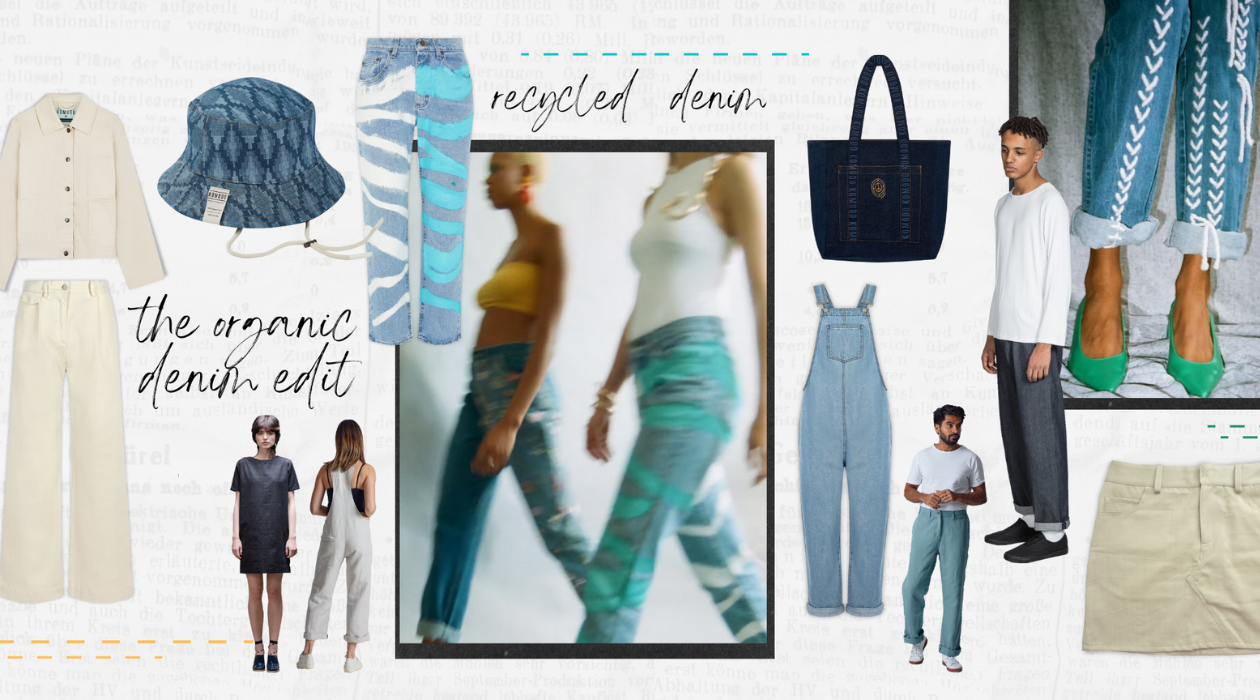
Recycled denim is also a better alternative as it reduces the volume of new cotton that must be grown, therefore reduceing the volume of water and pesticides used in agriculture. Fanfare‘s , upcycled collection takes denim that would have gone to landfill and gives each piece a new life with unique designs, cuts, and styles.

Investing in denim that’s made to last is also something that consumers can do on their part. Flax & Loom pride themselves on producing classic style jeans, that are built to last 20 years or more!

What does all of this mean?

It’s safe to say that a fabric so intwined with fashion and with such a rich cultural history, shows no sign of letting up its grip in the 21st century. We’ve never produced or worn as much denim as we have done in recent decades. But whilst our love affair with denim continues, it’s incredibly apparent that the way in which we grow, manufacture, produce and consume denim must change.

Investing in denim that’s healthier for people and the planet, whilst making a commitment as consumers to look after denim items, and to wear them for as long as possible, ensures we’re doing our bit to bring about a new denim revolution.

Our collection of ethically produced organic and recycled denim staples and statement pieces are your perfect new classics. For minimal environmental impact and maximum style impact, explore our full organic denim edit and celebrate this hero fabric whilst doing your bit for the planet!
Click here to shop the full denim edit.

Slow Fashion: How To Stop Moving So Fast In Fashion

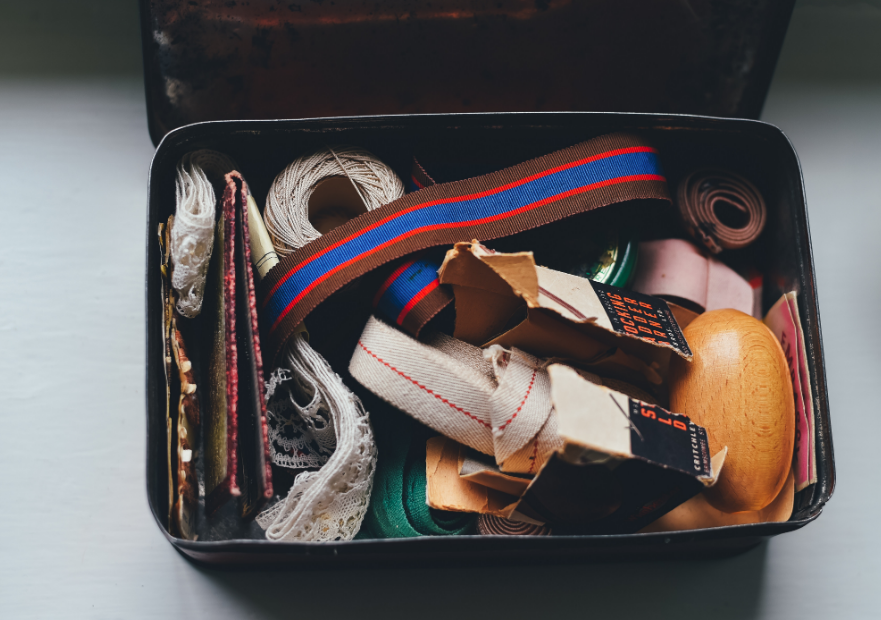
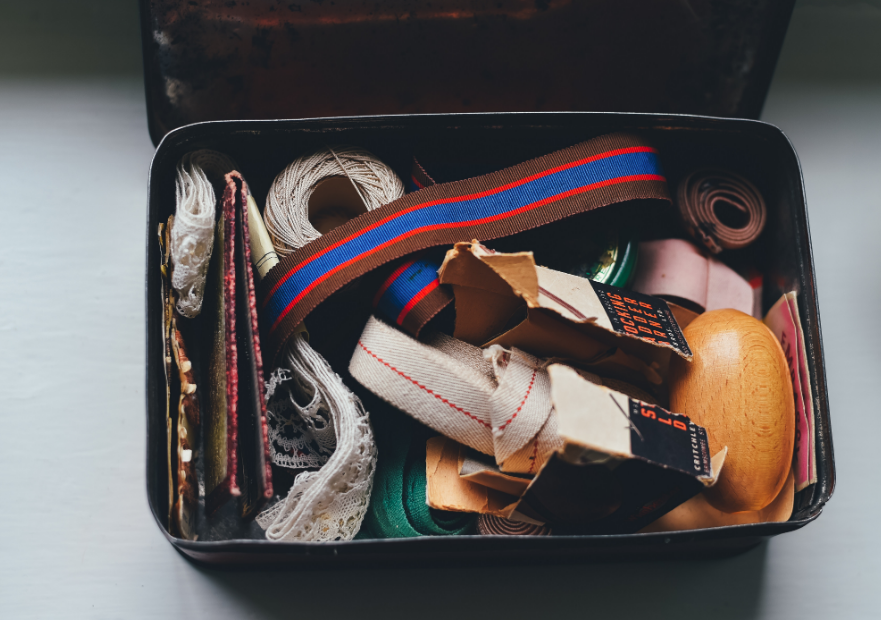
suitcase full of fabric and seamstress materials|||

In today’s society, convenience is at our fingertips. We live in a world where we can order a jacket online and have it draped over our shoulders the following evening.

With online stores making it so easy for us to make a purchase, it means we’re buying more clothes than ever before, even if we don’t necessarily need them.

However, with great choice also comes great responsibility, spurring us to think about how ethical fast fashion is – and whether we should slow down the pace.

Whilst the choice is there to move fast, there’s also the option to shop slower and more sustainably. Slow Fashion is the movement of buying clothes for quality and longevity, encouraging a more ethical, sustainable and green way of life.

But how is fast fashion diminishing sustainability, and how can slow fashion help?

Let’s take a look.

  1. What is fast fashion?
  2. How is fast fashion affecting the environment?
  3. How fast is fashion really moving?
  4. What is slow fashion?
  5. How to shop more sustainably

What is fast fashion?

Fast Fashion is often described as inexpensive, on-trend clothing, that takes inspiration from the catwalk or celebrity culture. Manufacturers are known to mass-produce the popular garments at lightning speed and for a very low cost.

It may seem like a great idea commercially, however in order to keep up the pace and make enough money to survive, environmental corners are being cut – and it’s having a huge impact on our planet.

How is fast fashion affecting the environment

Due to ‘flash in the pan’ trends, and the high number of clothes being made, Fast Fashion brands use cheap, toxic textile dyes in production – so, it’s no surprise that the fashion industry is the second largest polluter of clean water globally after agriculture.

And, if the clothes are being sold for a low cost, you can expect the quality to be low, too. Polyester is one of the most popular fabrics in Fast Fashion, and its effect on the environment is devastating. Derived from fossil fuels, polyester sheds microfibres that add to the increasing levels of plastic in our oceans when it’s put through a wash.

Cotton is also a key offender, having a detrimental impact on the lives of farmers around the world. Sourcing cotton is complex– and fast fashion leaves cotton farmers at bottom end of the supply chain. They aren’t visible to the consumer, and have no power to negotiate with the with the traders.

Cotton farmers aren’t making enough money, meaning they can’t afford to pay for essentials for their families like medicine when they are ill, school fees for their children and even food.

How fast is fashion really moving?

The speed at which garments are produced also means that more and more clothes are disposed of by consumers – who don’t actually even wear them. Research shows around 55% of the clothes in an average woman’s wardrobe and 47% in an average man’s are never worn. That’s around £10.5 billion worth of unworn clothes going to waste – and that’s just in the UK alone.

This is creating a huge amount of textile waste. In the UK alone, 235 million pieces of clothing were thought to have been sent to landfill in spring 2017, with the ‘wear it once’ culture at an all-time high.

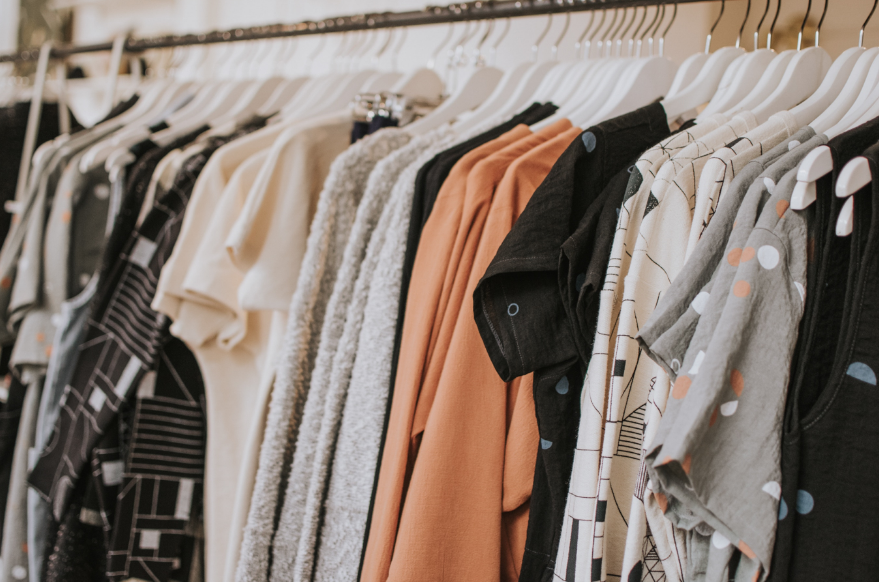
rail with clothes hanging

The people who pay the price

In the midst of the environmental effects, there’s also ethical issues to consider. Fast Fashion brands pay garment workers, often in deprived countries, low wages and leave them in conditions without basic human rights. Today’s consumers are often unaware of how a quick fire purchase impacts suffering of another human being.

As Fast Fashion increased in recent years, a growing number of activists, petitioners and brands stepped in to raise awareness and lead consumers to a more sustainable way of shopping.

This was the beginning of the slow fashion movement.

What is slow fashion?

Conscious and mindful, Slow Fashion represents sustainability in one unified movement. The movement was steered by Kate Fletcher, from the Centre for Sustainable Fashion. Her 2007 article in The Ecologist took the world by storm, exposing the dangers of fast fashion and the damage it can cause.

It is essentially the opposite of Fast Fashion, and stands for designing, creating, and buying garments for quality and longevity. It encourages slower production schedules, fair wages, lower carbon footprints, and (ideally) zero waste.

Designers who support Slow Fashion create timeless pieces, designed to last a lifetime. They consider the full product life cycle, including the materials used, the human labour and the intention of the garment.

In the same way as slow living, Slow Fashion is holistic and focuses on purpose rather than pace. It goes against the current societal norms that “more is more” and “faster and cheaper are better.”

Organic cotton growing in a field

How to shop more sustainably

The 30 wears test

The Slow Fashion movement is about making the most out of your wardrobe and wearing your clothes in a number of different ways, time and time again. One easy way to adapt to this way of thinking is to do the ’30 wears test’. The #30wears campaign was launched by Livia Firth (Colin Firth’s wife), and proposes that when considering buying something new, you ask yourself “Will I wear this at least 30 times?”

The campaign wasn’t launched to stop us from buying new clothes, isn’t about giving up buying new clothes altogether, it’s simply about changing our approach; viewing clothes as an investment rather than something disposable. By doing this, we can reduce landfill waste and improve our carbon footprint.

Donate your unwanted clothes to family and friends

They say one man’s trash is another man’s treasure, and this rings true for clothes, too. By donating clothes to either family, friends, or your local charity shop, you’re helping others be more sustainable. It stops people from buying new, without taking away the high we get from getting a lovely new item for our wardrobe.

A great way to do this is to have a one-in, one-out policy – live by the mantra that every time you buy something, you’ll donate something else in your wardrobe.

Look after your clothes so they last longer

If you buy something from a Slow Fashion brand, it’s likely to cost a little bit more, and you’re way more likely to respect it. It’s also going to be high-quality, made from sustainable fabric in a workplace where employees are well treated and cared for.

The way you treat your clothes impacts their longevity, so if you care for them and treat them well, they’ll last for decades and you won’t have to replace them.

From caring for your cashmere to washing your denim inside out, go the extra mile to ensure your clothes stay at their best for longer.

Buy the right materials

If you’re confused about which materials to buy, an easy rule to follow is to only buy items cut from natural fabrics you’ve heard of like wool, silk and linen. Fabrics that are made from unnatural fibres are created in labs synthetically, using chemicals like petroleum. These fabrics aren’t biodegradable and, just like polyester, shed microfibres every time they’re washed, inevitably polluting out our waterways.

Shop vintage

Vintage clothes are super stylish, affordable – not to mention a lot of fun. If you want to become a more sustainable shopper, head to your local vintage store and see what gems you can find from years gone by.

Actress and activist, Emma Watson, spoke openly about the sustainability of vintage clothing on her Press Tour Instagram account.

She said: “Every new item of clothing made has a substantial carbon footprint attached to its manufacturing; but the amount of new energy needed to produce vintage clothing is zero,””Vintage clothing has a huge role to play in making fashion more sustainable and reducing a global footprint that includes the 132m metric tons of coal used yearly through the production of new fibers, dyeing and bleaching of garments and the 6-9 trillion liters of water used by the industry.”

Mend and make do

In the 1940’s, the ‘Mend and Make Do’ campaign was launched, encouraging people to learn how to repair their clothes when they rip, or if a button comes loose. Whilst this was initiated due to fabric rationing during the war, the fundamentals of the campaign can be applied to slow fashion, as the principle stays the same.

If you don’t have the time to get behind a sewing machine, or simply don’t have the skills, pay a professional to do it. Think twice before before using it as an excuse for something new.

Wanting to shop more ethically but not sure where to start?

We created Veo – the earth-friendly marketplace to disrupt retail and help you shop better. We made things “effortlessly ethical” just for you.

Slow fashion doesn’t mean your wardrobe has to be drab or boring. Our Fashion and Apparel section is home to thousands of colourful and unique brands.

Browse endless items and give your attire a little more purpose.

Buy less, choose well, make it last: how to make better fashion choices

buy less

TWEET THIS


When it comes to sustainability, the fashion industry still has a very long way to go. An addiction to extremely low prices and fleeting trends has resulted in a ‘fast-fashion’ culture that is destroying the planet at an alarming rate. The fashion industry is the second-largest polluter in the world, after the oil industry, producing an estimated 3.3 billion tonnes of CO2e (Fixing Fashion, UK Parliament, 2020). While there is an argument to be made for the positive impacts of making fashion more accessible regardless of income, the unfortunate negative impacts of fast fashion vastly outweigh any positives that may exist.

This week is #FashionRevolutionWeek, a movement created by Fashion Revolution, in response to the tragedy of the Rana Plaza garment factory collapse back in 2013. Eight years later, fashion brands still continue to profit from unethical practices with little being done to regulate them. This past year in particular, fashion brands were under scrutiny for failing to pay garment workers for canceled orders, in an attempt to reduce their losses from the pandemic. This left many garment workers unemployed and resulted in a global call on social media for these companies to #PayUp. It is clear that more and more people are considering the impact that their fashion choices have on the wider community and environment as a whole. So for today’s blog post, we’re sharing some easy ways to buy less, choose well, and make it last with slow fashion.

1. Stop following trends and develop your own style

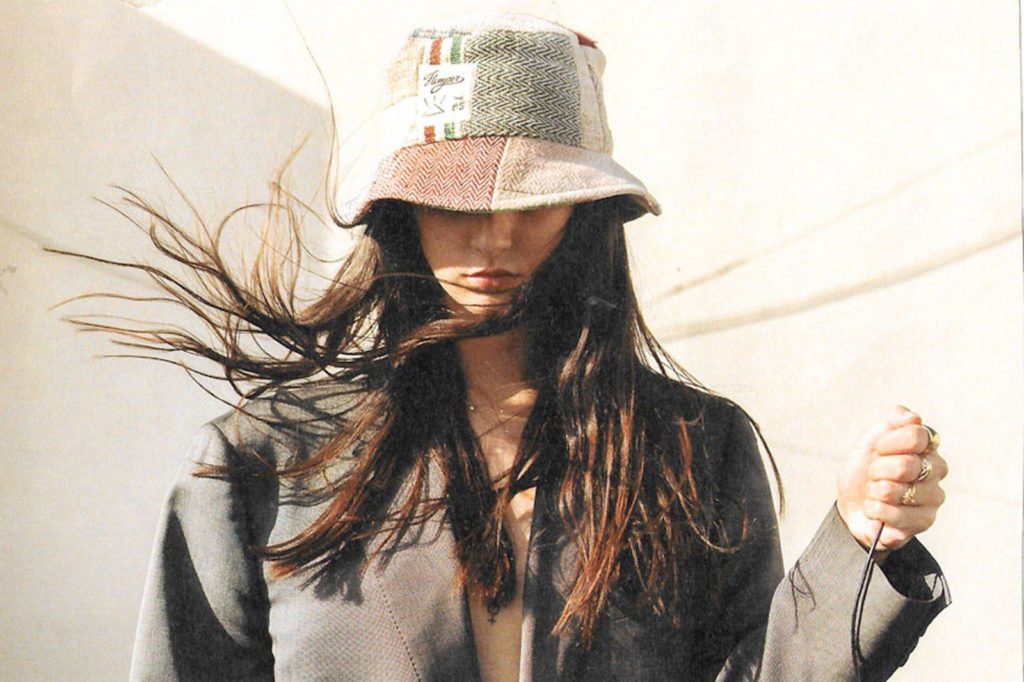
Credit: Hemper Handmade | veo.world/hemperhandmade

Much of the appeal of fast fashion comes from being able to rock the same trends as your friends, your favourite celebrity, or influencer. We get it, being able to emulate the people you admire can feel empowering, especially when those Instagram likes start pouring in! But the confidence boost you get from creating your own unique look; that’s a feeling that doesn’t go away with the next big trend. By developing your own style, not only will you feel more comfortable with what you wear, but you also won’t break the bank (or the planet) buying more clothes than you need, just to throw them away with the new season.

2. Seek out high-quality, versatile pieces

Pin It!

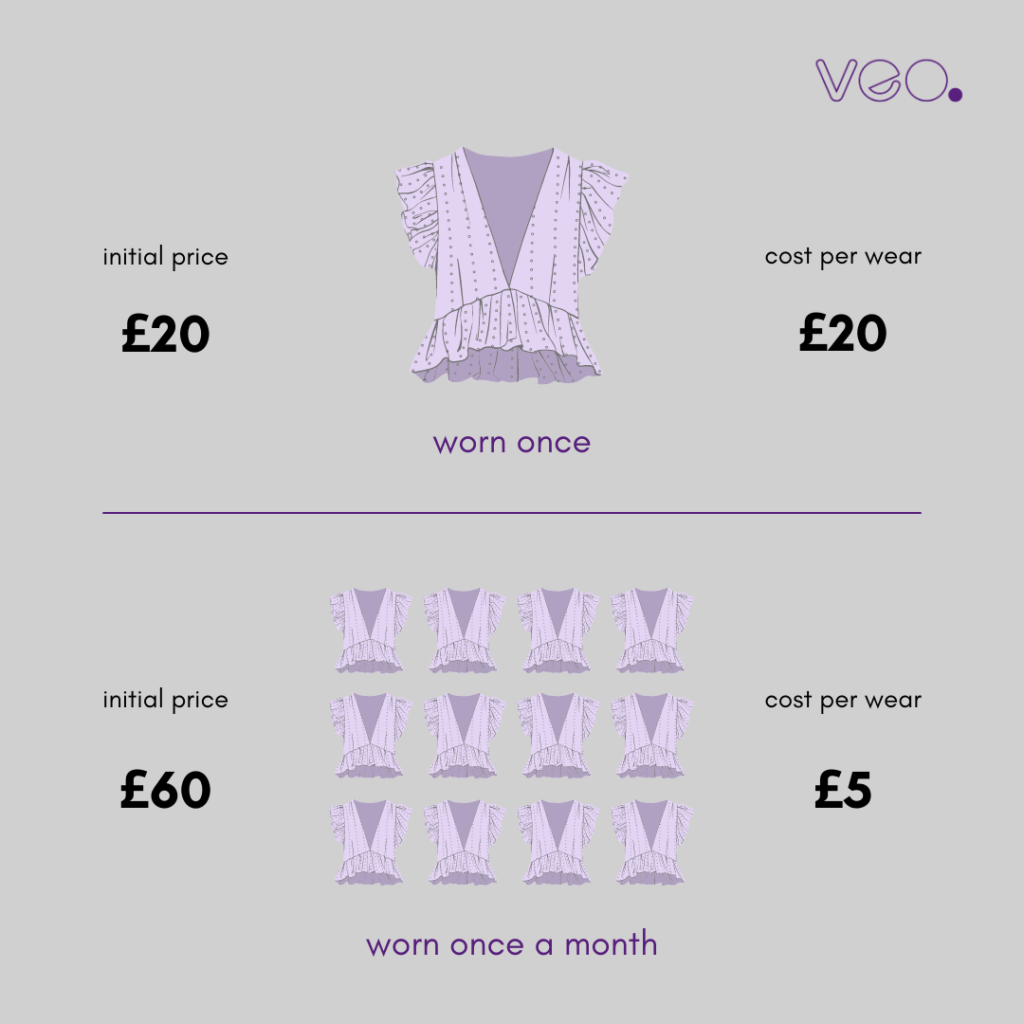
infographic that shows the true cost per wear of throwaway 'wear once' fast fashion culture vs buying something more expensive and high quality which lasts longer | how to make better fashion choices
Credit: Veo

When it comes to making better fashion choices you essentially have two options. Option 1: you can spend money purchasing lots of low-quality pieces that are trendy right now but are cheap enough to discard once the ‘gram has seen them. Option 2: you can spend the same amount of money buying fewer pieces that are high-quality, go with almost every outfit, and will last for the next few years. We are all guilty of thinking we get good value from Option 1, proudly telling our friends the long list of things we bought and getting them to guess how much we got it all for. But it’s not long before all those pieces end up at the back of your wardrobe, never to be worn again. The true value comes from having a wardrobe you can mix and match to create classic outfits that you’ll wear time and time again.

3. Look for environmentally-friendly materials

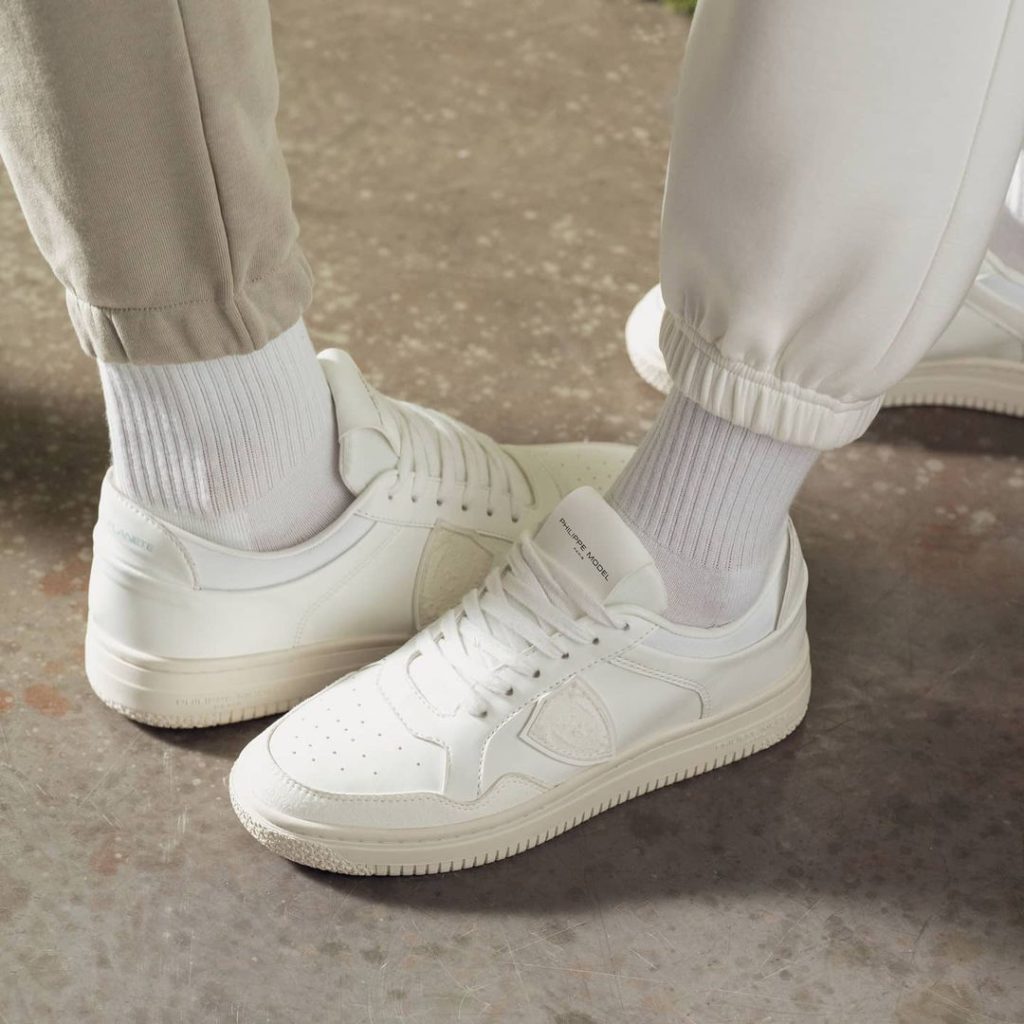
ACBC sneakers made from Bio Skin, a material developed from corn starch | choose environmentally friendly materials: make better fashion choices
Credit: ACBC | veo.world/acbc

It takes around 2700 litres of water to produce just one cotton t-shirt. So if you’re really looking to reduce your impact on the environment, it’s time to take a closer look at the materials in your clothing. Avoid conventional cotton, polyester, acrylic, nylon, and viscose which are difficult to recycle, utilise excessive resources, and release hazardous dyes and microplastics into the environment, disrupting ecosystems. Instead, look for organic alternatives such as organic cotton, organic hemp, and organic linen or recycled alternatives such as recycled cotton or recycled polyester (rPET). Recycled polyester in particular is made from plastic bottles and is therefore, a great way to support the reduction of plastic waste that would otherwise end up in landfill. New and innovative biomaterials are being created every day using anything from pineapple leaves (Pinatex) to grape skins. Check out ACBC, a brand that makes innovative footwear that is comfortable and versatile, made entirely from recycled and bio-based materials.

4. Take better care of the clothes you have

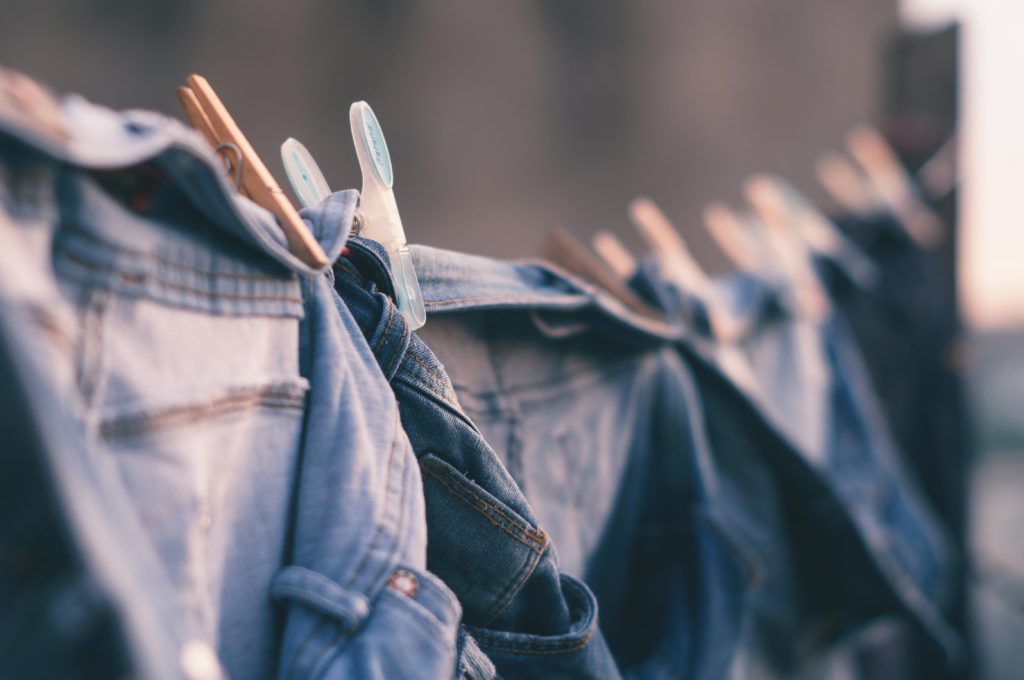
Take better care of your clothes by washing less, learning to repair clothing, air drying your clothes: make better fashion choices
Credit: Bruno Nascimento

Even if you can’t replace your entire wardrobe with eco-friendly fabrics and materials, one thing we can all do is take better care of our clothes. Simple things like checking the care instructions can ensure your clothes don’t become worn out and dull over time. Washing your clothes less frequently in general not only helps maintain the quality of your clothing but is also better for the environment as it reduces water waste and water pollution from detergents and microplastics. Another great way to make your clothes last longer is to learn how to do basic repairs. Being able to replace a button or stitch up a small rip in your clothing means you can avoid throwing away pieces that are otherwise still wearable.

5. If you must buy fast fashion, buy it second-hand

If you must buy fast fashion, buy it secondhand e.g. on depop, vinted etc | make better fashion choices
Credit: Ivana Cajina

While ideally, we’d love to avoid fast fashion altogether, it’s a process. We understand that shopping from sustainable brands only can be a challenging transition due to lack of accessibility, financial restrictions, and more. So if for any reason you have to buy something from a fast fashion brand, avoid creating additional demand by shopping second-hand. There are countless platforms that allow you to buy and resell clothes you are no longer wearing, helping to promote a circular economy. By only purchasing second-hand fast fashion, not only are you keeping these products out of landfill for longer, but it’s cost-effective as well!

And if you’re looking for a platform to get you started on your transition, you’ve come to the right place. Check out our Fashion section to discover the best, fashion-forward, sustainable brands on the market!