Veo and Wearth are now Ziracle. Same mission, better platform. See what's new

Why is sustainable fashion usually more expensive?

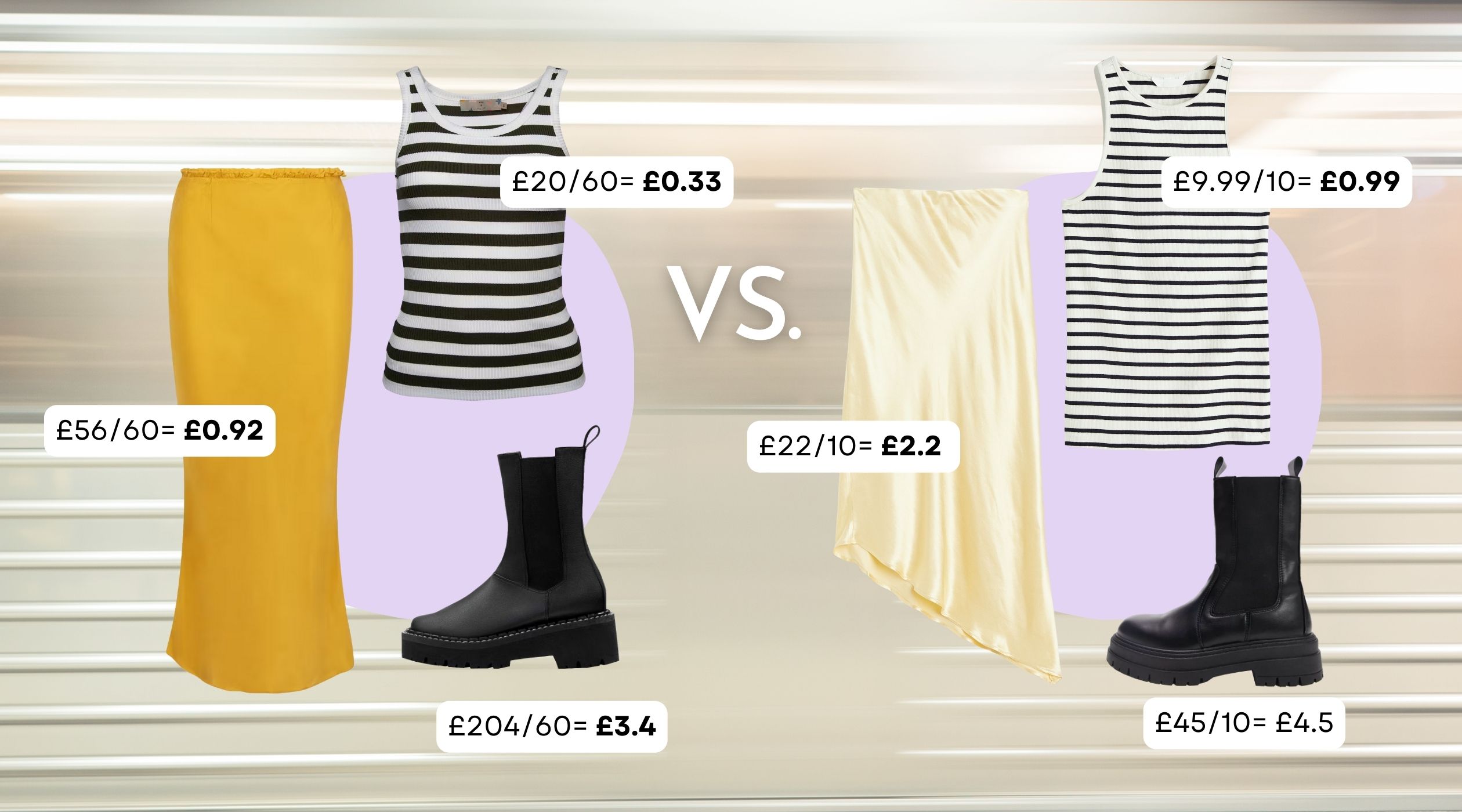
Header image showing flatlay's of similar outfits but one is from Veo and one is from fast fashion brands.||||||||||||||Image shows a Cost Per Wear comparison between 2 yellow slips skirts. The first one is a sustainable option from Veo

It’s no secret that sustainable fashion usually comes with a higher price tag than fast fashion items- when compared directly at surface-level, that is.

However, unlike most fast fashion brands, ethical fashion brands are dedicated to providing safe working conditions and paying fair wages to garment workers. They also use the most high-quality, innovative, and organic materials to produce pieces that are truly unique and long-lasting. Naturally, this is going to cost more than clothing made in exploitative work conditions with poor quality fabrics and finishes.

But while it’s true that sustainable fashion can cost more than the fast fashion prices we’ve become accustomed to; the overall Cost Per Wear (CPW) makes sustainable fashion well worth the investment!

The Buyerarchy of Needs: Steps to consider before buying something new

You may have come across the Buyerarchy of Needs illustration below, created by Canadian artist Sarah Lazarovic. For anyone just beginning their sustainable fashion journey, this illustration depicts the ideal thought-process for determining whether or not you can use what you already have, and work your way through the steps before resorting to buying new. With overproduction and overconsumption still hugely problematic across all industries, particularly fashion, this can be a useful guide to remind us that the most sustainable clothes, are the ones that we already own.
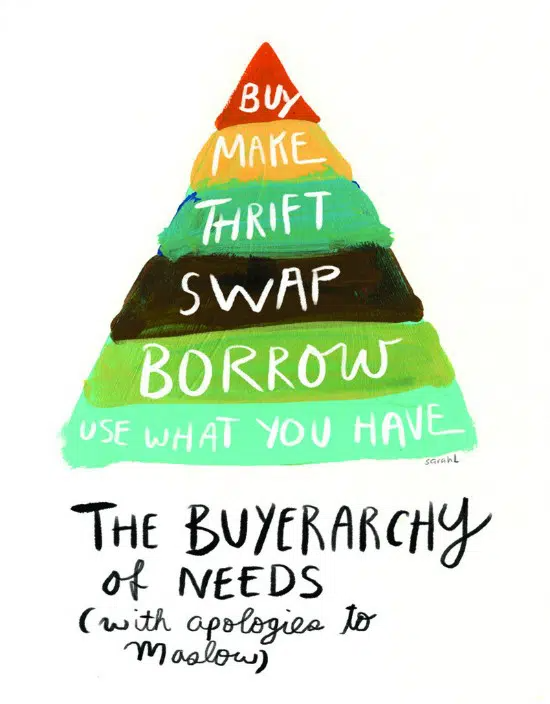
Image shows a pyramid illustration with 6 layers, depicting the stages recommended that we check. Buy, make, thrift, swap, borrow, use what you have.

However, sometimes we do need to buy new, like when well-worn clothes wear-and-tear beyond repair, or if items no longer fit us. In an article by Dave Farber for Medium, Farber identified several reasons people still buy new, including:

  1. Reduced hassle – not everyone has the time or option to shop secondhand.
  2. Provide information – At Veo, we’re transparent about manufacturing and materials.
  3. Lower risk or increase access – as a platform we prioritise choice, quality and accessibility.
  4. Promote wellness – our brands care about the wellbeing of people and planet.
  5. Offer reward or recognition – it’s good to support independent brands and businesses.
  6. Provide opportunity to give back – many of our brands conduct initiatives that give back.
  7. Create belonging or affiliation – become part of the growing sustainable shopping movement.

Supporting independent brands

At Veo, we work with small and independent brands committed to conducting business aligned with our 3 core pillars: KIND, HEALTHY and SUSTAINABLE. Ultimately, as a platform bringing together over 250+ unique and independent brands across Fashion, Beauty, Health & Wellness, Home, and Food, we know just how passionate our brands are about their craft, products and wider social purpose and impact.

For example, 1 Tree Cards plant a tree for every purchase, with the sale of every Ocean Bottle, 11.4kgs of plastic waste is collected, we offer footwear and bags made from recycled plastic bottles, and fashion brands that operate within a fully carbon-neutral supply chain. All of the brands we work with provide fair living wages and secure, decent working conditions, because sustainability also encompasses the ethics and wellbeing of people. Supporting local and independent business really does benefit everyone.

We thoroughly assess and vet all our products and brands, we do the research so you don’t have to. That’s why we’re a Certified B Corp® – scoring in the top 5% globally – and we’ve been Ethical Consumer’s most ethical online retailer for 3 years running. We’ve done the leg work for you. Now it’s your turn to consider your own consumption habits. Ask yourself, ‘what’s more important to me when buying clothes, quality or quantity?’.

Quality > quantity

Quality over quantity couldn’t ring truer when it comes to shopping sustainably.

Fast fashion has warped our perception of what it costs to manufacture clothing and in turn, what is deemed ‘affordable’ fashion. Whilst fast fashion is essential for some, many people claim that they’re unable to make the switch to sustainable fashion due to it being too pricey. But what many also don’t recognise is that they’re trying to mirror the obscene overconsumption fast fashion prices enable. Sustainable fashion is deemed unaffordable, because many wish to maintain their levels of fast fashion consumption. But without addressing overconsumption, there cannot be real sustainability.

Fast fashion, even fast homeware now, tricks us into believing a false narrative of micro-trends, whereby the things we buy and love one week are, by design, already aesthetically ‘outdated’ by the next. With the terrifying rapidity of changing trends, it’s never been more important to find your style. Through finding our own style, we can become more conscious about what we consume, how often we consume and where we choose to shop. Most importantly, we are able to use our spending power more wisely, by investing in quality pieces that represent who we are, and bring value into our lives beyond the copy-cat confinement of trend-led pieces.

“Fashion is transient, trends come and go. I believe in style, not fashion.”

Ralph Lauren

What to do when buying new

Matching reduced consumption with better consumption, when an occasion to purchase new arrises, is the key to a sustainable future. True to our values, we don’t believe that you should have to compromise on choice when it comes to sustainably, and we’ve already debunked the ‘sustainable fashion is boring’ myth!

The Cost Per Wear Calculator is a fantastic tool to understand just how much we’re really getting for our money when buying a garment. Cost per wear is a term used in clothing to describe the cost of an item for every time it’s worn. In other words, the more times an item is worn, the lower the cost per wear is going to be (Calculator Academy, 2022).

In premise, it looks a little something like this:
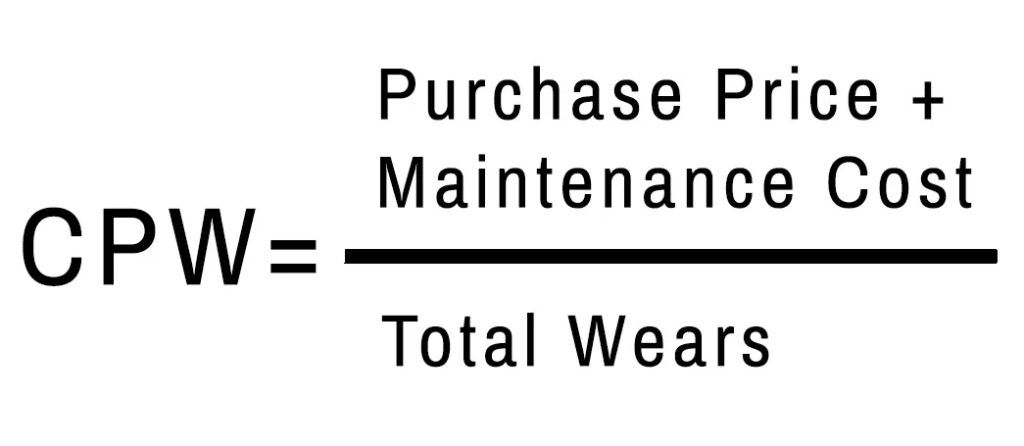
The average fast fashion piece is worn just 7 times before being discarded, whether due to it’s poor manufacturing and material quality, or being deemed ‘outdated’ due to the trend-cycle. Which means that while it may cost £20 to buy a dress from the high street, the overall Cost Per Wear is often much higher than that of a sustainable fashion piece. An ethically made dress may require a higher upfront investment of £80, but with versatility and durability as the highest priority, this one dress can last through years of wear, making the overall CPW significantly lower in the long run.

Cost Per Wear: Veo VS. fast fashion

To help you visualise how this works, we’ve pulled together a few examples that highlight the environmental credentials of shopping sustainably, but also shows how it can be the more economically viable option too.
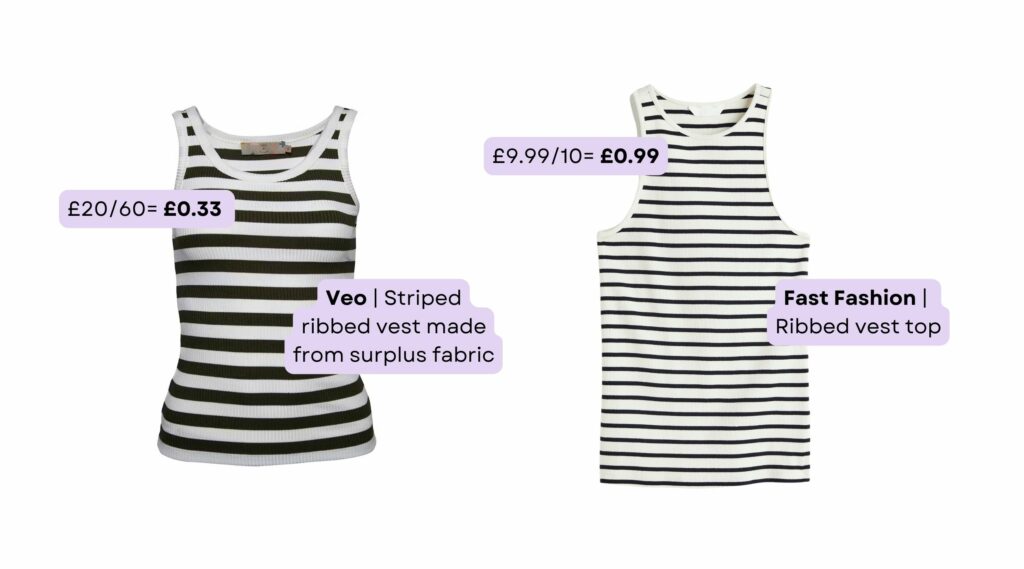
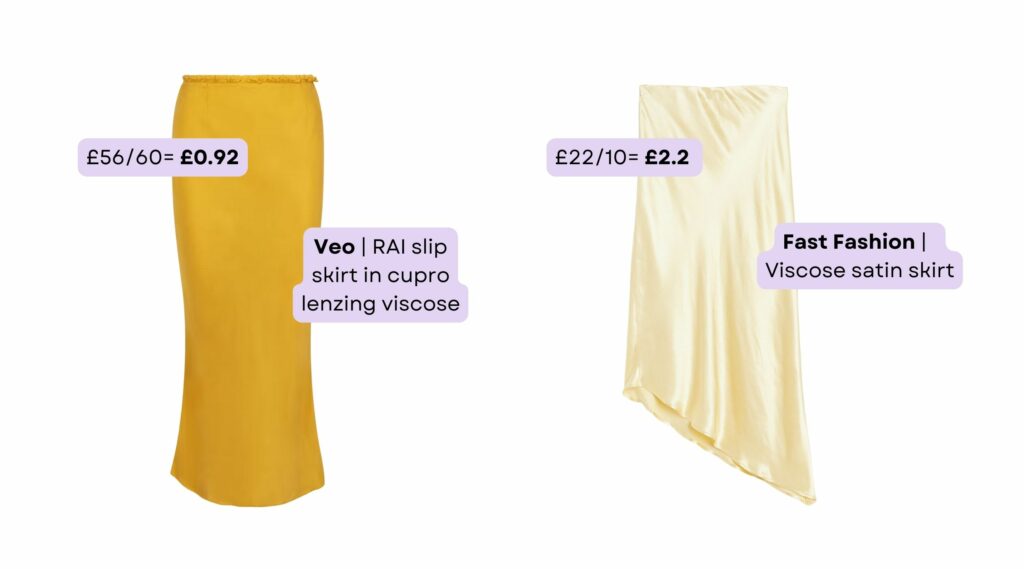
Image shows a Cost Per Wear comparison between 2 striped vest tops. The first one is a sustainable option from Veo, which is cheaper overall vs an alternative from a fast fashion brand which is more expensive per wear.
Image shows a Cost Per Wear comparison between 2 yellow slips skirts. The first one is a sustainable option from Veo, which is cheaper overall vs an alternative from a fast fashion brand which is more expensive per wear.
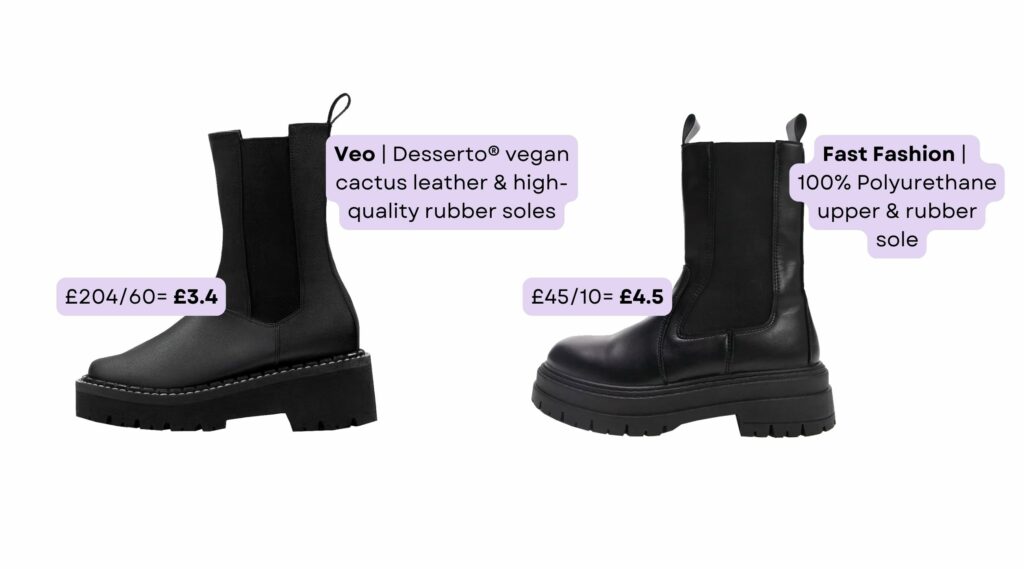
Image shows a Cost Per Wear comparison between a pair of plant-leather vegan boots from Veo, vs an alternative plastic pair from fast fashion. The Veo boots are cheaper per wear.

Sustainability is about progress, not perfection

It is not our place to judge. Nor is it our place to tell you how you should spend your money. We are here quite simply, to help educate, inspire and enable people to shop more sustainably.

Let’s be real, we all want to do our bit for the planet. The looming threats of climate change are increasingly present in all our lives and to be quite frank, we simply can’t afford to be compliant with inaction.

But when it comes to shopping more sustainably, it can be overwhelming to either know where to start or feeling like we’re not doing enough. So, here’s a few helpful reminders:

1. Start small, think big.

2. “Buy less, choose well, make it last” – Vivienne Westwood.

3. Do your own research (The True Cost is a great documentary as a starting point).

4. Demand better and accountability from businesses, brands, celebrities and world leaders.

5. PROGRESS OVER PERFECTION

On a mission to make sustainable shopping easy, accessible and the norm, we adhere to important rules. This means no greenwashingno fast fashion, and no products that are produced irresponsibly.

As a business, we strive to minimise our environmental impact and make it as easy as possible for you to access all your favourite and essential things, from independent brands who are addressing pressing environmental matters. We know we’re not perfect and there’s always room for improvement. But we are always in pursuit of progress, as we hope to inspire you, our community and beyond to also be.
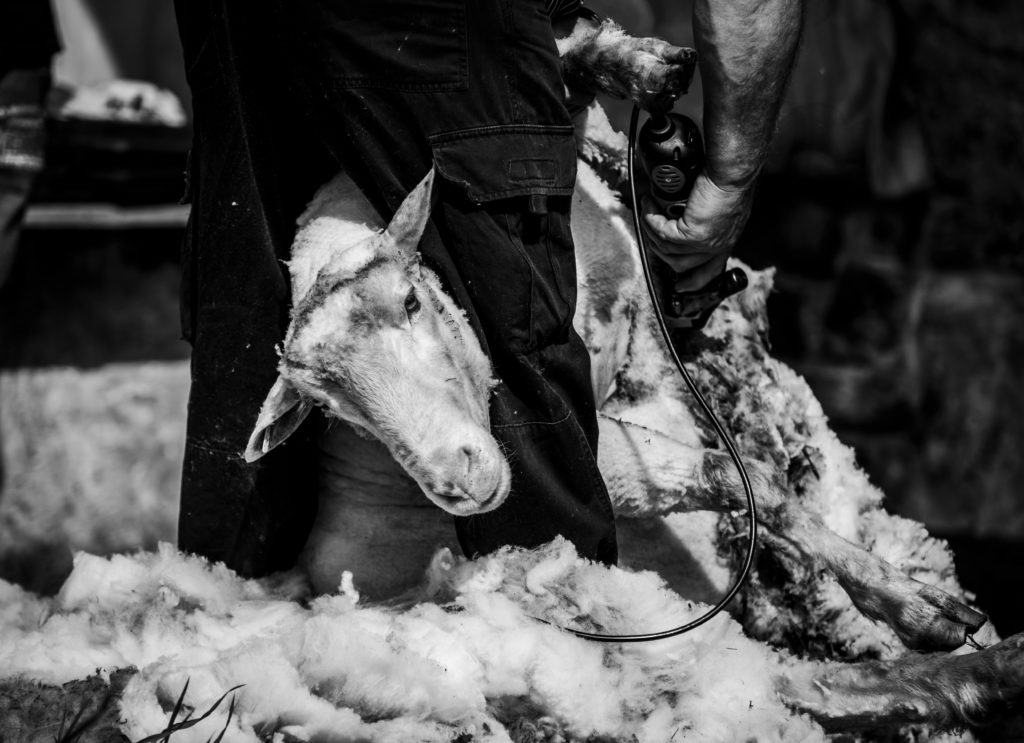
Is sheep wool good for people and planet?

|||||||

November kicked off with World Vegan Day on the 1st, a welcome reminder of the importance of opting for plant power. When it comes to vegan clothing, the leather debate is often a hot topic and one which both consumers and brands are already highly engaged. Attempting to answer the question ‘Can Leather Ever Be Sustainable?’ is something we’ve also deep dived into before.

The thing with animal leather, is that it can only be attained when an animal is killed, typically a cow. The death of another living being is an essential step in the production of animal leather. Whilst there are complex nuances to the ethics surrounding pleather (often made from PVC), there are many innovations in the form of plant-based leather that are helping to drive the way for truly ethical and sustainable leather alternatives.

But of course, leather isn’t the only animal-based material present in fashion. Sheep’s wool, cashmere (goat) and alpaca wool are also frequently occurring fibres in our clothing. The key distinction between these and leather, is that the animal itself does not have to be killed to obtain the material. In that regards, it would seem that clothing made from such animal fibres are more ethical. So, is this true?

Why did we use animal fibres in the first place?

Natural fibres have traditionally been used in all cultures of the world to meet basic requirements of clothing, storage, building material, and for items of daily use such as ropes and fishing nets. The fibres used often depended on the local availability (Textile School).

Animal fibres such as wool, cashmere and alpaca are also highly regarded when made into garments, for desirable properties such as “soft touch, warmth, beautiful drape, excellent comfort in wear and, using modern synthetic dyes, unparalleled colouration possibilities with very few shade restrictions” (Bruce A. McGregor).

Wool alone currently accounts for 0.9% of the world’s global fibre market. In 2021 around 1.2 billion sheep produced around 1,945 2 million kilograms of raw wool for home and clothing textiles (IWTO).

The wool pulled over our eyes

The practice of obtaining wool and sheep shearing is, for many, underpinned by positive mental imagery, with sheep roaming freely across the countryside, with the occasional shearing to maintain their coats and keep the comfortable. As idyllic this mental image is to believe, it’s sadly often not the case.

A few years ago, ethical clothing company Patagonia discovered animal cruelty practices in what they had believed were ethical farms. The world has also been shocked by many undercover exposés revealing mulesing and tail docking, painful “surgical” practices legally performed with often with no pain relief (Good On You).

According to the RSPCA, mulesing is a painful procedure that involves cutting crescent-shaped flaps of skin from around a lamb’s breech and tail using sharp shears, making mulesed sheep less susceptible to flystrike in the breech area. Mulesing is usually carried out during lamb ‘marking’ when the lamb is between 2 to 10 weeks of age, which can encompass other painful procedures that are carried out at the same time: tail docking, castration (removing testicles in ram lambs), ear notching or tagging, and vaccinating.

Aside from concerning ‘standard’ surgical practices, there are also sustainable considerations to take into account when it comes to wool, as it is the highest greenhouse gas emitter during the fibre production phase compared to all other fabrics. Sheep release huge amounts of methane into the atmosphere, which directly contributes to greenhouse gas emissions and therefore, global warming (Sustainably Chic).

The importance of nuance in difficult conversations

As part of their ongoing ‘#IMadeYourFabric stories campaign, Fashion Revolution shared an Instagram post of a sheep farmer holding a sign saying ‘I Made Your Wool’. However, the post was met with criticism and backlash with comments like “Sheep made the wool… Not humans.”, “Exploiting animals isn’t something to be proud of. There’s other alternatives.” and “Total ethics fashion protects everyone: people, the planet, and animals — who are not commodities ❤️”.

Despite the campaign helping to bring a voice and transparency to the people in our fabric supply chains, the comments demonstrated a shift in attitudes towards how we consumers view animals (moving away from them being a commodity to sentiment beings). Of course, farmers need to make a living, but in this day and age, there are more future-proof options becoming available. Research conducted by The University of Sheffield (2020), found that sheep farmers would no longer need government subsidies if they allowed land to return to forest. Sheep farming is currently unprofitable without subsidies, but farmers could earn money by growing trees and selling carbon offsetting certificates – just one alternative which would benefit sheep and the planet.

Personal ethics will naturally also play a role in what you do or don’t deem to be ethical. However, with so many plant-based, natural fibres available to us, the justification for using virgin animal fibres seems less and less excusable or necessary. The industrialised scale of farming for animal fibres is increasingly seeing animal welfare and wellbeing compromised in pursuit of profit. When animals are deemed nothing more than a commodity for human use and disposal, their unique and individual sense of being is diminished.

If we stopped breeding sheep for our own use and abuse, eventually only wild sheep who don’t need shearing would exist and they would be able to live freely (Animal Liberation).

So what are the alternatives?

Granted, sheep wool is a more biodegradable choice than oil-based synthetic fibres. However, when we take all available fibres and materials we have today, it still ranks poorly for both ethics and sustainability, in comparison to plant-based natural (i.e. organic cotton) and synthetic (i.e. Tencel) fibres.

There are ways we can limit the need for virgin wool and other animal fibres thanks to both more mindful consumer habits as well as innovations and suitable alternatives in the forms of plant-based natural fibres or even lab grown fibres.

Many people also believe wool to be an essential material for knitwear. But we are living proof that we no longer need to rely on- better yet, exploit- other living beings to produce the materials for our clothing.

Knitwear for the modern era: Genes

Many of us may have or still do associate wool as a necessity for cozy and stylish knitwear, but we needn’t have. There are so many vegan-friendly alternatives that offer all the same qualities to the wearer, without any of the exploitation.

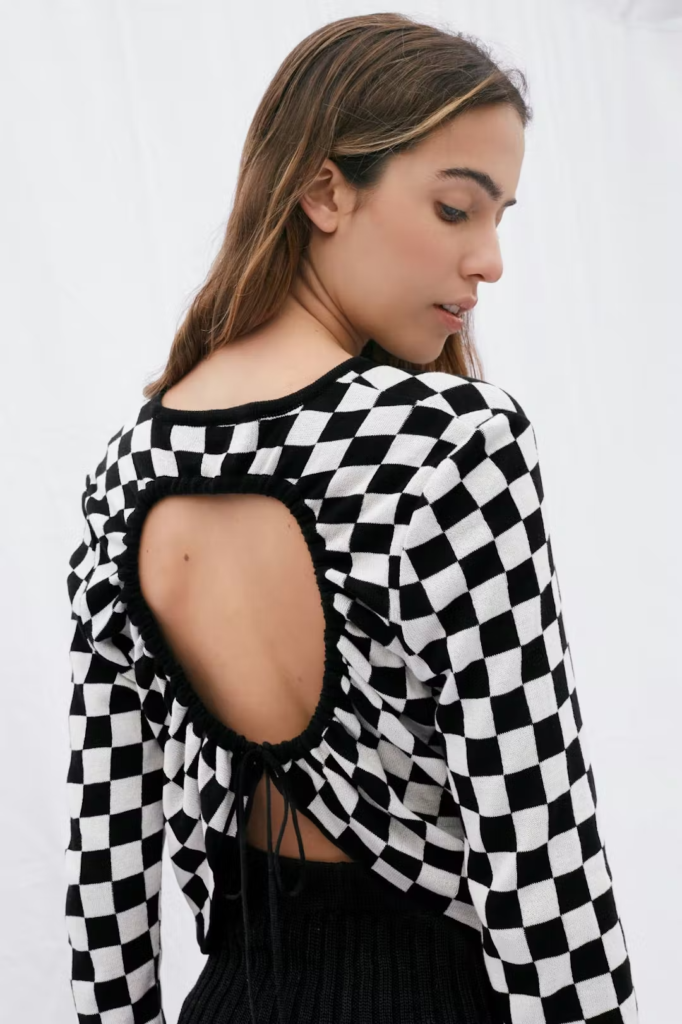
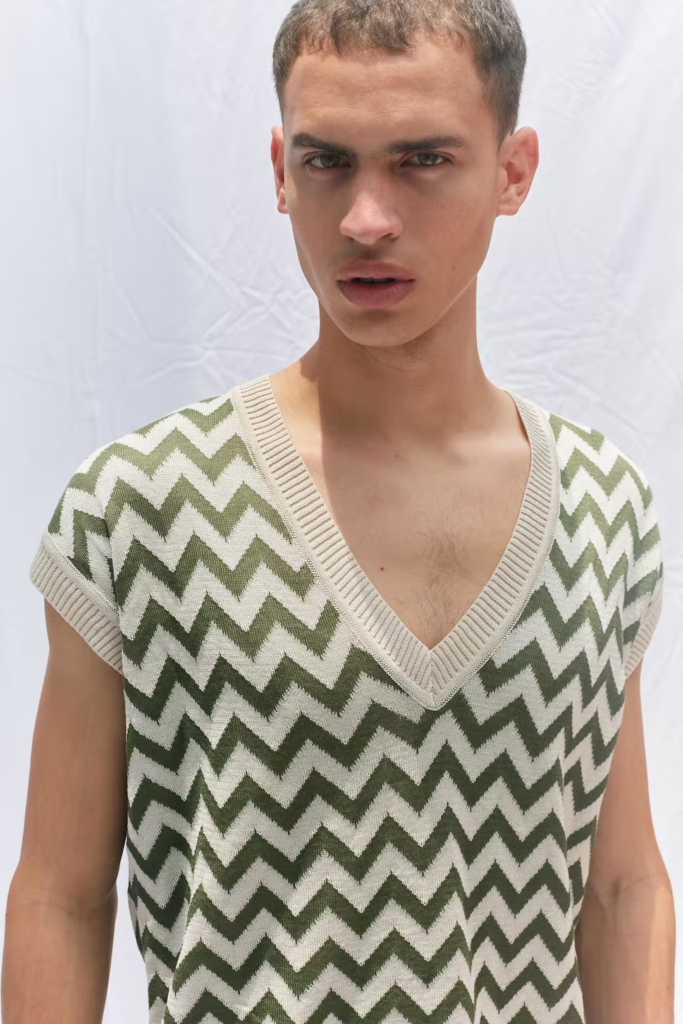
One of our the newest additions to our growing Veo family is an example of just that. GENES is a long-lasting knitwear brand created and based in Lima, Peru. They make pieces only with natural fibres to ensure their quality over time and to reduce their impact on the environment.

The brand’s mission is to offer long-lasting knit garments, bringing awareness to the impact of slow fashion in caring for our environment, opting for materials like Peruvian Pima cotton.

Their goal is to inspire people to select rather than accumulate and to promote responsible consumption. That is why they produce timeless garments designed to be worn and kept in good condition through the years. Each piece is inspired by nature and art for its colours, fluidity, spaces and shapes. GENES was born out of a love for versatility and visual experience.

Good things are worth fighting for

When it comes to making changes across the fashion and textiles industry, there’s rarely ever quick fixes. Farming, production, manufacturing and distribution systems are global, intertwined and complex. Therefore, given the current dependency on animal fibres, making the switch or transition away from them is not going to happen overnight. But brands like Genes, alongside countless others (like Will’s Vegan, Tikauo and Komodo), are proof that the future doesn’t have to be animal dependent. We can still access beautiful knitwear, soft fabrics and textiles, without the need for sheep (or any other animals for that matter).

The Rise of ‘Conscious Consumerism’

Conscious Consumer in nature||||Nature is healing meme of cow in the ocean|slow shutter speed timelapse photograph of a shopping centre full of shoppers|Shopping Mall

The coronavirus pandemic has drastically altered every aspect of our lives in the past year and it seems like a lifetime ago that people were panic buying toilet roll and the shocking tale of Tiger King was on the tip of everyone’s tongue. 

It has very much felt that in times of such uncertainty, little growth occurs and hopes dwindle amidst the (what feels like) everlasting peril of the pandemic. However, this has not necessarily been the case. 

Yes, there has been loss – and a lot of it, but we have and continue to emerge stronger and stronger. The iteration of the pandemic as ‘the nation’s (or the world’s) struggle’ rings true and comparisons between COVID and the Second World War are most certainly here to stay. It is in these comparisons where we find a deep sense of community. Thanks to the internet, people have been able to be together, even when they are apart and a relative degree of normality has been maintained for the majority of us. More people joined Facebook groups in 2020 than ever before, many of us have taken up new hobbies as a result of the successive lockdowns, and some have reconnected with those they had lost touch with. 

And whilst it is evident that the Coronavirus pandemic has rekindled localised communities, many of us have also turned outward and looked at the wider picture. Evidence for this lies within the rise of ‘conscious consumerism’. 

What is a conscious consumer?

The ‘conscious consumer’ is something that has increased tenfold over the duration of the pandemic and relates to the choices we make when we shop. People have begun to take more notice of the way businesses operate, which materials they use, and the environmental impact of our current production methods. The conscious consumer may be into ethical fashion, natural skincare, plant-based eating and so on.

The conscious consumer will typically look at the origin of products and how the item has been produced; whether the supply chains themselves are ethical (for instance, no slavery conditions, child labour, a fair & living wage is being paid and so on); what ingredients/materials the product is made from (is it using animal by-products, how are the fabrics or ingredients sourced); and whether there are positive social or environmental impact benefits from buying the item (supporting local or small business, cottage industries, community outreach, charity or social enterprise, etc). Big companies and corporations have rightly been under heightened scrutiny during the pandemic, as cramped working conditions for face mask producers, warehouse operatives and even some supermarket assistants have highlighted how little some companies seemingly care for the health and wellbeing of their staff. 

These are all factors conscious consumers consider when they buy almost anything. 

What brought about the conscious consumer?

The conscious consumer has been around for decades and is most certainly not something new. However, the reason conscious consumerism is on the rise is directly linked to the pandemic. 

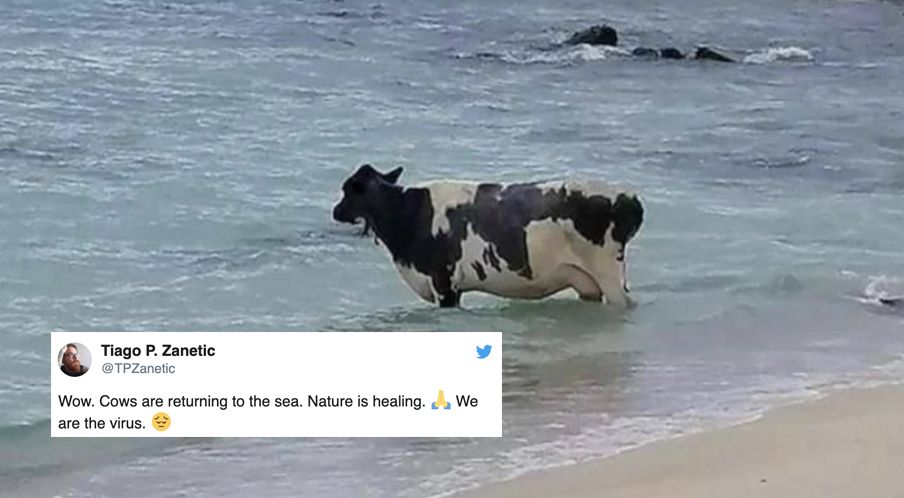
Now, remember when the first lockdown happened, factories and shops closed, the economy ground to an almost virtual halt, and we saw memes like this;

Nature is healing meme of a cow in the sea
Tiago P. Zanetic’s Tweet of a ‘Nature is Healing’ meme

These hilarious memes were referring to the drastic decrease in pollution that occured in a matter of weeks after the pan-national lockdowns were called. Animals began to thrive and centuries’ old smog had cleared from the world’s largest cities as air travel and other travel was at an all time low. 

After witnessing the environmental impact of the lockdown, many people were shocked to see quite how much the planet was being harmed and made incredible changes to their lifestyle. 

People began shopping locally, supporting small businesses. Many of us invested more time looking into the businesses we are buying from, making more informed decisions on the products we buy, how much we buy and how we buy it.

Drastic lifestyle changes weren’t solely down to the environmental transformation, but also because of the health concerns many of us have with COVID. 

Now we are in 2021, some really interesting facts have come to light about the drastic shift in plant-based consumption. Last year, Deliveroo saw a huge increase in plant-based orders (around 163%!) and this year’s Veganuary has had over 500,000 sign ups…double the amount of 2019! Many polls and surveys conducted on the topic of health consciousness have also seen the health kick trend take off as many of us look for alternative ways to boost our immunes. 

However, you don’t need to do everything perfectly as a conscious consumer. Many of us are starting to make small changes to our lifestyle – some of us because of COVID – to either help our health or our environment, or both! 

Some things you can do to ensure your buying decisions are more conscious and you are positively contributing to the environmental cause includes:

Questioning whether the item you are buying is fair trade and cruelty-free.

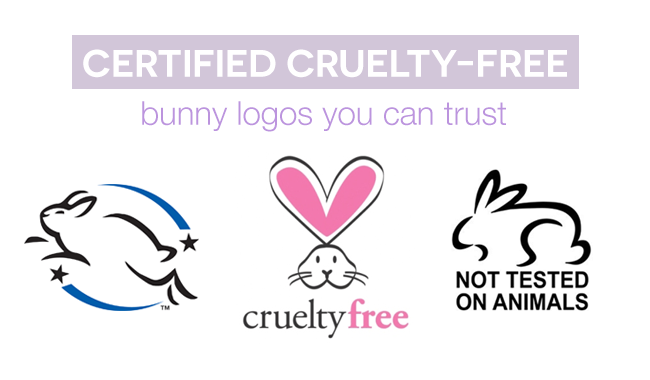
This is an important one for conscious consumers and is an easy thing to look out for. The fair trade and cruelty-free symbol put on many items from food to cosmetics is recognisable to the majority of us and is a good indication that the item was sourced ethically, with people and animals in mind.

cruelty-free bunny logos

Look out for recycled, organic, natural and repurposed materials.

Recycled and repurposed materials and items, such as Ecowings’ bags made out of inner tube tires, vintage clothing, recycled paper and so on are obviously great for the environment because they minimise the amount of waste put in landfills. What’s more, vintage and recycled clothing is more fashionable than ever, so why wouldn’t you switch to second hand!

Additionally, organic and natural materials are easily decomposable, resulting in less landfill waste taking years and years to decompose. 

Buy less, but better quality.

This may sound like an obvious one, but buying less but better quality is integral to ensuring our buying habits are more sustainable. The higher quality items we purchase, the less they will need replacing. Take Primark versus Origin for instance. Origin is made from natural materials and is built to last, whereas Primark takes the more ‘wear once’ stance which is incredibly harmful to the planet as it creates more waste. 

Eat less meat and dairy.

Reducing the amount of meat and dairy intake will drastically improve your health, alongside reducing your carbon footprint! After just 1 month of plant-based eating an individual will: 

  • save 33,000 gallons of water 
  • the destruction of 900 square feet of forest 
  • 600 pounds of CO2 gas 

Reduce plastic use. 

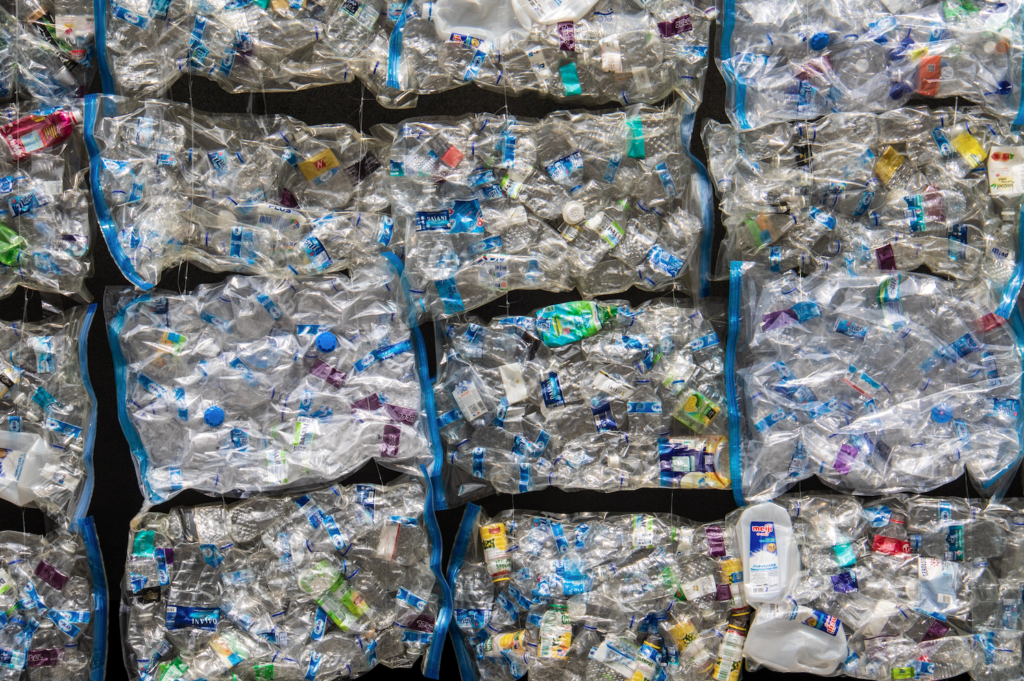
Simple ways you can reduce plastic use is by using reusable bags, bottles and food containers. Although these are small and seemingly miniscule moves to combat the plastic problem, the more people using reusable plastic containers, the less single use plastic we have floating around!

cubes of crush plastic showing the huge quantity of plastic pollution.
Photograph by Nick Fewings

These are some ways you can become a more conscious consumer. Taking the time to think a little deeper into where your necessities and niceties come from can only have a positive effect on the environment and the communities that live within it.