

Veo and Wearth are now Ziracle. Same mission, better platform. See what's new

Amelia Marshall

Amelia Marshall has published 4 articles

Author Journal

Beautiful smiling woman with healthy skin and hair|||||||||

Live Well

Skinimalism: what is it and how can you achieve it?

By Amelia Marshall ·

March 26, 2026 ·

Food & Gut health||blue bacteria||body

Live Well

How food can improve your mood: the Biology

By Amelia Marshall ·

March 26, 2026 ·

Compostable vs Biodegradable vs Recycling||||Plastic bottles
Conscious Consumer in nature||||Nature is healing meme of cow in the ocean|slow shutter speed timelapse photograph of a shopping centre full of shoppers|Shopping Mall

Live Sustainably

The Rise of ‘Conscious Consumerism’

By Amelia Marshall ·

March 26, 2026 ·

Skinimalism: what is it and how can you achieve it?

Beautiful smiling woman with healthy skin and hair|||||||||

Skinimalism is a term you might have heard being thrown around recently on social media, and as one of Pinterests top predicted trends for 2021, it is likely to stick around. But what does it actually mean? What constitutes skinimalism and how can you achieve it?

What is skinimalism?

Skinimalism is essentially the return to natural beauty, adopting a minimalist stance on what lotions, potions and makeup you put on your face and hair. The movement stands up for textured complexion because, let’s face it, no one has poreless skin! The ‘skinimalism’ movement is part of the wider ‘true beauty’ movement, which advocates for plus sized models and champions greater diversity in the beauty industry. 
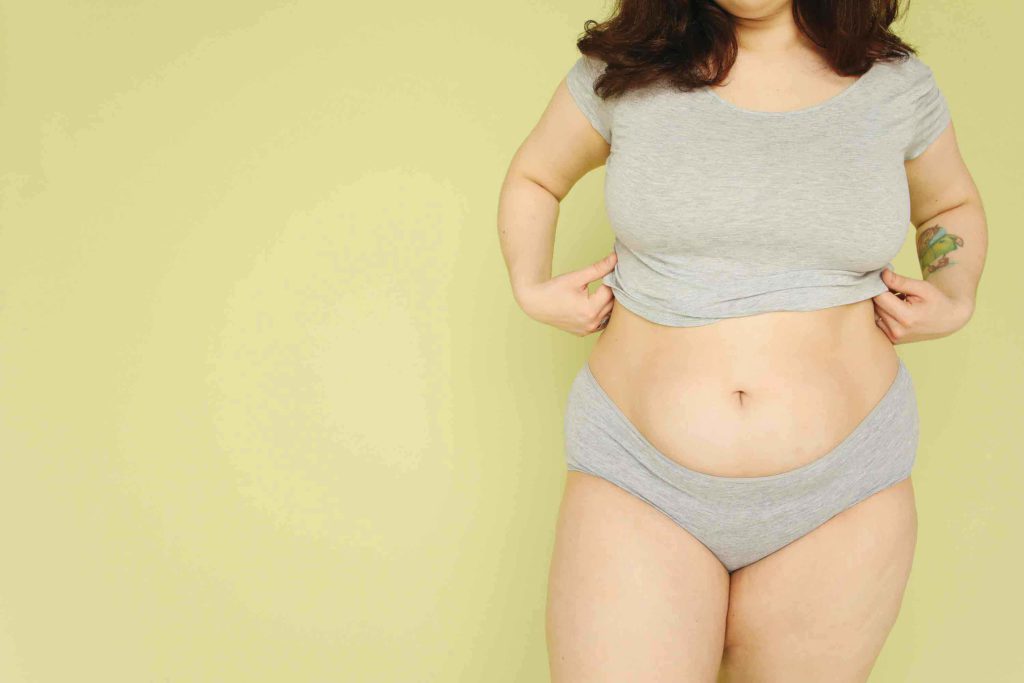
shapely woman in grey underwear against a greeny-yellow background showing that beauty comes in all shapes and sizes.
Credit: Polina Takilevich

Skinimalism: A saviour?

Sparked by the successive lockdowns living makeup-free and mainly in pj’s, the natural glow is something that more people want to achieve, especially over the past couple of years. Thousands of us are switching out the paint-like foundation for a BB cream or even nothing at all, making the characteristic orange line and slug brows, a thing of the past. 

Credit: Snog, Marry, Avoid

Many beauty brands are also catching on, releasing plant-based and natural ranges of skincare and makeup in order to pander to the movement. 

It seems this trend has come round at the right time. With platforms such as Instagram and Snapchat, influencers and celebrities alike are promoting the filter-heavy unnatural look, which is largely unattainable for the rest of us. It goes without saying the perfectly polished images of themselves have severe mental implications for people who are consuming this content, with young people being most at risk.

However, these mental health implications are not new. The overly polished imagery of models that appeared on billboards and in adverts have caused a pan-national crisis of people believing they are not beautiful enough because they are aspiring to unnatural beauty standards. But, since the video where a slice of pizza is turned into a woman on photoshop went viral, we became more aware of the power of photoshop and how most images of models are manipulated to present an image of perfection. 

This is where skinimalism takes a stance. Skin texture, enlarged pores, wrinkles and so on are to be embraced, creating much more realistic and attainable beauty standards for the average Joe (or Jolene). 

The skinimalism movement is also good news for those of us who suffer with skin conditions. In recent years, the acne positivity movement has increased and notable hashtags such as #freethepimple have created a community of people who are embracing their natural beauty, not hiding it. 

girl with textured skin and acne scarring, highlighting the acne positivity movement
Credit: Nicole aka, @theblemishqueen

So, all this talk of skinimalism, but how can I achieve it?!

Skinimalism is stripped back and this is the first port of call – stripping back. This takes on a few forms, including physically cutting down on the makeup and also taking a look at the ingredients in your cosmetics. The movement favours natural ingredients that are proven to help tackle skin problems and contribute to healthy skin, such as vitamin C, Rosehip oil, Argan oil and lavender. 

At Veo, we like to ensure all our health and beauty range aligns with this minimalist approach, so we have drafted together some of our favourite pioneers of the skinimalism movement.

Skin care:

KINDBEEUTY
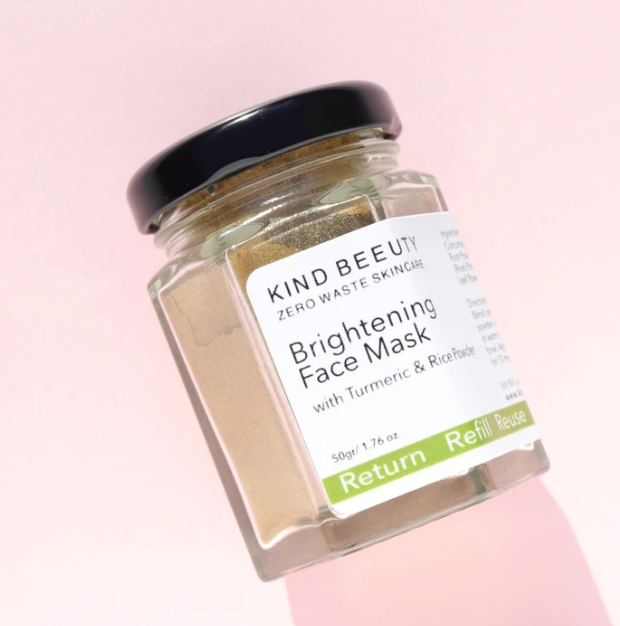
KIND BEEUTY brightening facemask against a pink background
KIND BEEUTY

KINDBEEUTY is at the forefront of the skinimalism movement, using only kind and natural ingredients to help you achieve that heavenly, golden hour glow. Their range consists of face masks, creams, oils and even hair care, all of which are toxin and paraben free. Additionally, this incredibly altruistic brand champions zero-waste, using only refillable packaging and even offering free postage for the return of empties!

Some of our favourites include:

Brightening Face Mask, 40g, £12.95

Soothing Face Oil, 30ml, £22.50
Flawless

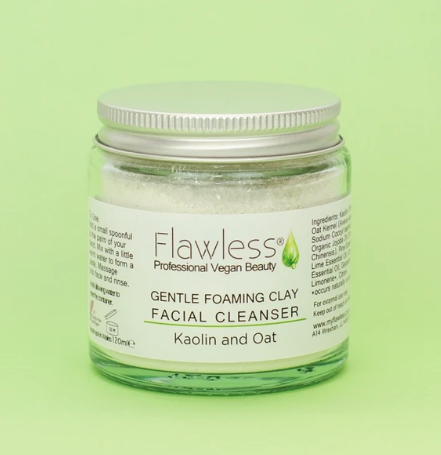
Flawless gentle foaming facial cleanser against a green background
Credit: FLAWLESS SKINCARE

Designed with your skin and the environment in mind, Flawless are the entirely plant-based skincare brand. Each of the products are crafted with natural ingredients, designed to perform the same as high-end, non-natural skincare products. 

Clay Facial Cleanser, 120ml, £14.95

Aloe and Lavender Micellar Water, 100ml, £4.95

Hair care:
Sop

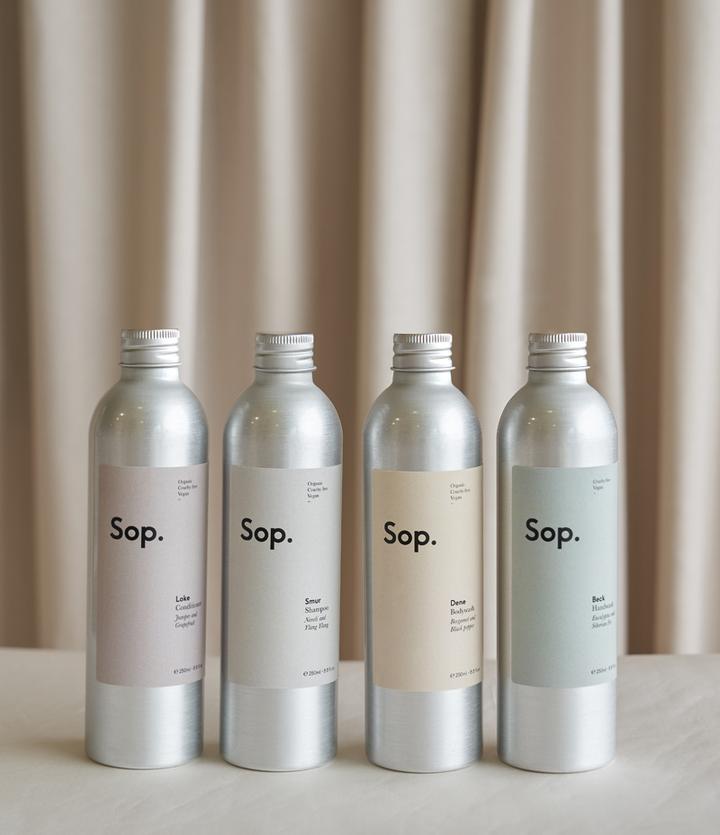
Sop shampoo, conditioner and body wash against a natural beige background
Credit: Sop

The Norfolk-based hair care brand have brought nature into their products, dividing their beautiful range up into 4 components: Smur (a fine drizzle), Loke (a remote track), Beck (a small stream) and Dene (a sandy stretch of coast). All of these plant-based, natural and cruelty-free shampoos, conditioners and bodywash are the naturalists go-to. The minimal packaging is plastic free, with Sop itself being a member of Blue Patch and investors in the local wildlife. 

Some of our favourites include: 

Neroli and Ylang Ylang Shampoo, 250ml, £17

Juniper and Grapefruit Conditioner, 250ml, £17

Makeup:
All Earth Mineral Cosmetics

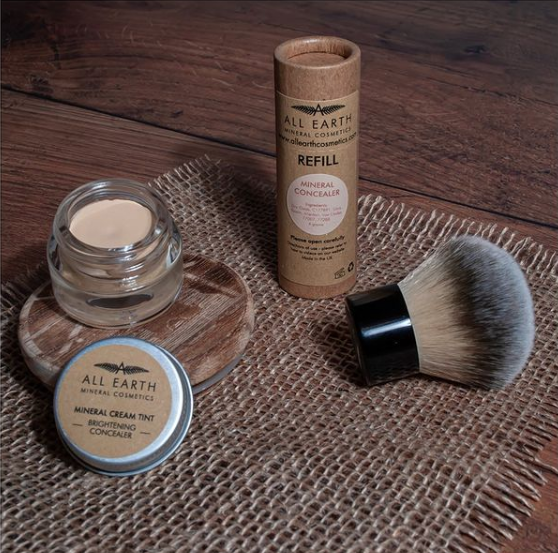
All Earth Mineral Cosmetics' mineral cream tint, concealer and brush on a rustic brown background.
Credit: All Earth Mineral Cosmetics

These refillable mineral pots are perfect for every skinimalist, offering light and buildable coverage to suit every skin tone and type. What’s more, this mineral makeup contains anti-inflammatory ingredients, making this makeup a viable option for eczema and acne sufferers. All Earth Minerals offer a wide range of powdered makeup, from blush and bronzer to foundation and concealer, beautifully finishing off your natural beauty routine. 

Additionally, all these cosmetics are stored in recycled, eco friendly and easily refillable packaging, making these products better for you and the environment!

Some of our favourites include:

Mineral Foundation Pot For Life, £20-£28

Mineral Bronzer Pot For Life, £20

Mineral Contour Powder, £20

All of these brands have been thoroughly checked to ensure all the ingredients are fully traceable and natural. 
Achieving the skinimalism look is therefore more than just removing your makeup and runs deeper than what is on the outside. It consists of taking a closer look at the ingredients you are putting on your skin, returning to natural ingredients, which in most cases, have better properties than their chemical-laden counterparts. Skinimalism also (and most importantly) consists of embracing your natural beauty, letting your skin breathe and showing off those beautiful textures. The skinimalism movement is only positive for the health of our skin and mind, so why don’t you give it a try?!
How food can improve your mood: the Biology

Food & Gut health||blue bacteria||body

We are living in strange times and whilst it may feel as if the end is in sight, for many that brings with it, new anxieties.  We have all changed as a result of Covid-19, we may have reassessed and reprioritised but we may also have become isolated and concerned at reintegrating.

What happens to our body and mind when we are scared?  Let’s take a look into the biology of fear and the impact it has on our immune system.

Introduction

In any situation our brain is pre-programmed to see the very worst outcome, this is a primal defence mechanism to help us to see a way out of a dangerous situation.  This may be helpful when it is to devise a plan to escape from a wild animal but it is not helpful in a situation that is out of our control.  With a continual flow of information (news, social media etc) we have a constant worst-case scenario playing out in our minds. Whilst our mind is envisaging this frightening situation(s) it is very hard to switch into a positive mindset, it is also increasingly difficult to concentrate, focus and function through every day life.   As the current situation continues for some weeks and months to come, this heightened state of anxiety will begin to take a significant toll on your physical and mental health.  This information is designed to help you adopt coping mechanisms and habits to form a new routine and to support your overall health and wellbeing. 

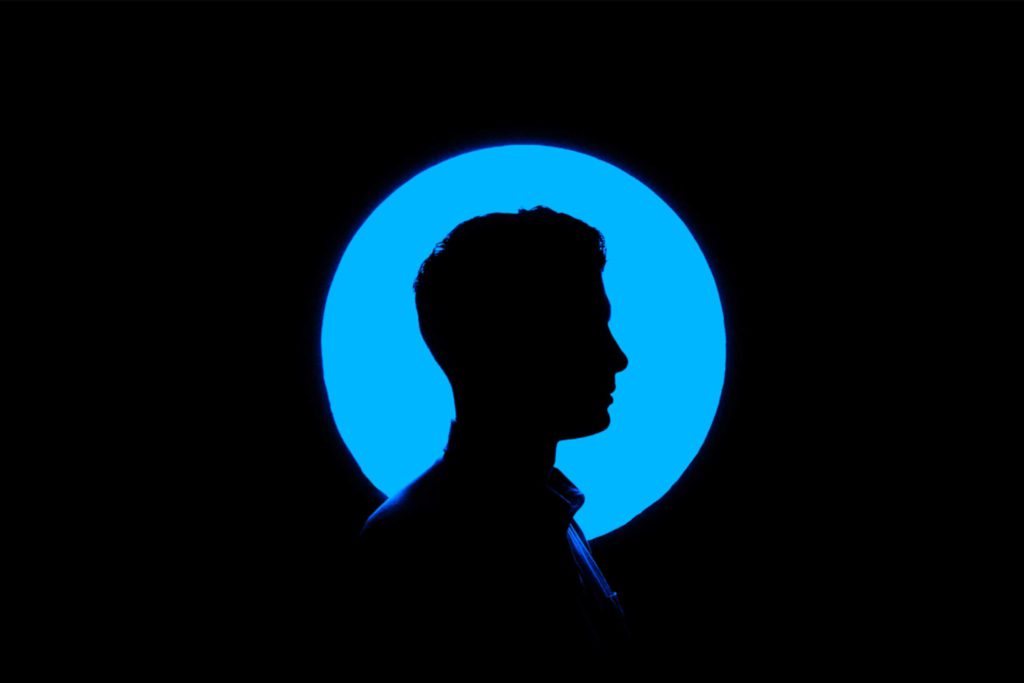
silhouette of a man against a circular blue light
Credit: Ben Sweet

How you adapt to this situation now, how you think, move and eat during this time will have a significant impact on both your physical and mental health for years to come.

Here’s a few reasons why.

Immunity

Our immune system has been brought to the forefront of our attention we all need it more than ever but how it performs when you need it is down to how you feed it.

Everyone is unique, your immune system is no different – why do some people get ill and others not? There are many factors you can influence in terms of your own immune response and even the age of your immune system as this can age at a faster or slower rate than your biological age depending on how you live your life!

The lifestyle factors that impact on your immunological age are;

  • Smoking 
  • Obesity – sorry to say it but being obese suppresses the immune system 
  • Being sedentary is also damaging to the immune system, 
  • What you eat –
    • A particular area in terms of immunity is the health of your gut flora, we know that probiotics can enhance the immune system and that poor gut health is one of the causes of premature ageing, so to support your immune age please take care of your microbiome, this really will support you right now and in the future.
    • Include probiotics such as live yogurt
    • Eat naturally colourful foods 
    • Avoid an excess of sugar and processed foods – this may feel like a time when you deserve some ‘comfort’ food but consider cake, chocolate, pies, sweets, pastries etc are nutrient devoid, detrimental to your gut flora, inflammatory and likely to lead to adipose tissue being deposited around your body and organs.
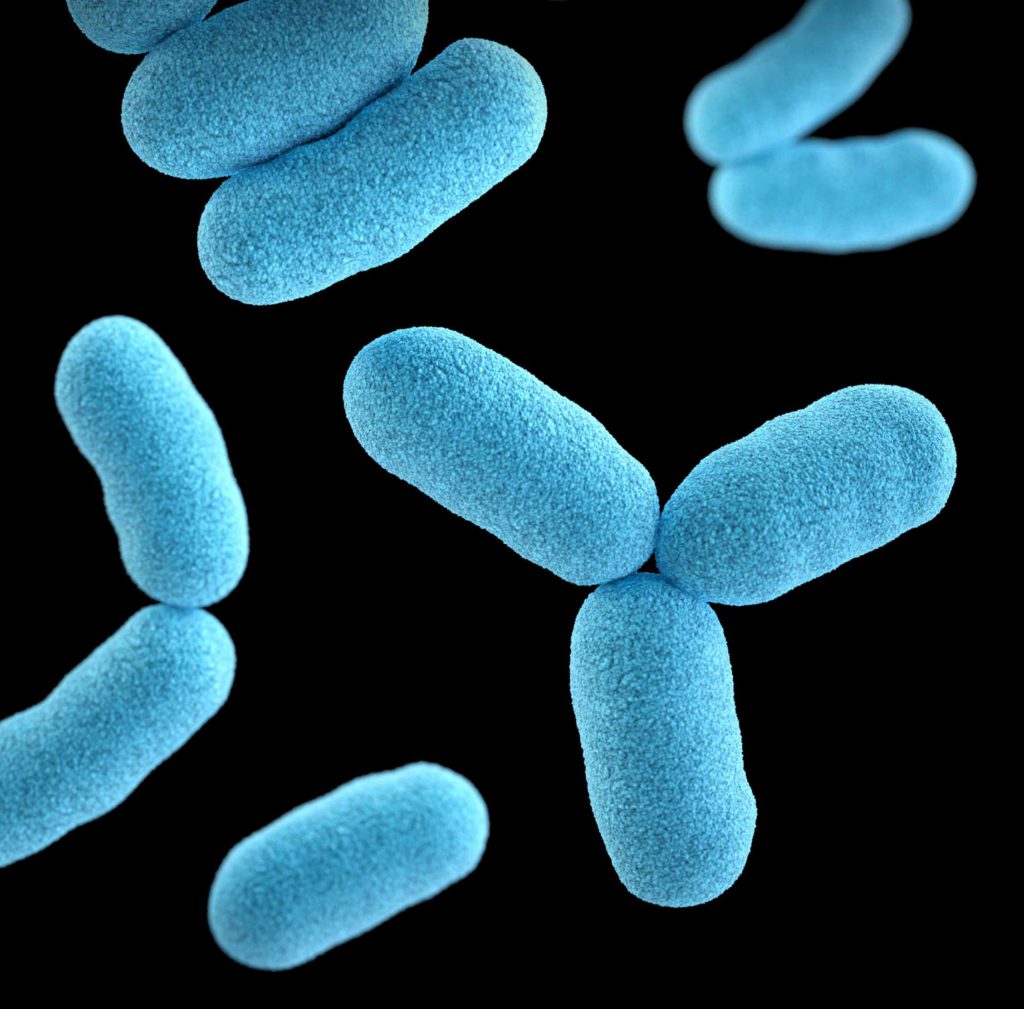
computer generated bright blue close up of bacteria against a black background
Credit: CDC

Immune boosting Information: what does your lifestyle say about your physical and mental health?  If you have a lot of X please try to take small positive steps in each area.

X = detrimental to the health of this area

√= supports the health of this area

Immune SystemMental HealthPhysical healthReason
SmokingXXXSmokers have a much older immune system than non-smokersSmoking increases anxiety and tensionSmoking causes chronic lung conditions Smoking increases the risk of Rheumatoid Arthritis, decreases fertility, depletes you of nutrients (smoking is considered an anti-nutrient) Smoking also weakens your bones and accelerates the ageing process
ExerciseActive muscle tissue has excellent immunoregulatory benefitsMood boosting due to the release of Endorphins Supports and strengthens bones and connective tissuesAids restorative sleepLowers blood pressureAids cognitive clarity Decreases neurodegenerative decline
Being SedentaryXXXThymic decline is linked to physical inactivity and can rapidly accelerate your immunological age.  Not moving is also linked to increased probability of Type 2 Diabetes, some cancers and heart disease.Not moving also accelerates the loss of bone-densityBeing sedentary also raises dementia risk
Stress XXXProlonged stress such as the next few weeks/months can have a huge toll on your physical and mental health – there are many physiological symptoms to look out for – check regularly using our checklist.
RelaxationRelaxation supports the adrenal function which can go into overdrive in times of severe or constant stress.Slowing down and being mindful of the moment has a positive calming and instant effect on your body.
LaughterLaugher reduces stress hormones and raises heart rate to a similar level of moderate exerciseLaughter really can be the best medicine!
Time outdoorsWithin guidelines spend time outdoors, preferably in a garden where you can be distanced – vitamin D is essential for physical and mental health and overall wellbeing.Being around nature also naturally lowers blood pressure.
SleepEssential – whilst it may be a tough time to sleep well, it’s also the time that you need it the most!Poor sleep has many knock-on effects including; elevated stress levels, depleted immunity, increased hunger hormones and low mood.

When it comes to food, there is a lot of nutritional support to fuel your body and support your physical and mental health but, there is also a lot that can do a lot of harm and hinder your bodies immune response and ability to cope with heightened stress and anxiety. Examples below but list not exhaustive!

Foods that harm

  • Sugar/high sugar foods
    • Mood altering (not in a good way!)
    • Supresses the immune system
    • Affects quality of your sleep
    • Detrimental to the health of your gut microbiome
    • Detrimental to your brain function
    • Biggest factor in weight gain

Whilst it may feel like it, now is not the time to ‘comfort eat’ by allowing yourself to eat sugar filled foods you are depleting your immune system at a time when you need it most.

Foods that heal

There’s many a reason why nutrition can boost your immunity and healing – the most obvious one is around increasing your intake of antioxidants – these combat the free radical activity by donating (the antioxidant) a spare electron and minimising the damage that the unstable unpaired electron (free radical) can cause. Most natural fruits and veg contain antioxidants, we often think of an orange as being the best source, whilst it’s true that Vitamin C is considered a free radical scavenger (it goes looking for damage) strawberries, kale and broccoli all have more vitamin C than an orange!

I am not being mean when I say try not to comfort eat! In times of stress, we often look for things that comfort us. Often that is food. Unfortunately, there is a big difference between what biological comfort eating is (i.e. which foods really do comfort us and create happy molecules) and the foods that, generally speaking, we crave for comfort (cakes, pizza, chips, chocolate, ice-cream, etc).    Once we are in the eating cycle it is very hard to change. You cannot change it simply by eliminating those foods, particularly at times of stress as you will just make yourself feel more miserable.  

It’s important to try to understand the role of food and how the nutritional science of the food journey (or biosynthetic pathway) within the body, how certain amino acids work in the body to create neurotransmitters (the chemical messengers within the body) which as part of their many roles is transmitting signals which alter our mood.  ‘Comfort’ foods may have a very short term artificial positive impact on your mood but it isn’t sustainable and as the blood sugar drops so does your mood and often, with comfort eating we can end up feeling worse rather than better. 

Food can naturally boost/relax our mood as we need it to.  The table below gives some examples of foods that help to create neurotransmitters and enable us to feel calm, content, happy, relaxed, excited etc.

Food itemsImpact on mood/emotionNutritional science
Chickpeas, bananas, almonds, sunflower seeds, spirulina, peanuts.Calming, content, able to relax, promotes feelings of happiness and enables the body to transition into the sleep phase of the circadian rhythm.These foods contain the amino acid Tryptophan.  This acts as a precursor in a biosynthetic pathway to make the neurotransmitter Serotonin.  It is the serotonin that creates the mood-altering feelings associated with these foods.
Beans, apples, bananas, beets, watermelon, wheat germ, dark chocolate Triggering the same feelings you get when you fall in love and when a woman gives birth, oxytocin is referred to as the ‘love hormone’oxytocin is produced by the hypothalamus, the part of the brain that controls certain metabolic processes, such as hunger, body temperature, thirst, sleep and circadian rhythms.Oxytocin is a powerful hormone which is created by sensory stimulation, food can trigger it as can the smell/thought/memory of food. These foods aid production of Oxytocin – this is often referred to as the ‘love hormone’ as it is associated with feelings of intimacy.  No foods contain oxytocin but those listed can enhance production.
Proteins – seeds, wholegrains These foods and the nutritional science they create impacts on; motivation, attention, happiness, management of pain, cognitive function, heart rate, blood vessel function and sleep.These foods contain the amino acid Tyrosine.  This acts as a precursor in a biosynthetic pathway to make the neurotransmitter Dopamine.  Dopamine is associated with pleasure and reward along with the many functions in the body as outlined.  With dopamine it is very important to trigger this naturally rather than via addictive foods such as high sugar/high fat items.  Remember the pleasure and reward centre of the brain is also where addictions are formed.
Chocolate (definitely dark) preferably raw cacao as this is high in magnesium which triggers the brain’s production of natural opioids.Foods rich in vitamin C Foods rich in selenium (like brazil nuts) as selenium has mood-enhancing propertiesEating these foods will trigger the bodies’ natural pain relief and enhance mood. Endorphin – like oxytocin this is a hormone.  Endorphins are the bodies’ natural pain relief, having the same effect as morphine.Usually associated with people who exercise and for good reason; people who are active have significantly higher levels of endorphins, and as exercise is addictive so are the endorphins.
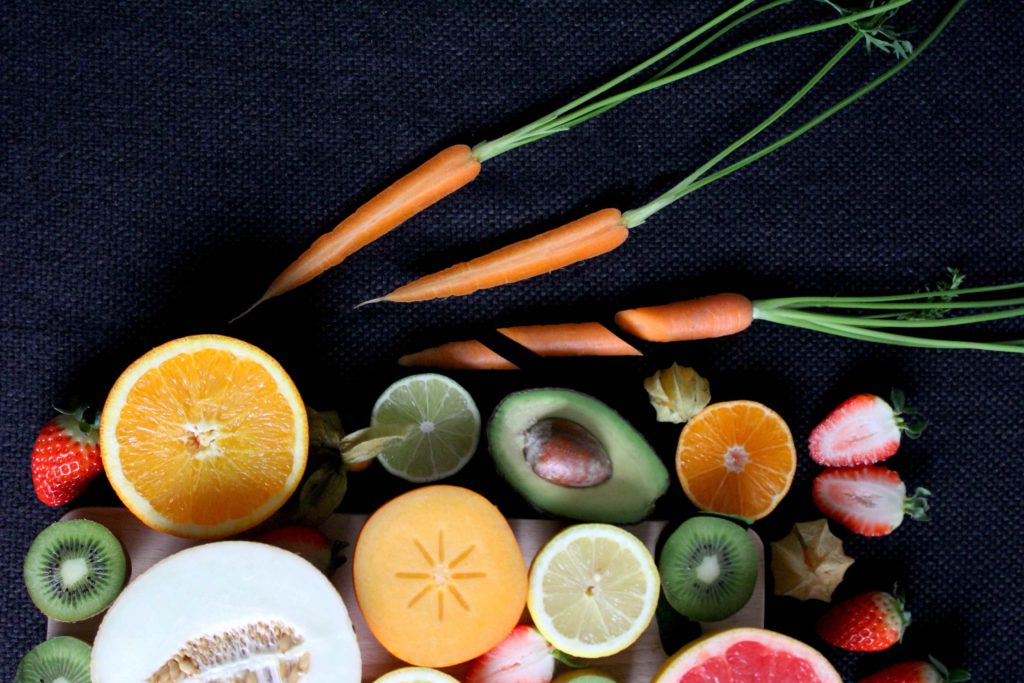
A selection of fruits and vegetables, including carrots, orange, melon, kiwi, avocado and strawberries against a black textured background.
Credit: Amoon Ra

Many people underestimate the influence that nutrition and lifestyle can have on their overall mental and physical health but please remember this; the foods you eat impact on every cell in your body – that’s every movement, every decision and every emotion.

The Breakdown: What is the difference between biodegradable, compostable & recyclable materials?

Compostable vs Biodegradable vs Recycling||||Plastic bottles

We are all familiar with the terms biodegradable, compostable, and recyclable, but what exactly is the difference between them? If we recycle items, why do they need to be compostable and biodegradable? What does it all mean?!

Well, we have done some digging around to find out what really is the difference between biodegradable, compostable and recyclable materials. Let’s start with some definitions:

Biodegradable

The term biodegradable can apply to almost any item produced because technically everything will eventually degrade, given long enough. But the actual definition of a biodegradable item relates to its ability to break down naturally by elements including microorganisms, water and oxygen. Items that are classed as biodegradable must degrade within a year and contain minimal toxic elements that negatively harm the surrounding environment. 

orange, yellow and white paper straws against a bright turquoise background
Credit: Vlad Chetan

Compostable 

Compostable materials are set apart from biodegradable materials because they must degrade within 12 weeks, much faster than their biodegradable counterparts. What really sets compostable materials apart from biodegradable materials is the fact that compostable materials must contain minerals that give something back to the earth. In the same way that biodegradable materials must not contain toxic elements, so too must compostable materials steer clear from materials that create toxic minerals and byproducts when decomposing. 

Recyclable

Recyclable materials are materials that are able to be repurposed into another product or material. For instance, a plastic bottle that is made into another plastic bottle. This also applies to recovering energy from materials, such as electricity and heat. For some products, this massively reduces and even replaces the need to acquire virgin (new) raw materials. 

In a nutshell, biodegradable and compostable materials decompose quickly, with compostable materials being the most beneficial for the environment, whilst recyclable materials are reformed and repurposed into other materials. 

Ok, so now we have the definitions down, but how do these three concepts interact with each other? 

When it comes to living more sustainably, many of us choose to recycle our waste and actually see recycling as the miracle solution to the waste problem. But, this is actually a huge issue in the world of waste. One of the main issues we face when recycling items is the fact that less than half of waste in the UK is actually recycled. This is because 5 out of the 7 plastic types are almost never recycled due to the complicated nature of the process. The cost would be too high for such a little payoff; especially when the material is being downcycled. 

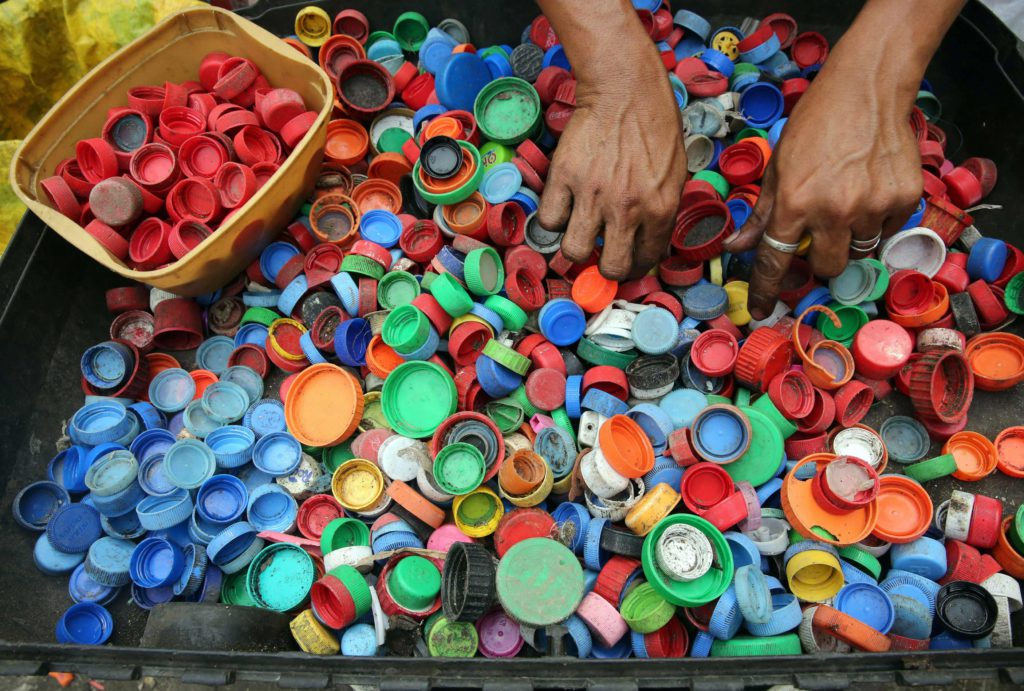
Hands sorting though hundreds of multi coloured bottle caps.
Credit: Krizjohn Rosales

What is downcycling?

Downcycling is the process that many plastics go through when recycled, usually resulting in products such as bin liners. The reason it is called downcycling is because once the plastic has been recycled, the end product is of worse quality than what it was in its original state, usually because of impurities such as toxins that weaken the strength and overall durability of the plastic. 

So whilst recycling is the answer to some of our problems – for instance, upcycling and rehoming clothing and furniture, and recycling plastic into more durable products such as Ocean Bottle’s reusable bottles and food containers, are viable solutions. But when it comes to tackling the global waste issue, compostable and biodegradable materials are the way forward. 

This is why big companies need to look towards using biodegradable and compostable materials. When you take a look at the paper straw initiative, this is a great example of big corporations turning to biodegradable solutions to the waste issue. This is only a minor move towards sustainability in the corporate world. As inventors become more experimental with materials, products such as bio leathers, bio plastics and so on are uprooting the entire meaning of what it is to be sustainable. 

Some of the most incredible inventions include a water bottle that you can eat, shoes made from apple skin leather, and bags made from pineapple leather! So not only are these products good for the environment, but they are also cruelty-free. 

The future therefore, is looking bright. But we are a long way off from big corporations fully embracing these sustainable, biodegradable and compostable materials due to cost and ease. That is why it is currently (and wrongly) down to the individual to ensure their carbon footprint is as small as possible. 

Luckily, there are some ways you can do this. For instance;

  • Using reusable food and drink containers,
  • Opt for plastic-free products where possible,
  • Separate and clean all your recycling waste properly to ensure it is not contaminated,
  • Keep a lookout at what big companies are doing to reduce their carbon footprint,
  • And, reuse and repurpose old items! Fixing things is always better than buying new for your pocket and the environment!

A lot of our products are made out of recycled, compostable and biodegradable materials. Some of the most notable examples include all of our clothing ranges which are produced from organic cotton. Not only does this material use less water, no pesticides and so on, but it is also compostable and biodegradable!

Take a look at Nudnik, Arbour Alexander and Lounge Wear, all of whom use GOTS and Okeo Tex-certified cotton to create their clothes.

Additionally, the Ocean Bottle is a fantastic example of a beautiful, yet durable product made out of recycled plastic bottles!

So take a look at Veo for a full range of sustainable alternatives to everyday essentials.

The Rise of ‘Conscious Consumerism’

Conscious Consumer in nature||||Nature is healing meme of cow in the ocean|slow shutter speed timelapse photograph of a shopping centre full of shoppers|Shopping Mall

The coronavirus pandemic has drastically altered every aspect of our lives in the past year and it seems like a lifetime ago that people were panic buying toilet roll and the shocking tale of Tiger King was on the tip of everyone’s tongue. 

It has very much felt that in times of such uncertainty, little growth occurs and hopes dwindle amidst the (what feels like) everlasting peril of the pandemic. However, this has not necessarily been the case. 

Yes, there has been loss – and a lot of it, but we have and continue to emerge stronger and stronger. The iteration of the pandemic as ‘the nation’s (or the world’s) struggle’ rings true and comparisons between COVID and the Second World War are most certainly here to stay. It is in these comparisons where we find a deep sense of community. Thanks to the internet, people have been able to be together, even when they are apart and a relative degree of normality has been maintained for the majority of us. More people joined Facebook groups in 2020 than ever before, many of us have taken up new hobbies as a result of the successive lockdowns, and some have reconnected with those they had lost touch with. 

And whilst it is evident that the Coronavirus pandemic has rekindled localised communities, many of us have also turned outward and looked at the wider picture. Evidence for this lies within the rise of ‘conscious consumerism’. 

What is a conscious consumer?

The ‘conscious consumer’ is something that has increased tenfold over the duration of the pandemic and relates to the choices we make when we shop. People have begun to take more notice of the way businesses operate, which materials they use, and the environmental impact of our current production methods. The conscious consumer may be into ethical fashion, natural skincare, plant-based eating and so on.

The conscious consumer will typically look at the origin of products and how the item has been produced; whether the supply chains themselves are ethical (for instance, no slavery conditions, child labour, a fair & living wage is being paid and so on); what ingredients/materials the product is made from (is it using animal by-products, how are the fabrics or ingredients sourced); and whether there are positive social or environmental impact benefits from buying the item (supporting local or small business, cottage industries, community outreach, charity or social enterprise, etc). Big companies and corporations have rightly been under heightened scrutiny during the pandemic, as cramped working conditions for face mask producers, warehouse operatives and even some supermarket assistants have highlighted how little some companies seemingly care for the health and wellbeing of their staff. 

These are all factors conscious consumers consider when they buy almost anything. 

What brought about the conscious consumer?

The conscious consumer has been around for decades and is most certainly not something new. However, the reason conscious consumerism is on the rise is directly linked to the pandemic. 

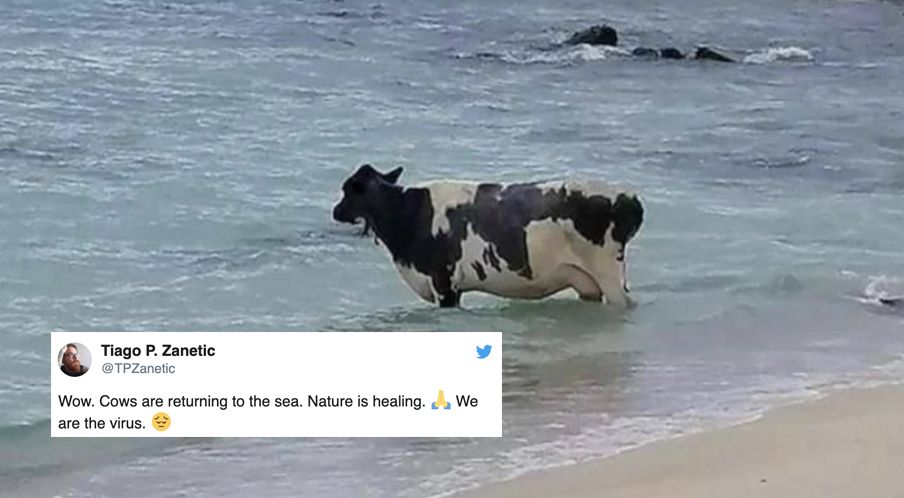
Now, remember when the first lockdown happened, factories and shops closed, the economy ground to an almost virtual halt, and we saw memes like this;

Nature is healing meme of a cow in the sea
Tiago P. Zanetic’s Tweet of a ‘Nature is Healing’ meme

These hilarious memes were referring to the drastic decrease in pollution that occured in a matter of weeks after the pan-national lockdowns were called. Animals began to thrive and centuries’ old smog had cleared from the world’s largest cities as air travel and other travel was at an all time low. 

After witnessing the environmental impact of the lockdown, many people were shocked to see quite how much the planet was being harmed and made incredible changes to their lifestyle. 

People began shopping locally, supporting small businesses. Many of us invested more time looking into the businesses we are buying from, making more informed decisions on the products we buy, how much we buy and how we buy it.

Drastic lifestyle changes weren’t solely down to the environmental transformation, but also because of the health concerns many of us have with COVID. 

Now we are in 2021, some really interesting facts have come to light about the drastic shift in plant-based consumption. Last year, Deliveroo saw a huge increase in plant-based orders (around 163%!) and this year’s Veganuary has had over 500,000 sign ups…double the amount of 2019! Many polls and surveys conducted on the topic of health consciousness have also seen the health kick trend take off as many of us look for alternative ways to boost our immunes. 

However, you don’t need to do everything perfectly as a conscious consumer. Many of us are starting to make small changes to our lifestyle – some of us because of COVID – to either help our health or our environment, or both! 

Some things you can do to ensure your buying decisions are more conscious and you are positively contributing to the environmental cause includes:

Questioning whether the item you are buying is fair trade and cruelty-free.

This is an important one for conscious consumers and is an easy thing to look out for. The fair trade and cruelty-free symbol put on many items from food to cosmetics is recognisable to the majority of us and is a good indication that the item was sourced ethically, with people and animals in mind.

cruelty-free bunny logos

Look out for recycled, organic, natural and repurposed materials.

Recycled and repurposed materials and items, such as Ecowings’ bags made out of inner tube tires, vintage clothing, recycled paper and so on are obviously great for the environment because they minimise the amount of waste put in landfills. What’s more, vintage and recycled clothing is more fashionable than ever, so why wouldn’t you switch to second hand!

Additionally, organic and natural materials are easily decomposable, resulting in less landfill waste taking years and years to decompose. 

Buy less, but better quality.

This may sound like an obvious one, but buying less but better quality is integral to ensuring our buying habits are more sustainable. The higher quality items we purchase, the less they will need replacing. Take Primark versus Origin for instance. Origin is made from natural materials and is built to last, whereas Primark takes the more ‘wear once’ stance which is incredibly harmful to the planet as it creates more waste. 

Eat less meat and dairy.

Reducing the amount of meat and dairy intake will drastically improve your health, alongside reducing your carbon footprint! After just 1 month of plant-based eating an individual will: 

  • save 33,000 gallons of water 
  • the destruction of 900 square feet of forest 
  • 600 pounds of CO2 gas 

Reduce plastic use. 

Simple ways you can reduce plastic use is by using reusable bags, bottles and food containers. Although these are small and seemingly miniscule moves to combat the plastic problem, the more people using reusable plastic containers, the less single use plastic we have floating around!

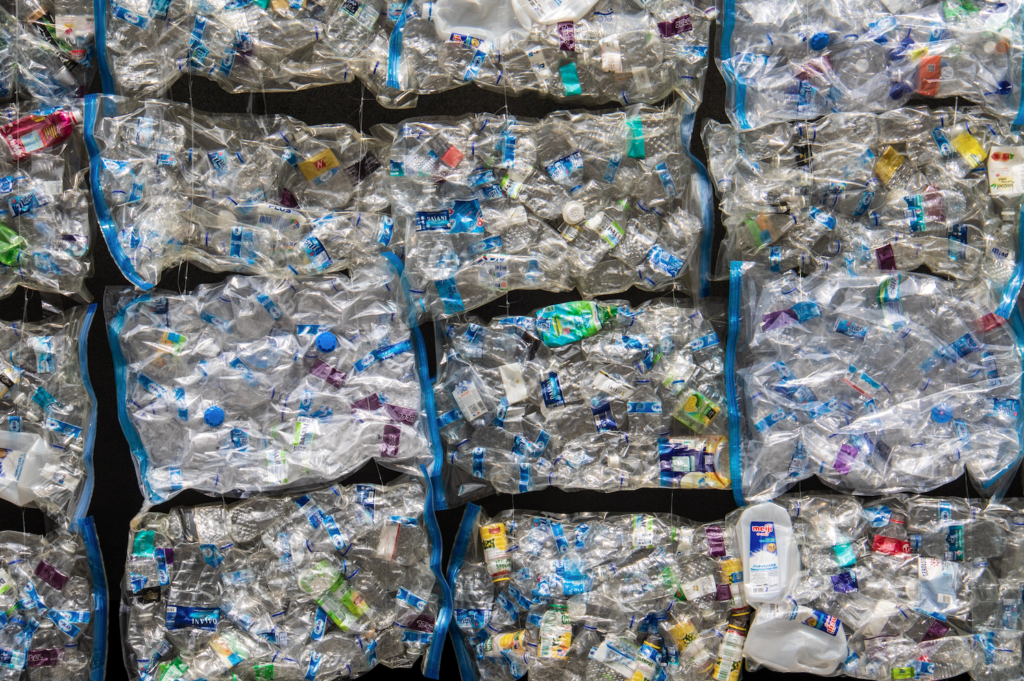
cubes of crush plastic showing the huge quantity of plastic pollution.
Photograph by Nick Fewings

These are some ways you can become a more conscious consumer. Taking the time to think a little deeper into where your necessities and niceties come from can only have a positive effect on the environment and the communities that live within it.