




































Veo and Wearth are now Ziracle. Same mission, better platform. See what's new

Ziracle Journal

Honest reads on living well and living sustainably.

Eco-home essentials worth building a room around

Eco-home essentials worth building a room around

A room-by-room guide to eco home essentials worth choosing, with the format to look for and the reason to prefer it.

By Lydia Oyeniran

August 27, 2026

Skinimalism guide: Why less is more for your skin (and your mind)

Skinimalism guide: Why less is more for your skin (and your mind)

A skinimalism guide: the three-product routine, the ingredients that actually work, and why a simpler approach beats a stacked shelf.

By Amelia Marshall

August 27, 2026

Can leather be sustainable? The honest answer

Can leather be sustainable? The honest answer

Animal hide, plastic faux leather, or plant-based alternatives. The honest answer on whether leather can be sustainable, and what to buy.

By Lydia Oyeniran

August 27, 2026

How to bring more hygge into your life

How to bring more hygge into your life

What hygge actually means, why the feeling behind it matters year-round, and how to build a room that invites it in.

By Annabel Lindsay

August 27, 2026

Eco swaps for fashion: How to buy less, spend less, and wear better

Eco swaps for fashion: How to buy less, spend less, and wear better

Where fashion's impact actually comes from, why cost per wear changes the maths, and which wardrobe swaps do the real work.

By Annabel Lindsay

August 27, 2026

How food affects your mood

How food affects your mood

How food affects your mood, from gut-made serotonin to the amino acids that build motivation, and what to actually eat.

By Amelia Marshall

August 27, 2026

Is foraging the next step for slow beauty?

Is foraging the next step for slow beauty?

A seasonal guide to foraging for skincare in the UK, with four practical recipes and safety notes for each plant.

By Janet Home

August 27, 2026

Balancing your hormones: What helps, what is hype, and what to change

Balancing your hormones: What helps, what is hype, and what to change

Most of what you are sold about balancing your hormones is a product in a nicer font. Here is what truly shifts them, what needs a doctor instead, and the one swap worth making in your bathroom cabinet.

By Amelia Marshall

August 27, 2026

Best organic cotton clothing for men

Best organic cotton clothing for men

The organic bit is the easy part. On men's staples, what earns the money is fabric weight and how many times you wear it, so buy heavy, buy plain, and buy the proof.

By Hamish Lawson

August 27, 2026

The truth about microplastics in our cosmetics

The truth about microplastics in our cosmetics

What microplastics actually are, why they matter, and ten practical swaps that stop you adding to the problem at source.

By Janet Home

August 27, 2026

How to reduce stress: What the evidence actually says

How to reduce stress: What the evidence actually says

Stress advice usually lands as a flat list of twenty things to try. Here is what actually moves cortisol, ranked, plus the one line on a supplement label that decides whether it is worth your money.

By Lydia Oyeniran

August 27, 2026

Vegan living guide: What to eat, why it matters, and how to actually stick with it

Vegan living guide: What to eat, why it matters, and how to actually stick with it

A vegan living guide built on the evidence: what to eat, which nutrients need attention, and how to stick with it without making it a project.

By Hamish Lawson

August 27, 2026

How to eat well: A framework, not another diet

How to eat well: A framework, not another diet

Forget the rules that contradict each other next week. Eating well is a short set of directions you can lean into, not a test you pass or fail. Here is the framework, the handful of things genuinely worth changing, and how to stock a kitchen that makes all of it easier.

By Hamish Lawson

August 27, 2026

Daily habits for mental health: Small changes, real results

Daily habits for mental health: Small changes, real results

Small consistent habits beat big overhauls for mental health. Here is what the research actually shows, and where to start tomorrow.

By Janet Home

August 27, 2026

Is wool sustainable? The honest answer

Is wool sustainable? The honest answer

Wool is more complicated than the mental image suggests. What modern production actually involves, and what the alternatives can do.

By Annabel Lindsay

August 27, 2026

A practical guide to plant-based eating: How to do it well

A practical guide to plant-based eating: How to do it well

You do not need to go fully vegan to get most of the benefit. Here is what the evidence says, what to stock, and how to make it work.

By Janet Home

August 27, 2026

The best alcohol-free drinks (and what the science actually says)

The best alcohol-free drinks (and what the science actually says)

The best alcohol-free drinks worth your money: 0% spirits, low-ABV, and kombucha, with the science on what drinking less actually does.

By Lydia Oyeniran

August 27, 2026

Zero waste beauty: The formats worth your money

Zero waste beauty: The formats worth your money

Zero waste beauty by format, not by brand: refillable compacts, solid bars, dental and deodorant swaps that actually work.

By Annabel Lindsay

August 27, 2026

Eco swaps for home: The ones that actually move the needle

Eco swaps for home: The ones that actually move the needle

Where household plastic actually comes from, which home swaps shift the numbers, and which ones you can skip without losing sleep.

By Lydia Oyeniran

August 27, 2026

Best organic cotton clothing for women

Best organic cotton clothing for women

The best organic cotton buy is the piece that does the most jobs. Shop for versatility and wear-count, let GOTS settle the ethics, and one good piece will out-earn a rail of nice intentions.

By Annabel Lindsay

August 27, 2026

Best natural soap bars

Best natural soap bars

"Natural" on a soap bar tells you almost nothing. Some are gentle, glycerin-rich and lovely; some are harsh enough to leave your skin tight and squeaky. Here is how to tell them apart, and the UK bars worth buying for each kind of skin.

By Hamish Lawson

August 27, 2026

A beginner’s guide to sustainable fashion: What slow fashion actually means

A beginner’s guide to sustainable fashion: What slow fashion actually means

What slow fashion actually means, why fast fashion is hard to resist, and the three questions to ask before you buy anything new.

By Annabel Lindsay

August 27, 2026

The best sustainable clothing brands: A shorter list, for good reason

The best sustainable clothing brands: A shorter list, for good reason

A shorter list of sustainable clothing brands worth buying from. Every one has passed the bar on materials, production and ethics.

By Hamish Lawson

August 27, 2026

Healthy skin: The short list of what works, and the long aisle you can skip

Healthy skin: The short list of what works, and the long aisle you can skip

The skincare market wants you buying fifteen steps. The evidence points to about five, most of them free. Here is the short list, in the right order, the few products that earn a place, and how to read the label well enough to spot them.

By Amelia Marshall

August 27, 2026

The best vegan gifts for her

The best vegan gifts for her

A vegan gift should be something she would have chosen herself, not a compromise she has to be polite about. These are the ones where "vegan" actually does some work, the skincare, chocolate, cheese and leather that usually are not, all screened as truly free from animal ingredients.

By Janet Home

August 27, 2026

The sustainable jewellery guide: What “ethical” actually means

The sustainable jewellery guide: What “ethical” actually means

What sustainable jewellery actually means, the certifications worth knowing, and how to tell real traceability from marketing.

By Annabel Lindsay

August 27, 2026

Beard care, minus the eight products you do not need

Beard care, minus the eight products you do not need

You probably need fewer beard care products than the average

By Ziracle Editorial

September 3, 2026

Organic kimchi and fermented foods: A gut-health buying guide

Organic kimchi and fermented foods: A gut-health buying guide

Organic kimchi is having a moment, and most of the jars on offer are worth buying. The one thing that separates a gut-friendly kimchi from an expensive pickle is a single word on the label. Here are the organic, live-culture options worth your money, and how to pick between them.

By Lydia Oyeniran

August 27, 2026

The sustainable denim guide: What a better pair of jeans really costs

The sustainable denim guide: What a better pair of jeans really costs

A sustainable denim guide: the real cost of a pair of jeans, how to spot a pair built to last, and how to make the pair you own last longer.

By Annabel Lindsay

August 27, 2026

Zero waste swaps for everyday life: The prioritised list

Zero waste swaps for everyday life: The prioritised list

The zero waste swaps that actually move the numbers, in order of impact. Work top to bottom, replace when things run out.

By Lydia Oyeniran

August 27, 2026

How to practise self-love (without the bubble bath trap)

How to practise self-love (without the bubble bath trap)

Five evidence-backed ways to practise self-love day to day: sleep, food, skincare, slow breathing and a walk.

By Janet Home

August 27, 2026

Best foods for bloating: What actually works and why

Best foods for bloating: What actually works and why

The best foods for bloating, the science on why they work, and the order to add them to your diet for real gut relief.

By Lydia Oyeniran

August 27, 2026

Natural ways to boost serotonin and dopamine

Natural ways to boost serotonin and dopamine

Eight evidence-based daily practices to boost serotonin and dopamine naturally, from morning light and movement to scent, sleep and protein.

By Janet Home

August 27, 2026

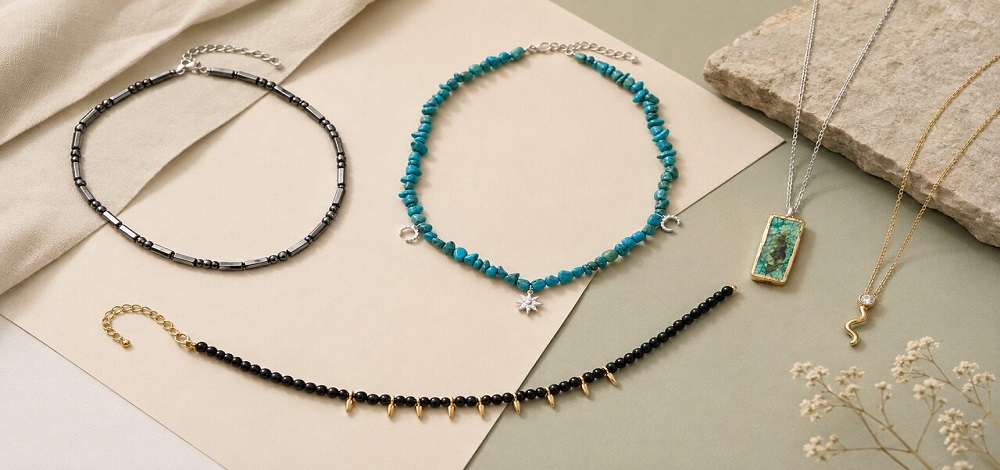
Handmade and fair-trade necklaces

Handmade and fair-trade necklaces

"Handmade" and "fair-trade" are two different promises, and both are easy to print and hard to prove. The test for either is one question: who made this, and were they paid fairly? Here is how to read the answer, and the UK necklaces that can give one.

By Annabel Lindsay

August 27, 2026

The grocery shop that actually cuts waste

The grocery shop that actually cuts waste

Eco-friendly grocery shopping that actually cuts food waste: six steps, a seven-day plan, and the habits that save money as well as packaging.

By Lydia Oyeniran

August 27, 2026

What gut health actually means, and what actually moves it

What gut health actually means, and what actually moves it

Gut health is built, not bought. Here is what the evidence actually backs, where fermented foods earn their place, and the one line on a probiotic label that tells you whether it is worth your money.

By Lydia Oyeniran

August 27, 2026

Buy less, choose well, make it last: How to make better fashion choices

Buy less, choose well, make it last: How to make better fashion choices

Five practical habit shifts to buy less, choose well, and make it last. What to avoid, what to look for, and how to care for what you own.

By Lydia Oyeniran

August 27, 2026

What is conscious consumerism (and how to do it without becoming a full-time researcher)

What is conscious consumerism (and how to do it without becoming a full-time researcher)

What conscious consumerism really means: the five questions, four certifications and small swaps that do most of the work without the homework.

By Amelia Marshall

August 27, 2026

The plastic-free living guide (without the guilt)

The plastic-free living guide (without the guilt)

A practical plastic-free living guide: one category at a time, one refill routine, and the swaps that cut 30 to 60% of household plastic.

By Lydia Oyeniran

August 27, 2026

Eco-friendly activities for kids that are actually fun

Eco-friendly activities for kids that are actually fun

Eco-friendly activities for kids that actually hold their attention: making, growing, cooking and outdoor play that teaches something real.

By Annabel Lindsay

August 27, 2026

Creative ways to add meditation into your day

Creative ways to add meditation into your day

Seven ways to add meditation to your day without a cushion or twenty quiet minutes, from kettle moments to walking and breath boxes.

By Lydia Oyeniran

August 27, 2026

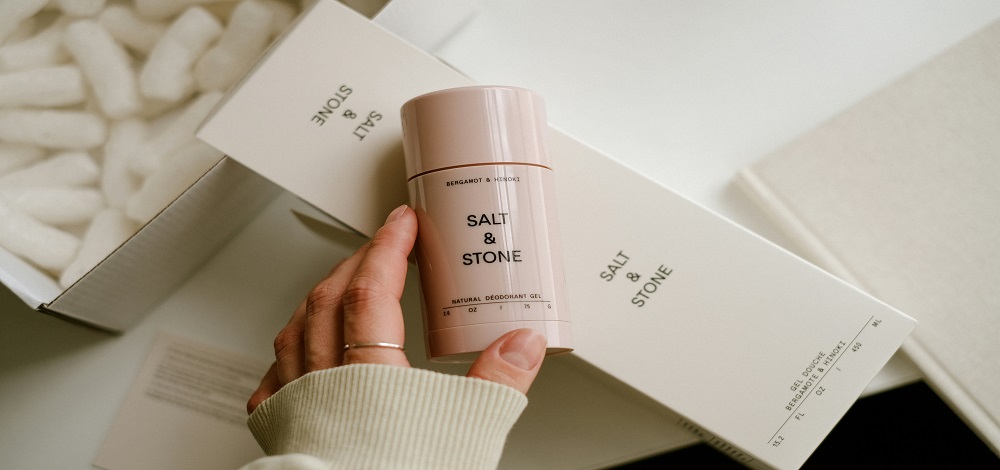
The best natural deodorants, and why your last one failed

The best natural deodorants, and why your last one failed

Most people who gave up on natural deodorant did not buy a dud. They hit one of three fixable problems. Here is how to tell which one caught you, and the UK-made ones worth switching to.

By Amelia Marshall

August 27, 2026

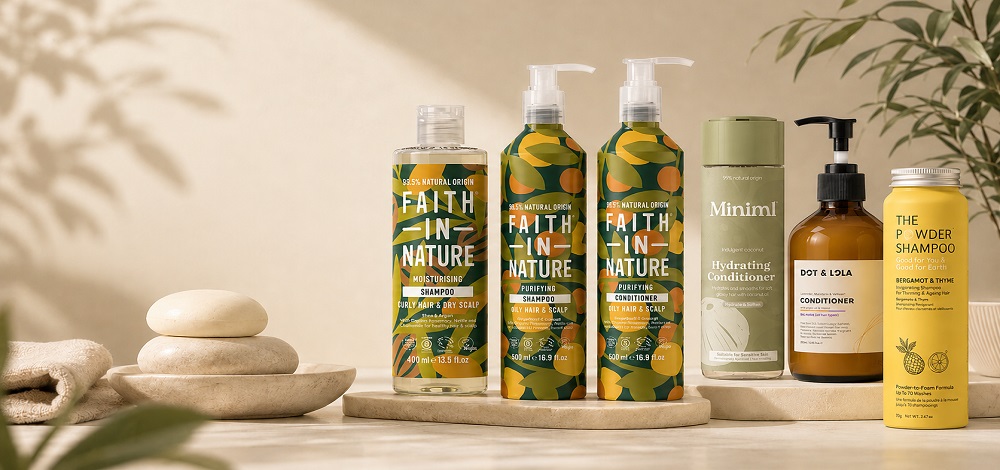
Best sustainable shampoo and conditioner

Best sustainable shampoo and conditioner

A bottle of liquid shampoo is mostly water. So sustainable hair care is a format question first, powder, bar or refill instead of a fresh plastic bottle, and a hair-type question second, because the greenest format is useless if it leaves your hair waxy and you go back to the bottle. Here is how to choose both.

By Lydia Oyeniran

August 27, 2026

How to declutter your home sustainably

How to declutter your home sustainably

A sustainable declutter keeps things out of landfill. How to work through the bedroom, bathroom and kitchen without making a new problem.

By Lydia Oyeniran

August 27, 2026

The sustainable underwear guide (the easiest swap in your wardrobe)

The sustainable underwear guide (the easiest swap in your wardrobe)

A sustainable underwear guide: why GOTS-certified organic cotton matters, what to look for, and how to swap your drawer without replacing it all.

By Lydia Oyeniran

August 27, 2026

Best natural sleep aids

Best natural sleep aids

No pill, spray or candle makes you sleep. What the good ones do is clear whatever is keeping you awake, a racing mind, a bright warm room, a body that won't unclench. So the question isn't which sleep aid is best, it's what is stopping you, and which aid removes it. Here is how to match the two.

By Hamish Lawson

August 27, 2026

Biodegradable, compostable, recyclable: What these words actually mean

Biodegradable, compostable, recyclable: What these words actually mean

Biodegradable, compostable and recyclable all mean different things. Here's what each word really promises and how to read the labels.

By Amelia Marshall

August 27, 2026

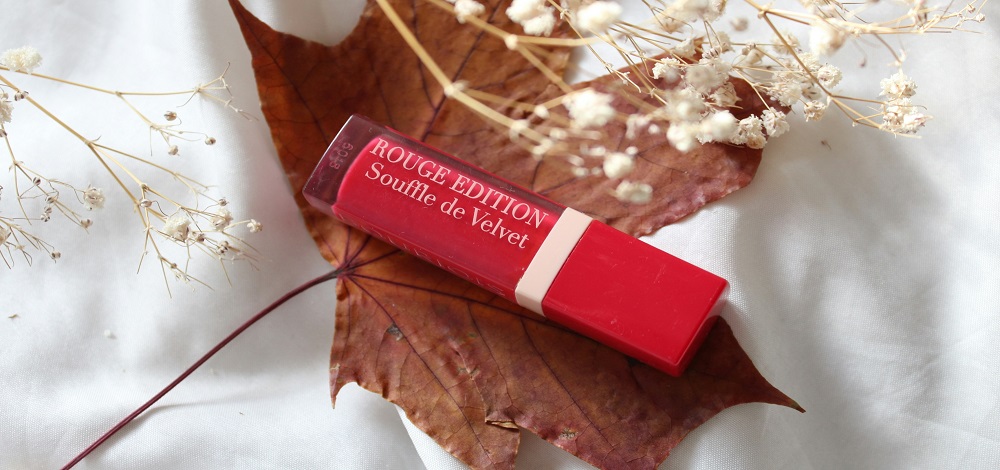
The best plant-based and vegan lipstick, and how to read the label yourself

The best plant-based and vegan lipstick, and how to read the label yourself

Vegan does not mean natural, natural does not mean vegan, and one red pigment decides most of it. Here is how to read a lipstick label yourself, the honest trade-off nobody mentions, and the UK picks worth it.

By Amelia Marshall

August 27, 2026

Your immune system does not need boosting, it needs supporting

Your immune system does not need boosting, it needs supporting

The immunity aisle is full of things promising to supercharge your defences. Your immune system does not work like that, and the few things that genuinely help are mostly free. Here is what supports it, what just sells, and the short list worth your money.

By Janet Home

August 27, 2026

The case for buying organic (and where to start)

The case for buying organic (and where to start)

What organic actually means, why it is worth the switch, and the everyday categories where the benefit compounds fastest.

By Annabel Lindsay

August 27, 2026

Best reed diffusers and natural home fragrance

Best reed diffusers and natural home fragrance

A reed diffuser is a running cost dressed up as a purchase. Here is how to work out what one truly costs a month, what the oil is mostly made of, and when a refill beats buying another bottle, plus the UK picks worth it.

By Annabel Lindsay

August 27, 2026

Self-care for stress: Small rituals that actually help

Self-care for stress: Small rituals that actually help

Small, evidence-backed rituals for stress: a morning reset, a midday breath, an evening wind-down, and when to add an adaptogen.

By Annabel Lindsay

August 27, 2026

How to sleep better

How to sleep better

Most sleep advice skips the mechanism. Here is what works, in the right order, based on how sleep biology actually functions.

By Hamish Lawson

August 27, 2026

Organic cotton clothing: The label is the last decision, not the first

Organic cotton clothing: The label is the last decision, not the first

Organic cotton is worth choosing. It is also the last decision that matters, not the first. Here are the four things that decide a garment's footprint, ranked, and where the fibre honestly sits among them.

By Hamish Lawson

August 27, 2026

Self-care guide: The maintenance that keeps everything else running

Self-care guide: The maintenance that keeps everything else running

A self-care guide built on what the research supports: journalling, movement, sleep, and when to stop managing alone.

By Annabel Lindsay

August 27, 2026

How to buy better coffee: What the certifications actually mean

How to buy better coffee: What the certifications actually mean

The Fairtrade logo does not cover everything. Here is what the main coffee certifications actually do, and what to look for beyond them.

By Janet Home

August 27, 2026

Eco swaps for beauty: The ones that actually work

Eco swaps for beauty: The ones that actually work

The bathroom swaps worth making, the ones that aren't ready yet, and how to switch without wasting what you already own.

By Amelia Marshall

August 27, 2026

Why sustainable fashion usually costs more (and why it’s still cheaper)

Why sustainable fashion usually costs more (and why it’s still cheaper)

Sustainable fashion has a higher sticker price for reasons that make sense. Cost per wear brings the maths back into balance.

By Annabel Lindsay

August 27, 2026

The best organic facial oils for skin that’s starting to show its age

The best organic facial oils for skin that’s starting to show its age

The best organic facial oils for fine lines: rosehip, argan, squalane and the rest, ranked by the clinical evidence behind them.

By Lydia Oyeniran

August 27, 2026

Vegan presents and gift ideas: 25 where it actually matters

Vegan presents and gift ideas: 25 where it actually matters

A vegan crystal is just a crystal. Vegan chocolate, cheese, balms and bags are a real choice, because those things usually are not vegan. These 25 presents are the ones where the label actually does some work, all screened as truly free from animal ingredients.

By Amelia Marshall

August 27, 2026

Best sustainable jewellery

Best sustainable jewellery

Sustainable jewellery comes down to two words on the tag: what the metal is, and how much of it there is. Recycled metal and solid construction last a lifetime; thin plating wears off and gets rebought. Here is how to read the tag, and the UK pieces worth keeping.

By Annabel Lindsay

August 27, 2026

Beyond diet culture: Why the restriction model keeps failing, and what works instead

Beyond diet culture: Why the restriction model keeps failing, and what works instead

Why restriction-based diet culture keeps failing, the biology behind it, and how a neutral relationship with food actually looks.

By Lydia Oyeniran

August 27, 2026

Anti-pollution skincare, without the marketing noise

Anti-pollution skincare, without the marketing noise

Anti-pollution skincare that actually works: the three steps that matter, the ingredients with the evidence, and the claims to skip.

By Lydia Oyeniran

August 27, 2026

Slow fashion: How to stop moving so fast

Slow fashion: How to stop moving so fast

What fast fashion actually does, what slow fashion is as a response, and how to shift your wardrobe without giving up style.

By Janet Home

August 27, 2026

Best eco-friendly cleaning products

Best eco-friendly cleaning products

Most eco cleaners used to be watery and useless. A handful now match conventional ones on grease and limescale, and the real win is switching to concentrates and refills that cut plastic and cost. Here are the ones worth buying, and how to spot them.

By Lydia Oyeniran

August 27, 2026

Mindfulness products that actually help your mental health

Mindfulness products that actually help your mental health

The mindfulness products worth keeping are the ones that lower the barrier to habits that actually shift the dial. Here is the short list.

By Annabel Lindsay

August 27, 2026

You cannot clean your home without chemicals, and you do not need to

You cannot clean your home without chemicals, and you do not need to

"Chemical-free" cleaning is a marketing fiction. Water is a chemical. The real question is which ingredients, how much fragrance, and whether you are spraying any of it into the air you breathe. Here is what to distrust, what actually cleans, and the short kit worth buying.

By Lydia Oyeniran

August 27, 2026

From bottle to bar: Why you should switch to zero-waste hair care

From bottle to bar: Why you should switch to zero-waste hair care

Why modern shampoo bars work, how to switch without ruining your hair, and what the maths looks like on plastic, price and travel.

By Janet Home

August 27, 2026

Eco swaps for food and drink: Where the plastic actually comes from

Eco swaps for food and drink: Where the plastic actually comes from

Where most household plastic actually comes from, the food aisle swaps worth making, and what isn't yours to fix.

By Janet Home

August 27, 2026

Beard care, minus the eight products you do not need

Amber glass dropper bottle of beard care oil on a windowsill, part of a Grooming and Shaving routine

You probably need fewer beard care products than the average grooming routine suggests. Here is how to tell which is which, from the back of the pack.

Nearly every problem sold as a beard problem is a skin problem. The itch, the flaking, the coarse texture that no amount of oil seems to fix. Take care of the skin underneath first, and you may find that you don’t need as many beard-specific products. 

This isn’t simply about keeping your routine minimal. It is what dermatologists have been saying for years, quietly, on pages that sell nothing: beard care is a Healthy Skin problem wearing a longer ingredient list. Beard care routines can quickly become more complicated than they need to be, and the reason is not complexity. It is that three products will not sustain a subscription.

Your beard is not the problem, the skin under it is

Facial hair sits on skin that has stopped behaving like normal facial skin. Dead cells that would otherwise shed away get trapped in the hair. Sebum, which is produced at the follicle and travels up the shaft, stops arriving once the hair is long enough. The result is skin that is simultaneously congested and dry, which is a combination almost nothing on the beard shelf is formulated for.

“Skin cells shed at a rapid and alarming pace,” says Alok Vij, MD, a dermatologist at Cleveland Clinic. “Whenever dead skin cells and oil from the skin combine with moisture, bacteria, yeast and every other microorganism you think of, they can hide, grow and proliferate.”

Thinking about the skin underneath your beard can change which products are actually useful. Read it as hair and you reach for conditioner. Read it as skin and you reach for a cleanser and a moisturiser, which is roughly what board-certified dermatologist Anthony Rossi recommends in the American Academy of Dermatology’s three-step plan: wash, moisturise, comb through.

Everything in Men’s Skincare is doing more work for a beard than most beard-specific products are. Looking after the skin underneath can also help keep the beard softer and more comfortable. 

Do you need a beard shampoo, or will the one in your shower do?

Bathroom basin in early daylight, where washing the skin beneath a beard happens
Why this image: The section is about a habit rather than a product, so the slot needs the setting the habit happens in, empty of people

For most beards, the one in your shower is fine. A dedicated beard shampoo isn’t always necessary, particularly if you already use a gentle cleanser, because the variable that matters is how often you wash and with what strength, not whether the bottle says beard on it.

Facial skin is thinner than scalp skin and it is being washed more often.

The real risk is that a strong scalp shampoo used daily on the face strips the barrier and produces exactly the dryness the beard oil is then bought to fix. A gentle facial cleanser, or a mild shampoo used a few times a week rather than daily, avoids the problem at the source.

What does matter is technique. “Use a good shampoo to clean the area,” says Vij. “And really scrub down on your skin to make sure the suds are cleaning that area to clear the extra bacteria as well as the extra skin cells that are floating around. The important part here is making sure you’re cleansing the skin underneath, rather than focusing only on the hair. 

If your skin is oily or acne-prone, a gel cleanser with salicylic acid earns its place. If it is dry or reactive, fragrance-free and creamy. Neither of those needs the word beard on the label.

Beard oil and beard balm are not competing products

They do different jobs, and the choice is about length, not preference. Oil is a skin conditioner that happens to travel down the hair. Balm sits on the surface, seals moisture in, and adds light hold. Almost every guide presents them as an either-or. Almost none says plainly that one of them is optional for most people.

At stubble length and on a short beard, oil is all you need. The skin is the whole problem and there is not enough hair to shape. Once the beard is long enough to hold a shape, balm starts to earn its keep, because by then it has surface area to lose moisture from and a form worth setting.

Balm is the one to skip if you are only buying one, unless your beard is long enough to have a shape worth holding.

There’s also something worth checking if you’re looking for a vegan option. Beard balm is conventionally formulated with beeswax, which is what gives it hold and occlusion. That quietly rules most balms out for anyone shopping Vegan, and no one flags it on the front of the tin. Candelilla and carnauba wax both work as substitutes, so a vegan balm is possible, it just has to be made deliberately. Check the ingredients rather than the marketing.

Everything in Beard Care is one of these two formats. For most routines, those two formats cover the main needs 

Beardruff, itch, and the study everyone misquotes
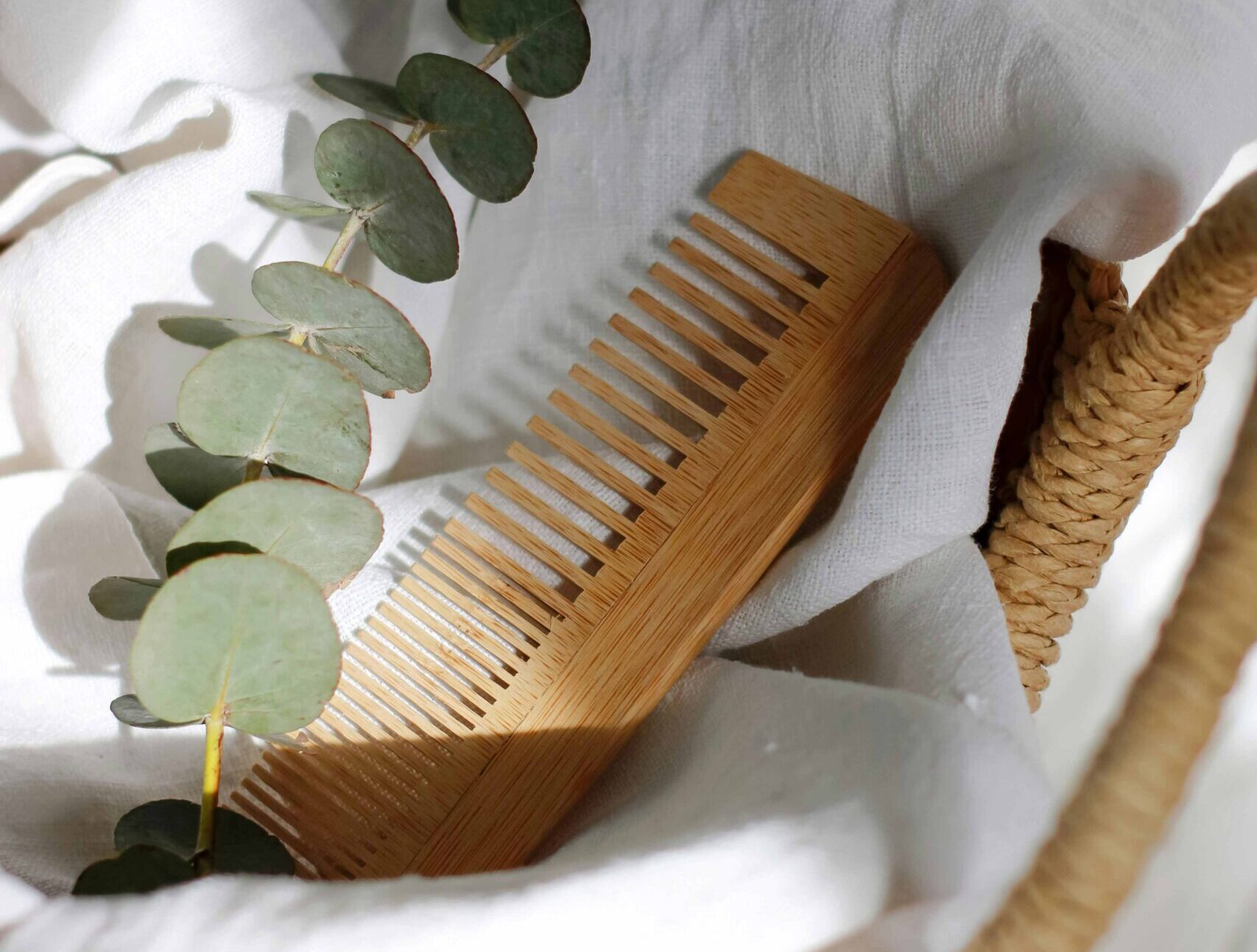
Worn wooden comb on a wooden surface in natural light, used for beard grooming

Some common beard concerns need treatment, while others have been exaggerated. The flaking is real and treatable. The itch is usually the same thing. The hygiene panic is built on a study that was not about beards.

Flaking under a beard is more often seborrhoeic dermatitis than dryness, and the two respond to different things. It is driven by an inflammatory reaction to Malassezia yeast that lives on everyone’s skin, which is why oil alone never resolves it. “If you start to get red, scaly and itchy, over-the-counter anti-dandruff shampoos can be helpful to get rid of it,” says Vij. Ketoconazole, selenium sulfide or zinc pyrithione, used on the skin beneath rather than the hair. If it persists past a few weeks, see a GP or a pharmacist.

Ingrown hairs are the other genuine problem, and they belong to the Shaving end of the routine rather than the beard end. Shave with the grain, after warm water, with a blade you change often.

Then there is the claim you have seen a hundred times, that beards carry more bacteria than dog fur. It comes from a 2018 study in European Radiology by Andreas Gutzeit’s group, and the study was investigating whether dogs and humans could safely share an MRI scanner. It sampled 18 bearded men and 30 dogs, and included no clean-shaven control group. Total bacterial load did come out higher in the beards. But human-pathogenic organisms turned up in 7 of 18 beards against 4 of 30 dogs, a difference that did not reach statistical significance at p = 0.074.

It’s worth keeping that context in mind when you see the study quoted as evidence that beards are unhygienic 

The larger study points the other way. Wakeam and colleagues sampled 408 male healthcare workers for the Journal of Hospital Infection in 2014 and found the clean-shaven ones were more likely to carry Staphylococcus aureus, 52.6% against 41.2%.

How to read a beard oil label in four seconds

A good cleansing and moisturising routine can address many of the basics before you add another product. But the skin under a beard in a British winter is drier than behaviour alone will fix, and that is a real gap rather than a manufactured one. An oil closes it. The question is which one, and the answer is on the back of the pack.

A carrier oil leads the ingredient list. Jojoba, argan, sweet almond, grapeseed, named individually. Jojoba is not technically an oil at all: it is a liquid wax ester whose fatty acids and alcohols resemble the wax esters in human sebum, which is why it integrates into the skin’s own lipids rather than sitting on top of them. If the first ingredient is a “fragrance oil blend” or an unspecified “natural oil complex”, put it down. The same carrier oils do the same work on the rest of the face, and the organic facial oils guide ranks them by the clinical evidence behind each one.

Fragrance sits below third position. Essential oils are fine and they are also the cheapest thing in the bottle. High in the list means you are buying a scent with a carrier, not a treatment with a scent.

A named certification, not the word natural. Natural means nothing and is not regulated. Organic under a named standard like Soil Association or COSMOS means something specific about how the oil was grown and processed.

Glass with a pipette. Not aesthetics. The triglyceride oils, argan and sweet almond and grapeseed, go rancid as they oxidise, and a rancid oil is doing nothing useful on skin that is already irritated. Amber or dark glass slows it, a pipette limits air exposure, and a flip-cap plastic bottle does neither. Jojoba is the exception here, unusually stable, which is one more mark in its favour.

For balm, look for the wax by name. Beeswax, candelilla or carnauba, stated. If the tin will not tell you which, that is a formulation it does not want examined.

These checks can make it much easier to narrow down your options. Grooming & Shaving is where the oils and balms sit alongside the cleansers and shave products that do the upstream work, and every ingredient list is on the product page where you can apply the filter yourself.

The beard care routine that earns its place

A gentle cleanser used on the skin, not just the hair. One oil, chosen on ingredient order rather than on the label. A balm only if the beard is long enough to hold a shape. That is the whole thing, and it costs less than the starter kit.

What you can skip: the dedicated beard shampoo, the growth serum, the vitamin gummies, the two-in-one conditioner, the scented spray, the derma roller, the second oil in a different scent, the subscription.

If you are buying this for someone else, the same filter applies and it travels well. Read the back of the pack, not the front.

FAQ

How often should you put oil on your beard?

Once a day for most people, applied to slightly damp skin straight after washing, and worked down to the skin rather than through the hair. More than that is the most common overcorrection for a problem that is usually washing frequency or water temperature. If your beard looks greasy by lunchtime, you are using too much or applying it to hair rather than skin.

Can you use hair conditioner on your beard?

Yes for softening the hair, no as a substitute for treating the skin underneath. Scalp conditioners are formulated for hair density and washing patterns that do not match the face, and many are heavier than facial skin tolerates. If you use one, rinse it out fully and still moisturise the skin beneath afterwards.

Does beard oil help a patchy beard fill in?

No. Beard density is genetic and hormonal, and no topical oil changes either. What oil does is improve how the existing hair looks by softening it and changing how light sits on it, and by reducing the flaking that makes gaps more obvious. Any product promising growth is selling you something the ingredient list cannot deliver.
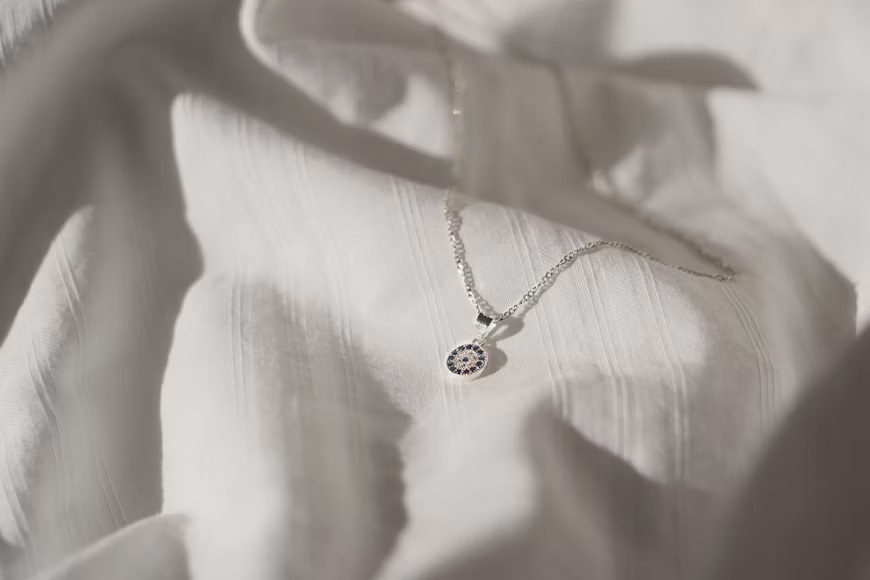
Handmade and fair-trade necklaces

Handmade and Fair-Trade Necklaces in the UK

The words “handmade” and “fair-trade” do a lot of quiet work on a jewellery label, and they don’t mean the same thing. Handmade is about how a piece was made, by a person rather than a machine. Fair-trade is about who made it and whether they were treated and paid fairly. A necklace can be one without the other: mass-stamped by a certified fair-trade cooperative, or lovingly hand-finished in a workshop that pays badly. Both words are also, on their own, just words.

Which is the real problem in this corner of the shelf. No category leans harder on story, “artisan,” “ethically made,” “empowering communities,” and no category makes it easier to print those stories without proof. So the useful way to shop necklaces here isn’t to be moved by the story. It’s to ask whether the story can be backed up.

Handmade and Fair-Trade are not the same Promise

Keep the two claims separate, because a piece often delivers only one. Handmade tells you about craft: a person cut, set, soldered or strung it, so it carries small variations a machine wouldn’t, and usually more hours of skill. Fair-trade tells you about people: the makers worked in safe conditions, for fair pay, often through a cooperative that reinvests in their community. The first is about the object, the second is about the hands.

You want to know which you’re buying, because they cost differently and mean differently. A handmade piece from a British studio and a fair-trade piece from a women’s cooperative are both worth having, for different reasons, and a piece that’s genuinely both is the fullest version of the promise. What you don’t want is to pay for both and get neither but the words.

The One Question that Cuts Through Both: Who Made This?

Close detail of a fair-trade handmade necklace in natural light

Ask “who made this, and were they paid fairly?” and a real piece can answer, while a fake one can only offer adjectives. A genuine maker names names: a workshop, a named artisan tradition, a cooperative in a named place, or a recognised standard like the World Fair Trade Organization or Fairtrade behind it. A hollow claim gives you “our artisans” and a soft-focus photo, and nothing you could check.

That’s the whole point of fair trade, and it isn’t only about the price. “Fair Trade means far more than paying a fair price, we aim to use fashion as a tool to empower the world’s most economically marginalised people,” says Safia Minney, founder of the pioneering fair-trade label People Tree. So the test is proof of the people, not warmth of the wording. A brand that generates real, counted hours of paid work for named communities is making a fair-trade claim you can stand on. One that gestures at “empowerment” without a mechanism is making a mood.

A real handmade or fair-trade necklace can tell you who made it. A fake one can only tell you a feeling.

The Picks That Can Answer It

Everything below is verified in stock and chosen because it can answer the question, with a named maker, community or standard. Ziracle’s fair-trade necklaces come mainly from two specialists, So Just Shop and Rize, so several picks share them, alongside a UK-handmade option for contrast. Prices and stock were checked at the time of writing and move with the sales.

Best fair-trade with a real maker story: So Just Shop Bela Gold Necklace, £49. Handcrafted from recycled gold-plated sterling silver by women-led artisan groups across Kenya, India, Nepal and Colombia, from a brand that generated 80,000 hours of paid work for its artisans in a single year. This is what “who made it” looks like when the answer is real.

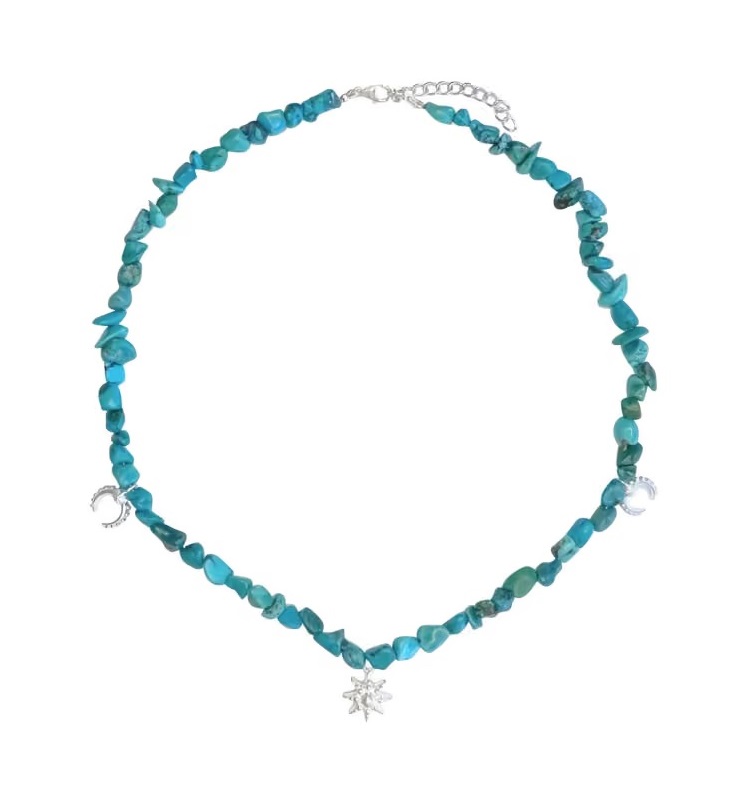
Best fair-trade statement piece: Rize Stellar Turquoise Necklace, £115. Handcrafted by Fairtrade artisans in recycled silver, with a turquoise stone that carries the piece. The one to buy when you want the necklace to be noticed and the provenance to hold up when someone asks.

Rize Stellar Turquoise Necklace

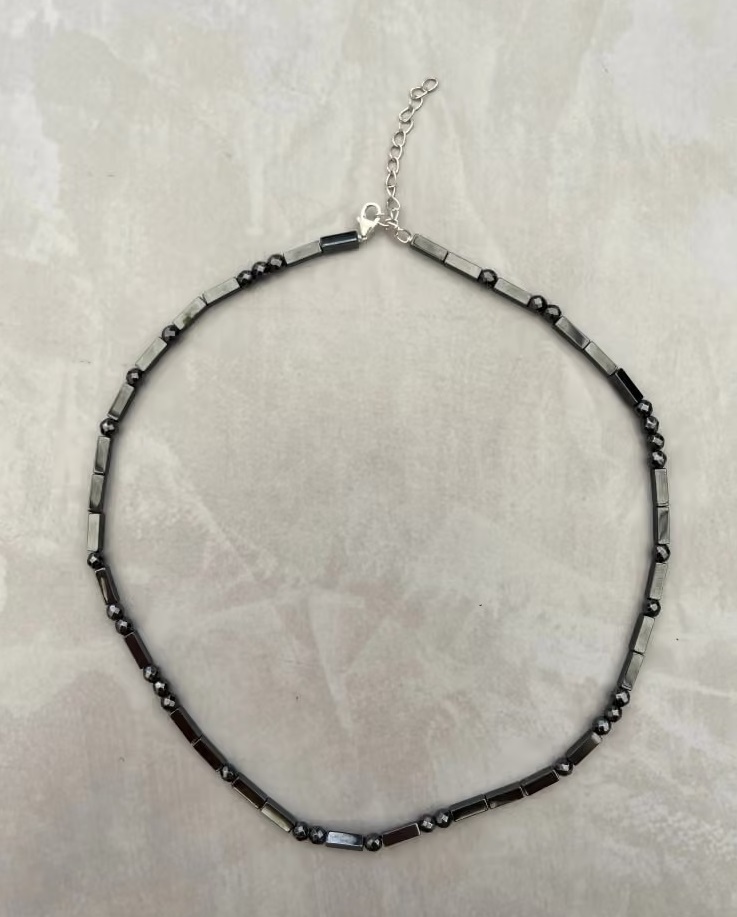
Best affordable Fairtrade: Rize Hematite Necklace, £45. A handcrafted Fairtrade-artisan choker at a gift-friendly price, proof that the fair-trade tier doesn’t start high. The easy first fair-trade necklace to buy for yourself or someone else.

Rize Hematite Necklace

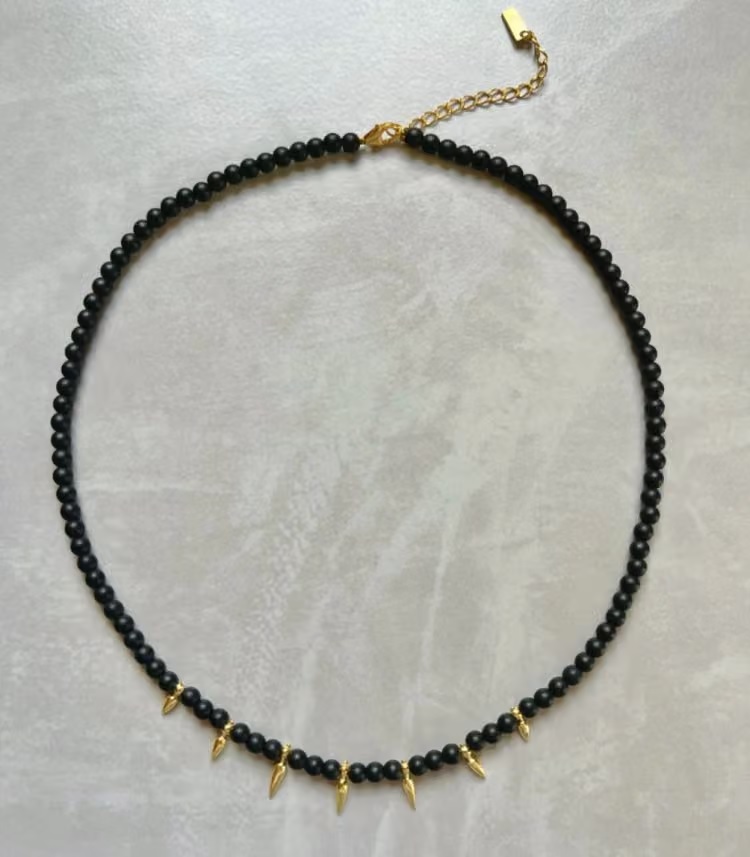
Best everyday fair-trade and recycled: Rize Tribal Spike Necklace, £70. Fairtrade and made with recycled metal, simple enough to wear daily, which is where a necklace earns its keep. The workhorse of this list.

Rize Tribal Spike Necklace

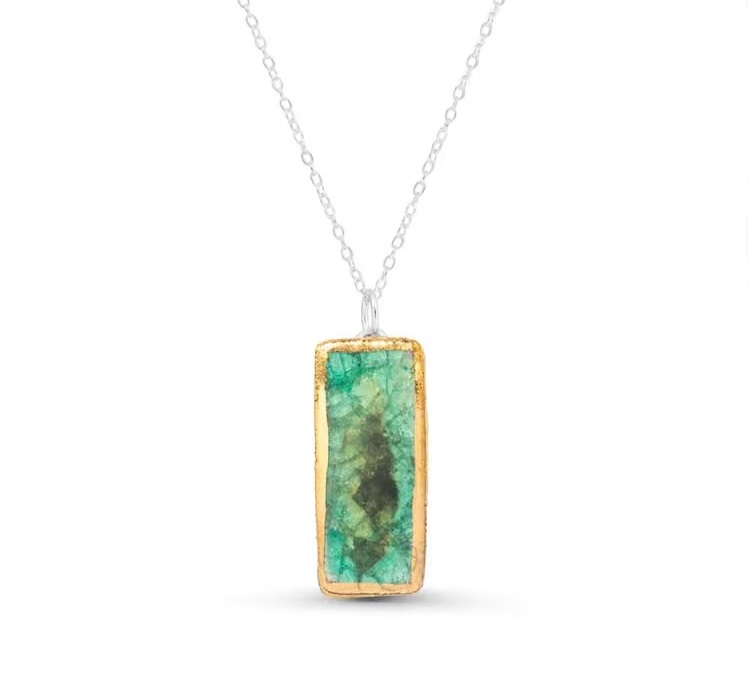
Best UK-handmade: Habulous Emerald Reef Sterling Silver Pendant, £45. Here the proof is a named British studio rather than a fair-trade certificate: handcrafted in solid sterling silver, the handmade promise without the overseas supply chain. A good example of one claim honestly met, not both.

Habulous Emerald Reef Sterling Silver Pendant

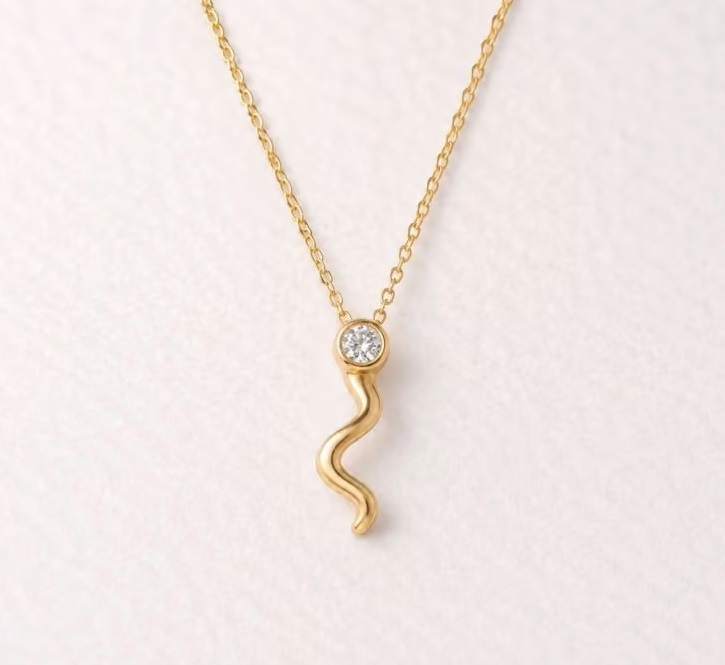
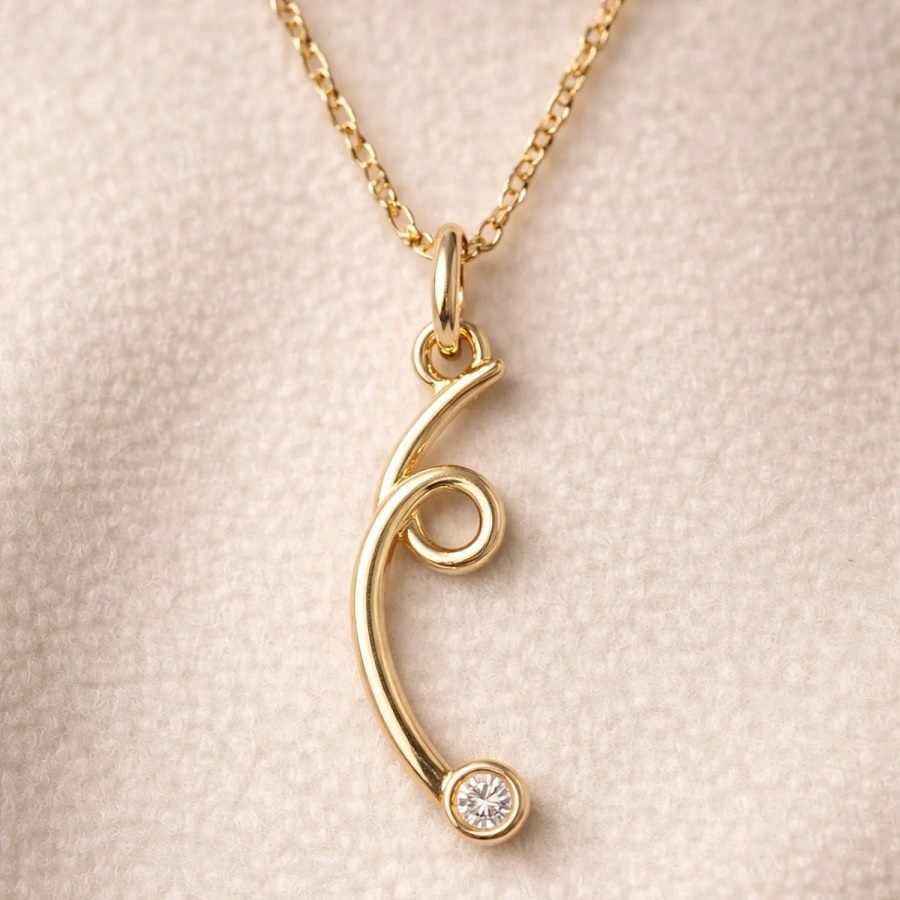
Best handmade for a milestone: Lily Flo Almost Effortless Diamond Wave Necklace, £345. Handmade in London in recycled gold, this is the fine, keep-forever end, handmade rather than fair-trade certified, with the workshop named. The piece for an occasion that deserves one.

Lily Flo Almost Effortless Diamond Wave Necklace

What A Fair Price Actually Buys, And Why It Costs More

A genuine handmade or fair-trade necklace usually costs more than a machine-made high-street one, and that gap is the product. You are paying for real hours of skilled work and for makers who were paid properly for them, rather than for volume and thin margins passed down the chain. The premium isn’t a tax on your conscience, it’s the actual cost of the thing being what it claims.

That’s also why the proof matters so much. If you’re paying the fair-trade price, you should get the fair-trade reality, a named community, a standard, counted work, not just the word. Buy where the story checks out, and the extra you spend does what it says. You can see the wider fair-trade range under Fair Trade.

So Which Should You Buy?

Decide which promise you want, then buy the piece that proves it. For fair-trade, look for a named cooperative or a recognised standard and buy from the specialists that publish their impact. For handmade, look for a named maker or studio. For both, So Just Shop and Rize are where the two claims meet on Ziracle, and a UK studio like Habulous or Lily Flo answers the handmade question in Britain. Whatever you choose, let the piece answer “who made this?” before you pay.

Get that right and a necklace stops being a nice story you can’t check, and becomes one you can, which is the difference between a gift that means something and a gift that says something. This piece sits within the wider sustainable jewellery guide if you want the metals side too.

Buy the necklace that can tell you who made it.

FAQs

What is the difference between handmade and fair-trade jewellery?

They are two separate claims. Handmade means a person made the piece by hand rather than a machine, so it reflects real craft and small individual variations. Fair-trade means the people who made it worked in fair conditions for fair pay, usually verified through a cooperative or a recognised standard. A necklace can be handmade but not fair-trade, fair-trade but largely machine-assisted, or genuinely both, so it’s worth knowing which one you’re paying for.

How can you tell if a “fair-trade” or “handmade” necklace is genuine?

A real one names names. Genuine fair-trade brands identify the cooperative or community, publish their impact, or carry a recognised standard like the World Fair Trade Organization or Fairtrade. Genuine handmade pieces name the maker or studio. If a claim rests only on words like “artisan” or “ethically made” with nothing you can check, treat it as marketing until proven otherwise.

Is fair-trade jewellery more expensive, and why?

Usually a little, and the reason is the point. The price reflects paying skilled makers properly for real hours of work, rather than squeezing costs down the supply chain. You’re buying the labour and the fairness as much as the metal and the stone, so the premium is the actual cost of the piece being what it claims to be.

Best natural sleep aids

Best natural sleep aids UK

The reason most “sleep aids” disappoint is that people buy them to be switched off like a light. Sleep doesn’t work that way. You can’t force it, and the harder you try, the more awake you tend to feel. Nothing on a shelf sedates you into a good night. What the genuinely useful products do is quieter than that: they remove a specific thing that’s keeping you up, so sleep can arrive on its own.

Which makes the whole Stress and Sleep aisle easy to shop once you stop asking “what’s the strongest one” and start asking “what’s actually keeping me awake.” Get that right and the aid does its small, real job. Get it wrong and you’ve bought a nice candle for a magnesium problem.

Before You Buy Anything: The Free Stuff Does the Heavy Lifting

The most effective sleep aids cost nothing, and skipping them is why products underwhelm. A dark, cool, quiet room, a consistent sleep and wake time, and no screens in the last hour do more than anything you can buy, which is exactly what the NHS advises first for poor sleep. These aren’t a warm-up act for the real fix. They are the fix, and the products are support.

There’s a reason effort backfires. “The harder you try to sleep, the more likely you are to stay awake,” is how Professor Colin Espie, Professor of Sleep Medicine at the University of Oxford, sums up the central trap, because trying is a form of alertness. So the job of a sleep aid isn’t to knock you out, it’s to lower the arousal that trying creates.

One UK-specific note before you shop. Melatonin, the supplement sold freely in the US, is a prescription-only medicine here, classed as such by the regulator, the MHRA. You cannot buy it over the counter, and the gummies shipped from abroad aren’t the answer. If sleeplessness has lasted more than a few weeks, that’s a conversation with your GP, not a supplement.

You cannot buy sleep. You can only remove what is blocking it.

Match the Aid to What is Actually Keeping You Up

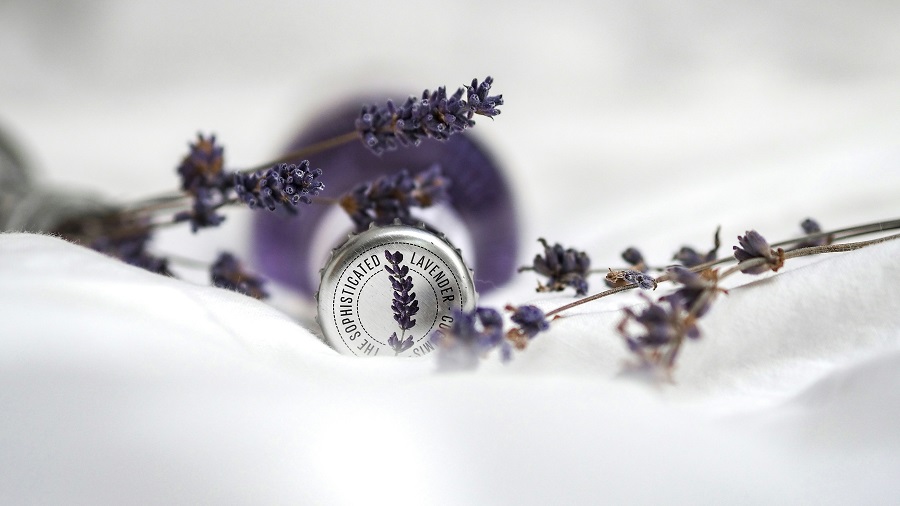
A lavender pillow spray and candle wind-down cue in soft evening light

Sort the aids by the blocker they clear, and the choice makes itself. There are really only a handful of common ones. A mind that won’t switch off, where the issue is stress and rumination, not tiredness. No wind-down, where you go from screen to pillow with no gear-change. A body that won’t unclench, physical tension that keeps you surfacing. And a bright, warm, stimulating bedroom that works against you all night.

Each has a different answer. A racing mind is helped by a calming ritual and, for some people, a stress-targeted herbal, not by a heavier sedative. No wind-down is fixed by a cue that tells your body the day is over, a scent, a warm bath, a candle you light at the same time each night. A tense body responds to warmth and touch, a massage oil or a bath soak. And a bad bedroom is a fix of dark and cool, a mask and cooler bedding, not a pill. Naming your blocker is most of the work.

The Picks, Sorted By Your Blocker

Everything below is verified in stock and chosen for the specific blocker it clears, not for sedative promises none of them can keep. Ziracle’s sleep range leans on Bouclé for aromatherapy, so several picks share it, across different jobs. Prices and stock were checked at the time of writing and move with the sales.

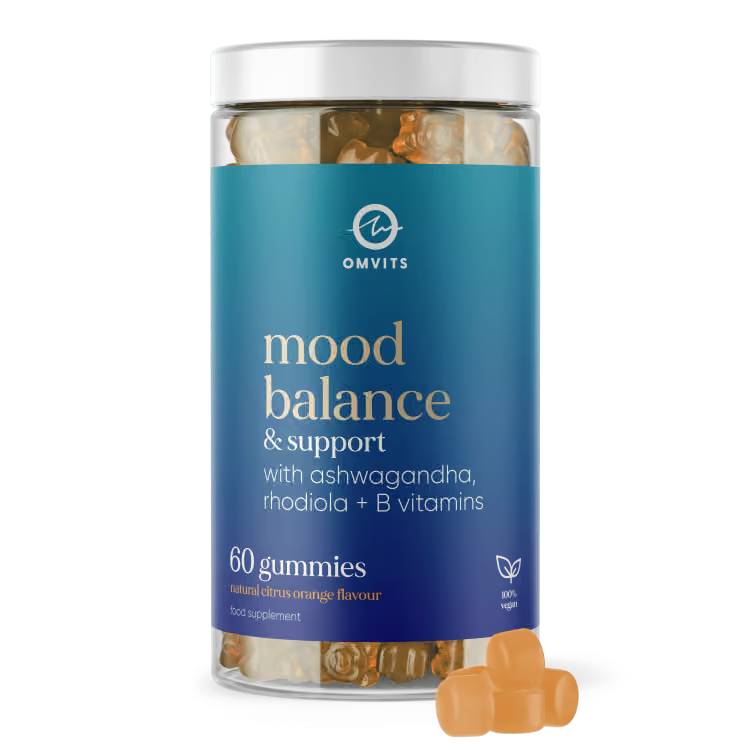
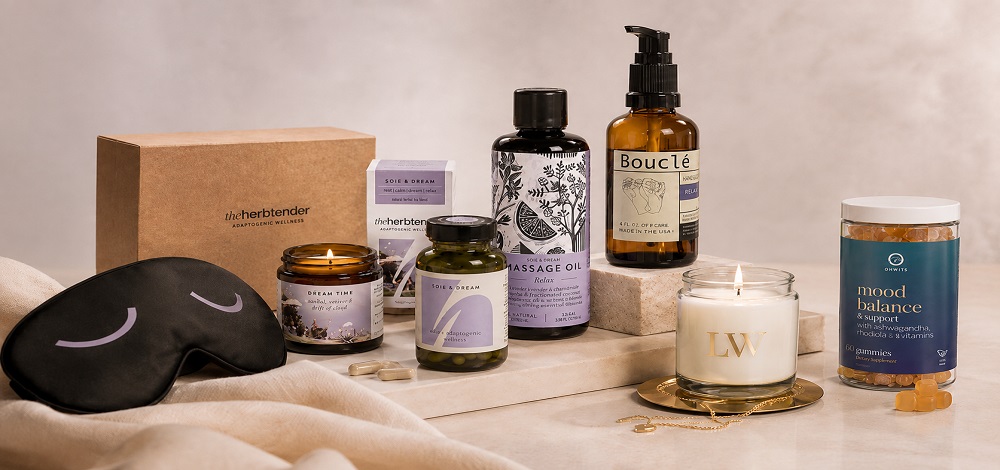
If your mind won’t switch off: Omvits Mood Balance & Support Gummies, around £14. Ashwagandha and rhodiola are adaptogens with suggestive, not conclusive, evidence for easing stress, and it’s the daytime stress that often shows up as a racing mind at night. Worth trying if that’s your blocker, taken as directed, not as a sedative.

Omvits Mood Balance & Support Gummies

If you have no wind-down: Bouclé Deep Sleep Aromatherapy Gift Set, £29.50. A lavender-led ritual set that gives you the gear-change between day and bed most poor sleepers are missing. The value is the routine as much as the scent: same steps, same time, every night.

Bouclé Deep Sleep Aromatherapy Gift Set

If you’re wired at lights-out: Bouclé Candle & Spray Scent Duo, £24.50. A pillow and room spray plus a candle, used as a consistent cue, tells an over-alert brain the day is closing. Lavender’s evidence is modest but real for relaxation, and the ritual does the rest.

Bouclé Candle & Spray Scent Duo

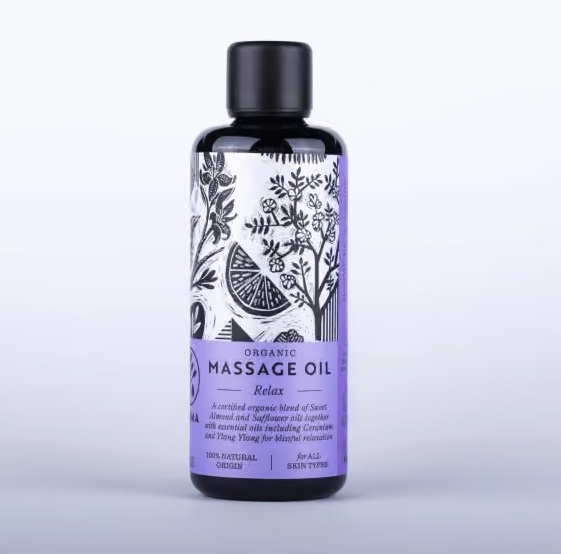
If your body won’t unclench: Haoma Relax Organic Massage Oil, £32. Warmth and touch are underrated for physical tension, and a short massage before bed shifts the body out of alert mode. The pick when it’s your shoulders, not your thoughts, keeping you up.

Haoma Relax Organic Massage Oil

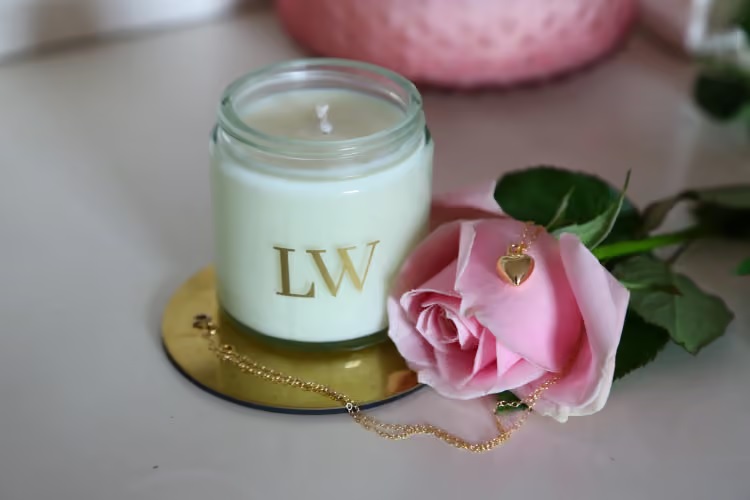
If you’re on a budget: Lovewell Signature Aromatherapy Votive Candle, £12. The cheapest way to build a wind-down cue: one candle, lit at the same point each evening, becomes the signal that the day is done. Small, but it’s the routine that works, not the price.

Signature Aromatherapy Votive Candle

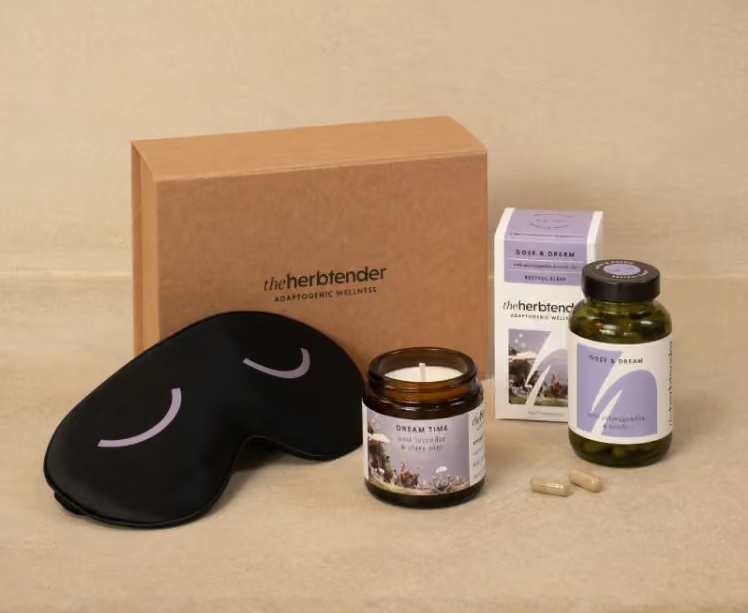
If you want it all in one: The Herbtender Sweet Dreams Gift Set, £45. A herbal sleep supplement, a silk eye mask and a candle together, which covers the mind, the light and the ritual in one box. A sensible starting point if you’re not sure which blocker is yours, or a gift for someone who is.

The Herbtender Sweet Dreams Gift Set

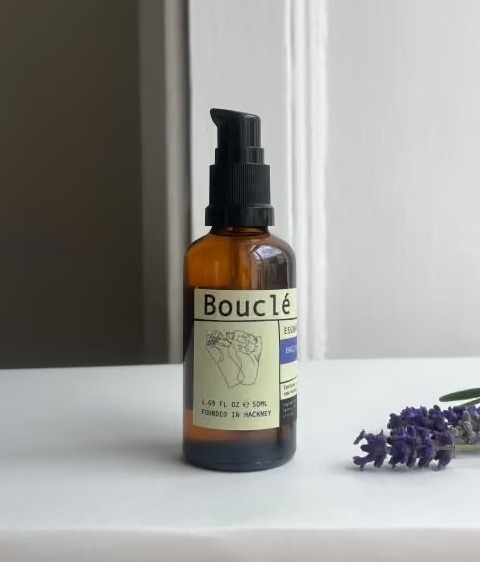
If it’s a bath-time wind-down you want: Bouclé English Lavender Aromatherapy Body Oil, £14.50. A warm bath an hour before bed is one of the better-evidenced wind-down moves, because the after-bath cool-down helps trigger sleepiness. This adds the scent cue to it.

Bouclé English Lavender Aromatherapy Body Oil

On magnesium, worth a word: it’s genuinely useful for some people, and it’s best obtained from food first, dark leafy greens, nuts and legumes. If you supplement, the form to look for is magnesium glycinate, sometimes labelled bisglycinate, which absorbs well and is gentle on the stomach, and the wider Stress and Sleep range is filtered to that kind of thing.

What the Evidence Does and Doesn’t Say

Be clear-eyed about these, because the honest version still leaves plenty worth buying. The behavioural basics have the strongest evidence by far. Lavender and aromatherapy have modest evidence for relaxation and sleep quality, which is a fair reason to use them as cues, not a claim they cure insomnia. Adaptogens like ashwagandha are suggestive rather than settled. Valerian and passionflower are traditional and mildly supported. None of them is a sedative, and none replaces seeing a GP if poor sleep is persistent or affecting your health.

So treat these as what they are: gentle, low-risk ways to clear a specific blocker and build a routine, working alongside the free basics rather than instead of them. That’s a real role, and an honest one.

So What Should You Buy?

Name your blocker, then buy the one thing that clears it. If your mind races, start with a wind-down ritual and consider a stress-targeted herbal. If you have no routine, buy a cue and use it at the same time nightly. If your body is tense, reach for warmth and touch. And whatever you buy, keep the free basics going underneath it, because they’re doing most of the work.

Do that and a sleep aid stops being a disappointing pill you hoped would switch you off, and becomes a small, reliable nudge toward sleep you were capable of anyway. The full Stress and Sleep range and the wider Sleep Better edit are sorted on the same terms.

Stop shopping for a sedative. Buy the thing that removes what’s keeping you up.

FAQs

What is the most effective natural sleep aid?

The free ones: a dark, cool, quiet room, a consistent sleep schedule, and no screens in the last hour, which the NHS advises before anything else. No supplement or spray sedates you, so the best product is simply the one that clears your specific blocker, a calming ritual for a racing mind, a scent cue for no wind-down, warmth for a tense body. If sleeplessness persists for more than a few weeks, see your GP.

Can you buy melatonin over the counter in the UK?

No. Melatonin is a prescription-only medicine in the UK, classified that way by the regulator, the MHRA, unlike in the US where it’s sold as a supplement. You can only get it through a doctor, and buying it from abroad isn’t a safe workaround. For persistent insomnia, speak to your GP, who can advise on whether melatonin or a behavioural approach like CBT for insomnia is appropriate.

Do magnesium or valerian actually help you sleep?

Modestly, for some people. Magnesium is genuinely useful if you’re short of it and is best obtained from food first, with magnesium glycinate the most absorbable supplement form. Valerian and passionflower have traditional use and mild supporting evidence for relaxation. None is a sedative or a cure for insomnia, so treat them as gentle support alongside good sleep habits, not a replacement for them.

Best sustainable jewellery

Best Sustainable Jewellery In The UK

The “sustainable” in sustainable jewellery is almost never the brand’s story. It’s the metal. A piece with a moving founder’s letter and a recycled-card box can still be a micro-thin layer of gold over brass that wears through in a year, and a plain silver band with no story at all can be the thing you wear for thirty years and hand on. The green is in the material and the making, not the marketing.

Which is oddly good news, because jewellery is the one thing you buy meaning to keep forever. That makes longevity and sustainability the same question here, and it makes the whole Jewellery and Accessories range easy to judge once you can read two words on the tag.
Why Jewellery Is The Easiest Sustainable Buy To Get Right

Jewellery is bought to last, so buying the version that actually lasts is most of the work. Unlike a T-shirt or a cleaning spray, a ring isn’t consumed, it’s kept, worn, and passed on. The sustainable choice is simply the piece good enough that you never need to replace it, which is also, conveniently, the nicer piece to own.

That reframes the whole decision. You aren’t looking for the greenest-sounding brand, you’re looking for the piece whose metal and construction mean it outlives the trend that sold it to you. Everything below serves that: read the metal, buy the one that lasts, keep it.

The most sustainable ring is the one still on a finger in forty years.

The Two Words That Decide It: What The Metal Is, And How Much

Sustainability in jewellery is set by whether the metal was mined or recycled, and by how much precious metal is actually in the piece. The mining part matters more than most buyers realise. Producing a single new gold ring generates around 20 tonnes of mine waste, according to the US environmental group Earthworks, along with heavy water use and emissions. Recycled gold is the same metal with almost none of that, carrying up to 80 percent less carbon.

So recycled metal is the first thing to look for, and it’s why the better pieces say “recycled silver” or “recycled gold” plainly. The ethics travel with the mining too. “Grandeur for the rich doesn’t have to mean grit for the poor,” says Greg Valerio MBE, a pioneer of Fairtrade gold appointed MBE in 2016 for his work with artisanal mining communities, whose point is that where the metal comes from is a human question as much as an environmental one.

The second word is how much metal. That’s where plated, vermeil, filled and solid come in, and where most of the money is won or wasted.

Plated, Vermeil, Filled And Solid: What Actually Lasts

Close detail of a gold necklace showing the metal, in natural light

These four words are the whole durability story, and most buyers can’t tell them apart. Here they are, worst-wearing to best.

Gold plated is a micro-thin layer of gold over brass, often less than half a micron. It’s the cheapest gold look and it wears off in months to a couple of years, at which point it usually gets thrown away and rebought. Gold vermeil is a thick gold layer, at least 2.5 microns, over solid sterling silver, so it lasts far longer and its base is a precious metal you could one day recycle. Gold filled bonds a thick layer of gold to a brass core under heat and pressure, which makes it surprisingly hard-wearing and tarnish-resistant, a good-value everyday gold. Solid gold, whether 9, 14 or 18 carat, is gold all the way through, the most durable and, in recycled form, the greenest fine option there is.

Sterling silver, marked 925, is solid silver alloy, durable and easily recycled, and recycled sterling silver is one of the most sustainable everyday choices in the shop. The short version: plated is the one that wears out and gets rebought, everything else is built to keep.

The Picks, Sorted By Metal And Budget

Everything below is verified in stock and chosen for its metal and its making. Ziracle’s jewellery range is deep and leans on Harfi for gold, so two picks share it to show different metals, and the rest span brands. Prices and stock were checked at the time of writing and move with the sales.

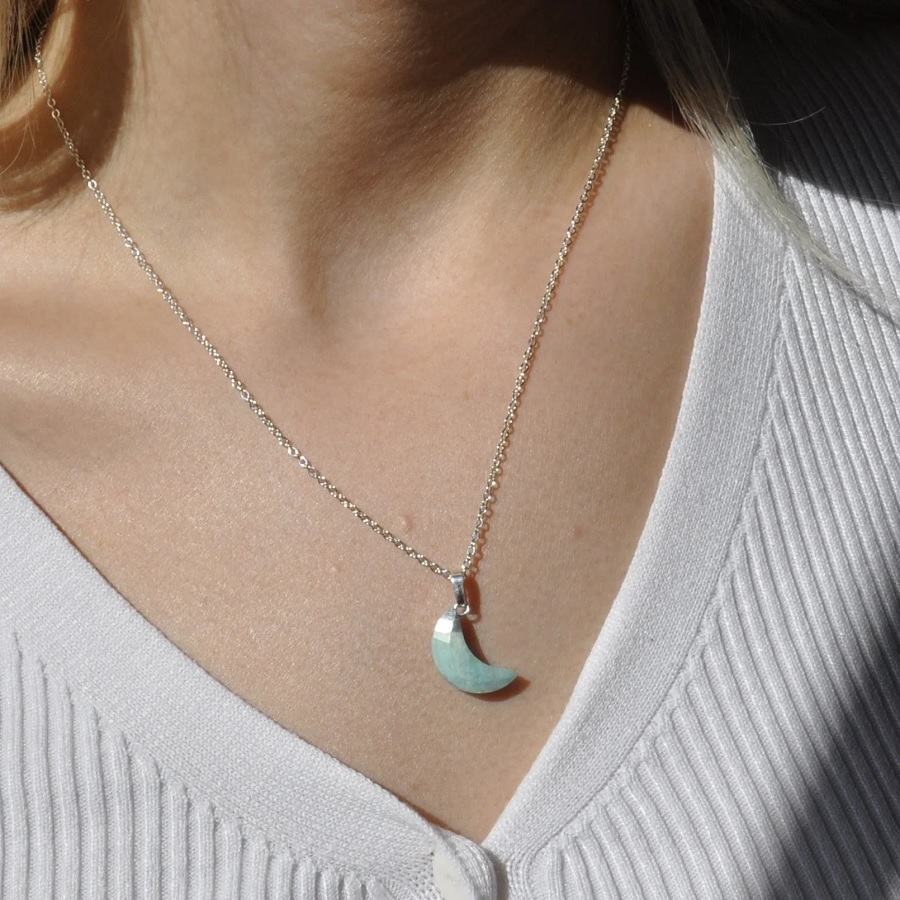
Best on a budget, eyes open: Arora London Crescent Moon Crystal Necklace, £14. A pretty, inexpensive plated piece for a trend you want now, bought knowing plating wears. Fine as a low-stakes buy, not as the necklace you expect to keep for a decade.

Arora London Crescent Moon Crystal Necklace

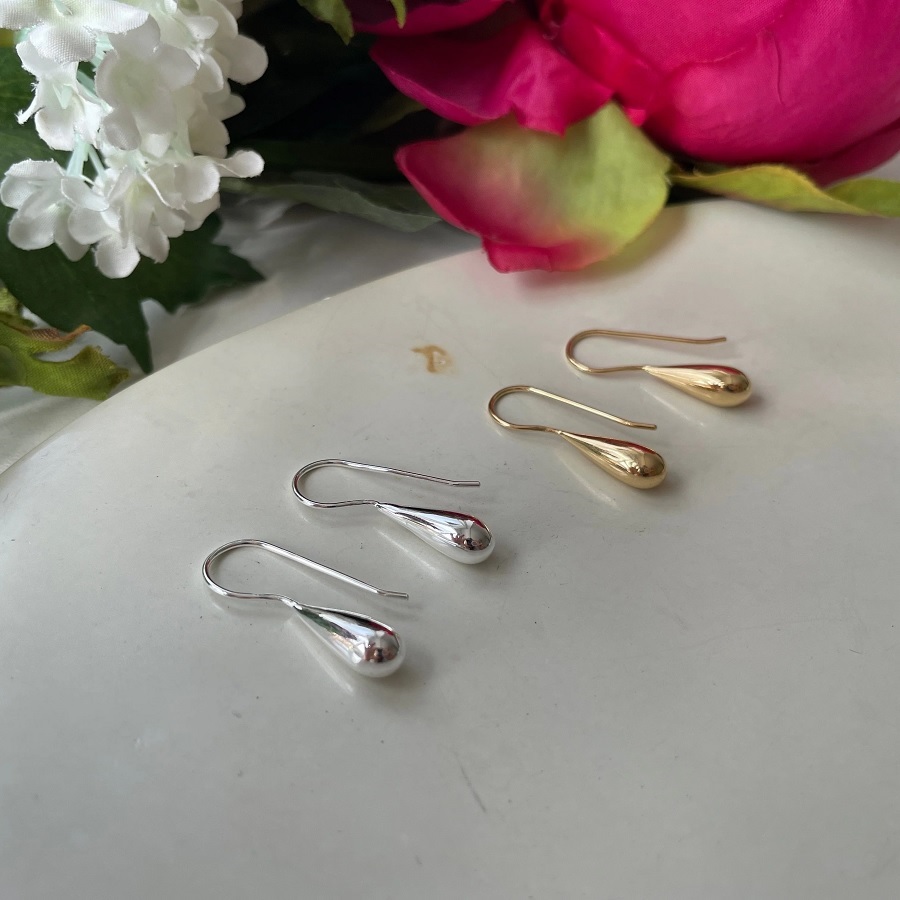
Best recycled silver everyday: So Just Shop Recycled Silver Tear Drop Earrings, £40. Recycled silver from a fair-trade social enterprise, so the metal and the making both check out. The everyday pair that earns its place and its footprint.

So Just Shop Recycled Silver Tear Drop Earrings

Best handcrafted sterling silver: Habulous Emerald Reef Sterling Silver Pendant, £45. Solid 925 silver, handcrafted, the kind of piece that takes a polish and keeps going for years. Sterling silver is the reliable middle of the sustainable range.

Habulous Emerald Reef Sterling Silver Pendant

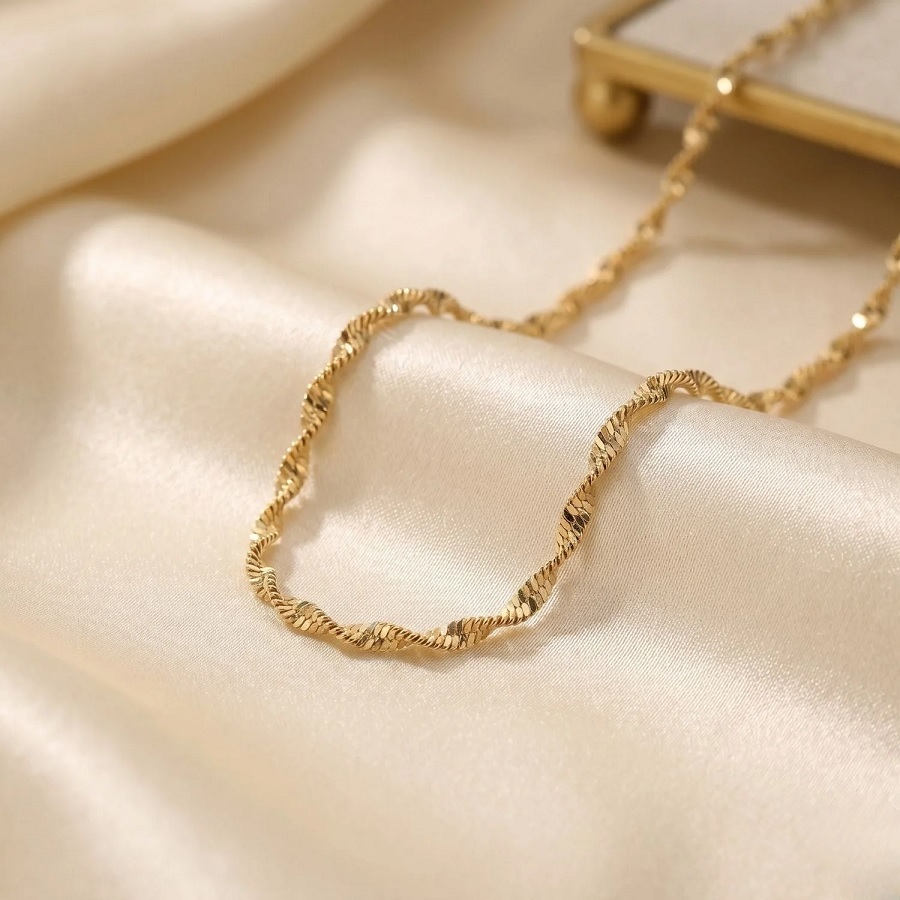
Best value gold, that lasts: Harfi 18ct Gold Filled Singapore Rope Chain Necklace, £65. Gold filled, not plated, so it resists tarnish and holds its colour for years rather than months. The smart pick if you want a real gold look without solid-gold money.

Harfi 18ct Gold Filled Singapore Rope Chain Necklace

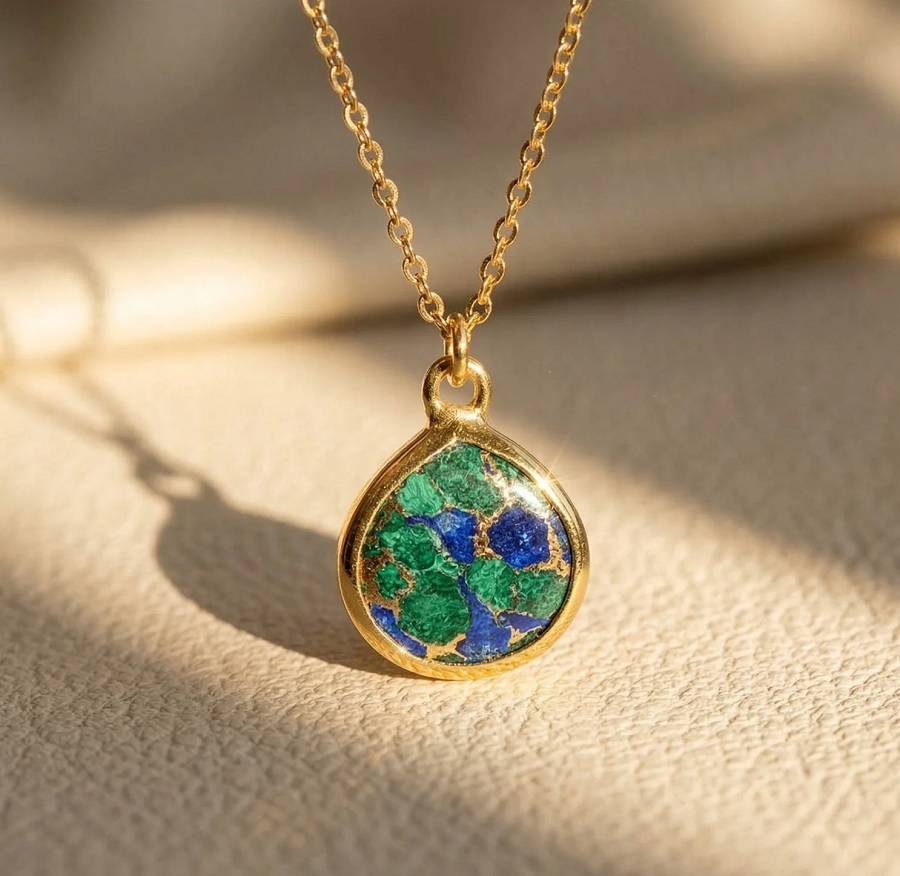
Best gold vermeil: Harfi Azurite & Malachite 18ct Gold Vermeil Necklace, £85. A thick gold layer over solid sterling silver, so it wears well and its base is a precious metal. Vermeil is the sweet spot between plated prices and solid-gold permanence.

Harfi Azurite & Malachite 18ct Gold Vermeil Necklace

Best fair-trade stones: Rize Stellar Turquoise Necklace, £115. Fairtrade-sourced, which extends the ethics from the metal to the stone, the part of a piece most brands stay quiet about. A considered gift that can say where everything came from.

Rize Stellar Turquoise Necklace

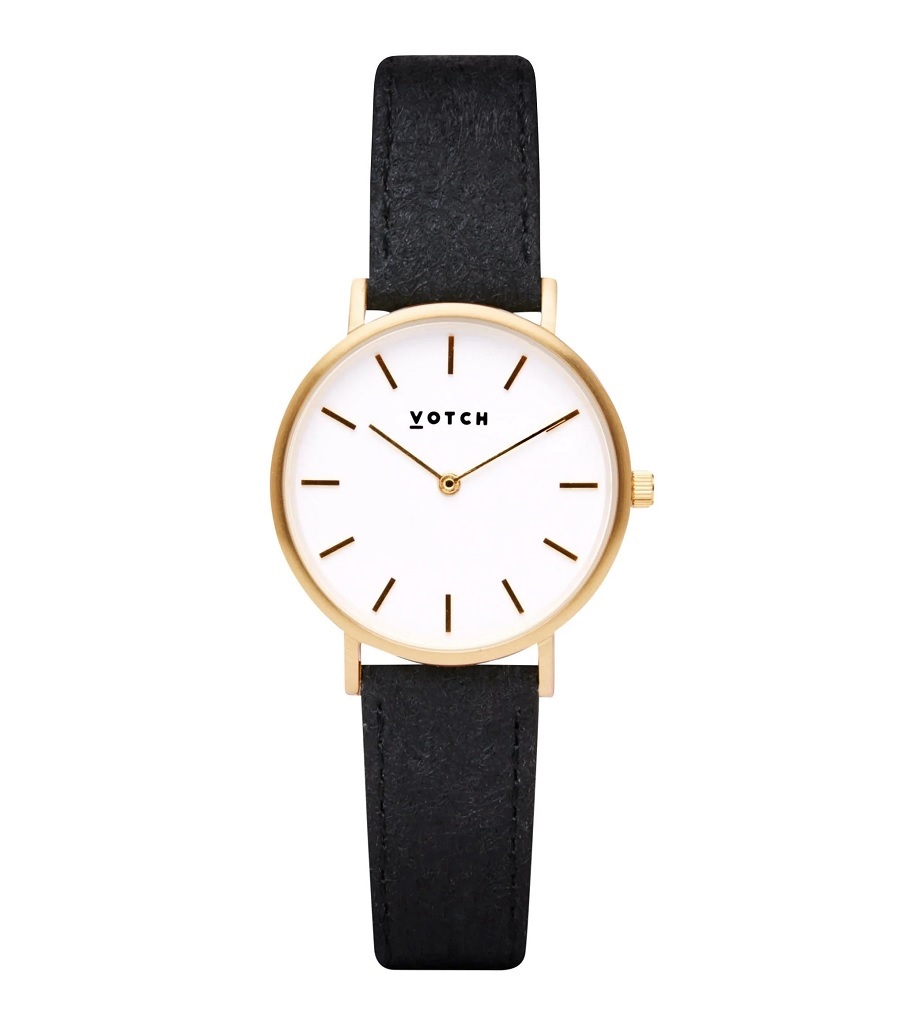
Best vegan pick: Votch Piñatex Petite Watch, £108. Most metal jewellery is already vegan, so the exceptions are straps and cords, and Votch makes its from Piñatex, a leather alternative from pineapple-leaf fibre. The pick if a leather watch strap is the thing you’ve been avoiding.

Votch Piñatex Petite Watch

Best keep-forever fine piece: Lily Flo Diamond Necklace in Solid 9k Gold, £445. Solid recycled gold with a traceable diamond, from a brand built around recycled metal and responsible stones. This is the buy-once, keep-for-life end of the range, where the sustainability maths is strongest.

Lily Flo Diamond Necklace in Solid 9k Gold

What About The Stones, And Is Jewellery Vegan?

The metal is most of the story, and the stones and materials are worth a glance too. For gemstones, recycled or Fairtrade stones and lab-grown diamonds sidestep the worst of mining, and the better brands will tell you which they use rather than leaving it blank. On the vegan question, most metal jewellery contains nothing animal-derived and is vegan by default, with the usual exceptions being pearls, and leather cords or watch straps, where a Piñatex or recycled-textile alternative does the job.

None of this needs to slow you down. Recycled metal, a construction that lasts, and a brand that names its stones, and you have covered the sustainability of a piece far better than any badge does.

So What Should You Buy?

Read the metal, buy the one built to last, and keep it. For everyday, recycled or sterling silver is the reliable, low-footprint choice. For gold, skip plated unless it’s a cheap, short-life treat, and step up to gold filled or vermeil for something you’ll actually keep, or solid recycled gold if it’s a piece for life. Let the stones and the vegan details follow once the metal is right.

Do that and jewellery becomes the rare purchase where the sustainable choice and the lovely choice are the same object. The full Rings, Necklaces and Earrings edits are sorted on the same terms.

Buy the metal that lasts, and the badge stops mattering.

FAQs

Are natural soap bars better for your skin than shower gel?

Often, and it depends on the bar. A well-made, glycerin-rich soap bar cleans effectively and skips the plastic bottle, and many are gentler than they used to be. But traditional soap can be strongly alkaline and drying, so the bar matters more than the format. For sensitive or dry skin, choose a fragrance-free or a milder wash-bar formula rather than the harshest traditional soap.

Do natural soap bars dry out your skin?

Some do. Strongly alkaline soaps can lift away the skin’s protective acidic layer and leave it tight, which dermatologists including Dr Anjali Mahto link to a weakened skin barrier over time. The fix is the formula, not avoiding bars: glycerin-rich vegetable soaps, shea-enriched bars for dry skin, and fragrance-free options for sensitive skin are far less likely to strip.

Are soap bars less hygienic than liquid soap?

No. Research has repeatedly found that ordinary bacteria on a shared bar don’t transfer to your skin in any meaningful amount during washing. A bar rinsed and left to drain dry is perfectly hygienic for home use, and it avoids the plastic bottle and the preservatives that liquid formulas need.

Best sustainable shampoo and conditioner

Best Sustainable Shampoo And Conditioner In The UK

Here is the thing no shampoo advert mentions: a typical bottle of liquid shampoo is around 80 percent water. You are paying to ship water across the country in a plastic bottle, using it for a few weeks, and binning the bottle. Which means the biggest sustainability decision in hair care isn’t the ingredient list. It’s whether you keep buying water and plastic at all.
That reframes the whole shelf. Cut the water and the packaging, and you have done most of the work, through a powder you mix at home, a solid bar, or a refill of the bottle you already own. The catch, and it’s a real one, is that the greenest format only counts if it actually suits your hair, so this covers both: the format ladder, and how to land on one you’ll stick with in the Shampoo and Conditioner range.

Before You Buy Anything: You’re Mostly Buying Water And A Bottle

The footprint of hair care is mostly water and plastic, and both are avoidable. A standard liquid shampoo is a small amount of active cleanser diluted in a lot of water, then bottled, boxed and shipped. Remove the water, and you can shrink the packaging. Remove all of it, as a bar or powder does, and you can drop the plastic bottle entirely.

This is the lever with real leverage, because it applies every time you rebuy, several times a year, for life. A single solid bar typically replaces two or three plastic bottles, so the switch quietly removes a handful of bottles per person per year without you thinking about it again.

You are not buying shampoo so much as renting a bottle of mostly water.
The Format Ladder, Lightest To Heaviest

Sustainable shampoo and conditioner in refillable and aluminium formats in daylight

Rank the formats by how much water and plastic they cut, and the choice gets simple. Powder shampoo ships no water at all, since you add it at home, and usually comes in a refillable tin or pouch, which makes it the lightest option on the shelf. A solid shampoo or conditioner bar is next: no water, no bottle, just the concentrated cleanser. Then a refill, where you keep your existing bottle and top it up from a large pouch or a concentrate, cutting the plastic per wash sharply.
After that comes a recycled-aluminium bottle, endlessly recyclable and far better than virgin plastic if you want a liquid, and last, the standard plastic bottle, the one worth leaving behind. You don’t have to jump straight to powder. Moving one rung down the ladder, from a plastic bottle to a refill or an aluminium set, already cuts most of the waste. You can browse the refill options across Beauty Refills.

The Honest Catch: The Greenest Format Only Counts If You Stick With It

A bar or powder that doesn’t suit your hair is not a sustainable choice, because you’ll abandon it and rebuy the bottle. Solid formats sometimes need a short transition while your scalp adjusts, and in hard-water areas a badly matched bar can leave a waxy film. That doesn’t make bars bad; it makes matching them to your hair and water the whole game.

It helps to remember what you’re actually washing. “Your scalp is a living tissue, an extension of the skin on your face,” says Anabel Kingsley, consultant trichologist and brand president at Philip Kingsley, who stresses that the point of shampoo is to properly cleanse the scalp, not just the lengths. So the test of any format, green or not, is simple: does it leave your scalp clean and your hair the way you like it. If a bar doesn’t after a fair try, a refill or an aluminium-bottled liquid is a better sustainable choice than a bar you won’t use.

The Picks, Sorted By Format And Hair Type

Everything below is verified in stock and chosen for its format and its fit. Ziracle’s hair range leans on Faith in Nature and The Powder Shampoo, so several picks share them, across different formats, and each still has to suit a real head of hair. Prices and stock were checked at the time of writing and move with the sales.

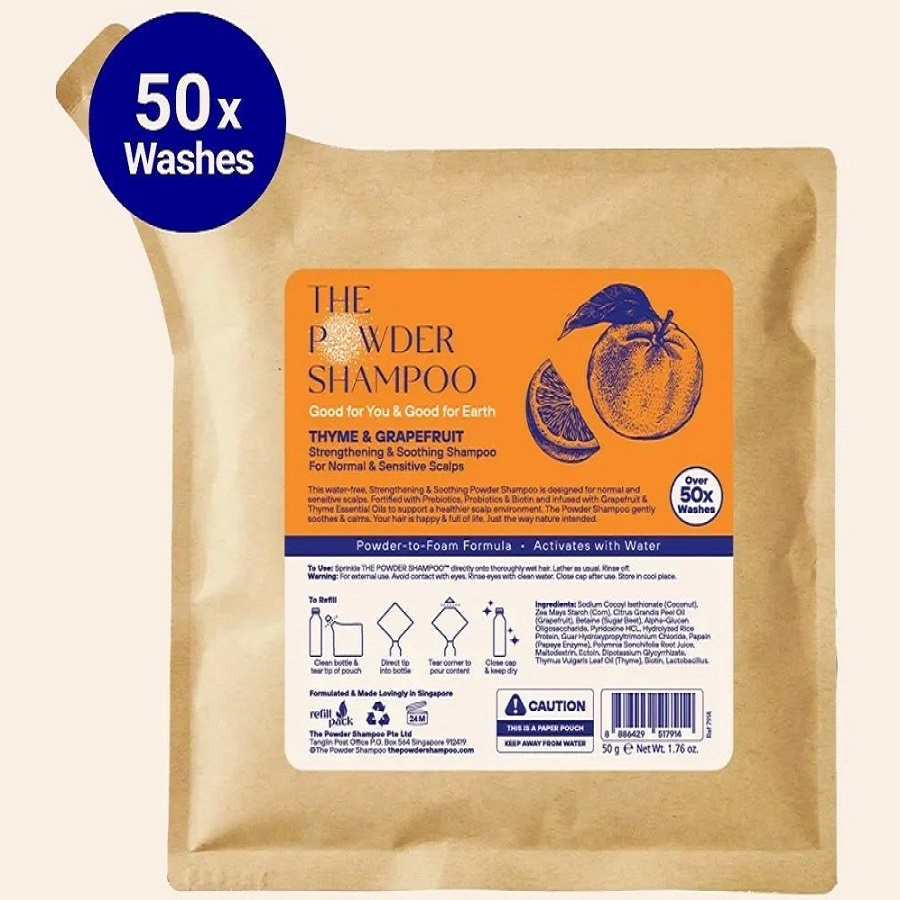
Lightest footprint, powder: The Powder Shampoo Strengthening Powder Shampoo, £17.90. You add the water at home, so nothing is shipped diluted and the refill comes in a pouch, not a bottle. Grapefruit and probiotics, aimed at normal and sensitive scalps, and there is a 320-wash year supply if you want to buy once and forget it.

The Powder Shampoo Strengthening Powder Shampoo

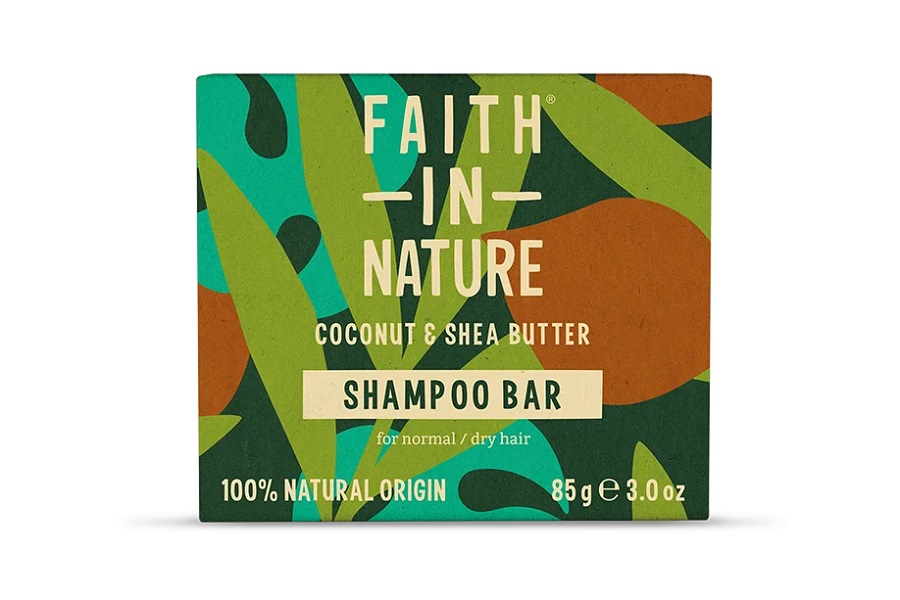
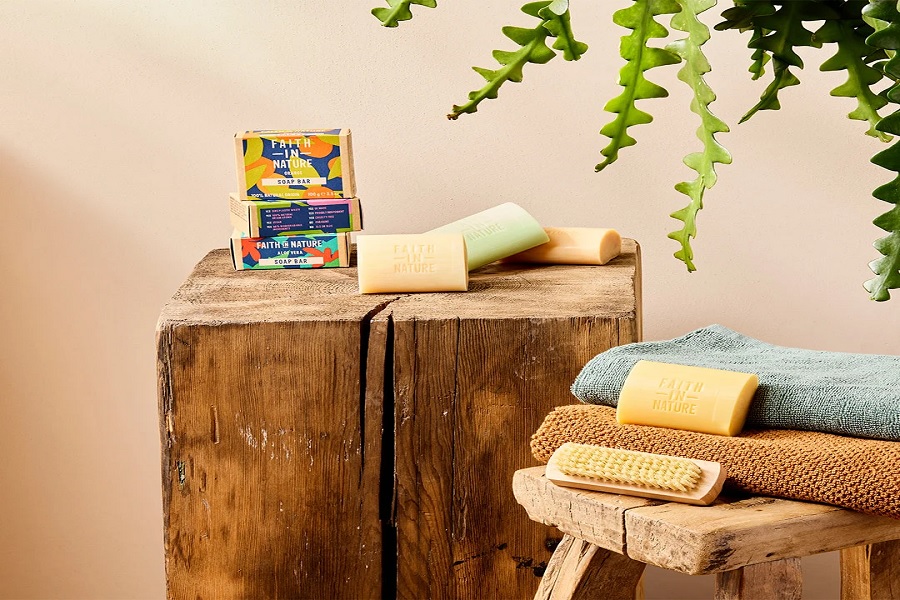
Best budget shampoo bar: Faith in Nature Coconut & Shea Butter Shampoo Bar, £7. A no-bottle, no-water solid bar for dry hair, at a price that makes trying the format painless. The easiest first step off the plastic bottle.

The Powder Shampoo Strengthening Powder Shampoo

Best conditioner bar: Kind2 Concentrated Conditioner Bars, £12.50. A silicone-free solid conditioner, so no plastic and no build-up over time. Silicone-free matters here, since that’s the ingredient that most often causes the waxy feeling people blame on bars.

Kind2 Concentrated Conditioner Bars

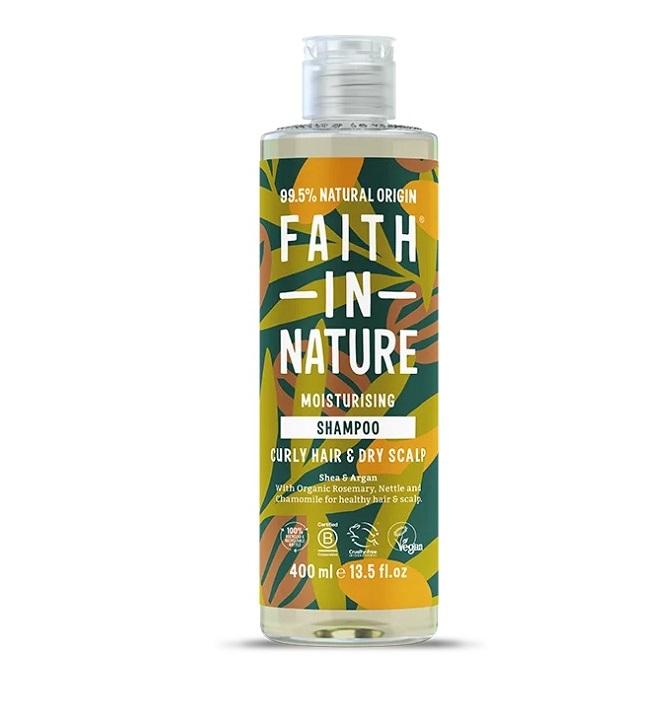
Best refillable liquid shampoo: Faith in Nature Shea & Argan Shampoo, £7.99 for 400ml. If you want a liquid, this is the one to keep and refill, aimed at curly hair, with 5-litre refills that bring the cost and plastic per wash right down. The sensible pick if bars aren’t for you.

Faith in Nature Shea-&-Argan Shampoo

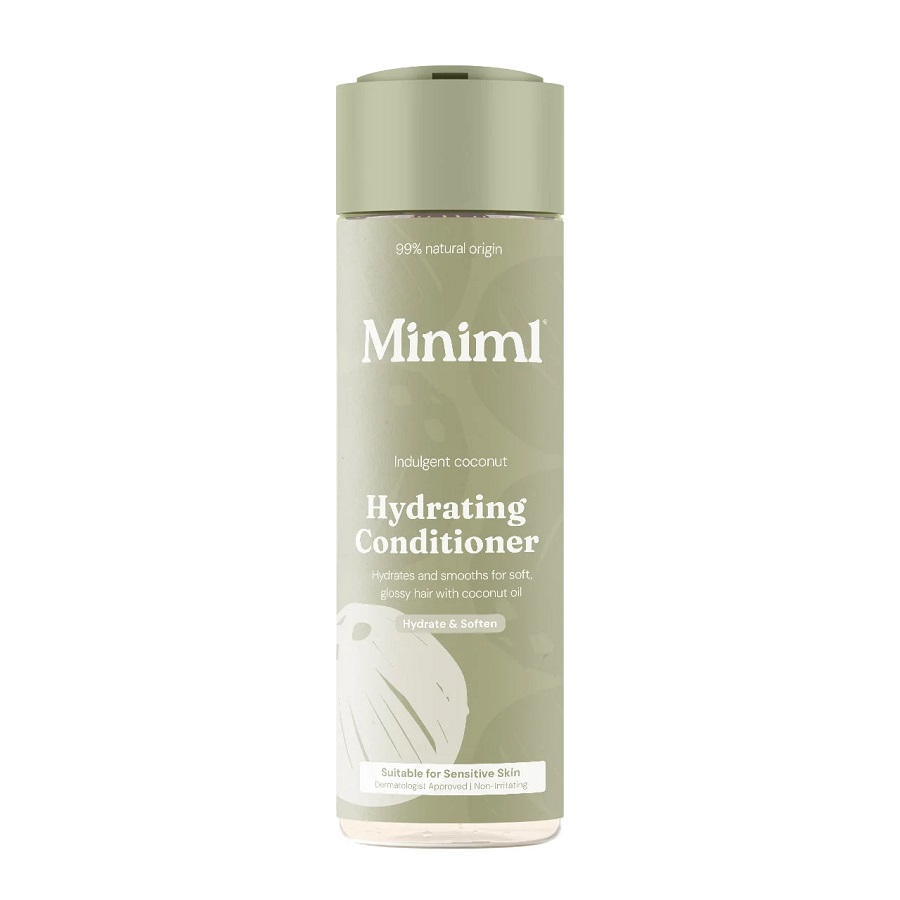
Best budget refillable conditioner: Miniml Hydrating Coconut Conditioner, £4.49. A plant-based liquid conditioner from a refill specialist, so you keep the bottle and top it up. Cheap, cheerful and low-waste for all-round daily use.

Miniml Hydrating Coconut Conditioner

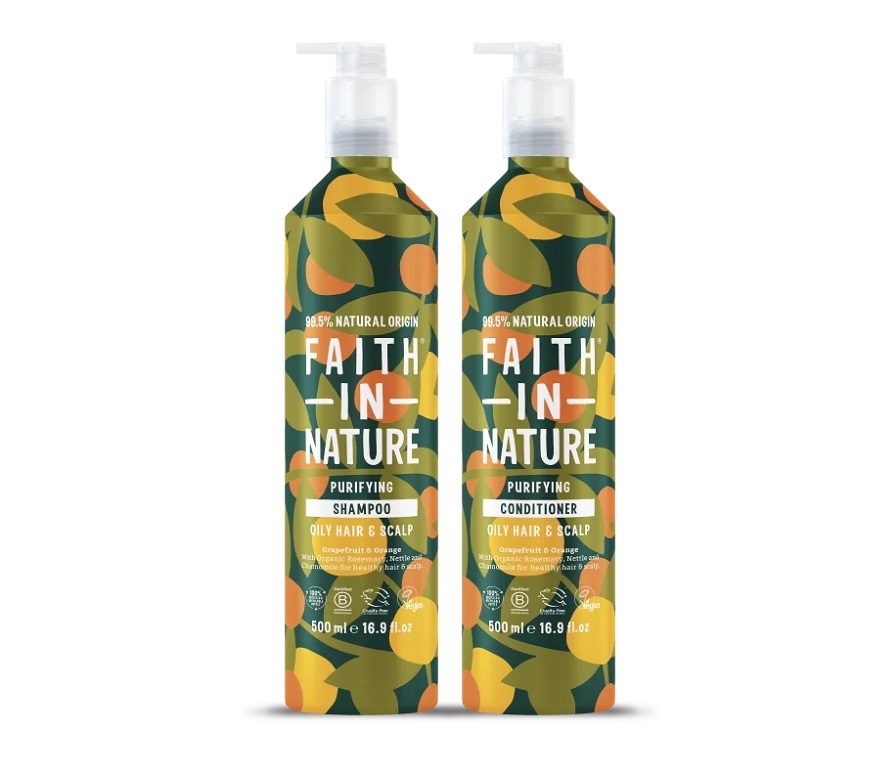
Best for bottle-lovers, recycled aluminium: Faith in Nature Grapefruit & Orange Shampoo & Conditioner Set, £17.99. Recycled aluminium is endlessly recyclable and a real step up from virgin plastic, for anyone who wants a classic liquid duo. The gentlest switch on the ladder.

Faith in Nature Grapefruit-&-Orange Shampoo & Conditioner Set

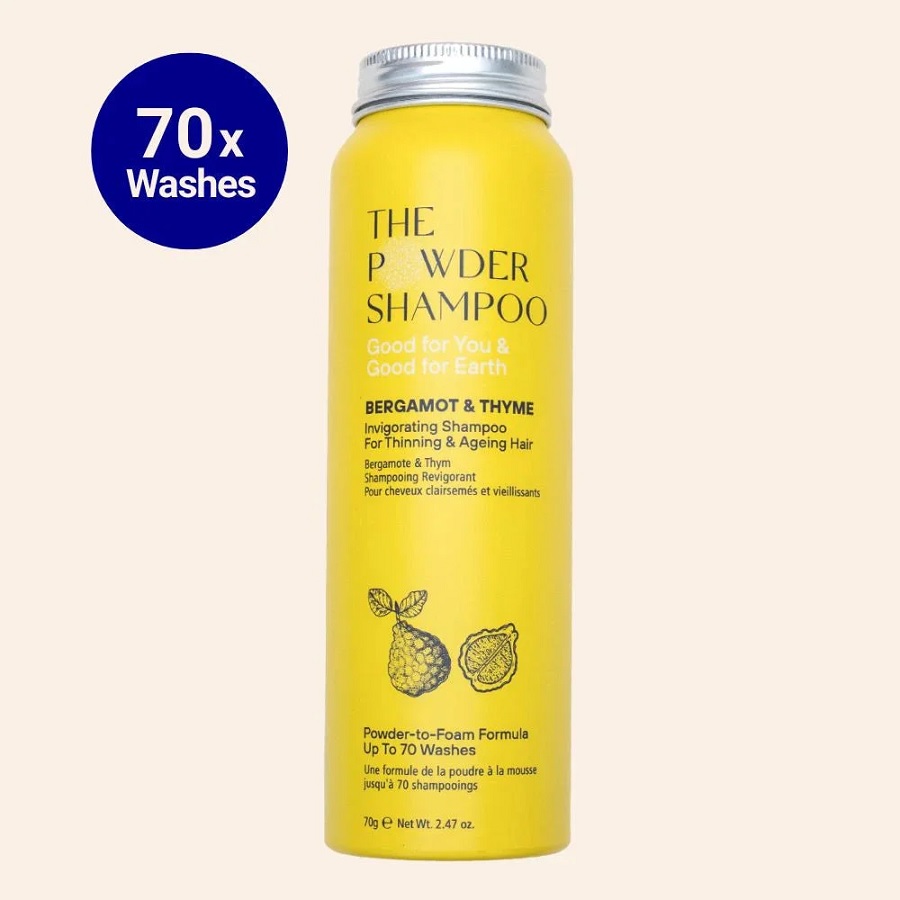
Best for thinning or ageing hair: The Powder Shampoo Invigorating Powder Shampoo, £32.90. Biotin, ginger and ginseng in a zero-water powder, a targeted option that also happens to be the lightest-footprint format. Proof the sustainable choice doesn’t mean skipping a specific concern.

The Powder Shampoo Invigorating Powder Shampoo

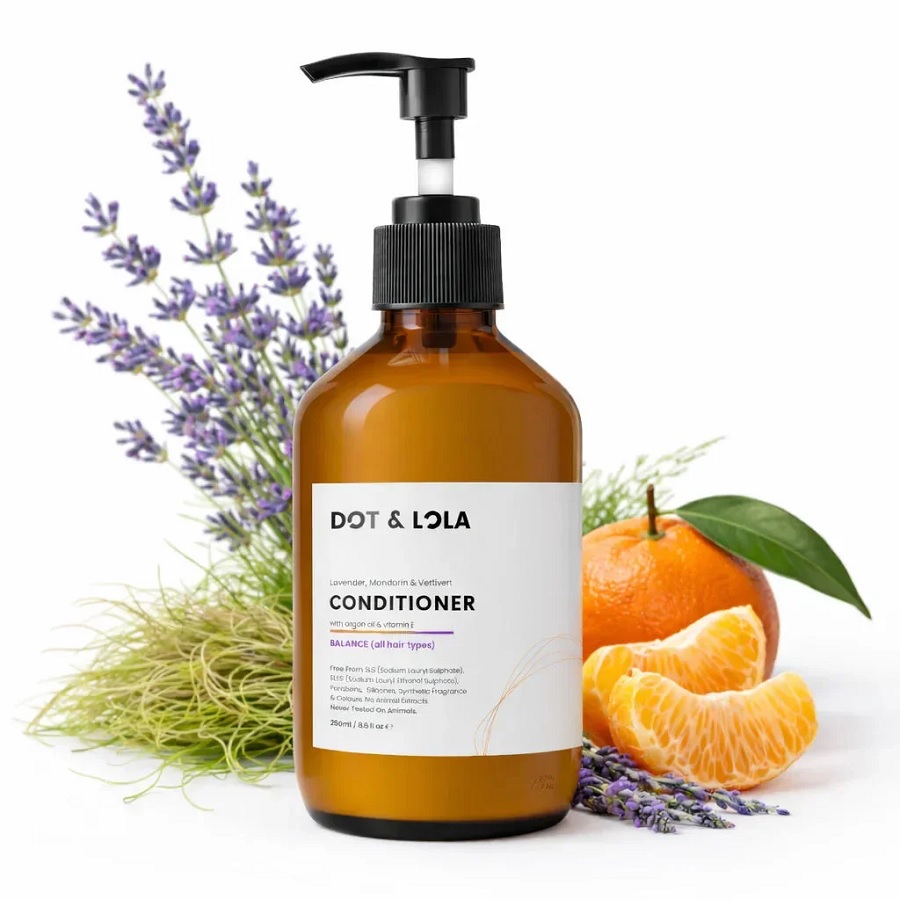
Best everyday plant-based conditioner: Dot & Lola Balance Conditioner, £6. A plant-based, all-hair-types liquid conditioner that keeps things simple and affordable. The reliable everyday pairing for any of the shampoos above.

Dot & Lola Balance Conditioner

So What Should You Buy?

Drop one rung down the format ladder, then match it to your hair. If you’re ready to leave bottles behind, start with a powder or a bar and give it a fair few weeks. If bars have never worked for you, or your water is hard, a refill or a recycled-aluminium liquid cuts most of the waste without the transition. Then pick for your hair, dry, curly, fine, sensitive scalp, because the format you’ll actually keep using is the only one that counts.

Get both right and hair care stops being a stream of plastic bottles full of water, which is the whole point. The full Shampoo and Conditioner edits, and the wider Healthy Skin range, are sorted on the same terms.

Stop buying water in a bottle, and buy the format your hair will actually keep.

FAQs

Are shampoo bars actually better for the environment?

Yes, mainly because they cut water and plastic. Liquid shampoo is around 80 percent water shipped in a plastic bottle, while a bar is the concentrated cleanser with no water and no bottle, and one bar typically replaces two or three bottles. The caveat is that a bar only helps if it suits your hair and you keep using it, so matching it to your hair type and water matters as much as the format.

Why did my shampoo bar leave my hair waxy, and how do I fix it?

It’s usually the transition period, hard water, or a mismatched formula rather than the bar itself. Your scalp can take a week or two to adjust, hard-water areas can leave a film, and silicone or heavy oils suit some hair and not others. Give a well-matched bar a fair trial, try a silicone-free one, and an occasional rinse with diluted apple cider vinegar clears build-up. If it still doesn’t work, a refillable liquid is the better sustainable choice for you.

Is sulphate-free shampoo better?

It’s gentler, not automatically better for everyone. Sulphate-free formulas clean more mildly, which suits dry, curly, sensitive or colour-treated hair, but some scalps and hair types are perfectly happy with a gentle sulphate wash. As trichologists point out, the goal is a properly cleansed scalp, so choose by how your hair and scalp respond, not by the claim on the front.

Best natural soap bars

Best natural soap bars UK

That tight, squeaky feeling after a shower isn’t your skin getting clean. It’s your skin getting stripped. Traditional bar soap is often strongly alkaline, and the search for a “natural” one doesn’t fix that on its own, because natural is a word about marketing, not about pH. A hand-poured artisan bar can still be harsh, and a plain supermarket-adjacent one can be kind.

So the useful way to shop Soaps and Cleansers isn’t to chase the most natural-sounding bar. It’s to match the bar to your skin: glycerin-rich and gentle for most people, fragrance-free for sensitive skin, and a softer wash-bar format if traditional soap has always left you dry. Get that right and a bar beats bottled shower gel on plastic, cost and, often, kindness.

Before You Buy Anything: Most Skin is Fine, Some Soap is not

For most people, a well-made vegetable soap bar is a good, low-waste way to wash, and cheaper than bottled gel. The problem isn’t bars in general, it’s the harsh ones. Traditional soap tends to sit high on the pH scale, which lifts away the skin’s slightly acidic protective layer, and prolonged use of the strongest ones is what leaves skin dry and irritated.

“Prolonged use of soaps and surfactants can have a negative impact on the skin barrier,” notes Dr Anjali Mahto, consultant dermatologist and author of The Skincare Bible, who recommends gentler, pH-considerate cleansing especially for dry or sensitive skin. That doesn’t mean avoid bars. It means choose the ones formulated to be kind, and if your skin is reactive, take the advice more seriously than the branding.

A good bar leaves skin comfortable, not squeaky.

The Picks, Sorted by Your Skin and the Job

Everything below is verified in stock and chosen for how kind it is, not how natural it sounds. Ziracle’s soap range leans heavily on Faith in Nature, so a couple of picks share it, and the list spreads across Bouclé, trii, Douvalls, Dalia Botanique and So Just Shop. Prices and stock were checked at the time of writing.

Best everyday vegan bar: Faith in Nature Grapefruit & Orange Soap Bar, £3.49. A glycerin-rich vegetable soap that cleans without the tight after-feel, vegan and plastic-free, at a price that makes switching from shower gel easy. The sensible default for skin with no particular complaints.

Faith in Nature Grapefruit & Orange Soap Bar

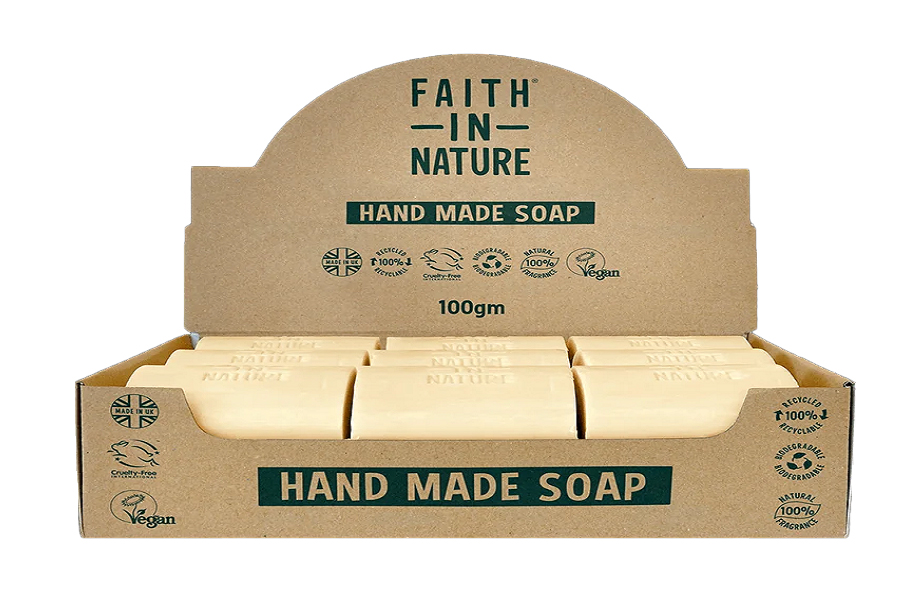
Best for sensitive skin: Faith in Nature Box of 18 Unwrapped Fragrance Free Soaps, £48. Fragrance is the most common trigger for reactions, so a fragrance-free bar is the safe pick for sensitive or eczema-prone skin. Buying the unwrapped box of 18 also drops the price to under £3 a bar and the packaging to almost nothing.

Faith in Nature Box of 18 Unwrapped Fragrance Free Soaps

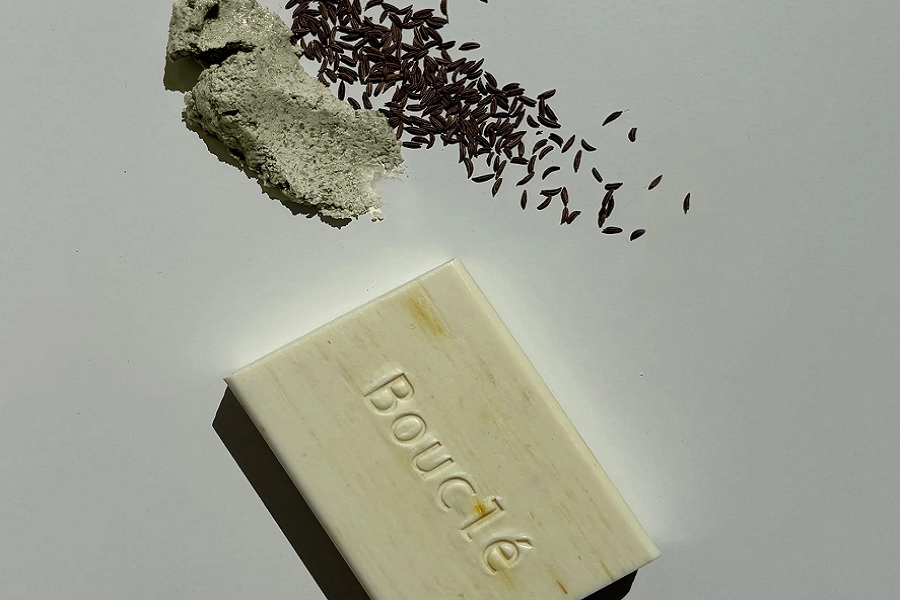
Best for dry skin: Bouclé Carrot Seed & Shea Butter Soap Bar, £7.75. Shea butter adds back some of the oils a wash removes, so this British botanical bar suits skin that tends to feel tight. A step up in price and in nourishment.

Carrot Seed & Shea Butter Soap Bar

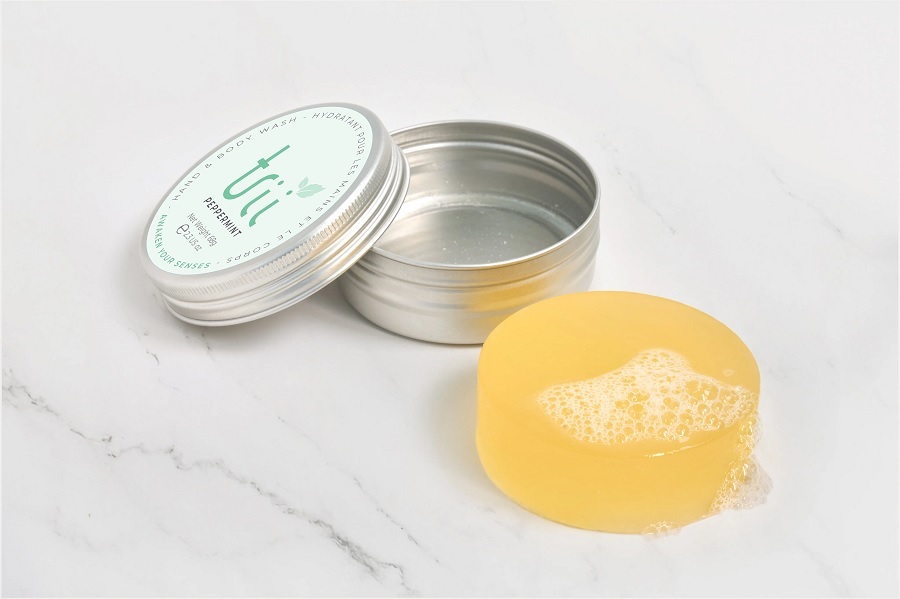
Best gentler format: trii Peppermint Hand & Body Wash Bar, £8. A solid body-wash bar rather than a traditional soap, which usually means a milder, closer-to-skin formula that many people find less drying. The pick if classic soap has never quite agreed with you.

Peppermint Hand & Body Wash Bar

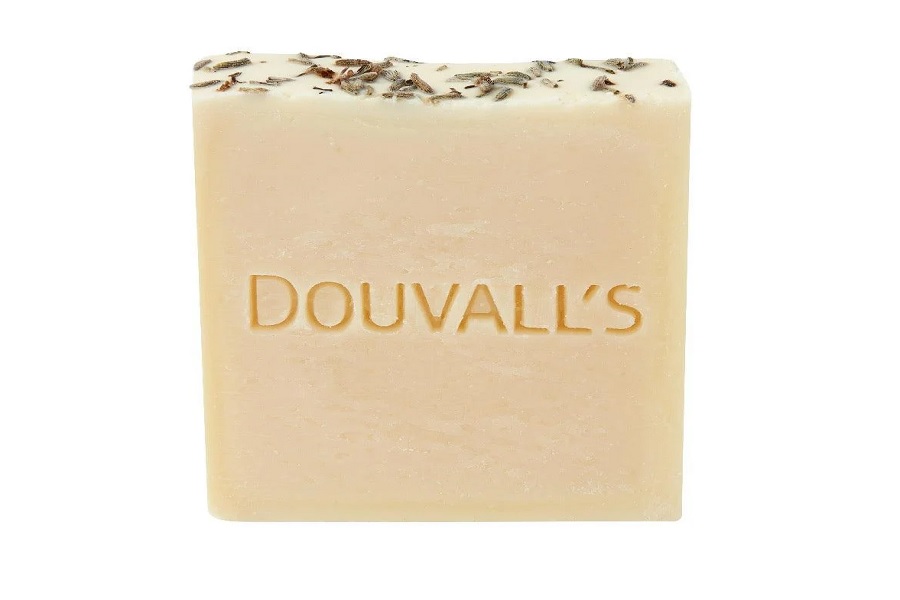
Best nourishing luxury: Douvalls Organic Argan & French Lavender Soap, £11. Argan oil makes this a richer, more moisturising bar, from a brand that reinvests in the communities it sources from. A treat bar that still earns its place on skin.

Douvalls Organic Argan & French Lavender Soap

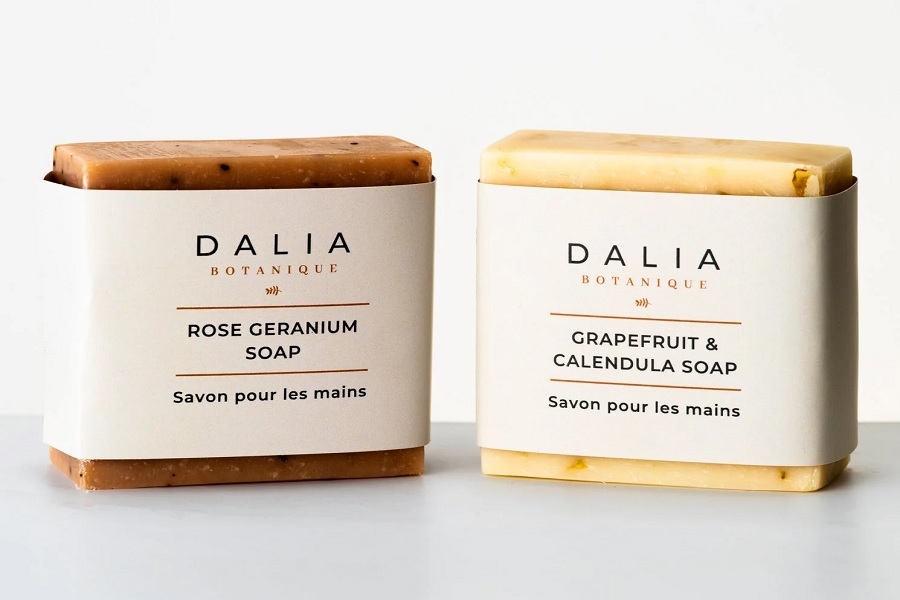
Best handcrafted: Dalia Botanique Handcrafted Botanical Soap, £6. A small-batch British bar with calendula, for anyone who wants the artisan version without leaving the kindness to chance. Botanical, plainly listed, and gentle.

Dalia Botanique Handcrafted Botanical Soap

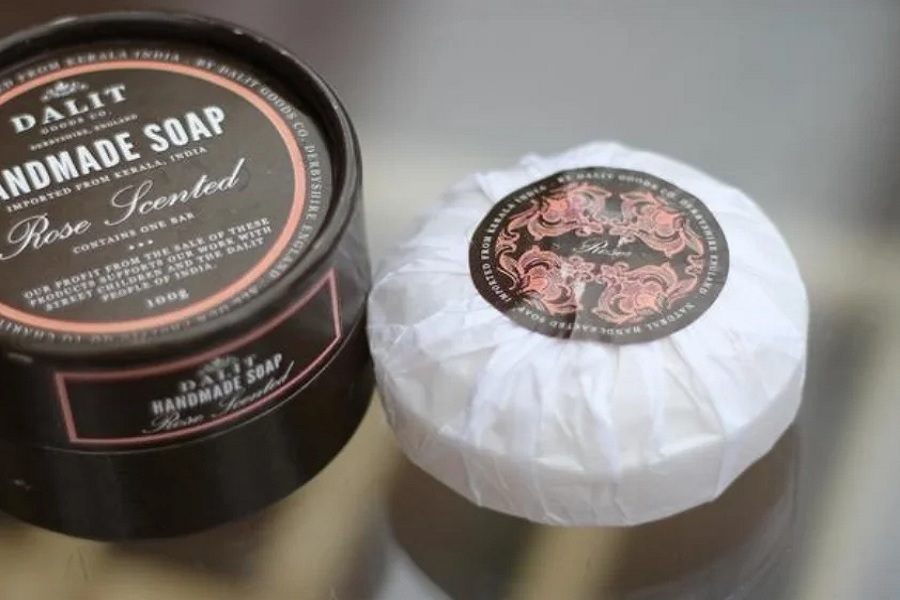
Best fair-trade gift: So Just Shop Rose Scented Soap, £4.99. An artisan bar from a fair-trade social enterprise, which makes it as good to give as to use. Scented, so one for skin that tolerates fragrance.

So Just Shop Rose Scented Soap

What “Natural” Leaves Out: pH, Palm Oil and Fragrance

Three things the word natural won’t tell you decide whether a bar is worth buying. The first is how gentle it is: look for glycerin-rich vegetable soaps or milder wash bars over the harshest traditional ones, and if your skin is sensitive, fragrance-free. The second is palm oil, common in cheap soap and worth avoiding or choosing certified-sustainable, which the better bars will state plainly. The third is fragrance, lovely on tolerant skin and the first thing to drop if yours reacts.

None of this rules out a scented, hand-poured bar if your skin is happy. It just means reading the ingredients, not the adjective. If you prefer liquid, refillable options like Raindrop’s foaming soap refills cut the plastic the same way a bar does.

So What Should You Buy?

Match the bar to your skin, then let the ethics follow. Most people can reach for a glycerin-rich vegetable bar and be happy. Sensitive or eczema-prone skin should start fragrance-free; dry skin wants shea or oils added back; and anyone who has never got on with soap should try a gentler wash-bar format before giving up on the idea. A bar that leaves your skin comfortable is doing its job, whatever the label calls it.

Get that right and a soap bar is one of the easiest low-waste swaps there is, kinder to your skin and to the bin than a bottle of gel. The rest of the Healthy Skin edit is chosen on the same terms.

Buy the bar that leaves your skin comfortable, not the one that sounds the most natural.

FAQs

Are natural soap bars better for your skin than shower gel?

Often, and it depends on the bar. A well-made, glycerin-rich soap bar cleans effectively and skips the plastic bottle, and many are gentler than they used to be. But traditional soap can be strongly alkaline and drying, so the bar matters more than the format. For sensitive or dry skin, choose a fragrance-free or a milder wash-bar formula rather than the harshest traditional soap.

Do natural soap bars dry out your skin?

Some do. Strongly alkaline soaps can lift away the skin’s protective acidic layer and leave it tight, which dermatologists including Dr Anjali Mahto link to a weakened skin barrier over time. The fix is the formula, not avoiding bars: glycerin-rich vegetable soaps, shea-enriched bars for dry skin, and fragrance-free options for sensitive skin are far less likely to strip.

Are soap bars less hygienic than liquid soap?

No. Research has repeatedly found that ordinary bacteria on a shared bar don’t transfer to your skin in any meaningful amount during washing. A bar rinsed and left to drain dry is perfectly hygienic for home use, and it avoids the plastic bottle and the preservatives that liquid formulas need.

Best eco-friendly cleaning products

Best Eco-Friendly Cleaning Products in the UK

Open the cupboard under most sinks and you’ll find the real problem with cleaning products, and it isn’t whether they’re eco. It’s the eight half-used sprays, one for glass, one for granite, one for “kitchen,” one for bathroom, most of them the same detergent with a different colour and a different promise. The switch worth making isn’t one green bottle for one blue one. It’s fewer, better products that come as concentrates or refills.

Eco cleaning has earned some of its bad reputation. For years the plant-based option was the one that left streaks and gave up on grease. That’s changed for a decent number of products, and this guide is about telling those apart from the ones still coasting on a leaf on the label. Start in the Clean Home range and the job is mostly knowing what to ignore.

Before You Buy Anything: You Need Fewer Products than the Cupboard Suggests

The biggest win costs nothing: use less, and use fewer things. Most surfaces in a home need a cloth, warm water, and occasionally one good multi-surface cleaner, not a specialist spray per room. “Microfibre cloths and water are more than enough for most purposes,” says Øistein Svanes, a researcher at the University of Bergen, whose 2018 study in the American Journal of Respiratory and Critical Care Medicine found that women who cleaned regularly with sprays had lung-function decline comparable to years of smoking.

That study is the honest reason to cut down on harsh sprays, and it applies to eco ones too: a “natural” aerosol is still something you’re breathing. The move is to spray less, wipe more, and open a window. Clear that habit first and the products you do buy have less work to do.

Do Eco Cleaners Actually Work, and Are they Safer?

The good ones work, and “natural” on its own guarantees nothing. A well-made plant-based cleaner now matches conventional brands on everyday grease, limescale and bathroom grime, because the surfactants doing the work have caught up. What hasn’t caught up is the labelling: “natural” and “non-toxic” are unregulated words, and plenty of products lean on them while disclosing little about what’s inside.

So judge a cleaner on evidence, not adjectives. The safety case for switching is mostly about reducing your exposure to harsh, fragranced sprays, which is real, rather than a promise that anything labelled green is automatically gentle. Buy the one that names its ingredients and tells you what it cleans, not the one with the most leaves on the bottle.

The Picks, Sorted by the Job You Need Doing

Everything below is verified in stock and chosen for a real cleaning job, a concentrated or refillable format, and a disclosed ingredient list. Ziracle’s cleaning range leans on a few specialists, Delphis Eco, Miniml, Vove and MadeKind, so several picks come from them, and each still has to earn it. Prices and stock were checked at the time of writing and move with the sales.

Best washing-up liquid: Delphis Eco Washing Up Liquid, £3.60 for 500ml. A plant-based, concentrated washing-up liquid from a UK brand that supplies commercial kitchens, so it’s built to cut grease rather than apologise for it. It refills, which is where the plastic and the cost both drop.

Delphis Eco Washing Up Liquid

Best all-in-one starter: MadeKind Essential Cleaning Kit, around £30. Multi-surface, bathroom and floor cleaner in one kit, which replaces most of the single-task sprays in the cupboard. This is the pick if you’re starting from scratch and want to buy once rather than eight times.

MadeKind Essential Cleaning Kit

Best laundry liquid: Miniml Laundry Liquid, £6.99. A refillable, plant-based concentrate from a brand built entirely around refills, so you keep the bottle and top it up. Concentrated means less water shipped and less plastic per wash.

Miniml Laundry Liquid

Best plastic-free switch: eco-mate 6 Bottle Starter Pack, around £30. Six reusable bottles you fill from concentrate, which turns your whole cleaning routine plastic-light in one purchase. Best for households ready to change the system, not just the bottle.

eco-mate 6 Bottle Starter Pack

Best toilet cleaner: Vove Probiotic Toilet Bowl Cleaner Tablets, £15. Drop-in tablets that skip the heavy plastic bottle of gel entirely, using a probiotic formula rather than bleach. A good example of a format change doing the environmental work, not just the ingredients.

Vove Probiotic Toilet Bowl Cleaner Tablets

Best for the dishwasher: Vove Dishwasher Cleaner Tablets, £14. Plastic-free tablets that keep the machine running without the usual bottle of synthetic descaler. Small swap, repeated monthly, no packaging.

Vove Dishwasher Cleaner Tablets

Best full-home bundle: Delphis Eco Ultra Home Cleaning Bundle, around £45. The one to buy if you want to replace the whole cupboard at once, from a brand with the cleaning credentials to back it. Costs more upfront, and works out cheaper per clean than the sprays it retires.

Delphis Eco Ultra Home Cleaning Bundle

How to Spot the One Worth Buying

The filter is short, and none of it is the word natural. First, is it concentrated or refillable, because that’s where the plastic and cost savings live, in the Refills and Reusables range especially. Second, does it name its ingredients and tell you what it actually cleans, rather than hiding behind “non-toxic.” Third, does it match the job: a real degreaser for the kitchen, a limescale cleaner for the bathroom, not one hopeful spray for everything.

Clear those three and the leaf on the label is irrelevant. Fail them and no amount of green branding makes a weak, over-packaged cleaner a good buy.

So What Should You Buy?

Buy fewer things, in concentrated or refillable form, that name what’s inside and what they clean. Start by cutting down: a cloth and water for most surfaces, then one good multi-surface cleaner, a proper washing-up liquid, and a laundry concentrate, topped up rather than rebought. Add the specialists, toilet, dishwasher, only where they earn it.

Do that and the cupboard empties out, the plastic drops, and the cost per clean falls, which is the opposite of what “buy the green one” usually costs you. The full Cleaning Products range is chosen on the same terms.

Fewer bottles, more refills, and the word natural does none of the deciding.

FAQs

Do eco-friendly cleaning products actually work as well as normal ones?

The good ones now do. Well-made plant-based cleaners match conventional brands on everyday grease, limescale and bathroom grime, because their active ingredients have improved. The catch is that “natural” is an unregulated claim, so results vary by product, not by how green the label looks. Judge a cleaner on whether it names its ingredients and states what it cleans, and on reviews for the specific job.

Are “natural” cleaning products actually safer?

Partly, and not automatically. The clearest safety benefit of switching is reducing your exposure to harsh, fragranced sprays, which University of Bergen research linked to measurable lung-function decline. But “natural” and “non-toxic” are unregulated words, and a plant-based aerosol is still something you inhale. Spraying less, wiping with a cloth, and ventilating the room matter as much as which bottle you buy.

Are refillable cleaning products cheaper?

Usually yes, over time. Concentrates and refills cost more upfront for the first bottle or kit, then drop sharply because you’re paying for the active ingredients rather than water, plastic and shipping each time. For products you rebuy constantly, like washing-up and laundry liquid, the per-use cost falls well below the disposable equivalent.

Best organic cotton clothing for men

Best organic cotton clothing for men in the UK

Open the drawer most men keep for T-shirts and you’ll find the problem with how organic cotton usually gets sold. Three or four thin tees gone baggy at the neck, a couple of printed ones cracking across the chest, all technically “organic,” none worth keeping. The fibre was never the issue. The weight of the cloth and whether you actually reach for it were.

That’s the useful way to shop men’s clothing in organic cotton. The fibre question gets settled once in the organic cotton clothing guide, so here the focus is the men’s staples, where the two things that decide a good buy are how it’s built and how often it’ll leave the drawer. Do that and the premium pays for itself. Ignore it and you’ve just bought nicer landfill.

Before you Buy Anything: The Fibre is the Floor, Not the Finish

Organic cotton is worth choosing, and it’s the least interesting decision you’ll make here. Growing cotton organically drops the synthetic pesticides and fertilisers and is easier on soil and on the people farming it, which is a real improvement over conventional cotton. It says nothing about whether the garment will last, and durability is where menswear either earns its keep or doesn’t.

The number that predicts longevity better than the word “organic” is fabric weight, measured in grams per square metre. A 150gsm tee is a summer throwaway; a 250gsm-plus tee holds its shape for years. Sweats and hoodies at 350gsm outlast the 220gsm high-street norm by a wide margin. Weight isn’t everything, but on a plain staple it’s the closest thing to a durability spec you’ll get on the label.

Which turns the whole thing into simple maths. “Every time you buy something, ask yourself: will I wear it a minimum of 30 times?” says Livia Firth, founder and creative director of the sustainability consultancy Eco-Age, whose #30Wears rule is the most useful test in the shop. A £25 tee worn 100 times costs 25p a wear. A £15 one worn ten times costs £1.50. The heavier, better-made piece is almost always cheaper in the end.

The greenest thing you can do with a T-shirt is wear it out.

The Picks, Sorted by the Job you need doing

Everything below is organic cotton (one honest blend flagged), verified in stock, and chosen for weight and wearability, not the logo. Prices and stock were checked at the time of writing and shift with the sales.

Best everyday tee: Sutsu Three Bears T-Shirt, around £25. The one you’ll wear most, so the one where organic cotton earns its keep hardest. Sutsu has built its line around heavier, slow-fashion basics since 2004, and a mid-weight organic cotton tee at this price clears the 30-wears bar without thinking. Look for a substantial handfeel and a printed rather than heat-pressed graphic, which cracks less.

Sutsu Three Bears T-Shirt

Best on a budget: Ration.L R-Kind Organic Cotton Short, £30. Proof that the entry price doesn’t have to mean a throwaway. A plain organic cotton short in black goes with everything you already own, which is the real budget test: not the sticker, but how many outfits it slots into. Buy the neutral, wear it all summer.

Ration.L R-Kind Organic Cotton Short

Best heavyweight hoodie: Sutsu Long Haul 350gsm Zip Hoodie, around £59. At 350gsm this is built to outlast three high-street hoodies, and that weight is exactly what the durability maths rewards. It’s the piece you’ll live in through autumn, so cost-per-wear collapses fast. Check the cuff and hem ribbing, where cheap sweats die first.

Sutsu Long Haul 350gsm Zip Hoodie

Best joggers: Sutsu Long Haul 350gsm Joggers, around £56. The matching heavyweight bottom half, organic cotton, made to take repeated washing without going thin at the knee. Everyday-wear staples like these are where weight matters most, because they get worn and washed twice as often as anything else you own.

Sutsu Long Haul 350gsm Joggers

Best everyday trousers: Komodo Joshua Organic Cotton Trousers, £75. A proper grown-up trouser you can wear to work and the pub, in organic cotton from a brand that’s been doing ethical menswear since the late eighties. This is the workhorse: buy one good pair, wear them weekly, replace them in years not months.

Komodo Joshua Organic Cotton Trousers

Best smart-casual trousers: Komodo Andro Needlecord Trousers, around £40 in the sale. Organic cotton needlecord dresses up a notch without going near a suit, which makes it one of the most versatile things on this list. Cord also hides wear well, so it ages into something rather than out of it.

Komodo Andro Needlecord Trousers

Best for hard wear: Sutsu Duck Canvas Shorts, around £56. At 360gsm duck canvas, these are the most over-built thing here, in the good sense: the sort of short you wear for a decade of weekends and gardening. If you only judge one piece on weight, judge this one, and it wins.

Sutsu Duck Canvas Shorts

Best lightweight layer: Sutsu Long Haul 280gsm Sweatshirt, around £52. The honest outlier: this one blends certified organic cotton with post-consumer recycled polyester, so it isn’t pure organic cotton, but the recycled content is a fair trade-off for a mid-weight layer built to last. Worth knowing exactly what you’re buying, which is the whole point of reading the label.

Sutsu Long Haul 280gsm Sweatshirt

How to Tell the Organic Claim is Real

“Organic cotton” on a tag certifies nothing by itself, so the proof worth looking for is GOTS. The Global Organic Textile Standard certifies the whole supply chain, from fibre through spinning, dyeing and sewing, with independent annual audits, and it builds in social and human-rights criteria along the way. One mark answers two questions: is the cotton really organic, and were the people who made it treated decently. Ziracle’s men’s trousers range, for instance, leans on GOTS-certified organic cotton for exactly that reason.

Where a piece isn’t GOTS-certified, the fallback is a brand that’s specific about its supply chain rather than one that just prints the word organic in a nice font.

So what should you buy?

Buy fewer, heavier, plainer, and check the proof. Start with the pieces you wear most, a good tee and a workhorse trouser, in organic cotton with enough weight to survive the wash cycle, and replace the dead ones as they go rather than overhauling the drawer. The staples are where the organic premium pays back, because they get the wears; the novelty piece you’ll wear twice never will.

Get that right and the fibre becomes the least interesting thing about the decision, which is exactly where it belongs. If you’re buying for a partner too, the same logic runs through the women’s organic cotton guide.

Buy the heavy plain one. Wear it to death. That’s the whole guide.

FAQs

Is organic cotton clothing actually better, or is it marketing?

At the farm it’s a real improvement: organic cotton is grown without synthetic pesticides or fertilisers, which is easier on soil and on growers. But the fibre is only one stage of a garment’s life, and how long you wear the piece matters more to its total footprint. A heavy, well-made organic tee you wear 100 times beats a thin one you bin in a season, so weight and wear-count matter as much as the fibre.

What does GOTS-certified mean on men’s clothing?

GOTS, the Global Organic Textile Standard, certifies the whole supply chain from fibre to finished garment, with independent annual audits, and includes social and human-rights criteria. It’s the difference between an “organic cotton” claim anyone can print and one that’s been checked by someone other than the brand’s marketing team. On men’s staples it’s the single most reliable proof point to look for.

How can you tell if a T-shirt will last?

Check the fabric weight in grams per square metre where it’s listed: a tee around 250gsm or heavier holds its shape far better than a 150gsm summer-weight one. Also look at whether any graphic is printed into the fabric rather than heat-pressed on top, since pressed prints crack, and check the neck ribbing, which is where cheap tees go baggy first.

Best organic cotton clothing for women

Best organic cotton clothing womens UK

A full wardrobe and nothing to wear is rarely a shortage of clothes. It’s a shortage of clothes that go with each other and get worn. Which is the quiet flaw in how organic cotton usually gets sold to women: as a virtuous swap, one nice-sounding piece at a time, when the thing that actually lowers a garment’s footprint is how many mornings it earns a place on your body.

So the smartest way to shop women’s clothing in organic cotton isn’t to hunt for the greenest label. The fibre question is settled once in the organic cotton clothing guide, so here the focus is versatility and wear-count. Get that right, and the organic premium pays back many times over.

Before You Buy Anything: Wear-Count Beats Fibre, Every Time

Organic cotton is a real improvement at the farm, and it’s the smallest part of whether a garment does any good. Growing it organically cuts the synthetic pesticides and fertilisers and is gentler on soil and growers. But a garment’s biggest impact is use, and a “sustainable” piece worn twice and forgotten is just tidier waste.

The maths is stark. Research by WRAP, the UK sustainability charity, found that extending a garment’s active life by nine months cuts its carbon, water and waste footprints by roughly 20 to 30 percent each, and that around a quarter of the clothing in UK wardrobes goes unworn. “The most sustainable garment is the one already in your wardrobe,” as Orsola de Castro, co-founder of Fashion Revolution and author of Loved Clothes Last, puts it. The point isn’t to buy nothing. It’s to buy the piece you’ll keep reaching for.

That’s why versatility is the real buying signal. A jumpsuit that’s a whole outfit in one decision, a legging that works under a dress or with a jumper, a plain tee that goes with everything: these get the wears, so they earn the fibre. The novelty piece almost never does.

The greenest garment in your wardrobe is the one you’ll wear out first.

The Picks, Sorted by the Job You Need Doing

Everything below is organic cotton, verified in stock, and chosen for how many jobs it does. Ziracle’s women’s organic cotton range leans heavily on Komodo, so a few picks share it, but the list below also pulls in Sutsu, Reflexone and AMOKA DALO. Each piece still has to clear the same test. Prices and stock were checked at the time of writing and move with the sales.

Best one-and-done outfit: Komodo DAY Organic Cotton Jumpsuit, around £72. A whole outfit in a single decision, which is what makes a jumpsuit the highest cost-per-wear buy in the wardrobe: dress it down with trainers or up with sandals and it covers a week of mornings. Organic cotton, so it survives the frequent washing a favourite gets.

Komodo DAY Organic Cotton Jumpsuit

Best everyday tee: Sutsu Three Bears T-Shirt, around £25. The plain organic cotton tee that goes under everything and over nothing, from a slow-fashion label that builds heavier basics made to last. This is the piece you’ll wear most, so the one where organic cotton earns its keep hardest.

Sutsu Three Bears T-Shirt

Best joggers: Reflexone Club Joggers, £40. Certified organic cotton fleece at a hefty 300gsm, so they take repeated washing without going thin, and they’re vegan, GM-free and printed in the UK in a renewable-energy factory. An oversized cream jogger does double duty as loungewear and out-the-door wear, which is exactly the versatility you’re paying for.

Reflexone Club Joggers

Best sleepwear that travels: AMOKA DALO Salvador Organic Cotton Pyjama Set. 100 percent GOTS-certified organic cotton from a small-batch British label, cut from a Guayabera-style top and drawstring shorts that read as smart enough to wear beyond the bedroom. It works for sleeping, lounging, or as a lightweight cover-up on holiday, so it earns its place three ways, and it arrives in a reusable fabric bag rather than plastic.

AMOKA DALO Salvador Organic Cotton Pyjama Set

Best versatile layer: Komodo Sylvie Organic Cotton Legging, £40. A GOTS-certified organic cotton legging is the quiet workhorse of a wardrobe: under a dress, with an oversized jumper, on its own for yoga. It earns wear-count in a way a statement piece never can, which is what makes it a smarter buy than it looks.

Komodo Sylvie Organic Cotton Legging

Best workwear trouser: Komodo Khari Organic Cotton Trousers, £90. A proper tailored-ish organic cotton trouser in black that reads as smart at a desk and relaxed at dinner. Buy one good pair, wear them weekly for years, and the per-wear cost drops to pennies.

Komodo Khari Organic Cotton Trousers

Best on a budget: Komodo Solstice Organic Cotton Skirt, around £20 in the sale. Proof the entry price needn’t mean a throwaway: an organic cotton cheesecloth skirt that pairs with the tee and the leggings above for three more outfits. On a budget, the real test isn’t the sticker, it’s how many things it goes with, and this clears it.

Komodo Solstice Organic Cotton Skirt

Best warm-weather short: AMOKA DALO Marguerite Organic Cotton Boxer Shorts, £33. Organic cotton lounge shorts in a blue and white floral print, from the same British small-batch label, made for hot nights and slow mornings. They pair with the plain tee above, which is the whole trick: buy pieces that connect to what you already have.

AMOKA DALO Marguerite Organic Cotton Boxer Shorts

How to Tell the Organic Claim is Real

“Organic cotton” on a label certifies nothing by itself, so the proof worth looking for is GOTS. The Global Organic Textile Standard certifies the whole supply chain, from fibre through dyeing and sewing, with independent annual audits, and it builds in human-rights and social criteria. One mark tells you the cotton is really organic and the people who made it were treated decently, which is why the GOTS-certified picks above are flagged as such.

Two grades are worth knowing: “organic” means at least 95 percent certified organic fibre, “made with organic materials” at least 70 percent. Where a piece isn’t certified, favour a brand that’s specific about its supply chain over one that just prints the word. You can filter the whole rail to certified pieces under Organic.

So What Should You Buy?

Buy for versatility and wear-count, check for GOTS or real transparency, and keep the piece for years. Start with the highest-utility items, the jumpsuit, the plain tee, the leggings that go under everything, and let each new piece connect to three you already own. A rail of well-meant clothes you never wear is the opposite of the point. A handful you reach for daily is the whole of it.

Get that right and the fibre becomes the least interesting thing about the decision. If you’re buying for a partner too, the men’s organic cotton guide runs on the same logic, weighted to durability.

Buy the piece that does three jobs. Wear it out. That’s the whole guide.

FAQs

Is organic cotton clothing actually better for the environment?

At the farm, yes: organic cotton is grown without synthetic pesticides or fertilisers, which is gentler on soil and growers. But the fibre is a small part of a garment’s total footprint, and how long you wear it matters more. WRAP found that keeping clothes in use nine months longer cuts their carbon, water and waste footprints by around 20 to 30 percent, so a well-worn organic piece far outperforms a barely-worn one.

What does GOTS-certified mean, and is it worth looking for?

GOTS, the Global Organic Textile Standard, certifies the whole supply chain from fibre to finished garment, with independent annual audits, and includes human-rights and social criteria. It’s the difference between an “organic cotton” claim anyone can print and one that’s been checked. “Organic” grade means at least 95 percent certified organic fibre, and “made with organic” means at least 70 percent.

Which organic cotton pieces give the most wear for the money?

The most versatile ones. A jumpsuit is a whole outfit in one decision, and a plain tee or a pair of leggings goes with almost everything you already own, so all three rack up wears fast and drop to a low cost per wear. Statement pieces and novelty prints tend to get worn a handful of times, so they rarely justify the organic premium.

Best reed diffusers and natural home fragrance

A reed diffuser with rattan sticks on a shelf in soft daylight, natural home fragrance

A reed diffuser looks like a one-off buy and behaves like a subscription. The bottle you pick up runs quietly dry in two to four months, and you replace it, and replace it again. Which makes the price on the shelf the least useful number on it. What decides value is the cost per month, and what you are paying for, over and over, is mostly not the scent.

Most guides just rank the prettiest bottles and leave the maths to you. This one does the maths, because once you can read a reed diffuser as an ongoing cost with a mostly-invisible ingredient list, you can judge any of them, and you stop overpaying for the same room-and-a-half of fragrance twice a year.

How a Reed Diffuser Works, and Why it is the Low-Effort One

A reed diffuser is the passive one: no flame, no plug, no soot. Porous rattan reeds sit in a bottle of scented oil and draw it up through their tiny internal channels by capillary action, and as it reaches the top it evaporates into the room. That is the whole machine, and it runs on nothing but time.

That is also its appeal over the alternatives. A candle needs watching and leaves soot; an electric or plug-in diffuser needs power and a socket. A reed diffuser just sits there and slowly empties, which is exactly why it feels like a one-off and costs like a habit. Understanding that it works by evaporating away is the key to everything that follows, including why yours seems to fade and what it truly costs.

The Number Nobody Prints: Cost Per Month, Not Price Per Bottle

The useful figure is the price divided by how many months the bottle lasts, and most last two to four. A 100ml diffuser, kept out of trouble, will scent a room for roughly three to four months, and a well-made one can stretch to five. So Pairfum London’s £25 diffuser, which the brand rates at three to five months for its 100ml, works out at somewhere around £5 to £8 a month.

Run the same sum on a cheaper bottle and the picture often flips. A £10.99 diffuser that empties in six weeks is nearer £7 a month, more than the £25 one that lasts four times as long. Cheaper on the shelf is not cheaper on the mantelpiece.

What changes the months figure is simple: the volume, how many reeds you use, the room’s airflow and warmth, and how often you flip the reeds. Flipping refreshes the scent but speeds up evaporation, so a diffuser you flip daily will smell stronger and die sooner. Once a week is plenty.

What You Are Repurchasing Every Quarter: Read the Base

Close detail of a reed diffuser oil bottle in natural light

Most of a reed diffuser is not the scent, it is the liquid the scent is dissolved in, and that base is usually a synthetic solvent called dipropylene glycol, or DPG. It is cheap, close to odourless, and wicks slowly up the reeds, which is why the industry runs on it, and it is what most of your bottle is made of. Even a diffuser scented with pure essential oils tends to sit in it.

That matters because the word natural on the front of a home-fragrance bottle means very little on its own. A 2015 University of Melbourne study in the journal Air Quality, Atmosphere & Health tested 37 fragranced products and found the ones marketed as green or organic emitted much the same hazardous compounds as the standard ones, and fewer than three percent of the ingredients were disclosed anywhere. “Given the lack of information, consumers may choose products with claims such as green, natural, or organic, but those claims are largely untested,” says Anne Steinemann, Professor of Civil Engineering and Chair of Sustainable Cities at the University of Melbourne.

None of that makes a reed diffuser something to fear. It is a small pleasure, it is passive and gentle as these things go, and opening a window handles most of it. But it does mean the base is the part worth reading, not the adjective on the label. A diffuser that names a plant-based, low-VOC carrier, the way Pairfum London does with its stated biodegradable, non-VOC serum, is doing the rare honest thing, and that counts for more than “natural” in a nice font.

When a Refill Beats Buying Another Bottle

Refilling a reed diffuser from a refill bottle in natural daylight

Once you accept it is a repeat purchase, the cheaper and less wasteful move is usually a refill. Topping up the oil and swapping in fresh reeds costs less than binning a full glass bottle and buying a whole new one, and it skips the packaging and the glass each time. For something you rebuy three or four times a year, that adds up on both the bill and the recycling.

Two honest catches keep it sensible. Replace the reeds with each refill rather than reusing them, because old reeds clog and hold the last scent. And treat an auto-shipping subscription with suspicion: one that sends more than you get through is not a saving, it is a cupboard filling up with oil. The move that actually works is a diffuser you can refill, kept topped up on your own schedule through the Refills and Reusables side of the shop, not an auto-renew you forget you signed up for.

Matching it to Your Room, and Why Yours Faded

If your diffuser seems to have stopped working, it is usually the room, not the bottle. A single 100ml will scent a bedroom but disappear in an open-plan kitchen-diner, so size the diffuser, and the number of reeds, to the space: more reeds for more throw, fewer to make it last. And keep it away from radiators and out of draughts, where it evaporates too fast to last or gets whisked away before you notice it. Nine times out of ten, “it faded” means the room was too big, the spot was too warm, or the reeds needed a flip.

So Which One Should You Buy?

Pick on cost per month and on a base you can read, not on the sticker price. For the one made to last with an honest base, Pairfum London’s reed diffuser is the pick: its Reed Diffuser Cube (£25) is a 100ml, handmade in the UK, rated at three to five months, and built on a natural, biodegradable, non-VOC serum rather than a plain synthetic solvent, and there is a smaller Reed Diffuser Tower (£15) for a smaller room or a lower entry price. If you want to spend less upfront, the Happiness Reed Diffuser (£10.99) is the budget option, just do the per-month sum and glance at the size and base before you commit.

The filter is short: judge it on cost per month, not the price on the shelf, choose a base you can actually read if the ingredients matter to you, and buy one you can refill rather than replace. The rest of the Home Fragrance edit is chosen on the same terms, and it sits inside a broader Clean Home that is more about what you are not breathing than what you are.

You do not need the prettiest bottle. You need the cheapest month and the shortest ingredient list, and now you know how to spot both.

FAQs

How long does a reed diffuser last?

Most last two to four months. A 100ml bottle in a normal room will usually scent it for around three to four months, and a well-made one can reach five. It runs out faster in a warm or draughty spot, with more reeds in the bottle, or if you flip the reeds often, since flipping boosts the scent but speeds up evaporation.

Are reed diffusers natural, and is the base safe?

Most reed diffusers, including ones scented with essential oils, sit in a synthetic solvent base, usually dipropylene glycol, and “natural” on the label is largely untested, as University of Melbourne research has shown. A reed diffuser is a passive, gentle format and ventilating the room handles most concerns, but if the ingredients matter to you, look for a diffuser that names a plant-based or low-VOC base rather than trusting the word natural.

Is a reed diffuser refill cheaper than buying a new one?

Usually yes. A refill oil costs less than a whole new bottled diffuser and cuts the glass and packaging waste, since you keep the vessel. Replace the reeds each time you refill, because old reeds clog and hold the previous scent, and avoid any subscription that ships more than you actually use.